
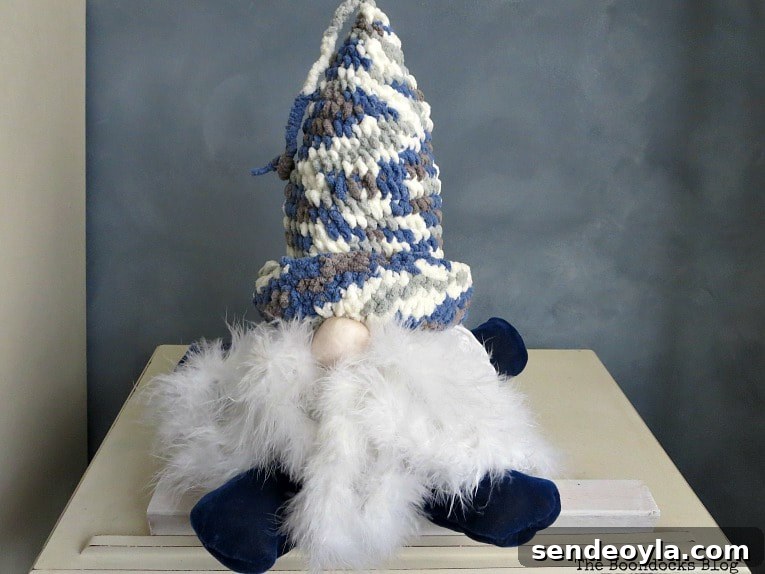
It’s that time of the month when I join my friends from the International Bloggers Club to share our unique projects. This month’s theme follows anniversary years, and after featuring paper projects last month, we focused on ideas using cotton. I set out to make a cotton gnome—but the path from inspiration to finished piece was full of setbacks, detours, and a last-minute creative pivot that turned a would-be pumpkin into a gnome.
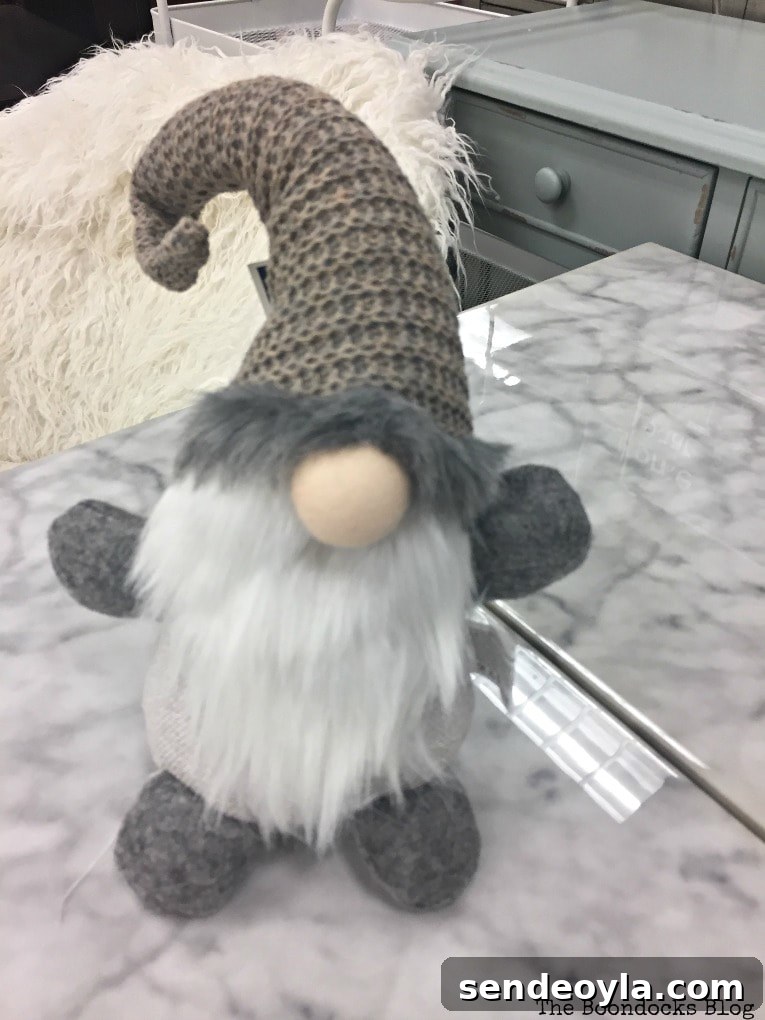
I spotted an adorable retail gnome while shopping and almost bought it. Then I thought, why not make one myself? I wanted to use cotton because of the month’s theme, so I began collecting supplies with confidence. What follows is a straightforward account of my process: the mistakes, the fixes, and the final result.
I had the fabric ready and even a piece of cardboard to act as a base, but I hit a wall when trying to attach the body to that base. After a half hour of frustration (and some Grey’s Anatomy in the background), I stepped away. At one point I almost abandoned the project for a different post about using inexpensive cotton curtains to make a kitchen valance, but inspiration struck again while I was browsing online and kept seeing pumpkins. That’s when I had my “aha” moment: why not make a pumpkin-shaped body that becomes a gnome?
Disclosure: some of the items I mention were purchased through affiliate links. If you use those links, a small commission helps me maintain this blog at no extra cost to you.
What I Used:
- One XL cotton jersey T‑shirt (white)
- Yarn (for stitching and the hat)
- Feather boa (for the beard)
- Polyester stuffing
- Velvet or stretch fabric for hands and feet
- Knit hat or yarn to crochet one
- Cotton balls
- Knee-high stocking (for forming the nose)
- Needle and thread
- Cardboard
The How To:
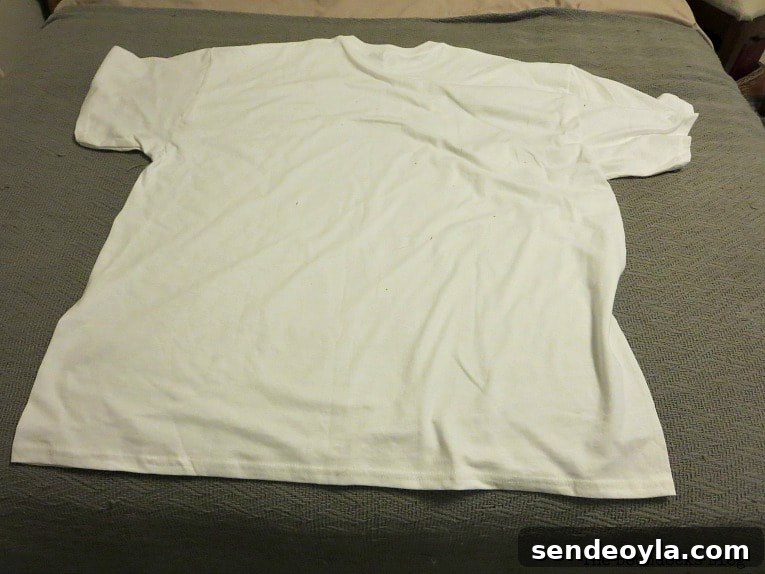
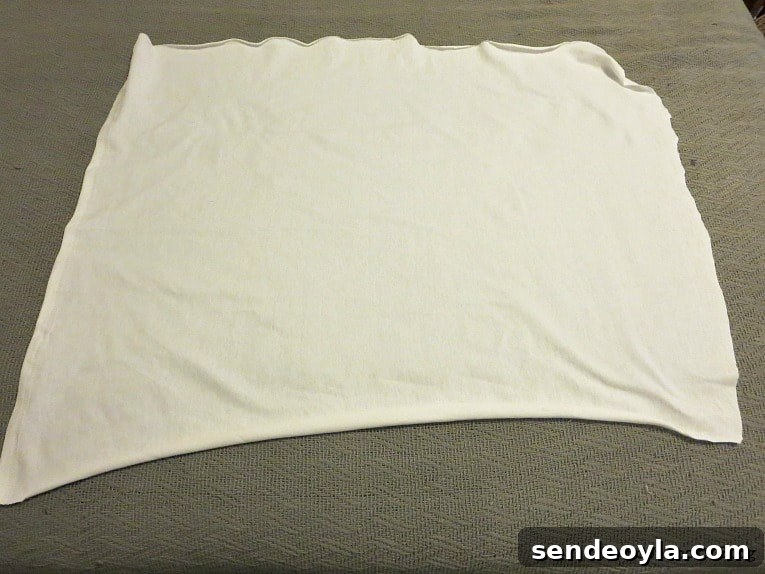
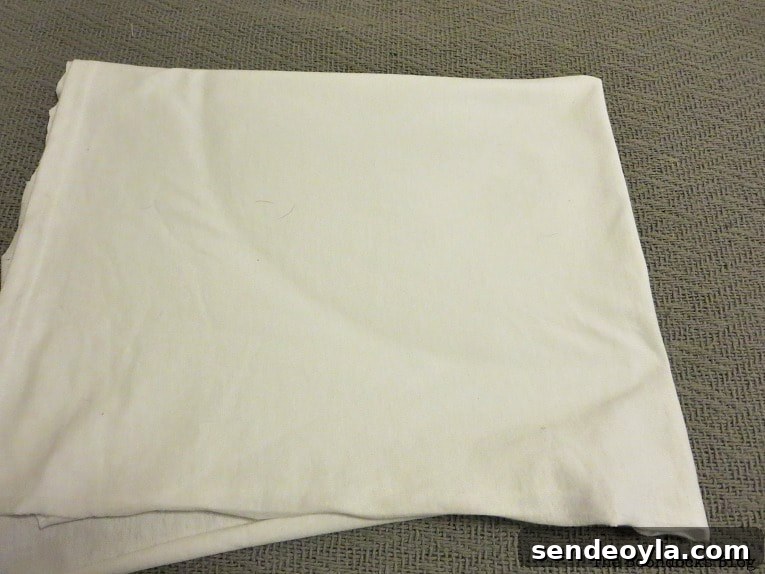
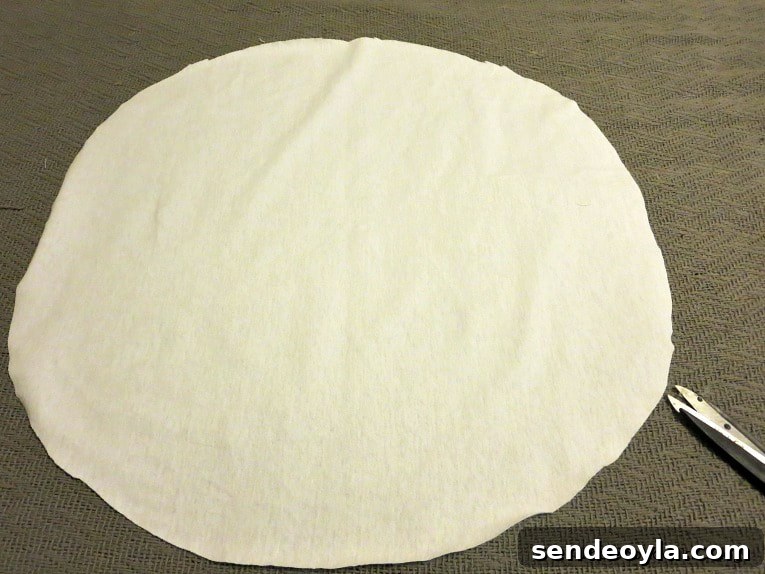
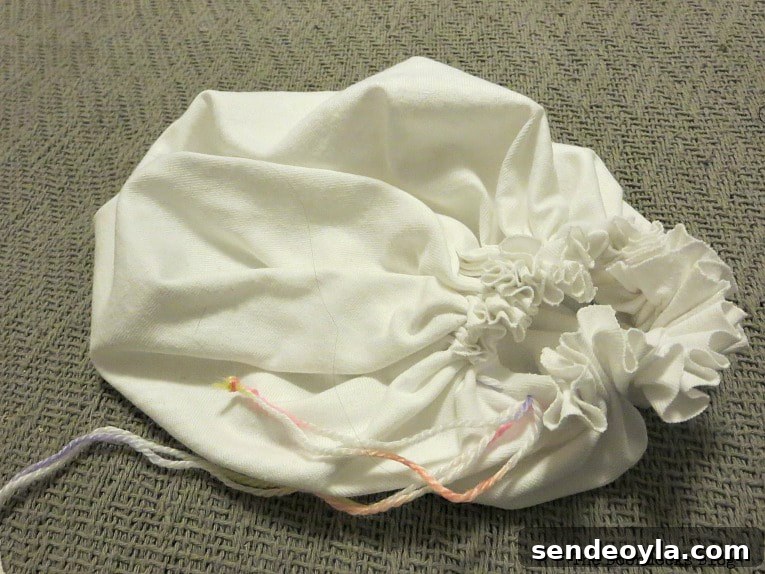
I wanted a rounded, pumpkin-like body and chose cotton jersey for its stretch. I found an oversized cotton T‑shirt and cut the back half into a large square. Folding that square twice gave me four layers to cut from, so when I trimmed a rough quarter-circle and opened the fabric it produced a circle suitable for forming a drawstring pouch.
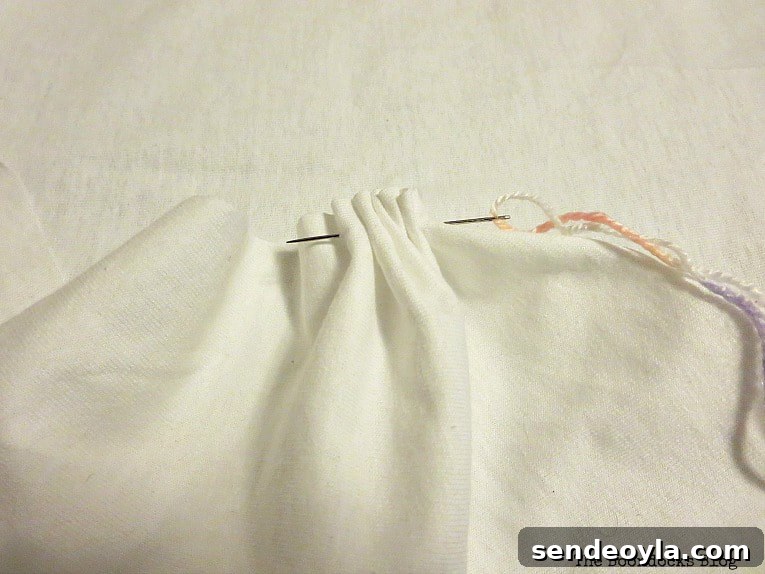
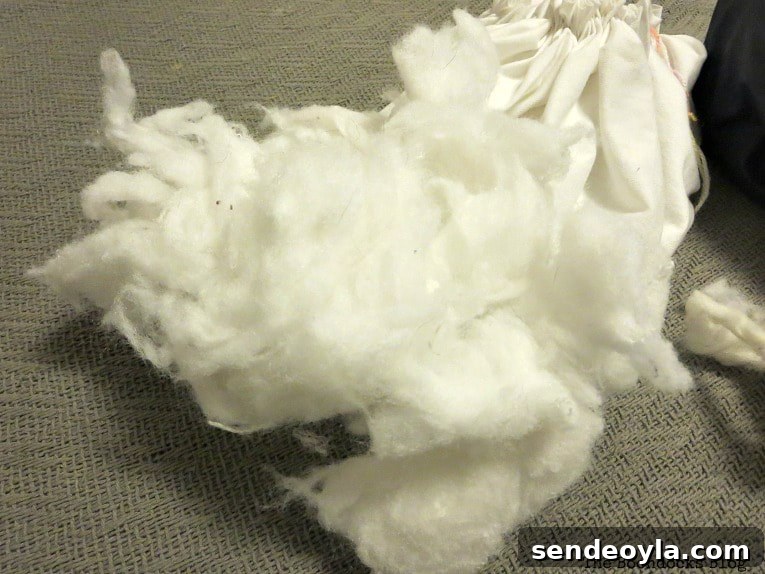
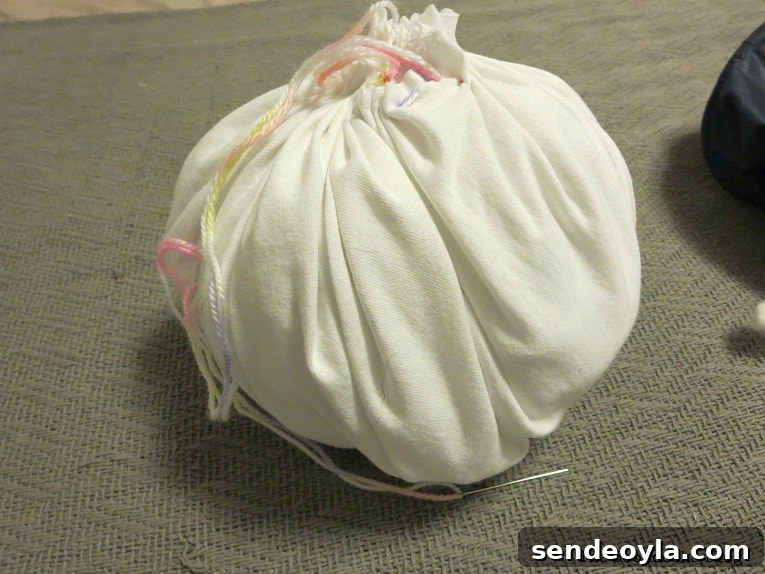
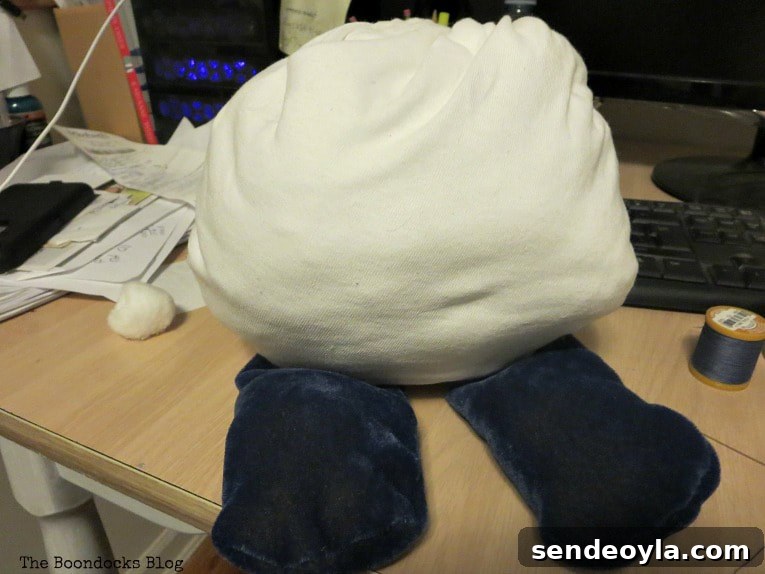
With a thick needle and yarn, I stitched loose running stitches around the circle’s edge to create a drawstring. Pulling the thread closed created a pouch I could fill. For stuffing, I reused polyester filling salvaged from old pillows—one of the advantages of being a diligent recycler. After stuffing and closing the drawstring, the result looked like a stuffed pumpkin.
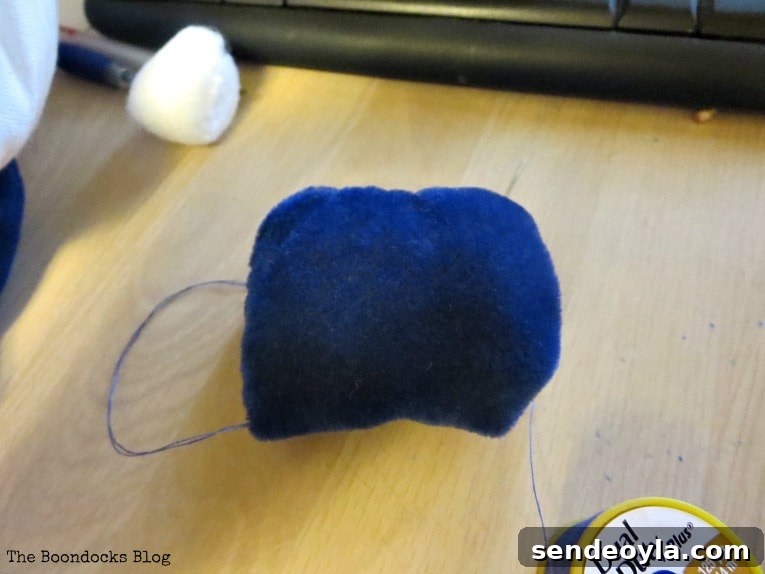
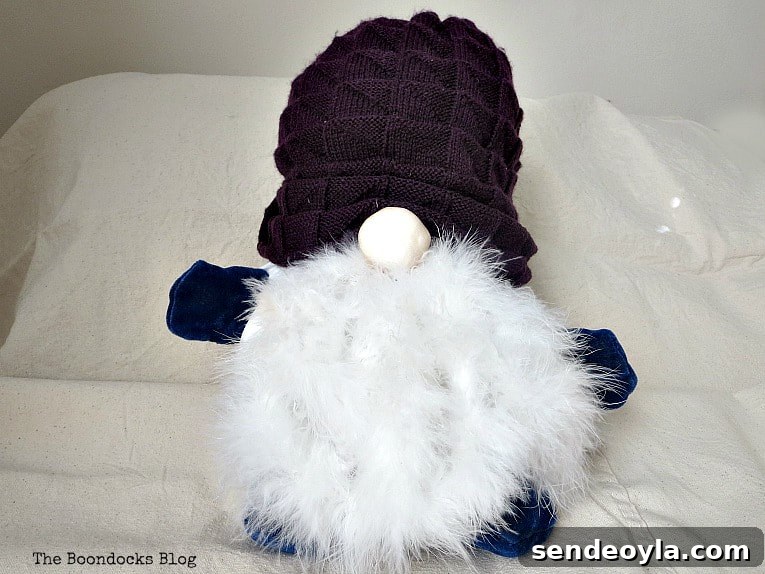
Hands and feet were simple: fold small rectangles of velvet or stretch fabric, sew the sides to create little pockets, and stuff them with polyfill. I made the legs longer than the hands and stitched them to the bottom of the pumpkin-shaped body so the piece read more like a standing gnome than a simple pumpkin.
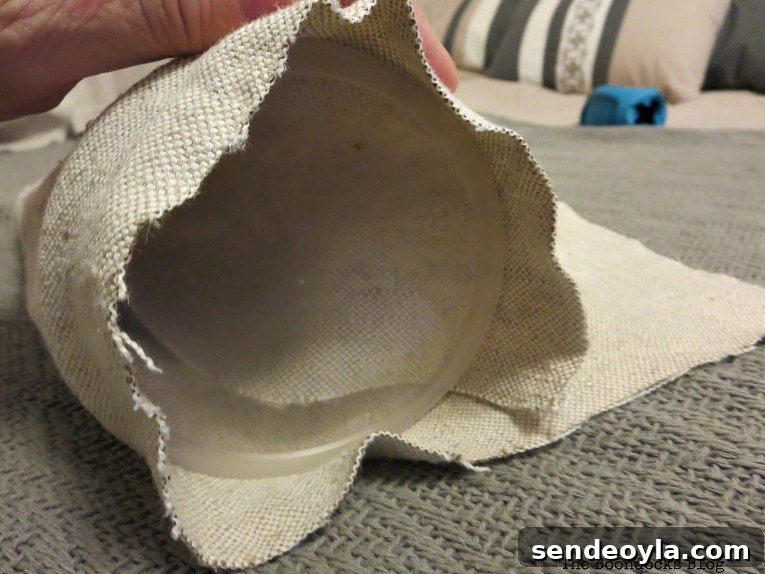
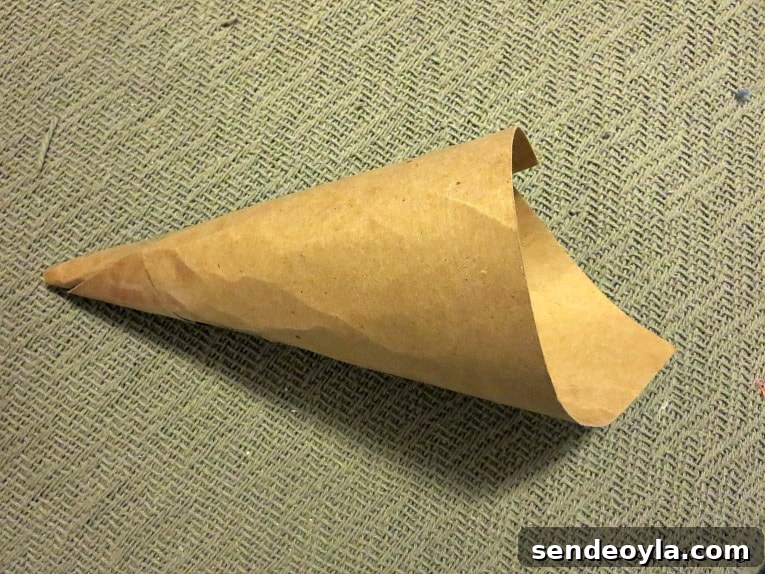
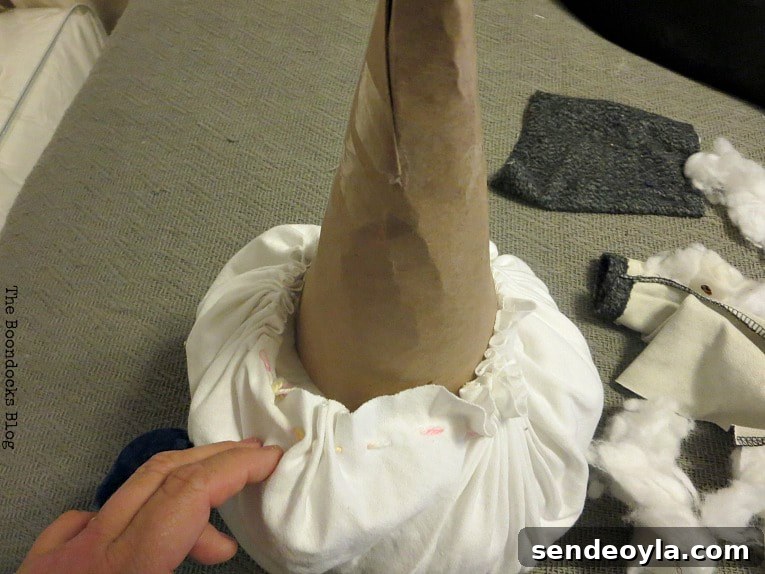
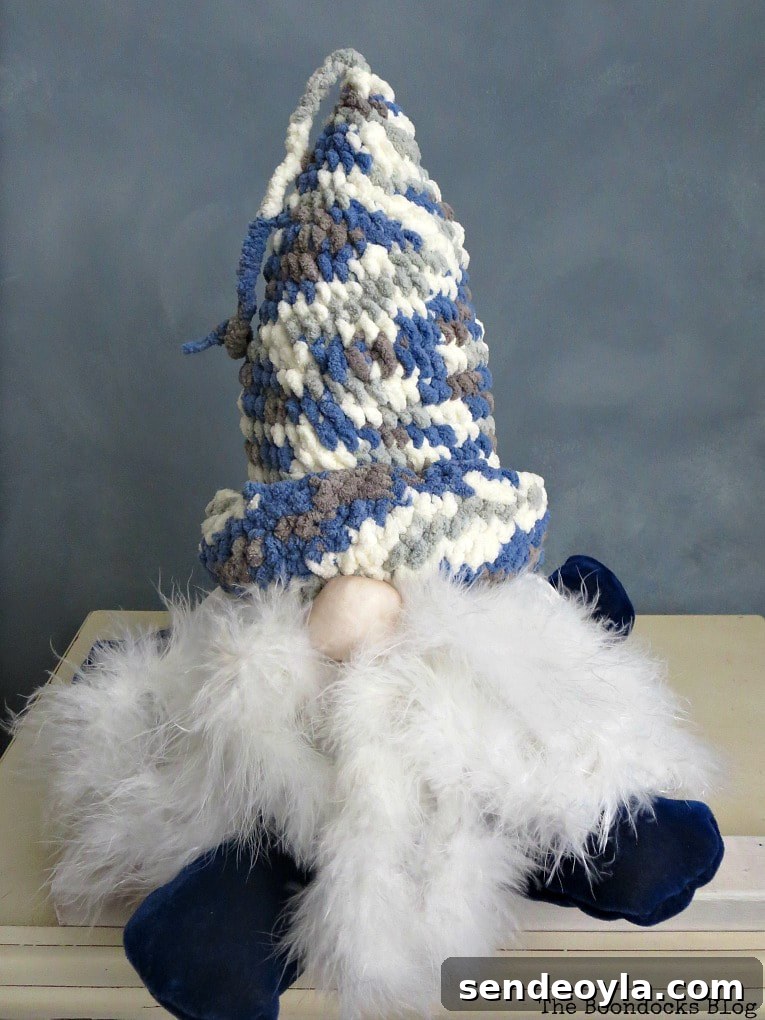
For the hat I improvised. I didn’t want to craft a complex form, so I rolled a piece of cardboard into a cone and secured it inside the drawstring pouch. That gave the hat structure. I then stuffed the beanie with extra fiberfill so it would sit like a proper gnome’s cap.
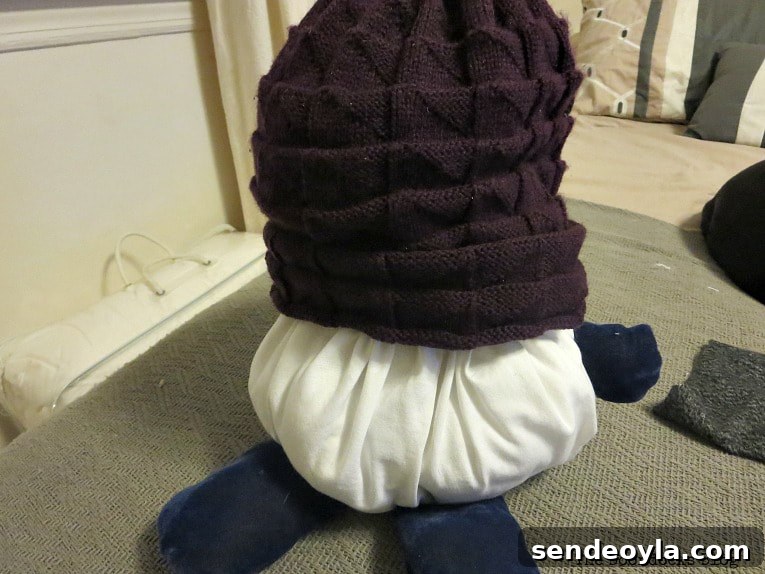
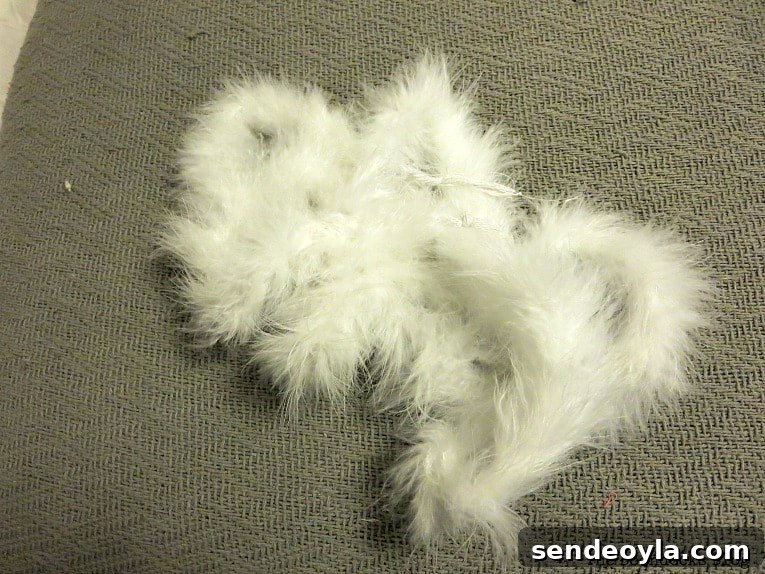
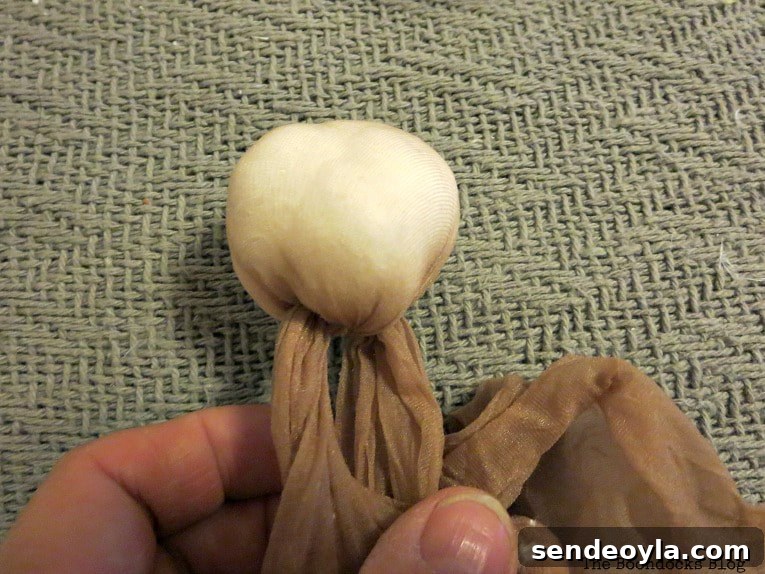
The beard was quick: fold the feather boa to the desired length, sew the top edge, and secure it under the hat. The nose came from stuffing six cotton balls into a small piece of stocking, tying it off, and tucking the ends into the drawstring so the nose stayed in place.
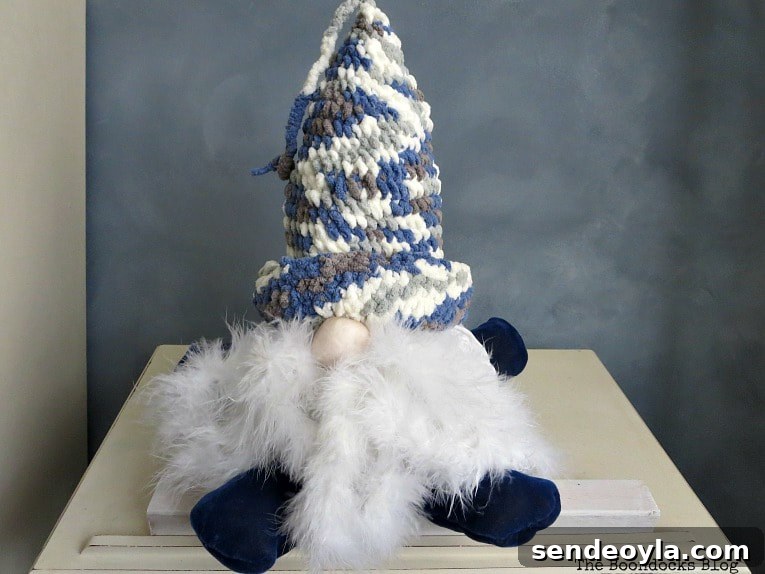
At this point the project looked promising but a bit rough. I decided to go further and crochet a proper hat to match the hands and legs. It took most of a day—I hadn’t picked up a crochet hook in years—but I finished a hat that tied the colors together and gave the gnome a polished, finished look.
What I Learned
- DIY is rewarding but sometimes buying a finished item is the smarter choice.
- Small investments in supplies can save time and frustration.
- Repurposing stuffing and old fabric is an economical and sustainable approach.
- Improvisation—like using cardboard for structure—can solve tricky problems.
- Learning or relearning a skill (crochet, in my case) can dramatically improve the final result.
Despite the stumbles, making this gnome reminded me that creativity often involves a few failures before success. In the end, I had fun, revived a craft skill, and created something with personality. If you decide to try a similar project, remember: start simple, reuse what you have, and allow room to pivot—my pumpkin-turned-gnome wouldn’t exist without that small change in plan.
If you enjoyed this step-by-step account and want to see more seasonal or themed craft projects, check the International Bloggers Club posts for fresh ideas and inspiration. I appreciate your comments and always try to reply to them—thank you for reading!

Please subscribe to the blog if you’d like project updates delivered by email. I love hearing your feedback and will do my best to respond to every comment.