
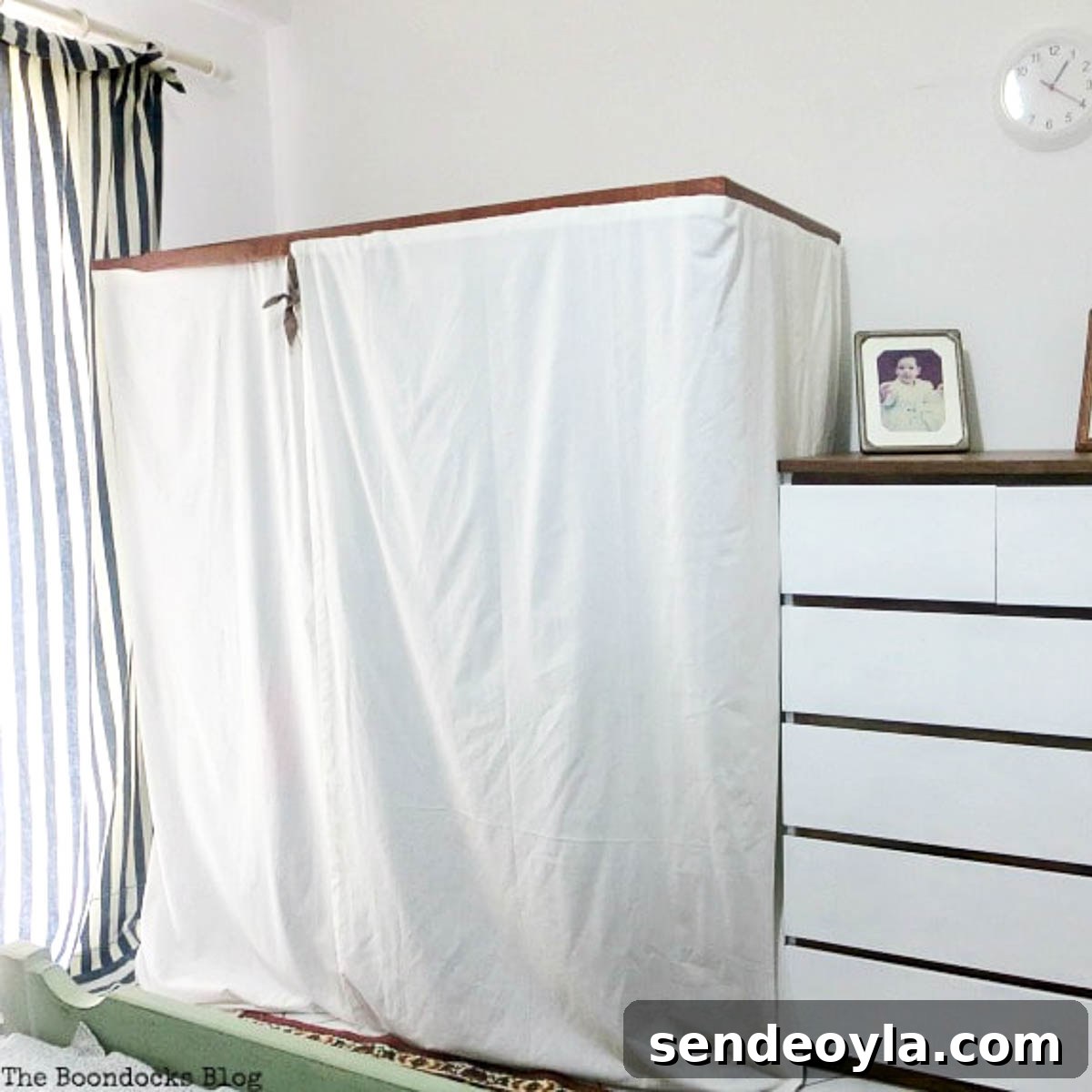
If you own a new Ikea rolling rack or an older freestanding clothes rack, learning how to make a DIY clothes rack with a cover is a quick way to keep garments clean and the room looking organized. A simple cover protects clothing from dust and gives an accessible, tidy appearance without the expense of built-in closets.
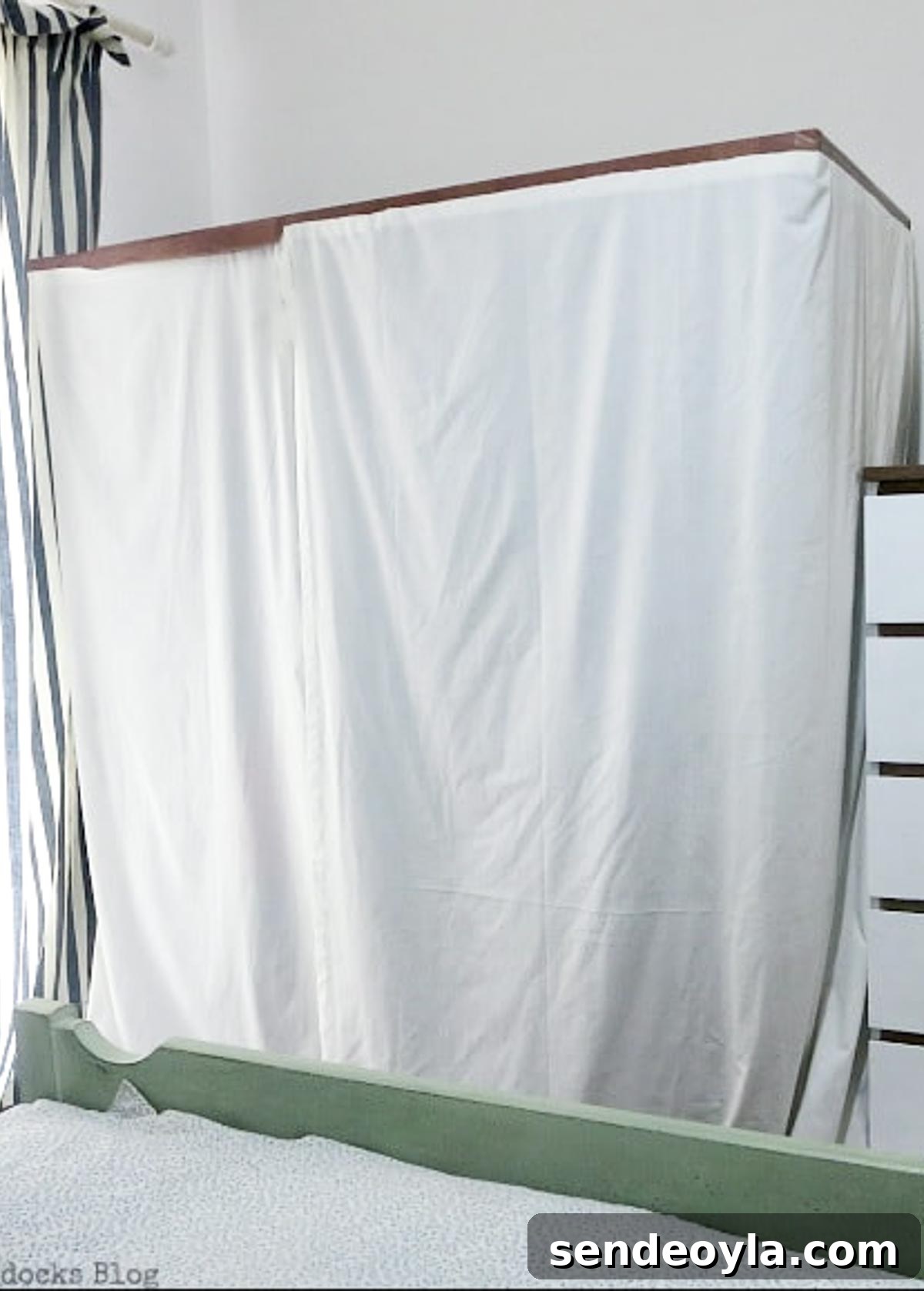
This project was one of my last from an apartment in Greece. Between holiday projects and moving, I didn’t get a chance to post it sooner, but it’s perfect timing now since it’s all about organizing—an easy garment rack cover upcycle that’s budget-friendly and practical.
Below I’ll walk through the materials and steps I used to transform a plain aluminum clothing rack into a concealed, shelf-topped unit that blends better with the bedroom. After the step-by-step, I’ll show the completed bedroom so you can see how the finished rack fits into the space.
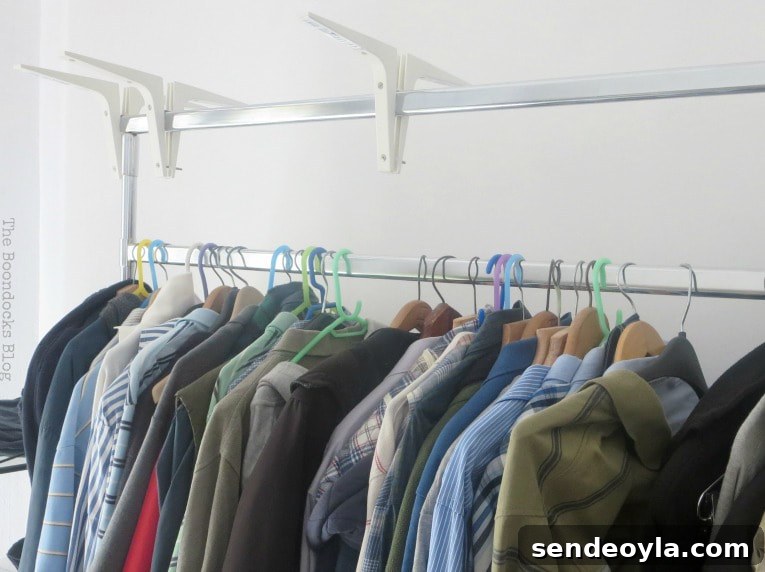
These photos are candid—taken just hours before we boarded a plane. The rack itself came from a local store that had closed; it was functional but not attractive. Since the room didn’t have a built-in closet, I wanted a solution that hid clothes more elegantly than simply draping a sheet over the frame.
Materials I Used to Make a Clothing Rack Cover:
- Aluminum clothing rack (pre-owned)
- 6 pairs of Ikea EKBY shelf brackets
- 3 flat white sheets
- Leftover cardboard (I used boxes from Ikea)
- Contact paper in walnut and white patterns
- Stapler
How to Make a Garment Rack Cover:
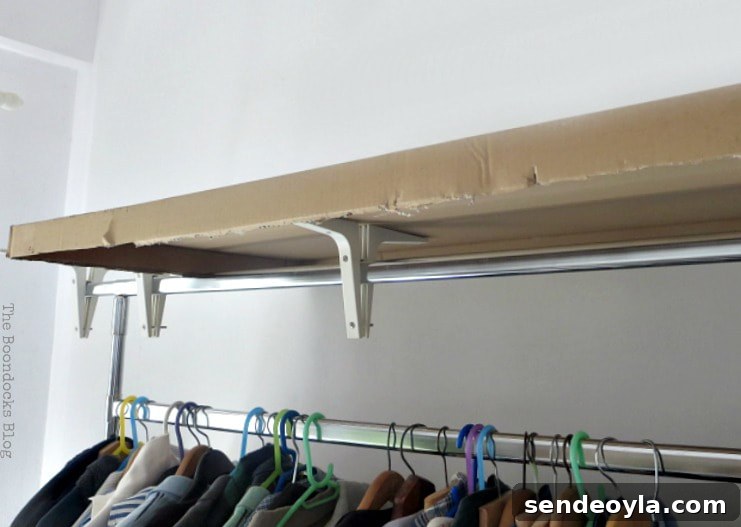
I began by attaching six sets of Ikea EKBY shelf brackets to the top of the clothing rod. The brackets were arranged so the rod sat in the middle and the brackets formed a stable base for a small shelf or frame above the clothes.
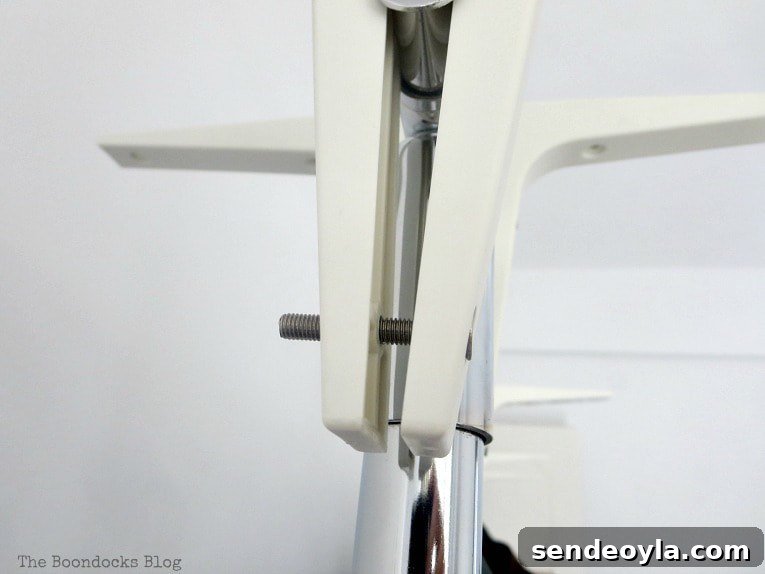
Next I cut two pieces of cardboard so they fit on top of the brackets. One piece slid into the other, creating a lightweight frame or shelf. This gave the cover a structured top and prevented the fabric from sagging.
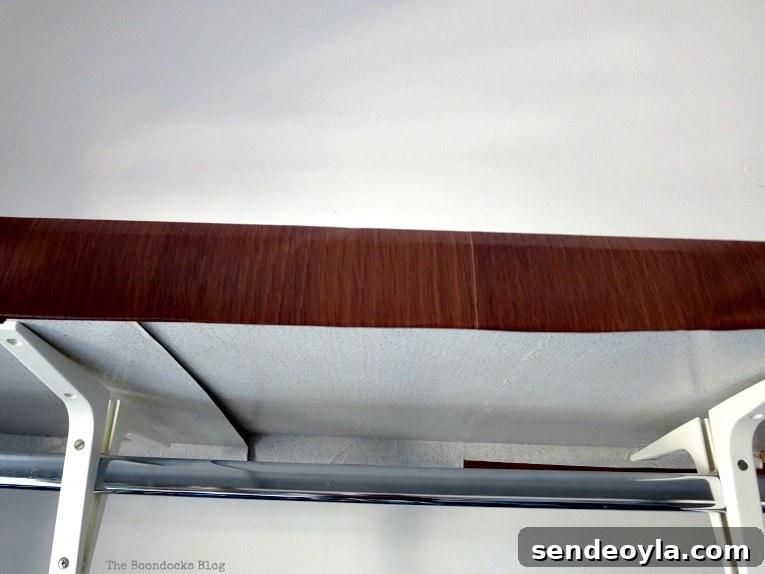
To match the dresser and give a cleaner finish, I covered the cardboard with contact paper—walnut on the outside and a light pattern on the inside. This step makes the top look intentional and coordinated with surrounding furniture.
Then I repurposed a few white flat sheets to form the cover. The sheets were stapled to the edges of the cardboard frame. It’s a quick, no-sew approach—secure the fabric along the top frame so the sides hang down and cover the entire rack.
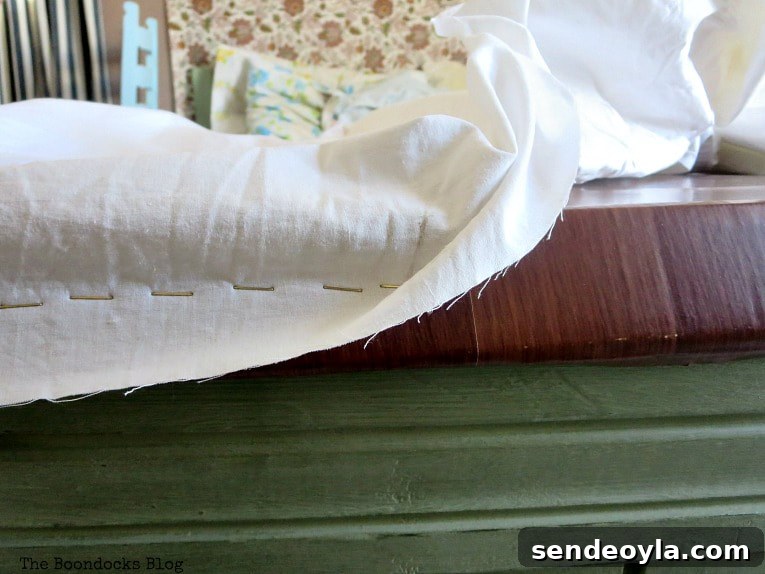
I stapled the sheets all the way around the frame. It’s straightforward and effective—no hemming or sewing required. A note: ironing the sheets before stapling would give a crisper look, but this was a last-minute build.
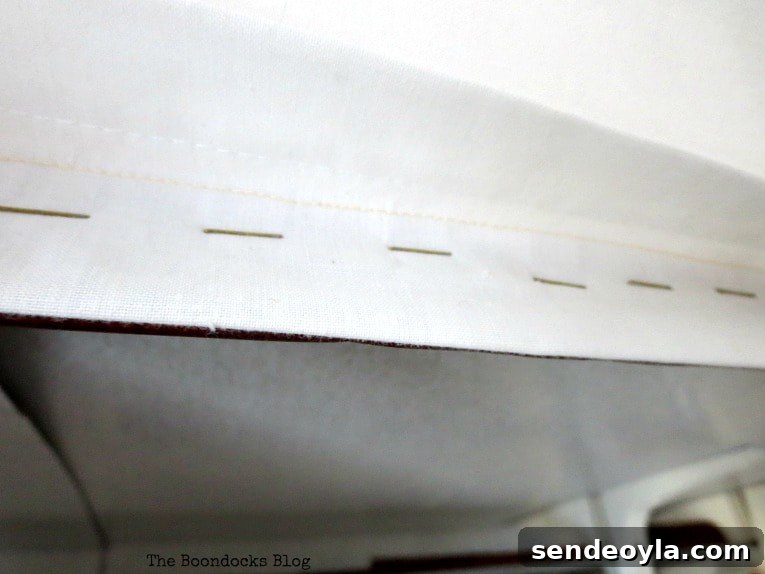
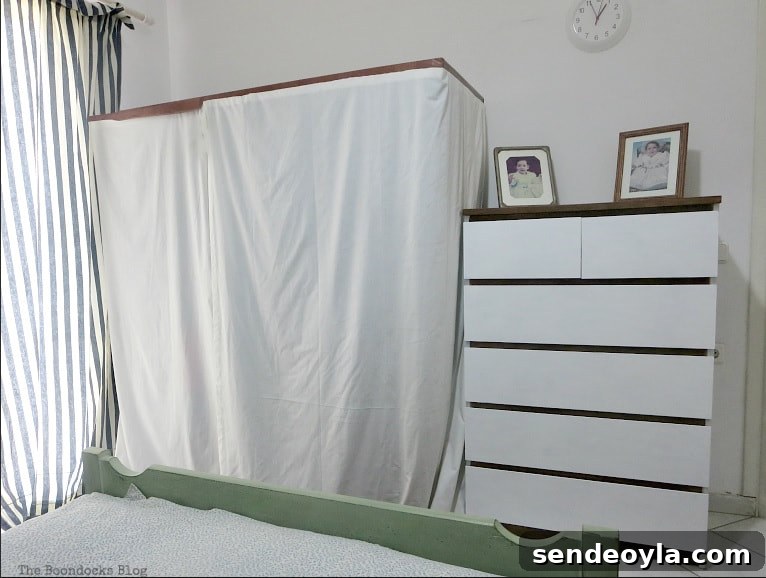
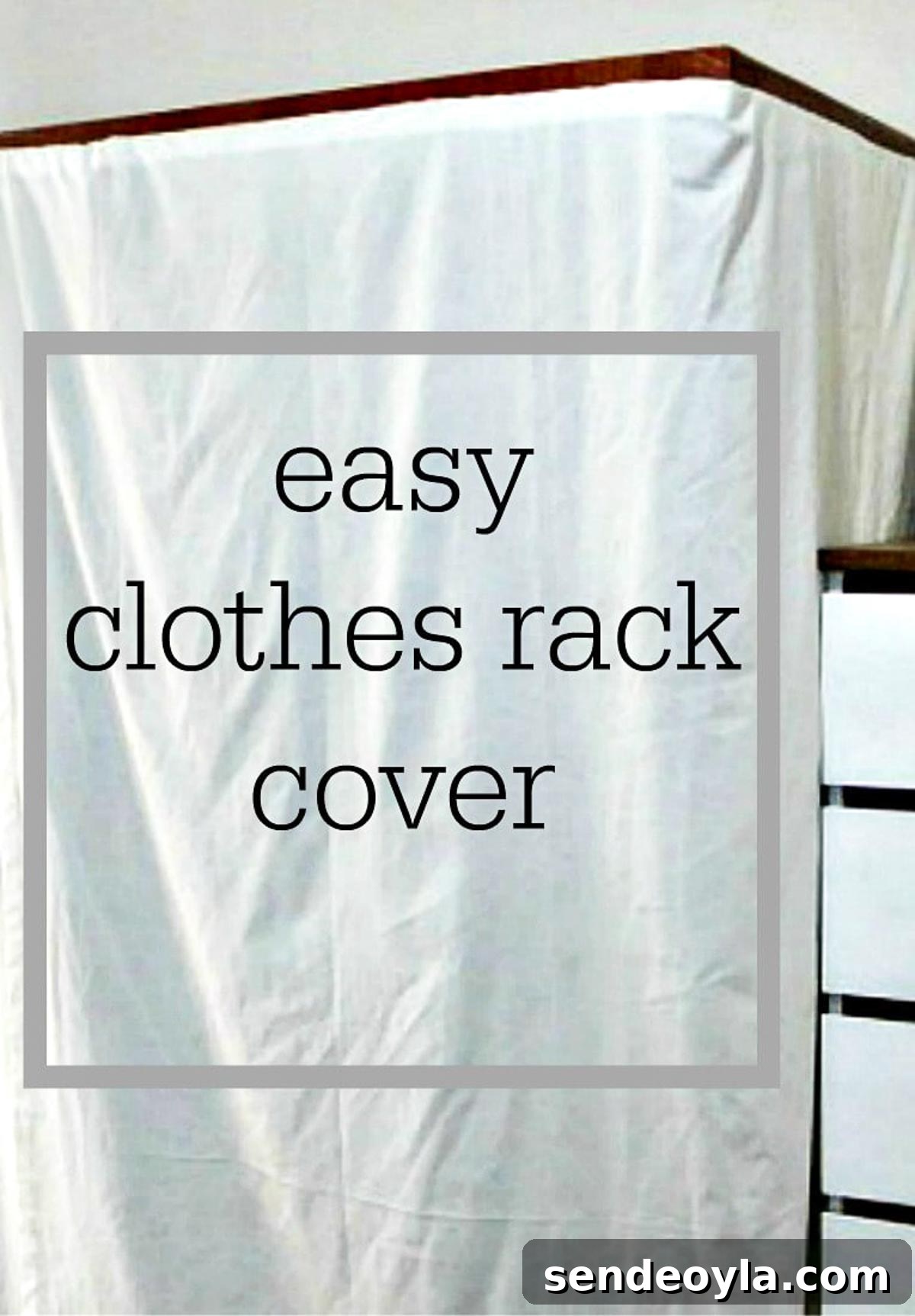
Here’s the finished DIY clothes rack cover. From the outside it appears as a simple boxed unit, but underneath it conceals the clothing rack and keeps garments protected and out of sight.

The Finished Bedroom
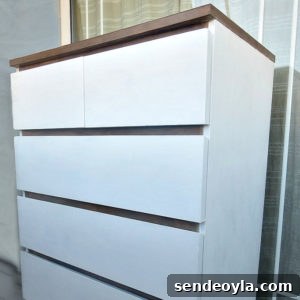
The covered clothing rack isn’t a designer piece, but it’s far better than leaving clothes exposed to dust. It sits well beside the upcycled Ikea Malm dresser and helps the room feel cohesive and organized.
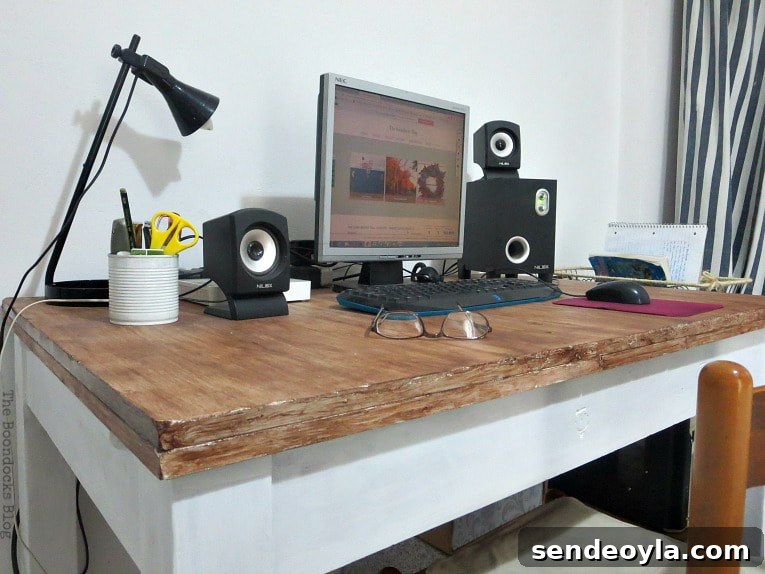
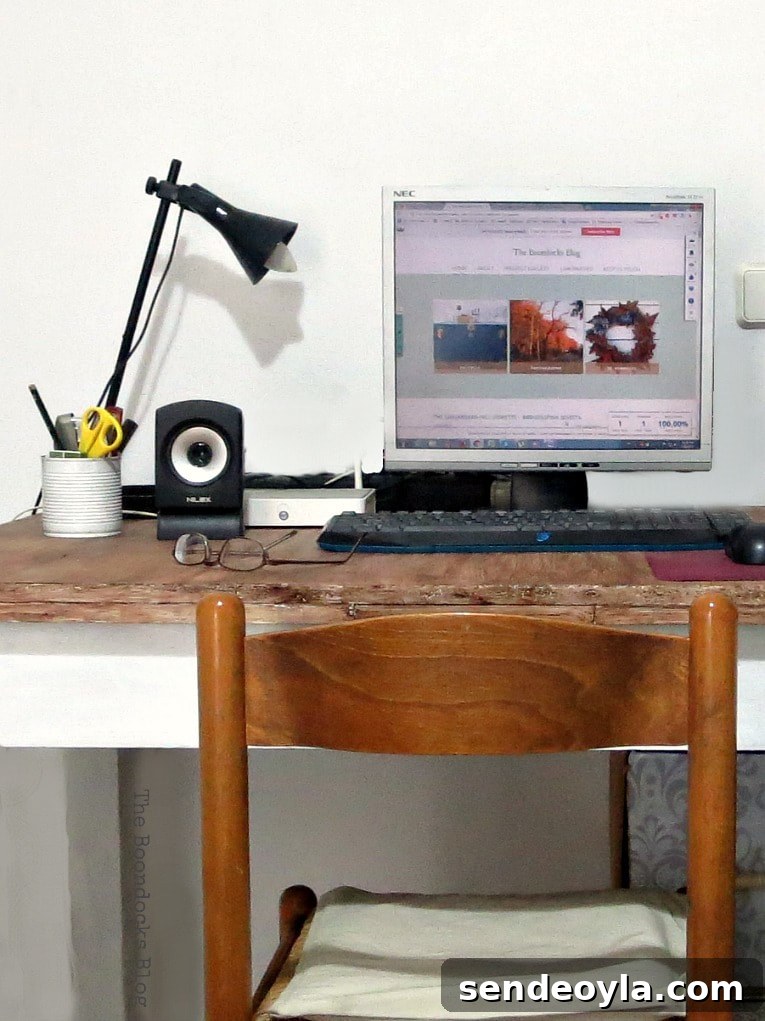
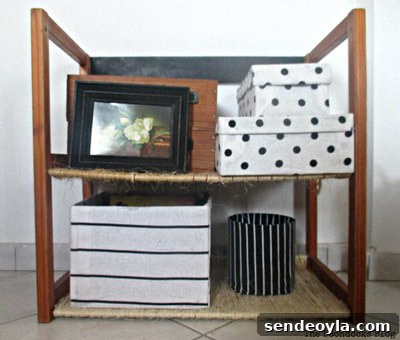
The rest of the room includes a laminate desk makeover that serves as my office area and a rescued metal table used as a side surface and organizer stand. I also repurposed a dish rack as a small organizer on top of the metal table.
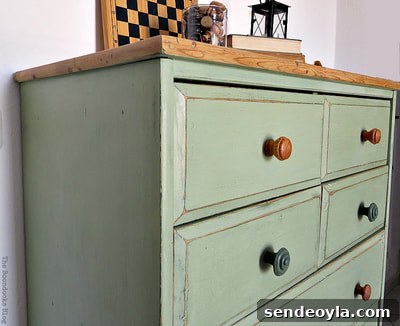
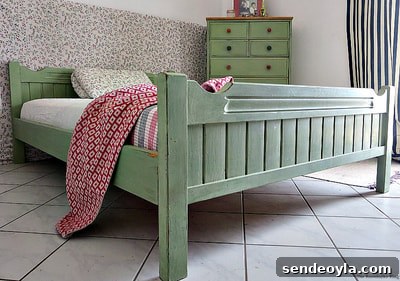
I had painted an old Ikea pine dresser a while back and matched the bed frame to it, creating a cohesive bedroom set. To warm up the room, I added a fabric-backed headboard that ties the color palette together and brings texture into the space.
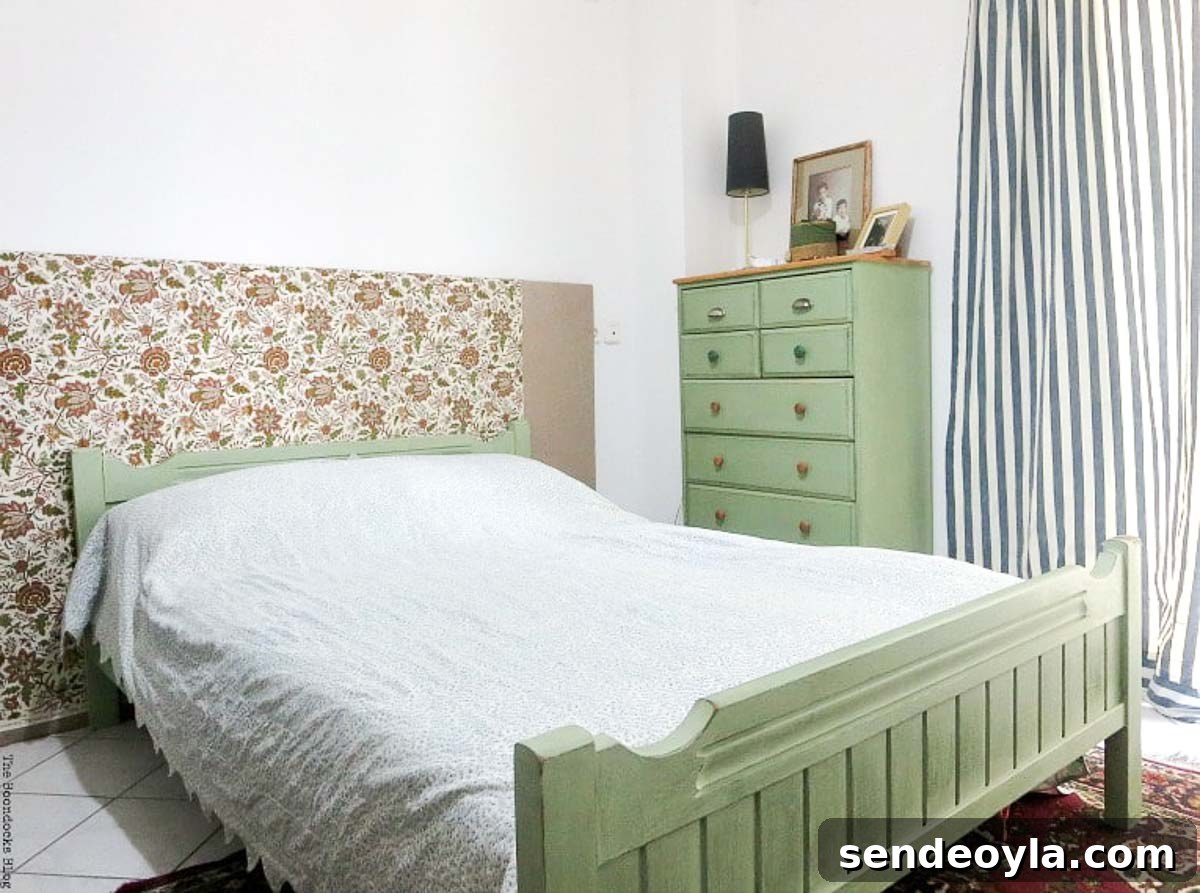
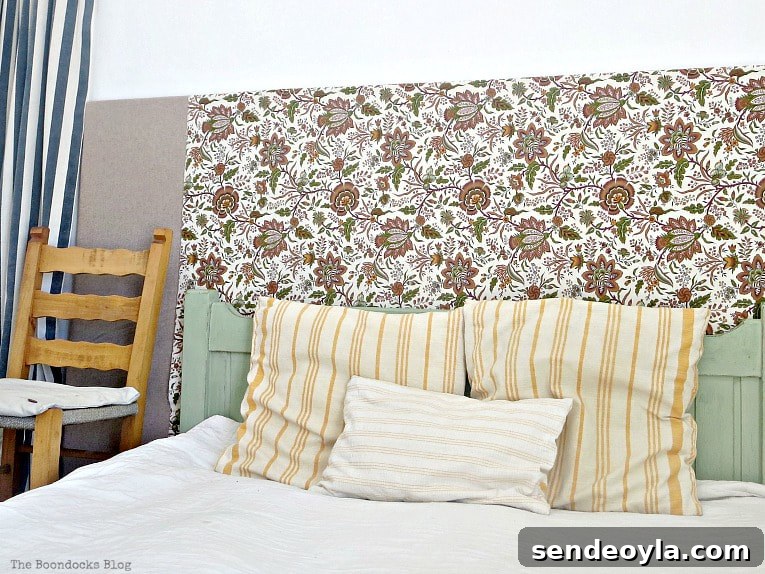
The bedroom is small, so I used a lot of white and light tones to keep the space bright. Overall the room came together nicely: practical storage solutions like the DIY clothes rack cover made a big difference in functionality without costing much.
I hope this post inspires you to hide clothes neatly with an easy DIY clothes rack cover. It’s a quick, inexpensive solution that improves a room’s appearance and keeps garments protected.
Now that this bedroom reveal is complete, I’m excited to start sharing new projects from New York.

The Bedroom Series:
More Bedroom Storage ideas:
This blog content is for entertainment and general inspiration; these DIY tutorials are not professional advice.