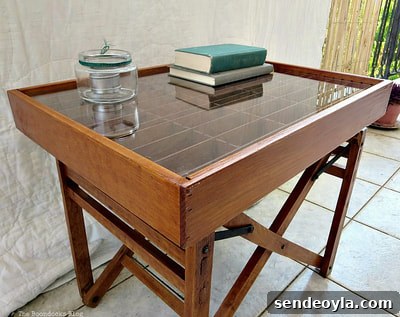
For about four years I’ve been cleaning and reviving wood furniture with a remarkably simple mixture. I’m not sure where I first saw the idea, but it has worked wonders on everything from a restored showcase table to a repurposed drawer-and-stool side table. I haven’t properly shared the method until now, so here’s how to easily clean wood using just two natural ingredients—an easy way to upcycle and refresh wooden pieces around your home.
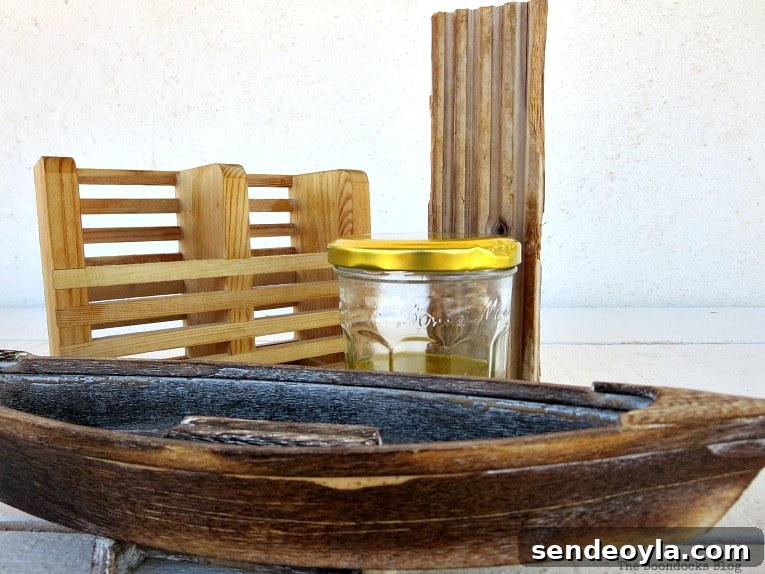
Ingredients:
One part olive oil
One part vinegar
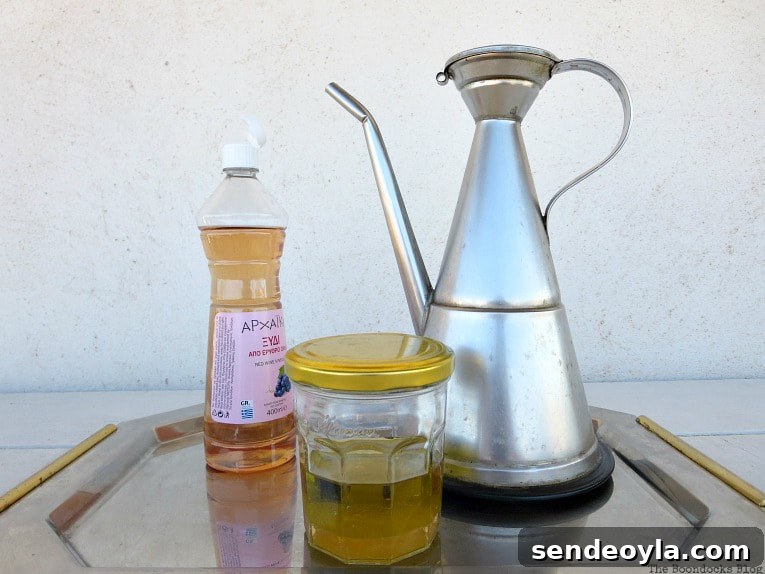
The how to:
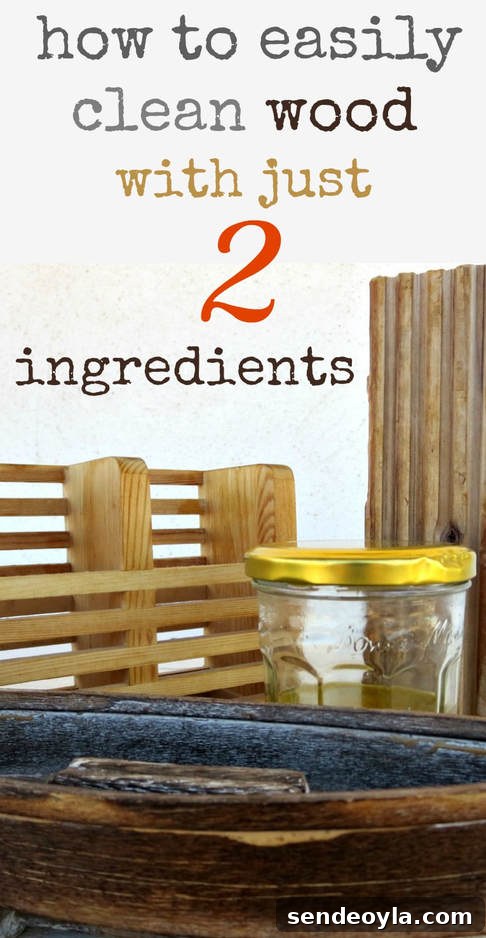
Pour equal parts olive oil and vinegar into a clean jar and shake to combine. This isn’t a salad dressing—it’s a simple, natural wood cleaner and rejuvenator. When you’re ready to use it, dip a clean piece of cotton cloth into the mixture and rub it onto the wood surface, working with the grain where possible.
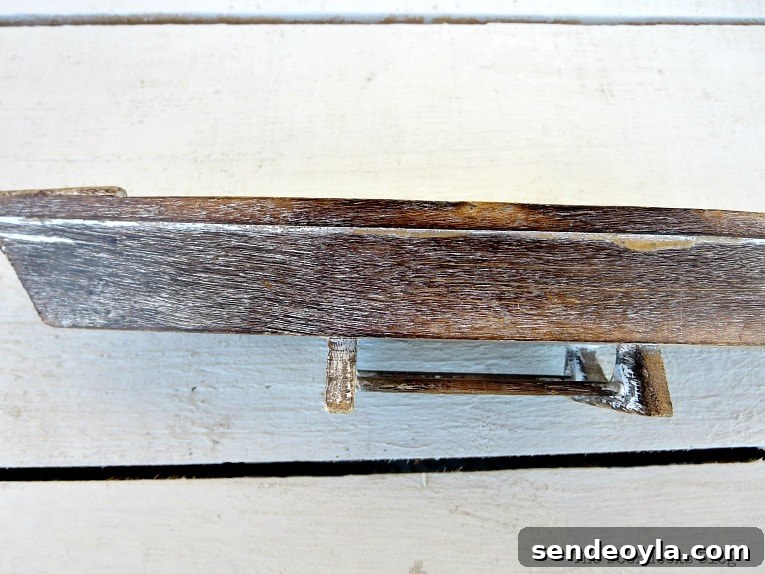
Rub the mixture into the wood, allow a few minutes for it to soak in, and then buff away any excess with a dry cloth. The process is quick, effective, and suitable for many types of finished wood surfaces that just need cleaning and conditioning—not heavy restoration.
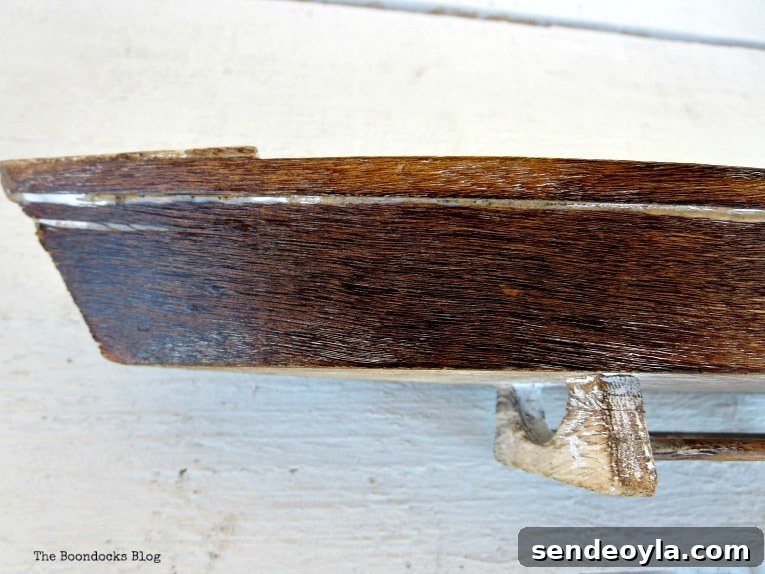
Here’s another example: an older piece of wood that looked dry and faded. After applying the oil-and-vinegar treatment you can clearly see richer color and renewed depth in the grain.
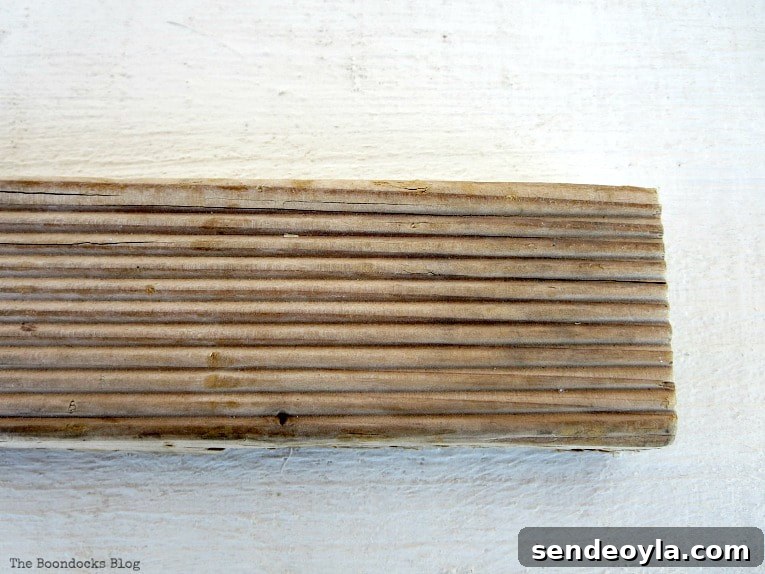
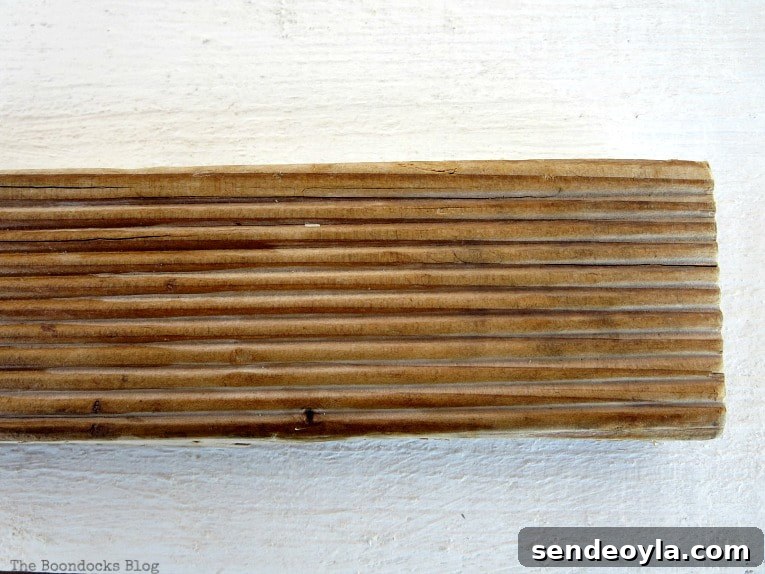
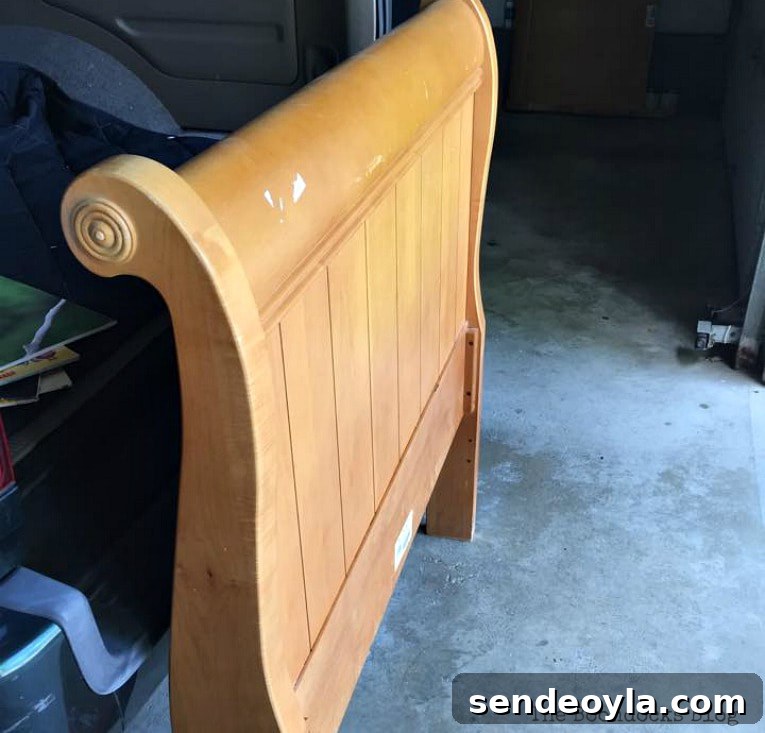
My friend brought me an old headboard that looked dull and tired. We considered staining or repainting, but the oil and vinegar mix was enough to bring it back to life—cleaner, healthier-looking wood with a soft shine, without resorting to strong chemicals or sanding.

Even a simple IKEA wooden cutlery caddy looks noticeably better after this treatment. The mixture both removes dirt and grime and adds moisture back into thirsty wood, leaving a gentle sheen that highlights the grain.
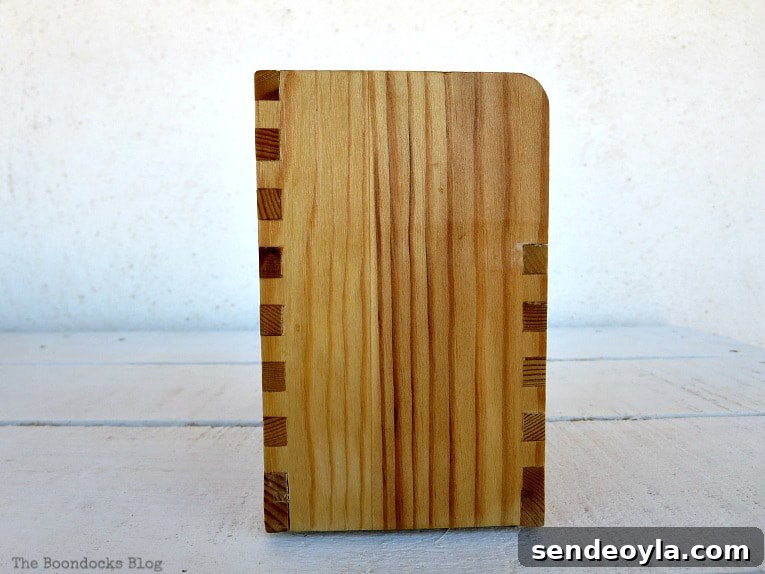
The results are consistent: cleaned surfaces, richer color, and a subtle protective layer from the oil. This treatment works especially well on furniture and decorative objects that are finished but have become dry or dusty over time. It’s gentle, environmentally friendly, and uses ingredients most households already have.
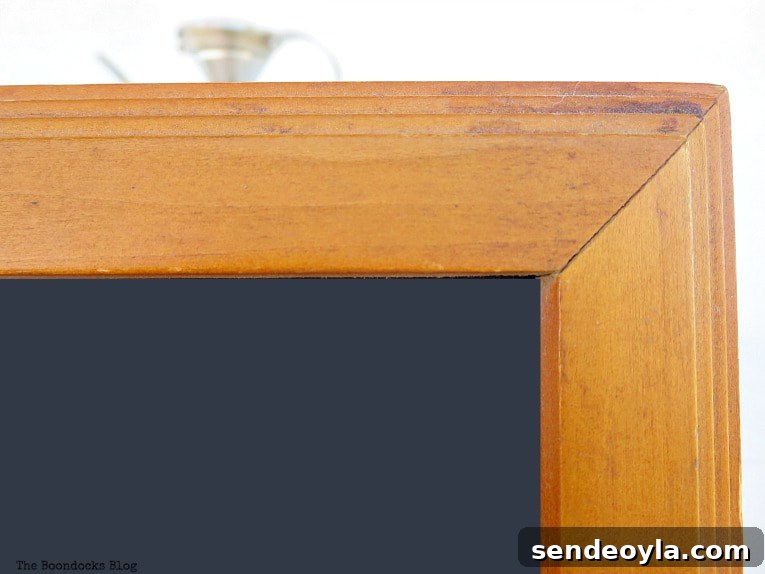
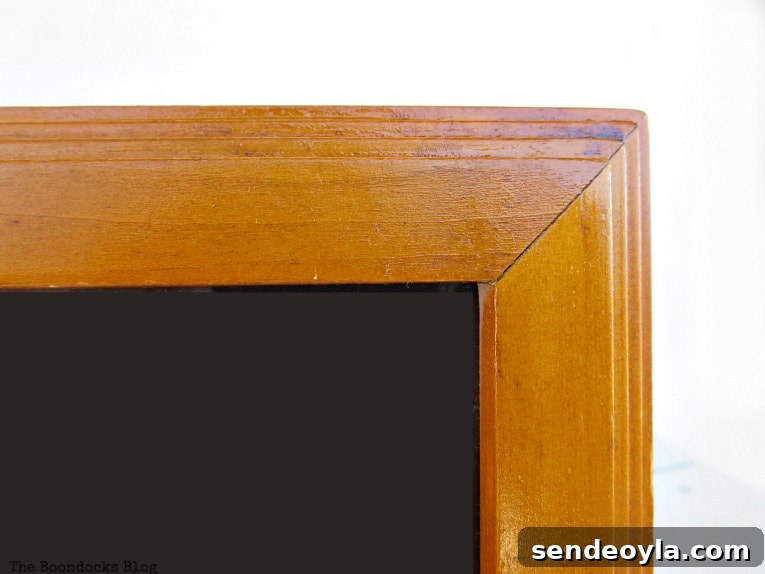
Because this method uses olive oil and vinegar, it keeps things natural and avoids harsh chemicals that can strip finishes or leave residues. For lightly finished or sealed wood it’s a safe cleaning and conditioning option—always test a small, inconspicuous spot first to ensure the finish reacts well.
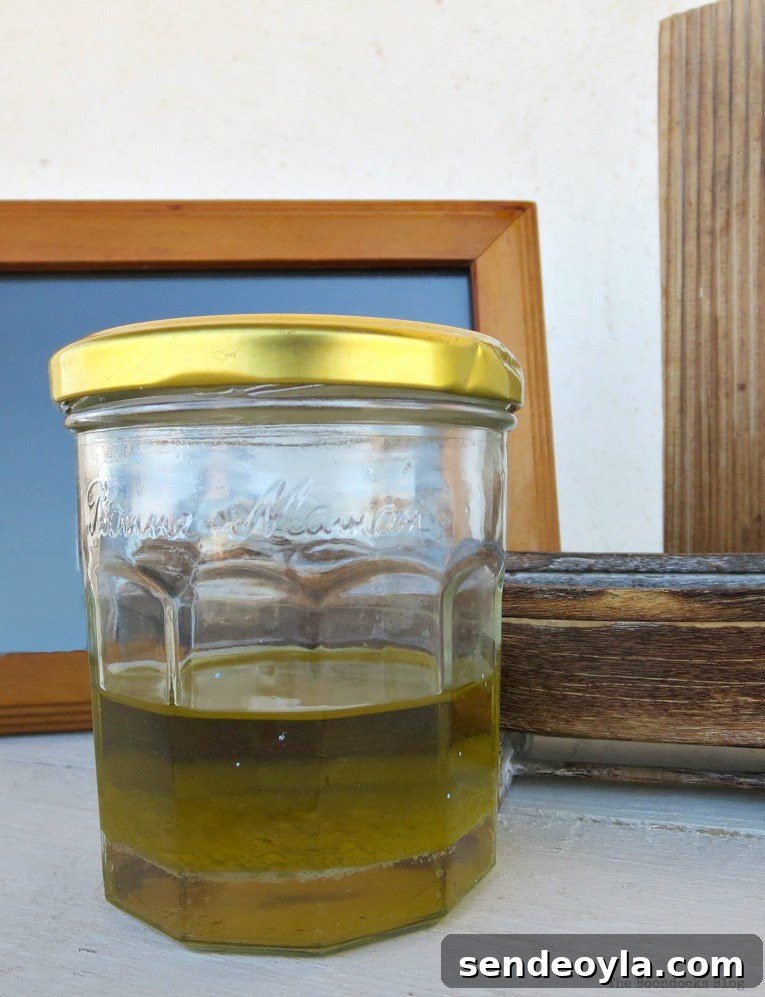
In short: a small jar of equal parts olive oil and vinegar makes an effective cleaner and rejuvenator for finished wood. It’s a quick, eco-friendly way to upcycle and refresh wooden items using humble, readily available ingredients.
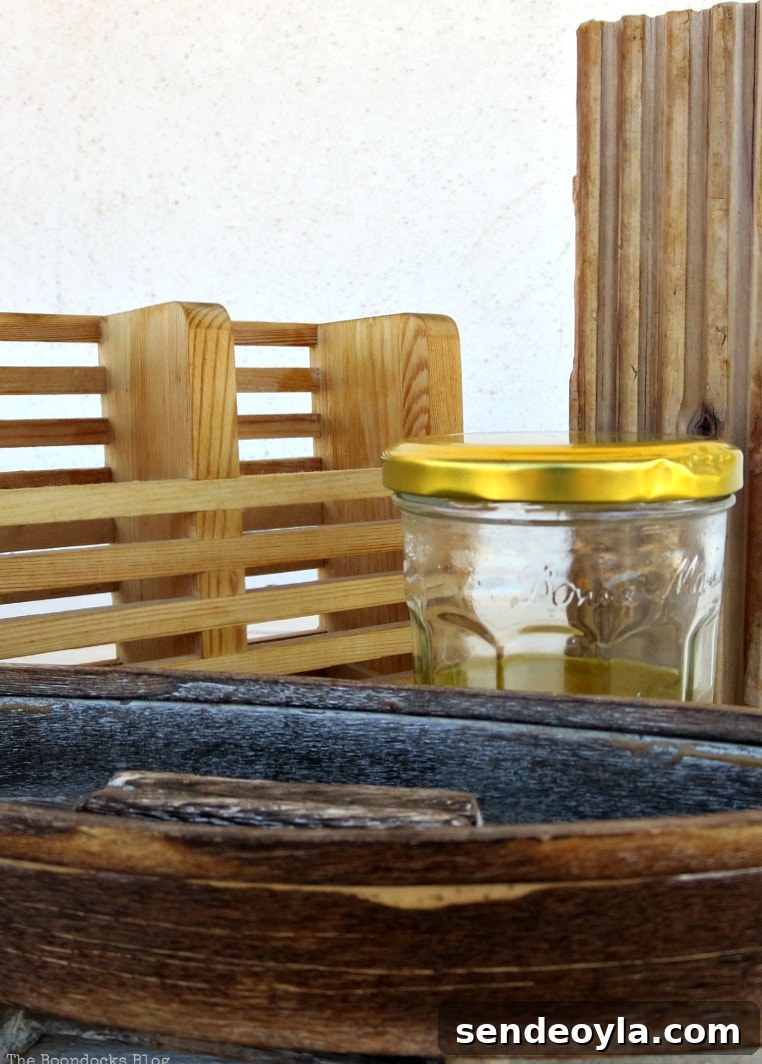
Have you tried this “salad dressing” method on your wood pieces, or do you prefer other natural cleaners? Share your experience—simple tips like this can help others care for and upcycle their wooden furniture with minimal effort.
If you enjoyed this idea, consider saving or sharing it. If you’d like more simple wood-care and upcycling tips, look for more projects and before-and-after examples on this site.

Related wood projects

Note: This blog post is for informational and entertainment purposes only. My DIY tips are not professional advice—please use care when working with wood and finishes, and test any cleaner on an inconspicuous area first. I welcome comments and stories about your own wood care experiences—please avoid adding hyperlinks in comments so they can be published.