
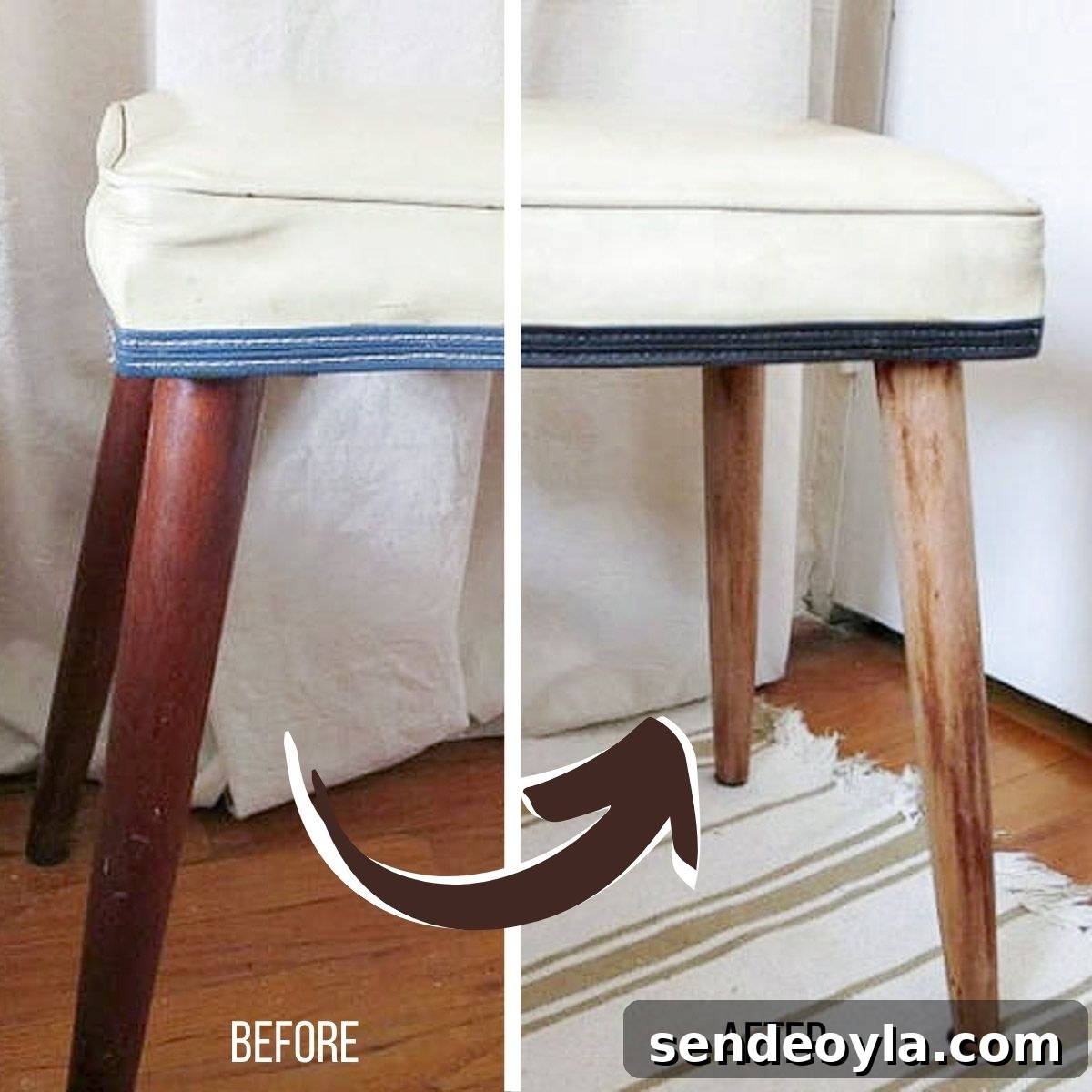
What began as a quick refresh of a mid-century wooden stool turned into a two-day project. The result, however, was worth the effort for a piece that has been in the family for decades.
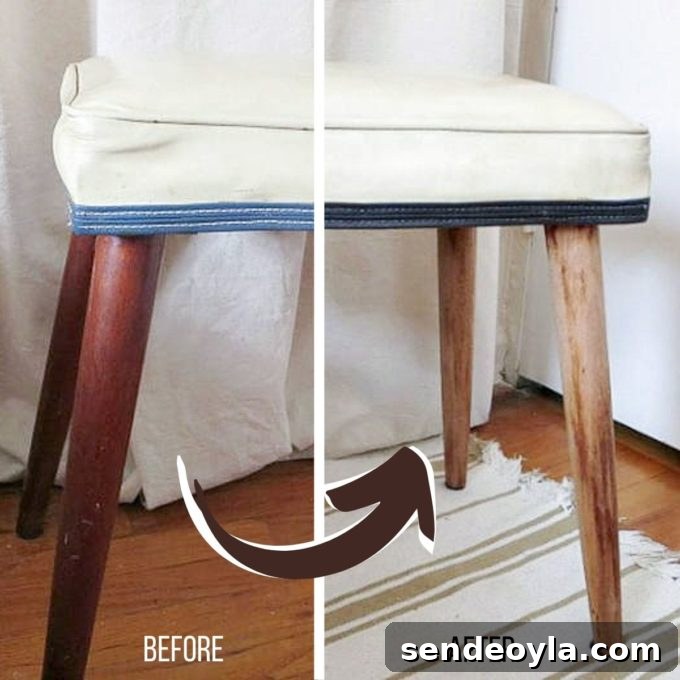
A Simple Mid-Century Furniture Makeover — Not So Simple
At first glance the bench looked modest and unassuming. I thought I could quickly freshen the legs and repaint the blue vinyl piping to match a gray color scheme I had in mind. What sounded like a half-hour job turned into an unexpected, hands-on lesson in patience and technique.
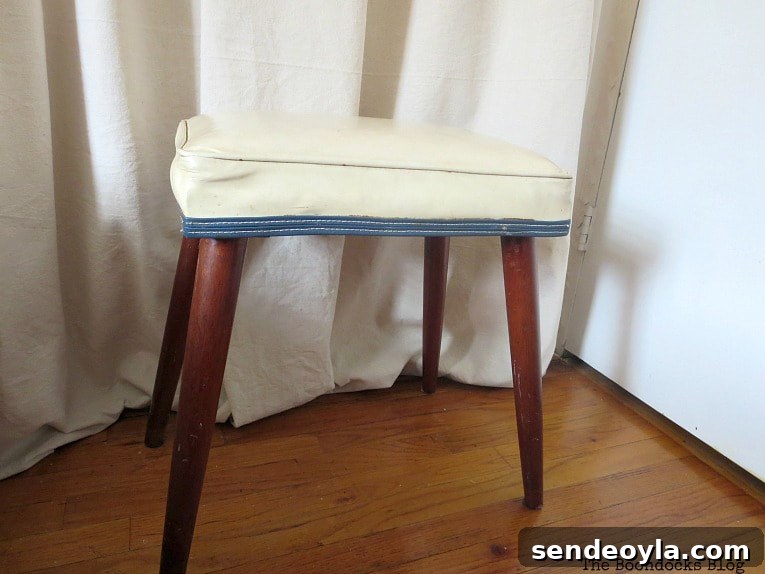
I’ve tackled mid-century modern (MCM) pieces before, but this one had surprises. For starters, I couldn’t decide whether to call it a stool, an ottoman, or a small bench. Traditionally, stools or footstools sit lower and are meant to rest the feet, while ottomans can double as seating. With its taller legs and sturdy top, this piece functioned well as a seat, so “ottoman” seemed appropriate — though “small bench” also fits.
Materials and Supplies
Note: The following is a straightforward list of tools and materials used for this makeover.
- Assorted sandpaper (various grits)
- Hand sander
- Electric sander (orbital or palm sander recommended)
- Clear crème wax for protection
- Americana Dazzling Metallic acrylic paint in a black-pearl/smoky-gray shade
- Paintbrushes and masking paper for protection
The Process
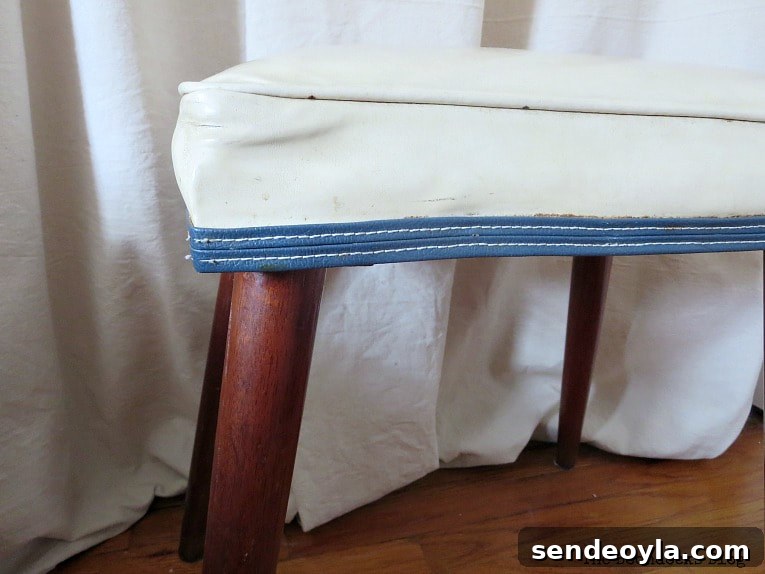
My plan was simple: remove the cherry-colored stain from the legs and repaint the vinyl piping across the bottom of the white upholstery. The first leg alone proved stubborn. Sanding by hand took far longer than expected. After working manually for a long stretch, I moved the project outdoors and borrowed a more powerful sander.
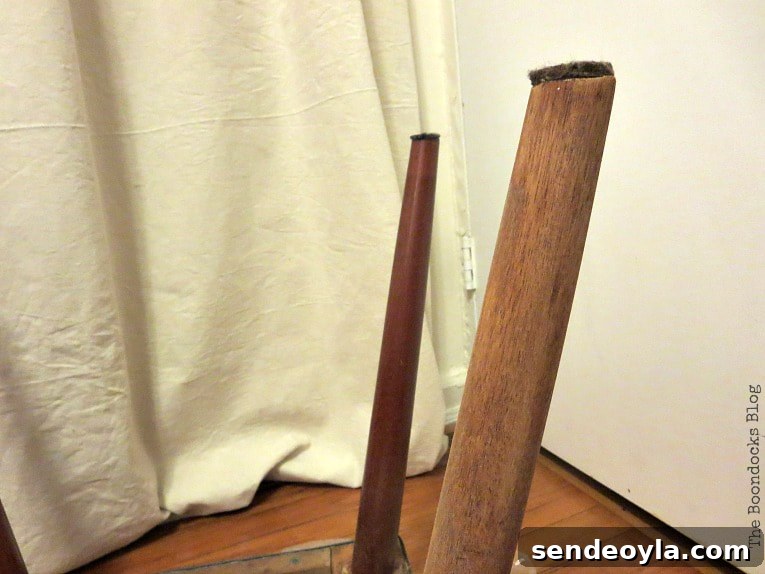
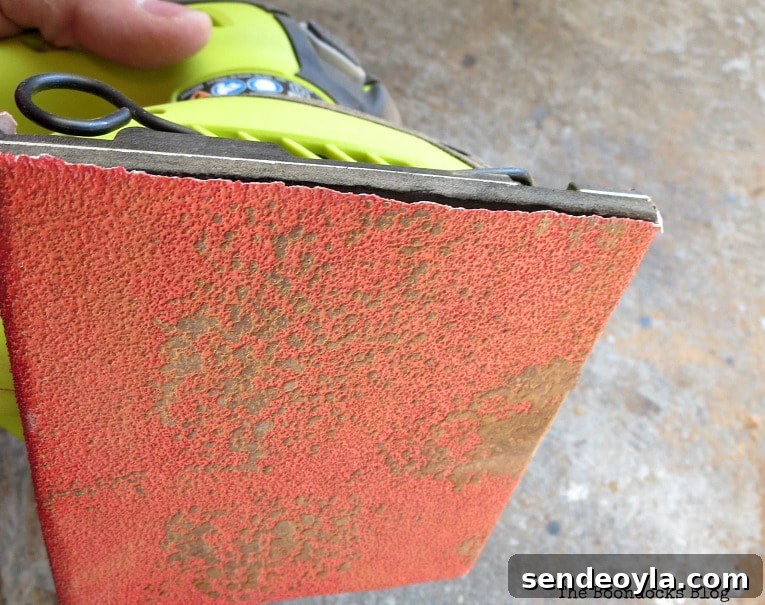
The electric sander made a huge difference: it removed stubborn layers of stain and produced a clean surface much faster. Be careful choosing grit and pressure — excessive sanding can change the leg profile. On this bench the wood had some degradation and deeper tones that wouldn’t fully sand away without damaging the legs’ shape.
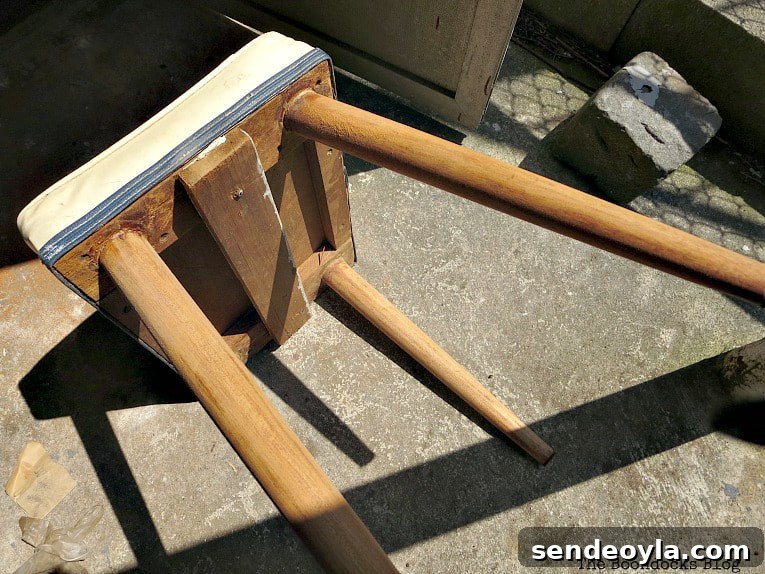
Once the bulk of the stain was removed, I treated the exposed wood with clear crème wax to protect and enhance its natural color. That final step brought out a warm honey tone in the legs and preserved the subtle mid-century character.
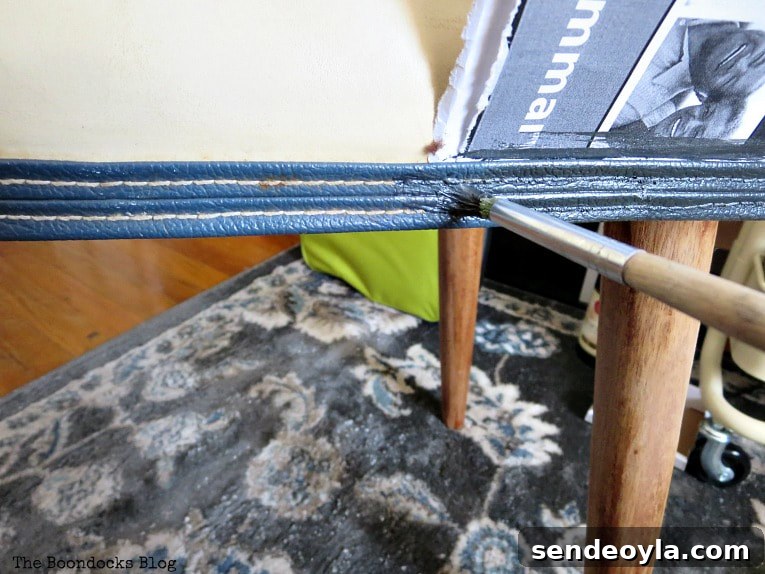
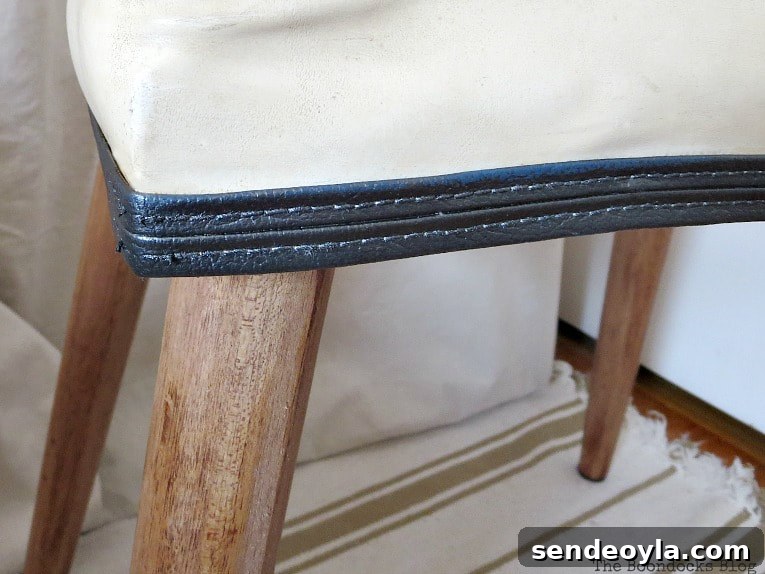
Painting the blue vinyl piping was far easier. I chose a metallic acrylic in a smoky gray tone. To avoid getting paint on the white upholstery, I slipped a piece of paper behind the piping and applied the paint carefully with a small brush. The finish reads more like a soft gray than black and complements the restored wood legs.
After a couple of days of sanding, waxing, and painting, the bench looked refreshed and cohesive. The makeover was more work than anticipated, but the transformation preserved the piece’s vintage lines and gave it a new, understated elegance.
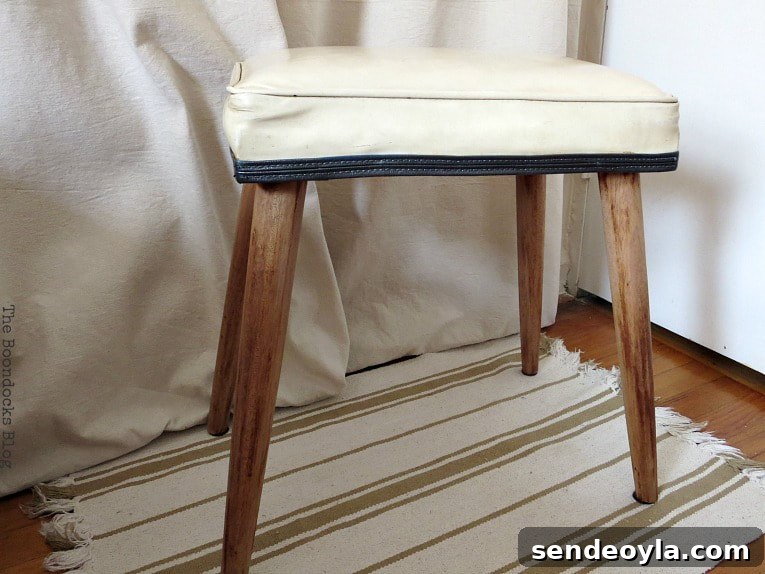
This particular bench is an original from the 1960s and has some wear — the vinyl edge has misshapen slightly over the years. I could have replaced the upholstery, but the worn details are part of its charm. The tapered legs and gentle proportions are what make it special, so restoring rather than replacing felt right.
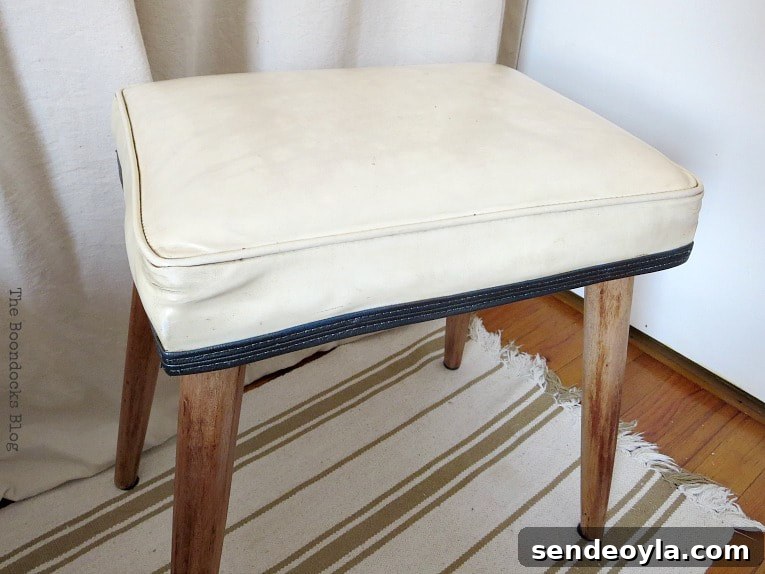
In the end this project reinforced a few practical lessons: don’t underestimate an old piece, choose the right tools early, and protect exposed wood after sanding. What looked like a quick fix became a satisfying restoration that honors the bench’s mid-century roots.
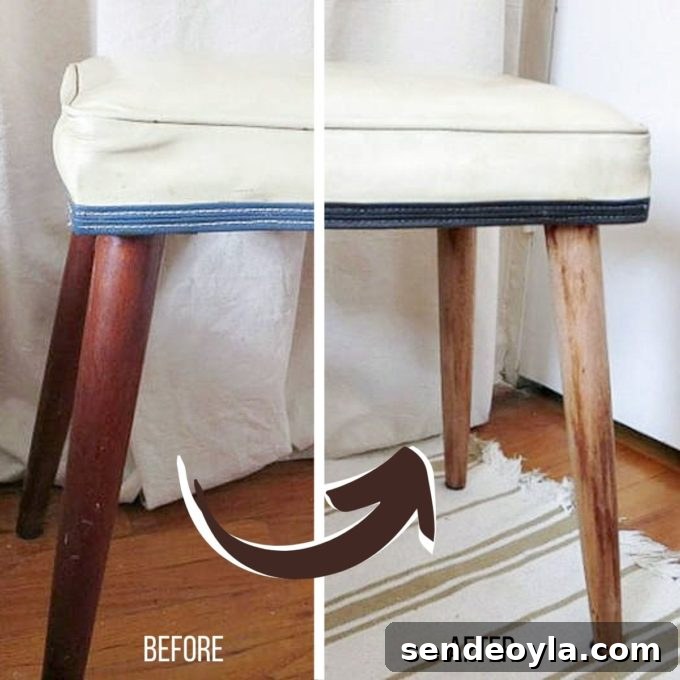
Below is a before-and-after comparison showing the subtle but meaningful update. The piece now reads as a gently refreshed mid-century ottoman/bench — practical, stylish, and sentimental.
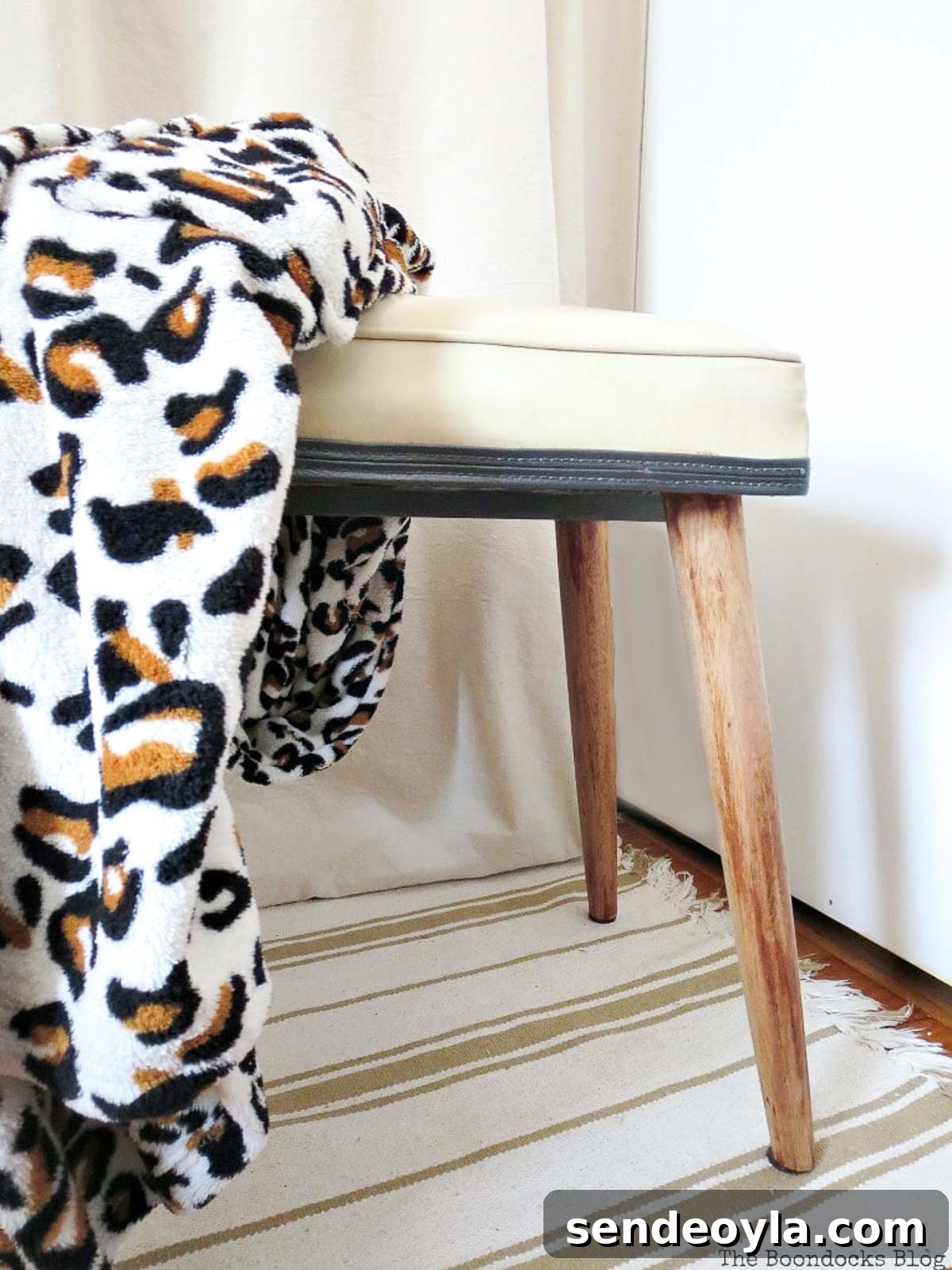
So, what do you think — bench, stool, or ottoman? The lines and function suggest a small bench or an ottoman suitable for seating. Regardless of the label, restoring a vintage piece can breathe new life into a room while preserving the history built into the wood.
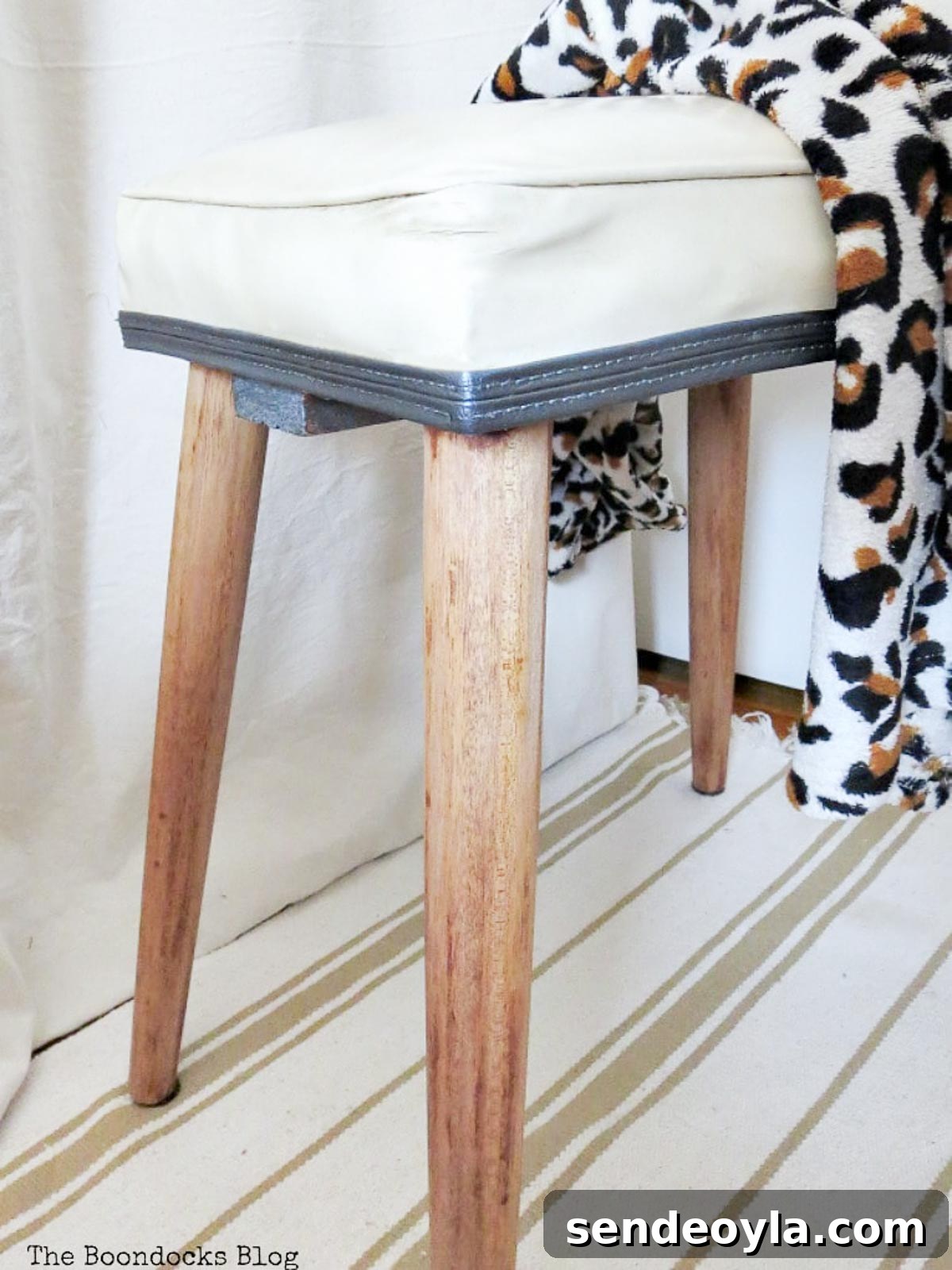
If you enjoy furniture makeovers and DIY restorations, consider subscribing to follow future projects and restoration stories.
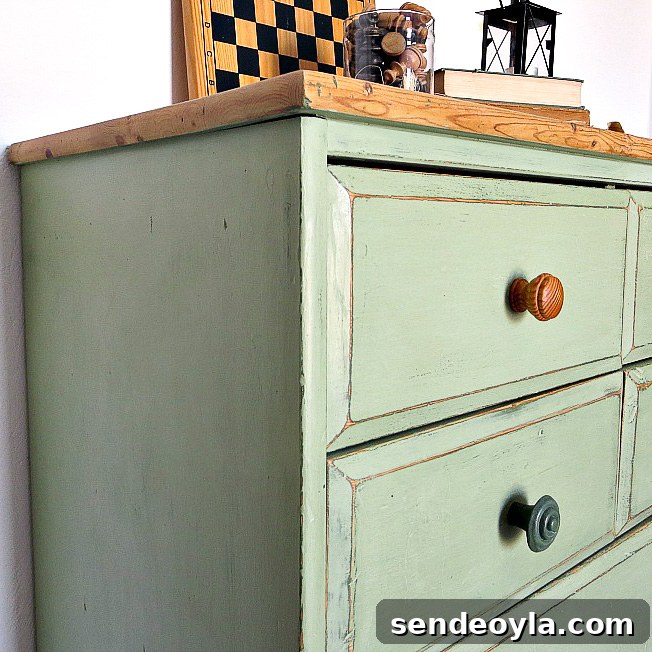
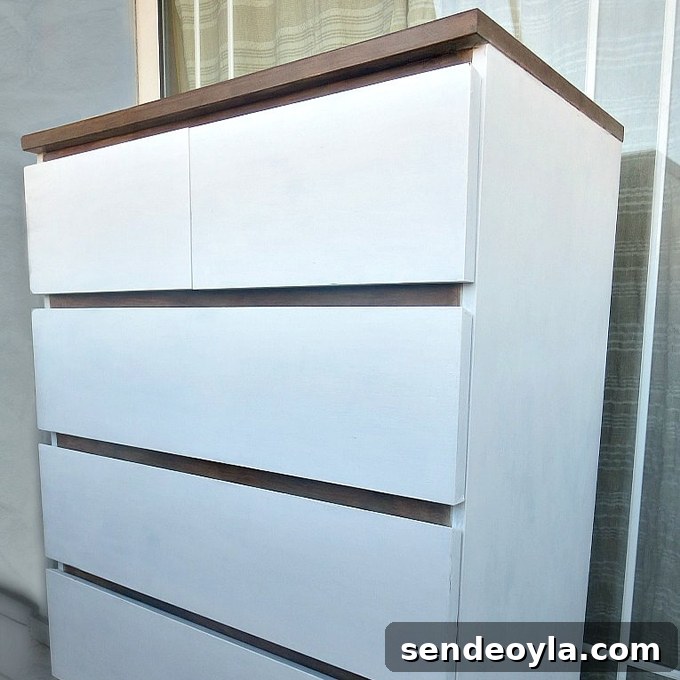
More Furniture Transformations You Might Like

This DIY guide is for inspiration and entertainment. If you try a similar makeover, adapt steps and materials to suit the piece and your skill level.
I welcome your comments — please share your thoughts and name your favorite vintage furniture find.