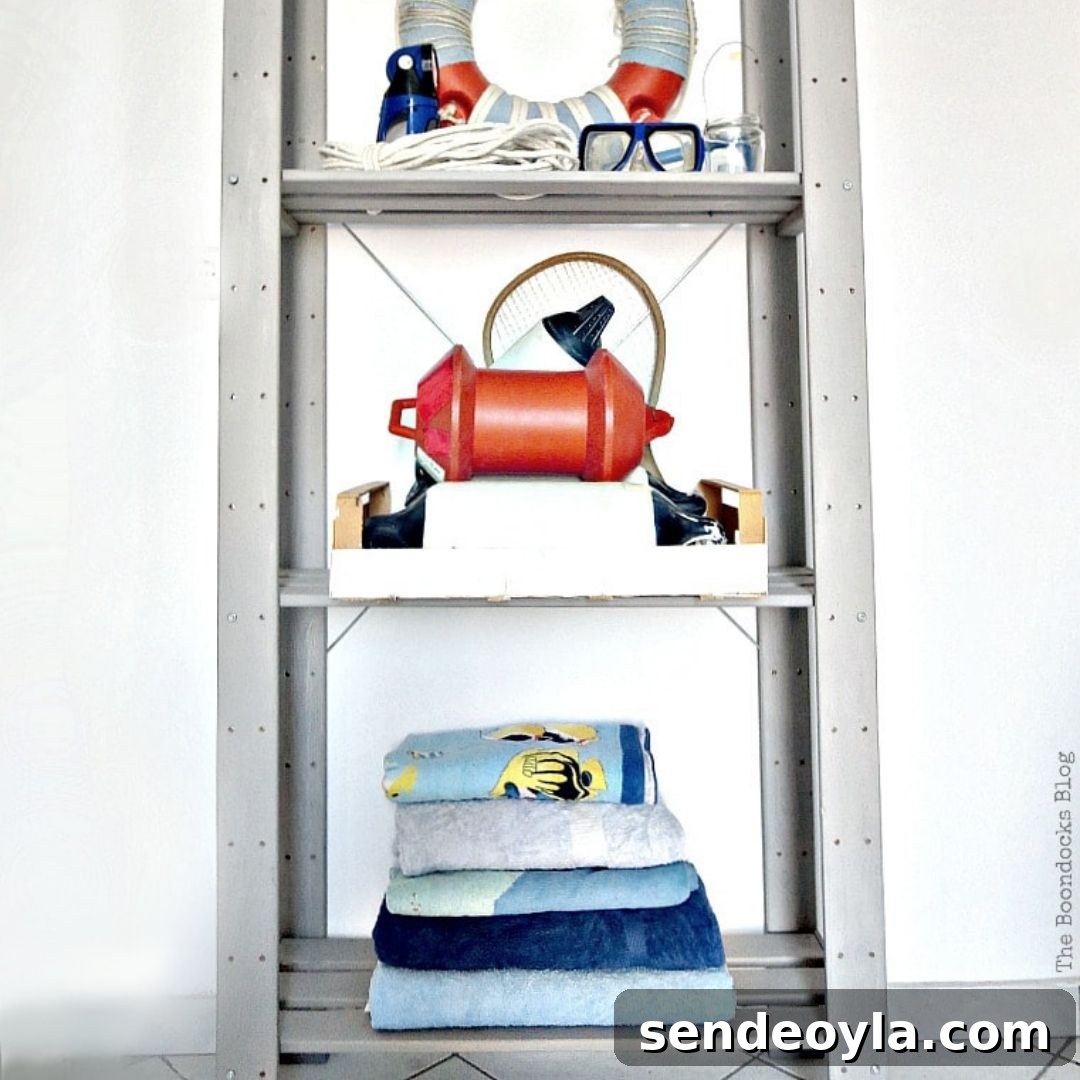
The Ikea Hejne shelf is built from unfinished solid pine, making it an ideal blank canvas for painting and customizing to suit your decor. In this post I’ll walk you through how I updated a small Hejne shelf with milk paint, sanding, distressing, and a wax finish to create a soft, slightly weathered look that still shows the wood grain.
Disclosure: I received product to complete this project. All opinions are my own.
I was working on a small apartment refresh and found this compact Ikea Hejne shelf while shopping for a kitchen. It’s inexpensive and simple in design — four shelves, four uprights, a metal X brace, and basic hardware — which makes it perfect for a DIY makeover when you’re on a budget.
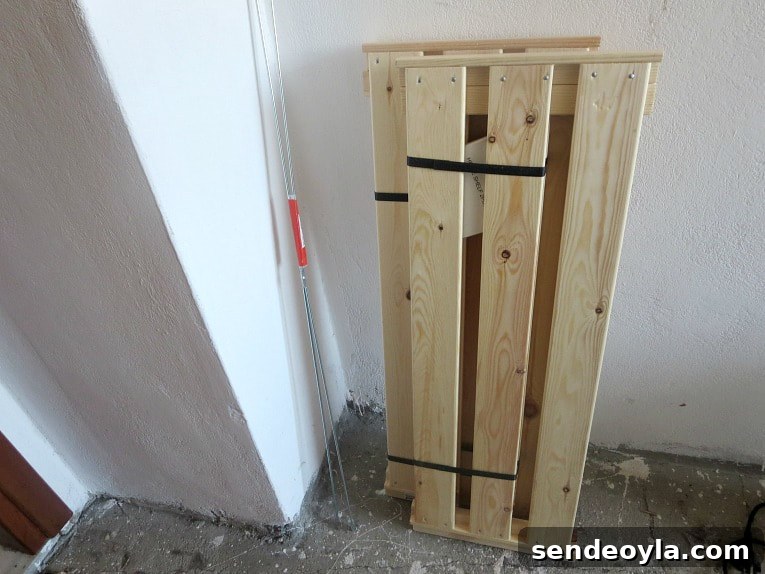
Out of the box the pine was soft and a little rough in places. Because the wood is untreated, milk paint soaks in deeply and can create strong, uneven coverage if you aren’t careful. I experimented with a gray tone first, but because the paint penetrated the raw wood I ended up sanding most of it back off and starting fresh. That was a good reminder that untreated pine will accept and hold pigment differently than primed or sealed wood.
Materials used
- Old Fashioned Milk Paint (two colors mixed: a driftwood tone and white)
- Quality paint brush
- 220-grit sandpaper
- All-natural beeswax or furniture wax for finishing
- Clean cotton cloth for applying and buffing wax
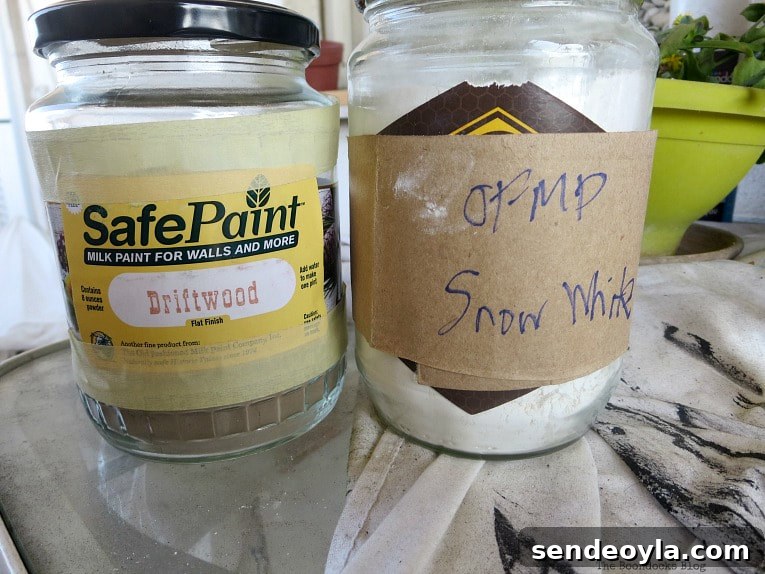
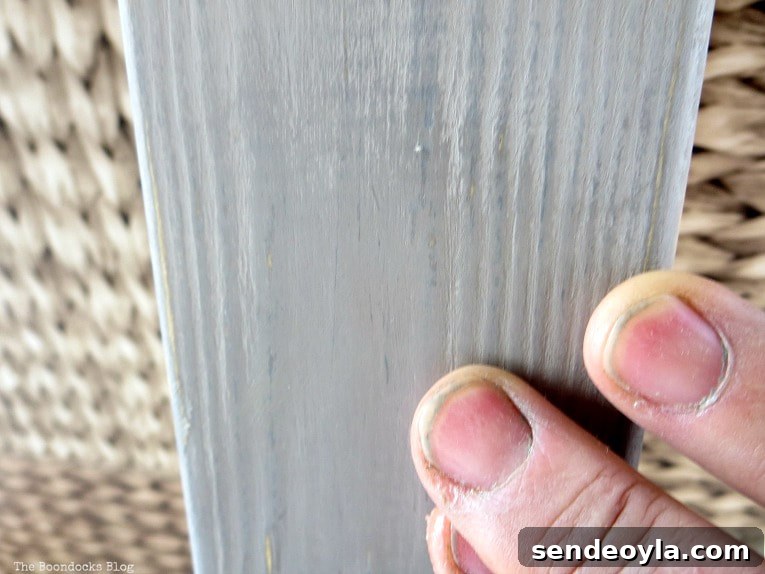
I transferred the powdered milk paint into jars and mixed two colors: a driftwood shade and snow white. I started with roughly equal parts paint and water to hydrate the powder, then thinned the mixture slightly with a bit more water for easier brushing. For this project I intentionally didn’t blend the two colors completely — leaving streaks of white produced a textured, “salt-washed” effect that lets the wood grain peek through.
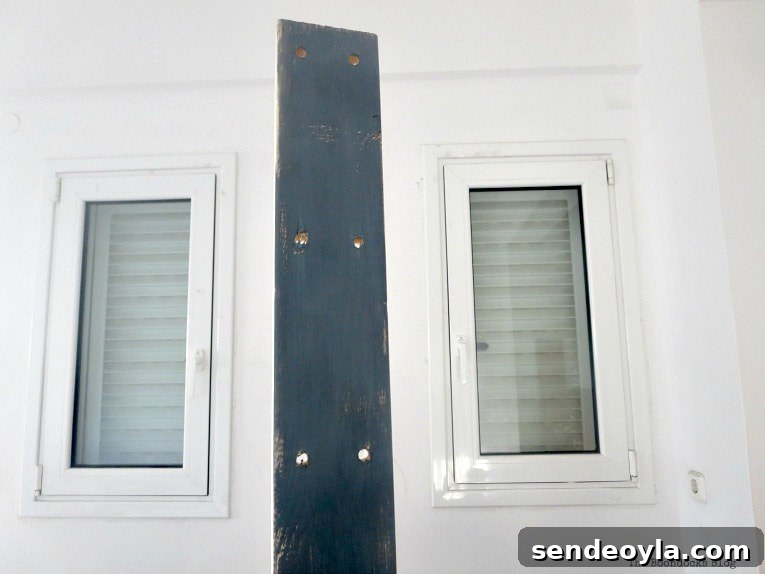
How to paint the Ikea Hejne shelf
Steps I followed:
- Lightly sand the raw pieces to remove splinters and smooth rough spots. This helps control how the milk paint soaks into the wood and improves the final feel of the surface.
- Apply a first thin coat of milk paint, then sand lightly when dry. I repeated this process for a total of three coats, adjusting the paint mixture after the first coat by adding more white to brighten the color, since milk paint can dry slightly darker than it looks wet.
- Leave some streaking and unevenness on purpose if you want a vintage, weathered look. The variations in opacity create depth and let the wood grain remain visible.
- After the final sanding and once the paint was fully dry, apply an all-natural beeswax or furniture wax. Rub it on and buff off with a clean cotton cloth; the wax darkens and enriches the finish while sealing the paint.
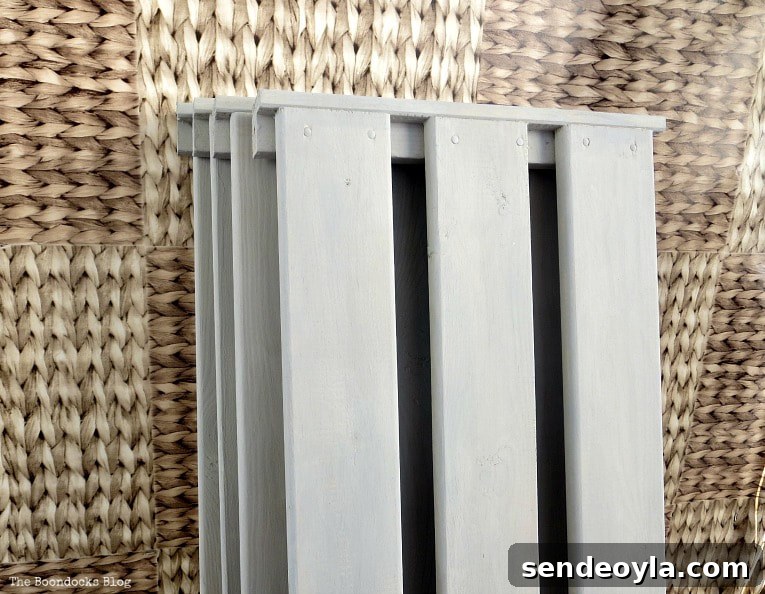
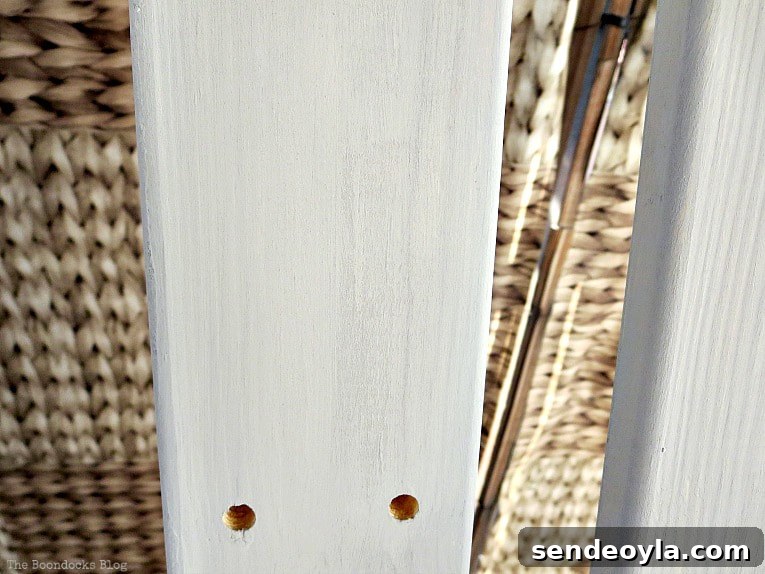
A few details to note: untreated pine will accept milk paint more intensely than sealed wood, so thin coats and intermediate sanding make it easier to control coverage. Distressing after painting is optional but adds character; I used a light distress to suggest farmhouse or nautical wear without overdoing it. Finally, let the wax cure for a couple of days before assembling and loading the shelf.
Assembly was straightforward. The kit included small plastic feet and simple hardware; the only slightly tricky part was positioning the metal X brace at the back — place it toward the center to keep the unit square and steady.
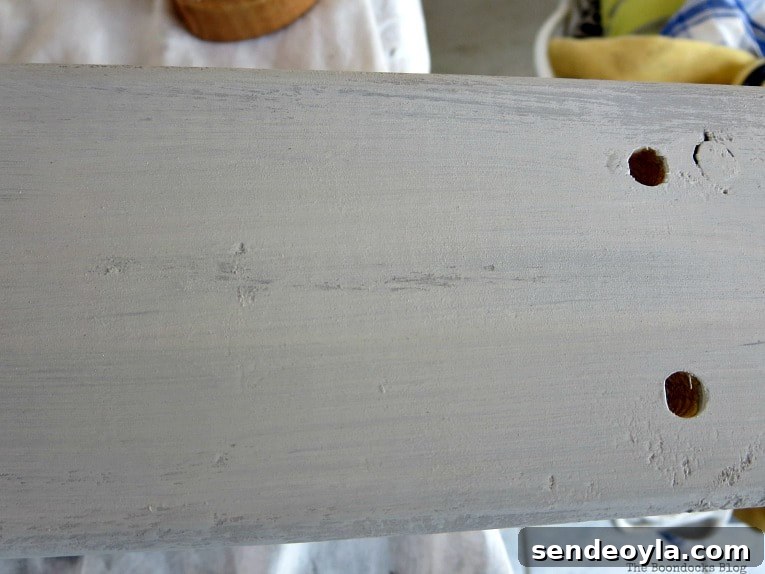
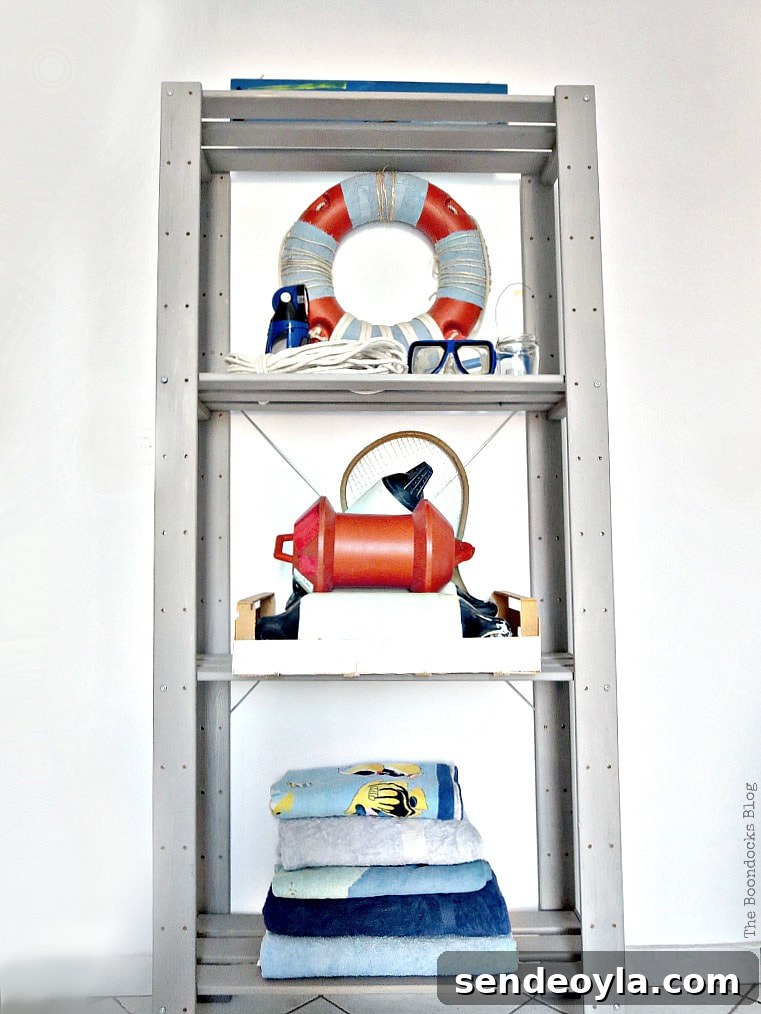
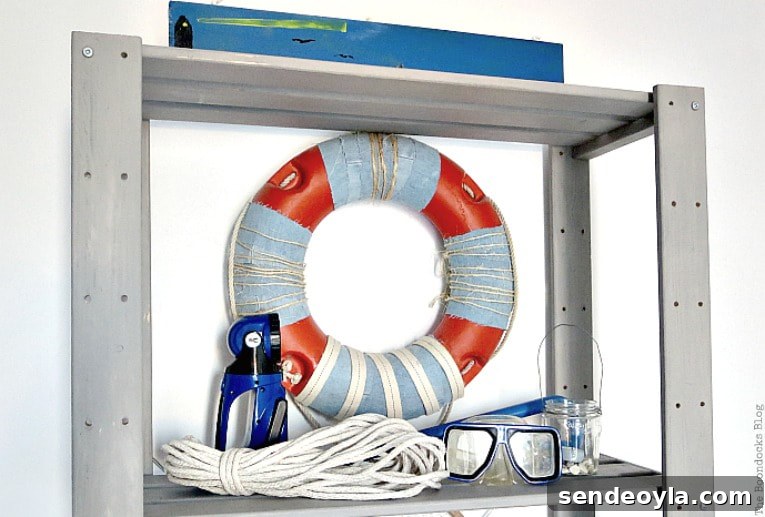
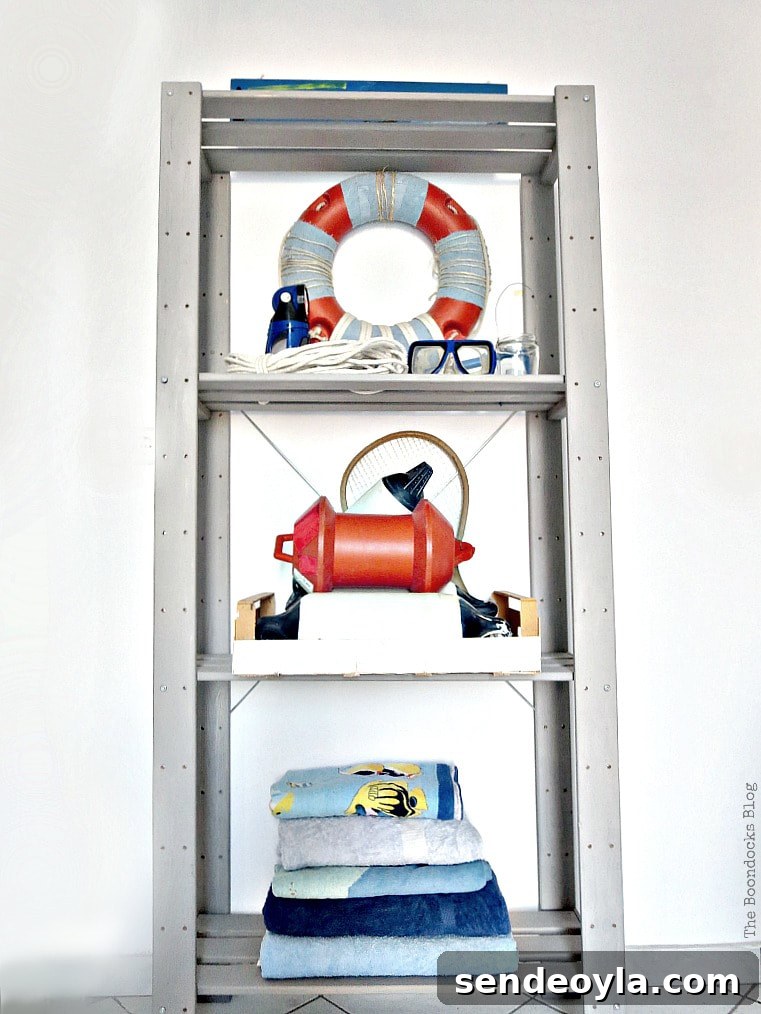
After styling the shelf with a few nautical accents, fishing gear, and a salvaged life saver, the finished piece felt right at home in our apartment. The wood grain still shows through the finish, and the surface is now smooth and pleasant to the touch — no more splinters. The look is subtle, slightly aged, and far more interesting than a flat, matchy finish would have been.
This small Hejne unit was inexpensive and quick to transform with milk paint and wax. If you want a custom, slightly weathered finish that keeps the warmth of the wood visible, try mixing a lighter color into a darker base, apply thin coats with sanding between them, then finish with wax. Would you have gone for a solid gray, or do you prefer the grain-through, salt-washed approach?
The Small Apartment Series: