
When I put an offer in on the cheapest house in a lovely neighbourhood, I had a clear plan: learn as many trades as possible and tackle the renovations myself. I dove in enthusiastically, tearing woodchip wallpaper from every room. Six months later I was exhausted and frustrated. It turned out enthusiasm alone won’t get every project across the line.
Friends and family kept telling me, “Do one room at a time.” I ignored that advice while I was in the groove with the wallpaper stripper, convinced that momentum would carry me through. In hindsight, that approach burnt me out—two years on and only one room is truly finished. It’s been a hard lesson in pacing yourself during a full renovation.
Since my last update, I’ve been chipping away at other projects around the house. One of the biggest shifts in my approach has been accepting that I can’t always rely on builders. Skilled contractors are often booked up and can be expensive; if I waited for them, some jobs simply wouldn’t get done. So I decided to dive in and learn more hands-on skills to keep progress moving.
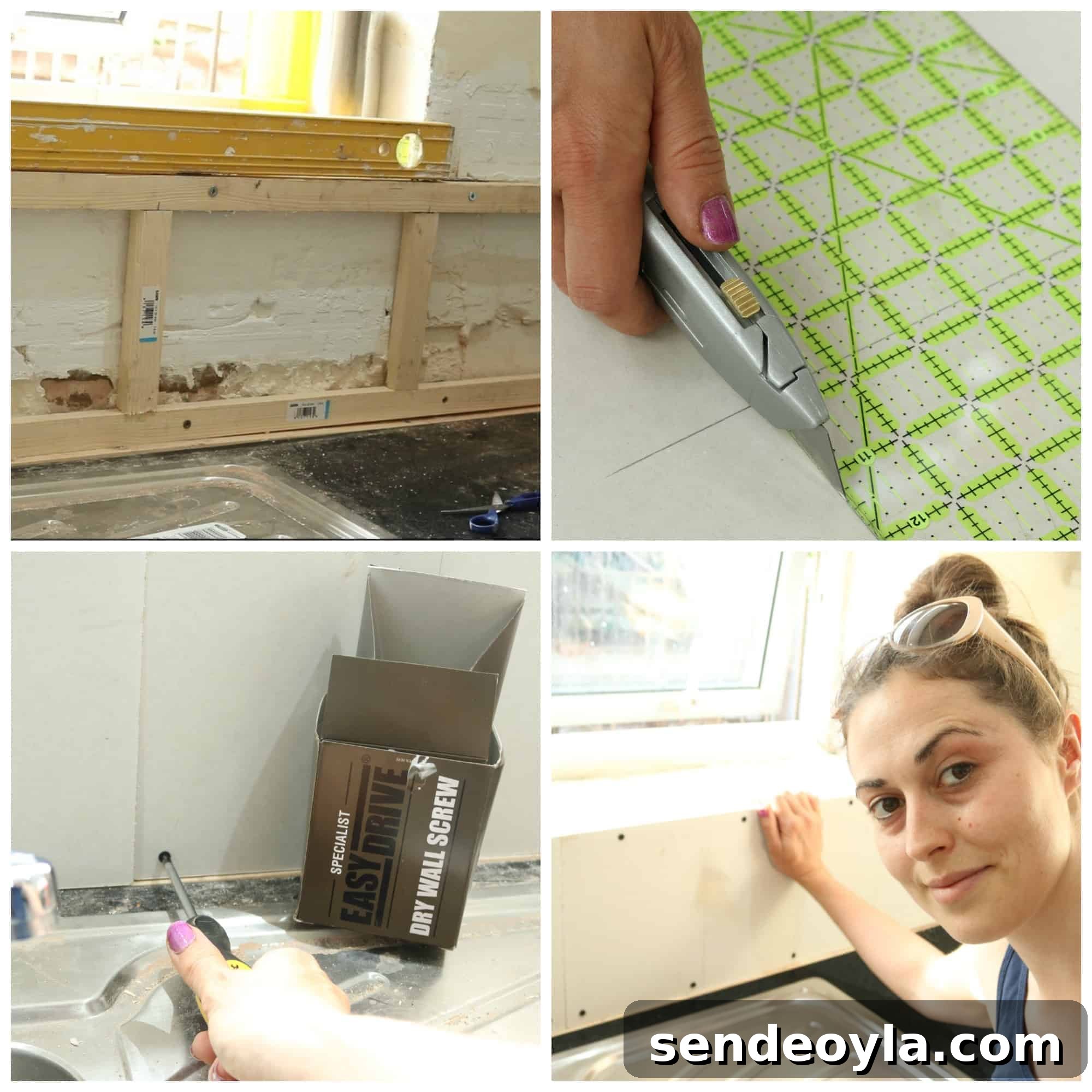
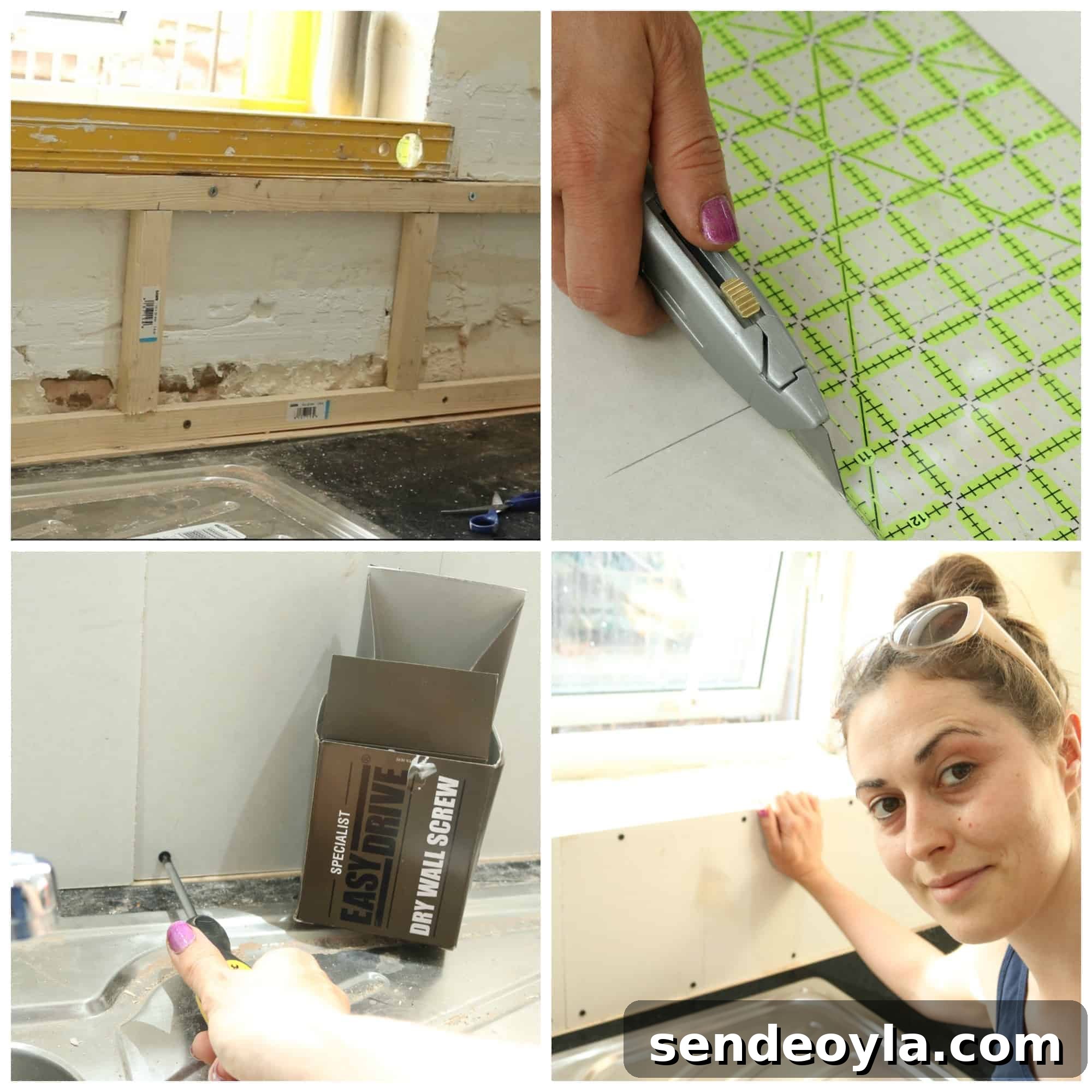
One recent challenge was that the new worktop didn’t sit flush against the wall because the wall itself wasn’t straight. My solution was to build a stud wall and plasterboard over it to create a perfectly flat, stable surface. I was nervous to start—there’s always a gap between wanting to try something and actually making the first cut—but once I went to pick up timber and plasterboard and the right screws, the project came together much faster than I expected.
The key steps I followed were straightforward but required patience and care. First, I checked everything was level and plumb. Any small mistake at this stage would show once the worktop and tiles were in place, so I used packing wedges to shim and tweak the studs until everything lined up. I measured each plasterboard sheet carefully and used a stanley knife to score the surface before snapping pieces cleanly along the cut line. That simple scoring-and-snap method gives a neat edge and avoids ragged breaks.
I fixed the plasterboard to the new stud wall with drywall screws, making sure to sink the heads just slightly below the board surface for a smooth skim coat later. For this area I added noggins (horizontal timbers between studs) even though the section was relatively small. They might not have been strictly necessary, but I was planning on fitting white metro tiles above the worktop and wanted the reassurance of extra support. Those noggins gave me confidence that the tile adhesive and tiles would have a solid backing and that the finish would last.
Working methodically made a big difference. I set up a tidy workspace, kept all the necessary tools within reach, and tackled one small task at a time: measure, cut, check for level, fix, and repeat. Taking short breaks stopped me from rushing and helped me stay precise. Two days passed between procrastination and actually getting stuck in—fear and indecision can slow you down, but once you start, momentum builds.
There’s a lot of satisfaction in seeing a crooked, tired wall transformed into a straight, reliable surface ready for a worktop and tiles. It’s a reminder that learning trades bit by bit pays off: you save money, gain skills, and keep projects moving when tradespeople aren’t available. I’m proud of this stud-and-plasterboard job and pleased I pushed through the initial nerves.
Next up is tiling the area with those white metro tiles I mentioned. I’ll be taking my time with the layout, spacers, and grout to achieve a clean, contemporary look that complements the worktop. I’ll share photos once the tiling is complete so you can see the whole transformation.
More Fitting a Kitchen Projects
You can find my complete list of fitting a kitchen projects in my project archive for a full rundown of what I’ve tackled so far and what’s coming next.