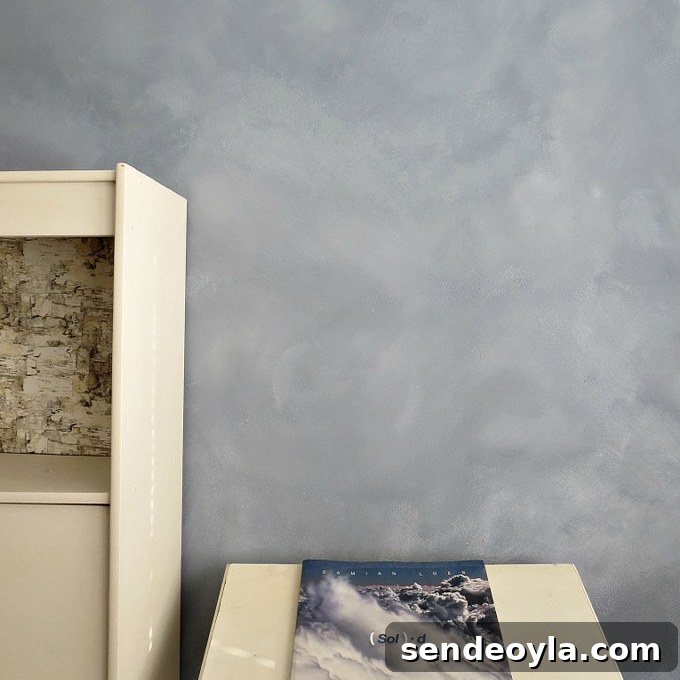
Create stunning paint effects on your walls by learning how to paint clouds using a sponge, paintbrushes, and milk paint. With cooler weather setting in, I traded time at the keyboard for a paint roller and an accent wall project—and I want to show you how I achieved a soft, cloudy finish in my living room.
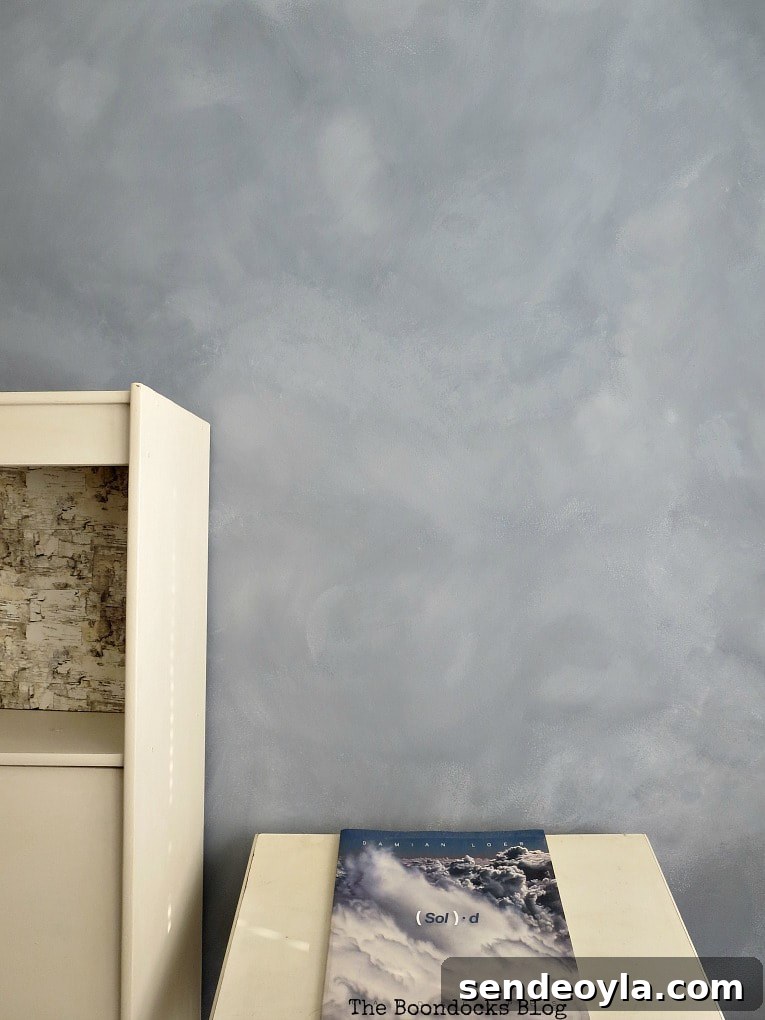
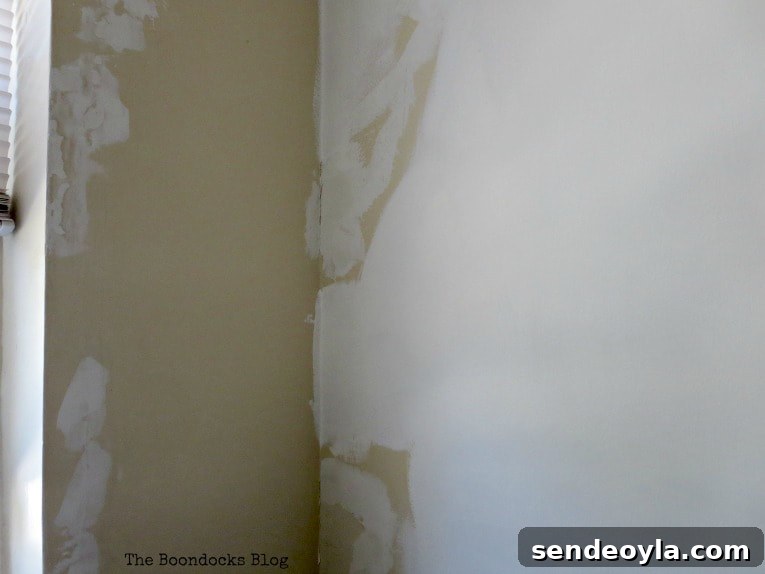
The rest of the house needed painting, as you can see from the mismatched wall below, so I decided to make one wall a focal point: a cloudy accent wall with soft blue-gray tones. I’ll walk you through the materials, mixing, and technique I used so you can try this cloud effect at home.
Disclosure: I received product for this post, but all opinions are my own. I share only products I use and recommend.
I have a rectangular living room open on one side; this accent wall faces the sofa. I planned to paint the whole wall white until inspiration struck after seeing a dreamy ombré/cloud technique by Pat of The Wood Spa. Instead of regular wall paint, I experimented with Old Fashioned Milk Paint — the Safepaint formula made for walls. I didn’t know exactly how it would look, but I wanted to try something different.
Disclosure: This post contains affiliate links for shopping convenience. If you purchase through those links, we may receive a small commission at no extra cost to you. See our full disclosure for details.
Materials Used to Paint a Cloudy Accent Wall
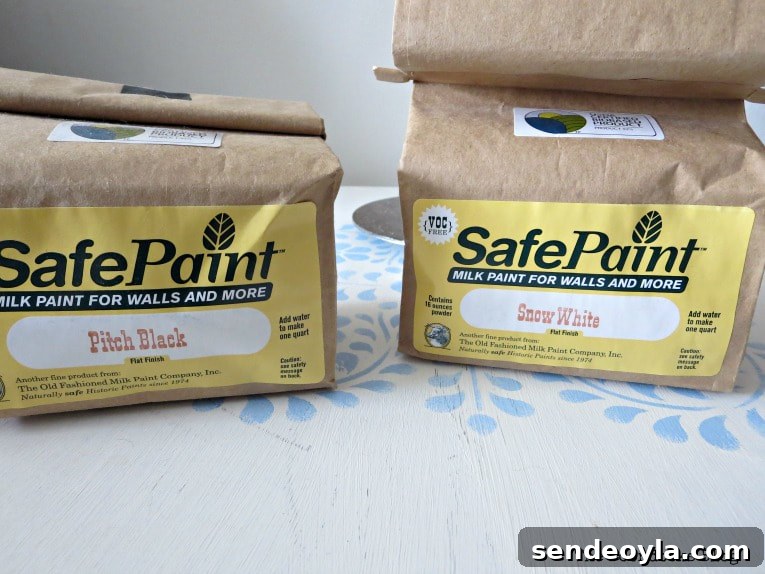
- Old Fashioned Milk Paint Safepaint in Slate
- Old Fashioned Milk Paint Safepaint in Snow White
- Old Fashioned Milk Paint Safepaint in Pitch Black
- Three general-purpose paintbrushes
- One soft brush for feathering/blending
- A natural sea sponge or similar painting sponge
- Several plastic containers for mixing
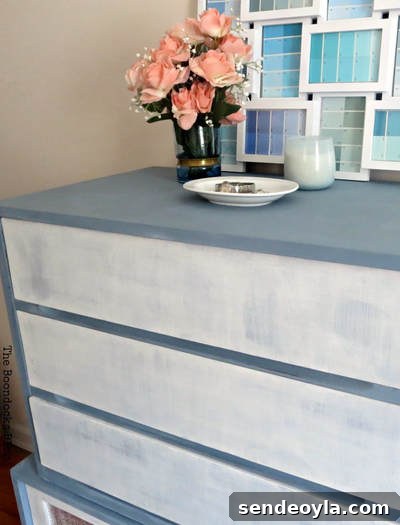
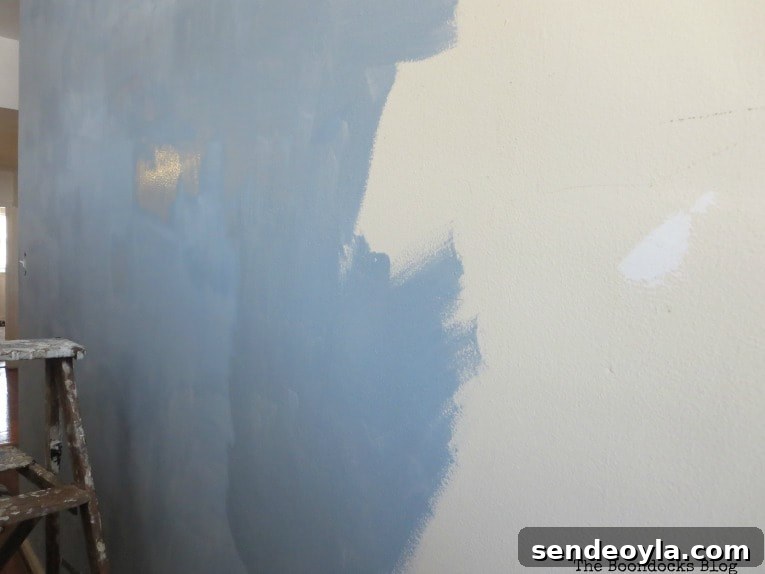
Below is the first coat of the Slate milk paint. It looked good but didn’t fully cover in one pass, which is normal for milk paint. This Slate hue is one I’ve used elsewhere, too, including the top of a vintage TV cabinet.
How to Paint Clouds with a Sponge
Milk paint comes as a powder and is mixed with equal parts water. I usually mix the paint in jars and shake well, then let it rest about 15 minutes until it becomes slightly frothy. Mix only as much as you’ll use in a day or two—prepared milk paint has a limited shelf life. You can store leftover mixed paint in the refrigerator for up to a week; the dry powder stores indefinitely in a cool, dry place.
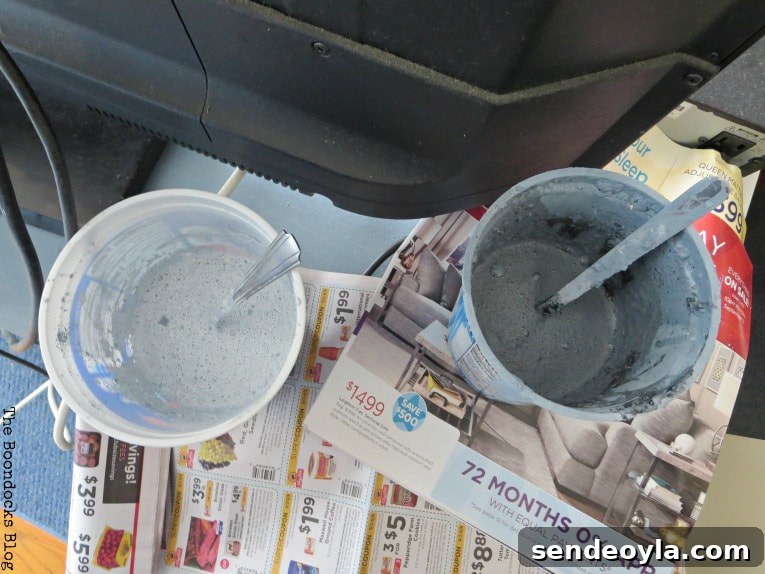
After the base coat dried, I prepared two additional blue shades to build the cloud texture. One darker shade was made by adding a touch of Pitch Black to the Slate base, and a lighter shade by mixing Snow White into Slate. I used disposable yogurt-style containers for the mixes so cleanup would be easy.
Working section by section helps because the blending needs to be done while the paint is still tacky. I mentally divided the wall into horizontal bands about four across. In each band I painted a roughly two-foot swatch of the darker shade, then added patches of the lighter shade on top.
Use a dry brush to soften and feather the edges of each patch so the dark and light blues blend into one another. If anything dries before you finish blending, lightly dampen a sponge and gently pounce over the area to smooth transitions. The sponge technique gives that soft, cloud-like texture without harsh brush strokes.
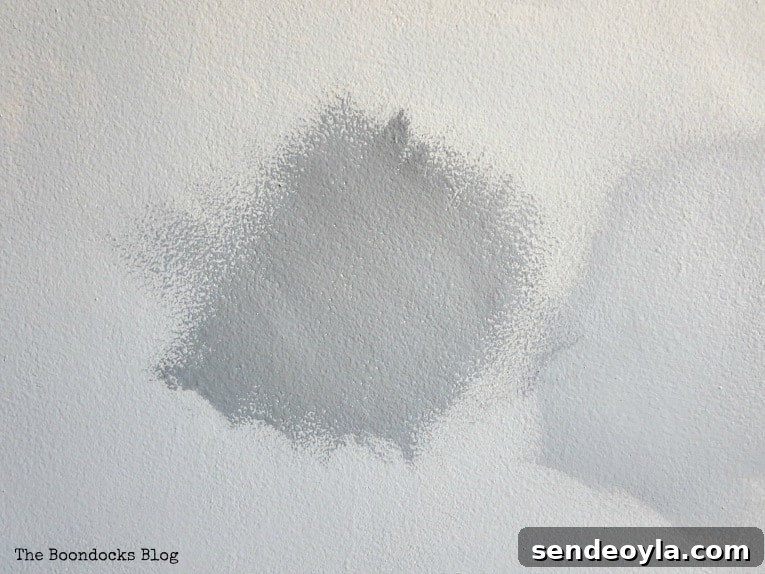
Here you can see a dark swatch with lighter paint added on top. Blend with a dry brush or sponge until the shapes read like soft clouds rather than distinct brush marks.
I worked my way across and then upward. At one point the overall tone felt too dark, so I mixed an intermediary base color—midway between the light and dark shades—and applied that before continuing to add highlights and shadows for more depth.
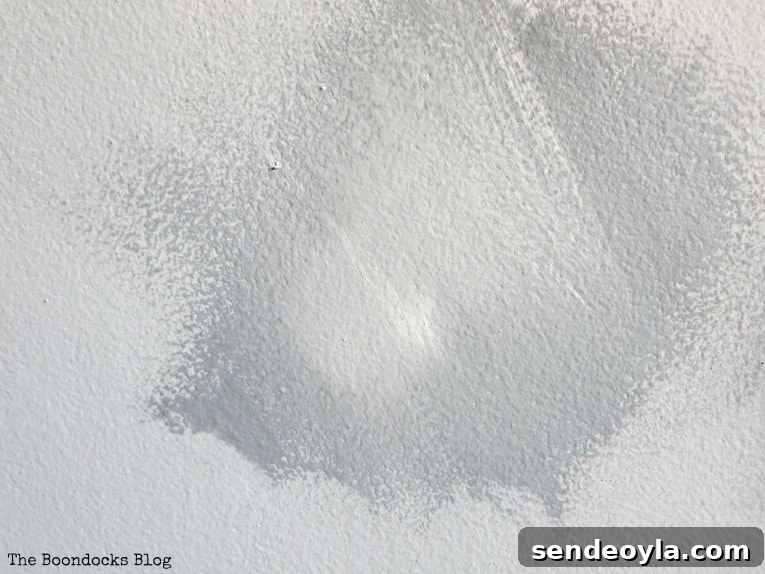
There’s no exact science to the shapes—use your imagination and step back often to make sure the forms read as clouds and not something else. I did several touch-ups to refine shapes and soften edges; milk paint is very forgiving, so mistakes are easy to cover or reshape.
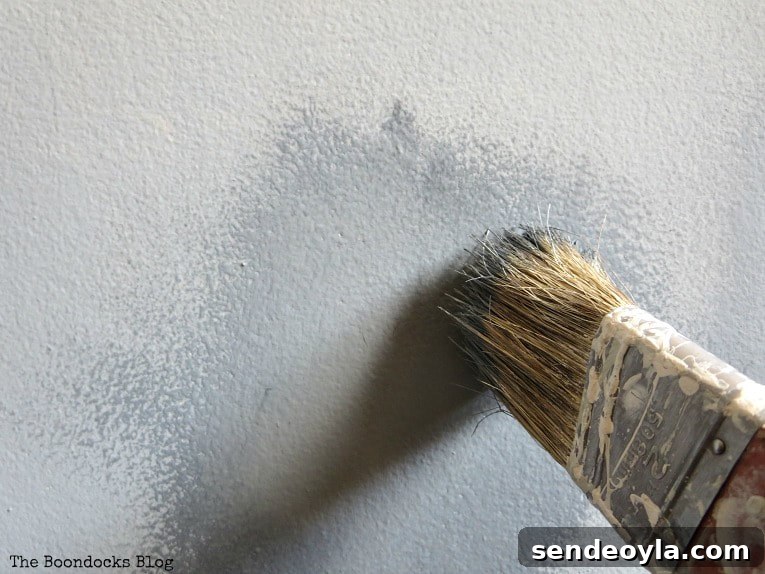
The whole project took two days: the first day for the base coat, allowed to dry overnight, and the second day to build the cloud effect. Milk paint dries quickly, has minimal odor, and is environmentally friendly—great for indoor projects.
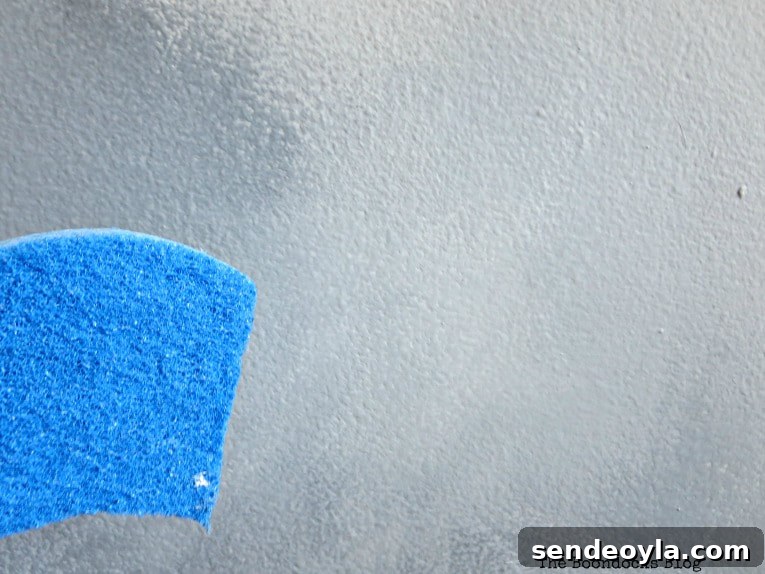
Practical tip: keep a towel, a small container of water, and extra brushes close by. When you’re on a ladder juggling multiple paint containers and brushes, organization saves time and frustration.
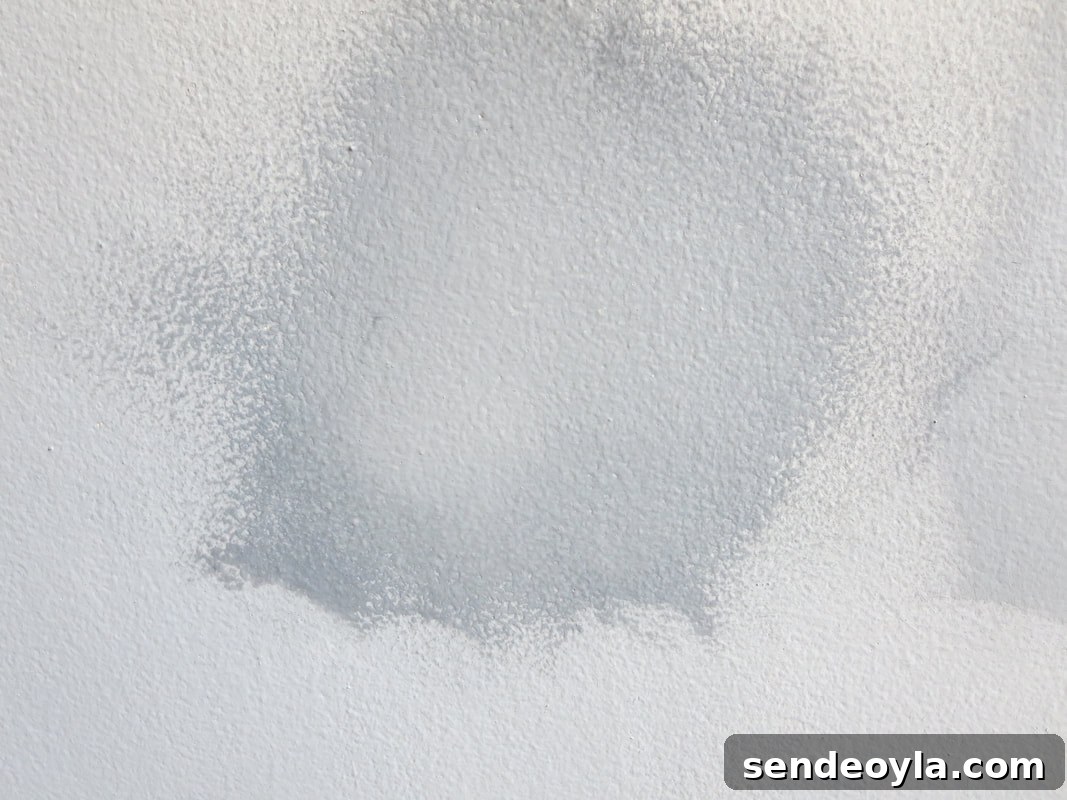
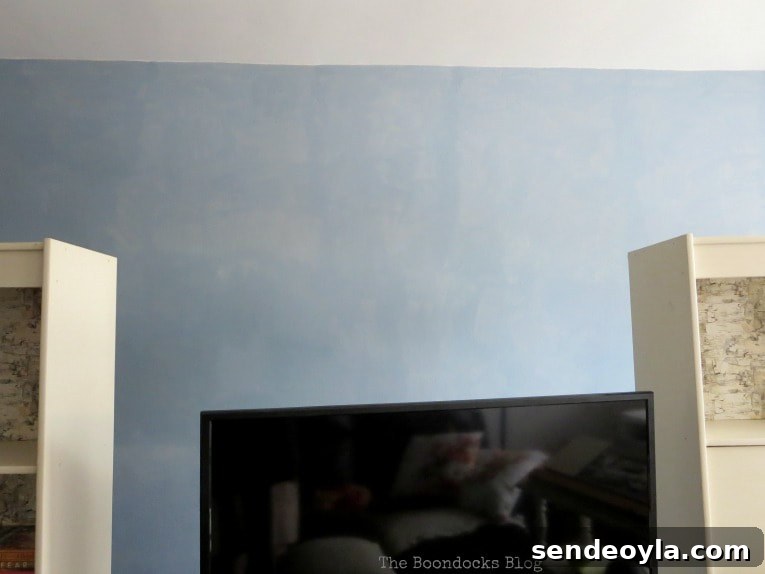
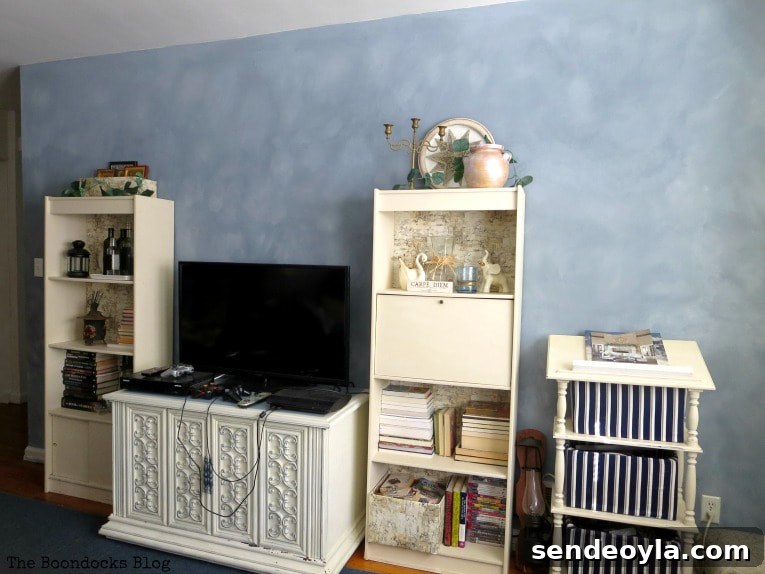
Once complete, the room instantly felt larger and more dramatic, even though the wall color is on the darker side. The milk paint produced a beautiful, slightly blue slate hue in person that the photos don’t fully capture.
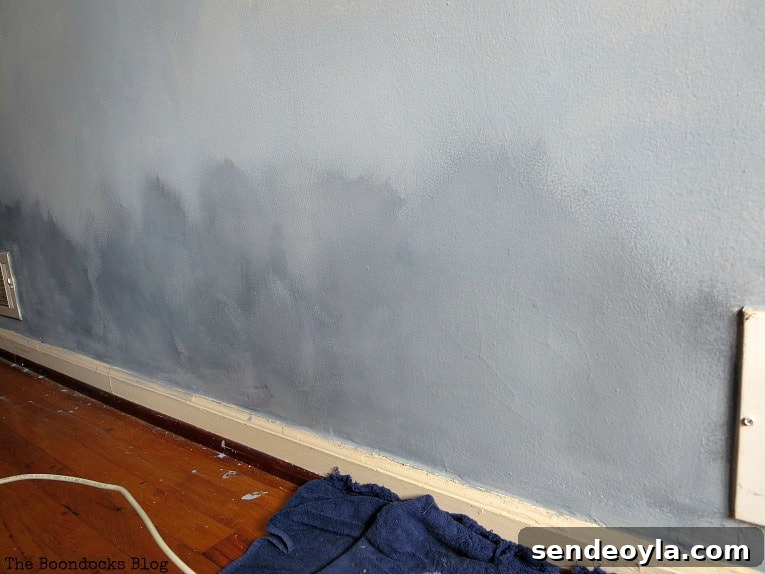
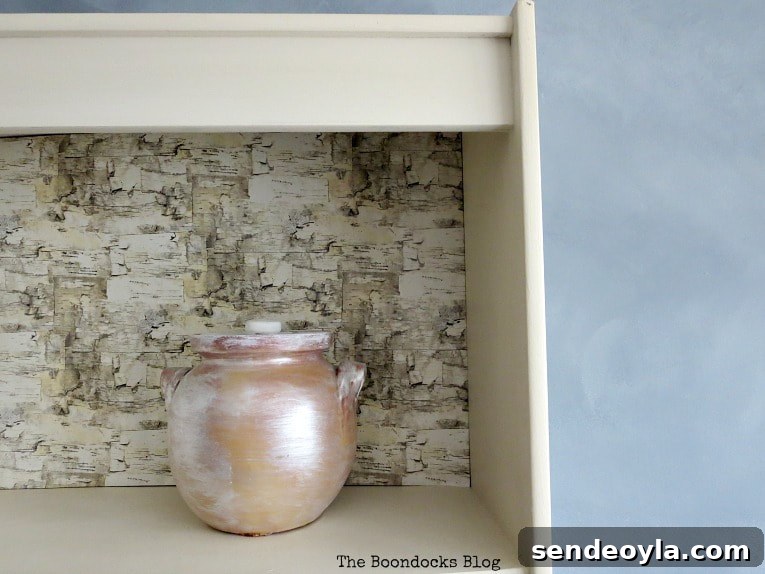
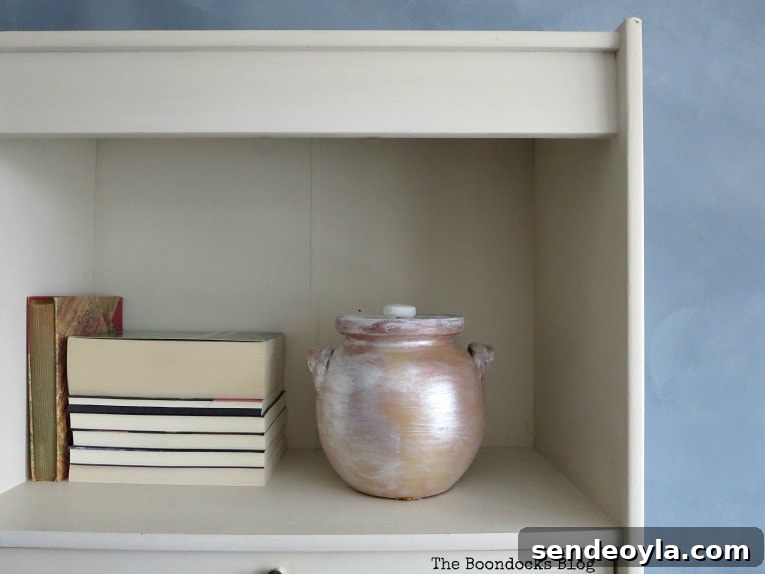
After finishing the paint, I staged the room and considered whether to keep birch-patterned wrapping paper as the backing inside my upcycled bookcases or remove it for a cleaner look. Either option complements the cloudy wall—choose what fits your style.
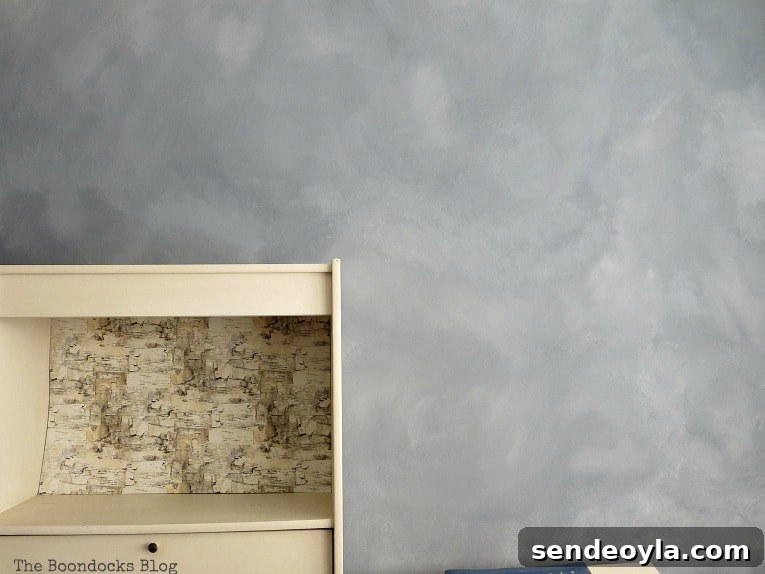
Final thoughts: this project was worth the effort. It was physically demanding—my arms were sore afterward—but the finished accent wall adds drama and depth to the room. Milk paint handled beautifully, blended well, and allowed easy corrections. If you’re thinking about trying a cloudy accent wall, work in small sections, vary your shades, and use a sponge plus dry-brushing to soften transitions.
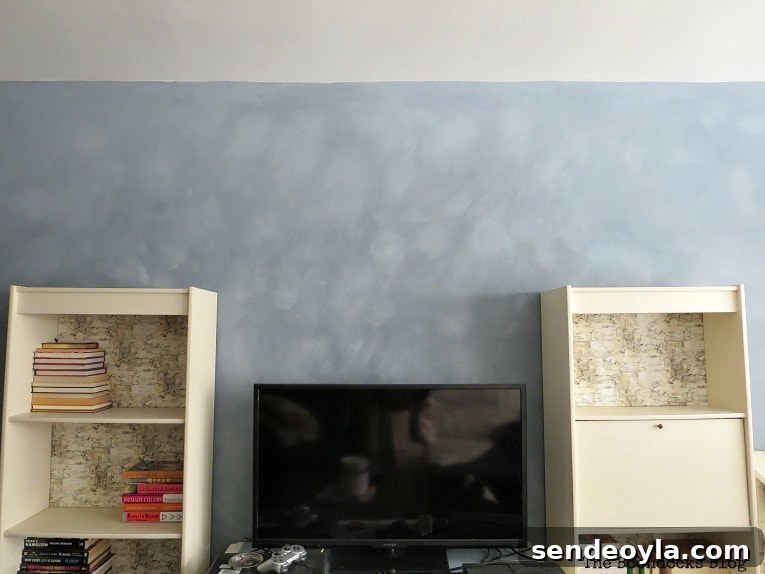
Would you try painting a cloudy accent wall? It’s a great way to step outside your comfort zone and add a unique focal point to any room.
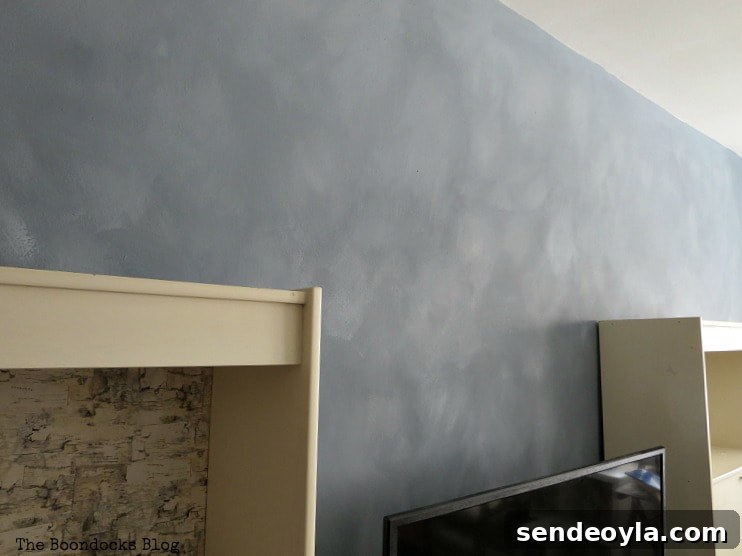
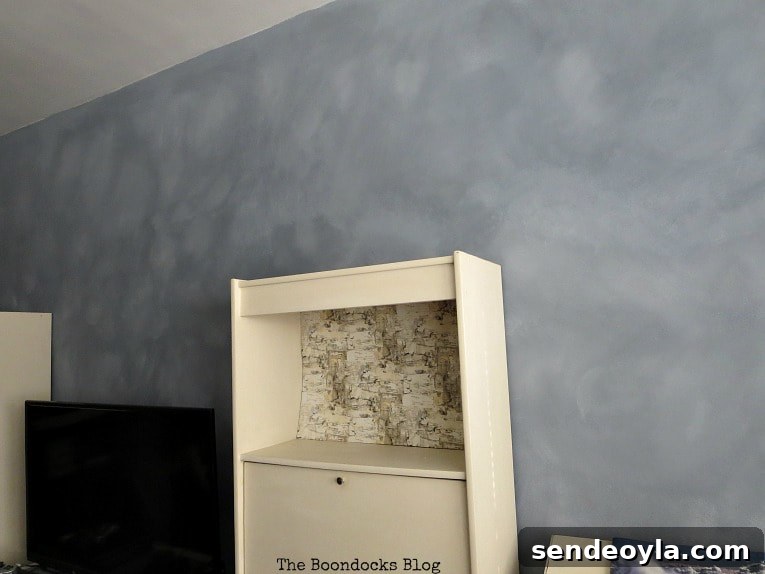
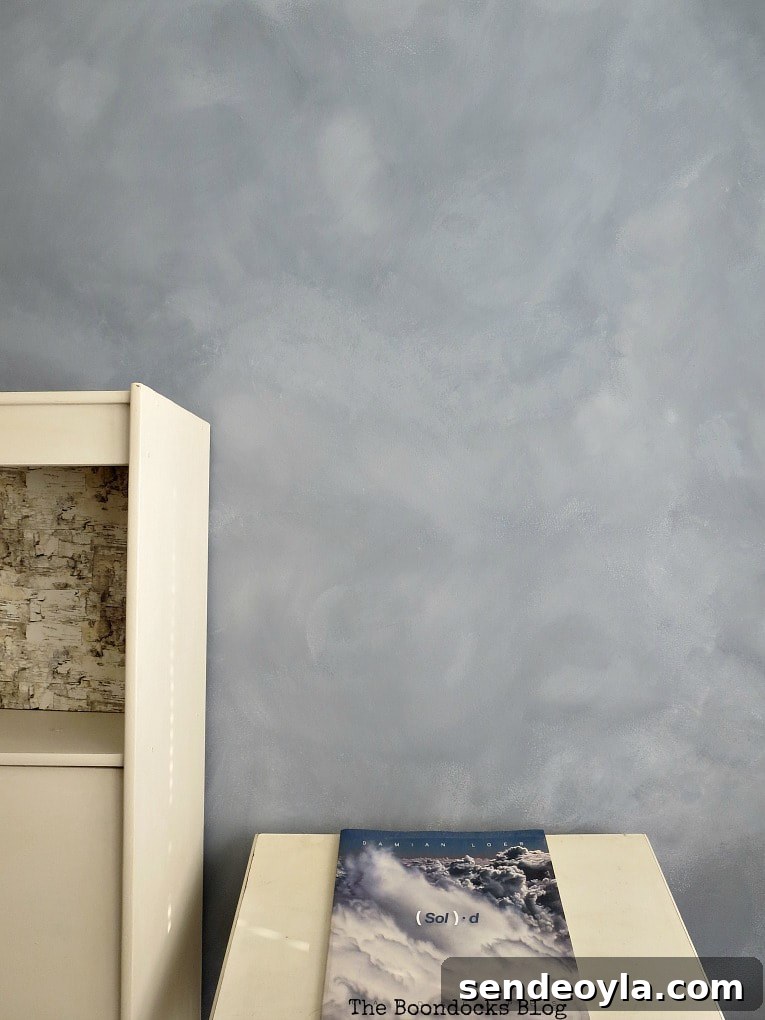
One last staged view with furniture in place—this is what the finished living room looked like after the project. If you liked this tutorial, try varying colors for different moods: soft pastels give a dreamy feel, while deeper slate or navy creates drama and depth.
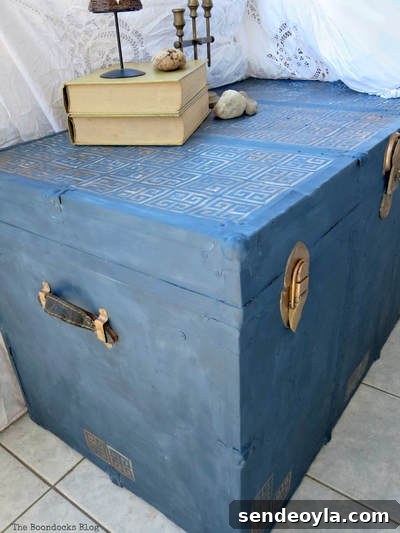
It was a lot of work, but so worth it. If you enjoyed this project, consider trying other milk paint ideas like painting furniture or upcycling trunks for a cohesive look throughout your home.


More Ideas Using Milk Paint