
I’ve been saving these photos for a while and finally decided to share them. They were all taken in downtown Manhattan—mainly around SoHo and to the west in the commercial neighborhood known as Hudson Square. Today I’ll take you on a visual tour of the area, culminating with a surprising architectural landmark in Hudson Square.
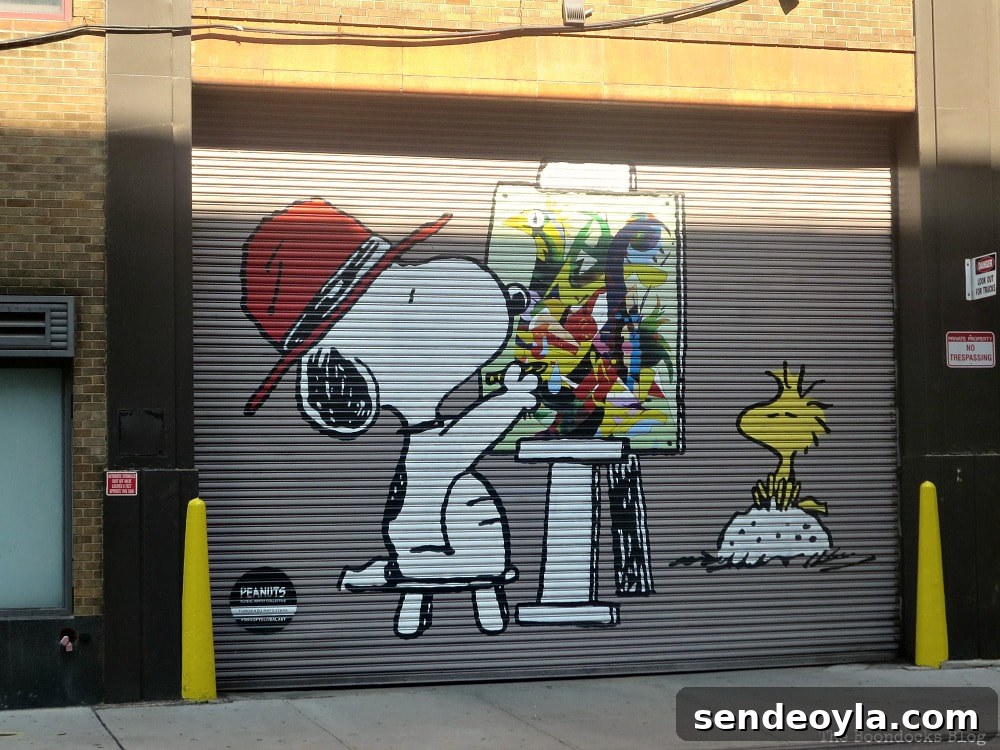
SoHo sits in lower Manhattan; its name comes from being South of Houston Street. The neighborhood feels intimate and village-like in many corners, filled with cast-iron buildings, boutique storefronts and cobbled streets that invite slow wandering and photography.
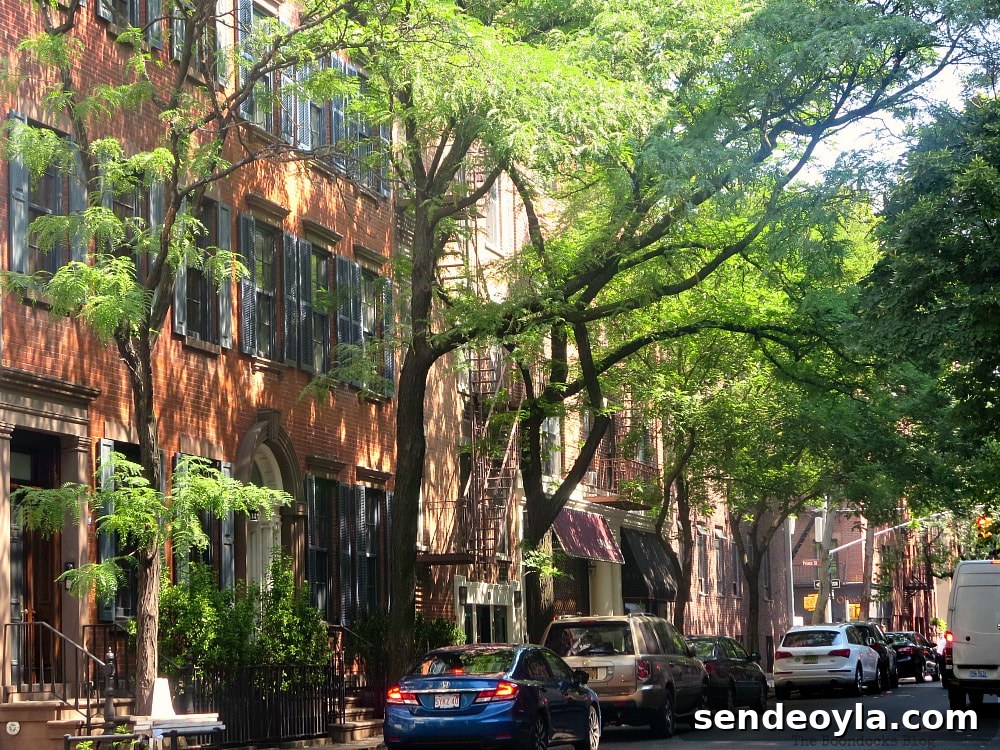
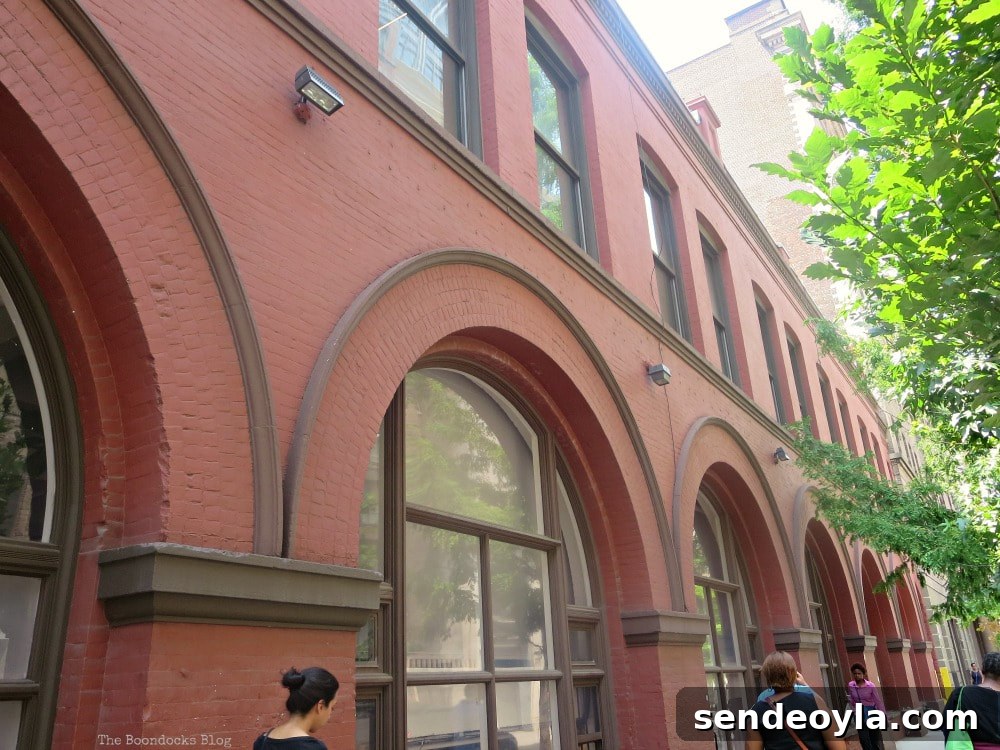
Many of SoHo’s buildings were once factories; when those spaces were abandoned they were repurposed by artists into lofts, giving the neighborhood its distinctive large windows and open interiors. The exterior character—cast-iron facades, arched windows and ornamental details—makes SoHo one of New York’s most photographed districts.
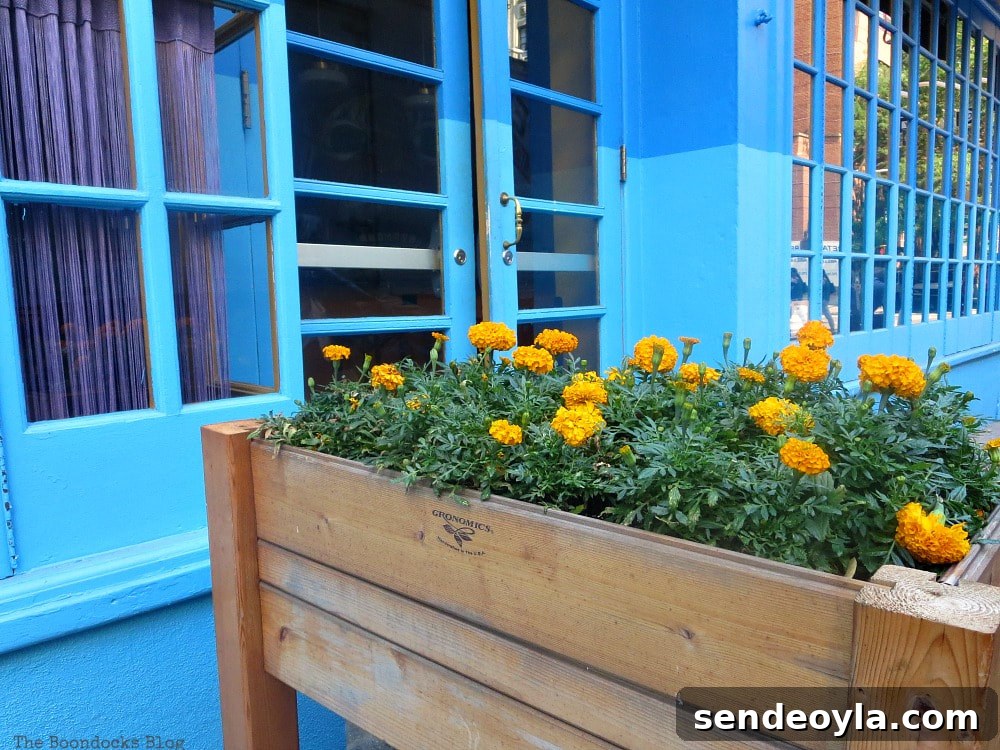
Occasionally, a storefront might even feel Mediterranean—the bright blue of a restaurant door or a window framed with flowers can make you feel like you’ve been transported for a moment. These color accents break up the brick and iron in a delightful way.
Look up as you walk—SoHo and Hudson Square offer a rich mix of architectural details. Brick façades stand next to ornate stonework, iron fire escapes create a layered urban texture, and small planters and window boxes offer pockets of greenery and color.
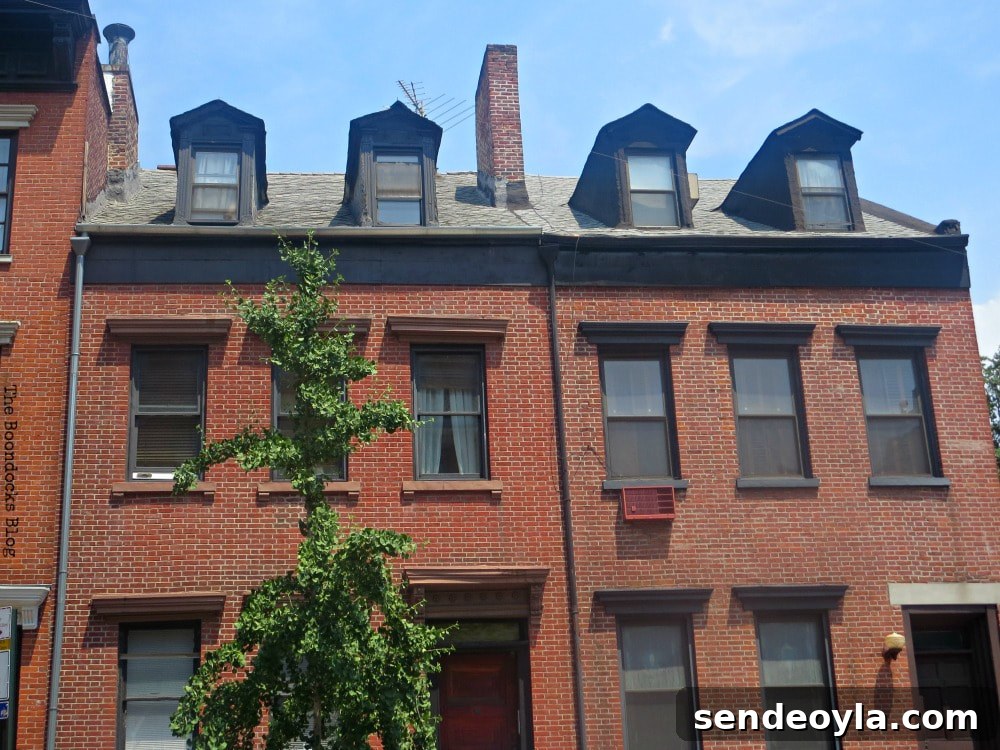
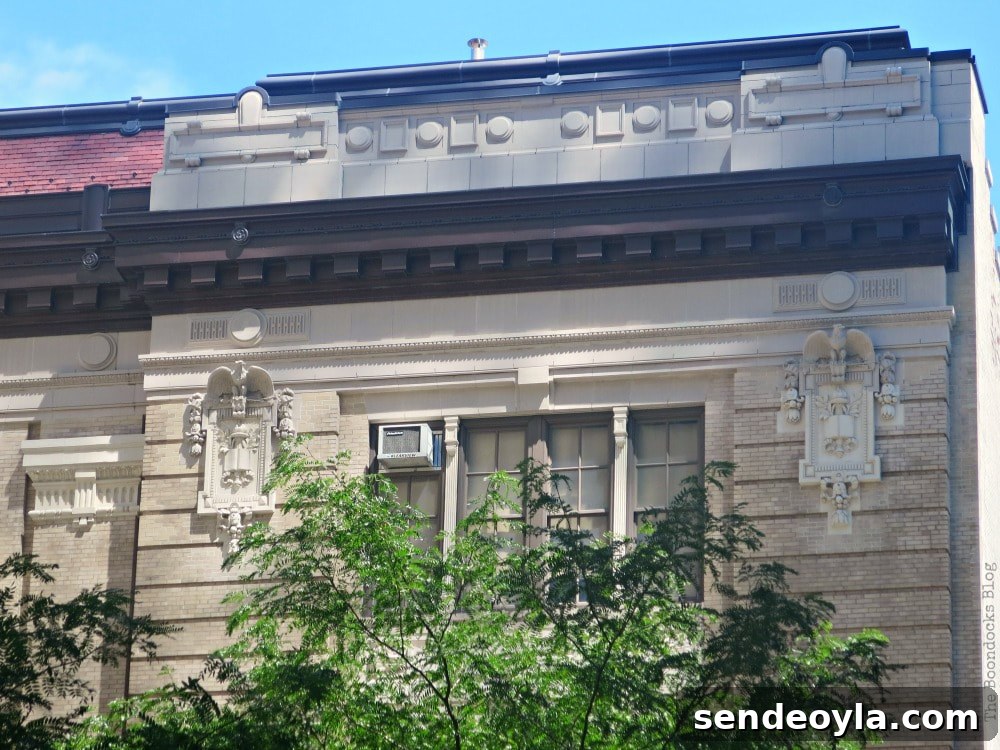
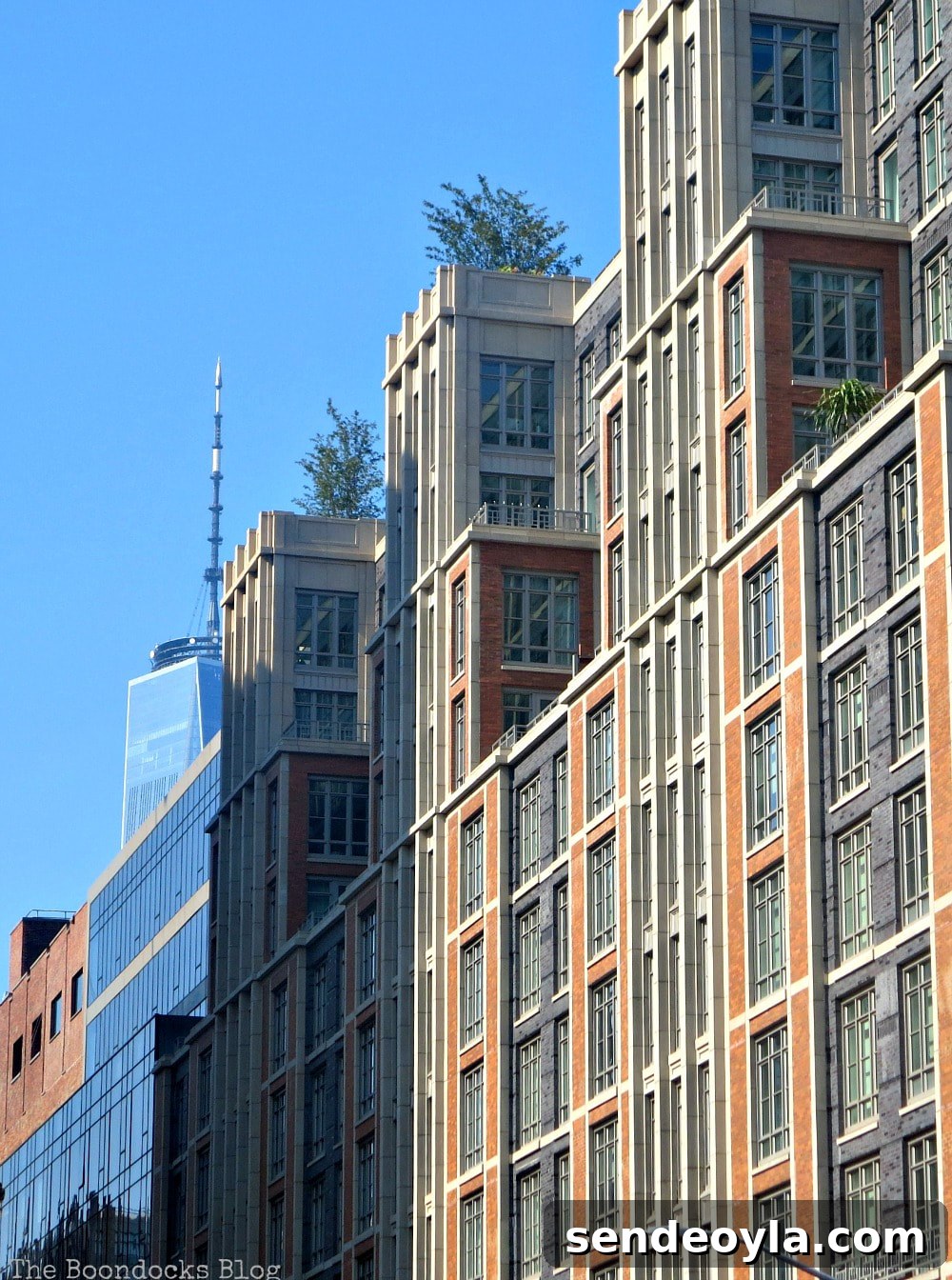
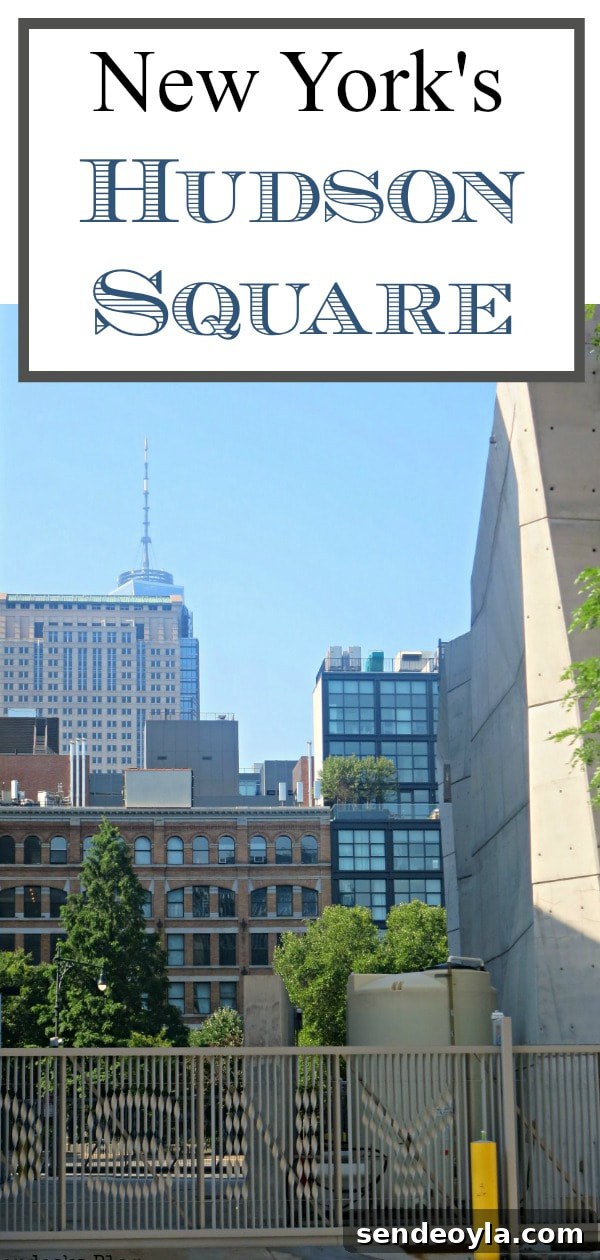
At the same time, towering modern skyscrapers punctuate the skyline. When you look up from the narrow streets, you’ll often catch sight of One World Trade Center in the distance—its spiral form and glass facade acting as a contemporary counterpoint to the older masonry buildings.
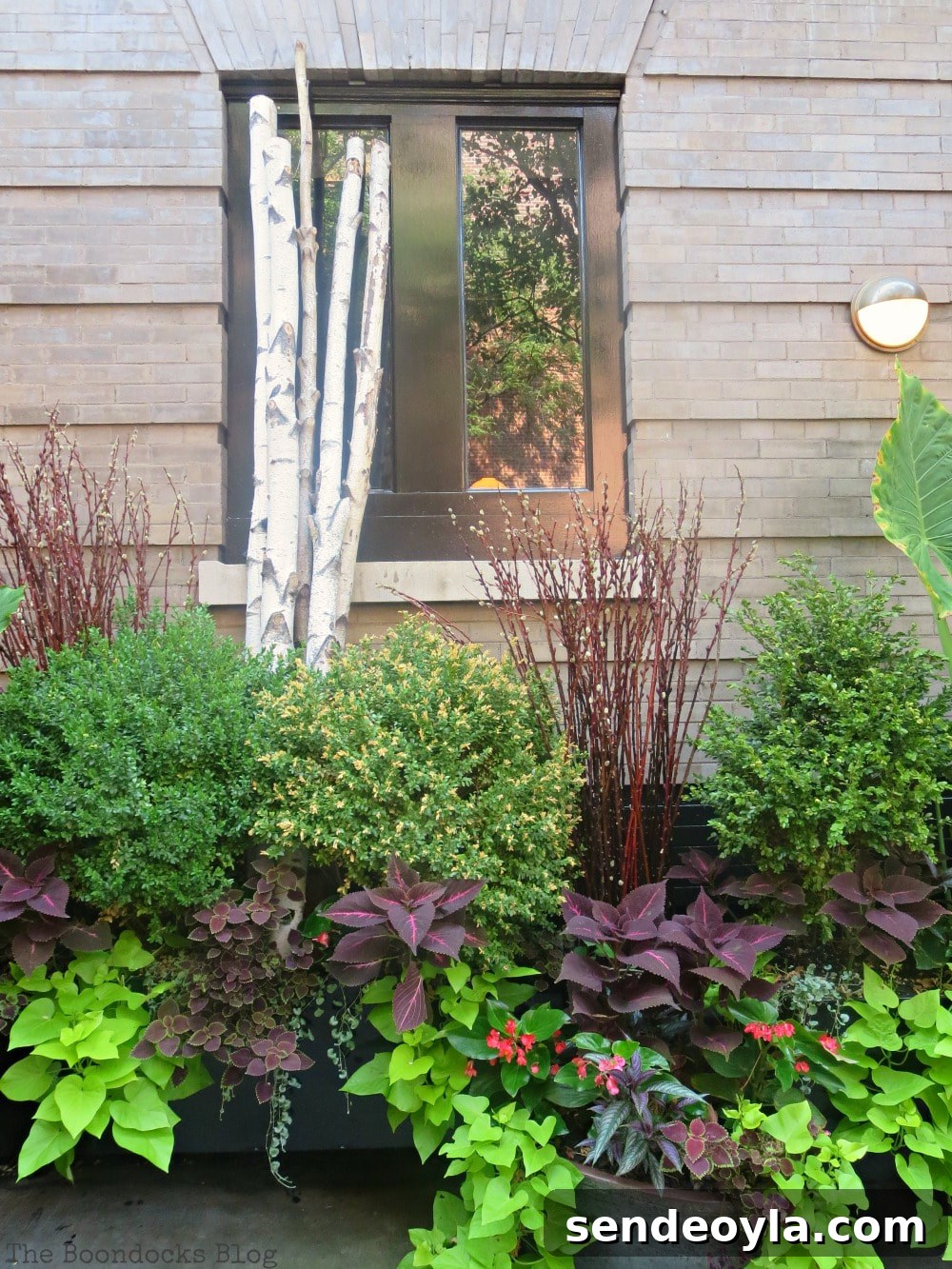
Small urban gardens, window boxes and flower beds appear in residential nooks, proving that even dense city neighborhoods can be green and inviting. These personal touches add warmth to streets otherwise dominated by stone, iron and glass.
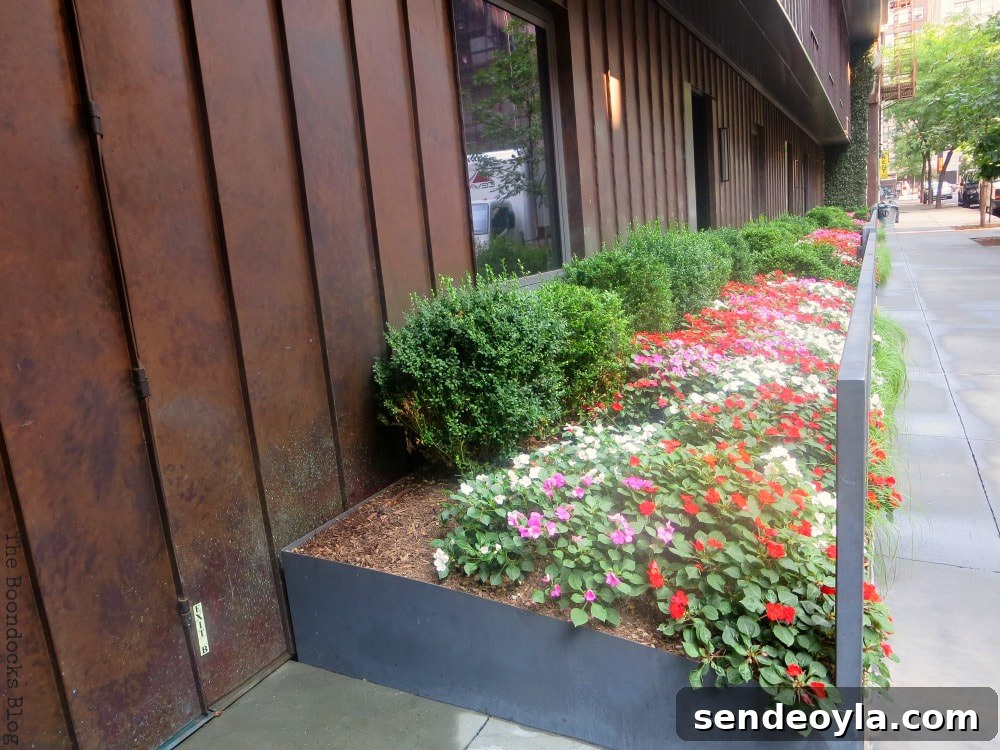
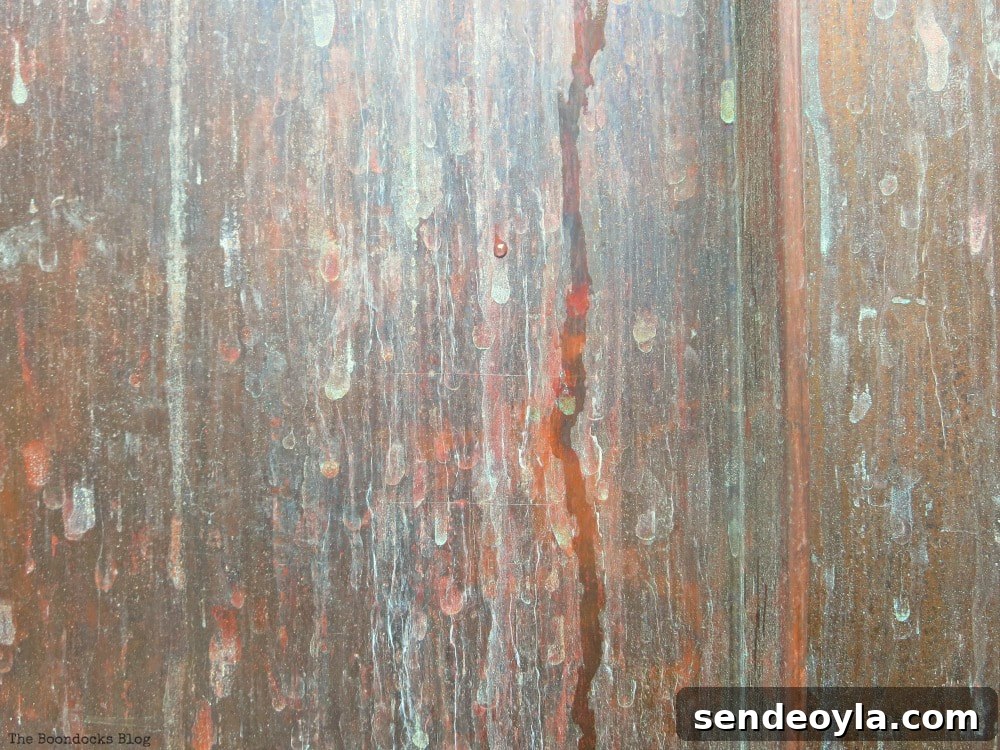
Some facades are unexpectedly clad in aged metals that develop a rich patina over time, offering texture and character that contrast with the surrounding brickwork. These material choices make each block feel unique and photogenic.
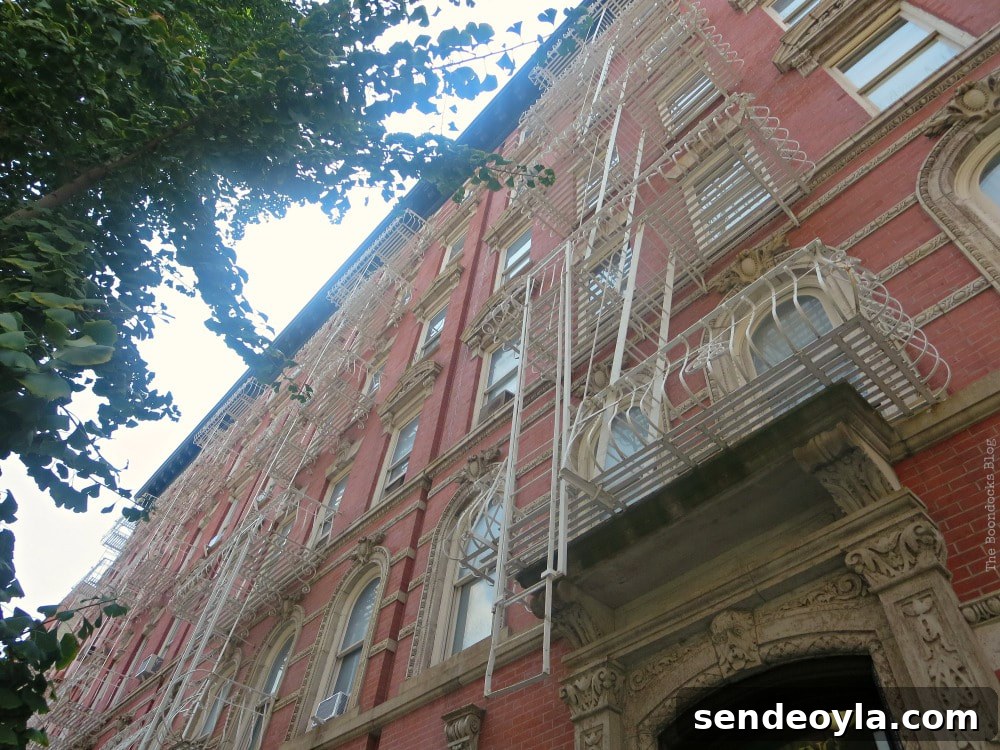
My first apartment in the U.S. was in a building with a fire escape outside the fifth-floor bedroom window—a thrilling sight for someone who had never lived in anything taller than a two-story home. The fire escapes, ornate lintels and carved details tell the story of the city’s architectural evolution.
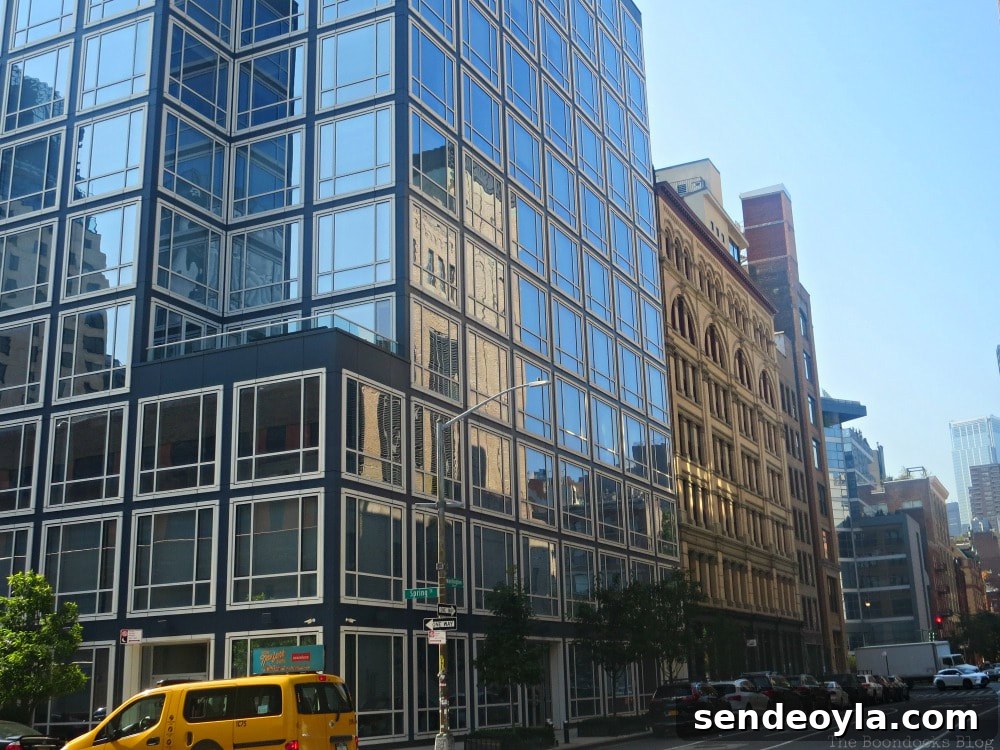
As you move west toward Hudson Square, the mix of buildings becomes even more intriguing. The Urban Glass House—designed by famed architect Philip Johnson—fronts the neighborhood with a sleek, reflective surface that contrasts with the older masonry around it.
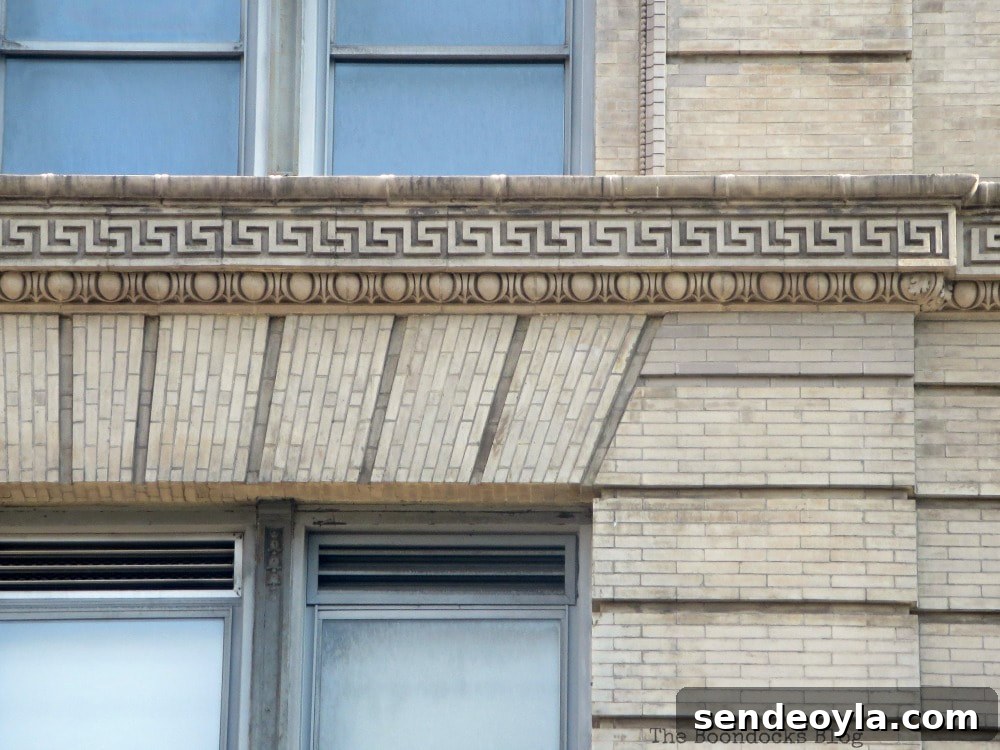
Walking up Hudson Street reveals ornamental cornices, unique balconies and many details that reward the curious observer who keeps their head up while strolling the sidewalks. The street is visually rich and full of architectural surprises.
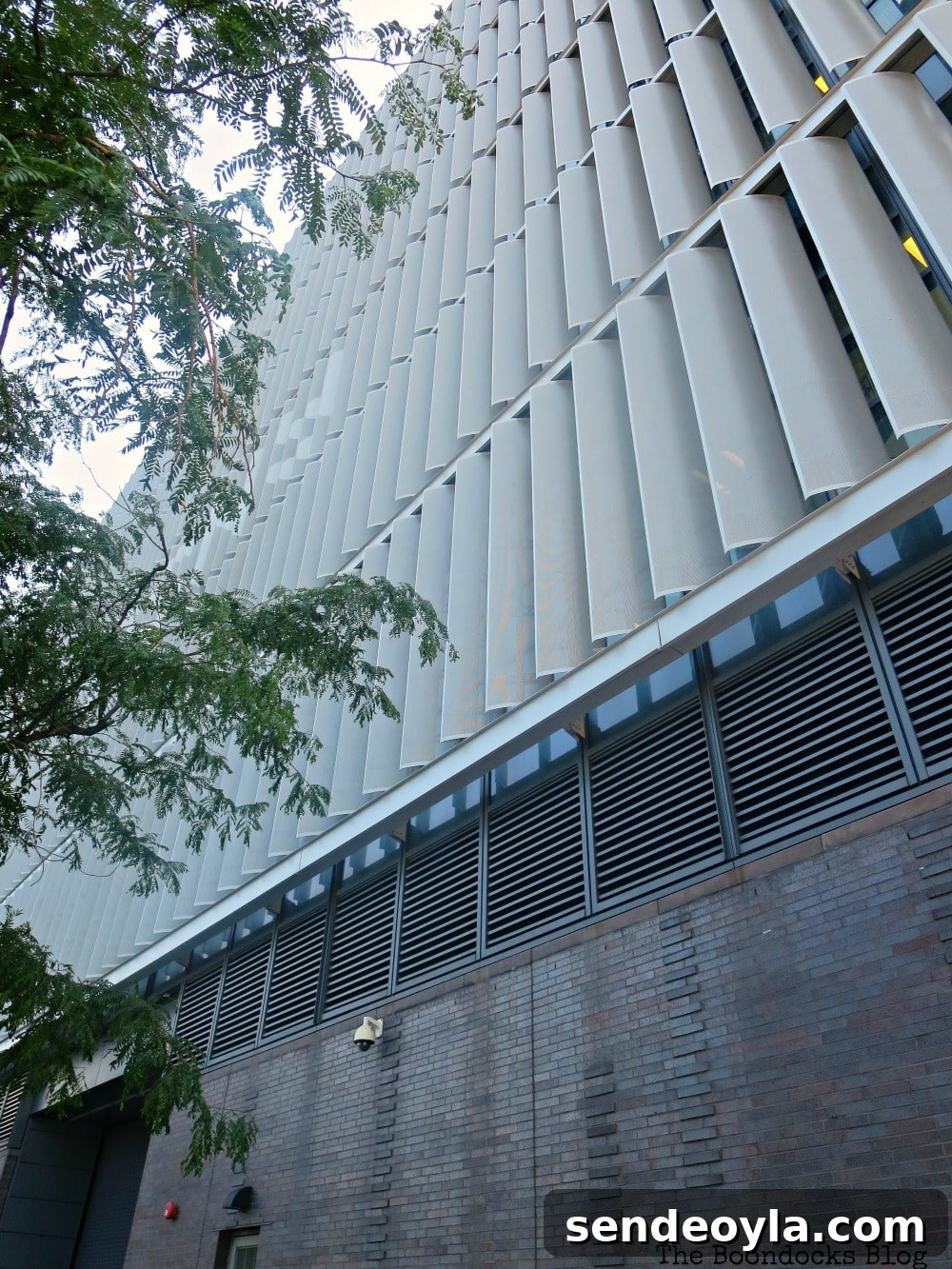
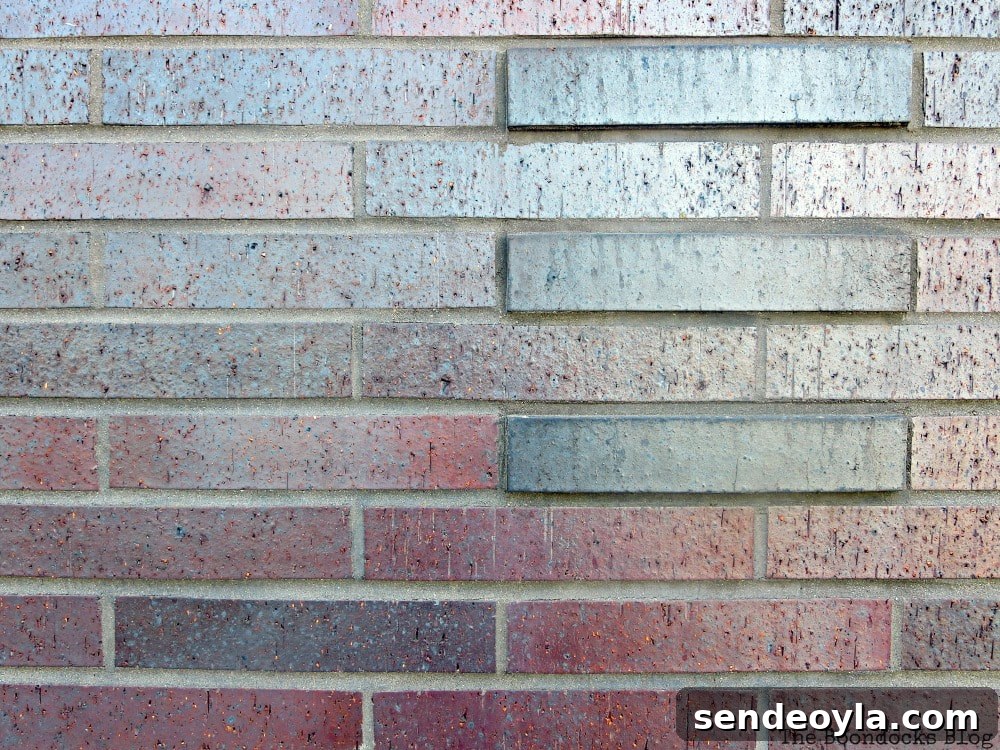
Near the Hudson River, you’ll find striking modern structures. One building that often draws attention is the New York City Department of Sanitation garage, which features perforated metal fins that track the sun and contribute to energy performance—an example of functional design that also reads as sculptural architecture.
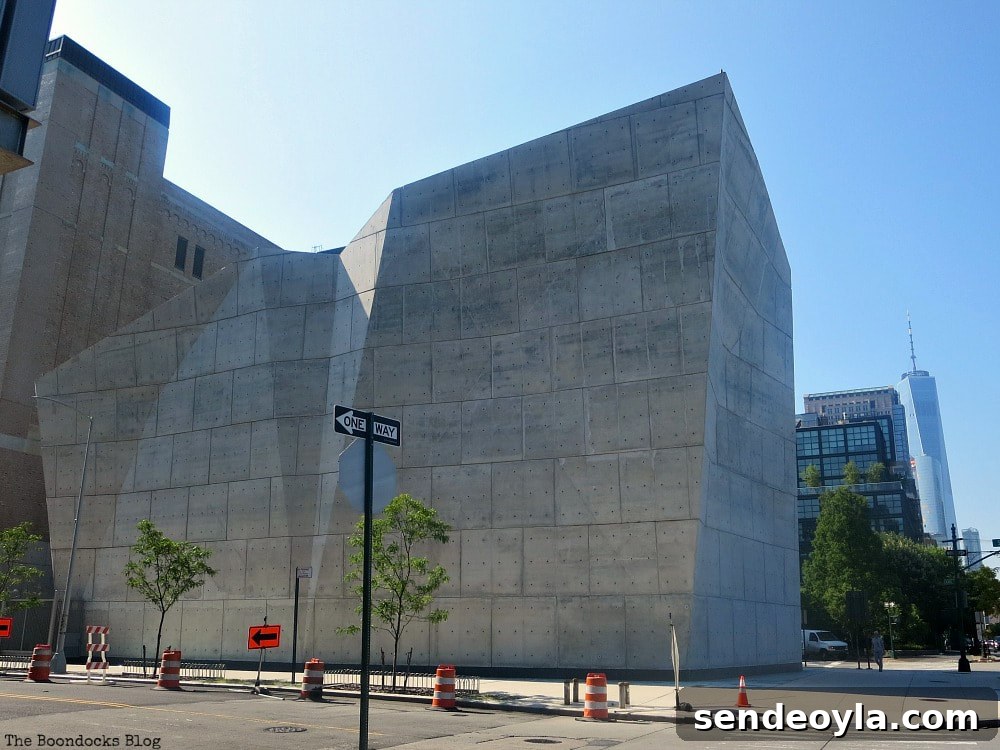
Across the street from that garage sits a memorable structure that looks almost sculptural: the Spring Street Salt Shed. From the exterior it resembles an undulating desert form, but it serves a very practical purpose—it stores winter salt used by the city’s Department of Sanitation. The shed’s distinctive shape and material treatment have earned it architectural recognition.
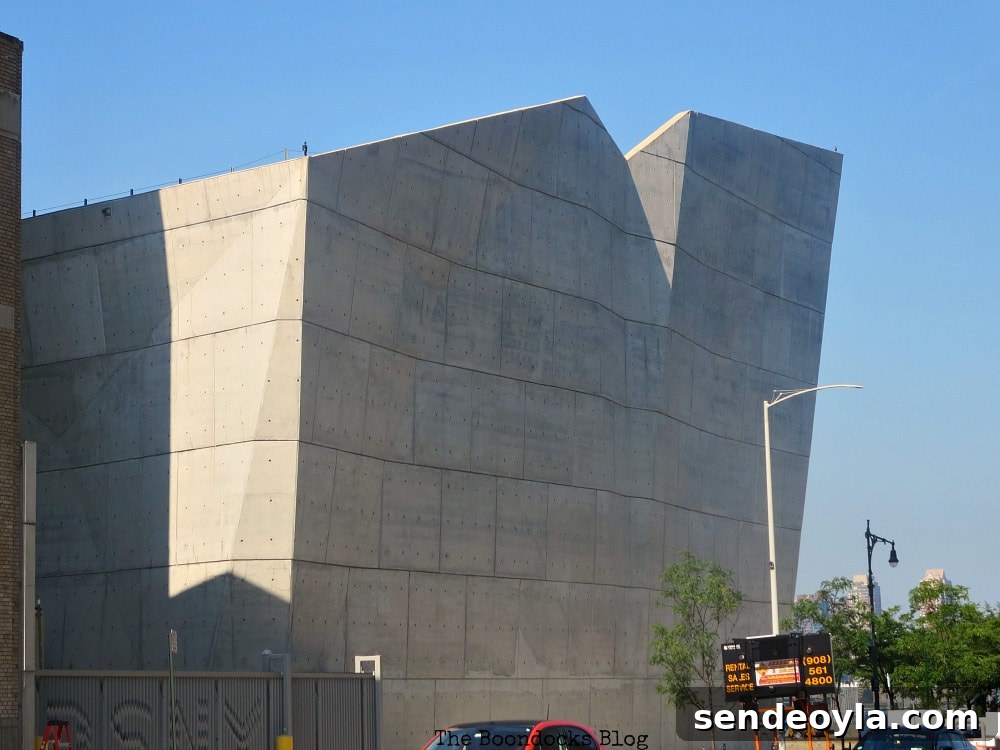
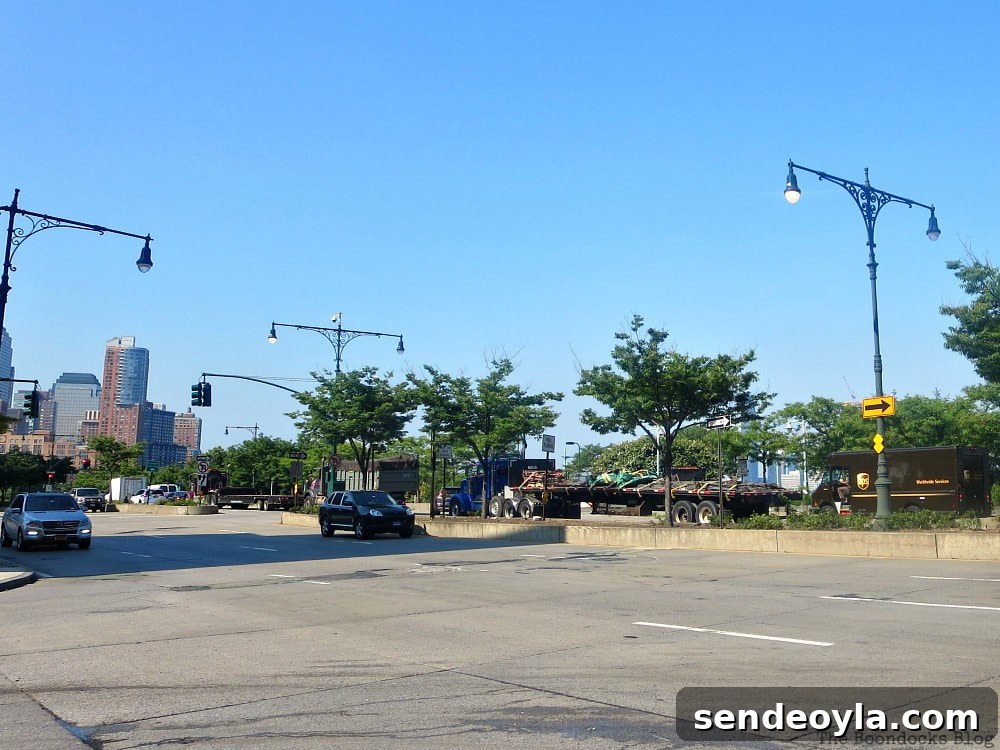
To the west of the shed is West Street, and beyond that the Hudson River. Underneath this corridor runs the Holland Tunnel, linking Manhattan to New Jersey. The proximity of river, tunnel and urban infrastructure highlights how Hudson Square sits at an intersection of city life, industry and design.
This photo essay captures just a slice of Hudson Square and SoHo—an area where historic loft buildings, modern offices, inventive public architecture and everyday urban infrastructure coexist. If you enjoy photography and urban exploration, this part of Manhattan offers an abundance of textures, contrasts and surprises.
If you’d like to see more urban photo essays and city tours, explore other posts on the blog and subscribe to receive new photography updates directly to your inbox.
Thanks for joining this stroll through SoHo and Hudson Square—only in New York will you find such a lively blend of history, design and surprising urban details.