
How I Easily Warmed a Room with Fabric
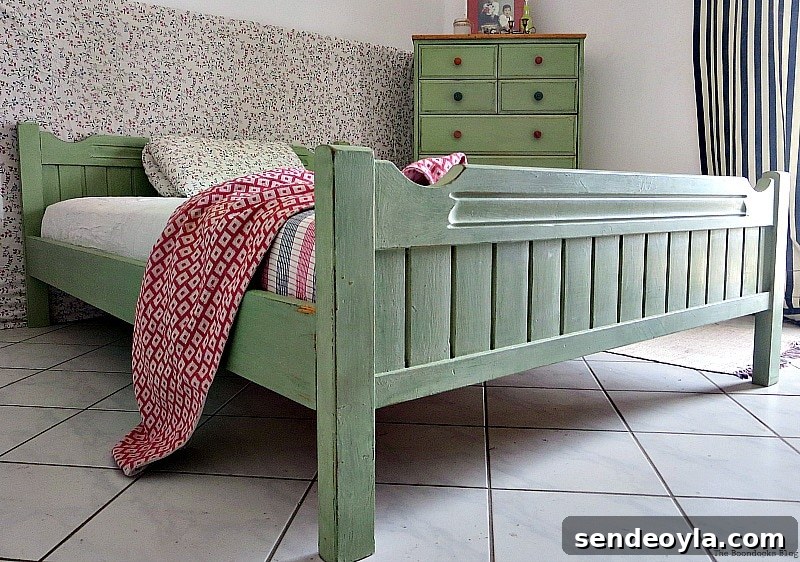
A few months ago I shared my wooden bedframe makeover and many readers asked about the pretty “wallpaper” behind the bed. I have a confession: it wasn’t wallpaper at all. In this post I’ll explain what I used, why it works, and how you can achieve a similar, cozy look without repainting a room.
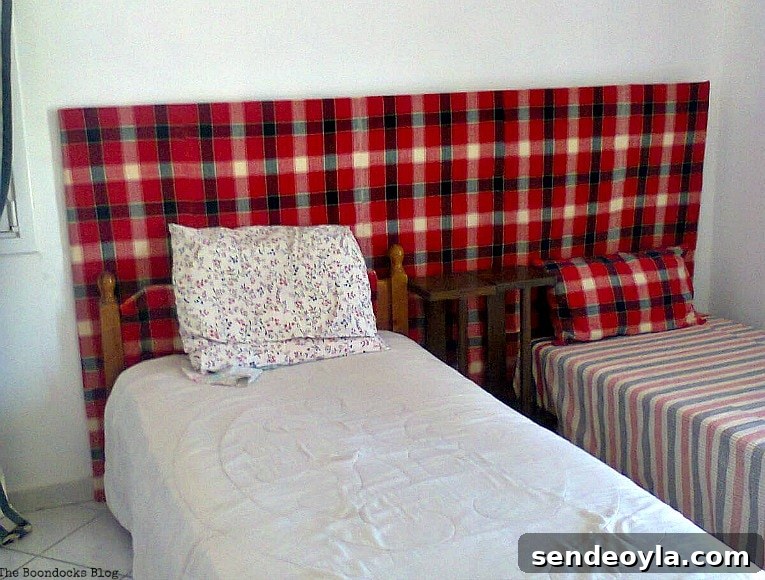
For years the spare bedroom was functional but stark. The “headboard” was simply a piece of plywood that I wrapped with an old comforter and stapled in place, then covered with a piece of plaid fabric. It was a quick, inexpensive solution that added color, texture and instant warmth to the space, especially since the bed and dresser were not a matching set.
Painting was not an option this time—the walls were freshly painted and clean—so I needed a non-permanent way to introduce color. Fabric offered a fast, reversible solution and a lot of visual impact for very little cost.
When I recently painted the bed frame and dresser a soft green, the red plaid no longer felt right—the colors clashed. I had originally used a duvet cover for staging, so I started experimenting with fabrics from my stash. Some options were too bold or the wrong shade of green; others were visually noisy for a bedroom setting. I tested a geometric print I had used elsewhere, but it was too vivid for a restful sleep space.
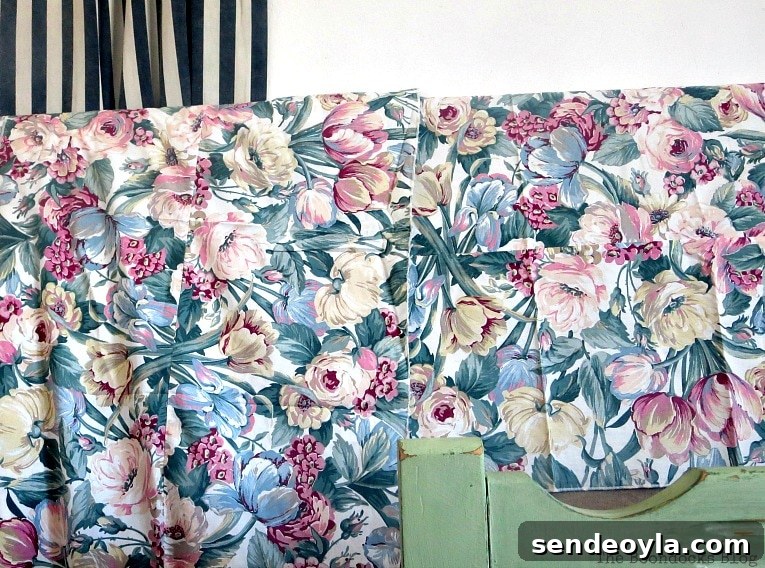
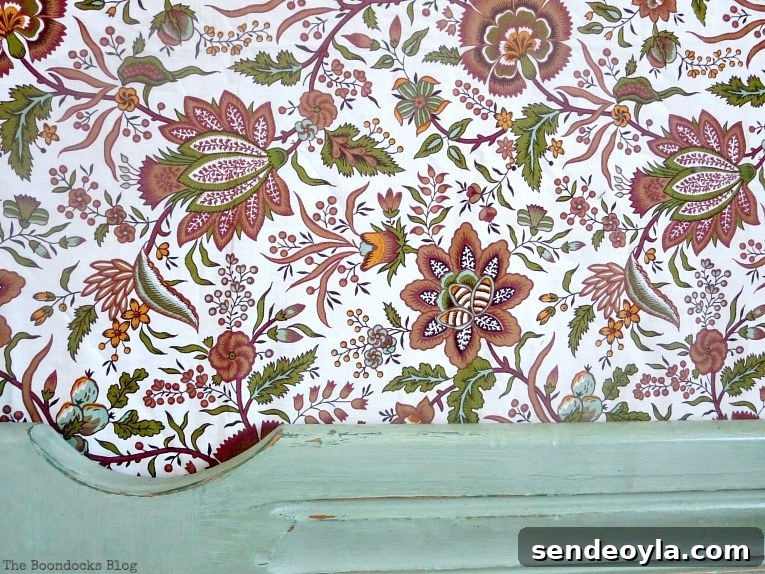
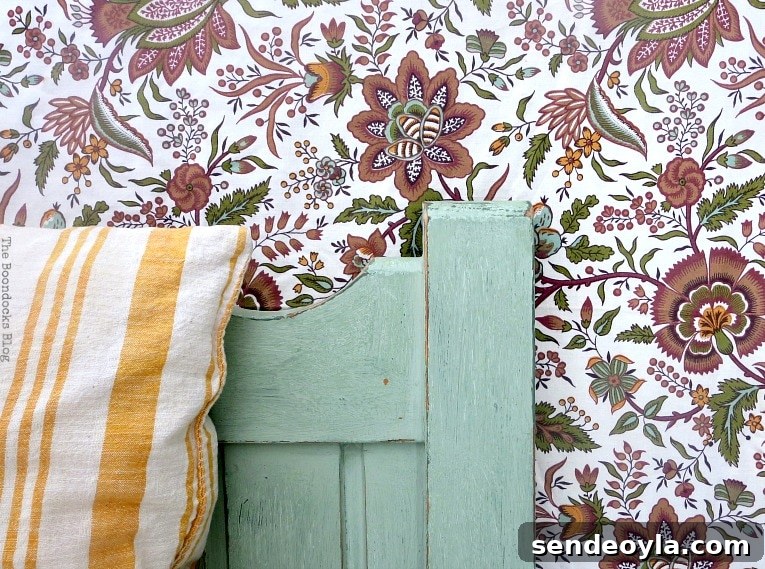
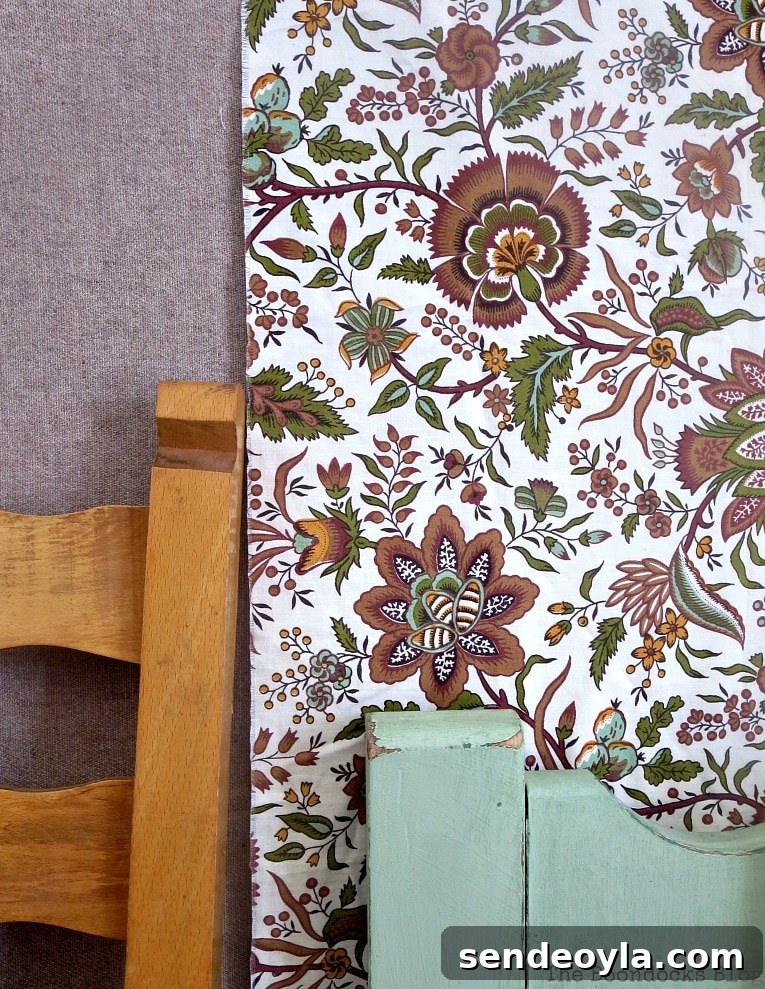
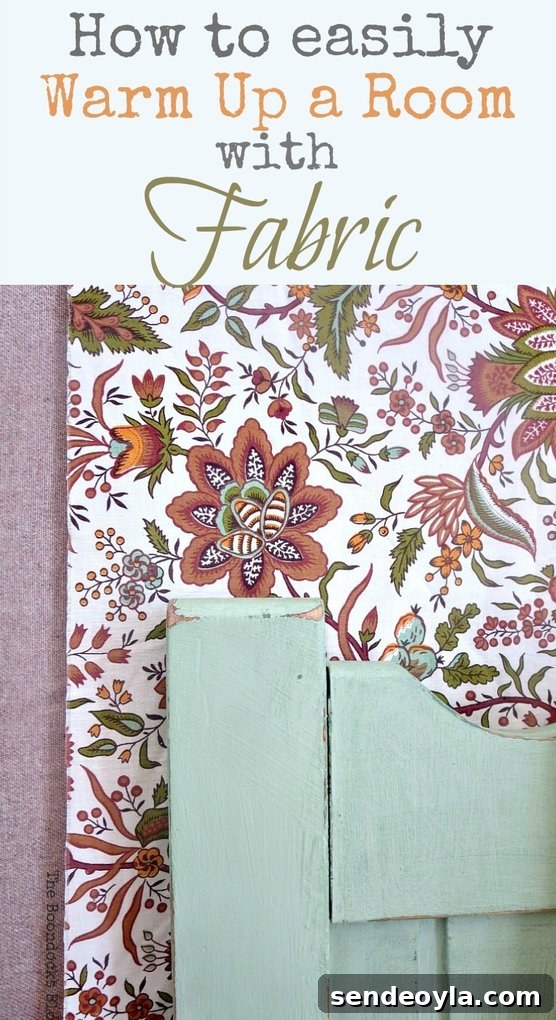
Then I remembered a wall hanging I made years ago. Because I live in an earthquake-prone area, I avoid heavy objects on the wall directly above beds; a fabric wall hanging is a safer and lighter alternative. I had a floral fabric I loved but not enough of it to cover the whole plywood panel. To solve that I layered a neutral wool fabric over the plywood and used the floral as a focal panel centered on the headboard.
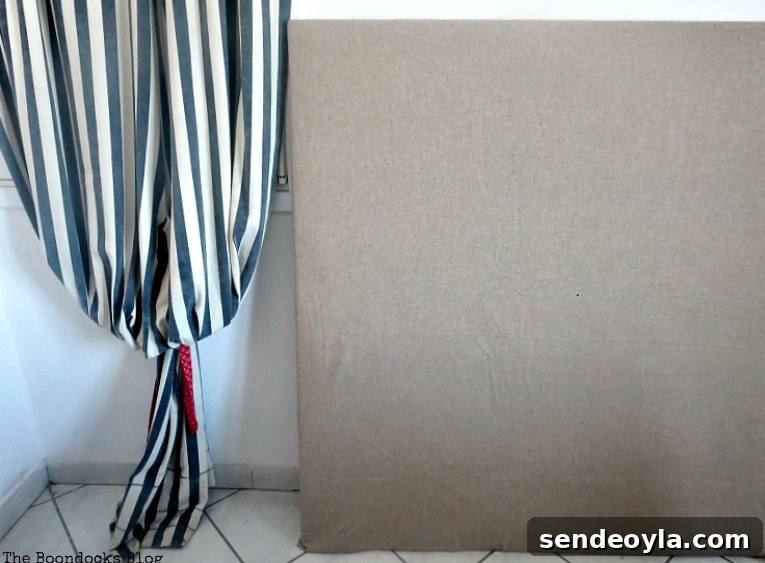
The installation was deliberately simple. I draped the fabrics across the plywood, centered the patterned piece, and stapled the layers at the back and a few staples along the bottom front to hold everything in place. The back is messy and hidden, but the front looks tailored and calm. The result feels intentional even though it took minimal sewing or framing.
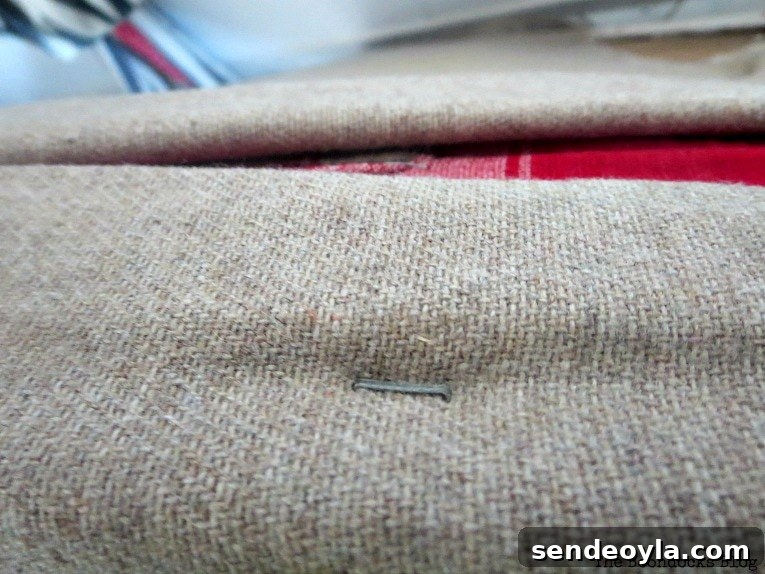
Because the fabric is removable, this is a flexible decorating technique: if I tire of the floral panel, I can swap it for another piece, or change the entire look seasonally. The neutral wool keeps the overall tone warm and textured while the patterned panel adds color and personality.
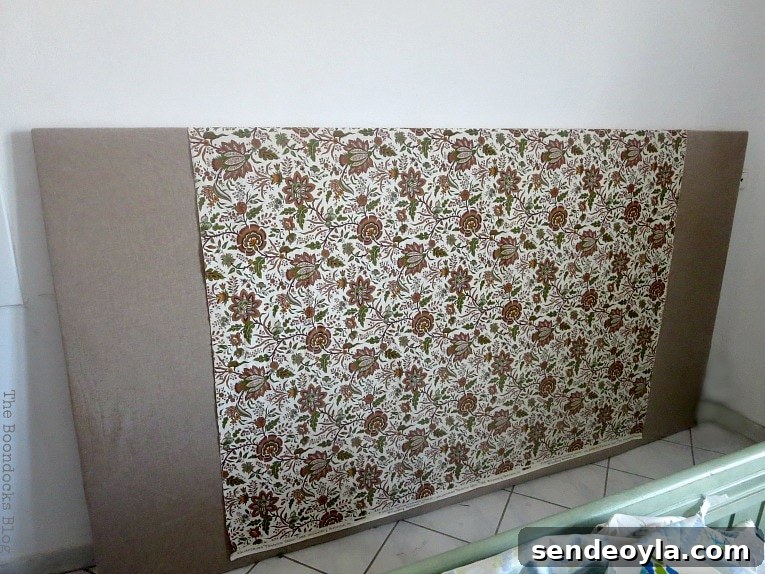
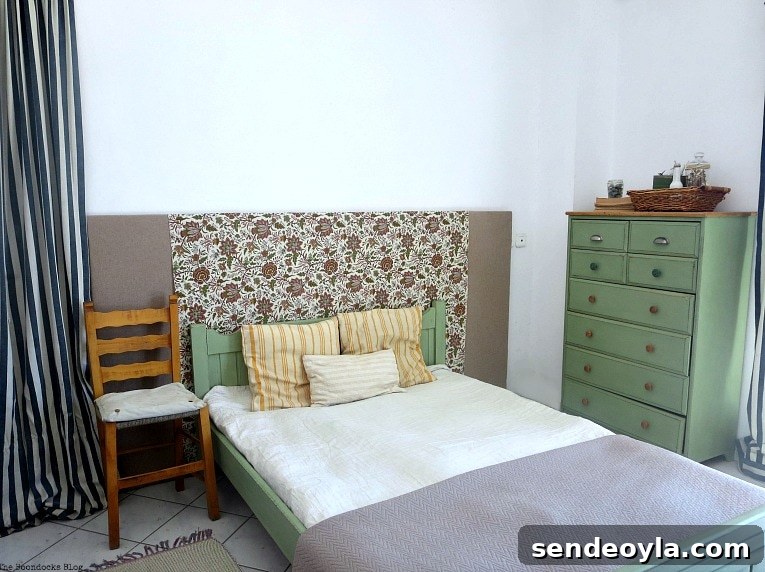
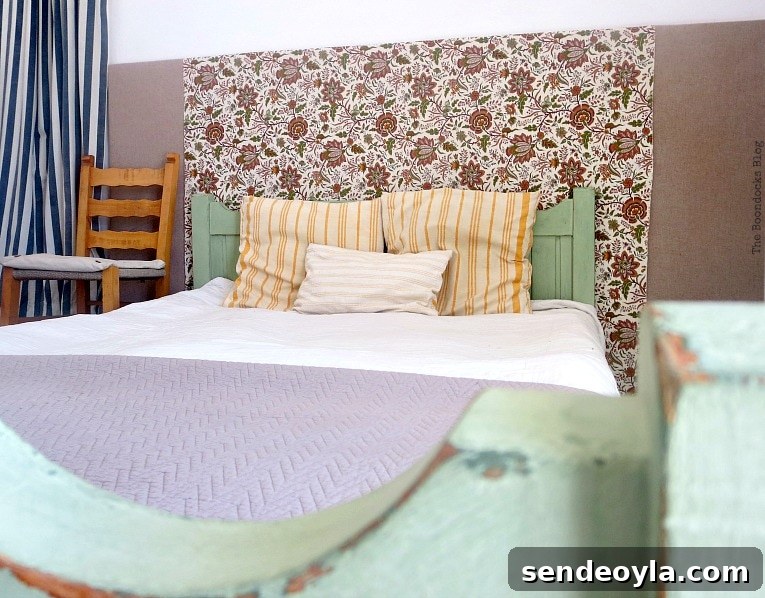
Here’s how the finished headboard looks in the bedroom. The new fabric complements the painted furniture and softens the space. The floral tones pick up elements from the bedding and accessories, creating cohesion without repainting the walls or buying a new headboard.
Why Fabric Works
Fabric is an easy, cost-effective way to introduce color, pattern and texture. It’s lightweight, changeable, and forgiving of imperfect installation. Because it doesn’t permanently alter walls or furniture, it’s ideal for renters or anyone who prefers low-commitment décor changes. A fabric-covered panel also adds sound-softening qualities, making a room feel cozier.
Practical Tips
- Start with a sturdy backing such as plywood or a light frame to drape fabrics over.
- Combine a neutral base with a smaller patterned panel if you don’t have enough of a single fabric to cover the whole area.
- Staple the fabric at the back and add a few secure staples along visible edges. Hide messy seams behind furniture or trim.
- Use lightweight fabrics if you need to hang the piece on a wall, especially in earthquake-prone locations.
- Keep the color palette balanced with existing furniture so the new fabric ties into the room rather than clashes with it.
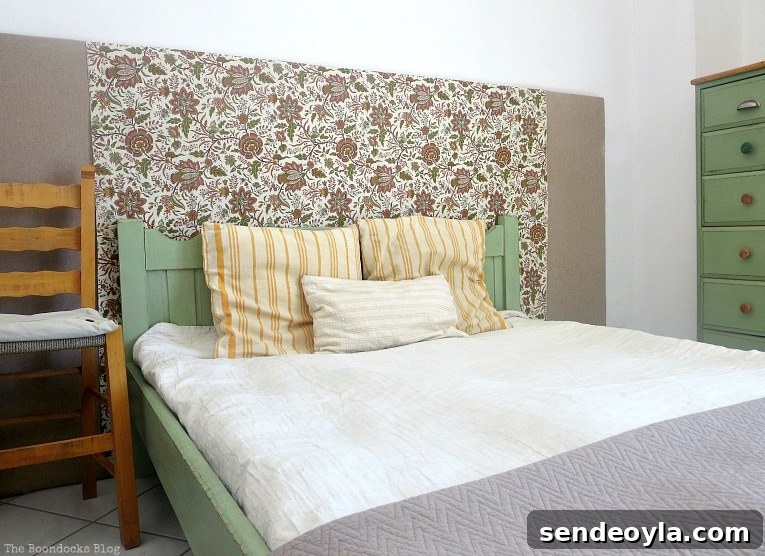
The finished result has a calming effect in the bedroom and looks right alongside the green furniture and wooden chair. It’s a simple makeover with a big visual payoff.
If you enjoy changing your décor often, fabric panels make it easy to refresh a room without a major project. Whether you prefer bold patterns or soft neutrals, a layered fabric headboard or wall hanging is an accessible way to add color, texture and warmth.
Disclosure: The items mentioned below were once presented as affiliate links. If you follow product recommendations through affiliate links, the author may receive a small commission at no extra cost to you. This supports continued content creation.
Final Thoughts
This project is a reminder that small, thoughtful changes can have a big effect. A fabric-covered panel warmed a cold, spare room into a restful space without the need to repaint or buy new furniture. If you’re deciding between fabric options, consider mood (calming vs. energetic), scale of pattern, and how the colors coordinate with existing pieces. What would you choose for your room?
If you liked this idea, save a photo for inspiration and consider trying a fabric headboard or wall hanging for an easy, temporary makeover. Swap fabrics seasonally to refresh the look with minimal time and expense.

You may also be interested in homemade wall hangings or room partitions as alternative ways to add interest and function to small spaces.
Linking up to seasonal and DIY link parties is a fun way to share projects and discover new ideas. This blog is for inspiration and entertainment; DIY tutorials are not a substitute for professional advice. Please share your thoughts—comments are appreciated. Note: please avoid including hyperlinks in comments to ensure they can be published.