
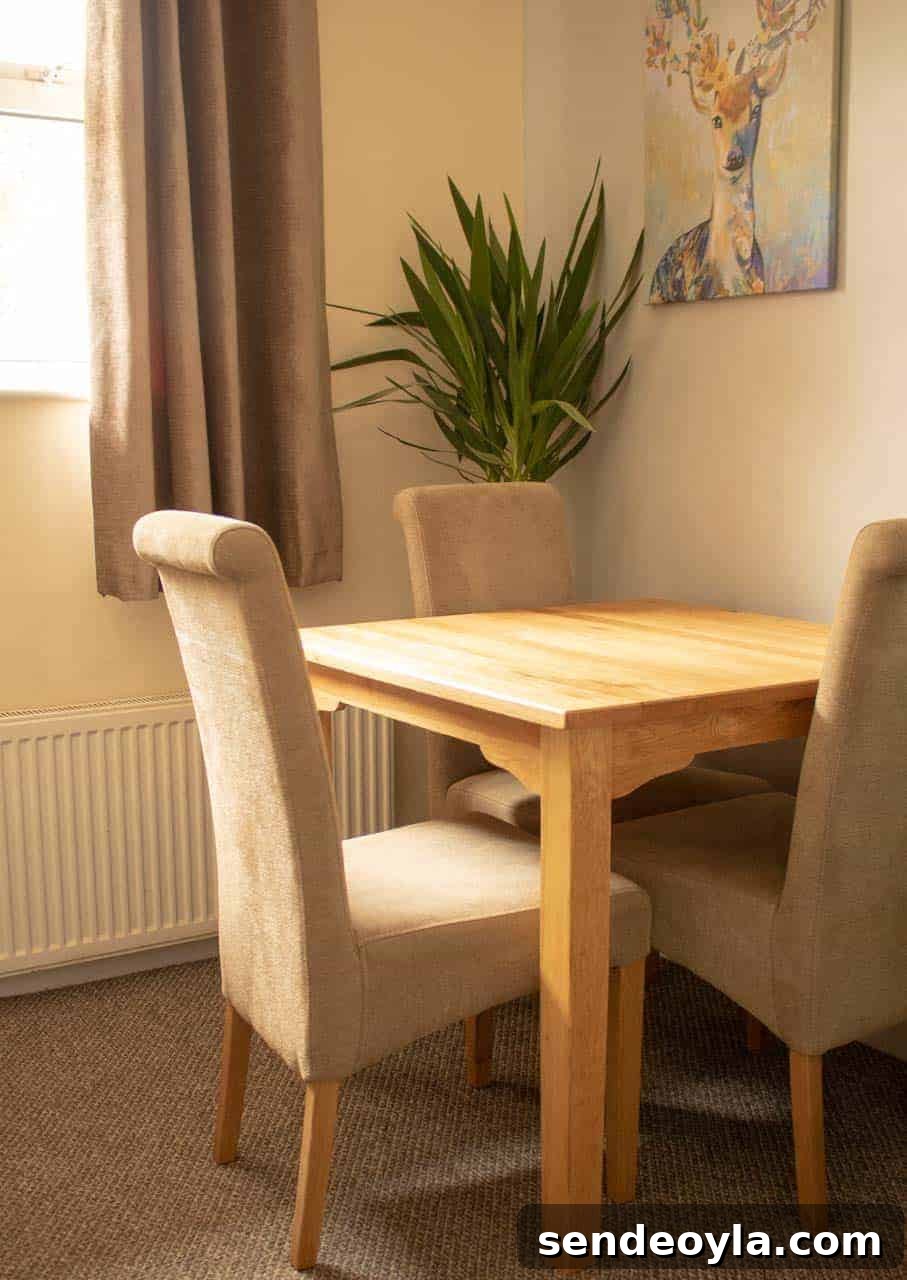
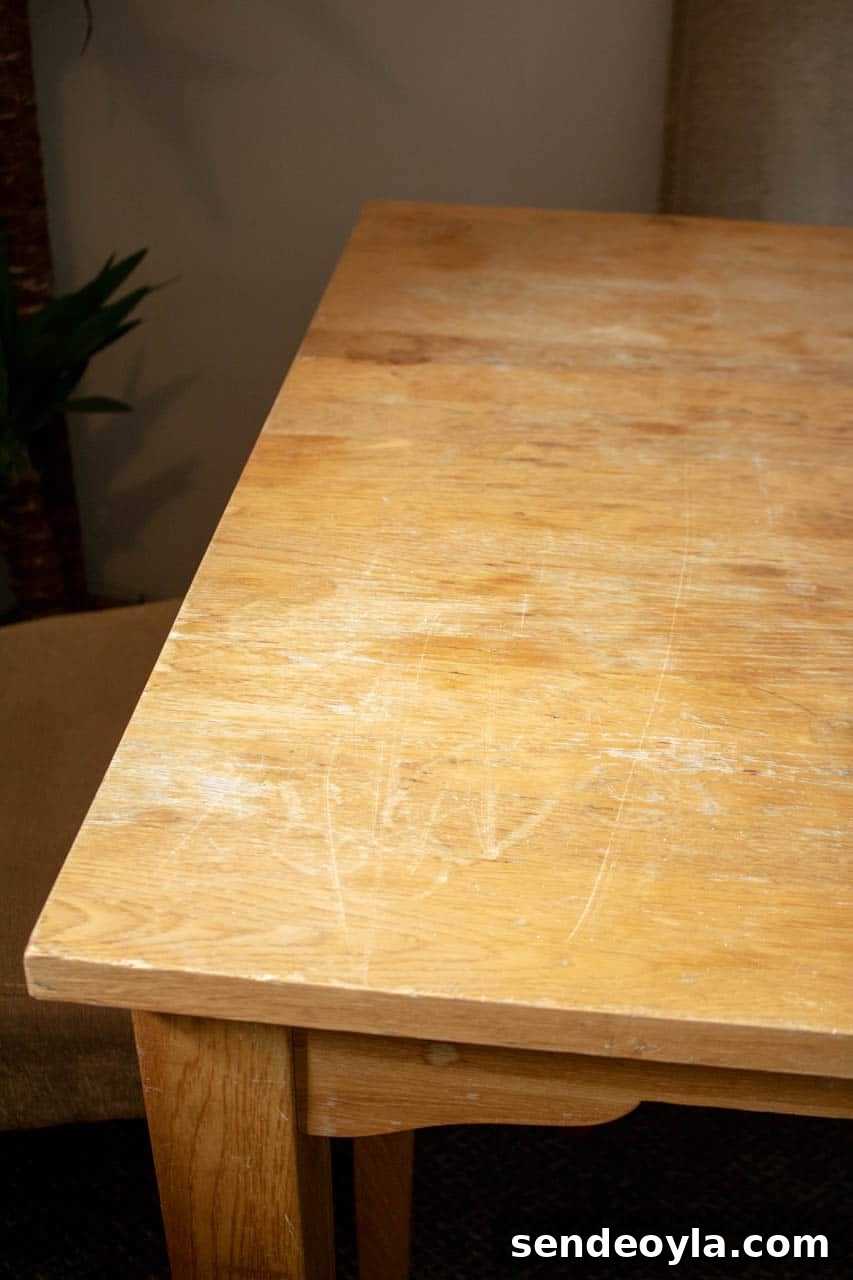
In this guide I show an easy method to restore oak furniture and bring a tired dining table back to life. I removed scratches and grey patches with a scraper, did minimal sanding, and sealed the wood with Danish oil.
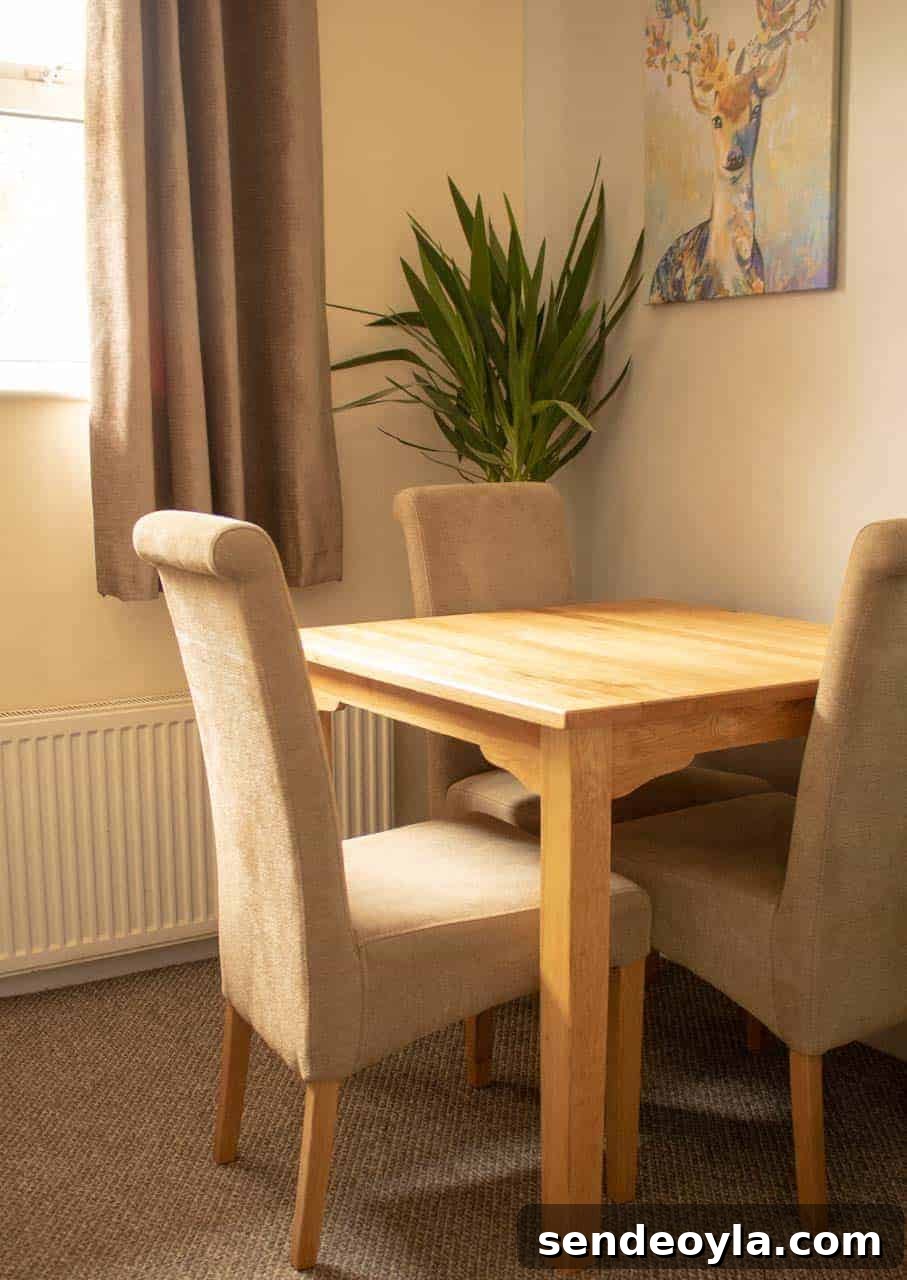
I discovered a new appreciation for quality hardwood after rescuing this second‑hand oak dining table. I picked it up for just £3 from a local reuse shop. Although it had a lot of surface damage and weathered patches, the table was solidly built and made from genuine oak—worth restoring rather than replacing.
Because the table had been dismantled when I bought it, I wasn’t sure all the parts were present. Fortunately everything was there. We were downsizing from a larger second‑hand set, and I already had spare nuts and bolts if anything needed replacing. If it had been beyond repair, the timber could still have been repurposed into useful kitchen pieces.
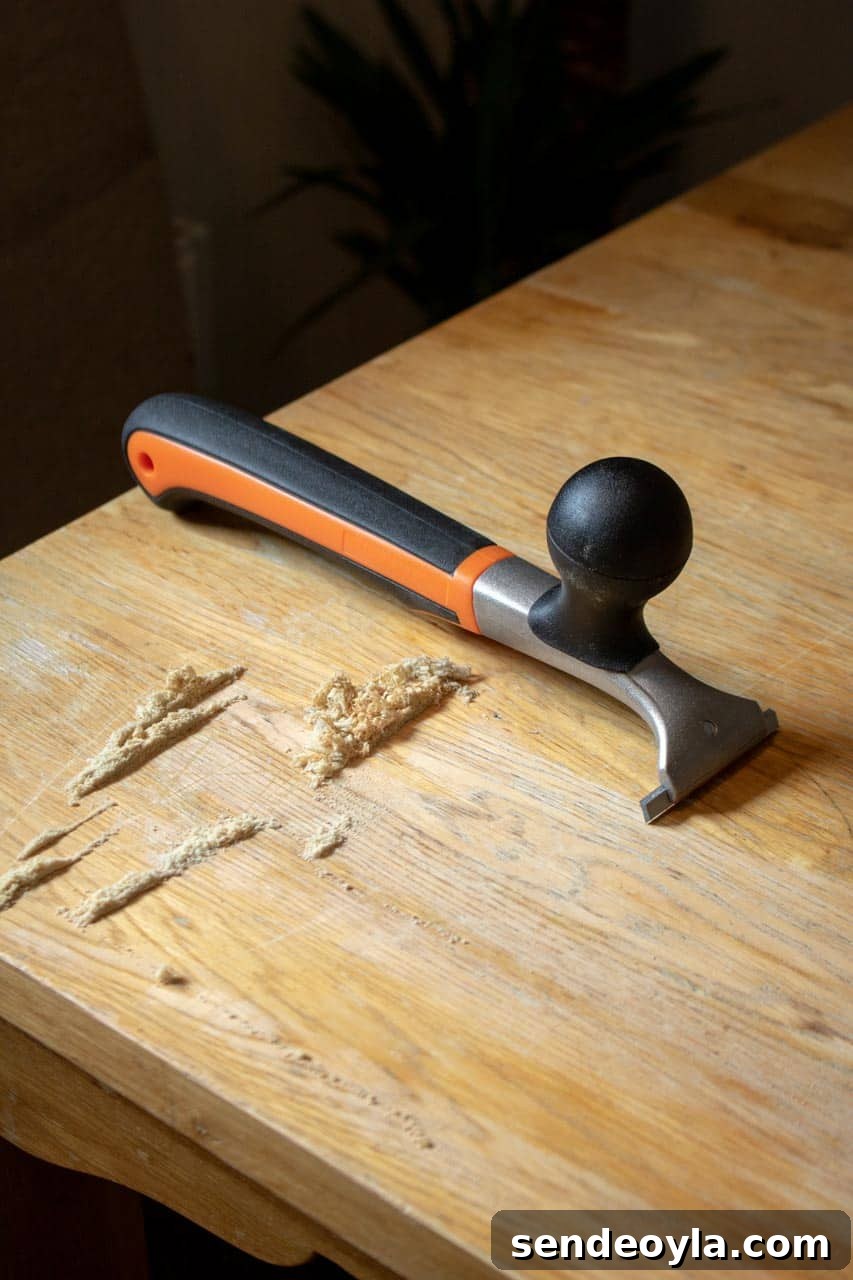
I’m used to working with softwoods like pine for sheds and fencing, so restoring oak felt like a step up. I asked for advice on social media and one of the best suggestions I received was to use a carbide scraper. It turned out to be an excellent tip: the scraper removed lacquer and surface marks quickly, reduced the amount of sanding needed, and helped avoid over‑sanding that can leave uneven areas.
Things You’ll Need for Refinishing Oak Furniture
- Carbide scraper — ideal for removing old lacquer and peeling finishes
- Orbital sander — for a smooth, even finish after scraping
- 120 grit sanding pad — a good starting grit for hardwoods like oak
- Router (optional) — to soften or add a profile to edges
- 45 degree router bit (optional) — useful for creating a chamfered edge
- Danish oil — a straightforward finish that penetrates and protects
- Lint‑free cloths — for applying and wiping oil
- Large rag or sheet — to catch shavings and make cleanup easier
How to Restore Oak Furniture
A few simple steps will revive an oak table without needing heavy restoration equipment. Work outdoors or in a well‑ventilated space, and lay a sheet or large rag under the piece to collect shavings and dust.
- Scrape off the old finish: Use the carbide scraper in long strokes following the grain to remove lacquer, sun‑bleached patches and surface stains. Hold the scraper at a shallow angle and apply steady, even pressure. The carbide blade cuts quickly and reduces the time you’ll spend sanding.
- Inspect for damage: Once the finish is removed, look for deeper scratches, dents or areas that need filling. Minor dents can sometimes be steamed out; larger gaps can be repaired with a natural wood filler if desired.
- Sanding: After scraping, sand the entire surface with a 120 grit pad on an orbital sander until smooth. Take care around edges and carved details so you don’t round over profiles you want to keep.
- Clean the surface: Remove all dust with a vacuum, tack cloth or a slightly damp lint‑free cloth. Allow the wood to dry completely before applying any finish.
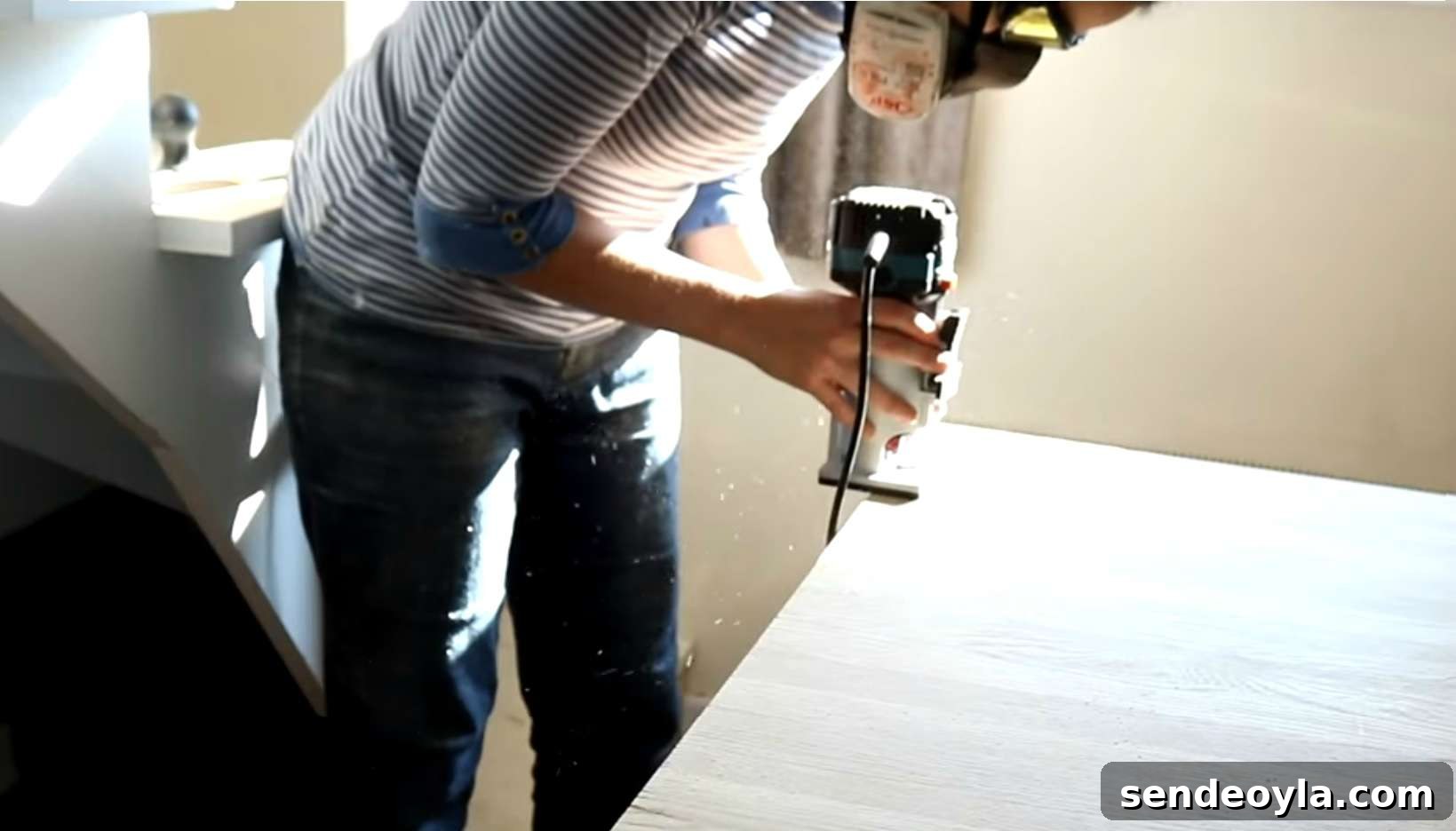
Routering the Edges For a Softer Profile
If the edges are damaged or uncomfortably sharp, consider using a router to create a new profile. I used a 45‑degree bit to chamfer the edges, running the router around the tabletop twice to get a clean, even bevel. This exposes the end grain slightly and creates a refined, finished look once oiled.
Finishing the Oak Dining Table
After sanding and final cleanup, choose a finish that fits how the table will be used. Some readers recommended hard‑wearing finishes like Osmo; I chose Danish oil because it’s economical, easy to apply, and enhances the grain while adding water and stain resistance.
Danish oil can be used on its own or as a primer before varnish. If you plan to add a varnish topcoat, allow the oil to cure for at least two weeks before applying additional finishes.
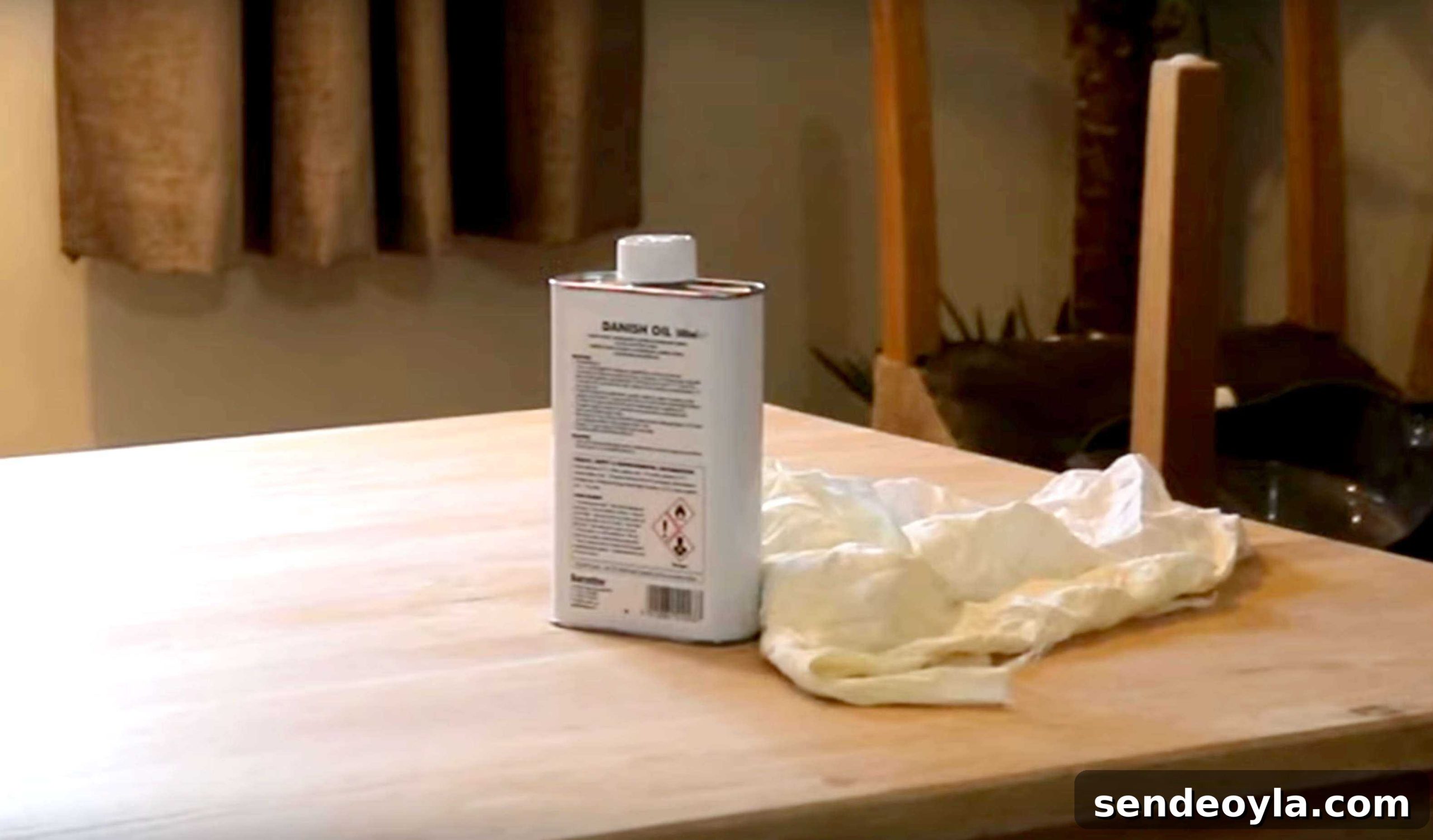
How to Apply Danish Oil to Oak
Make sure the wood is dust‑free. If possible, work outdoors on a calm, dry day. Apply the oil liberally with a lint‑free cloth, rubbing it into the grain. Leave the oil to penetrate for about 20 minutes, then wipe off any excess with a clean cloth. Allow the surface to dry for around 6 hours (or overnight for peace of mind) before applying a second, lighter coat. Repeat the process for a third coat if the piece will be used outdoors or needs extra protection.
After the final coat, buff the surface with a clean lint‑free cloth to remove any tackiness. If you plan to varnish over the oil, follow the manufacturer’s instructions and allow a full curing period—often two weeks—before topcoating.
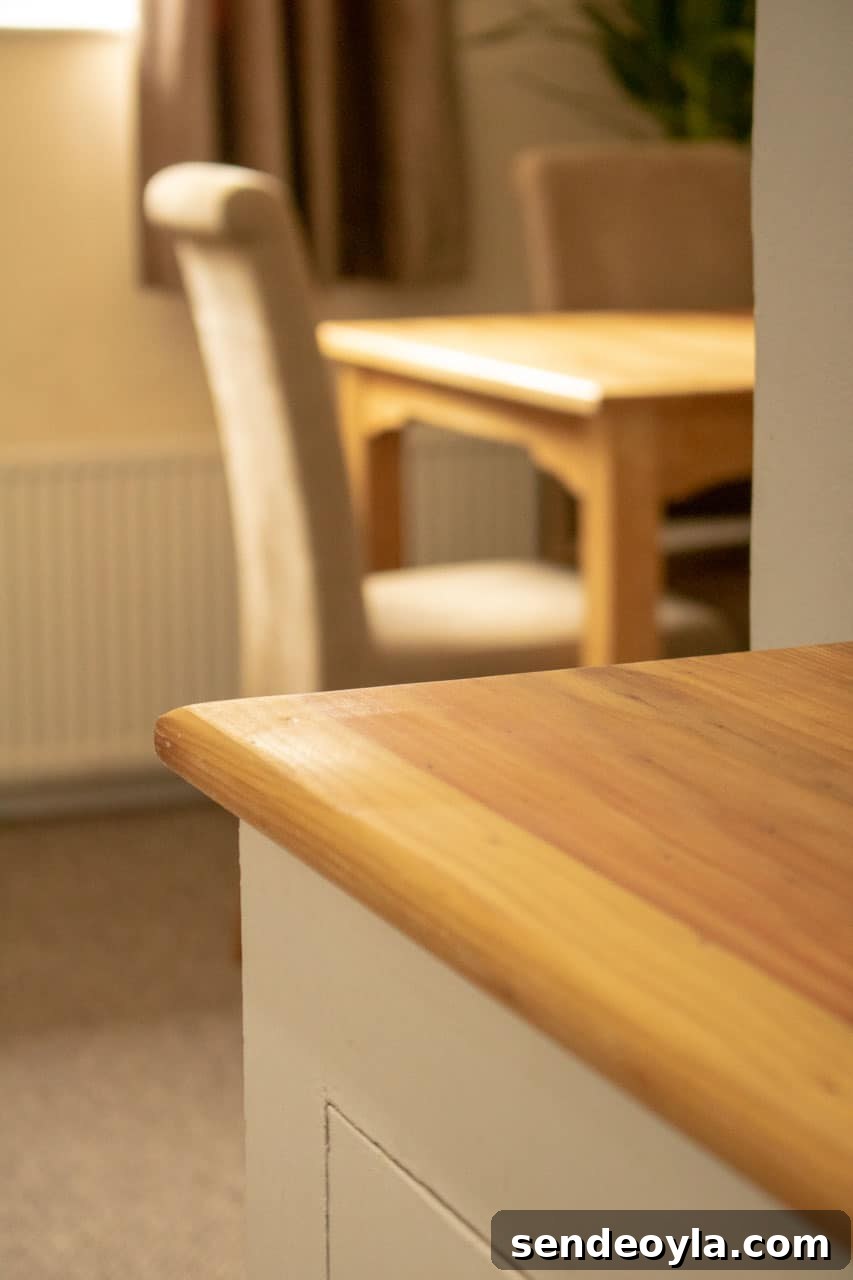
Results and Costs
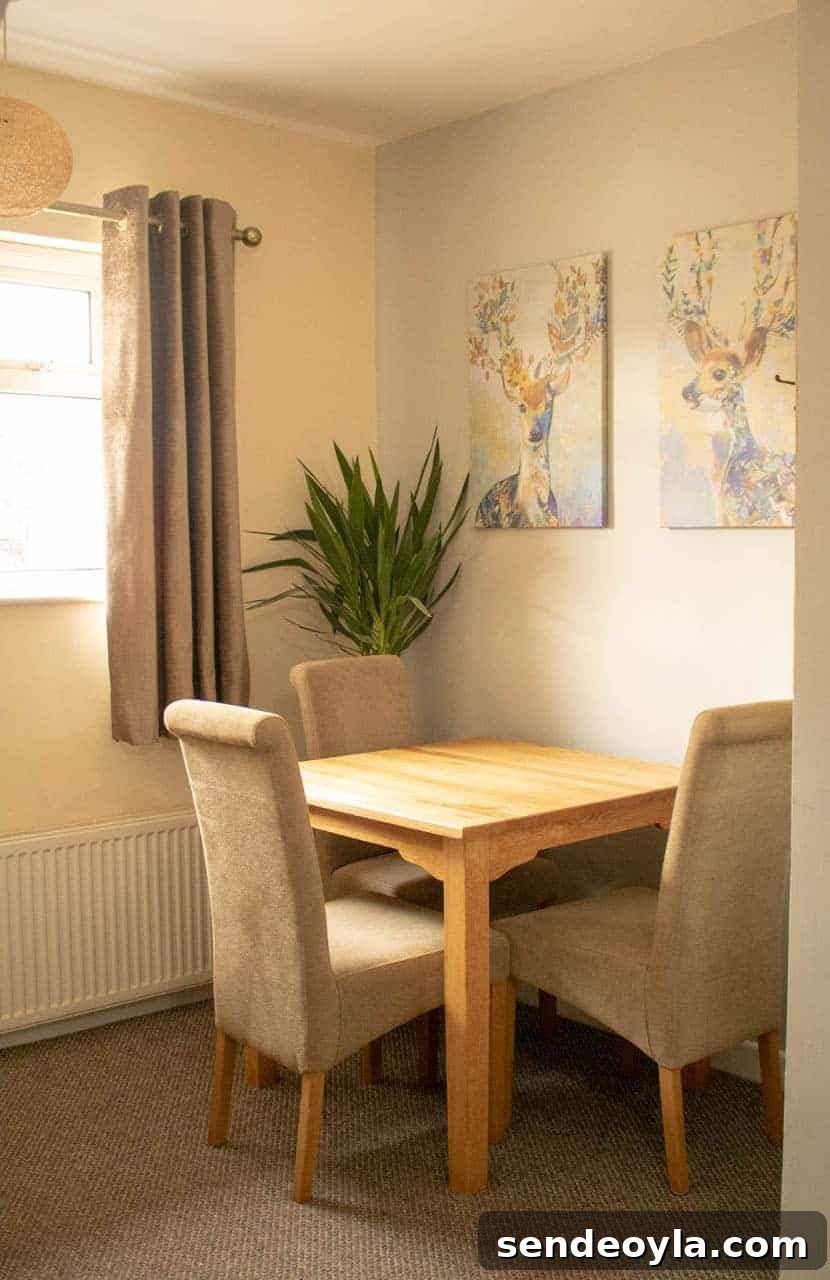
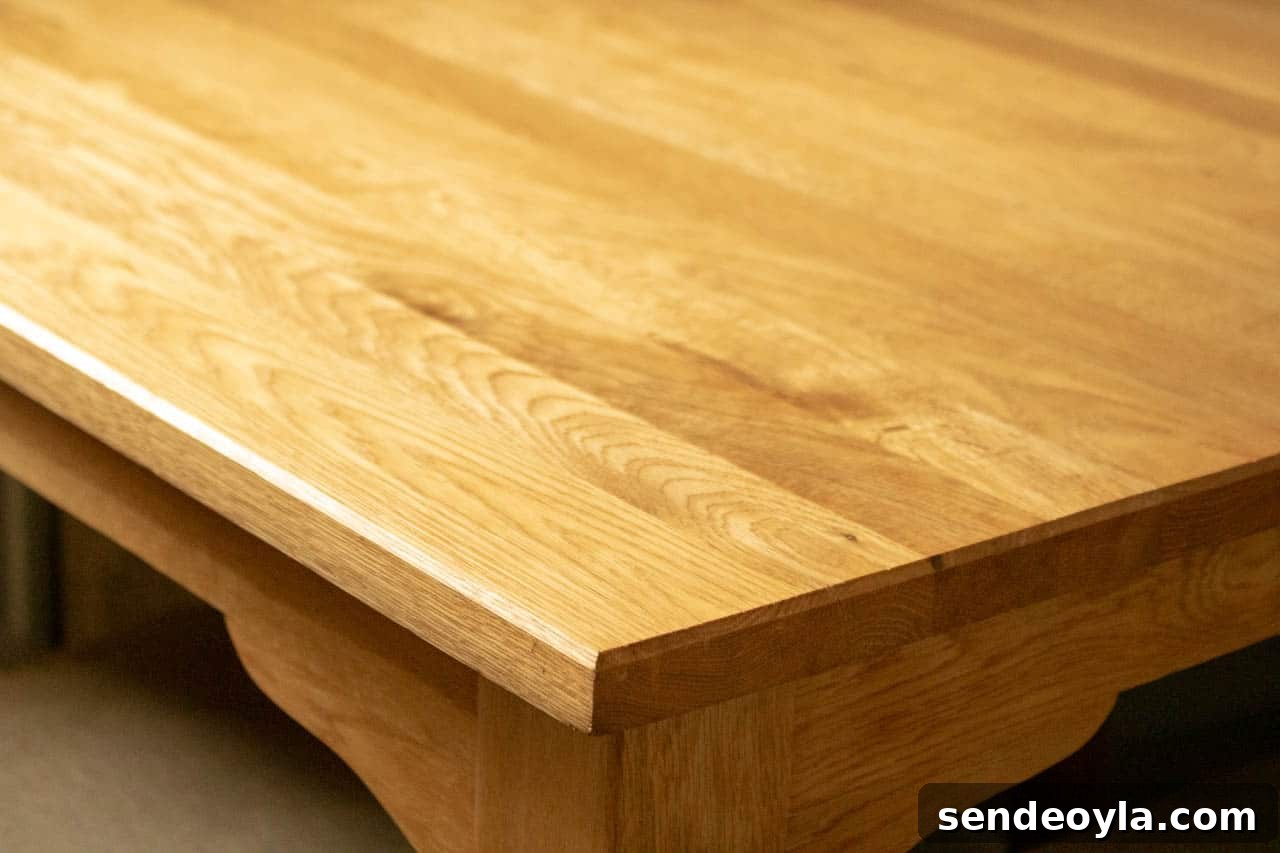
I’m delighted with the finished table. It looks and feels far better than it did when I brought it home, and the oak grain really shines after oiling. Buying a similar new table would have cost several hundred pounds, so restoring this piece was both economical and satisfying.
My total spend was £29.49. Here’s the breakdown:
- Oak dining table: £3
- Carbide scraper: £21.49
- Danish oil: £5
Verdict: Completely worth the time and effort.
Pin This Oak Furniture Repair
More Furniture Restoration for Beginners
- How to paint furniture quickly
- Make cheap homemade chalk paint with calcium carbonate
- How to restore and paint an oak door with glass panels
- Upcycle a drawer into an insect hotel
- Painting furniture for profit
- Repainting appliances with enamel spray paint
- Whitewashing wood: painting tutorial
- How to shabby‑chic distress furniture
- Woodturning basics for beginners