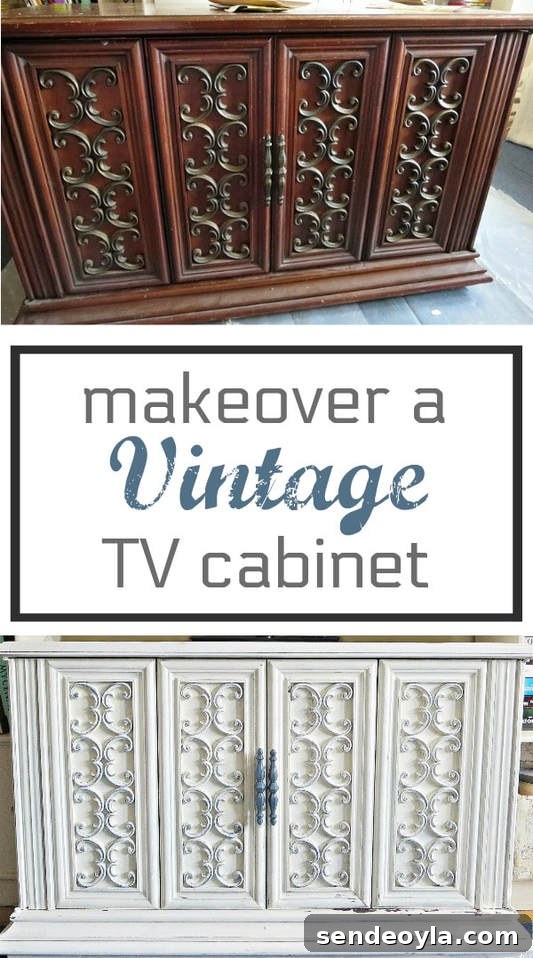
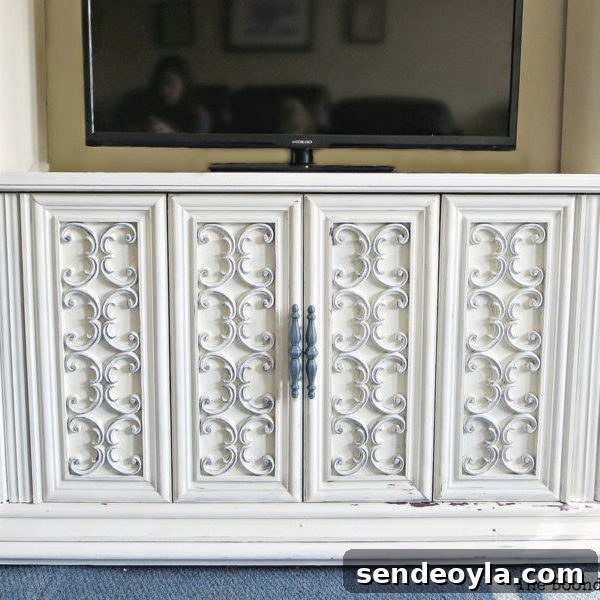
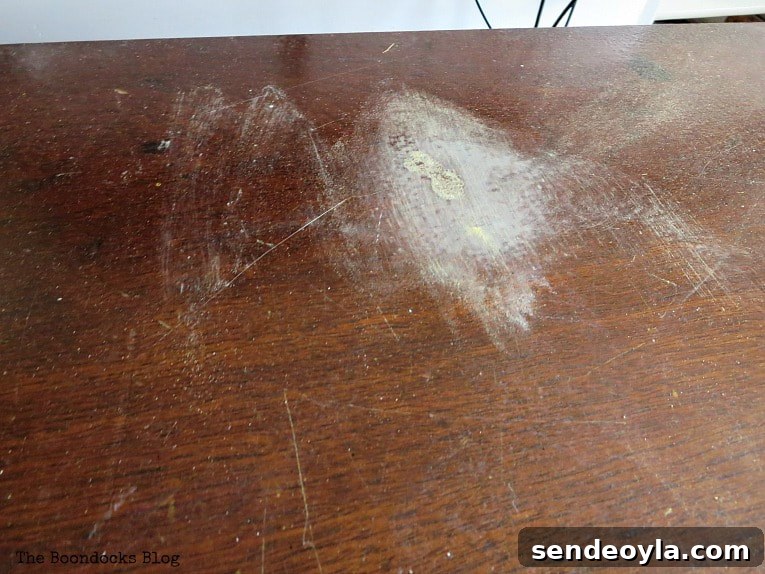
Sometimes you get exactly what you wanted. I spotted this seventies vintage TV cabinet the moment it was put out in our foyer and immediately imagined it revived as a stylish TV stand. It arrived in rough shape—scratched, dusty and worn—but the ornate scrollwork and solid construction convinced me it was worth rescuing. What I expected to be a quick makeover became a longer, more involved project than I’d planned. Read on to see the steps, the problems I ran into, and whether the transformation was worth the effort.
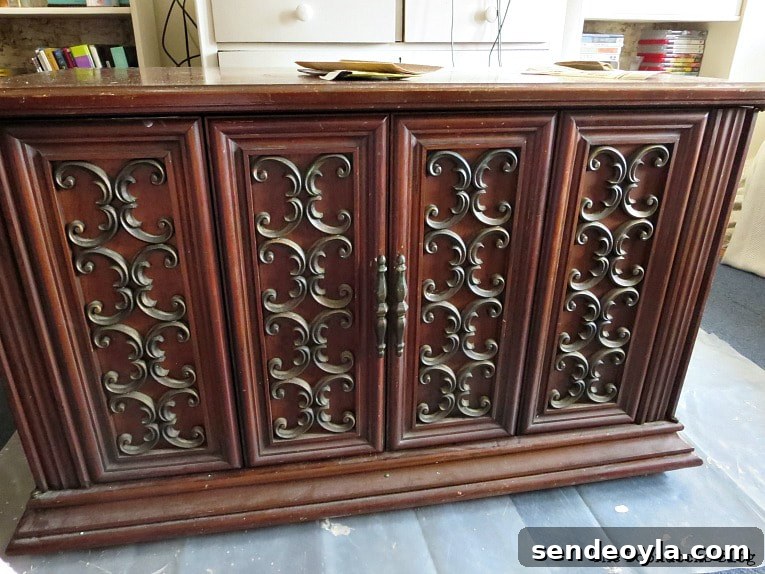
Bringing New Life to an Old Wood TV Cabinet
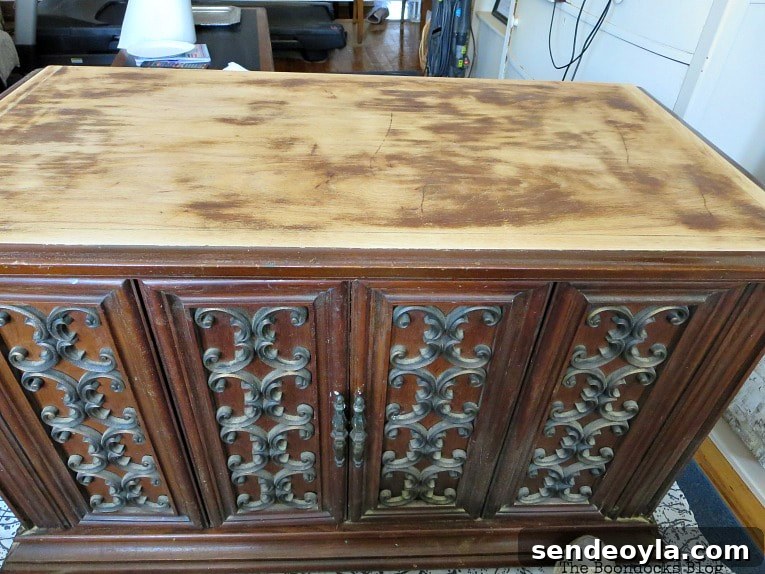
This cabinet is a true seventies piece—once built to house a television behind those ornate doors. Our neighbor gave it to my dad, who kept it in the foyer as a catchall for mail and keys. I begged for it for months so I could use it in the living room, first promising to replace it in the foyer and finally prying it away after a little persistence. Up close, the scroll work and solid top hinted at much better bones than its worn exterior suggested.
At first I thought a quick coat of paint would do the trick, but after removing the damaged finish and sanding, the project grew. Below I outline the tools and materials I used, the paint techniques that worked (and those that didn’t), and how I adapted when surprises appeared.
What I Used:
- Sander (orbital finishing sander)
- Sanding paper, various grits
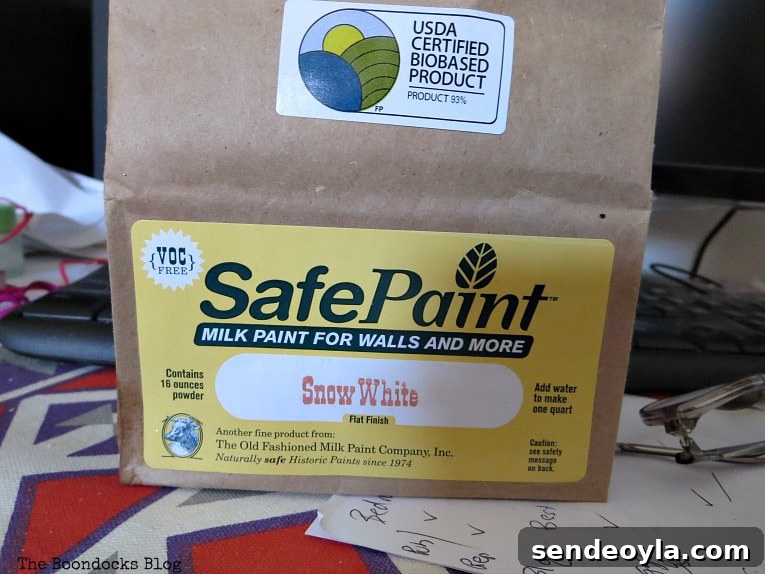
- Old Fashioned Milk Paint in Snow White (SafePaint version for non-chipping finish)
- Old Fashioned Milk Paint in Slate (bluish-gray)
- Acrylic paint in white for fine details
- Paint brushes, a larger brush for smoother coverage, and a small round brush for scrollwork
- Daddy Van’s All Natural Beeswax or similar furniture wax for protection
- White decorative wax for highlighting and depth
- Rags for waxing and finishing
How To Paint a Vintage TV Cabinet
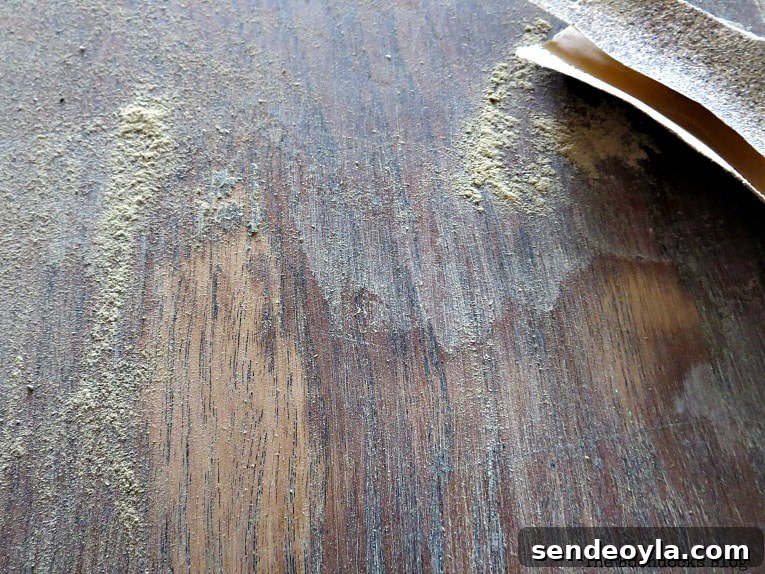
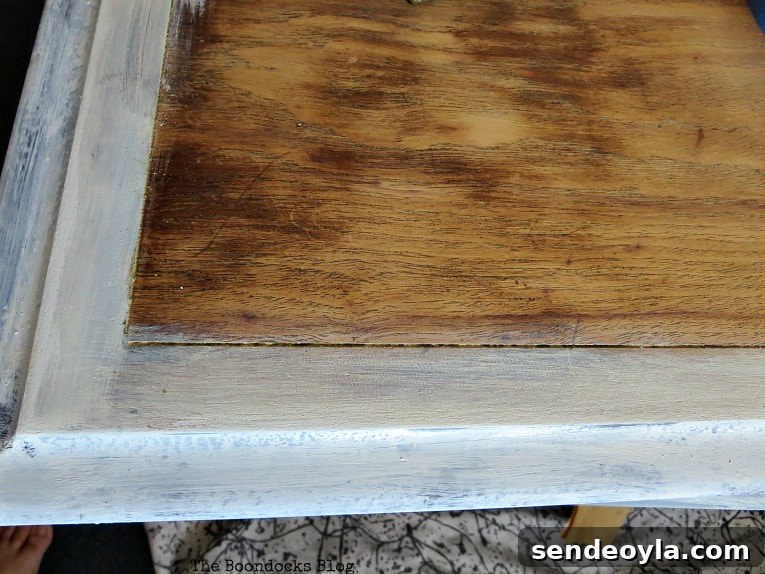
The first major step was sanding. Lots of sanding. I stripped varnish and old stain to reveal a surprisingly good quality wood beneath what I had assumed was cheap laminate. That discovery changed the direction of the finish and gave me the option to highlight the natural wood or paint it for a softer look.
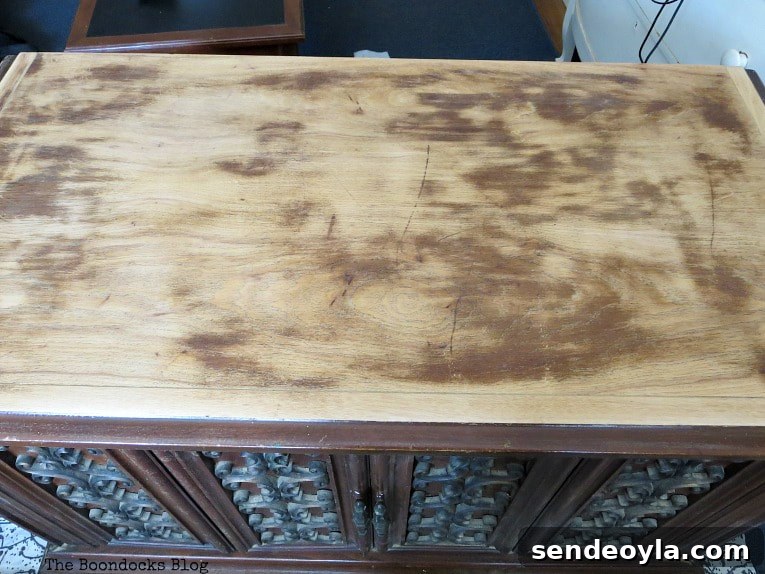
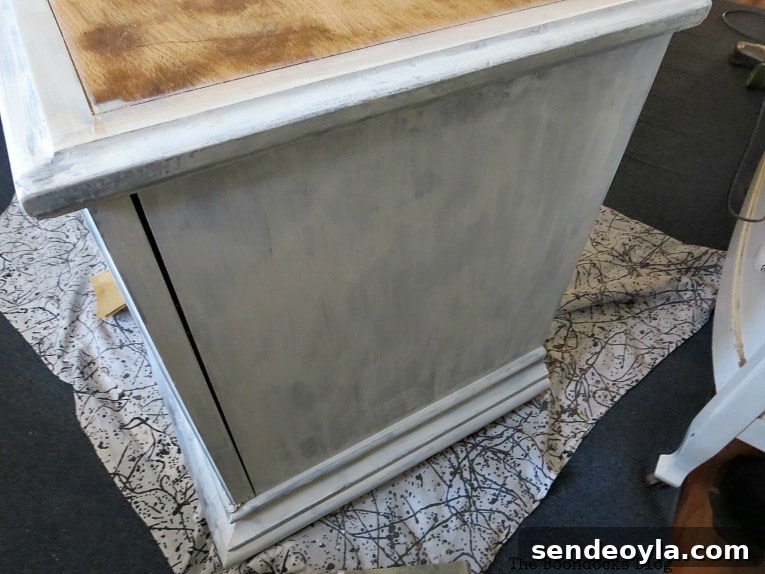
My original plan was to paint the top a silvery gray and the body white with subtle silver on the scrollwork, but once the wood top revealed itself, I paused and reconsidered. I started painting the sides with leftover Snow White milk paint and began to build the finish from there.
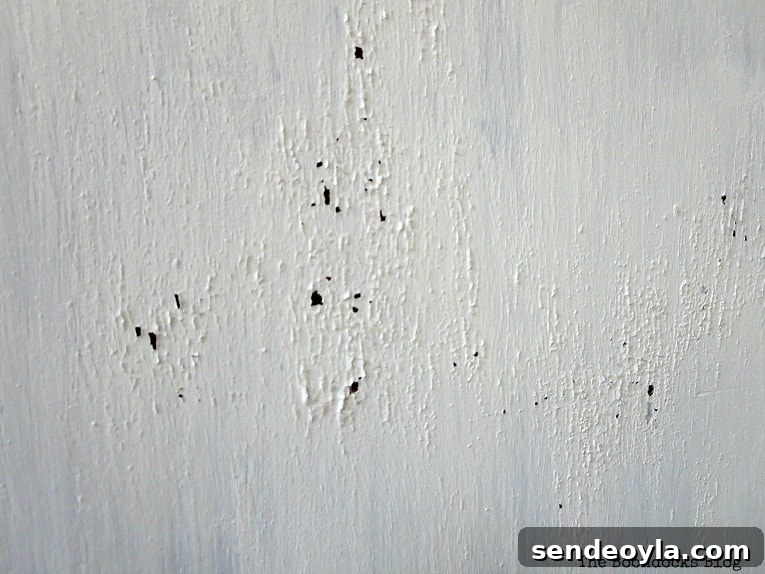
Early on I encountered an important lesson: traditional milk paint can chip and flake as it dries, which creates a chippy, farmhouse look. I hadn’t intended that much distressing, so I switched to the SafePaint version of Old Fashioned Milk Paint that gives a smoother, non-chipping finish. That adjustment was critical for achieving the cleaner look I wanted.
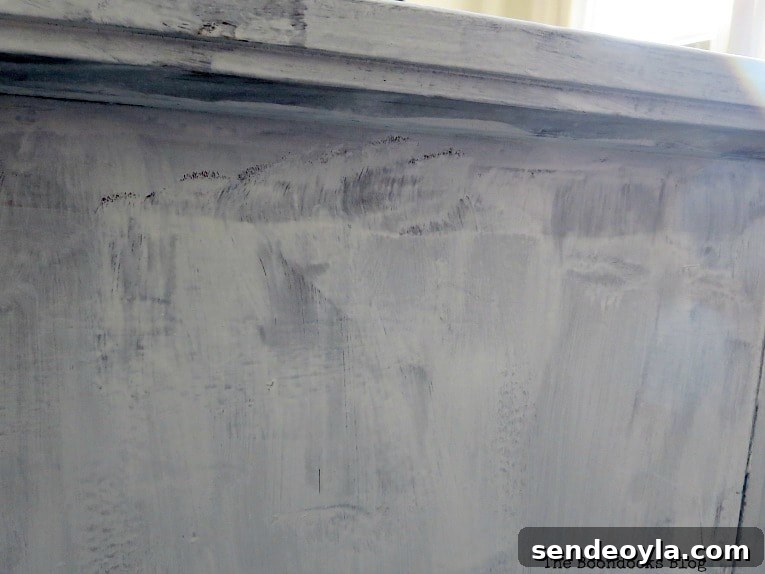
Another early mistake was brush marks left on thin areas and edges. The fix was simple: use a larger brush for broad areas, apply thinner coats, and alternate stroke directions—one coat vertical and the next horizontal—until the surface read as even. Patience paid off: multiple thin coats avoided visible brush stops and produced a smooth finish.
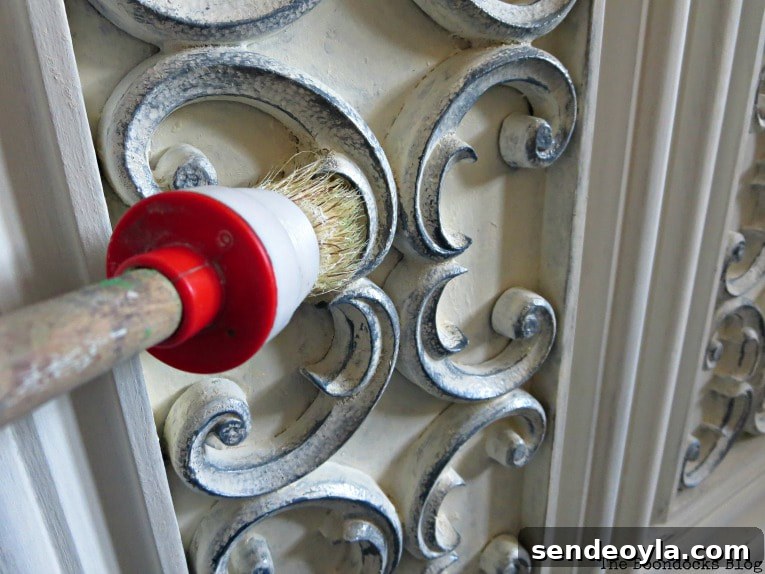
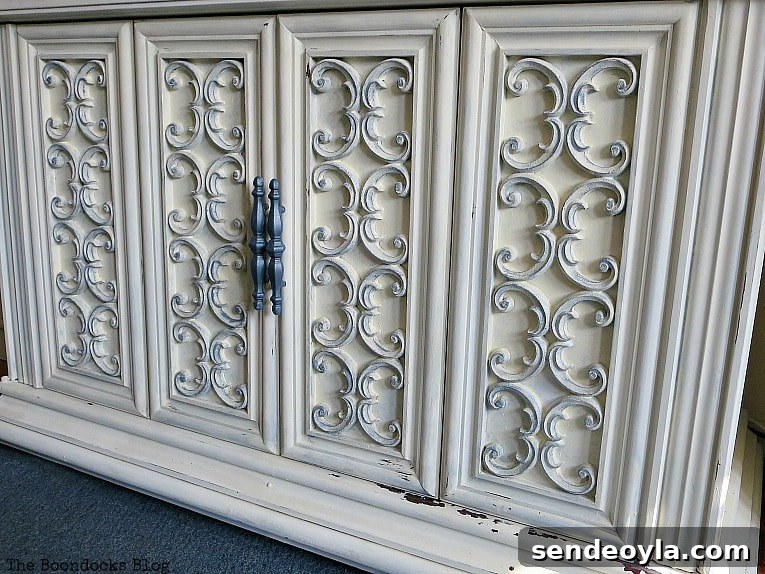
The ornate scrollwork was fiddly and time-consuming, mostly because the pieces are plastic and required delicate attention. I applied five to six coats of milk paint in places, then used a light dry brush technique with the slate milk paint to bring out the curves and add gentle contrast. Acrylic paint in white helped to refine highlights on the smallest details.
The top received two coats of Snow White followed by two coats of Slate. Instead of the flat gray I’d envisioned, the slate developed into a soft blue-gray that worked beautifully with my living room palette. I added white decorative wax to pull the layers together and give the top subtle variation and depth.
Some areas resisted paint and chipped despite sanding; rather than fight those spots endlessly I leaned into them and gave the piece a touch of intentional distress for a natural, lived-in look. Life at home intervened too—a new puppy curiously nibbled the base, making a bit more real-life wear that I decided to embrace rather than hide.
I finished the hardware and hinges with the slate mix tied to a touch of metallic tone for depth. The whole piece was protected with a thin coat of furniture wax, buffed to a soft sheen that felt durable enough for everyday use.
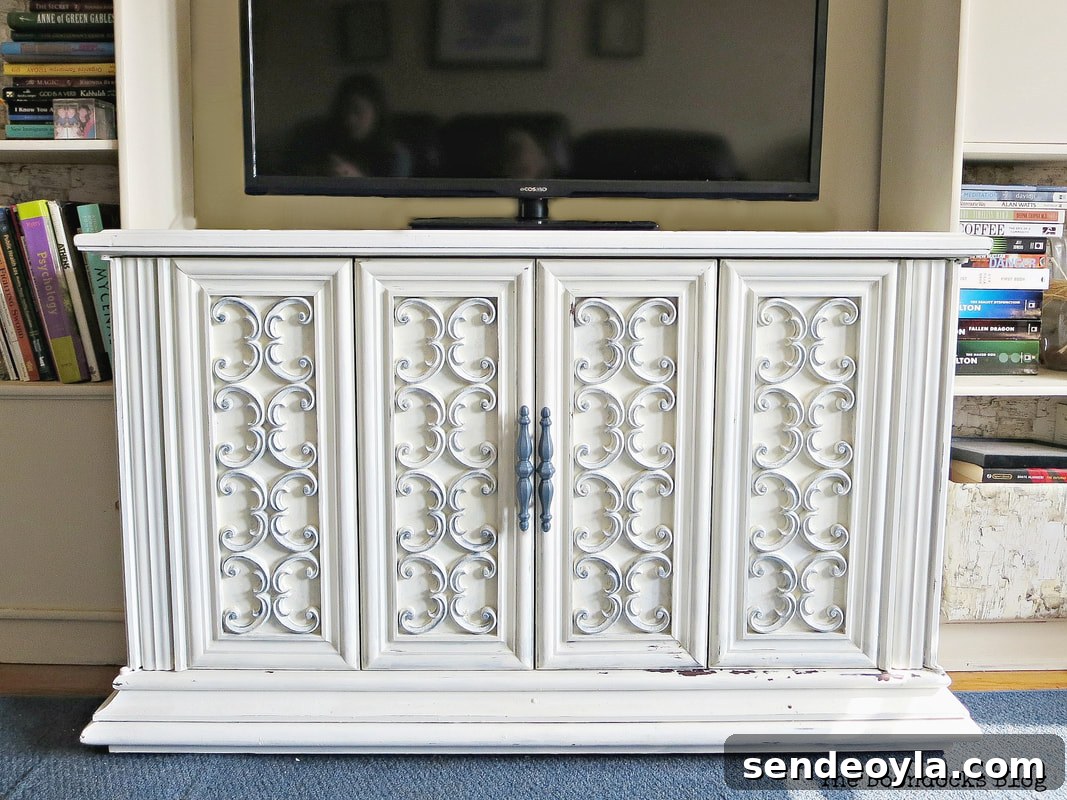
At the end of the project the cabinet gained new life as a storage piece and TV console. The living room feels refreshed and more cohesive—one piece of furniture made a big difference. Even my dad, who initially resisted giving it up, said “It is very beautiful,” which felt like high praise indeed.
Lessons learned: take time with sanding, pick the right milk paint formulation for the finish you want, use appropriate brush sizes, and expect surprises—both good and challenging. If you like vintage pieces and haven’t tried milk paint, it’s worth experimenting with. The material’s layering qualities bring out color variations and depth you don’t get with ordinary latex paints.
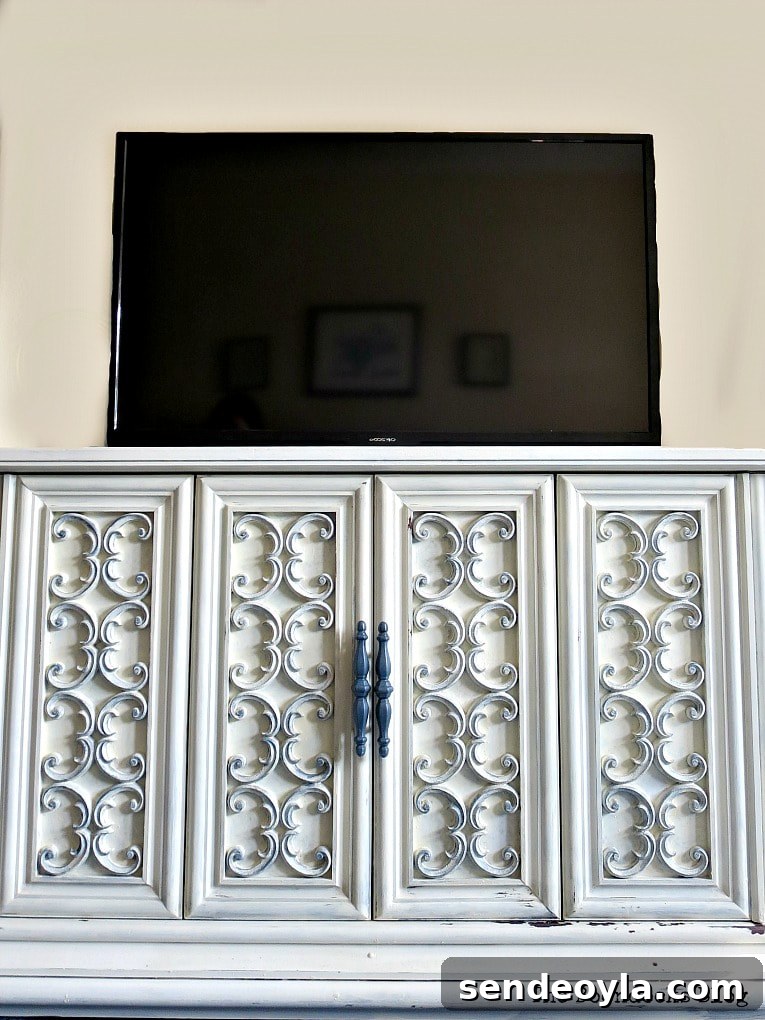
If you enjoy DIY furniture makeovers, this kind of project rewards patience and careful adjustments. The result is both functional and decorative: more storage, a refreshed living room, and a vintage piece that feels at home in a modern space. Have you tried milk paint or restored a vintage piece recently? I’d love to hear what worked for you.
Note: This write-up is for inspiration and general DIY guidance. If you require professional furniture restoration, consult a qualified specialist for best results.