
Welcome to Month Two of the Int’l Bloggers Club Challenge
Welcome to the second month of our Int’l Bloggers Club Challenge. Four bloggers from different parts of the world meet each month to share and compare traditions. Last month we explored Valentine’s breakfasts.

Easter: The Most Important Religious Holiday
This month’s theme is Easter, the most important religious holiday in my country. This year we celebrate on May 1st; I am Greek Orthodox, and our Pascha occasionally coincides with the Catholic Easter calendar. This timing has brought warm, almost summerlike weather to the celebrations.
The lead-up to Easter begins with Carnival and peaks with several national traditions. One of the liveliest days is “Tsiknopempti” (Grilled Meat Thursday), when the smell of charcoal-grilled meat fills the streets. Tsiknopempti marks the end of Carnival festivities and is followed by Clean Monday, which begins the fasting period of Great Lent.
Holy Week Observances
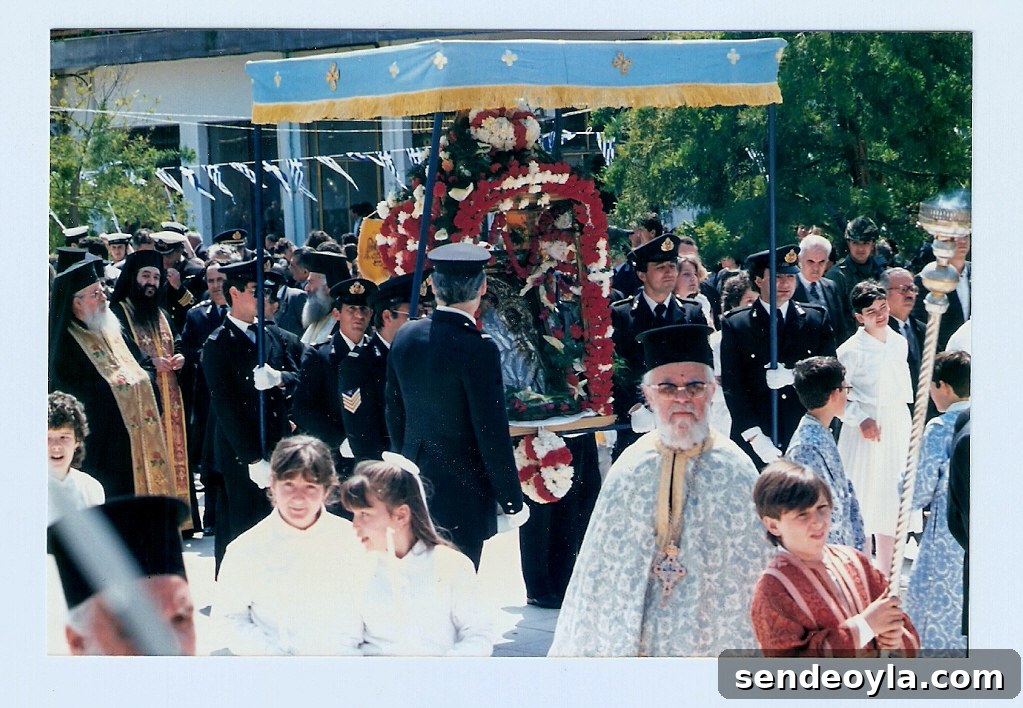
All this leads into Holy Week. Families bake traditional breads and sweets, and households dye eggs red in preparation for Pascha. Churches remain open throughout the week with continuous services, and on Good Friday a solemn procession of the Epitafio—the embroidered canopy representing Christ’s tomb—parades through towns and villages.
Holy Saturday and the Holy Light
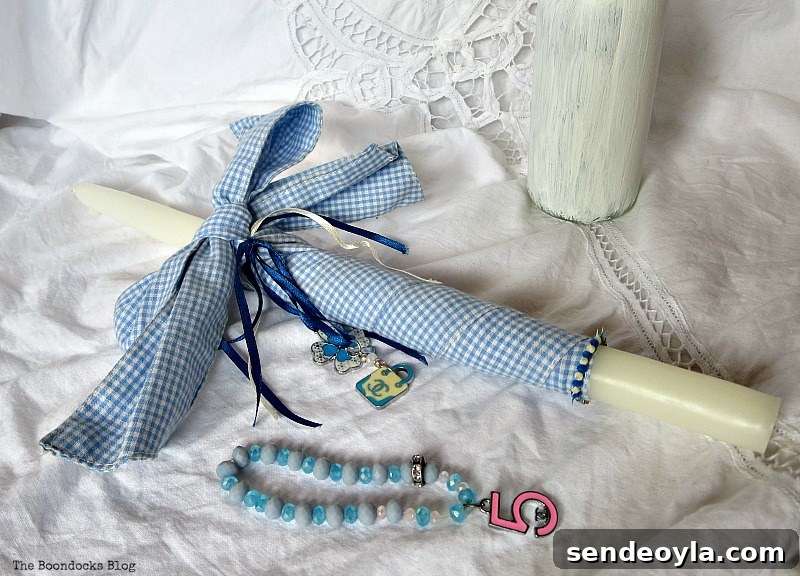
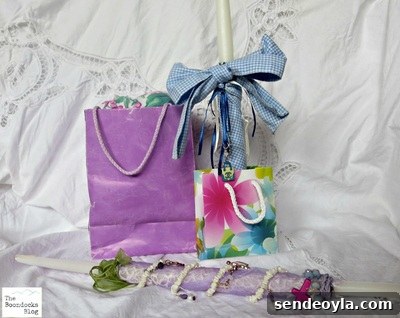
On Holy Saturday, just before midnight, families gather at church for the Resurrection service. There the faithful receive the Holy Light, a symbol of Christ’s resurrection. Each person carries a special candle—known as a lambada—that will bring that light home. These candles are central to the ritual and are treated with great care.
Decorated Candles and Gifts
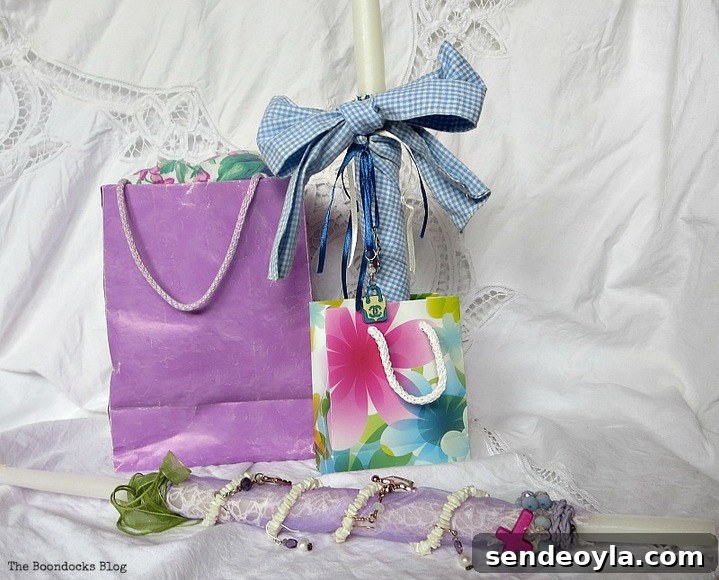
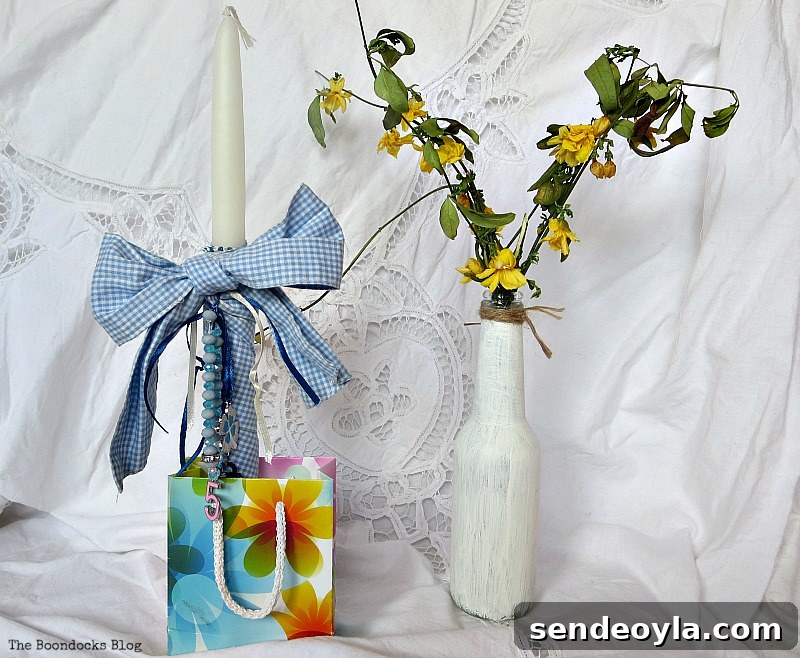
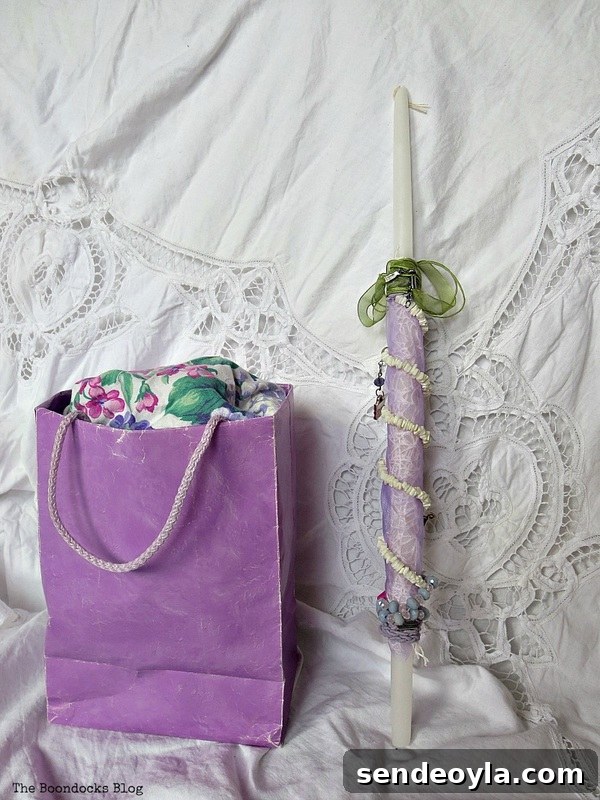
Lambades are traditionally given by godparents to their godchildren. They come in many shapes and sizes: the younger the child, the more lavishly decorated the candle. It is common to attach small gifts—costume jewelry for girls, toys for younger children—so the candle becomes both a symbol of faith and a festive present. New shoes are a traditional Easter gift for children in many families.
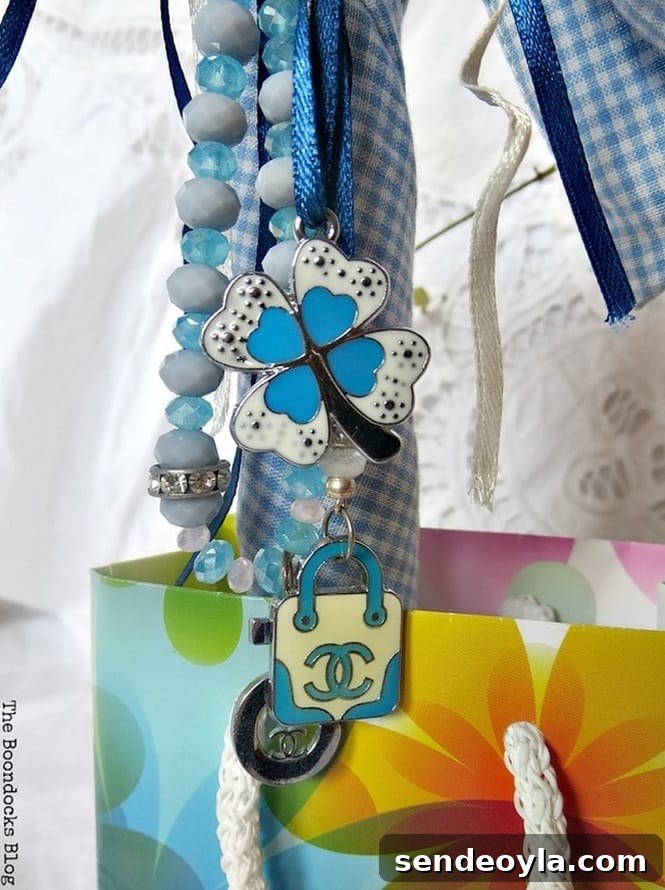
After the midnight service, families carry the lit lambada home to transfer the Holy Light into their household—often using it to light the stove or other lamps—so that the blessing of the Holy Light remains with the home throughout the year.
Magiritsa and the Red Eggs
Back at home, typically in the early hours of the morning, families share magiritsa, a traditional lamb offal soup made to break the fast. Red-dyed eggs are cracked in a friendly ritual: each person taps their egg against another’s, and the one whose egg remains uncracked is said to have good luck for the coming year. These simple customs carry deep emotional and cultural meaning for many families.
Easter Sunday: The Feast
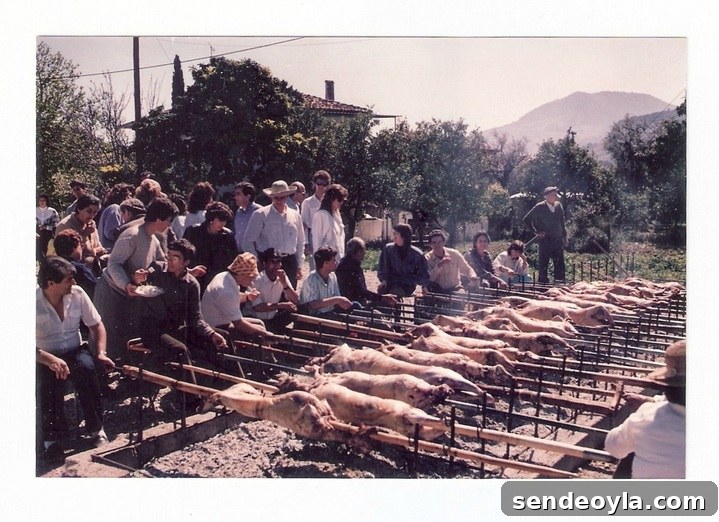
Easter Sunday is the day of celebration and feasting. The traditional meal centers on roasted lamb cooked over open flames, often shared outdoors with extended family and neighbors. Children enjoy the toys and sweets they received with their lambades, while everyone delights in communal food, laughter, and music. Cracking the red eggs, sharing the first taste of the roasted lamb, and spending time with loved ones define the holiday.
I look forward to celebrating Easter as I do every year. If you enjoy these glimpses into our traditions, explore what my fellow bloggers are sharing about their Easter customs in their own countries.

If you like what you see, share it with friends or save it for later. You can also subscribe to the blog to receive new posts twice a week.
The Int’l Bloggers Club: Easter
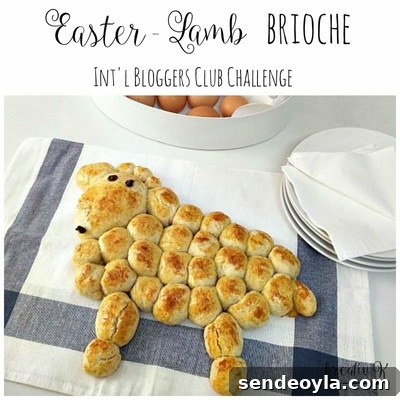
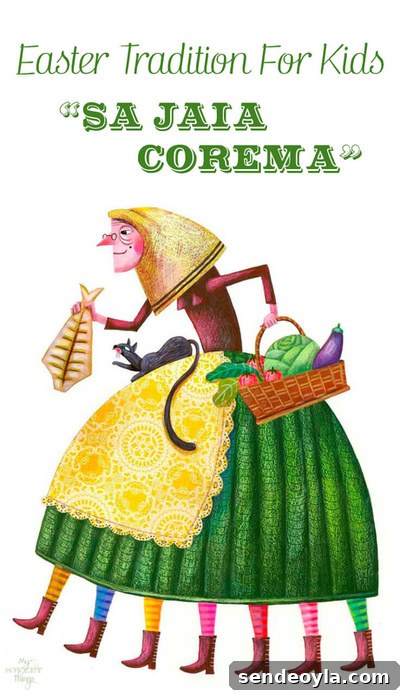
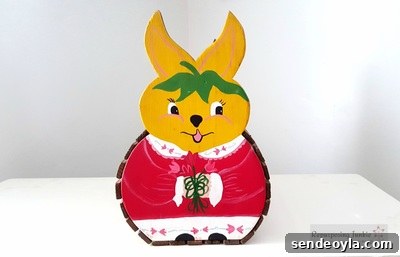
Featured posts from the club include recipes and family traditions such as Easter Lamb Brioche, Easter traditions for kids, handcrafted Easter baskets, and decorated Easter candles.
<< Back to Black HOME Artwork by Georgia O’Keeffe >>
This blog is for entertainment purposes only; DIY tutorials are not professional advice. Read the full disclaimer on the site. I appreciate your comments and reply to each one.