A Rusty Old Table Revived: An Upcycle Story
While taking a walk around the farm one afternoon, I noticed a rusty old table I had walked past countless times. This time I really looked at it and saw potential where I had only seen neglect before. What began as a simple salvage turned into a satisfying upcycle project that brought new life to a weathered piece of metal and wood.
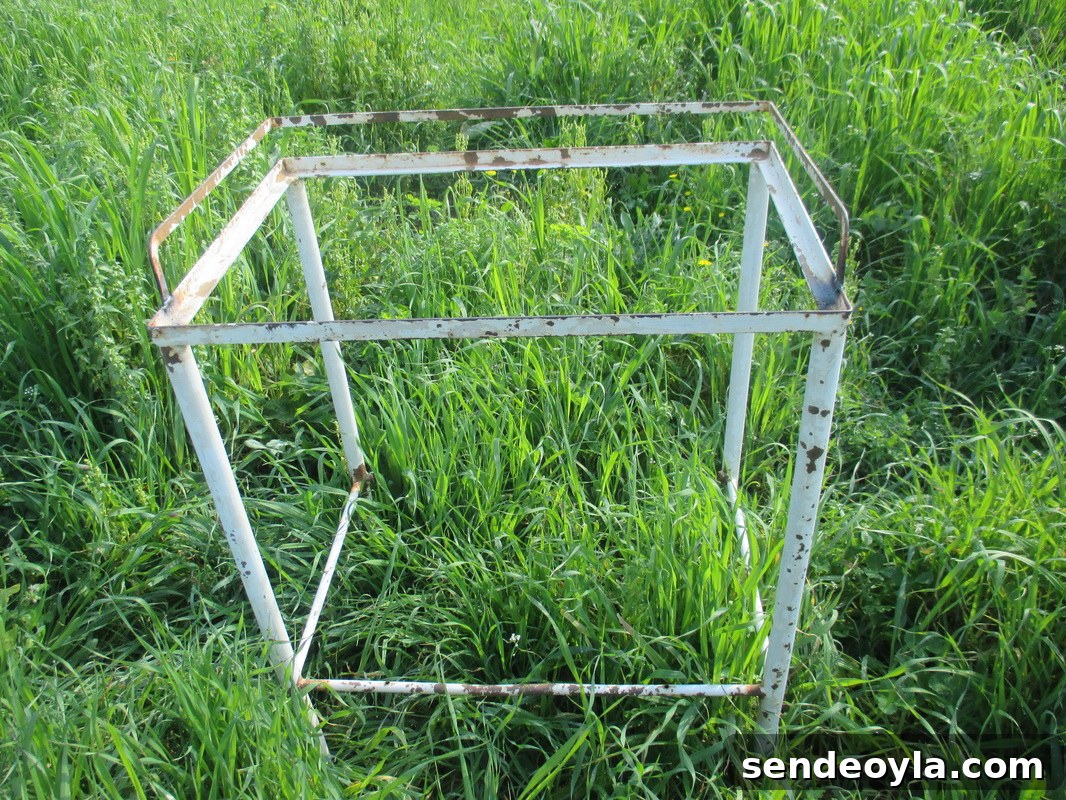
The table, when I tried to lift it, came apart: the metal top separated from the base. That was the moment I realized this project wasn’t going to be a quick fix. I carried the top to a local metalworker to have it reattached and prepared the rest of the table for restoration.
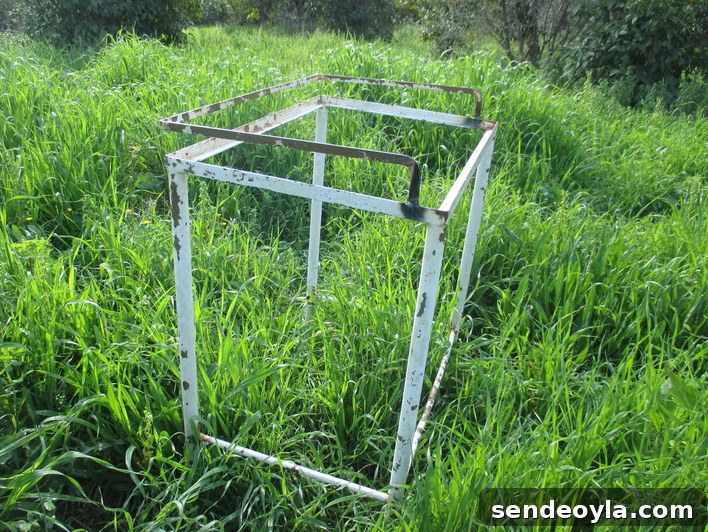
My first step was to remove the surface rust. I sanded the metal thoroughly until I had taken away most of the corrosion. Once the surface was clean, I spray painted the metal in a matte black — two coats gave it a refreshed, modern farmhouse look that still kept the table’s rustic charm.
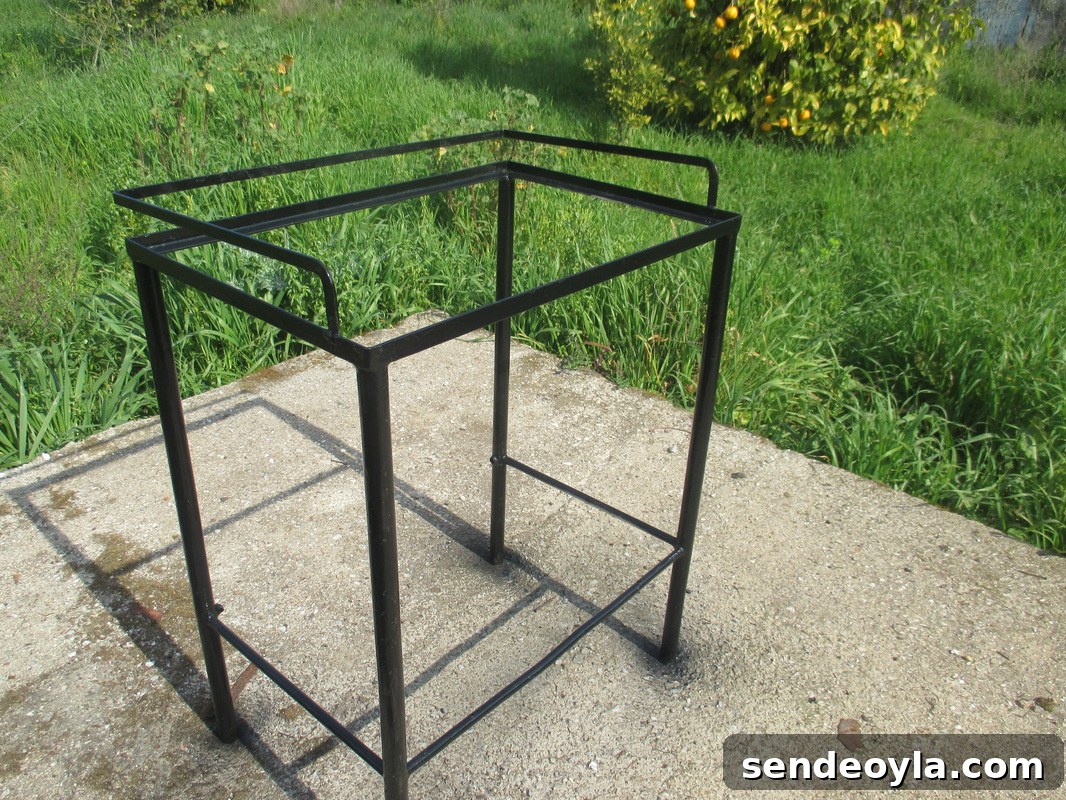
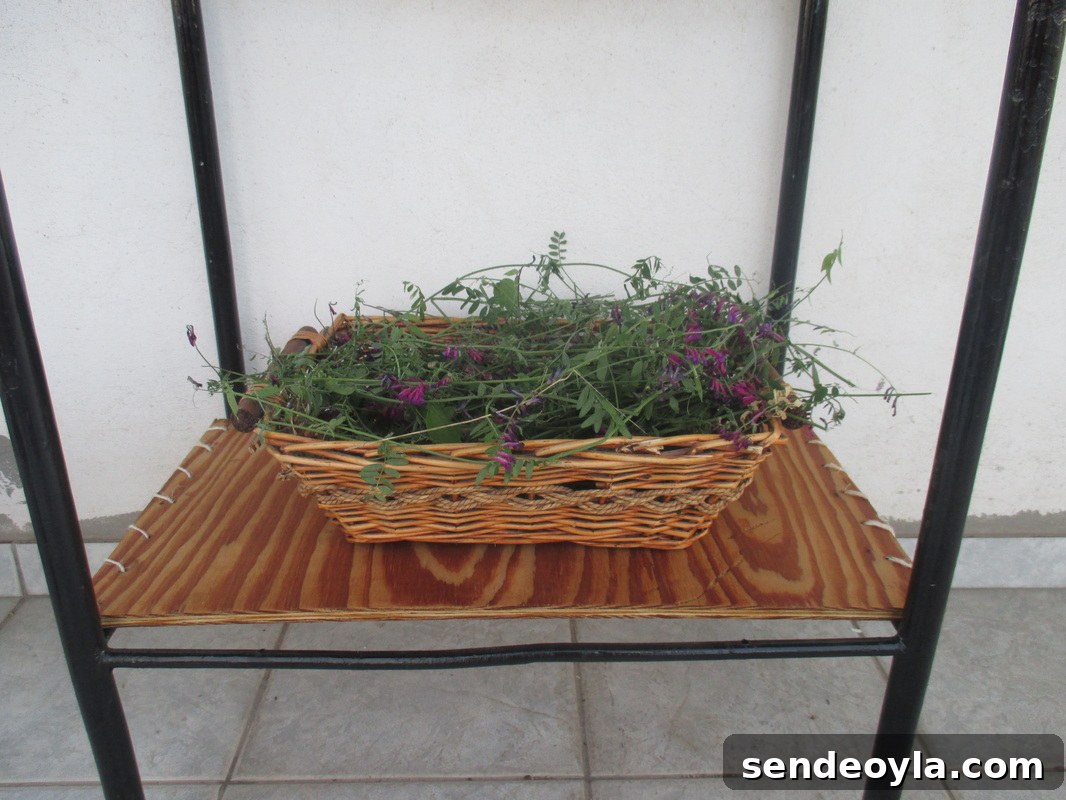
To add storage and visual balance, I decided to install a lower shelf. I found a piece of plywood and had it cut to fit the base of the table. The plywood carried a few dings and old screw holes along its edges, but rather than hide them I leaned into the imperfections and made them part of the design.
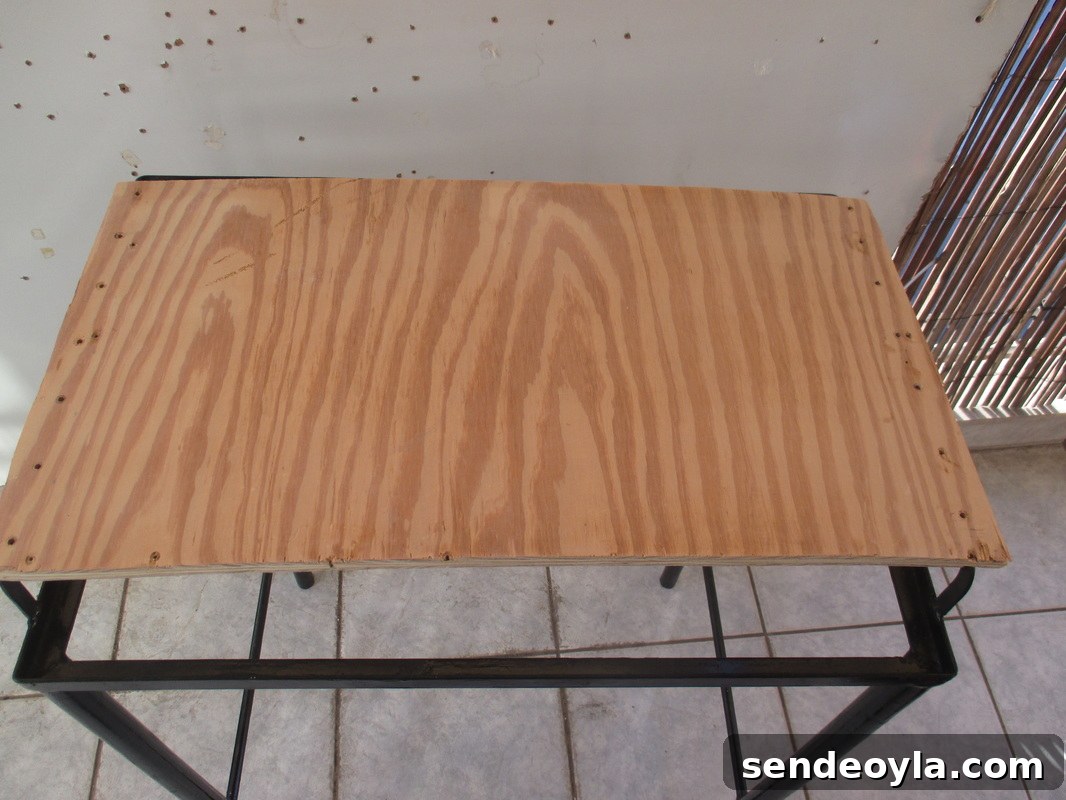
To emphasize the reclaimed look, I drilled additional holes along the plywood edges and threaded twine through them. I often joke that I’m “the twine lady,” and this detail tied the design together—literally. The twine secured the shelf to the base and reinforced the rustic aesthetic I wanted to achieve.
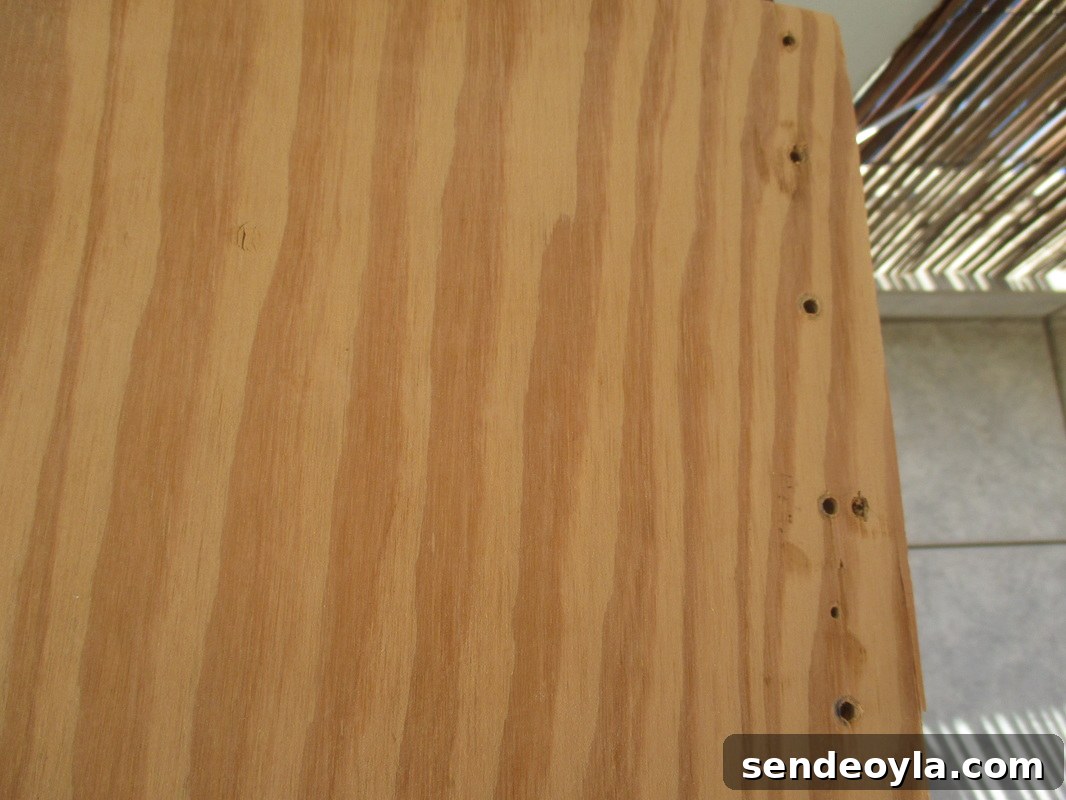
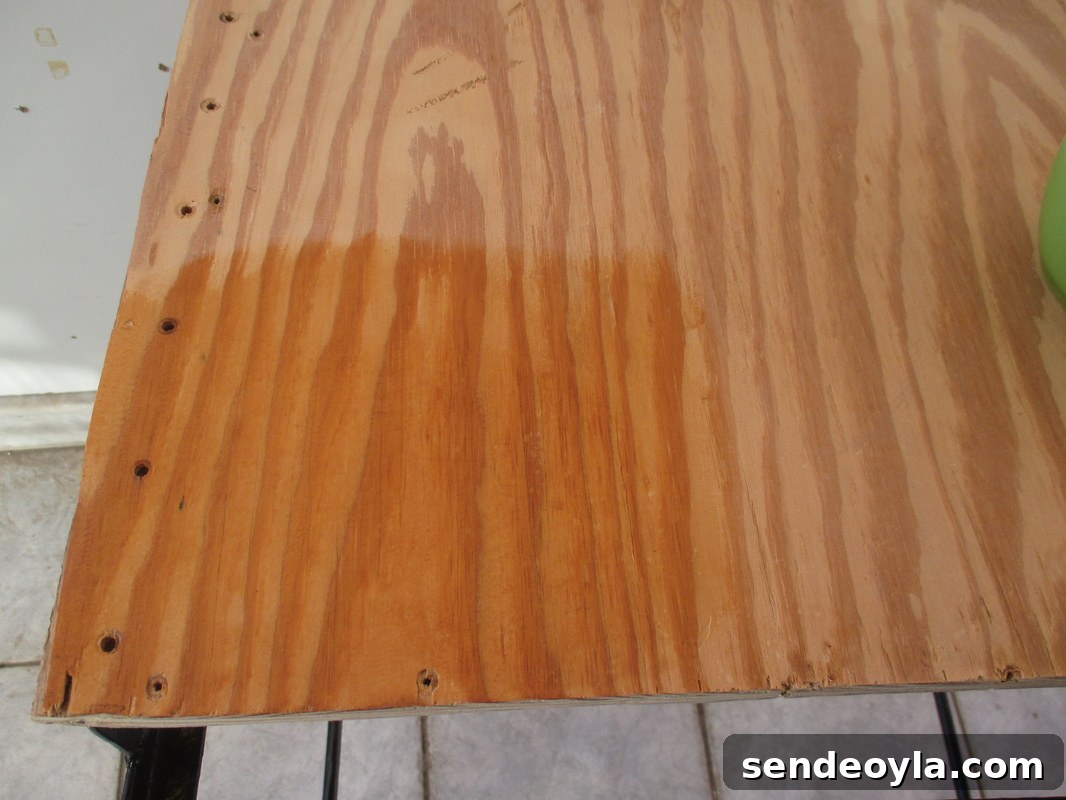
Next, I revived the plywood’s appearance with a simple, natural finish. I wiped the wood down with a mixture of two parts oil to one part vinegar. This mixture cleaned the surface and brought out a warm luster in the grain without covering up the wood’s character.
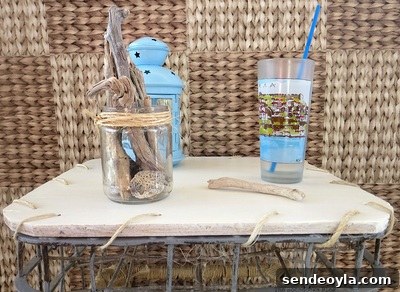
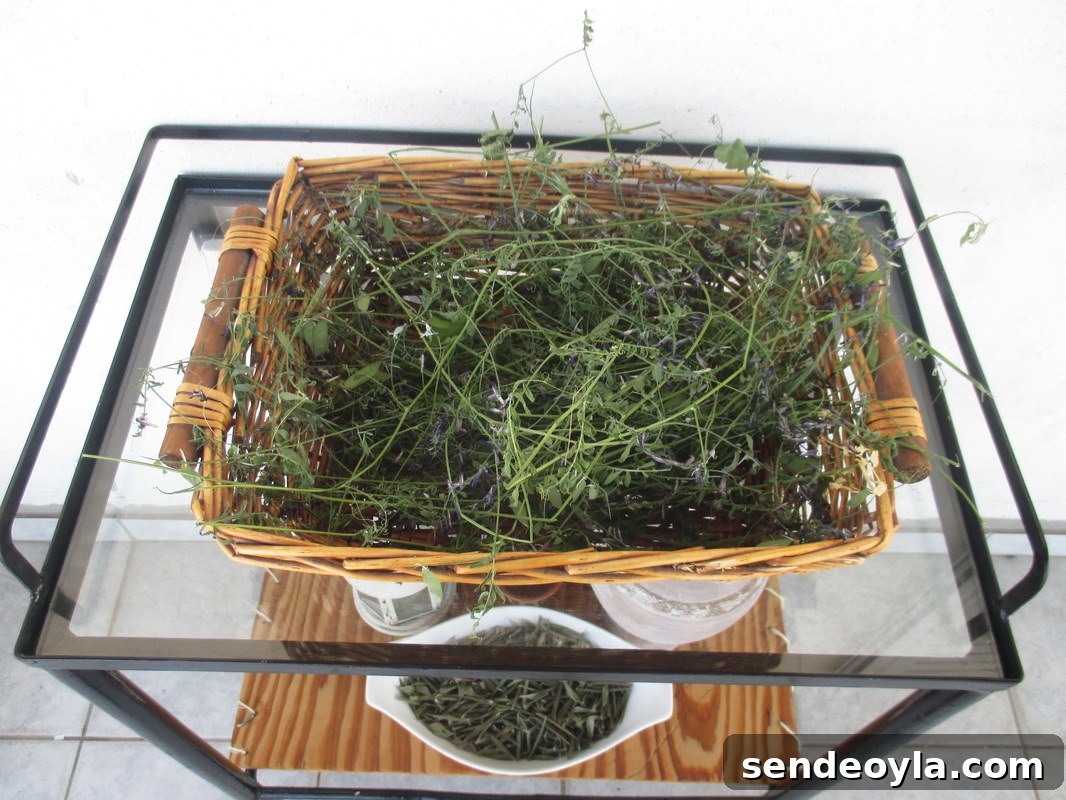
After securing the shelf with the twine and making sure the metal top was solidly attached, I added a clear glass top to finish the piece. The glass adds a touch of elegance and protects the painted metal surface while keeping the table’s airy feel.
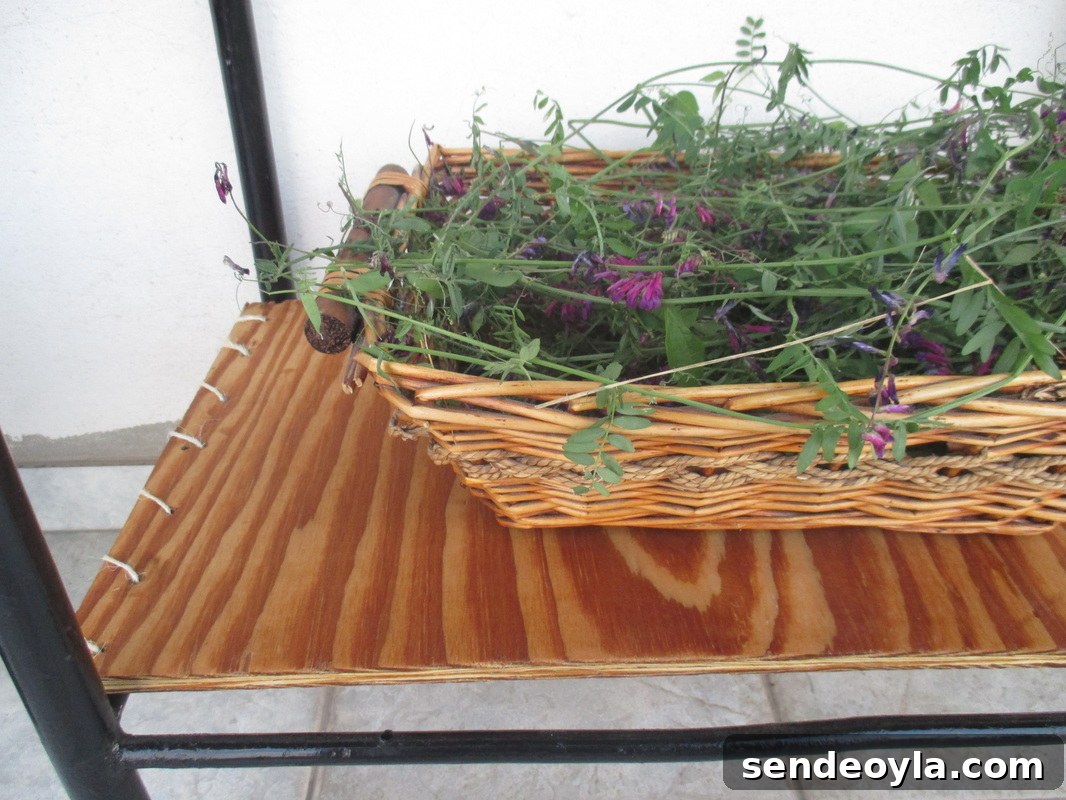
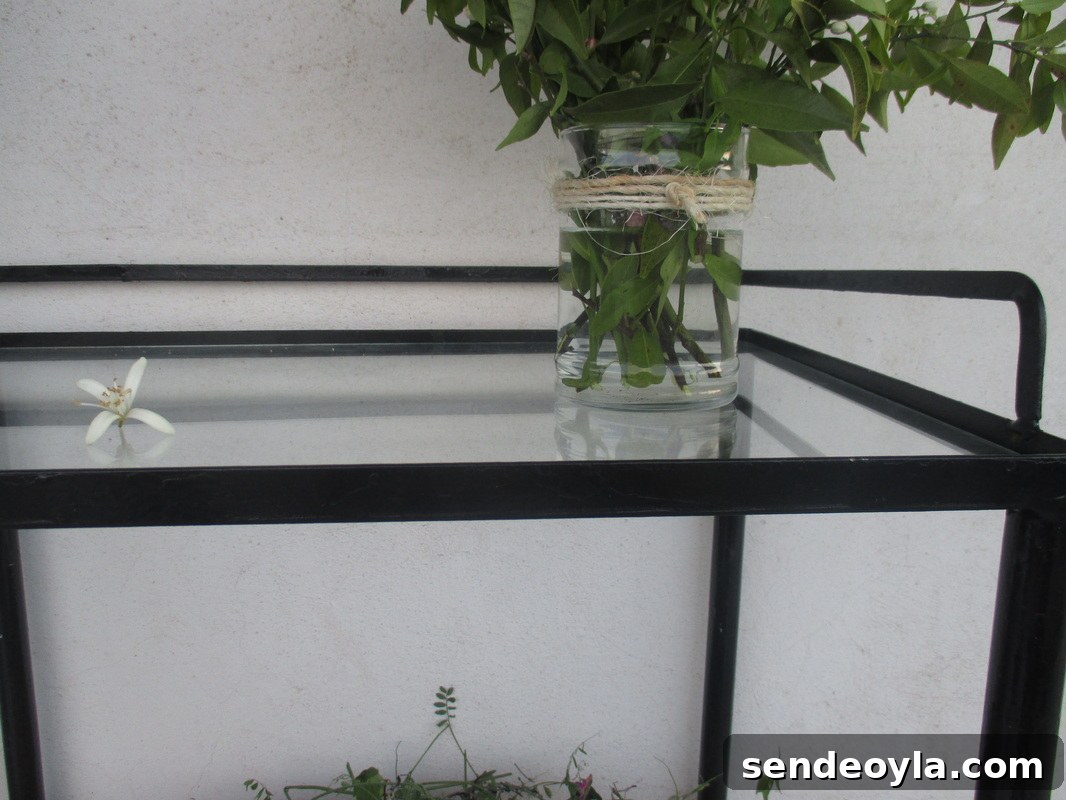
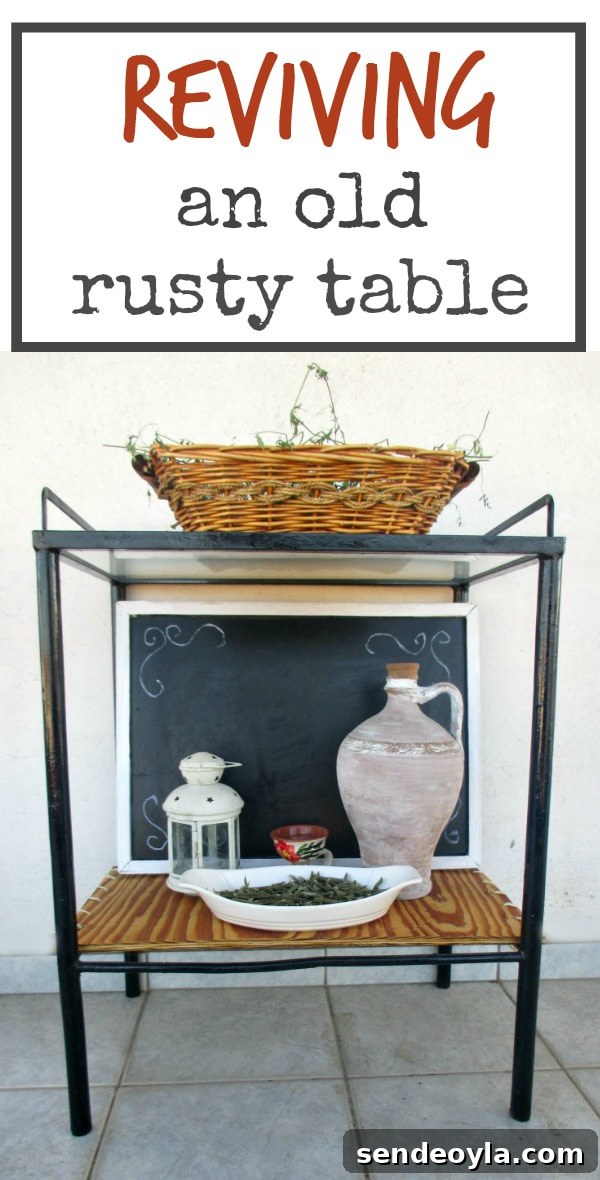
The transformation is simple but dramatic: from a discarded, rust-covered object to a functional accent table with personality. The change is visible in the before-and-after photos, and I’m especially pleased with how the combination of black paint, natural plywood, twine, and glass created a balanced look.
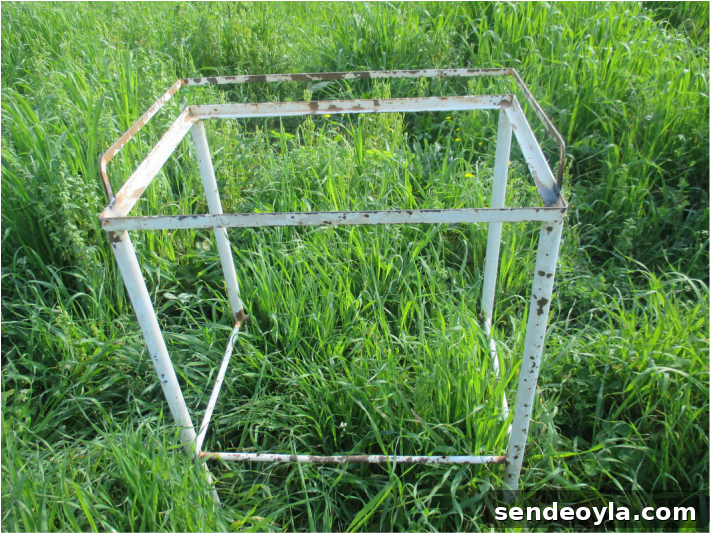
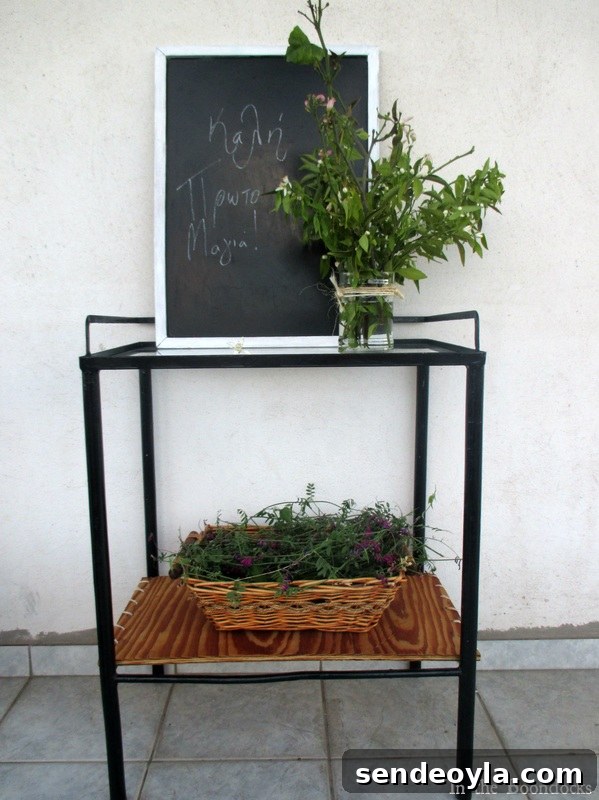
The table isn’t flawless — the lower steel frame isn’t perfectly straight and some stubborn rust spots remained despite my sanding efforts. But imperfections are part of its story, and rescuing it from total neglect feels like a small victory. The table now serves as a functional, character-filled piece instead of farmyard scrap.
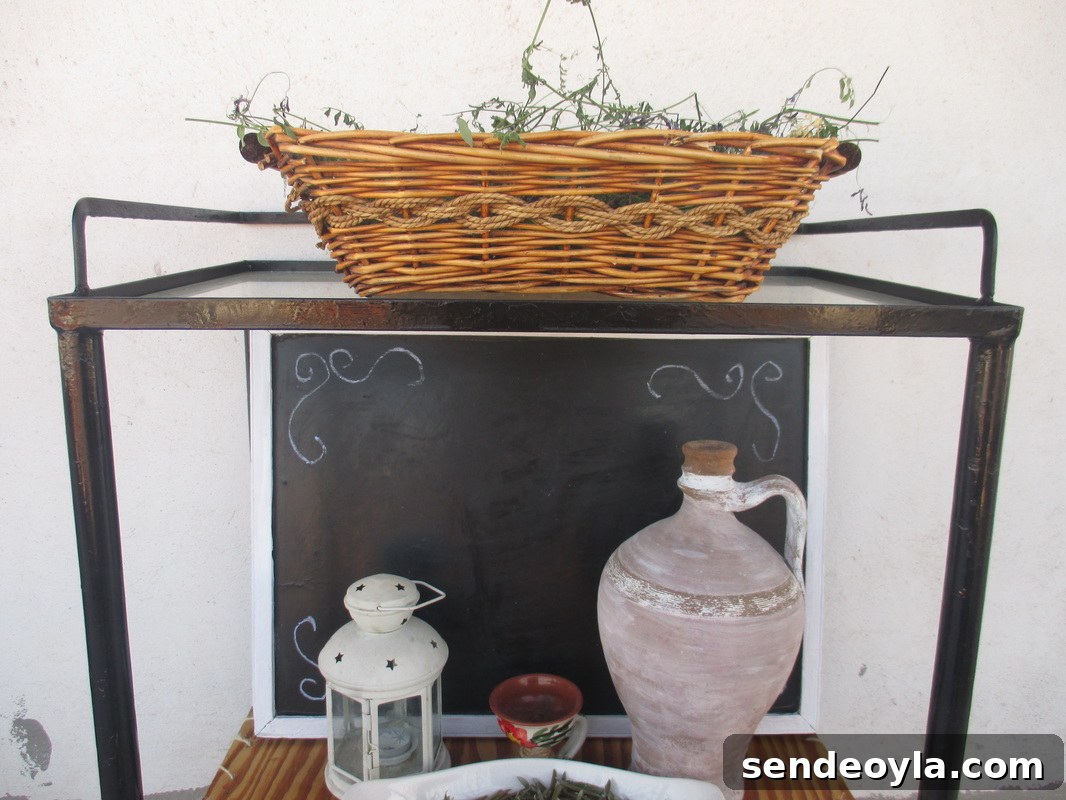
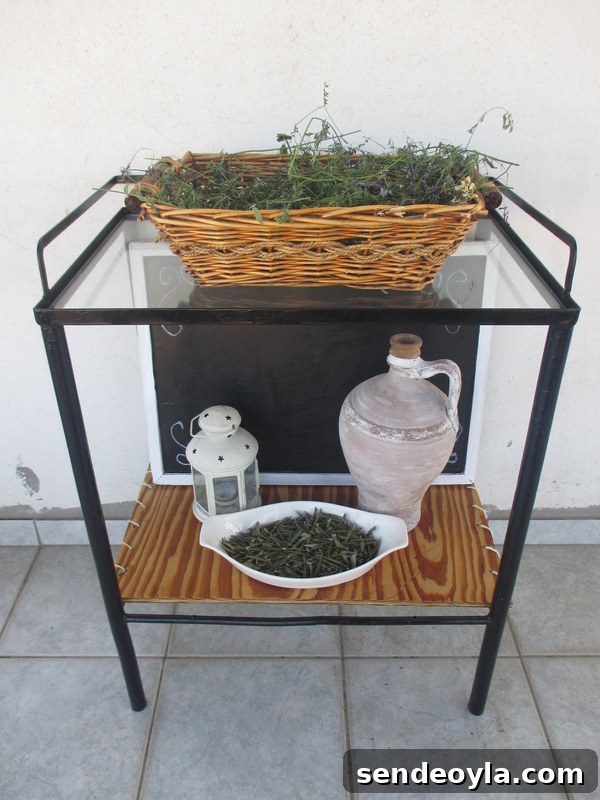
There’s a special satisfaction that comes from upcycling metal furniture. This project combined basic metal repair, sanding, painting, simple woodworking, and finishing techniques that any DIY enthusiast can attempt. It’s a practical example of how small interventions—repainting, adding a shelf, and topping with glass—can dramatically extend the life and usefulness of found objects.
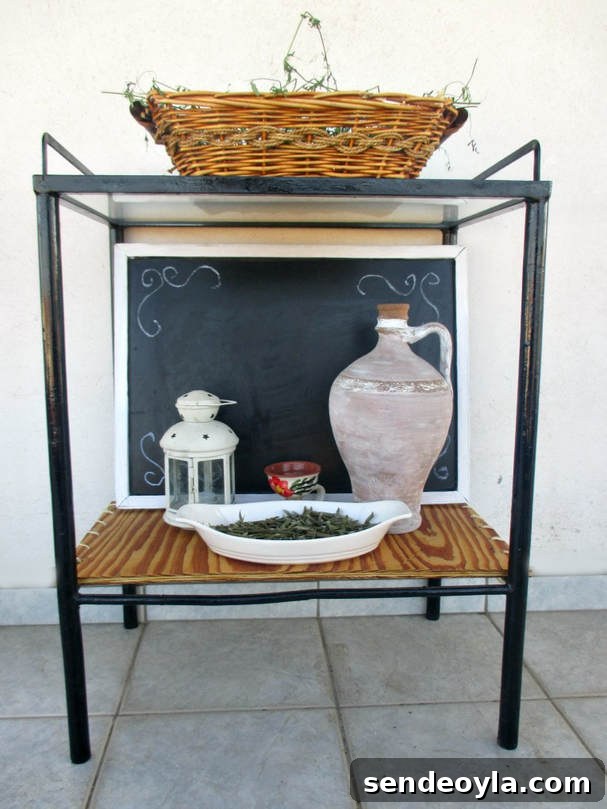
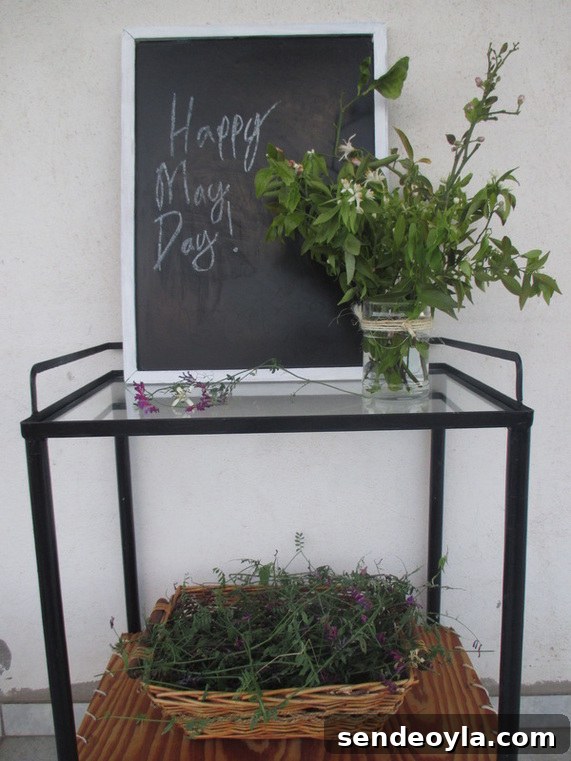
Ultimately, this upcycle is a reminder to look closely at what’s around you. Objects that appear beyond repair often only need a little imagination, elbow grease, and a few inexpensive supplies to become useful and beautiful again. I’m proud of this makeover and happy to share the process as inspiration for anyone interested in DIY furniture restoration.
I’m grateful to be able to share these projects here and I enjoy hearing from readers who try similar transformations. If this project inspires you, consider experimenting with reclaimed materials on your next DIY furniture or home decor project.
Please note: this post is intended for inspiration and entertainment. My DIY tutorials reflect personal experience and are not professional advice. I welcome your comments and will reply to each one.

You may also like