
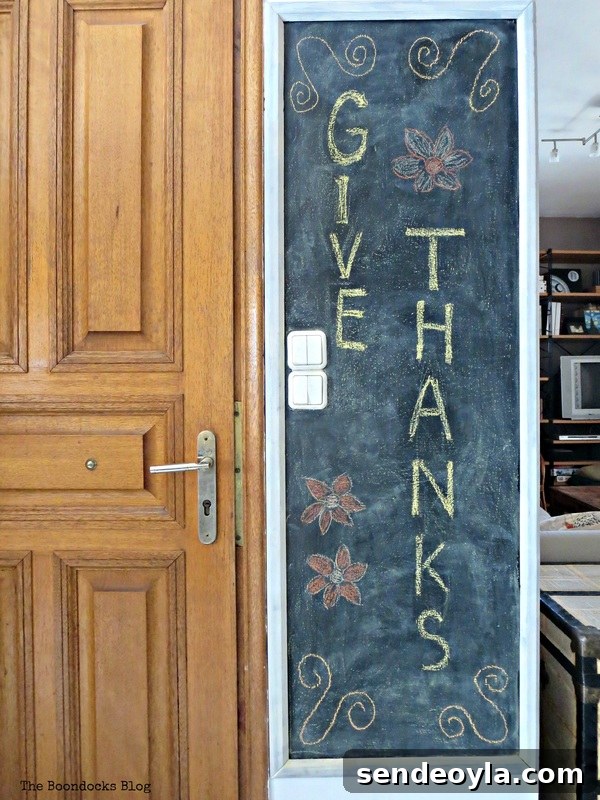
Transform a Dirty Entry Wall into a DIY Chalkboard Wall
Do you have a wall by the front door that never quite looks clean? Turn that problem area into a charming, useful feature by creating a DIY chalkboard wall the whole household will enjoy. This project is affordable, kid-friendly, and gives your entryway instant personality while hiding scuffs and marks.
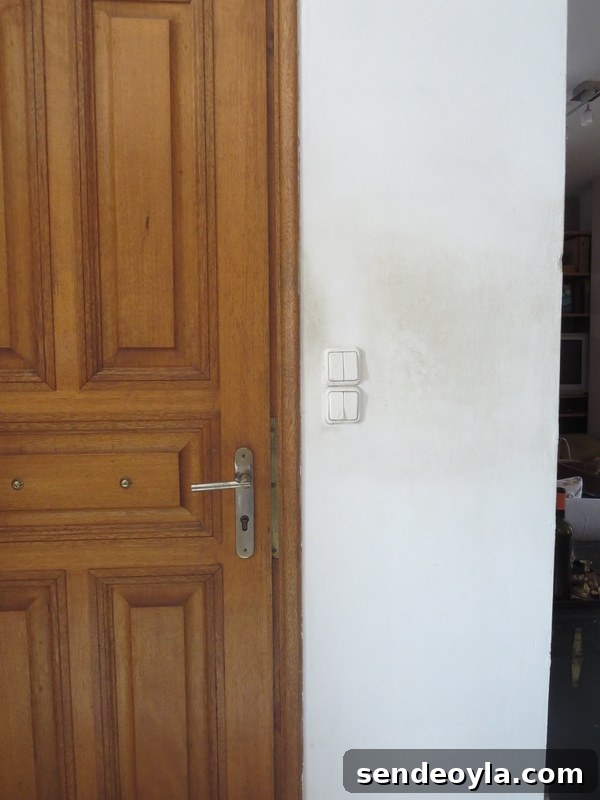
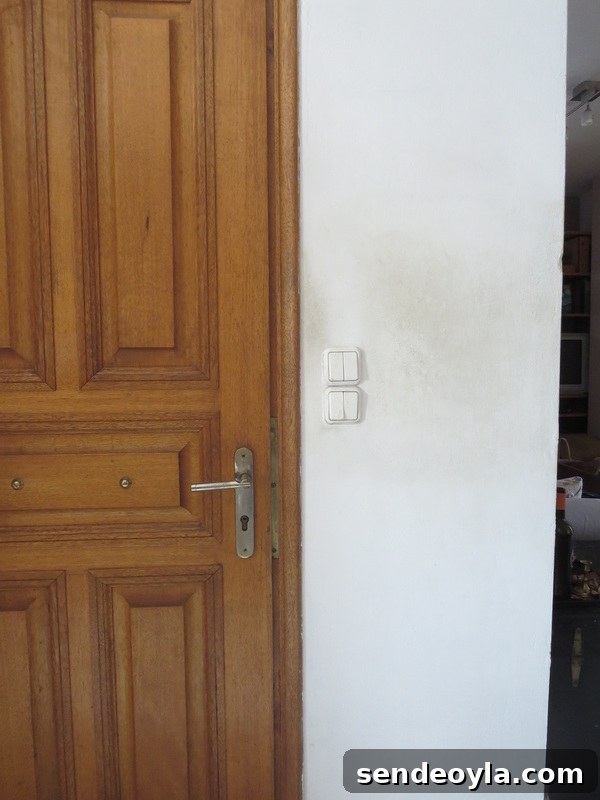
This was my front door area: a perfectly fine door next to a wall that was always dirty — full of smudges and little handprints. Instead of constantly scrubbing, I decided to embrace the chaos and convert the wall into a functional chalkboard surface.
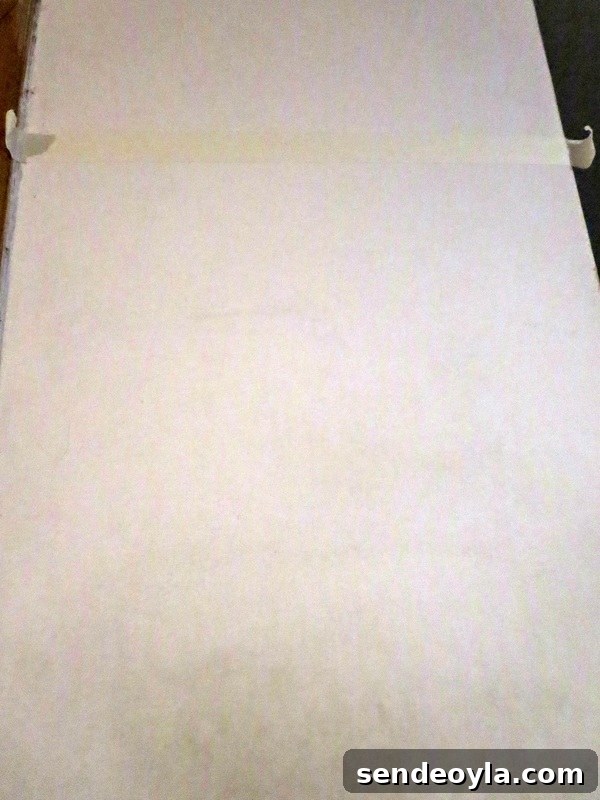
Start by defining the area you want to paint. I used masking tape to mark clean, straight edges at the top and bottom so the chalkboard would have a tidy outline. Taping preserves adjacent surfaces and gives you a crisp finished look.
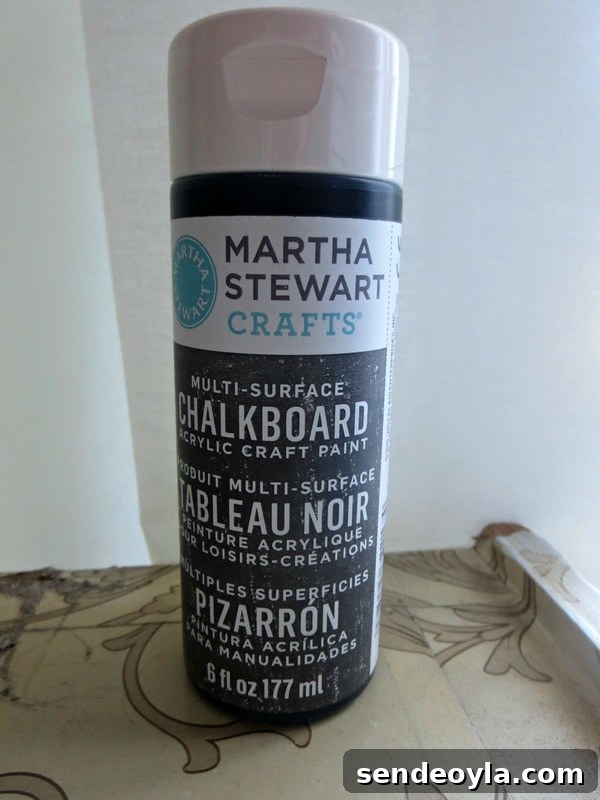
Choose Chalkboard Paint
For this project I used black chalkboard paint. The first coat looked uneven and streaky — that’s normal. Chalkboard paint often needs more than one thin coat for a smooth, durable finish. I applied a total of four thin coats, allowing proper drying time between each. The transformation after multiple coats is dramatic: the surface evens out and becomes truly usable for chalk drawings and notes.
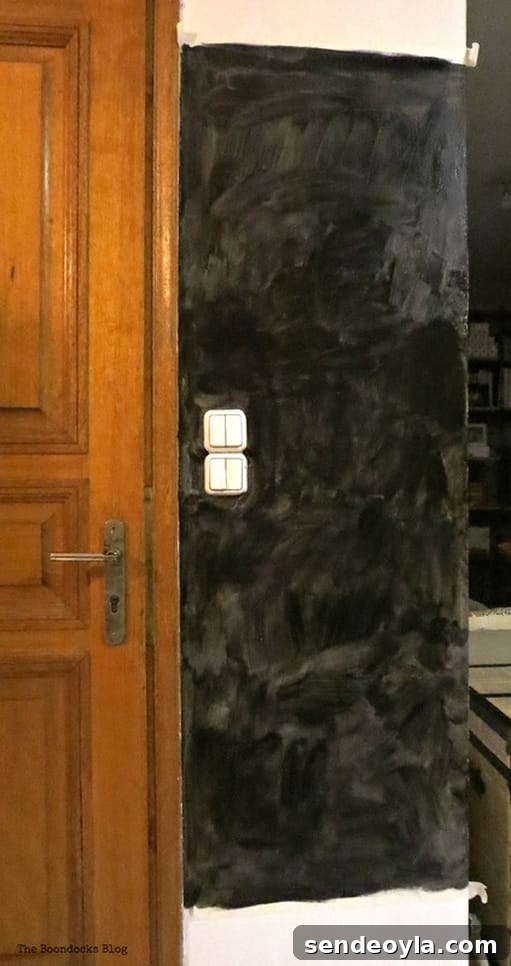
After four coats, the coverage and finish were much improved and I was ready to add some finishing touches.
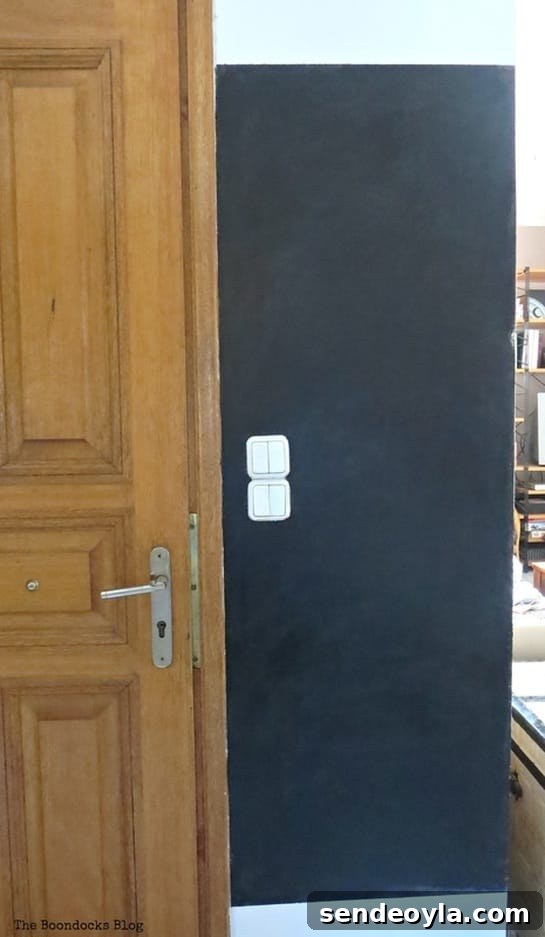
Create a Framed Look with Crown Molding
To make the chalkboard feel intentional and polished, I framed it using foam crown molding. This gives the wall depth and a finished, decorative appearance — almost like a real framed chalkboard. I painted the molding with three coordinating colors to add dimension and a slight antique look. Painting the frame in layered tones highlights the details and makes the chalkboard stand out.
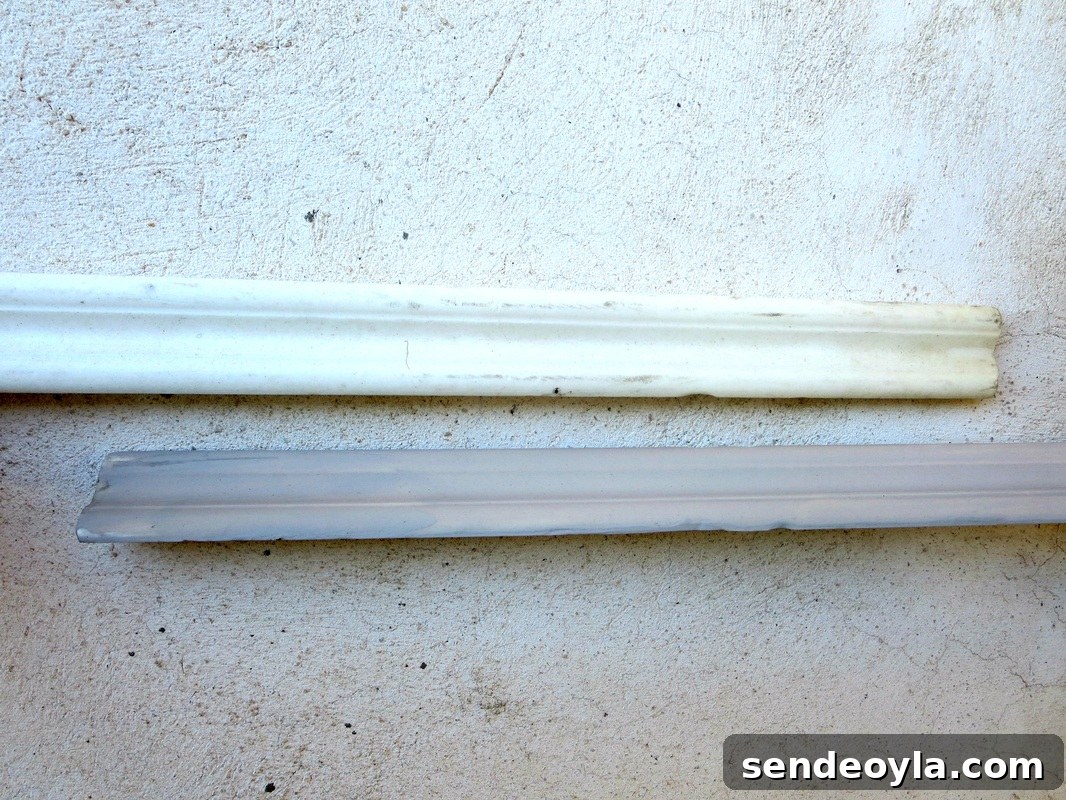
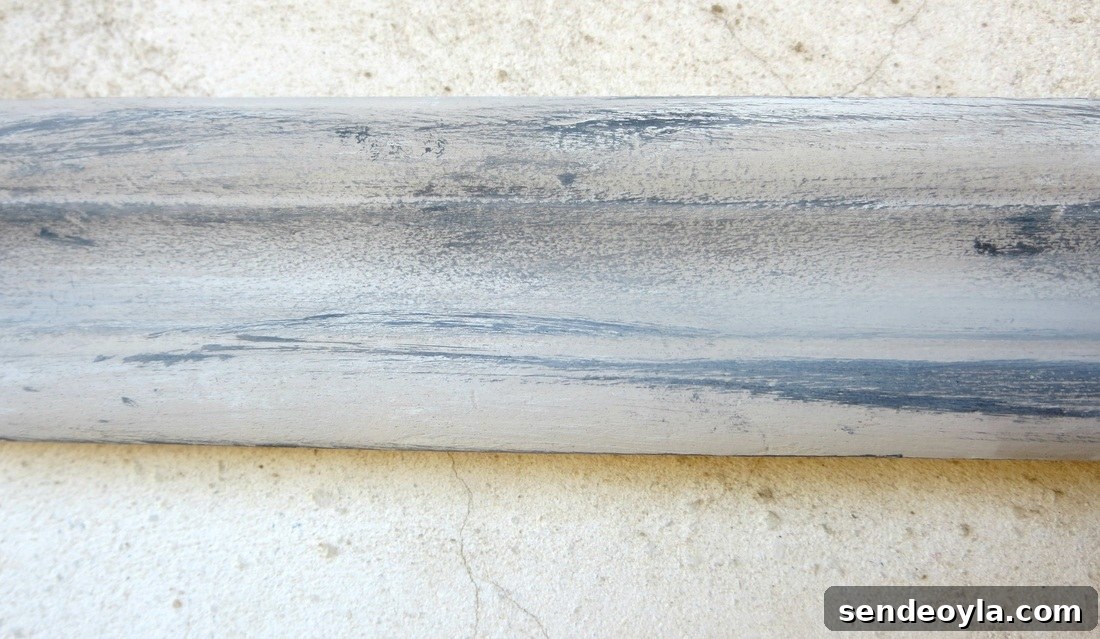
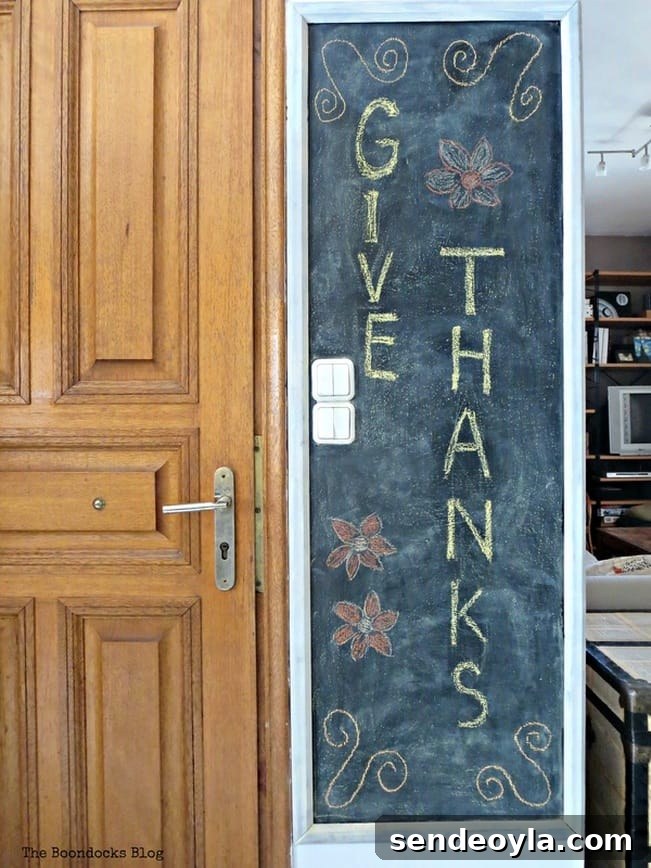
The final framed chalkboard wall looks intentional and stylish — no longer an eyesore but a focal point that welcomes visitors and invites the family to leave messages, doodles, or seasonal decorations.
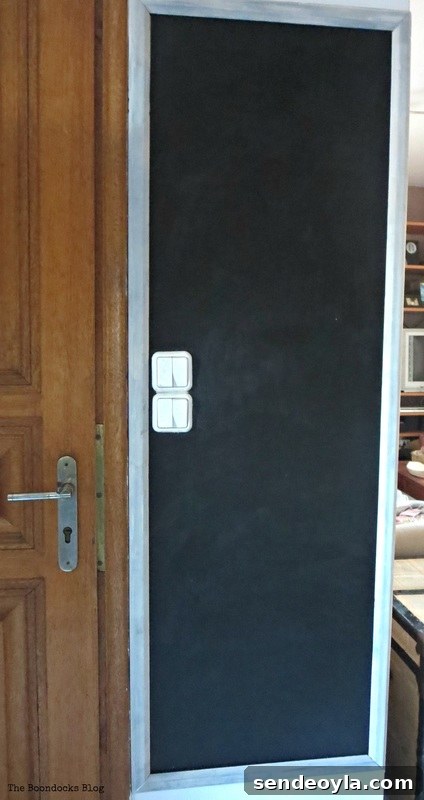
Seasoning and First Use
After the paint was fully dry, I let the surface cure for 24 hours. To properly “season” the chalkboard, rub a piece of chalk across the entire surface while holding the chalk on its side; this fills the tiny pores and prevents a permanent-looking ghost of the first drawing. Wipe the chalk residue off with a clean cloth or rag. This step improves eraseability and gives a more uniform writing surface.
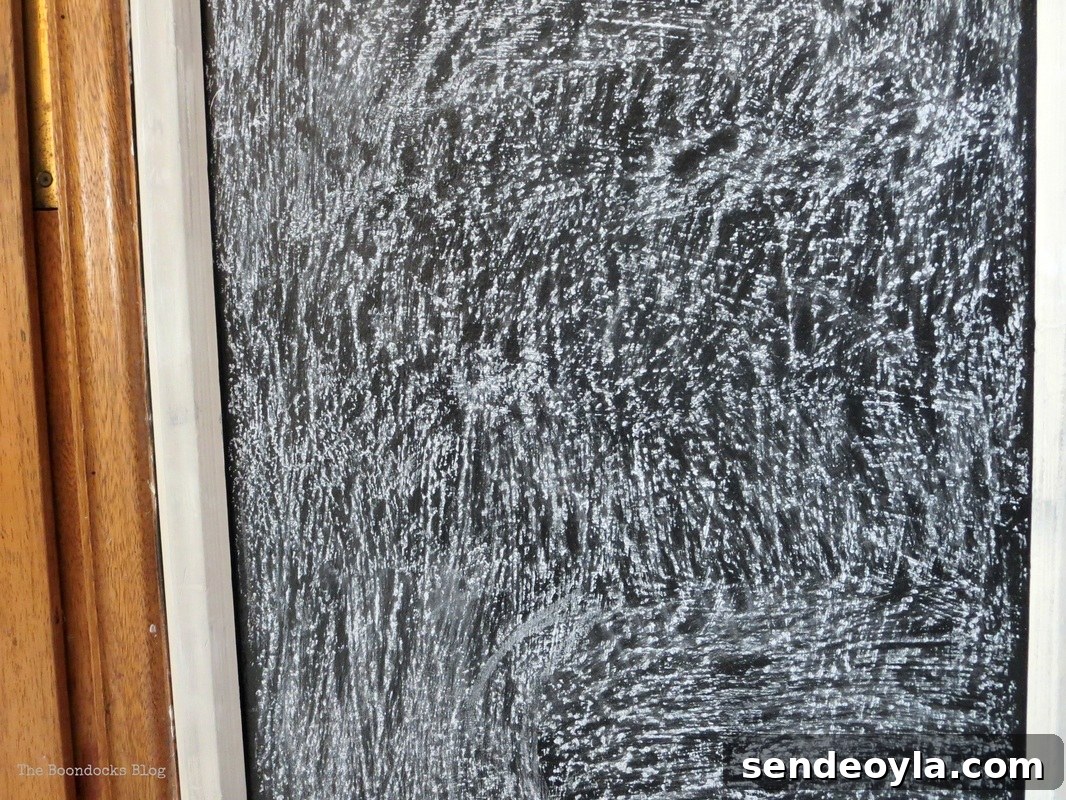
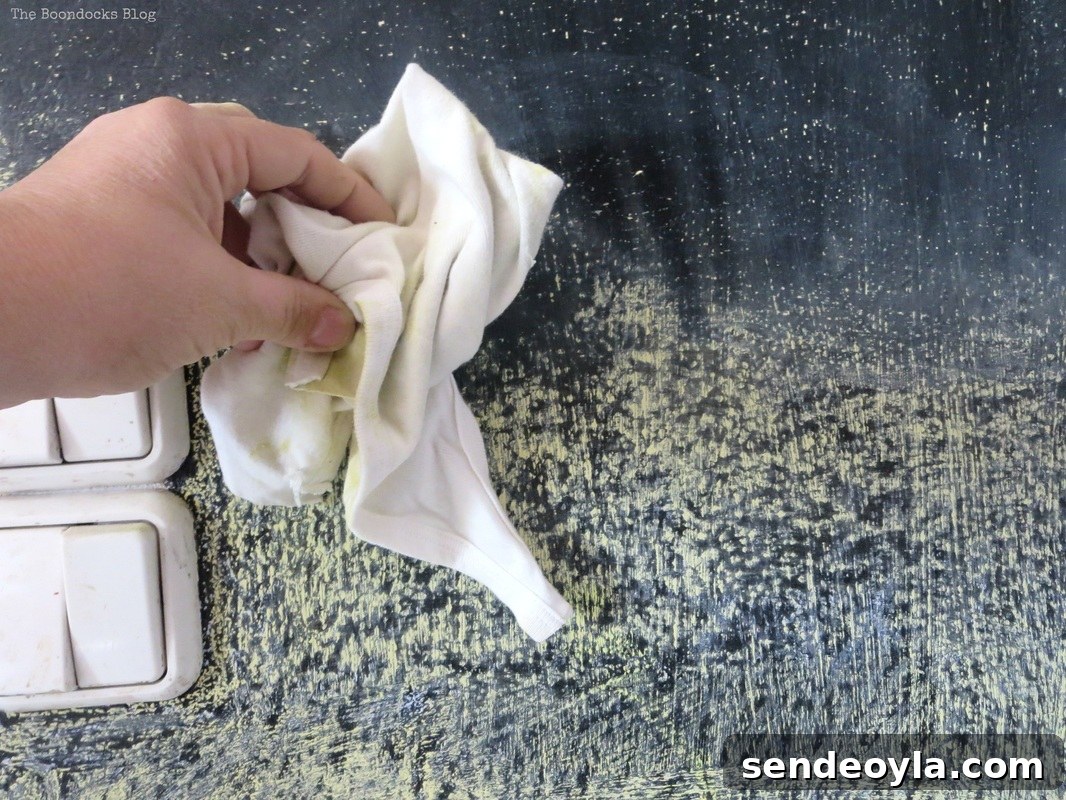
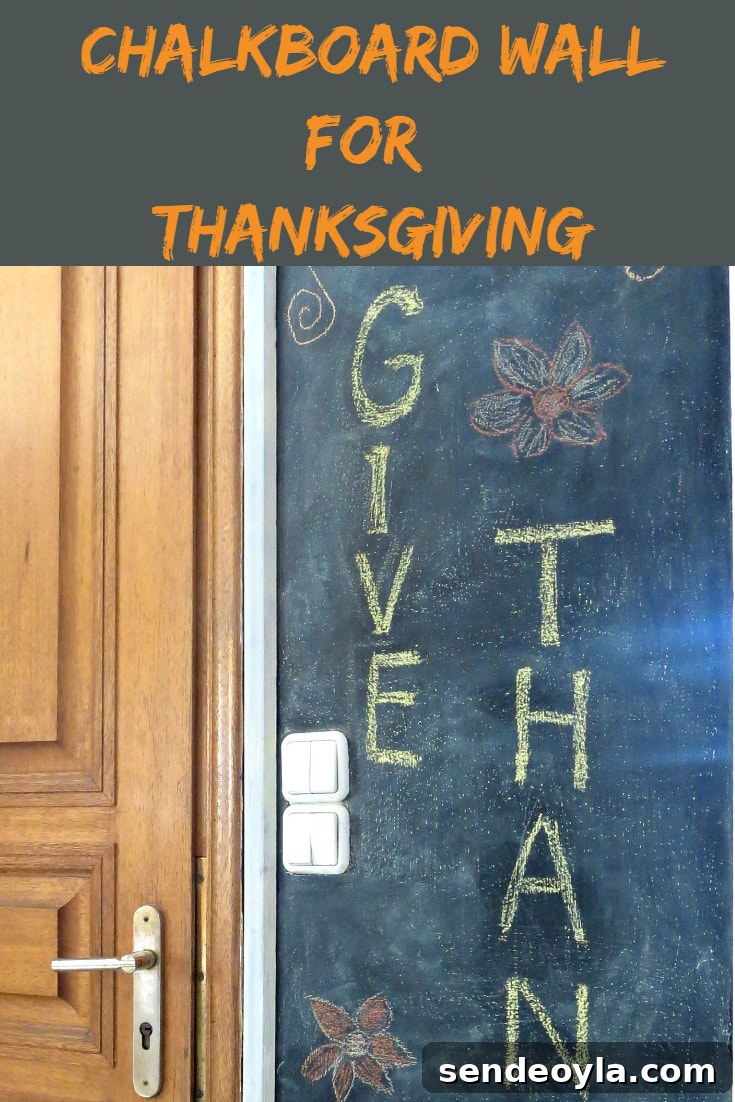
With the chalkboard seasoned and wiped, it was time for the fun part: drawing and writing. Whether you leave a friendly welcome, a seasonal sign for Thanksgiving, or let the kids practice their artwork, a chalkboard wall is both functional and decorative.
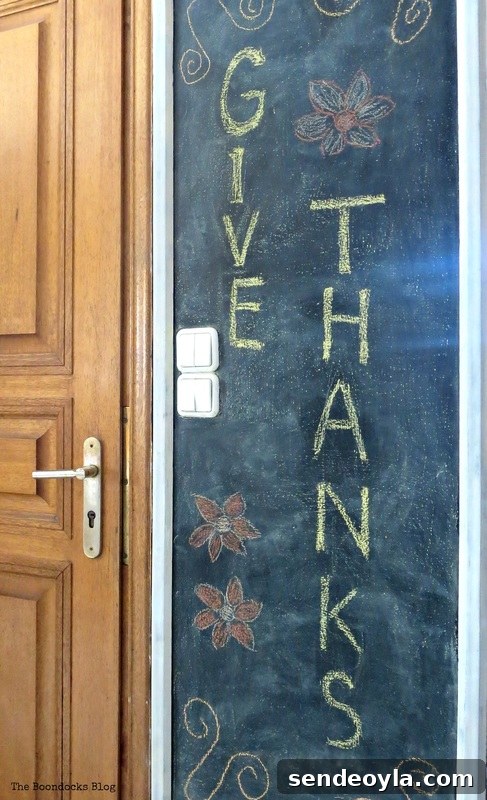
Isn’t that an improvement over the original scuffed wall? A framed chalkboard hides dirt, makes the entryway welcoming, and creates an interactive space for the family. For holidays like Thanksgiving, I can quickly sketch seasonal artwork or write a menu; otherwise it serves as a message center for reminders and notes.
Tips and Maintenance
- Apply multiple thin coats of chalkboard paint rather than one thick coat for a smoother finish.
- Allow enough drying and curing time between coats and before seasoning—this ensures the surface wears well.
- Season the board with chalk held on its side, then wipe clean to prevent stubborn ghosting.
- Use a damp cloth or specialty chalkboard cleaner for periodic deep cleaning; avoid abrasive scrubbing that could damage the finish.
- Frame the board to make it look like a designed feature rather than a painted patch on the wall.

If you have a tired, scuffed wall near an entryway, a chalkboard makeover is an easy, high-impact solution. It hides marks, adds character, and turns ordinary wall space into a playful, practical feature for the whole family.
You may also like:
Seeing Red
Pieces of a Table
Rustic Wood Slices