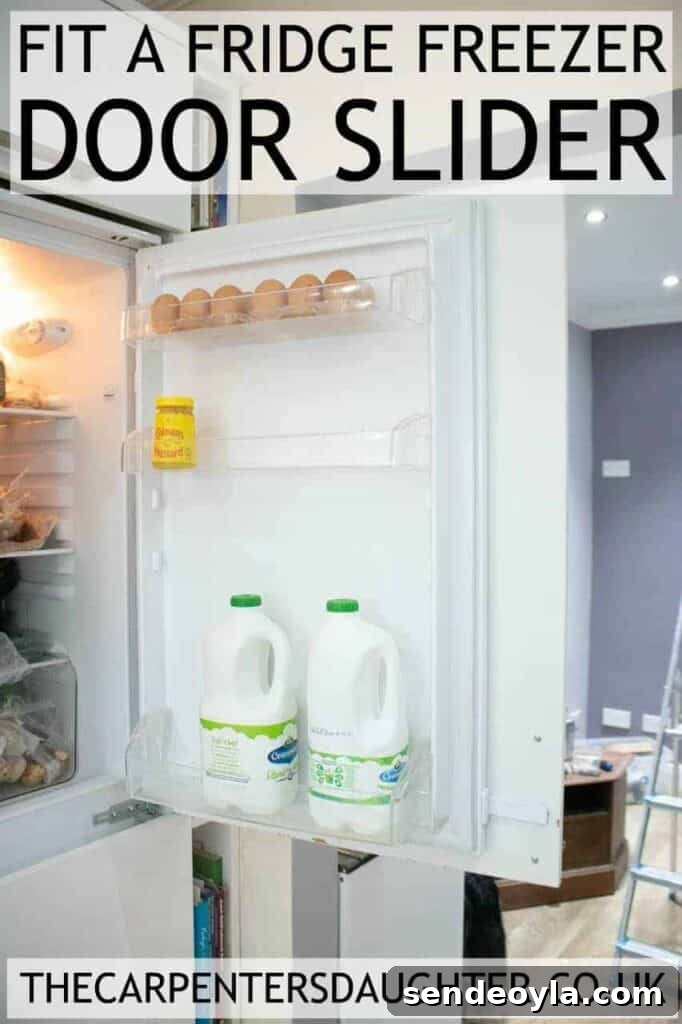
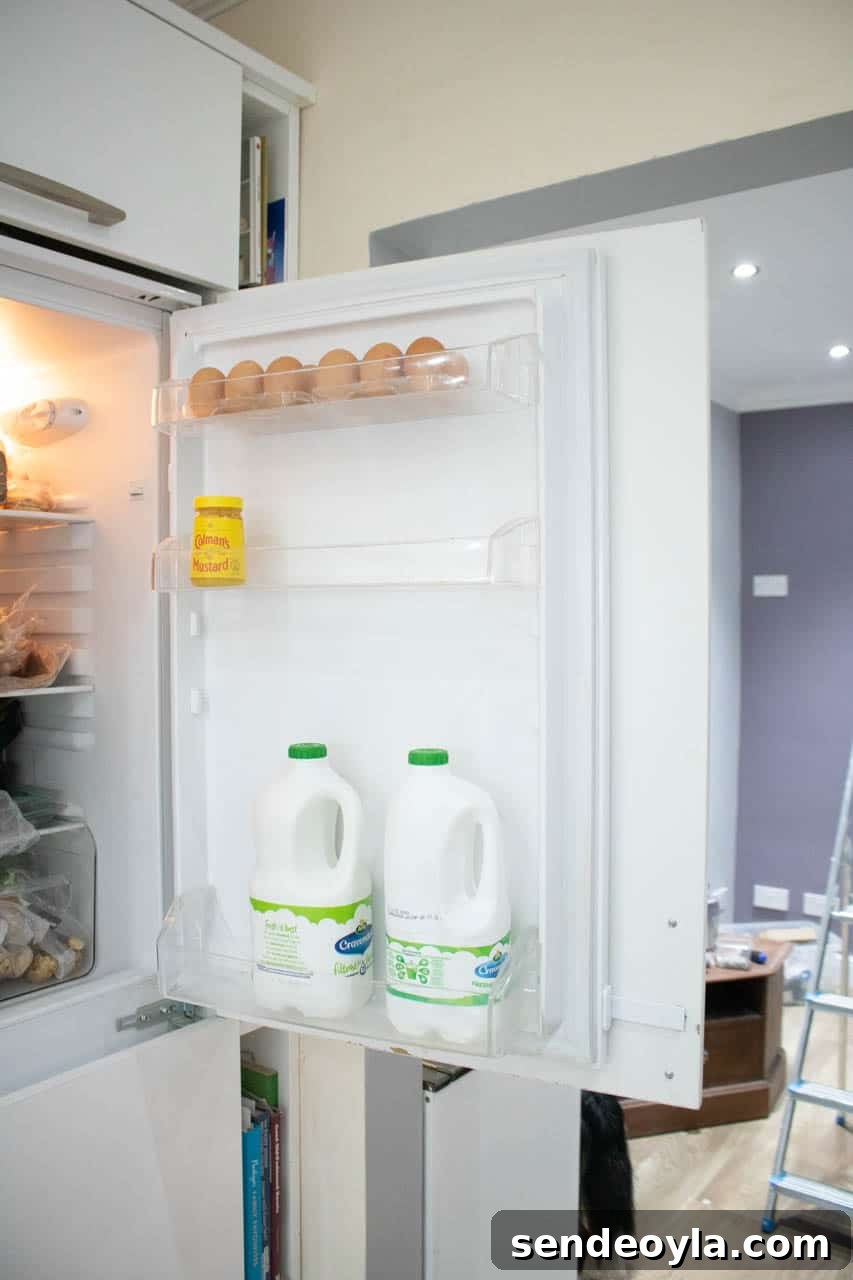
For two to three years we never had the integrated fridge freezer door slider attached. They’re surprisingly hard to find online if you don’t know the right name. I made it my mission to track one down and show you how to fit it.
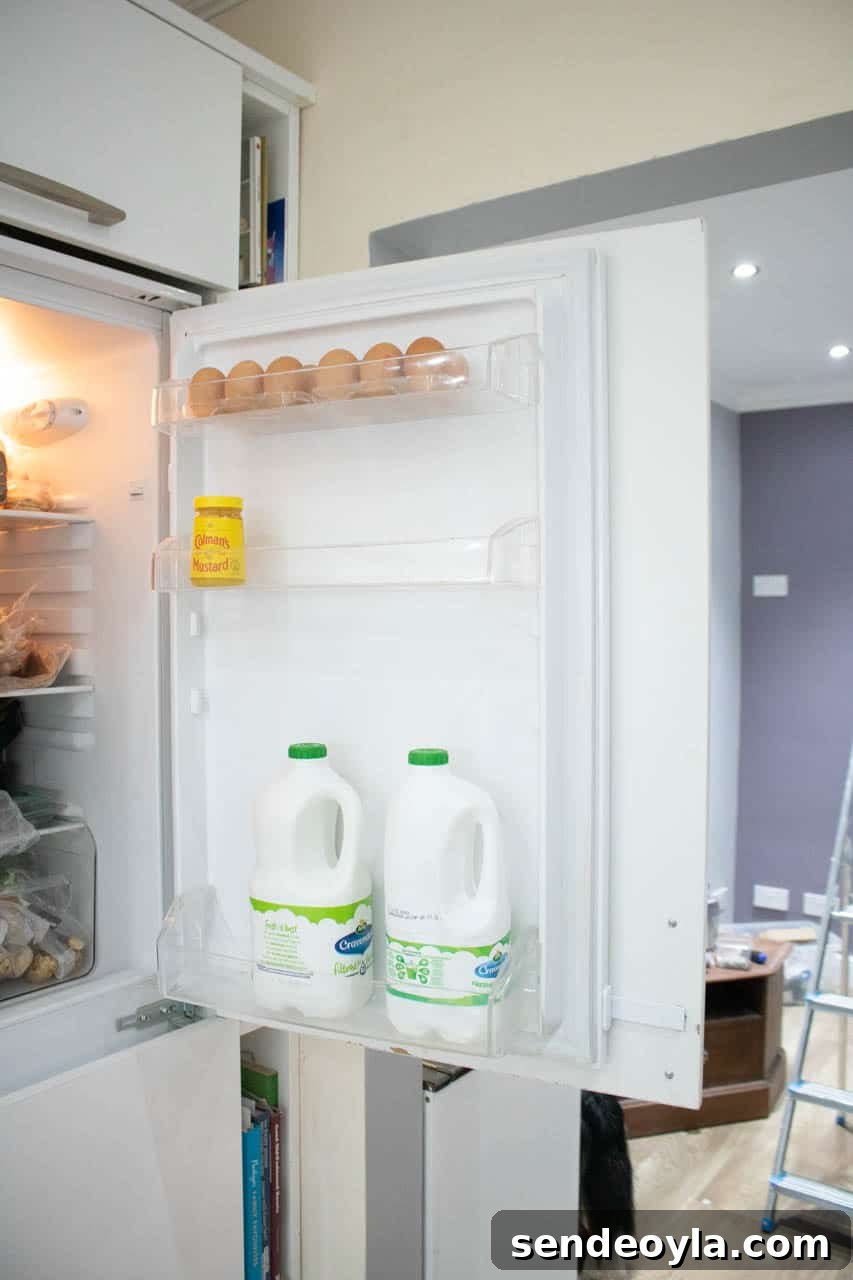
One of my little pet peeves is when someone else opens a new appliance or product and the attachments or instructions get misplaced. I like to know exactly what came with something and where the instructions are — otherwise completing the job becomes a jigsaw puzzle.
In our case, a friend fitted most of our kitchen appliances but hadn’t finished fitting the integrated fridge panels. The small door-slider parts were thrown into a box with other bits and the instructions were missing, so we had no idea what to look for.
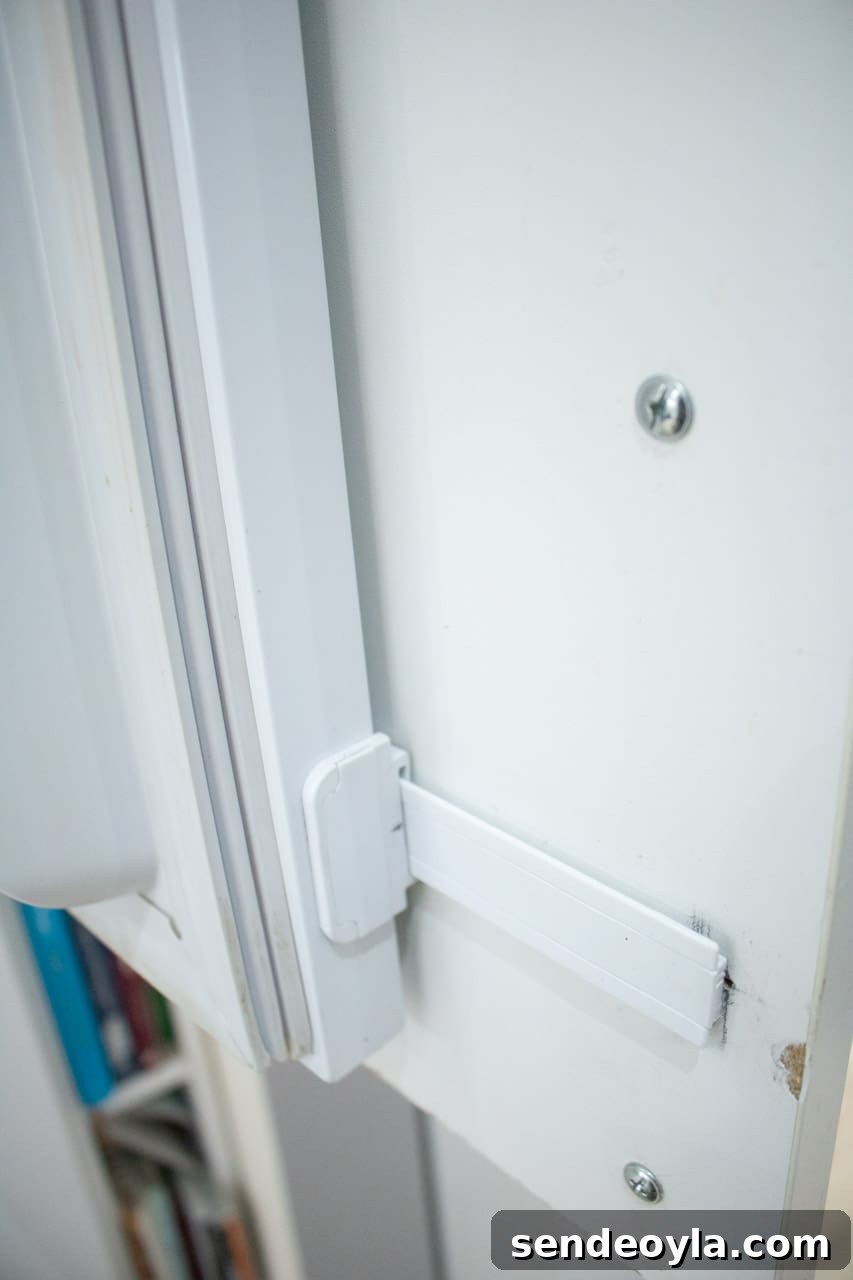
Replacement integrated fridge freezer door slider
After searching on and off for two years I finally found a universal integrated fridge freezer door slider kit. It’s a small, inexpensive kit that provides the metal strips, L-shaped latch, screws and plastic covers that allow the kitchen door to hang and slide correctly with an integrated appliance.
Tools and materials you’ll need
- Combination square
- Pencil
- Combi drill (or cordless drill)
- 2mm drill bit
- One universal integrated fridge freezer door slider kit (replacement)
How to fit an integrated fridge freezer door slider
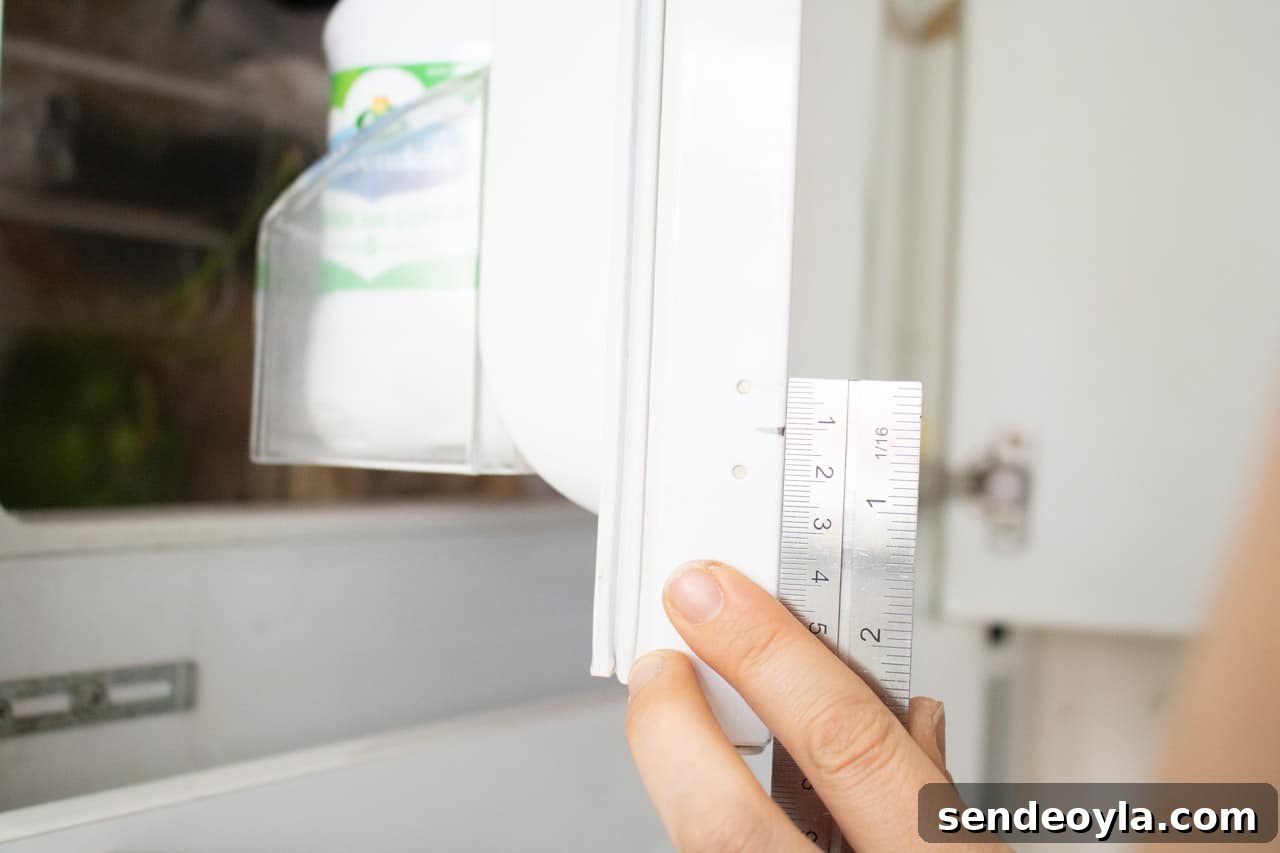
These instructions assume your fridge door or appliance has the small indents marking suggested positions for the slider plate. If yours don’t, you’ll need to choose a logical mounting position — typically centred vertically where the door will take most of the handle pressure.
1. Mark the midpoint. Close the kitchen door onto the fridge and make a pencil mark where the midpoint of the fridge door indent aligns with the back of the kitchen door. This ensures the slider sits in the correct vertical position.
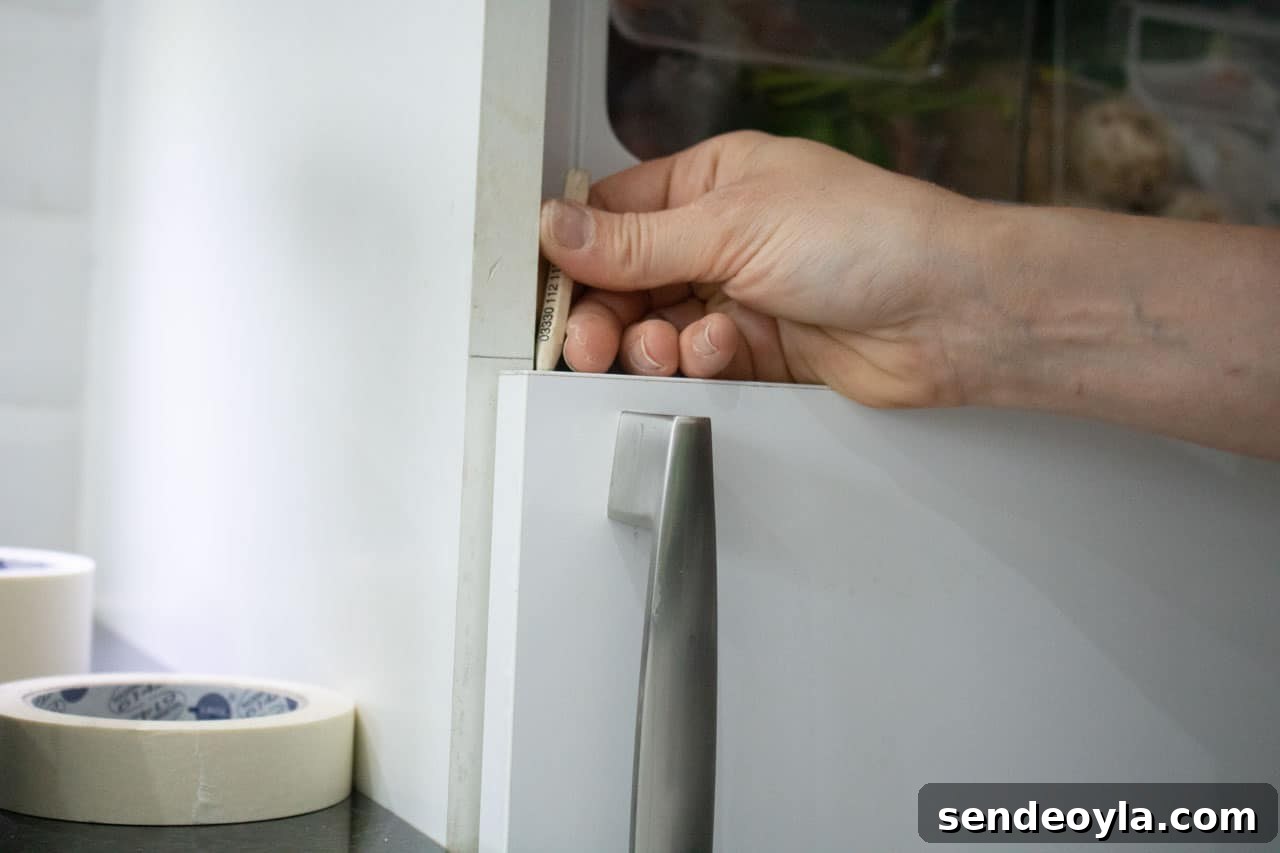
2. Mark the carcass boundary. With the fridge panel closed, mark from behind where the kitchen carcass starts. If you position the slider plate past this line the door will not close correctly or sit flush with the carcass.
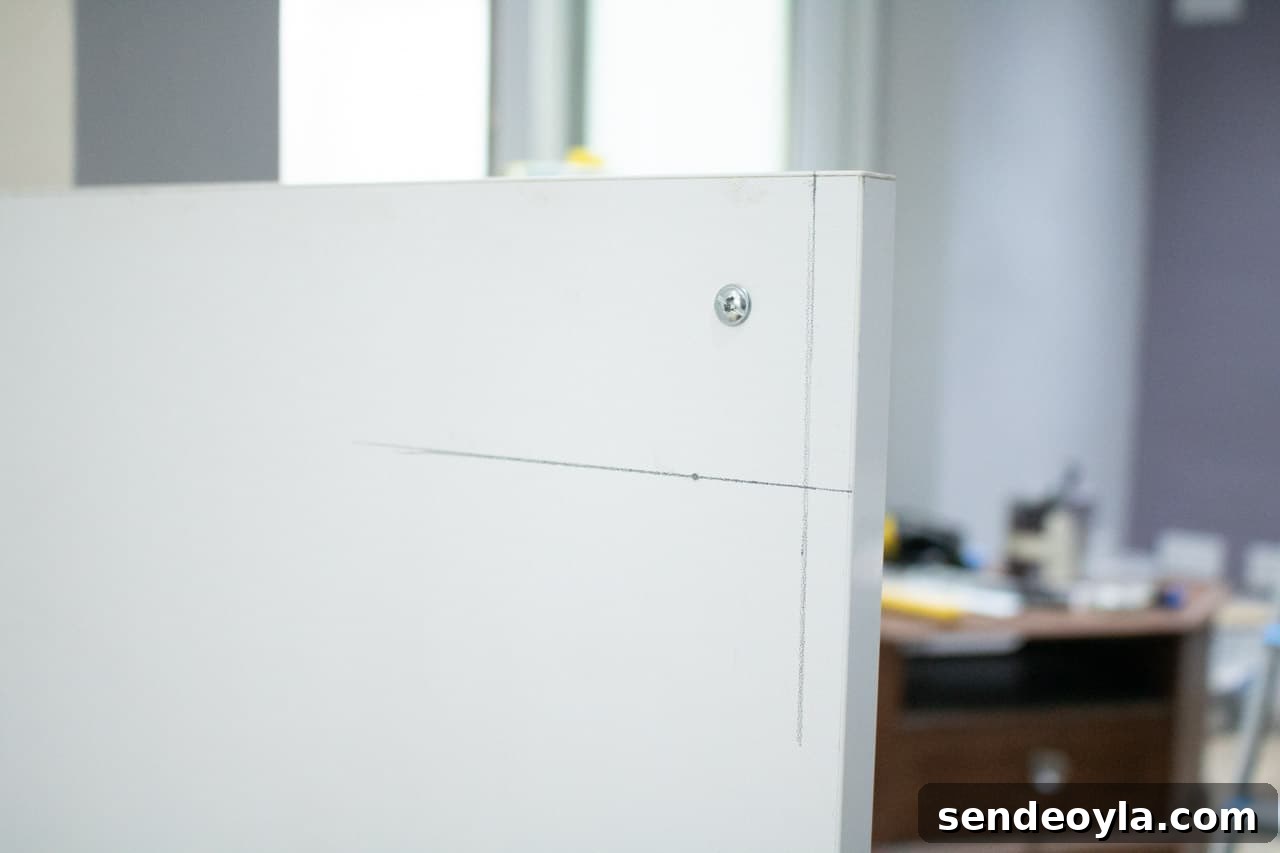
3. Draw straight reference lines. Using a combination square, draw straight pencil lines across the back edge of the kitchen door where the plate will sit so the holes line up evenly and the plate is level.
4. Position and predrill. Place the longer attachment strip from the kit along your lines on the back of the kitchen door, ensuring the pencil marks line up halfway between the fixing holes. Predrill shallow pilot holes with a 2mm drill bit (about 2mm deep) to prevent splitting.
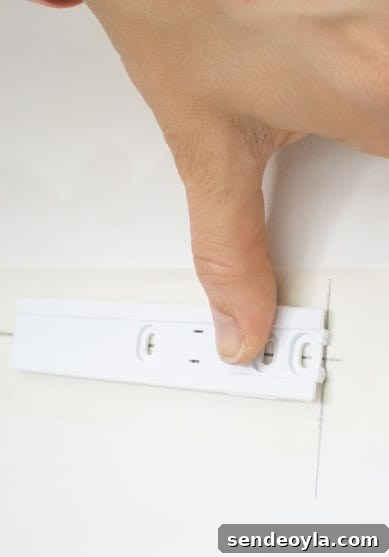
5. Screw the plate on. Use the screws supplied in the kit to fix the plate to the back of the kitchen door. After securing the screws, push on the supplied screw cover piece so the fixings are hidden and the finish looks tidy.
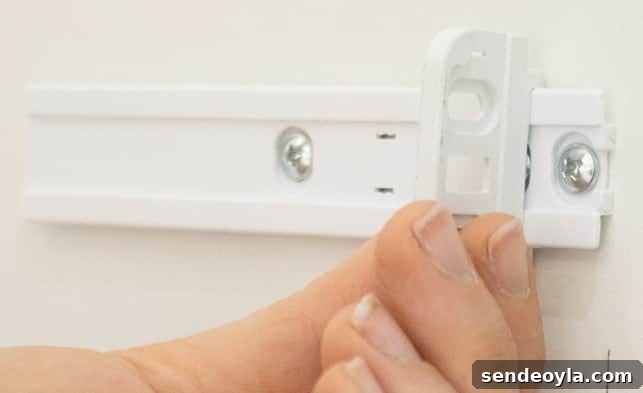
How the second latch attaches
The kit includes an L-shaped latch that hooks around the fridge door edge and then slides onto the long strip. Slide it into place and check alignment. If the replacement latch holes don’t match the small indents on the fridge edge, you can drill matching pilot holes either in the latch plate or the fridge edge using the same 2mm drill bit.
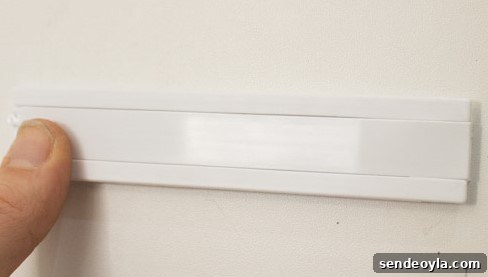
6. Final fixings. After slotting the latch on, predrill the final holes and fit the screws supplied. Cover any exposed screws with the remaining plastic cover from the kit to keep everything neat and protect the screws from moisture.
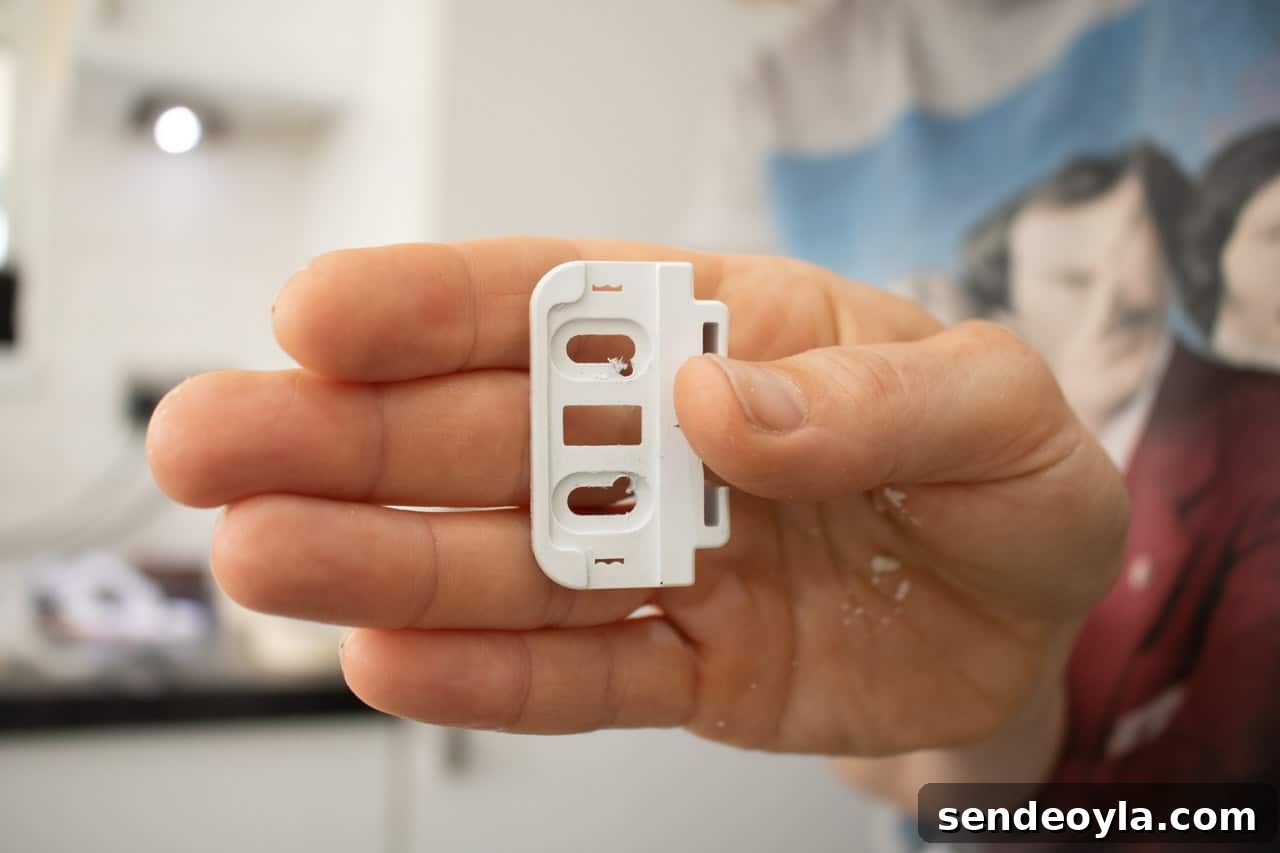
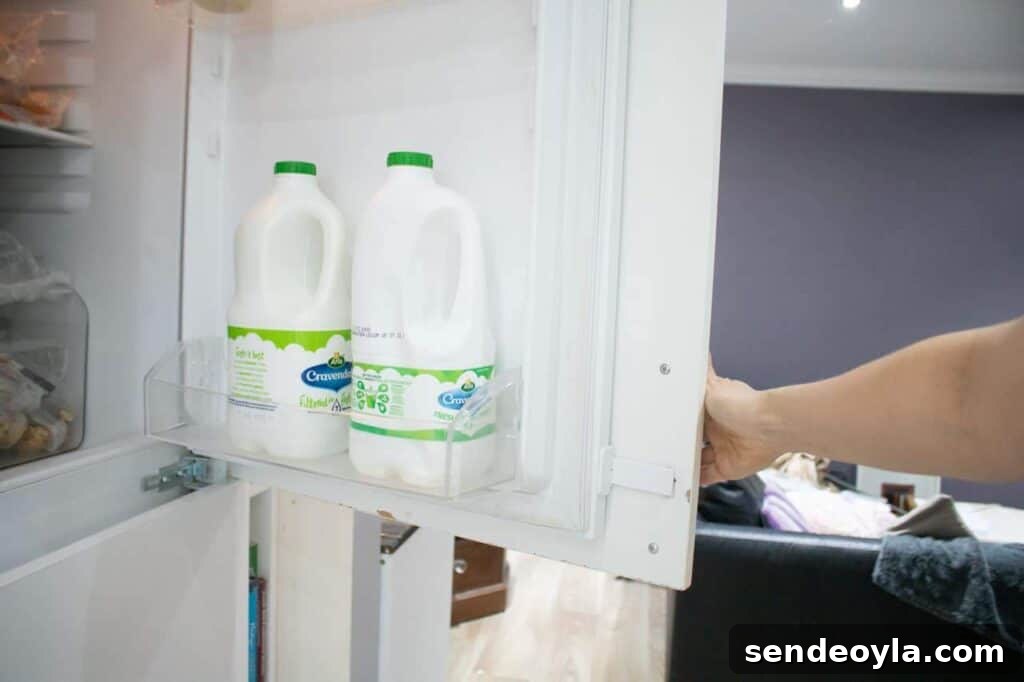
Now you can close the door
Once both plates are in place and the latch is fitted, the integrated door will hang properly and close flush with the kitchen carcass. It’s a small job that makes a big difference to the finish and operation of integrated appliances.
Quick tips and troubleshooting
- If no factory indents exist, choose a position aligned with where the handle will take most stress.
- Always predrill pilot holes to avoid splitting the door or stripping screws.
- Double-check that the plate doesn’t sit past the kitchen carcass edge — this will stop the door closing properly.
- If the latch and plate holes don’t line up, it’s usually easiest to drill new pilot holes in the metal plate rather than the appliance edge.
Tools, time and cost
Typical time to fit: about 20 minutes. Cost of a basic universal kit: around £12. Tools required are minimal — a combination square, pencil, combi drill and a 2mm drill bit.
Equipment
- Combination square
- Pencil
- Combi drill
- 2mm drill bit
Parts
- 1 × universal integrated fridge freezer sliding door kit (includes strips, L-latch, screws and covers)
Step-by-step instructions
- Mark the midpoint of the fridge indent on the inside of the kitchen door.
- Close the door and mark where the kitchen carcass starts so the plate does not overhang.
- Use a combination square to draw straight reference lines.
- Place the long strip on the back of the kitchen door and predrill 2mm pilot holes.
- Screw the plate in place with the supplied screws and fit the screw cover.
- Slide and hook the L-shaped latch around the fridge door edge and predrill any additional holes needed.
- Screw the latch in place and cover the exposed screws with the remaining plastic cover.
More fitting-a-kitchen projects
If you’re working through a kitchen fit, I keep a full list of fitting-a-kitchen projects and guides that cover similar small finishing tasks — these little details really improve the final result.