
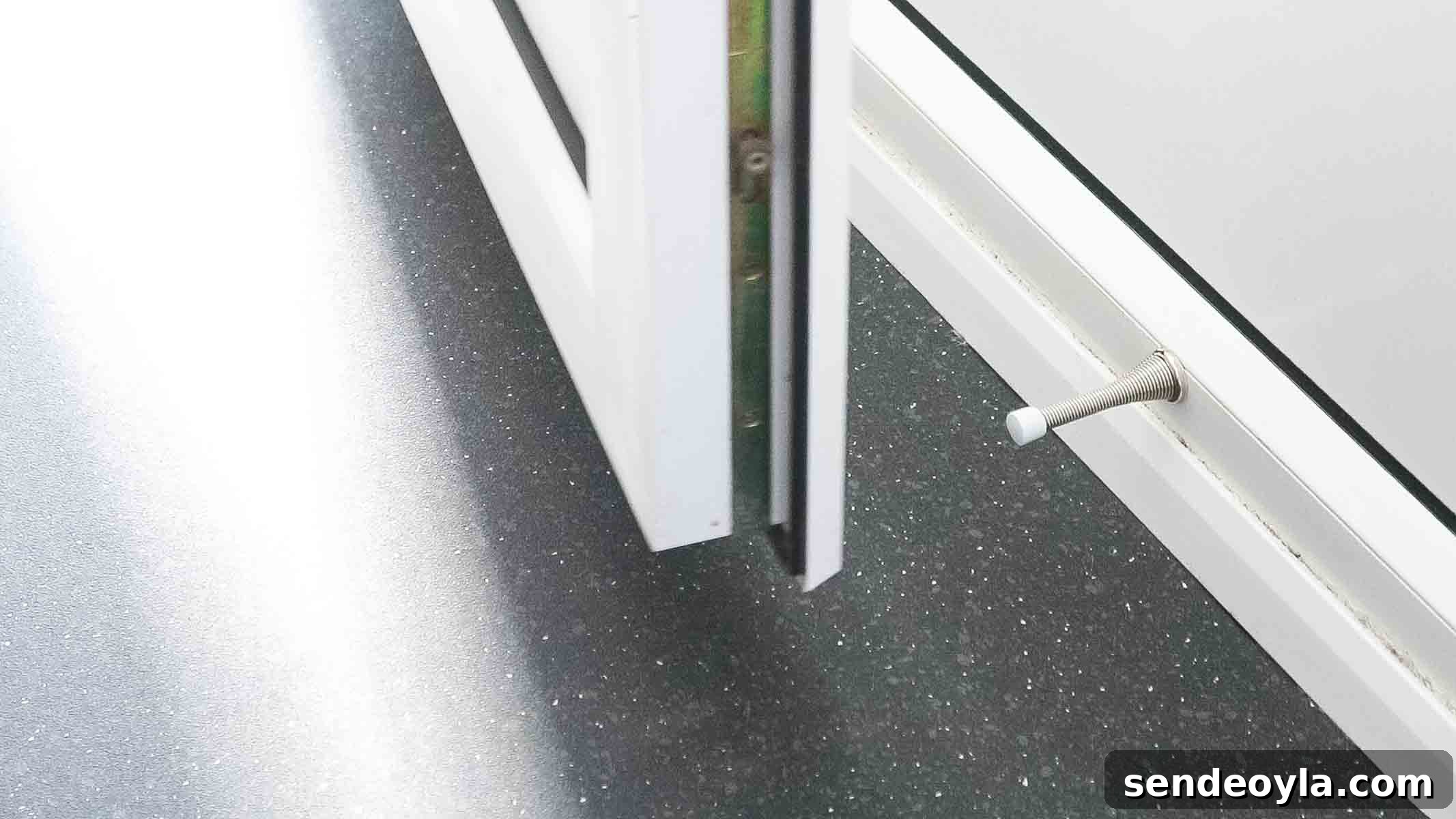
Here is a quick, practical guide to installing a spring door stop. It’s an easy job, but one many people overlook until a door handle has already damaged a wall or skirting board. This short guide explains the tools you need, step-by-step instructions, and tips for different surfaces so you can fit a door stop quickly and confidently.
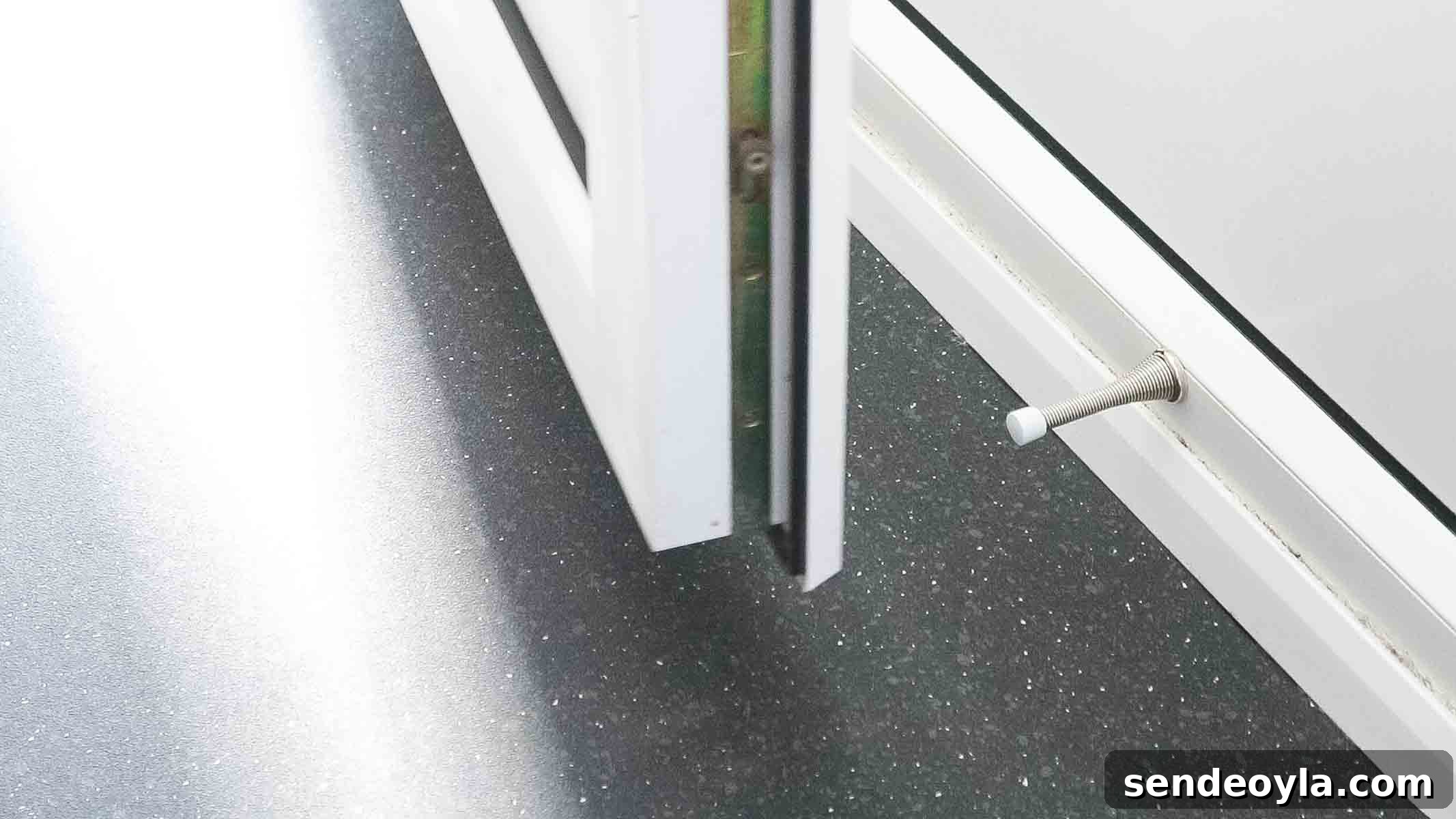
A spring door stop is one of those small items that protects walls and door handles from repeated impact. Although it’s a simple fitting, people often delay installing one because there are a few different types and they’re unsure about the correct positioning or the right fixings for the surface they have.
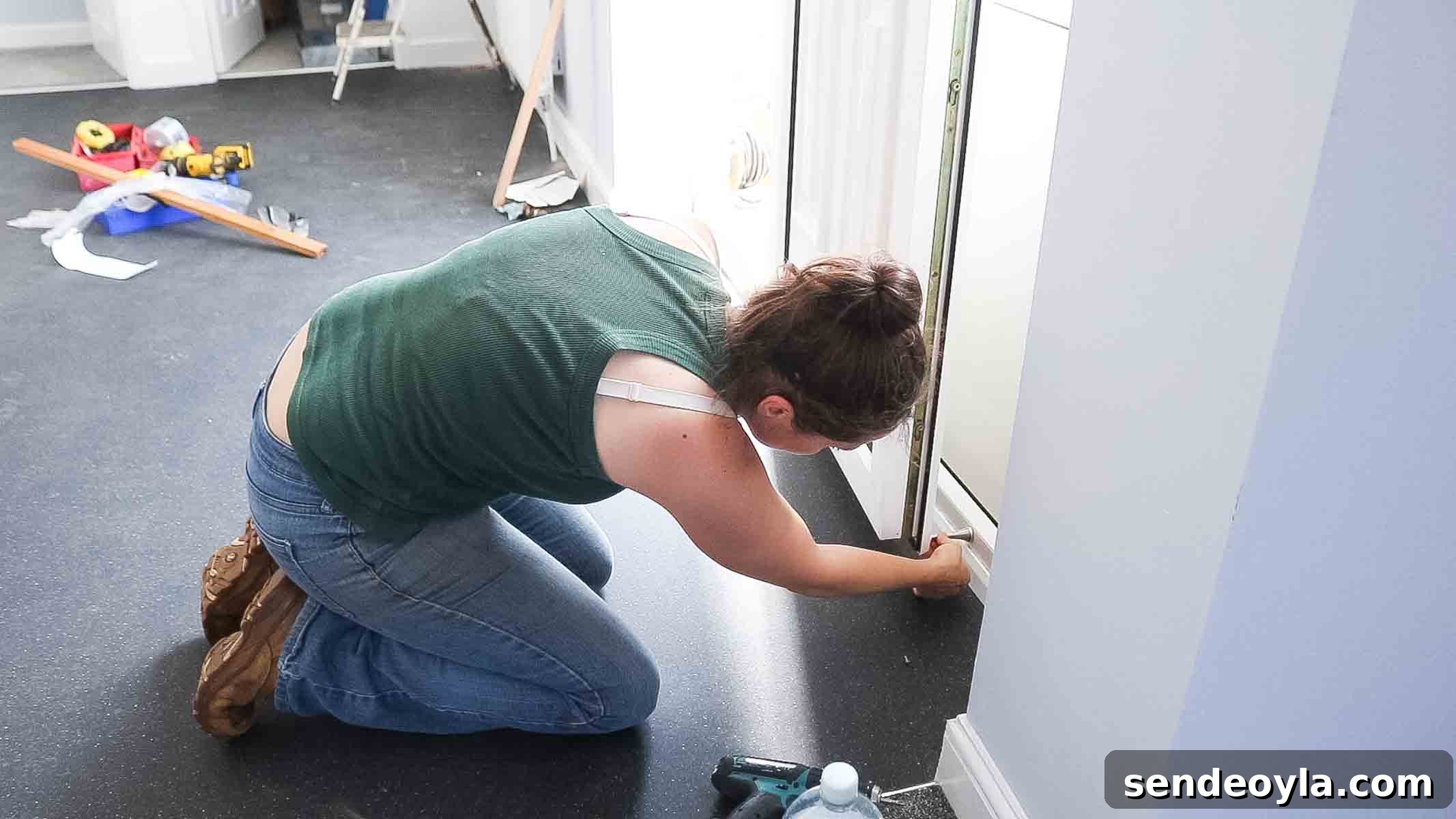
Equipment You Need to Fit a Spring Door Stop
- Spring door stop (coil-style) or a rubber door stop
- Combi drill or cordless drill
- Pencil for marking
- 2mm drill bit for pilot holes when screwing into timber or skirting
- Masonry drill bit and wall plug if fixing to brick or solid masonry
- Screwdriver for finishing screws by hand
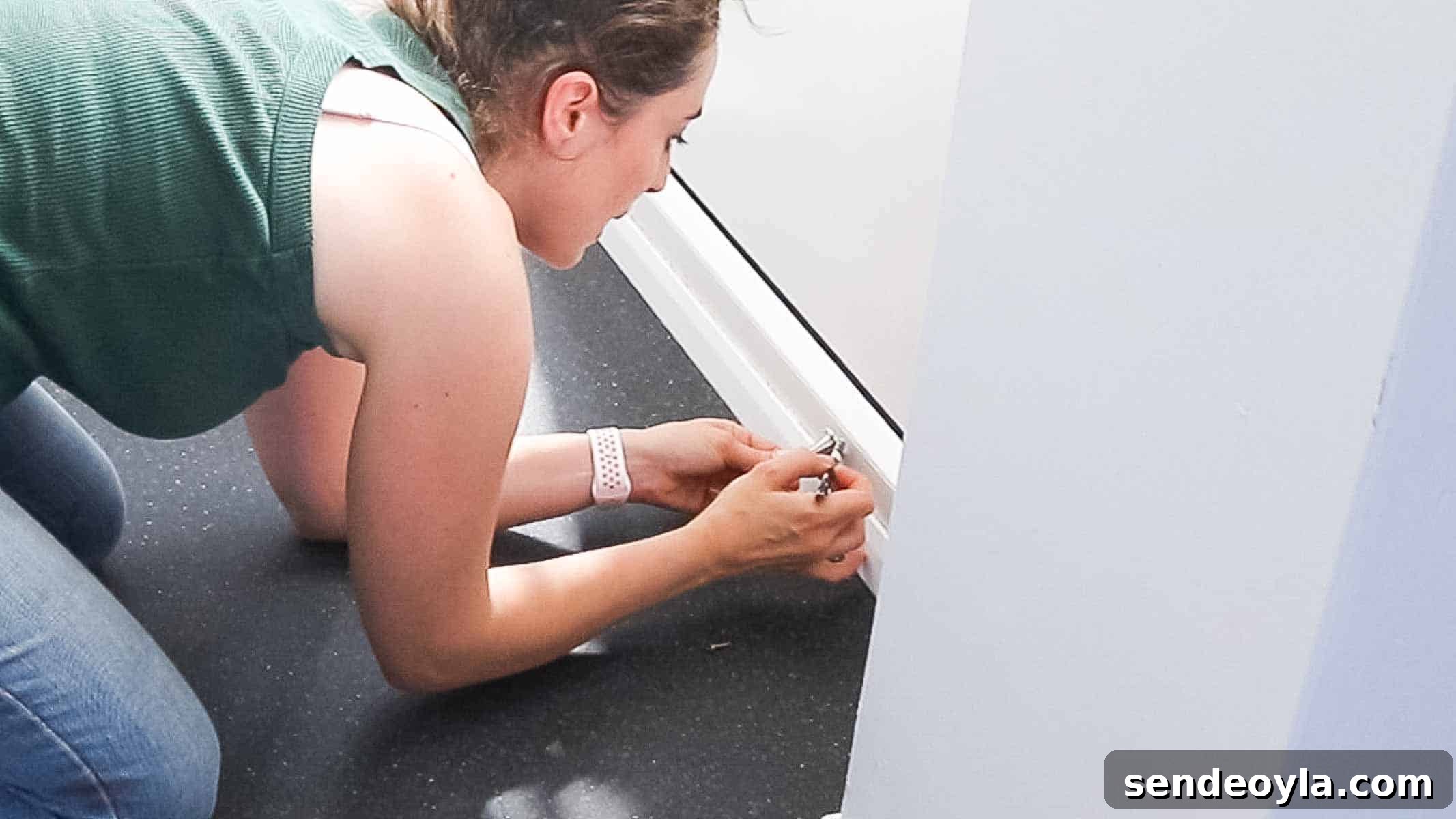
How to Install a Spring Door Stop
Most coil-style spring door stops come as two parts: the coil itself and a small mounting plate that screws to the wall or skirting. The basic steps are the same for most installations: position, mark, attach the plate, then twist the spring onto the plate. Below are more details and some surface-specific tips to help you avoid mistakes.
Start by opening the door to the angle where you want it to stop. Hold the spring door stop behind the door so the rubber tip or coil will meet the door handle or edge at the correct point. Drop the back plate roughly half the diameter of the spring so the rubber tip aligns with where the handle would hit.
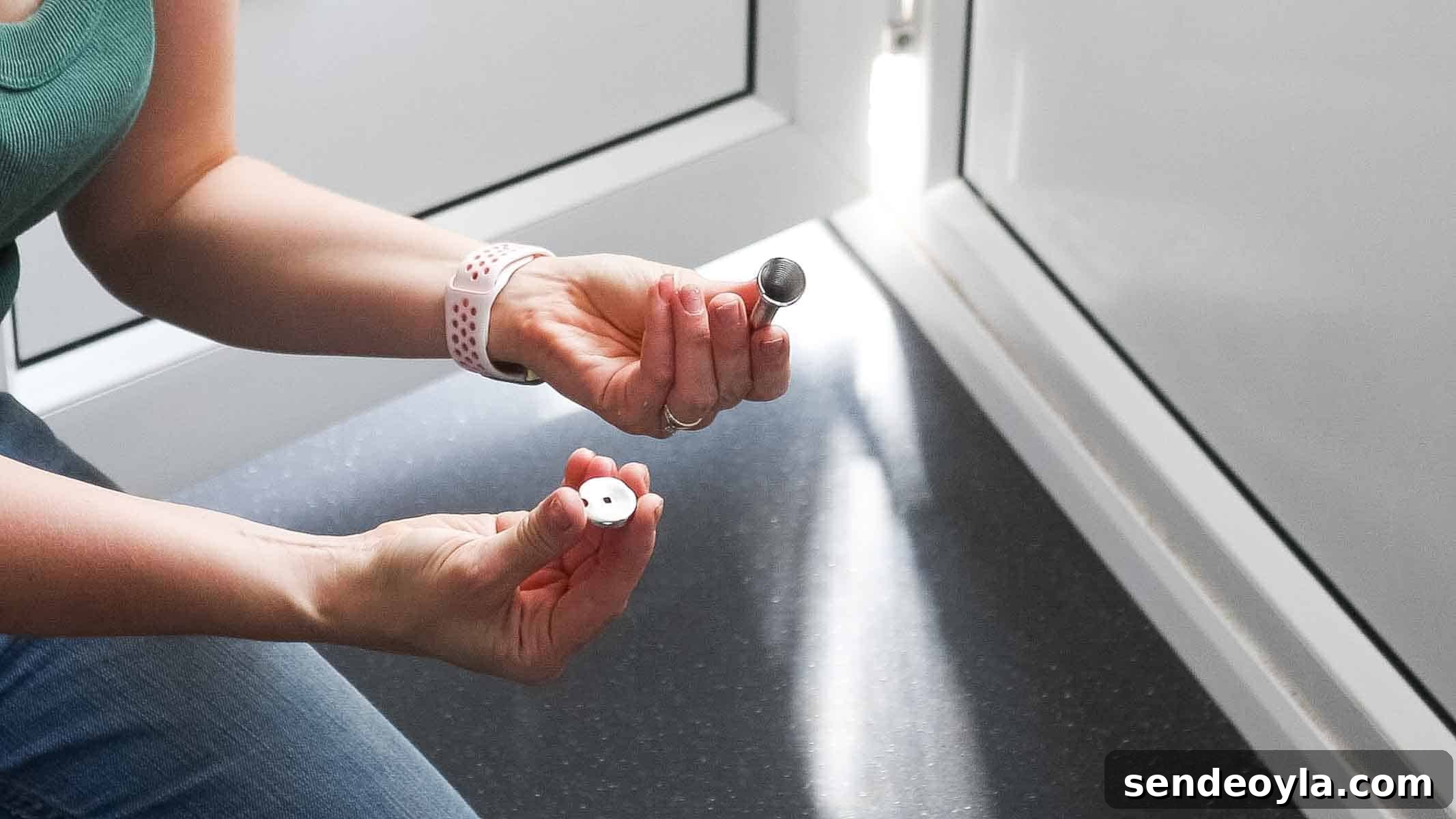
Dismantle the Spring Door Stop
To expose the mounting plate, twist the outer coil off the spring. The plate is usually small and reveals a single screw hole or two. Note how the spring locates back onto the plate — there is typically a small notch or hole where the coil sits so you can twist it back on securely after the plate is fixed.
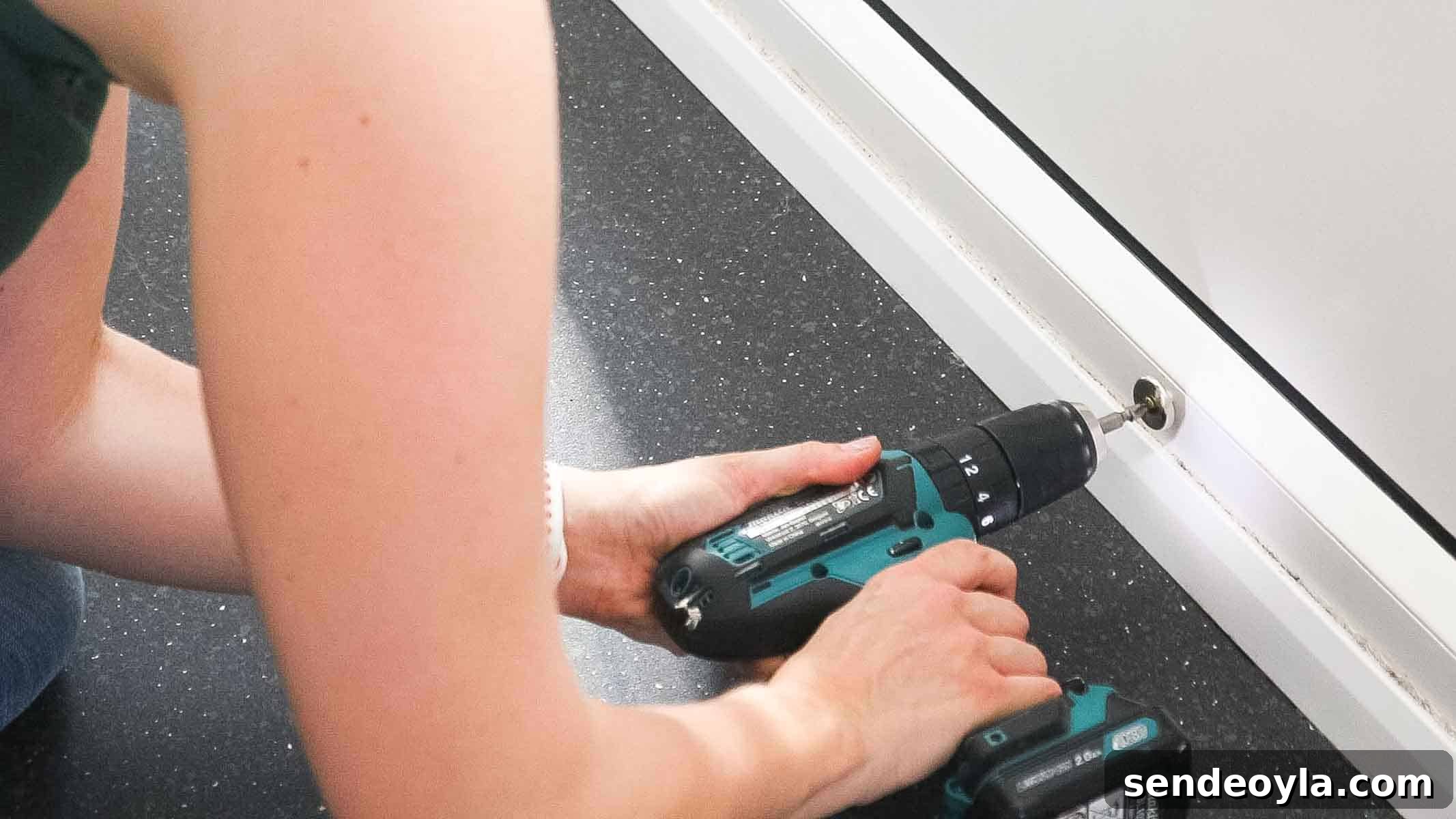
Screwing the Spring Door Stop Plate to the Wall
Which fixings you use depend on the surface:
- UPVC or plastic: Many spring door stops include self-tapping screws designed for plastic. When fixing to UPVC, you can usually drive the screw straight in with a combi drill set to a low torque. Take care not to overtighten.
- Wood skirting or timber: Pre-drill a pilot hole with a 2mm drill bit to avoid splitting the wood. Use a screw length that does not protrude through the other side—ideally no longer than the thickness of the skirting.
- Plaster or plasterboard: If the plate will go into plaster, try to hit a stud or use an appropriate drywall anchor. Short screws are safer so you do not damage the plaster behind the skirting.
- Brick or masonry: Use a masonry drill bit and a rawl plug or wall anchor. Drill to the correct depth, insert the plug, and then use a screw long enough to engage the plug securely.
Position the plate over your pencil mark and screw it in. Make sure the plate is level and sits flush so the spring will twist back on evenly. If you remove a protective cover or paint around the fixing point, touch up afterwards to keep the finish neat.
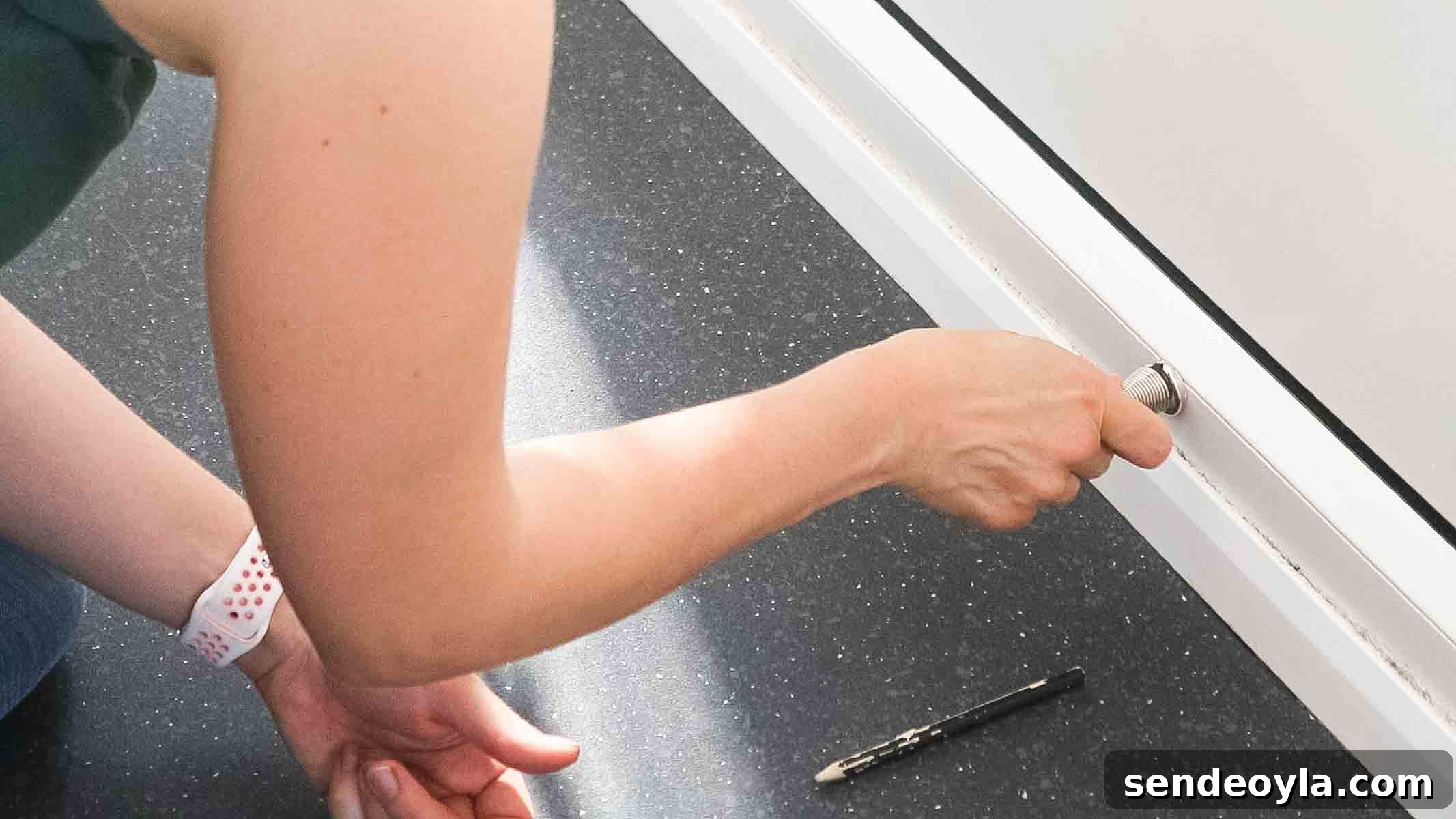
Attaching the Spring Door Stop
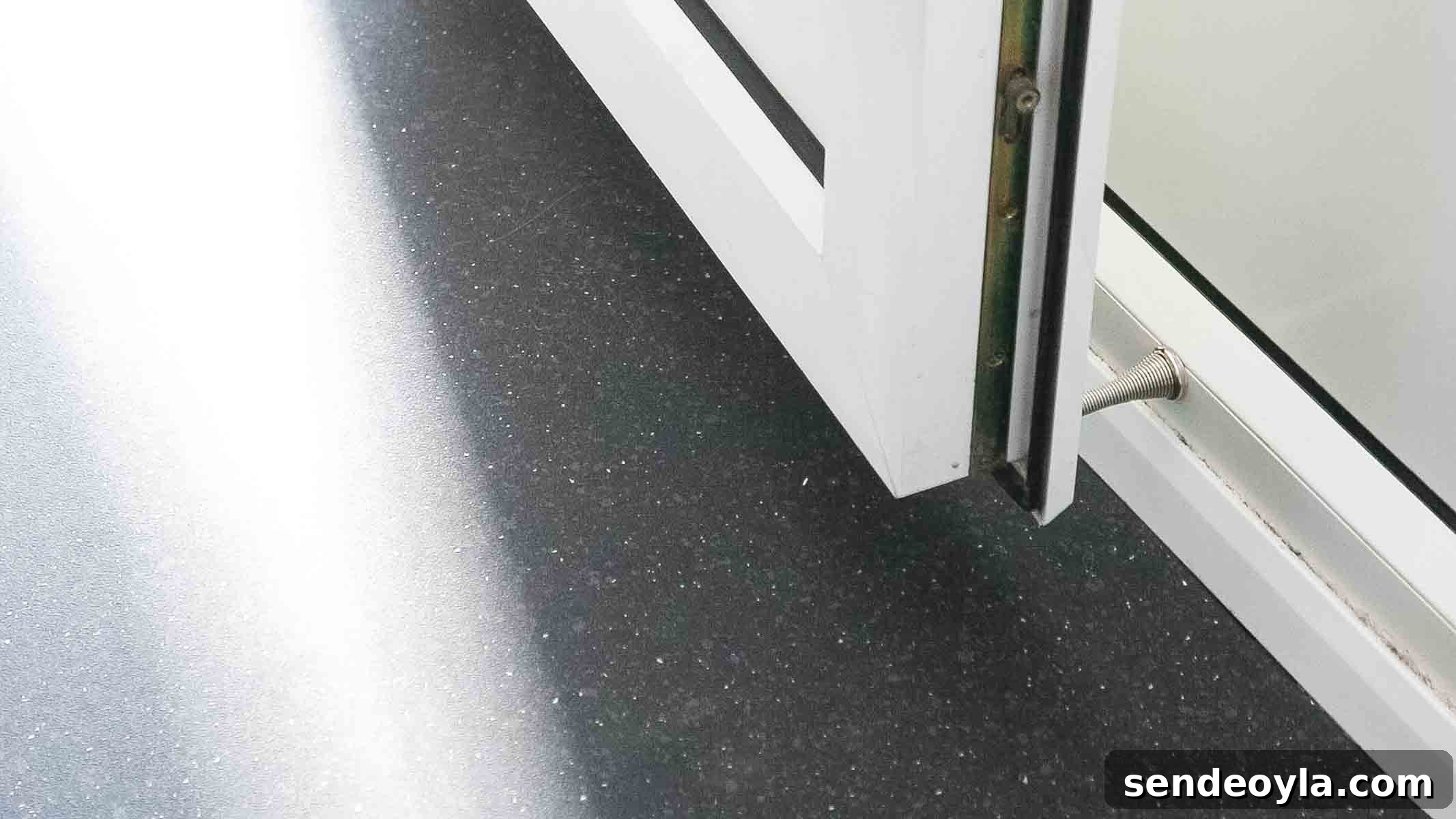
With the mounting plate secured, gently align the coil spring and twist it onto the plate until it clicks or seats into the small notch. Check the door’s travel: open the door slowly to ensure the rubber tip meets the handle or door at the desired point and that the spring absorbs the impact without slipping.
If the spring feels loose after fitting, remove it and check that the plate screw is fully engaged and that the screw is the correct length. Reposition and tighten as needed. A correctly installed spring door stop will prevent scuffs and dents and extend the life of both your door finish and the wall.
Tips, Maintenance and Troubleshooting
- Always test the door’s range of motion before final tightening to ensure the stop is positioned correctly.
- If you have small children or pets, consider a rubber or bumper-style stop for added safety and quieter impact.
- Periodically check the screw and the spring for wear. Tighten the screw if the spring starts to wobble.
- For painted skirting, consider pre-drilling and countersinking slightly, then fill and touch up paint for a clean finish.
- On very thin skirting, use short screws or back the board with adhesive or a small reinforcement block to prevent splitting.
Other Related Projects You Might Like
- How to Hang a Door
- Architrave for Doors DIY Guide
- How to Change a UPVC Door Lock
- Arch Doorway DIY for Plastering
- How to Build a Shed Door
- Knocking a Wall Through for a Doorway
- Changing a Door Mortice Sash Lock
- How to Fit or Replace Kitchen Door Hinges
- Applying Silicone Sealant Around UPVC Door
- Kitchen Cupboard Door Hinge Tear Out Fix
- How to Paint a Panel Door
- Replace a UPVC Door Handle
Installing a spring door stop is a quick and inexpensive way to protect your walls and door hardware. With the right fixings for your surface and a careful initial positioning, you can complete this job in just a few minutes and avoid future damage and repair work.