
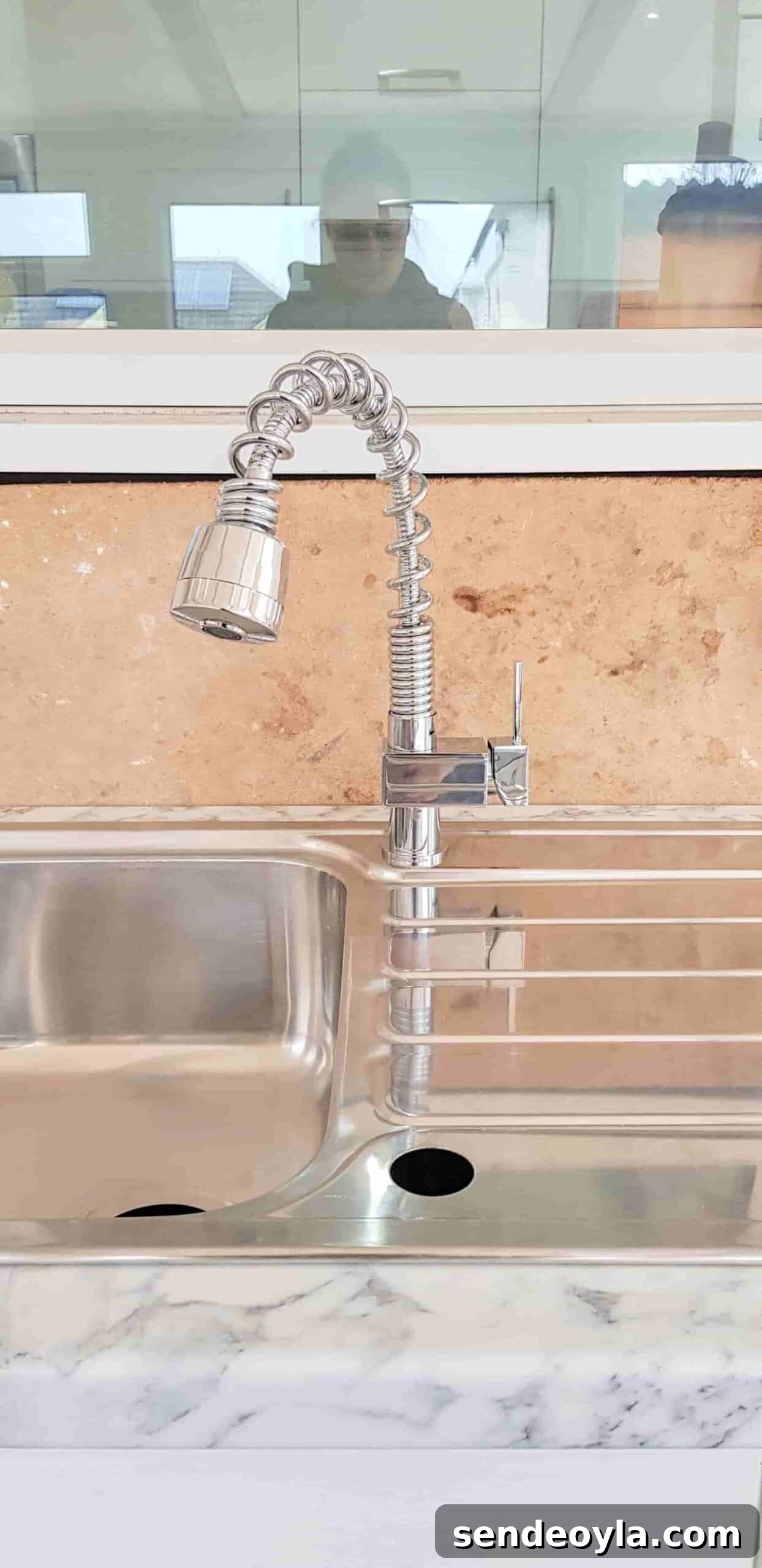
Here’s how I fitted a Vapsint monobloc mixer pull-out tap to Speedfit plumbing during my DIY utility kitchen build. It turned out to be easier than I expected.
Disclaimer: some links referenced in the original post were affiliate links, meaning a small commission may be earned on purchases at no extra cost to you.
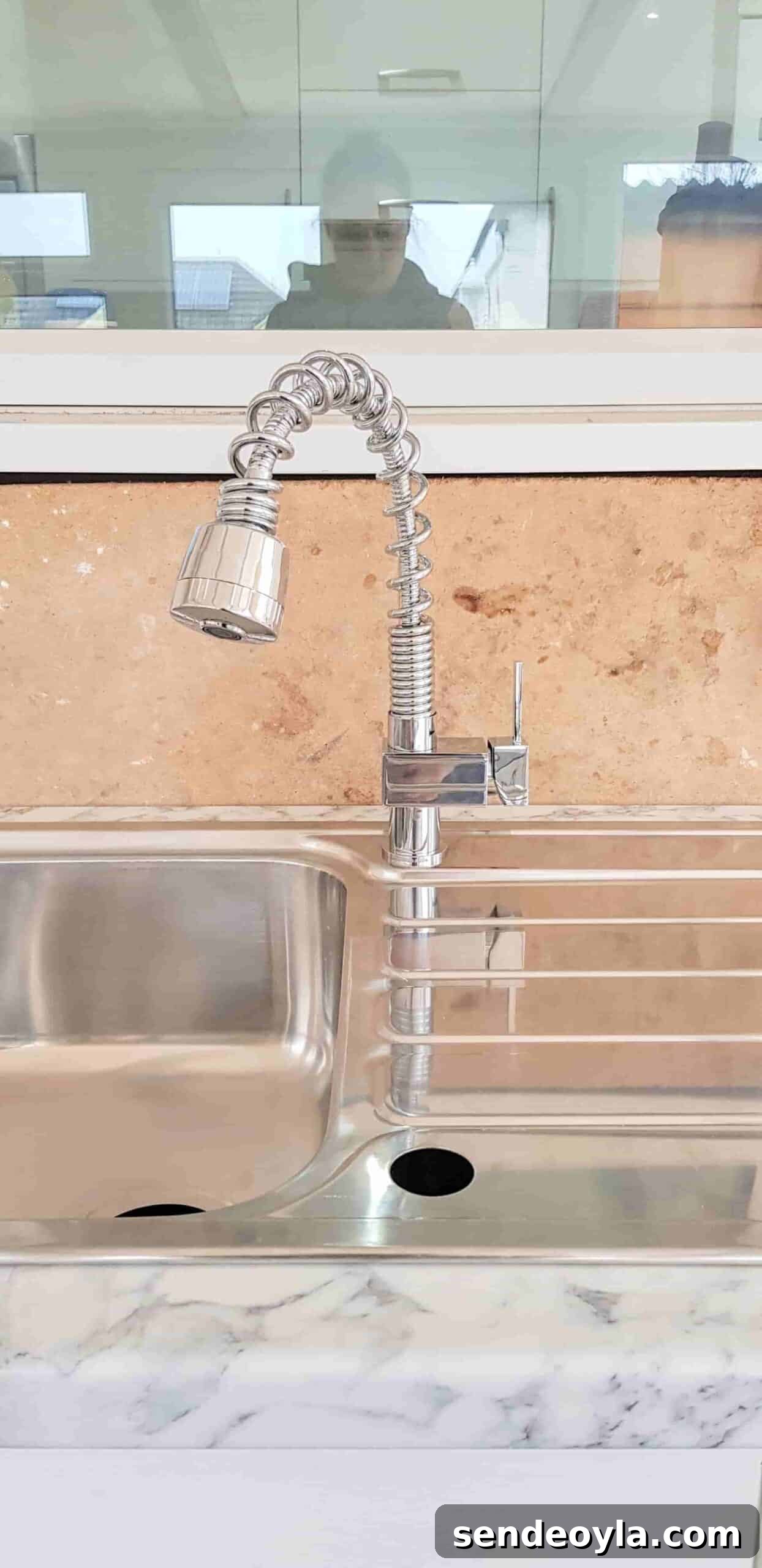
A little over a year ago I installed a utility kitchen in our conservatory as a DIY project. I decided to learn the work myself rather than hire a tradesperson, which made the project a rewarding challenge and taught me many practical skills.
One of the jobs I wanted was a pull-out kitchen tap. Installing one myself was liberating and boosted my confidence—now I know how to fit a quality pull-out mixer and connect it to plastic Speedfit plumbing if needed.
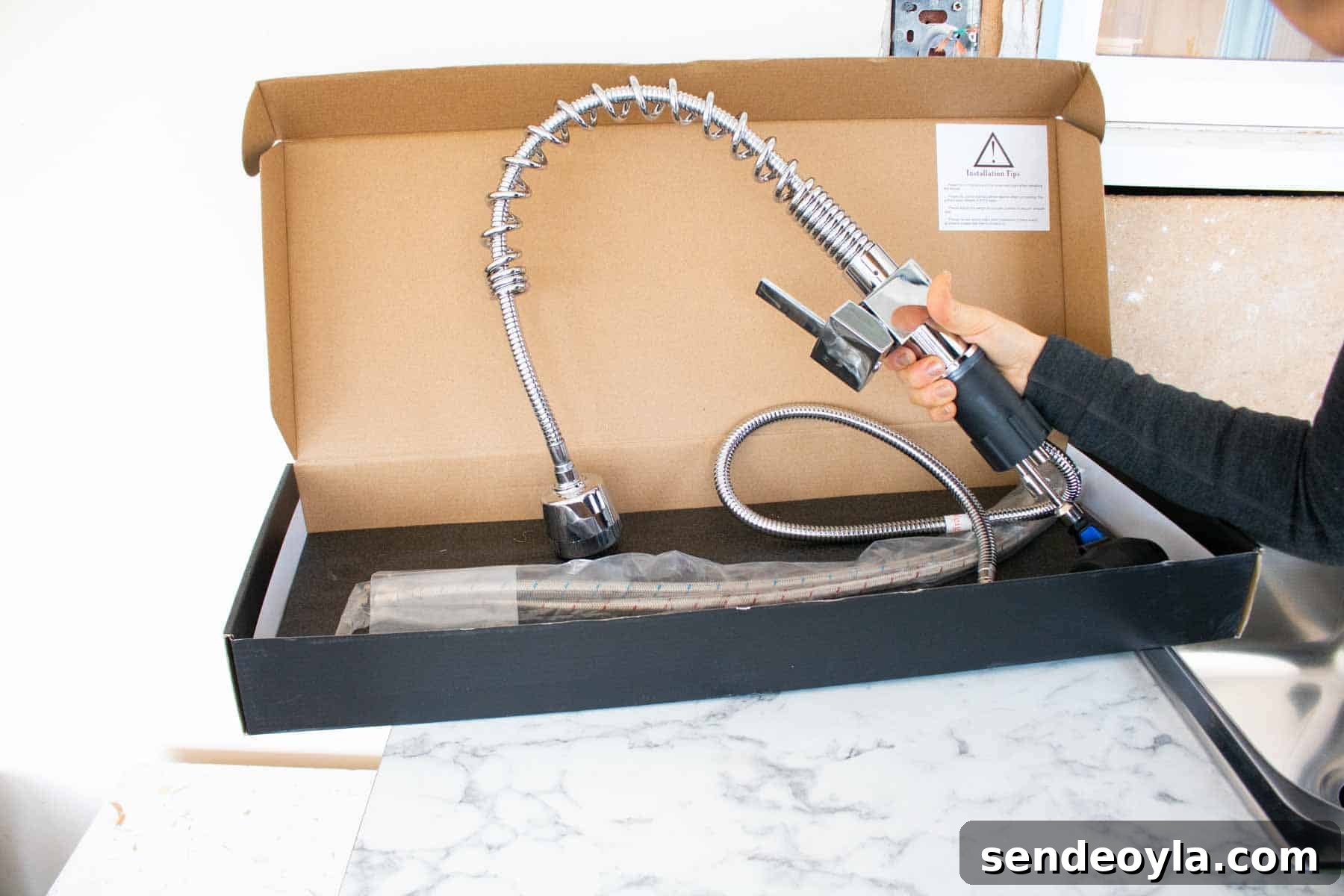
Fitting Our Vapsint Pull-Out Tap
At first, it can be confusing to know which parts and tools you need. Online stores sometimes suggest items you don’t actually need, especially if their recommendations don’t recognise that your plumbing is Speedfit push-fit (plastic) pipework.
If you’re new to Speedfit plumbing, it’s worth learning the basics before you start. For my build I used push-fit fittings and plastic hoses rather than traditional compression fittings—this changes which connectors you’ll need for a pull-out tap.
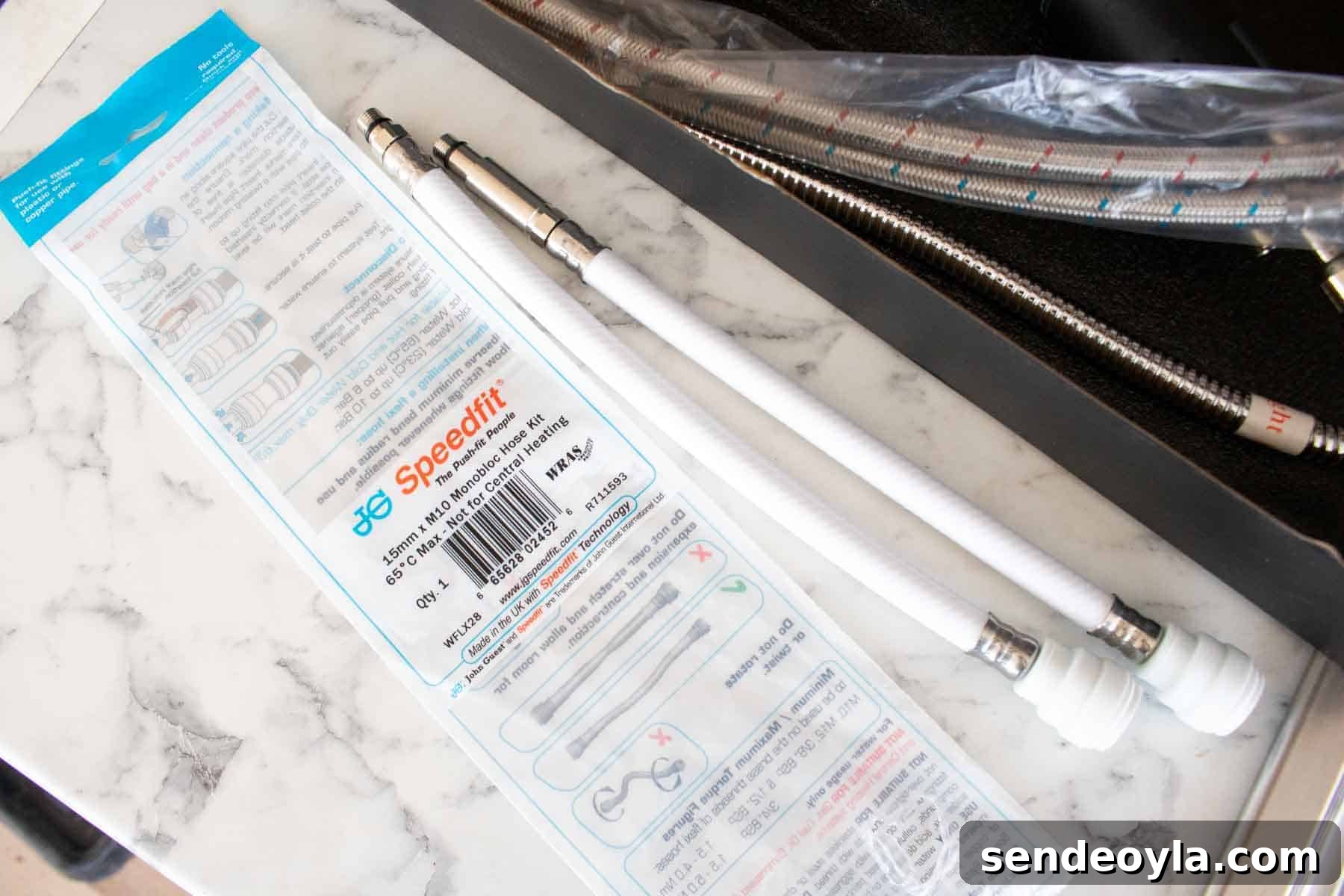
Fitting a Speedfit Monobloc Tap Connector to a Pull-Out Tap
The most important detail is to check the connection size on the tap. If you’re unsure, take the hoses or the tap to a supplier to confirm the correct connector size. In my case the tap hoses that come with the Vapsint unit didn’t match the Speedfit plumbing, so I purchased a suitable Speedfit monobloc hose kit designed to adapt the tap to 15mm Speedfit pipework.
Be aware that many pull-out taps come with flexi tails sized for traditional fittings, and these often won’t mate directly with push-fit Speedfit tubing without an adapter.
What to do if the Speedfit hose tails won’t fit
If the Speedfit connectors won’t fit or there isn’t enough space beneath the sink for the hose tails, there are alternate approaches. One option is to keep the existing flexi tails that shipped with the tap and connect those to brass isolation valves, then adapt from the valves to Speedfit fittings. This gives you isolation at the sink and allows you to use the existing connections where space is limited.
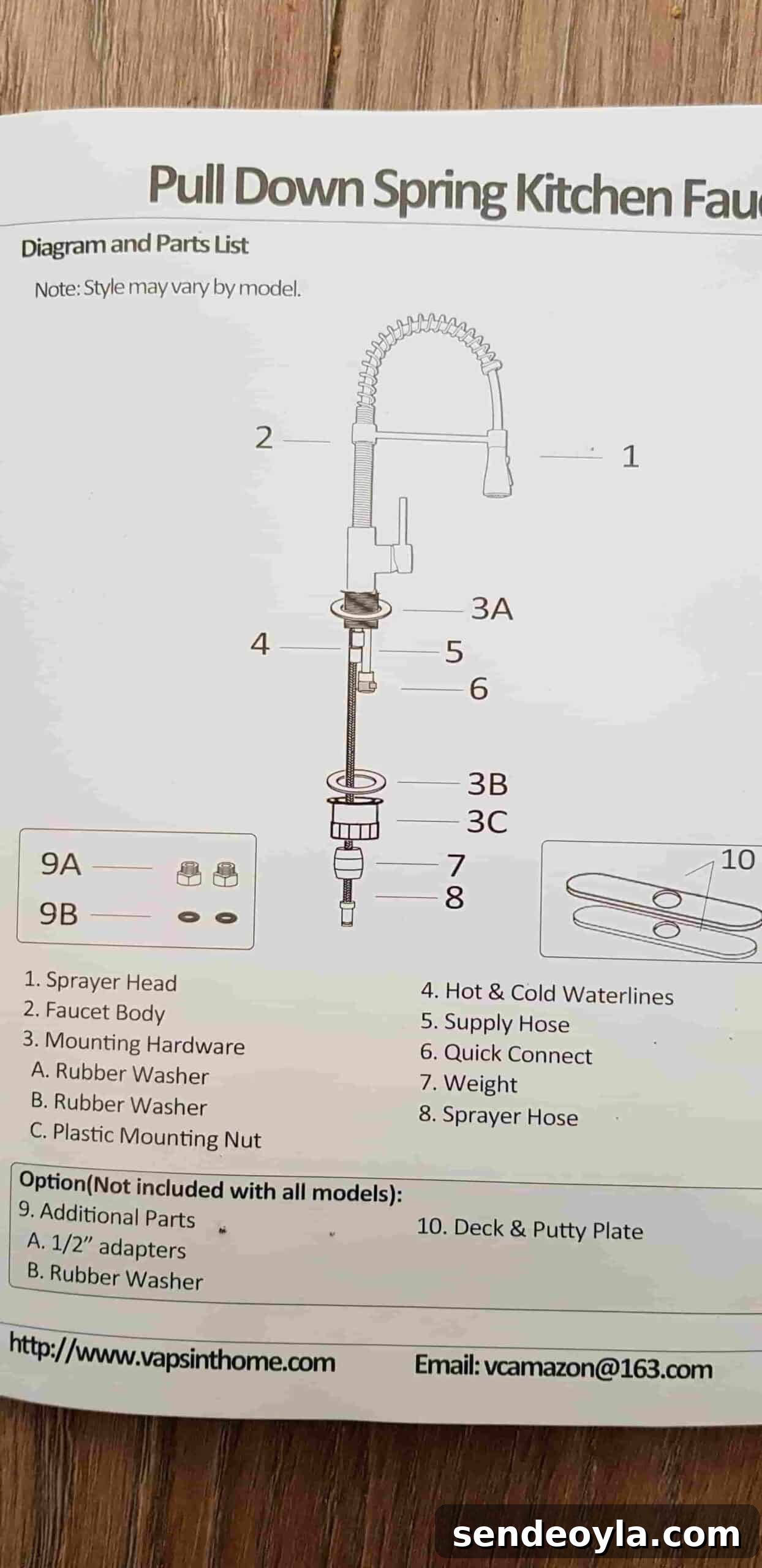
How to Fit the Vapsint Pull-Out Tap
If you can’t find the manufacturer’s leaflet, the basic assembly is straightforward. I prepared the tap by assembling the components on a bench for easier access before mounting it.
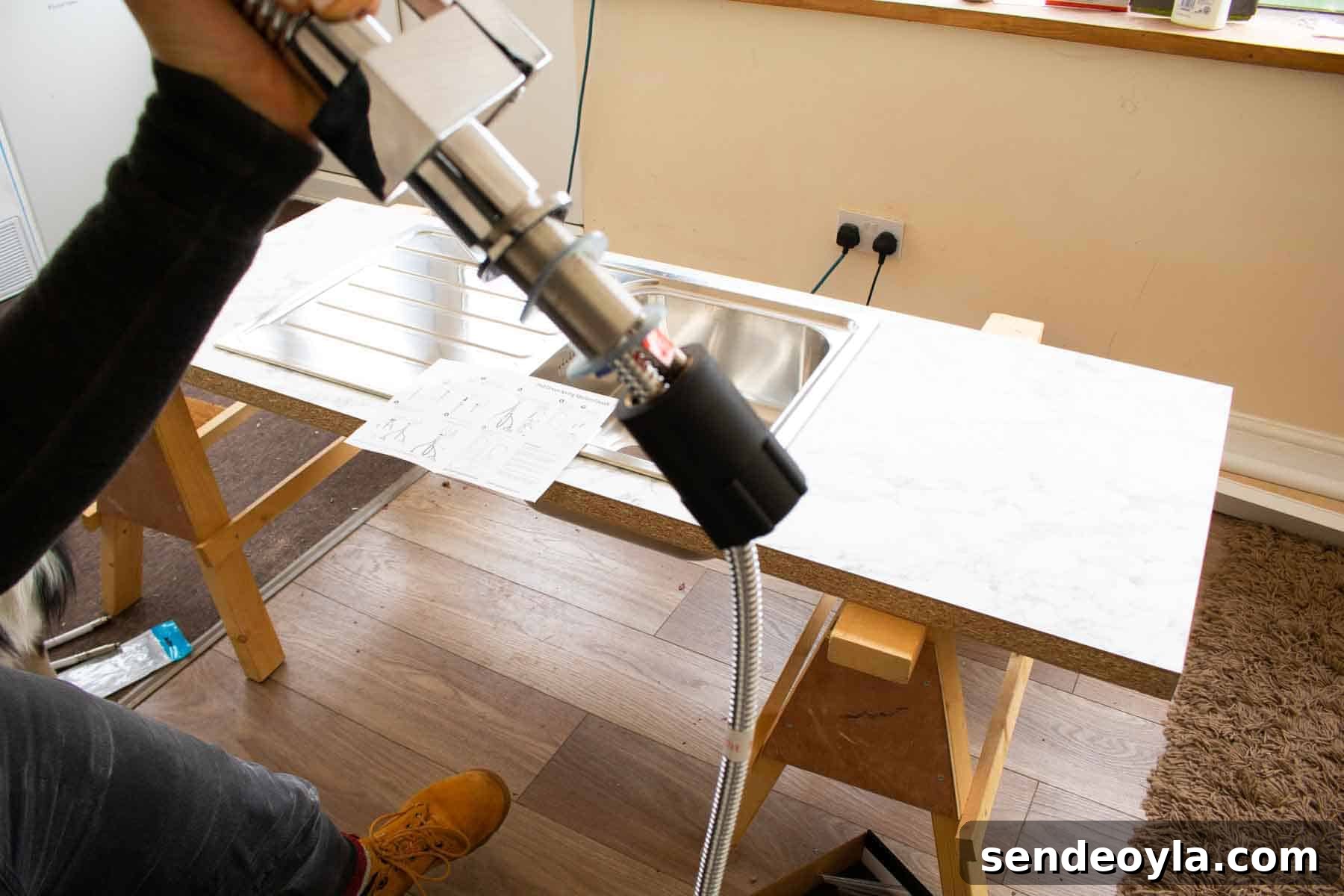
Working with the tap on sawhorses gave me much better access than trying to work under a fitted worktop. With the sink in place, the tap sits through the hole and from underneath you fit the rubber seal and the locking nut or black base as supplied.
Fit the rubber ring seals and position one under the worktop, then screw the locking cylinder or nut back in place from underneath so the tap is secured. If you haven’t cut a hole in a stainless sink yet, take care and follow guidance for drilling or cutting a tap hole safely.
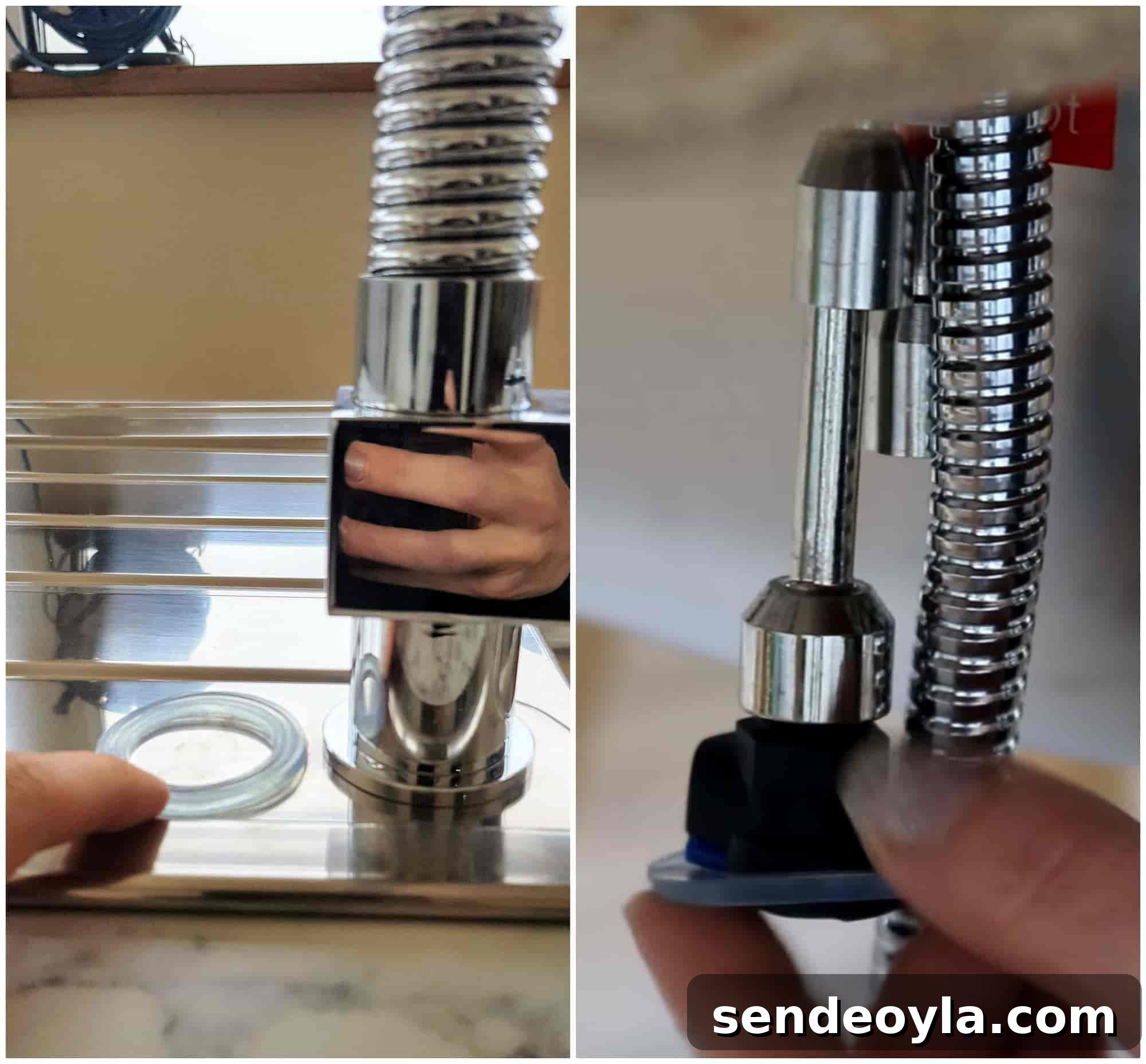
Slot the rubber seal into position under the worktop and tighten the securing nut until the tap is stable. The seal prevents water ingress and helps centralise the tap.
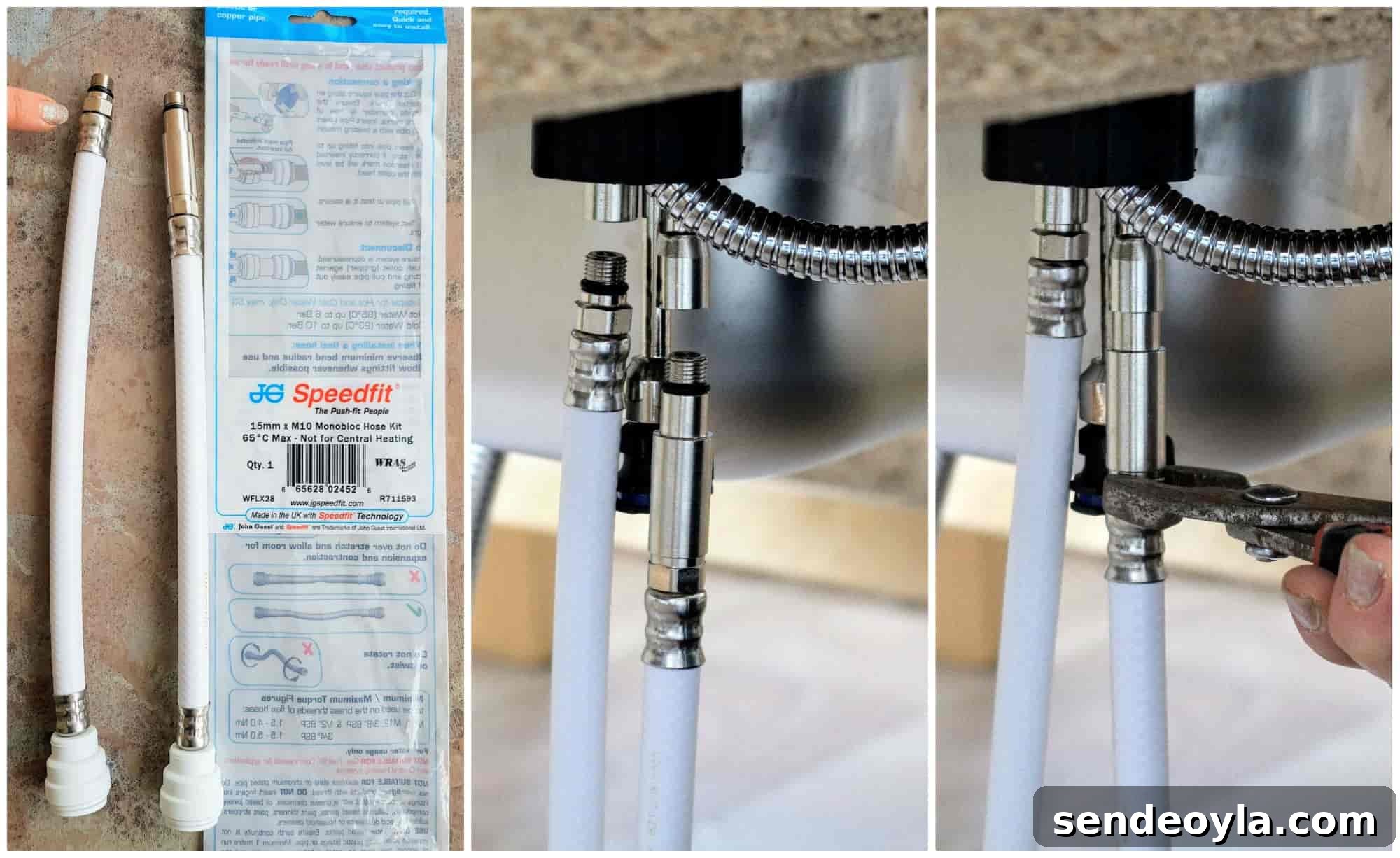
Connecting the Speedfit Hoses to the Pull-Out Tap
You might notice the Speedfit hose adapters look different at the top where they join the tap; that’s intentional to prevent them clashing while you fit them. To connect, slide each adapter onto the tap hose and grip and twist the metal nut or fitting only—avoid twisting the flexible hose itself to prevent damage.
Tighten the connections so they’re secure: I typically hand-tighten and then add a small extra quarter turn with a wrench. Avoid overtightening, which can damage threads or deform seals.
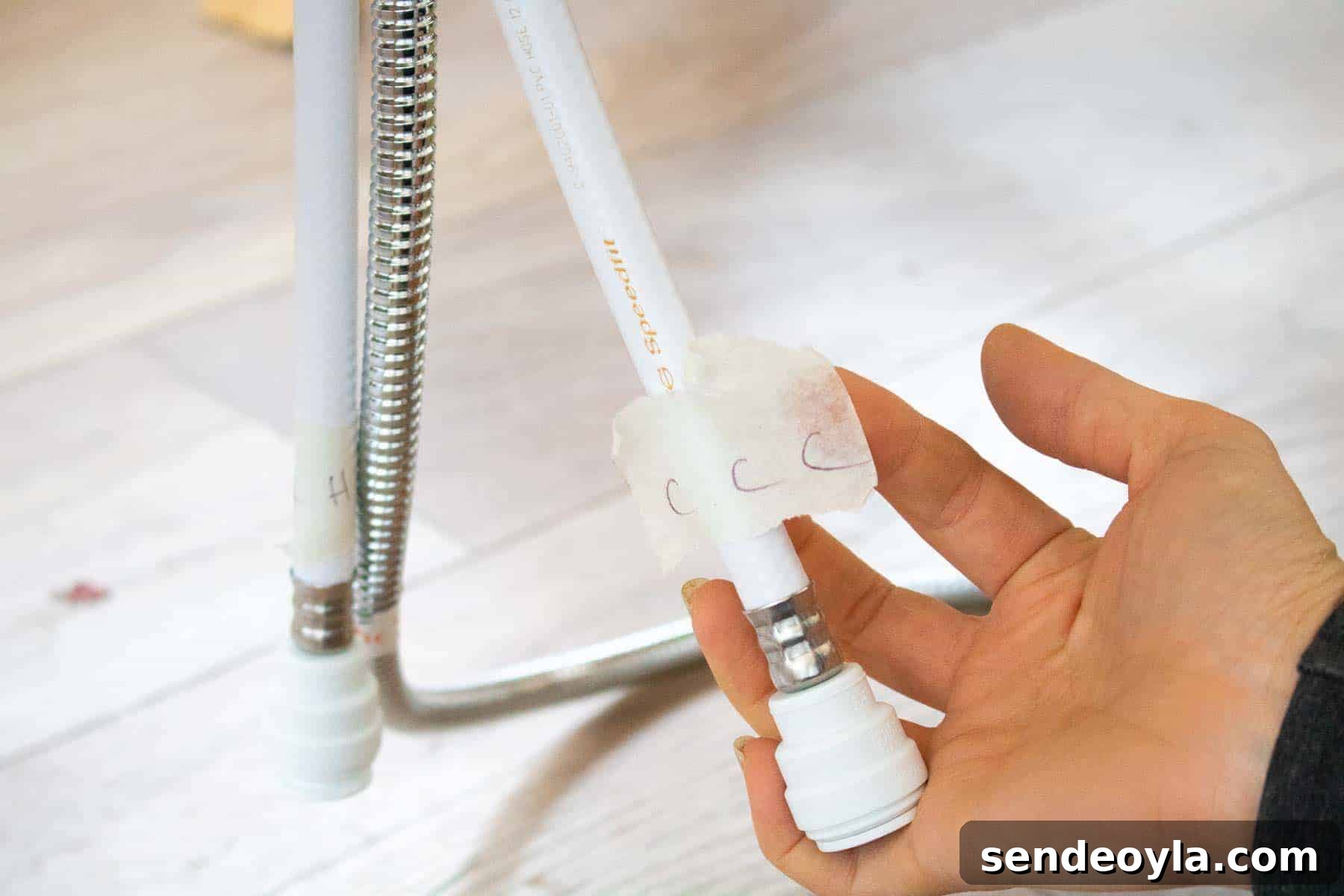
Label Which Hose Is Hot and Which Is Cold
Before finalising the plumbing, label the hoses so you know which is hot and which is cold. The tap body usually indicates which side is which. Marking them now prevents confusion when you connect to the supply lines and ensures the mixer functions as expected.
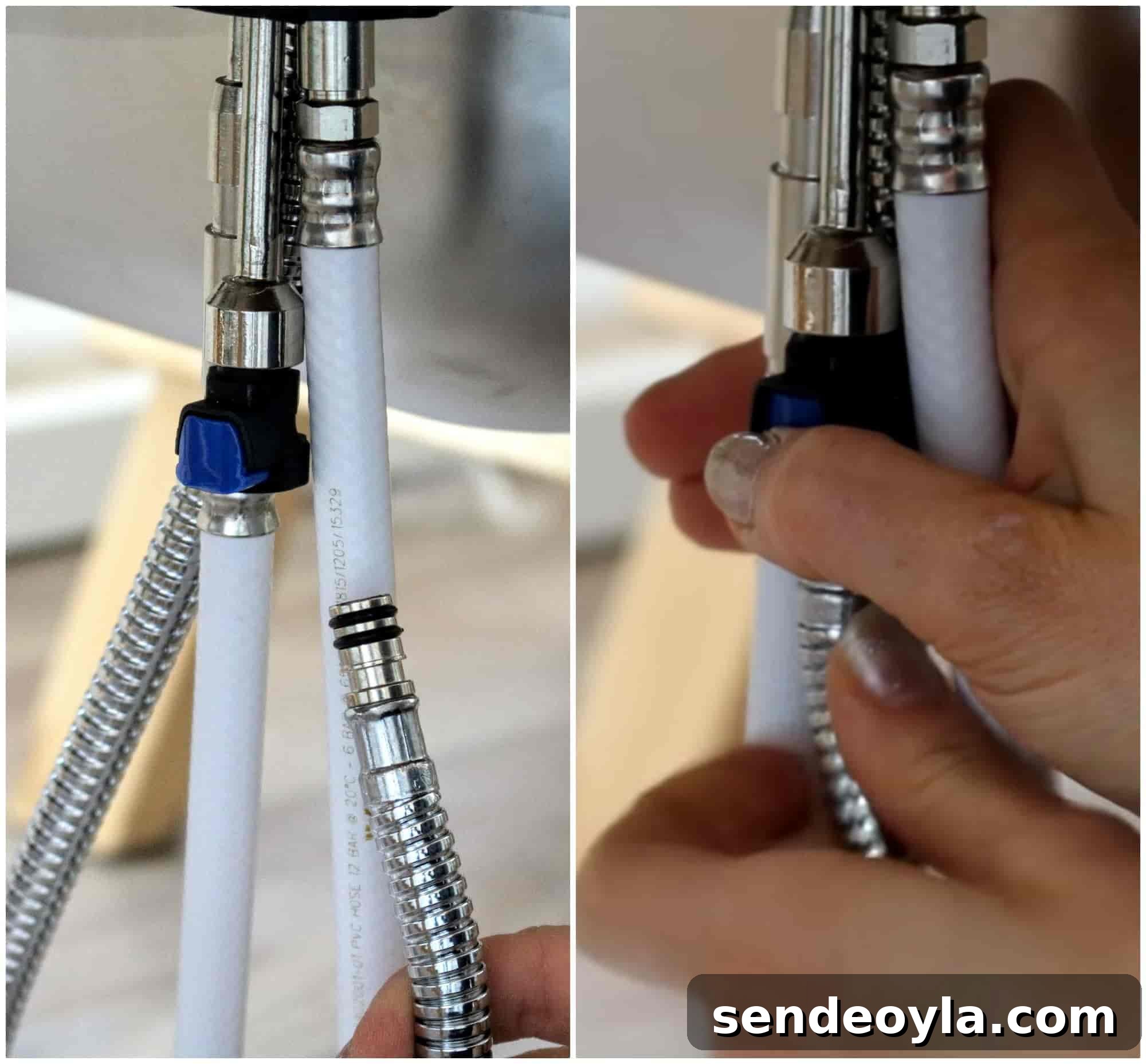
Attach the internal chain or guide for the pull-out spout as shown by the manufacturer, then add the weight that allows the hose to retract smoothly.
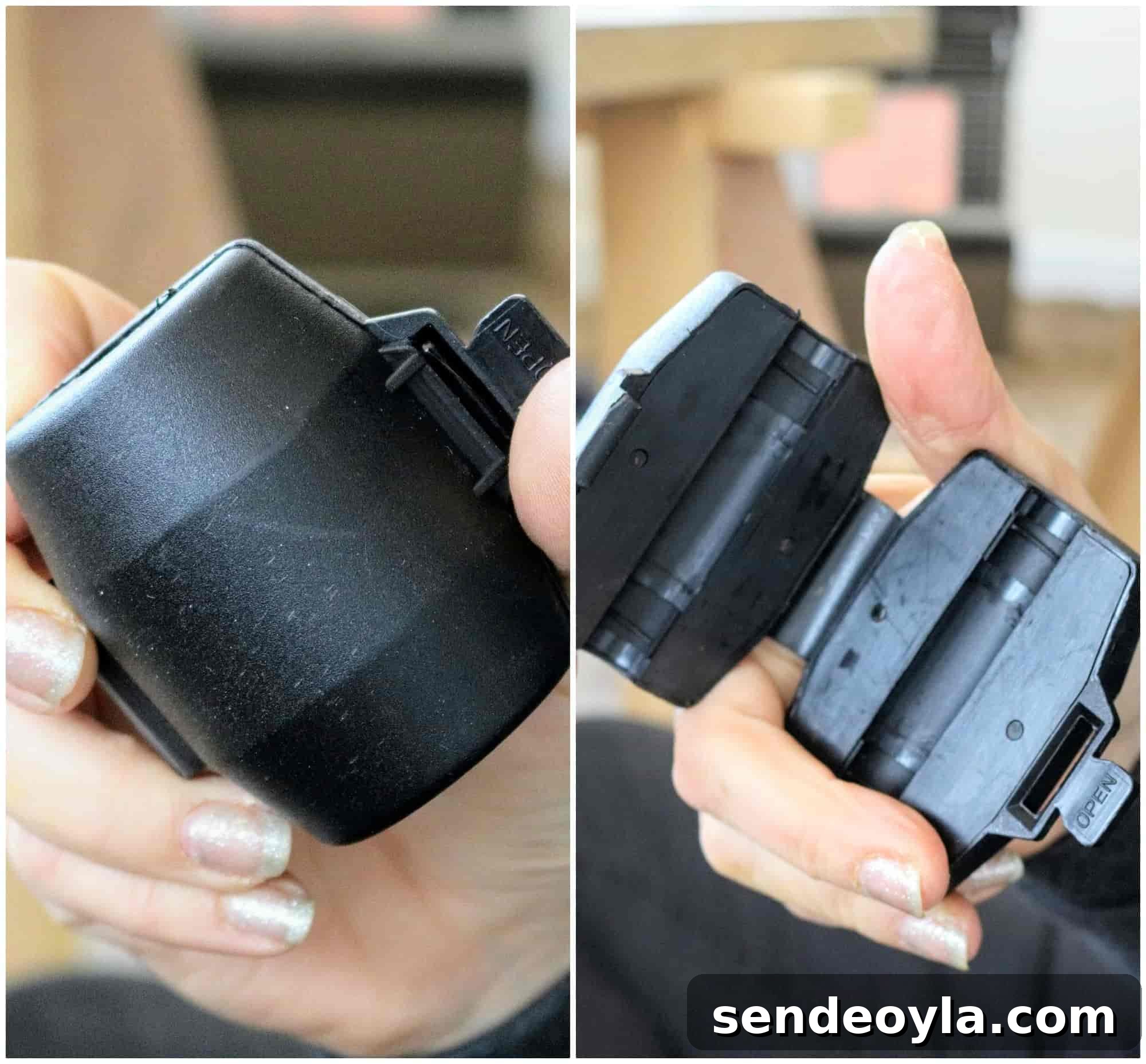
How a Pull-Out Tap Retracts
Pull-out taps typically use a removable weight that clips onto the hose or chain beneath the sink. The Vapsint unit uses a fairly large rubber weight that unclips and clips around the hose chain. You may need to try a couple of positions to get the best tension and retraction; many weights have a guide sticker to help you locate the optimal position.
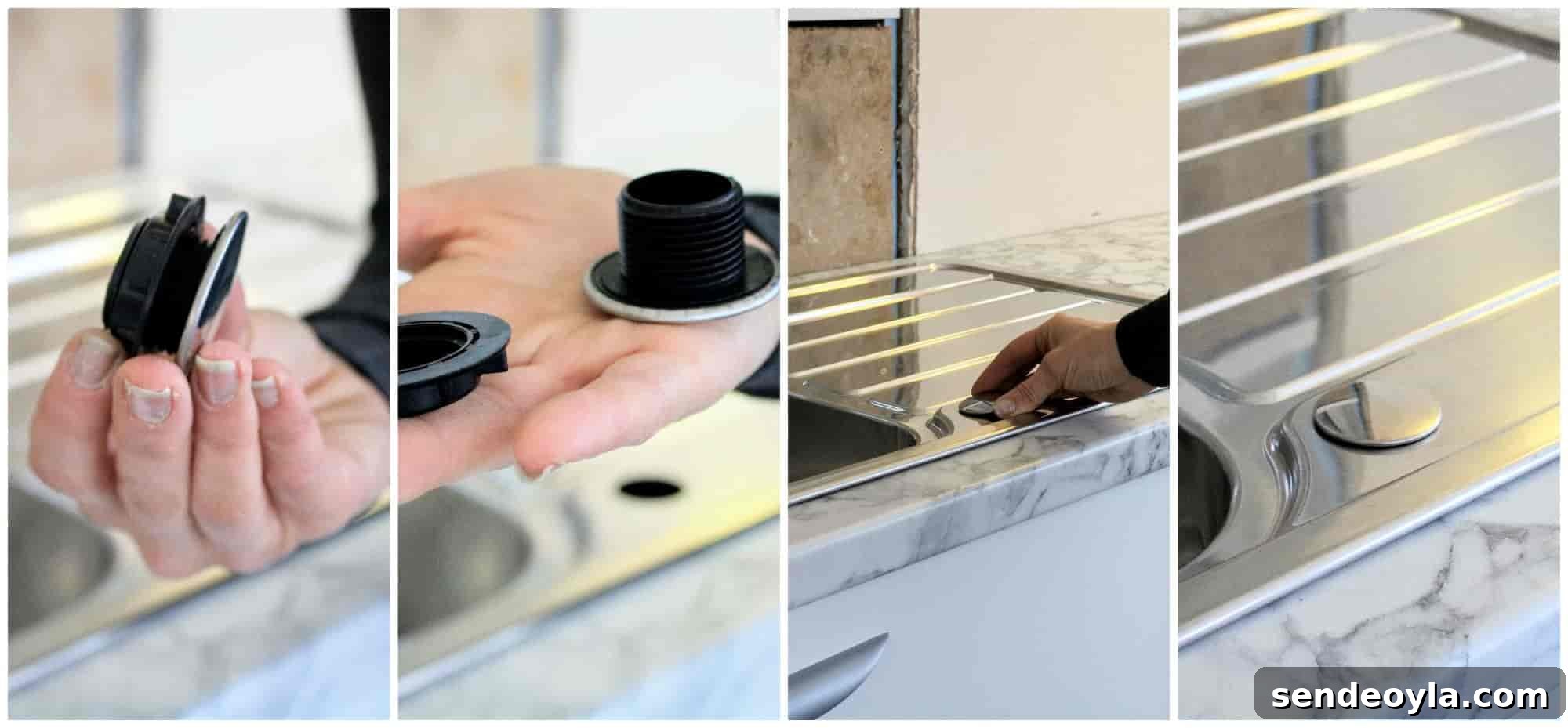
If You’ve Used a Reversible Sink
If your sink is reversible and came with pre-cut tap holes, fitting is often simpler because you don’t need to cut a hole. However, you’ll usually want to cover the unused pre-cut hole. I unscrewed the cover and sandwiched it in place to make a neat finish around the fitted tap.
Connecting the Tap to the Rest of the Plumbing
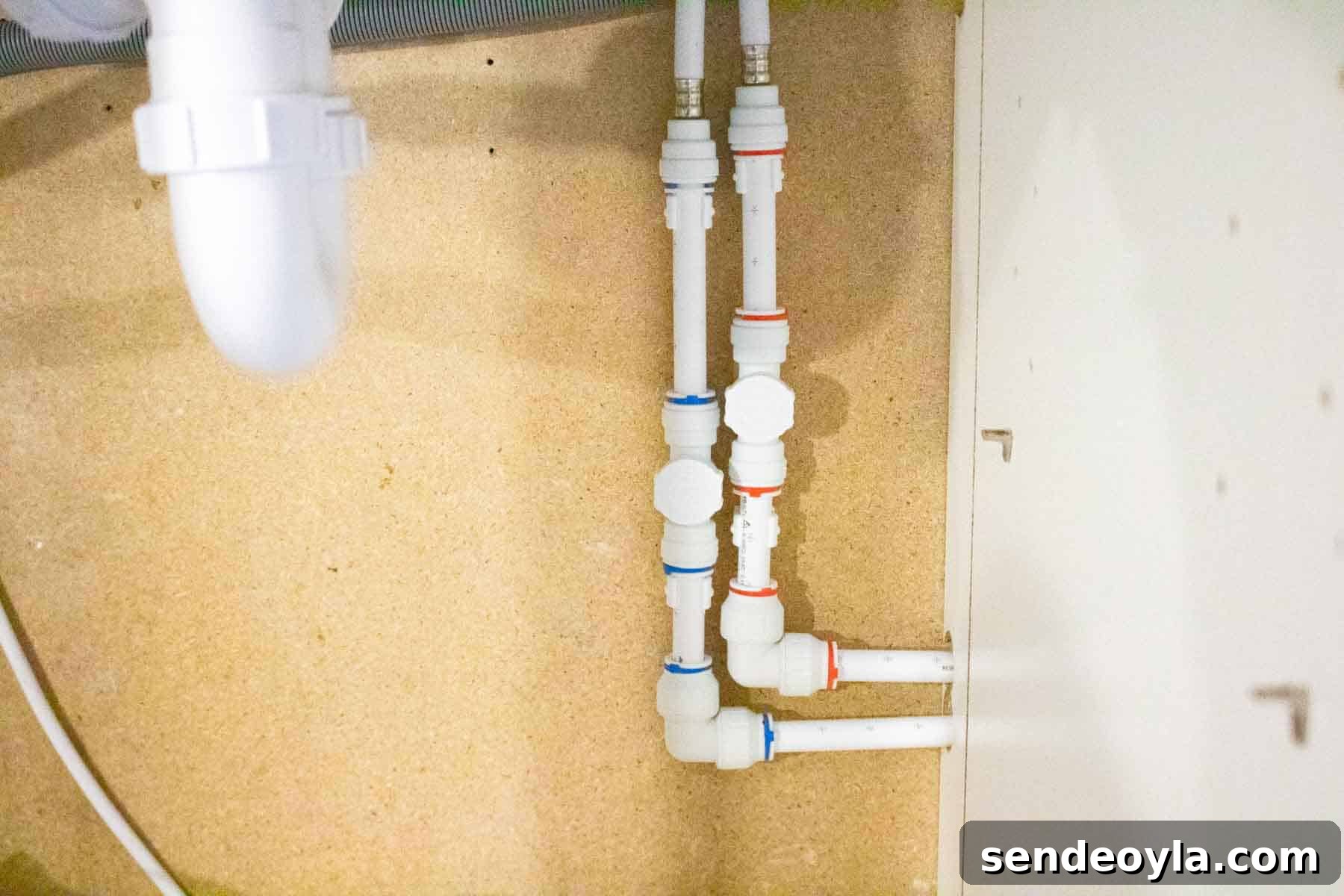
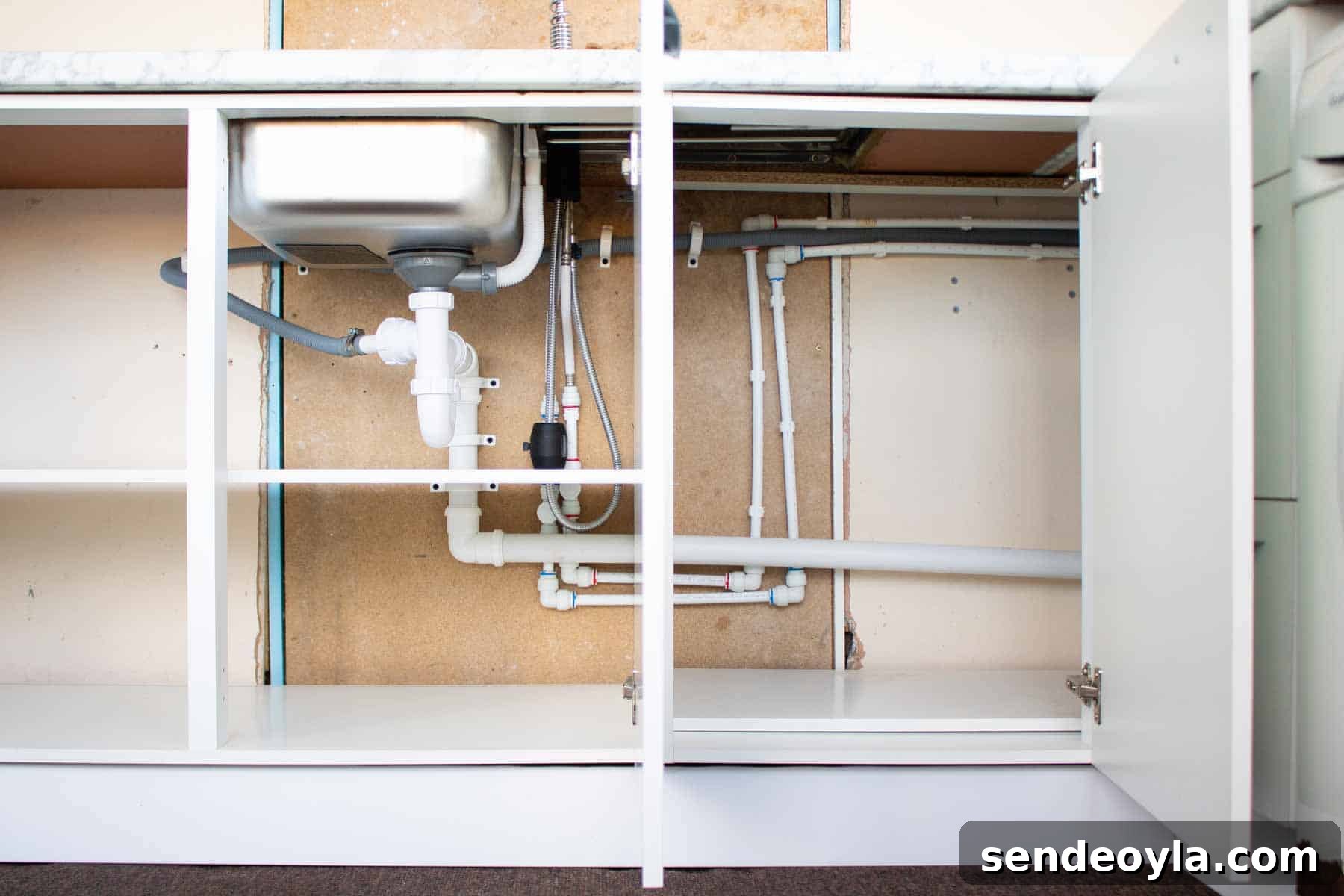
Once the tap is secured and the hoses are fitted, connect the Speedfit hoses to the household supply. It’s best practice to install isolation valves on both the hot and cold feeds so you can shut off the water locally for maintenance or in an emergency. Push-fit Speedfit fittings make this connection straightforward and are ideal for DIY work.
If you’re not yet comfortable with making the final supply connections, consult detailed guidance specific to Speedfit installation or consider asking a qualified plumber to check your work for peace of mind.
Save This Guide for Later
More Kitchen Fitting Projects
If you enjoyed this walk-through, I’ve documented a range of kitchen fitting projects and step-by-step tutorials covering everything from plumbing with Speedfit to installing sinks and cabinets. These guides are useful if you’re planning a similar DIY kitchen build and want to learn the practical steps involved.