
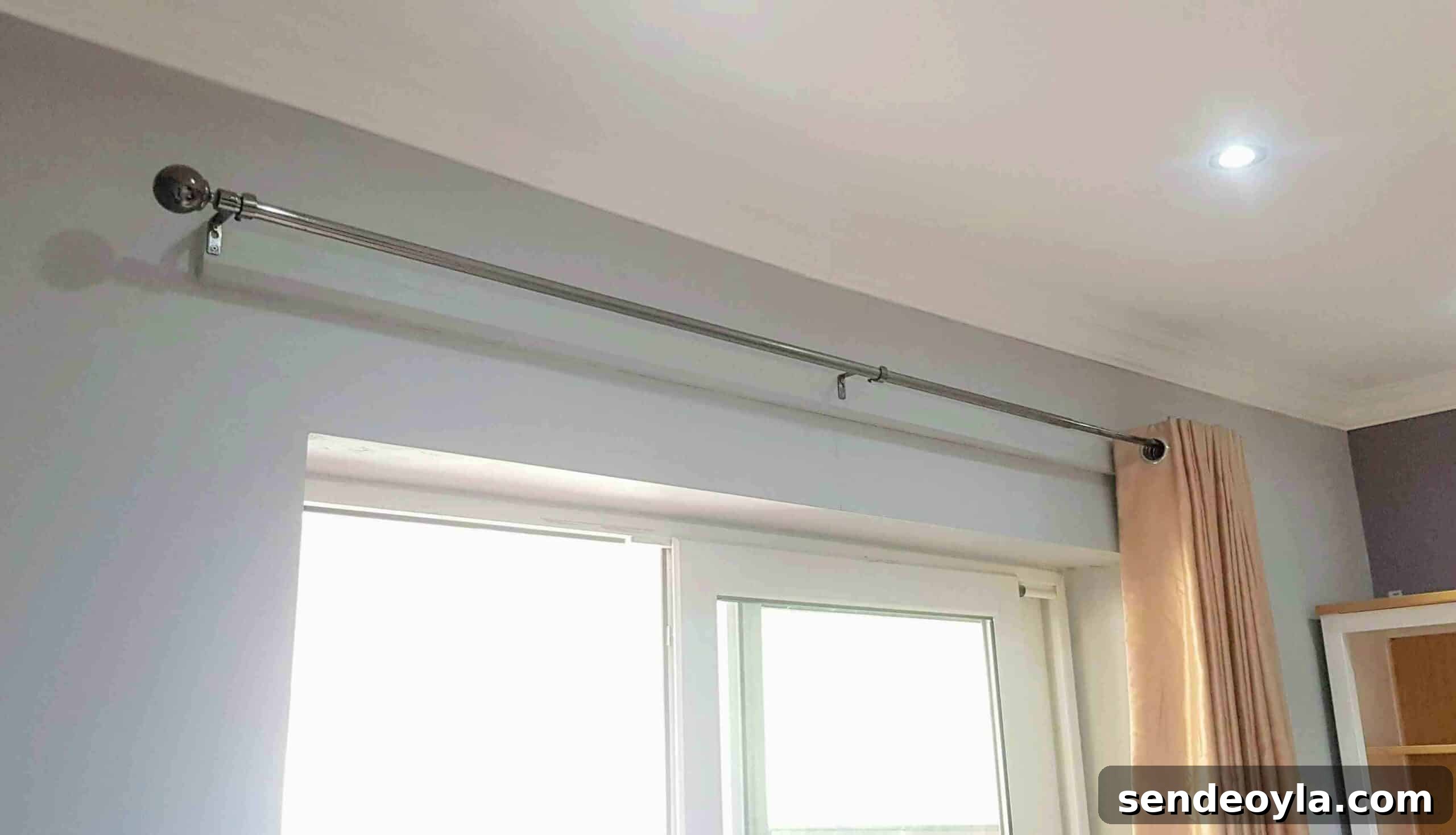
This guide shows how I hung a curtain pole without drilling into a steel lintel by fixing the pole to a glued wooden batten. I used a strong grab adhesive—Evo-Stick “Sticks Like Sh*t”—to bond the batten to the wall, then screwed the curtain brackets to the batten.
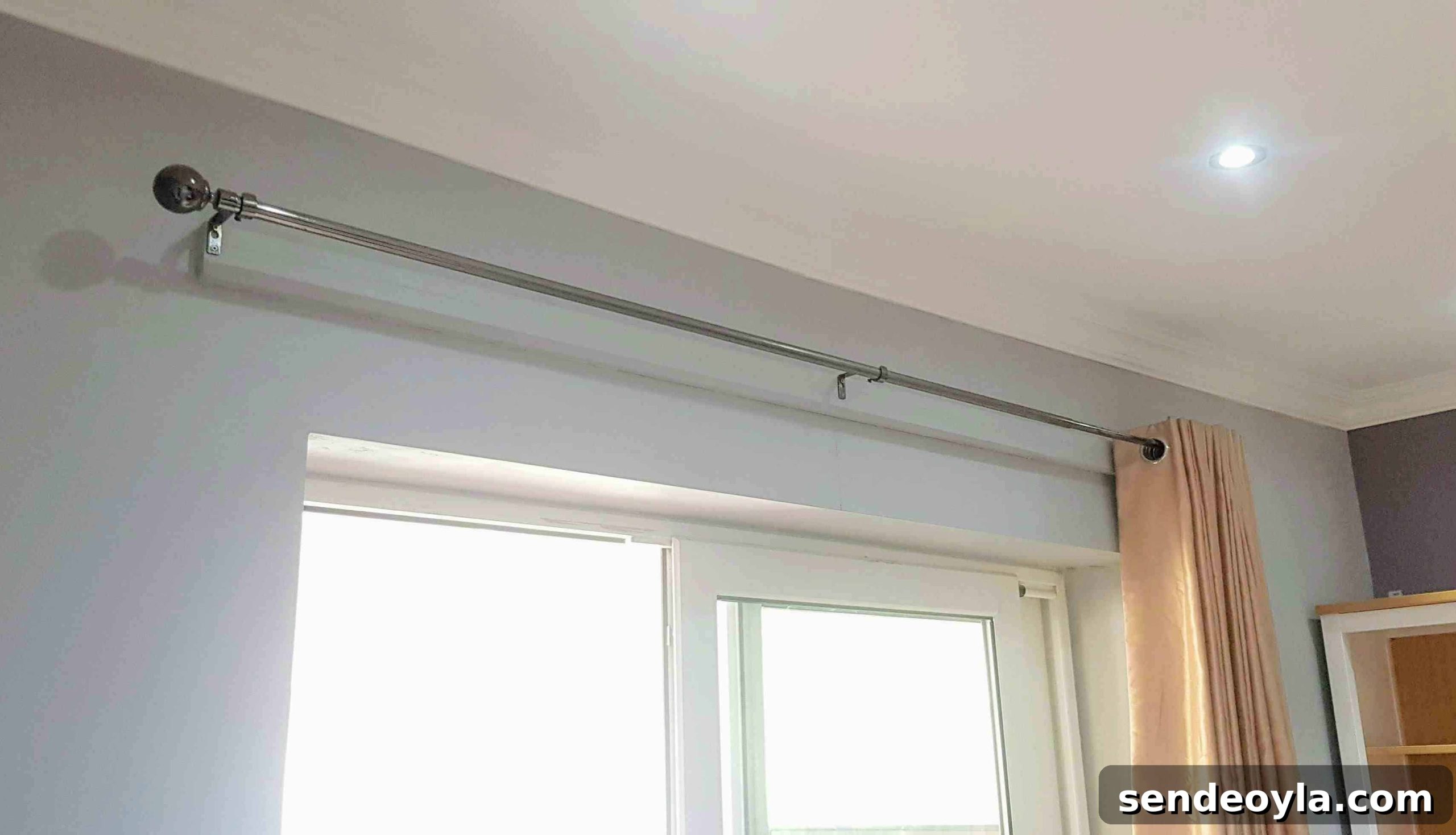
Over the years my husband and I have fitted several curtain poles. Usually it’s straightforward—measure, drill, and use the correct plasterboard or masonry fixings. Recently, however, we hit a problem: while attempting to drill above a window we suddenly couldn’t bore through and realised we had hit the steel lintel. Without an SDS drill available, drilling further wasn’t an option.
Because the curtains were already the right length and very lightweight, we decided to avoid shortening them and instead fixed a timber batten to the wall and attached the pole to the batten. For the adhesive I chose a high-strength grab adhesive that many people recommend—Evo-Stick Sticks Like Sh*t.
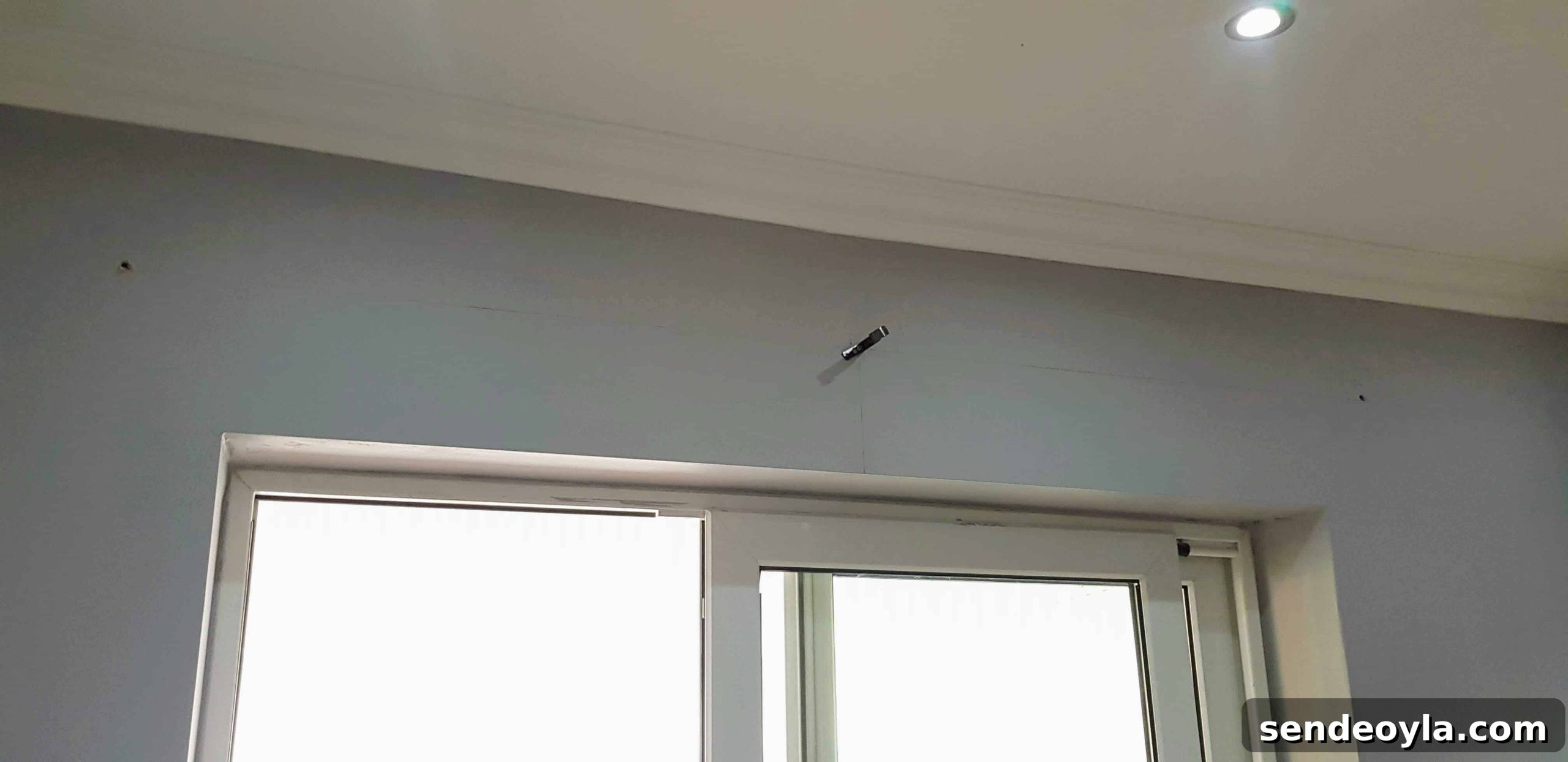
How to Put Up a Curtain Pole With a Wooden Batten
The basic idea is simple: glue a solid wooden batten to the wall where you want the curtain pole, let the adhesive cure, then pre-drill into the batten and screw the curtain pole brackets in place. The batten should be deep enough to accept the screws for the brackets and long enough to span the area where you need support.
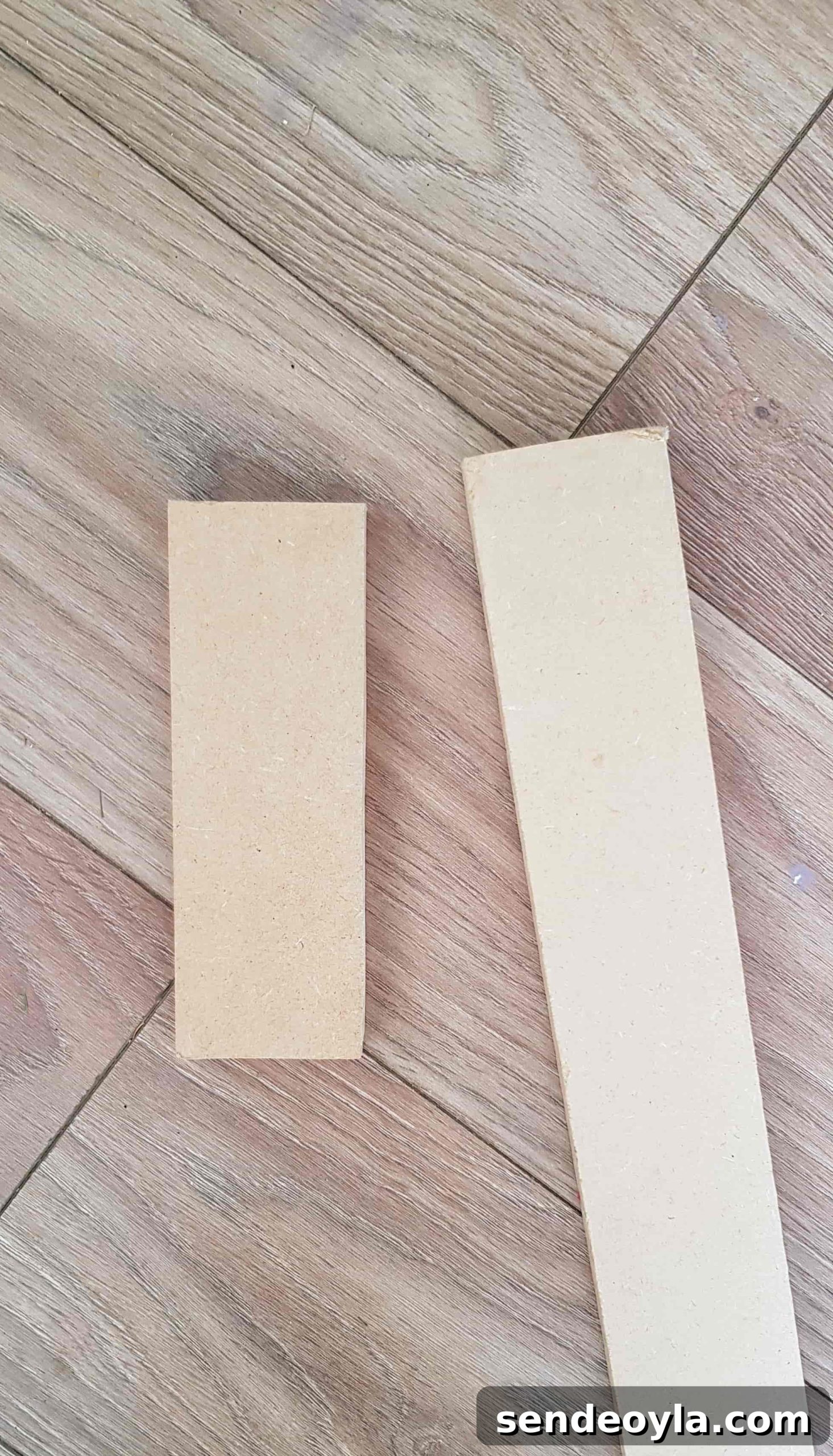
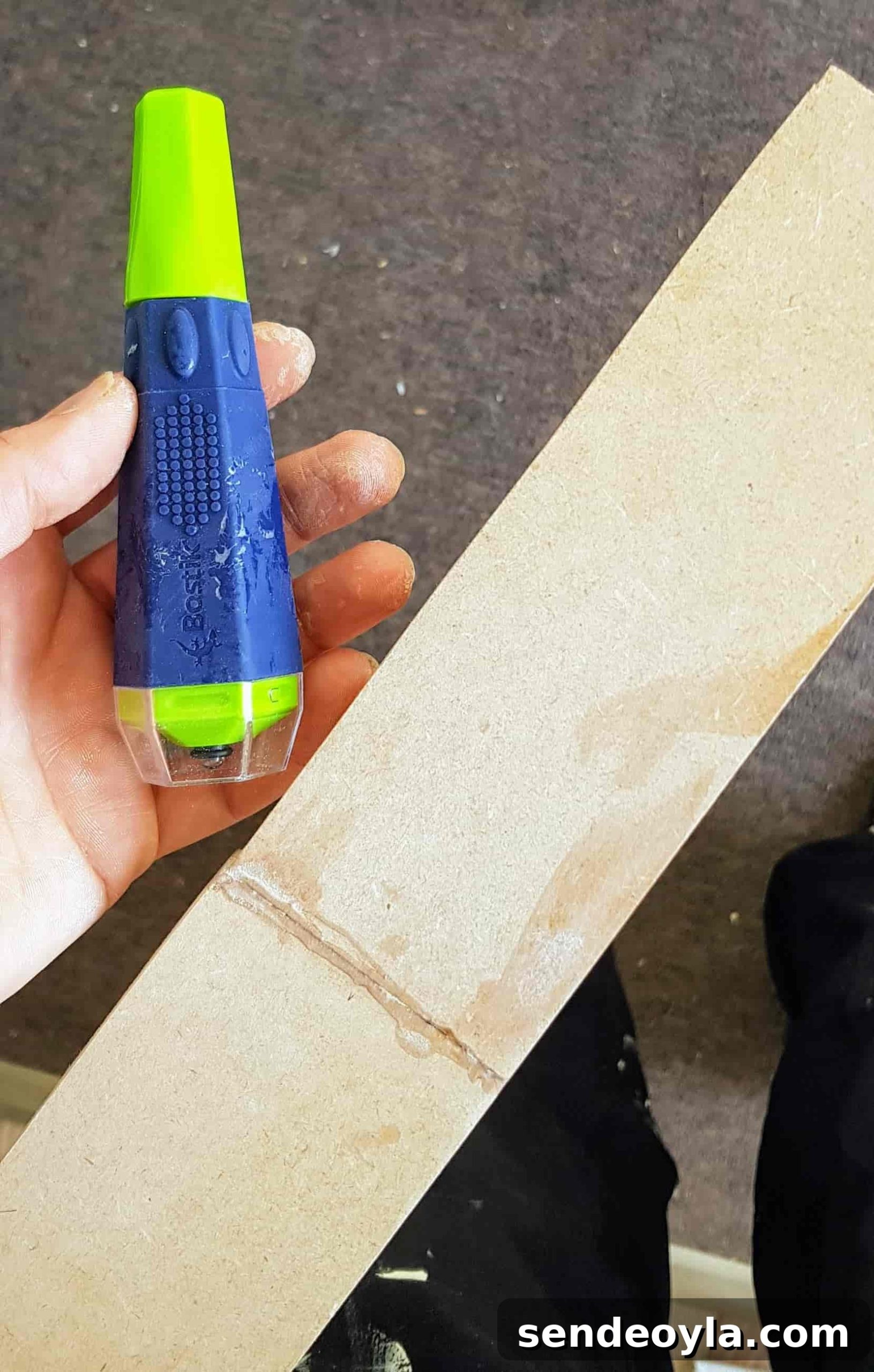
If you only have shorter offcuts, glue them together to create the required length. I used Bostik Fix & Flash to join two pieces quickly before fixing the assembled batten to the wall. If you have one long, straight length of timber, that’s ideal and saves a step.
Marking and Positioning
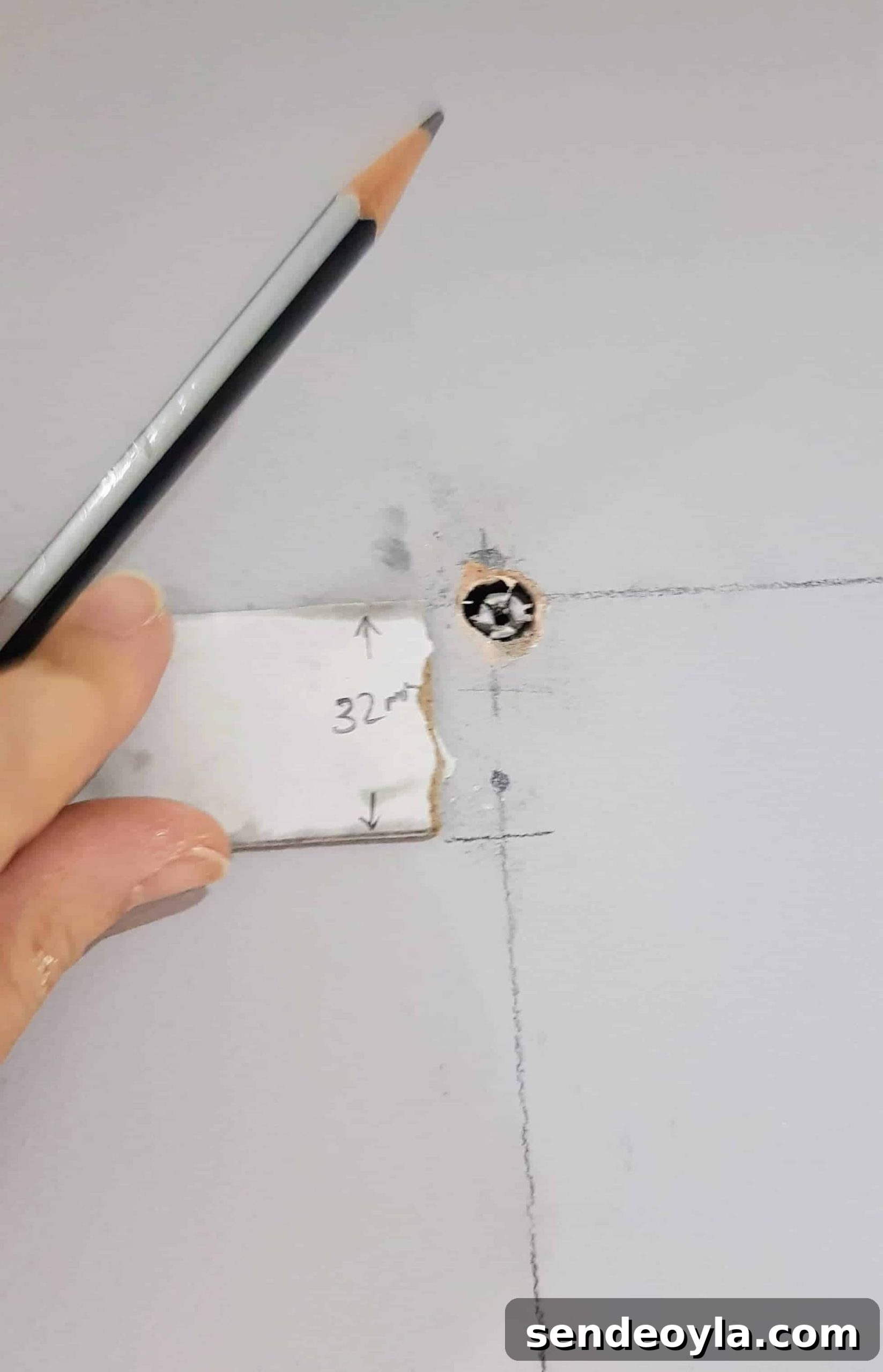
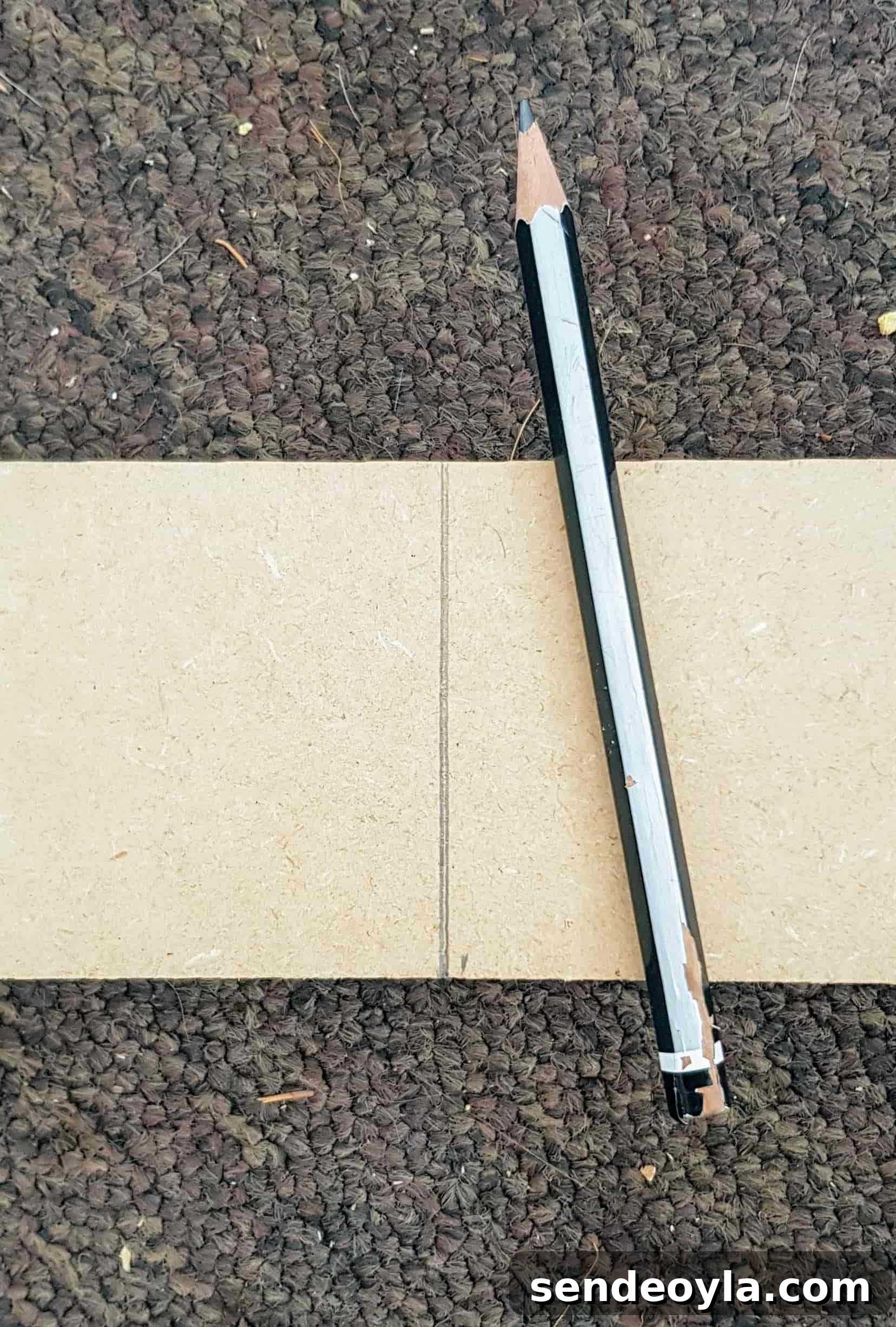
Measure and mark the centre of your window on both the wall and the batten—this helps you align the pole correctly. Mark where the curtain pole should sit using a spirit level to draw a straight line at the desired height. If you normally drill into brick or block, follow your usual pre-drilling and plug routine; this batten method is particularly useful when drilling isn’t possible.
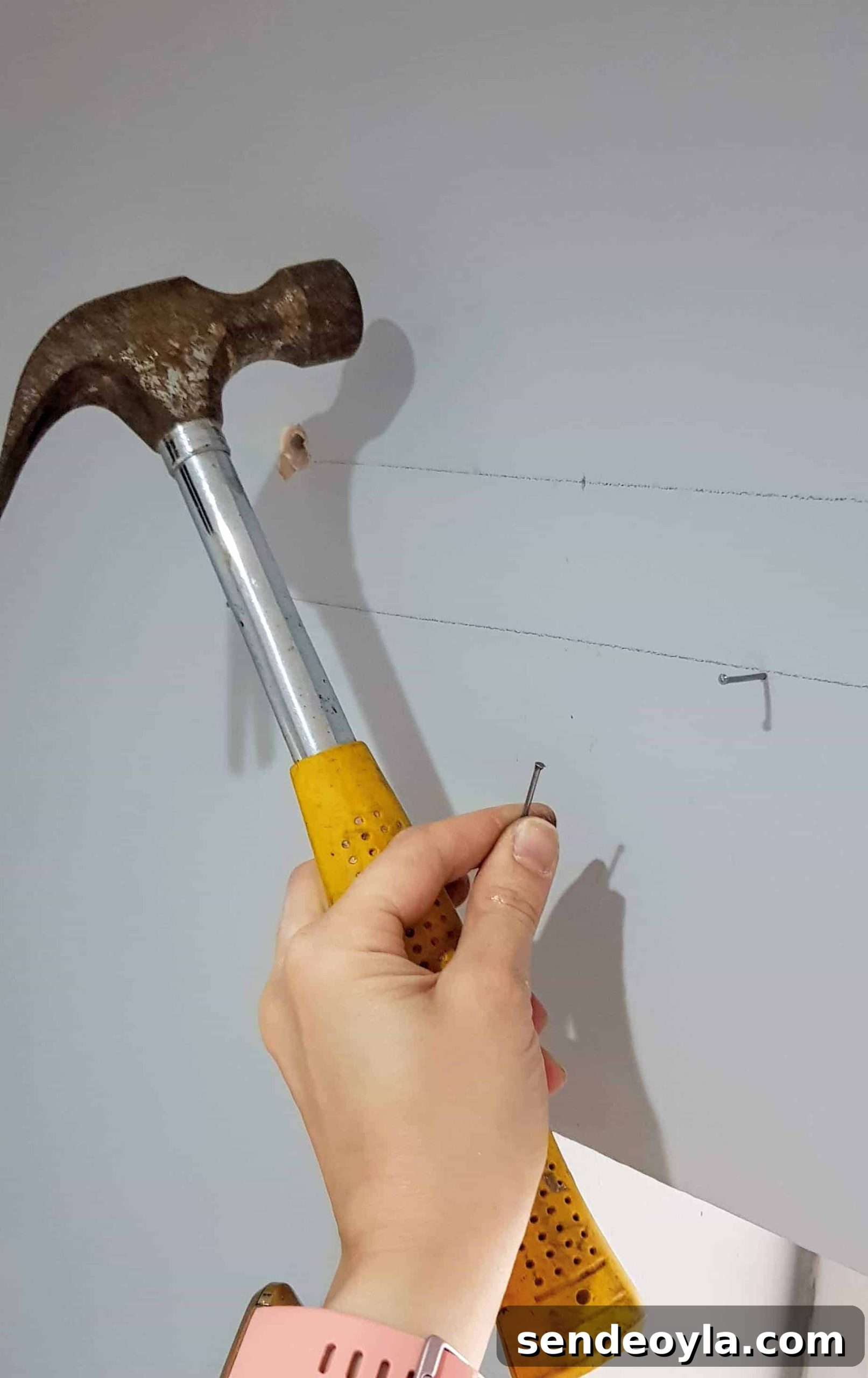
To help position the batten while the adhesive cures, use small tack pins or short nails hammered along the bottom pencil line. These act as temporary supports and keep the batten level and in place while the adhesive sets. Space the pins about every 30 cm.
Applying the Adhesive
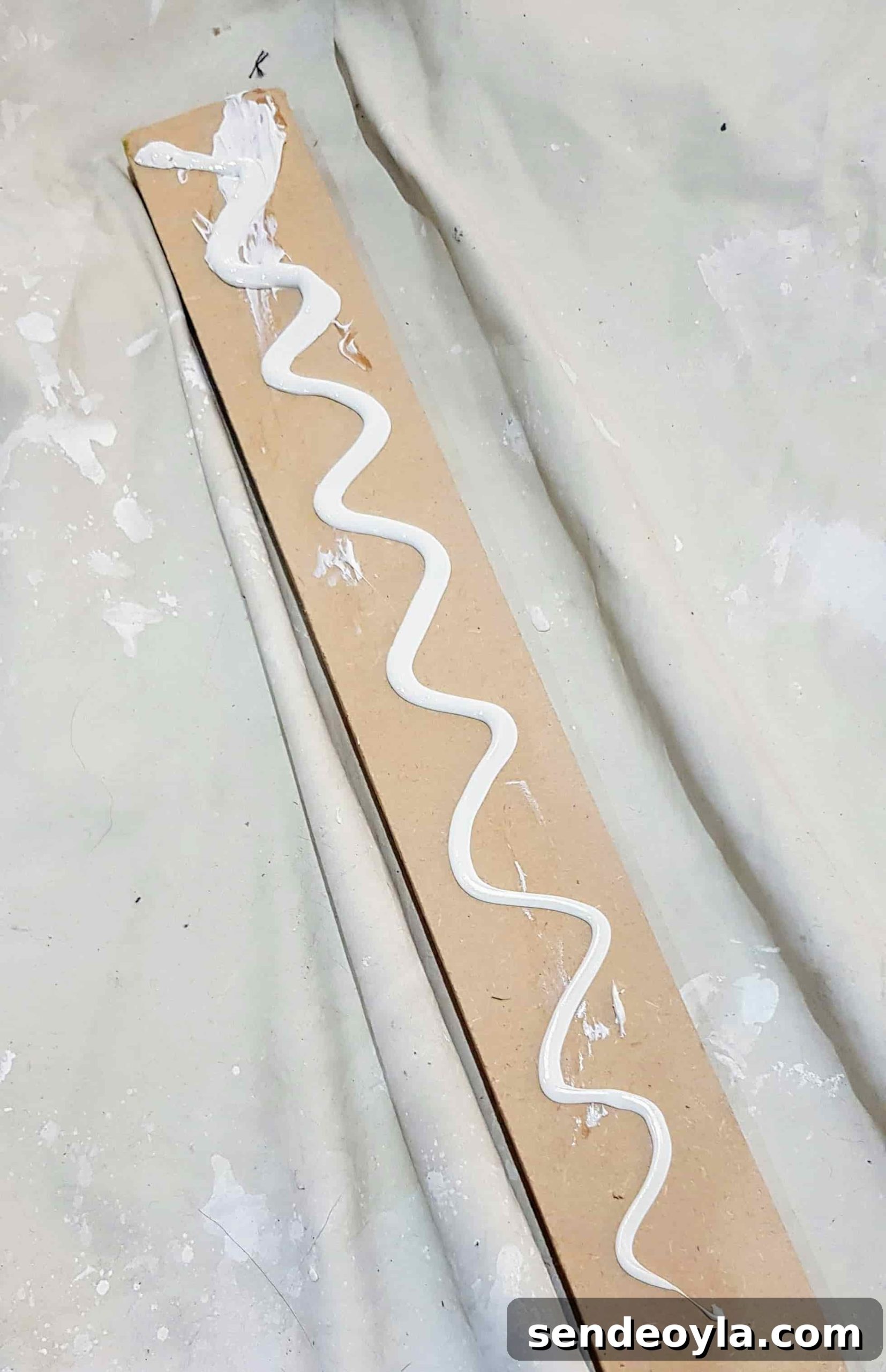
Make sure both the batten and the wall are clean and free of dust. Apply the grab adhesive in a wavy or squiggly bead along the rear of the batten—this provides multiple contact points and helps the adhesive compress and spread when you press the batten to the wall. Press the batten onto the marked line and rest it on the tack pins for support.
The adhesive won’t be instant. Follow the manufacturer’s instructions for cure time—many high‑strength grab adhesives state about 24 hours to reach full strength. I left mine roughly 16–24 hours; once cured the bond was very strong and resilient.
Finishing and Painting
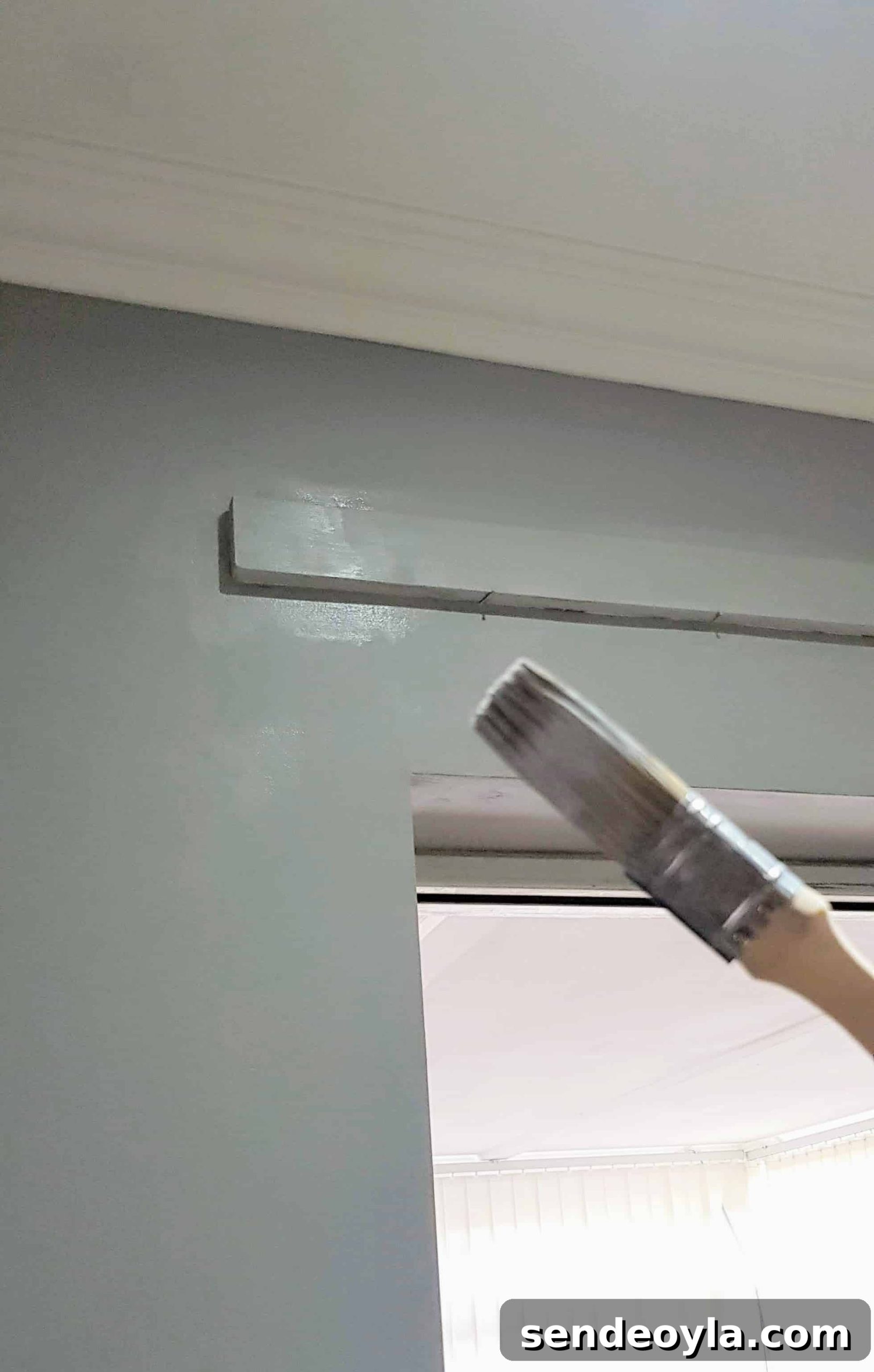
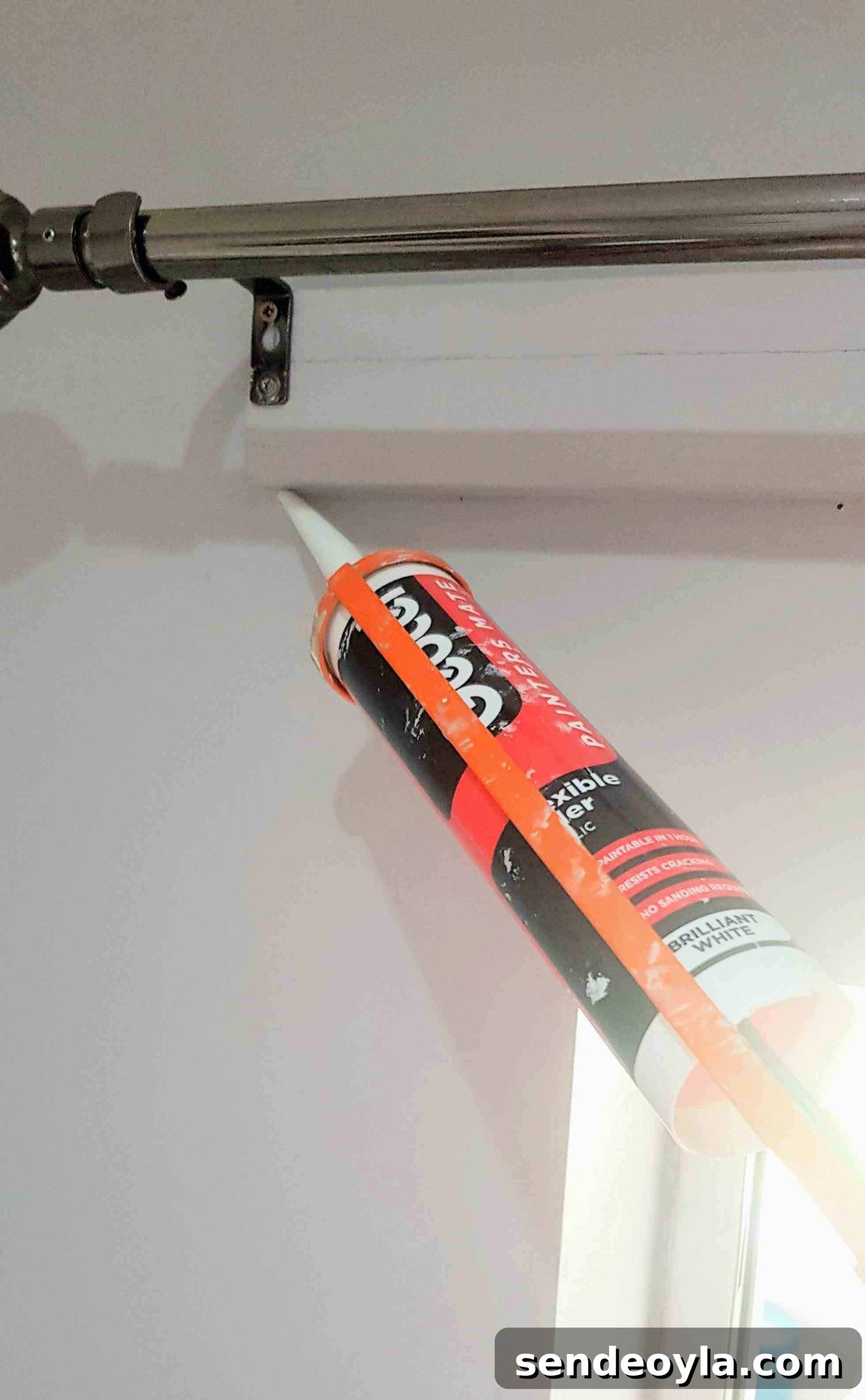
After the adhesive has cured, carefully remove the tack pins. Fill the small nail holes and run a bead of flexible caulk—Painters Mate or a similar decorator’s caulk—along the top and bottom edges of the batten to blend it into the wall. Smooth it with a wet finger or damp cloth, allow it to skin over, then paint the batten with your wall paint. If the batten is raw MDF, a primer or MDF sealer is recommended before painting, but I simply used two coats of the wall paint and it blended well.
Fixing the Curtain Pole
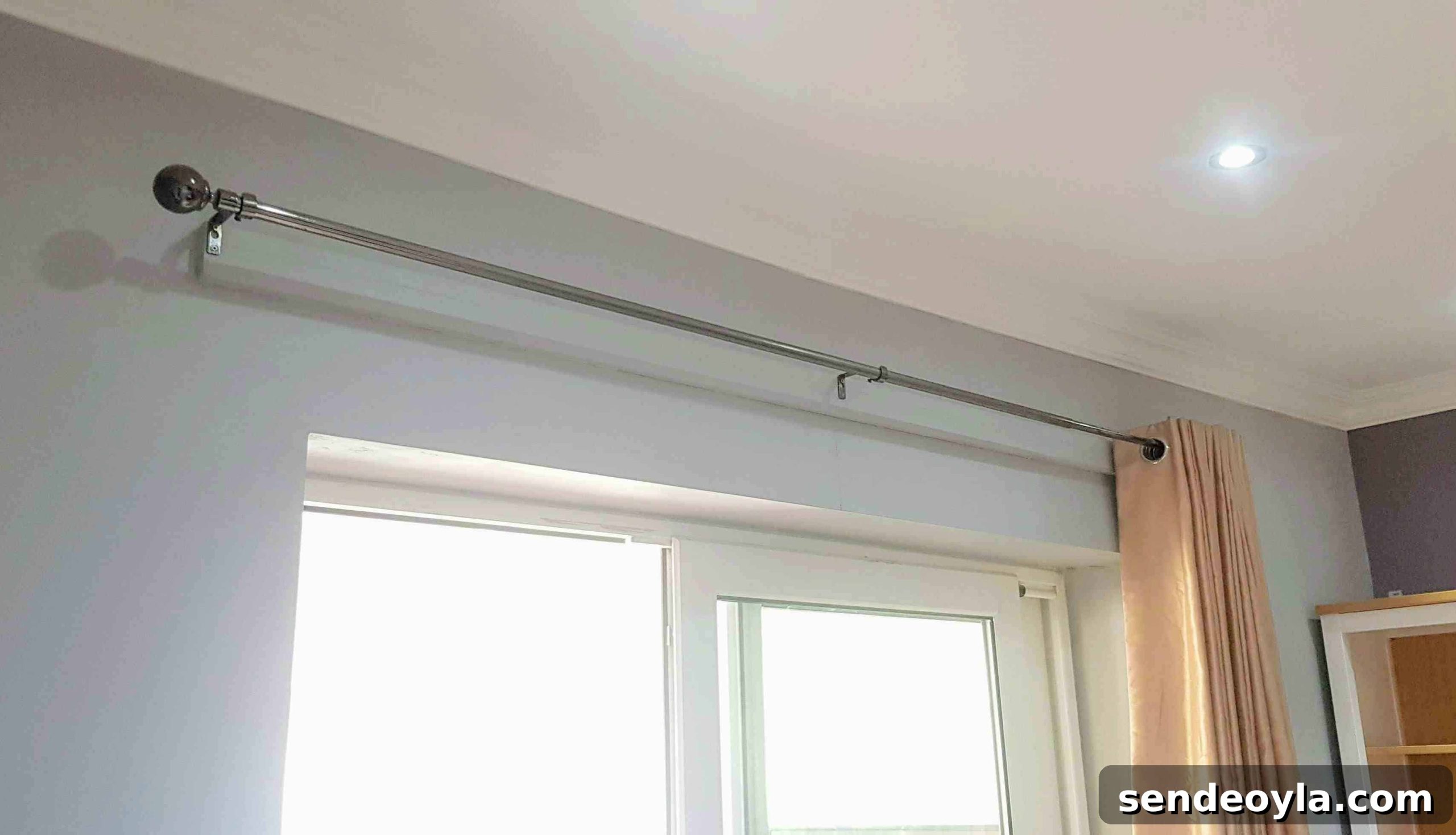
Once the paint is dry, measure and mark where the curtain pole brackets will go on the batten. Pre-drill pilot holes into the batten and secure the brackets with appropriate screws. Because the batten provides solid timber for the fixings, you can use regular wood screws rather than relying on plasterboard anchors. Attach the pole and hang your curtains.
Caulking and Final Touches
Finish by touching up paint over the caulk and any filled holes so the batten blends seamlessly with the wall. The flexible caulk helps accommodate any small movements and gives a neat, professional appearance.
Equipment and Materials
- Wooden batten, deep enough to hold bracket screws and long enough for the width of the window
- Grab adhesive (e.g., Evo-Stick Sticks Like Sh*t)
- Tack pins or short nails to temporarily support the batten
- Flexible decorator’s caulk (Painters Mate or similar)
- Paint and brush (wall paint matching your room)
- Hammer, caulking gun, drill and screws for fixing the brackets to the batten
Step-by-Step Instructions
- Measure and mark the centre point of your window on the wall and on the batten.
- Use a spirit level to draw the horizontal line where the curtain pole should sit.
- Mark where the bottom edge of the batten will be, then hammer tack pins along that line at roughly 30 cm intervals to act as temporary supports.
- Clean dust from the wall and the back of the batten. Apply the grab adhesive in a wavy pattern on the batten’s rear face.
- Press the batten onto the wall, resting it on the tack pins, and ensure it is level. Leave to cure according to the adhesive instructions (typically 16–24 hours).
- Once cured, remove the pins, fill the pin holes, and caulk around the batten edges. Smooth the caulk and allow it to skin over.
- Paint the batten to match the wall. After paint is dry, mark and pre-drill pilot holes for your curtain pole brackets.
- Screw the brackets into the batten, fit the curtain pole, and hang your curtains.
This method offers a reliable alternative when drilling into the wall isn’t possible—for example when you meet a steel lintel or lack the right tools. With a properly bonded batten and appropriate screws for your brackets, a glued batten supports lightweight to medium-weight curtains securely and leaves a neat finish once caulked and painted.
Notes
- Always follow the adhesive manufacturer’s safety and application instructions.
- If you expect to hang very heavy curtains or loads, consider specialist fixings or professional advice—this method is best suited to lightweight and medium-weight curtains.
- Allow adhesives, caulk and paint to fully cure before applying heavy loads or stressing the fixings.