
Although I run a cooking blog, my posts often cross over to my DIY site because preserving and gift-making are a natural blend of the two. If you enjoy taking your time to create something special and saving money while doing it, chutney-making is a perfect project. It rewards patience, creativity, and a little organisation.
Last week I made a batch of chutneys to include in my Christmas hampers, and I’ll be sharing a step-by-step YouTube tutorial this Friday at 6pm. If you want to make chutneys affordably, the best approach is to be resourceful: look through supermarket reduced sections for soft fruit and vegetables, ask neighbours or allotment friends if they have a glut, and save any clean jars you’ve collected so you can recycle them. These small habits reduce costs and add personality to your gifts.
Chutneys are wonderfully forgiving and adaptable. Common bases include apples, onions, pears, plums, or beetroot; they take well to warming spices such as cinnamon, cloves, mustard seeds, and chilli for heat. Sweetness can come from sugar, honey or bottled fruit juices, while vinegar provides the acidity needed for preservation and flavour balance. If you are short on a particular ingredient, swap in something similar rather than abandoning the batch.
When planning a chutney-making session, think ahead about timing and variety. Making several small batches lets you experiment with different spice combinations and textures, and small jars make attractive additions to hampers. Label each jar with the date and a short description of the contents so recipients know what they’re opening. Jars that have been properly sealed and stored in a cool, dark place will mature in flavour over a few weeks, so making them well before Christmas ensures the best taste.
Being organised makes the whole process relaxing rather than rushed. Clear your workspace, lay out your jars and lids, prepare ingredients in advance, and have a sturdy funnel and ladle on hand for filling. Clean, well-ventilated work surfaces and a separate pot to sterilise jars will speed things up and reduce the risk of contamination. If you are new to preserving, follow trusted sterilisation and sealing guidance from reliable sources to ensure food safety.
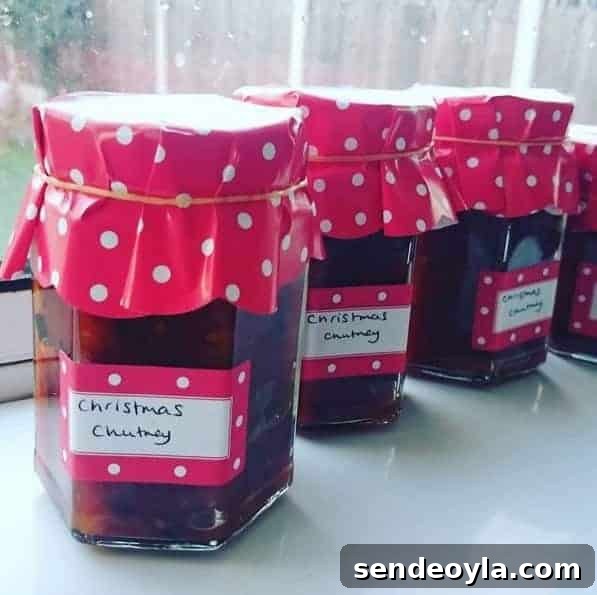
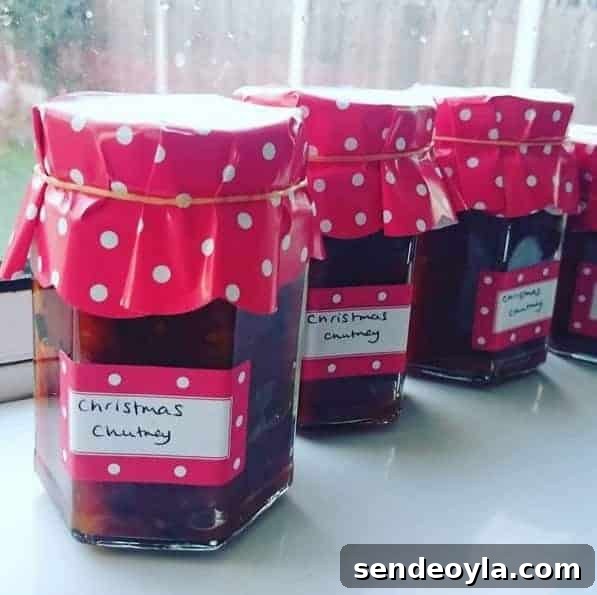
Packaging and presentation are part of the charm when giving chutneys as gifts. Reused glass jars can be dressed up with fabric covers, twine, a handwritten tag, or a simple sticker. Grouping several different flavours in a wicker hamper makes a thoughtful present for family, neighbours, or teachers. Smaller jars are ideal as stocking fillers or as part of a cheese board gift set. Include tasting suggestions on the label—such as “pairs well with cheddar or cold meats”—to help the recipient enjoy the chutney straight away.
Chutney-making is also an economical way to reduce food waste. Leftover peelings or bruised fruit that would otherwise be discarded can often be transformed into deeply flavoured preserves. Similarly, bulk buying or accepting surplus from growers and friends reduces the per-jam cost significantly. If you keep a small store of basic preserving supplies—sugar, vinegar, dried spices—you’ll be ready to make chutney throughout the season.
Finally, try to make chutney sessions social. Invite friends or family to join you for a preservation day: it’s a productive way to share tips, divide tasks, and make progress quickly. While you’re working, keep a notebook of successful flavour combinations so you can repeat or scale them next year. The time invested now will pay off in memorable, homemade gifts that show care and creativity.
More Chutneys and Jam Recipes You Might Like
- Eating Apples Chutney Recipe
- Chilli Plum Jam Recipe
- Slimming World Chutney in a slow cooker
- How to Sterilize Jars in the Oven