
Last month I visited the New York Botanical Garden, a true oasis tucked into the heart of the Bronx, just a short distance from my home in New York City.
I’d like to share some of the garden’s quiet magic with you today.
This piece is a long photo essay—if you stay with me to the end, I think you’ll see why I consider this one of the greatest botanical gardens in the world.

The New York Botanical Garden (NYBG) is located in the Bronx, one of New York City’s five boroughs. Surrounded by apartment buildings, traffic and the constant hum of the city, the garden nevertheless feels like a peaceful refuge—a deliberately planted sanctuary amid urban life.
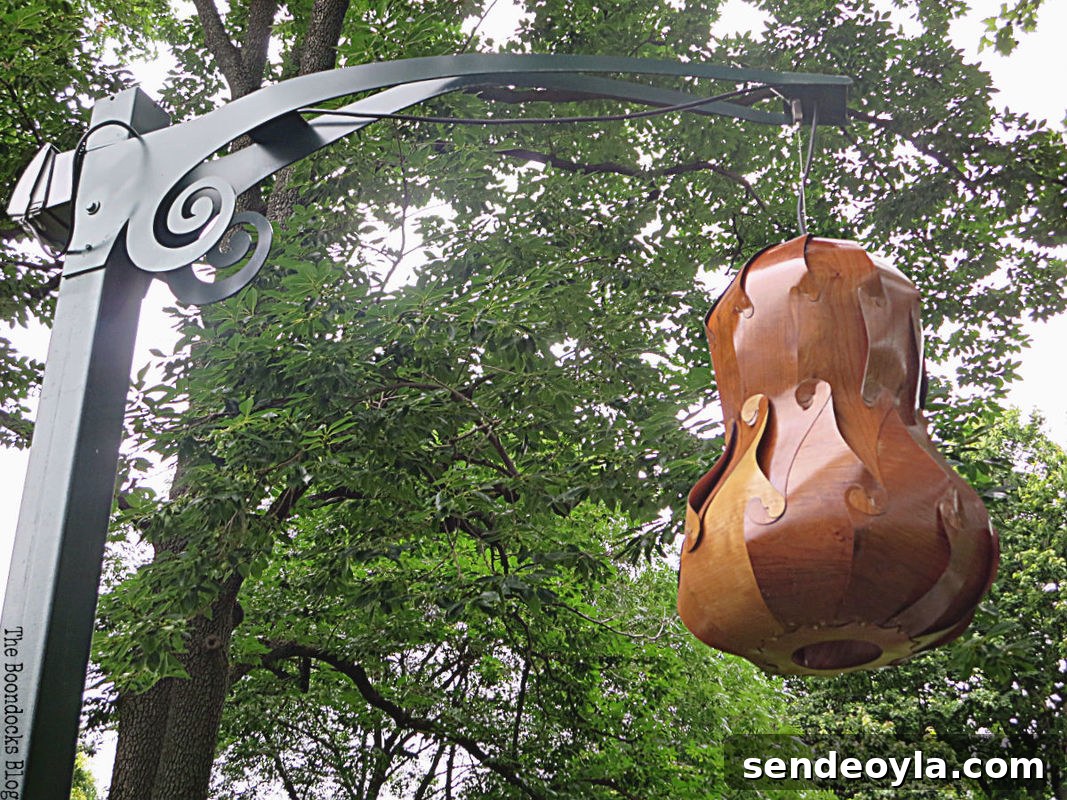
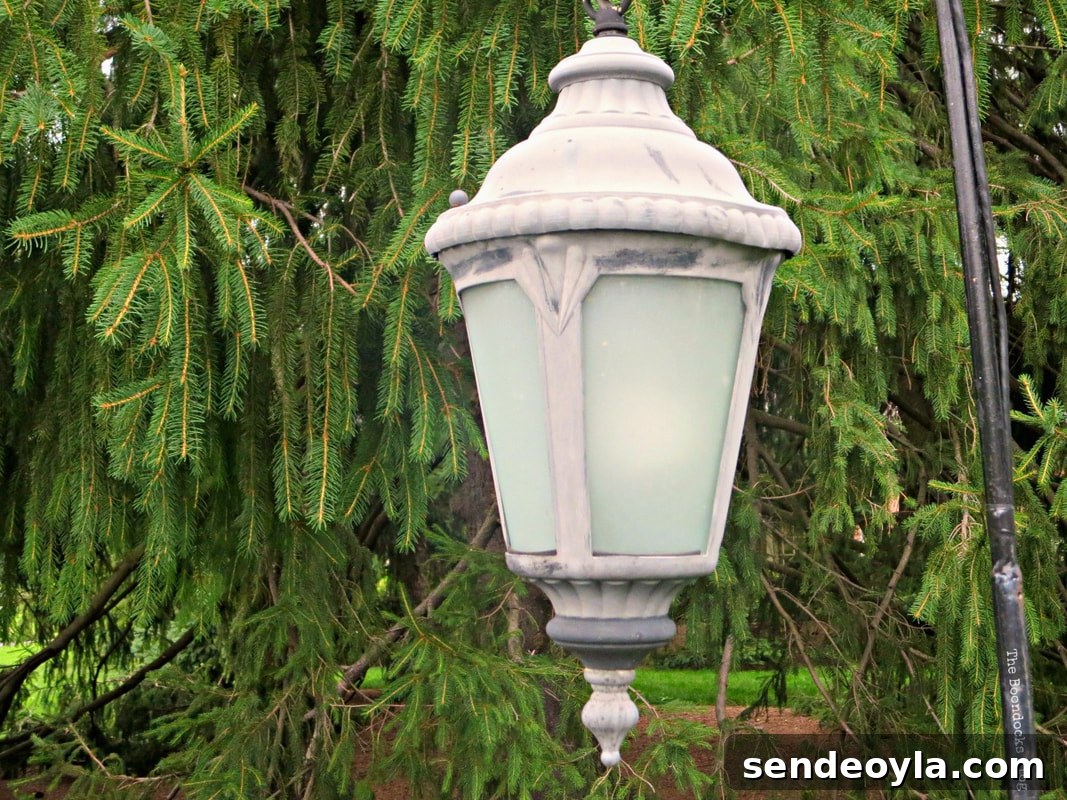
At the entrance we were welcomed by an unusual lamp sculpture that sets the tone for a visit that balances art and nature.
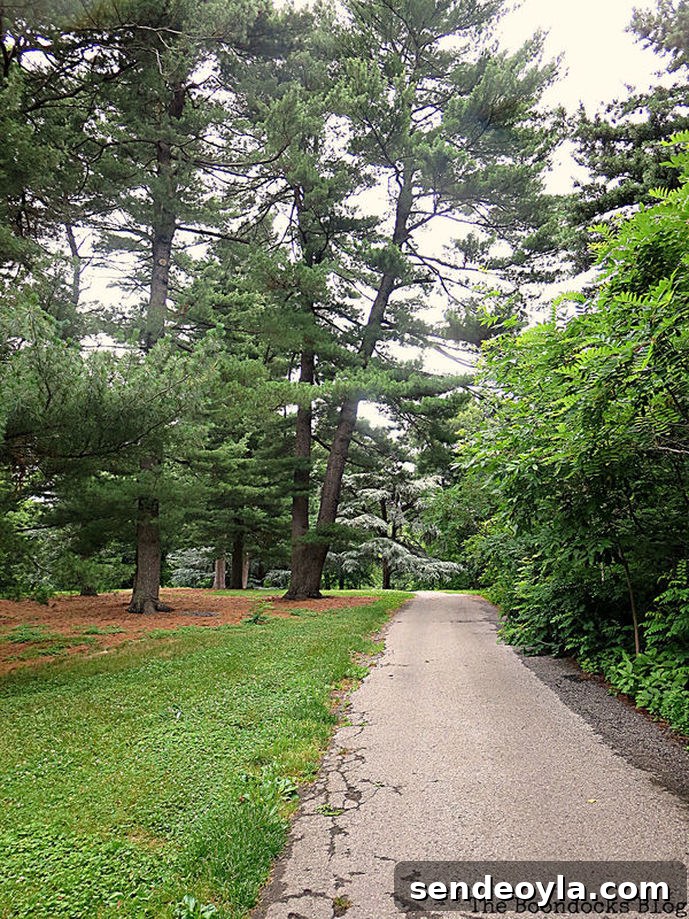
Founded in 1891 and designated a National Historic Landmark, the NYBG spans roughly 250 acres—the largest botanical garden situated within a city in the United States. Within its borders you can explore a wide variety of natural habitats, meandering roads and extensive tree collections.
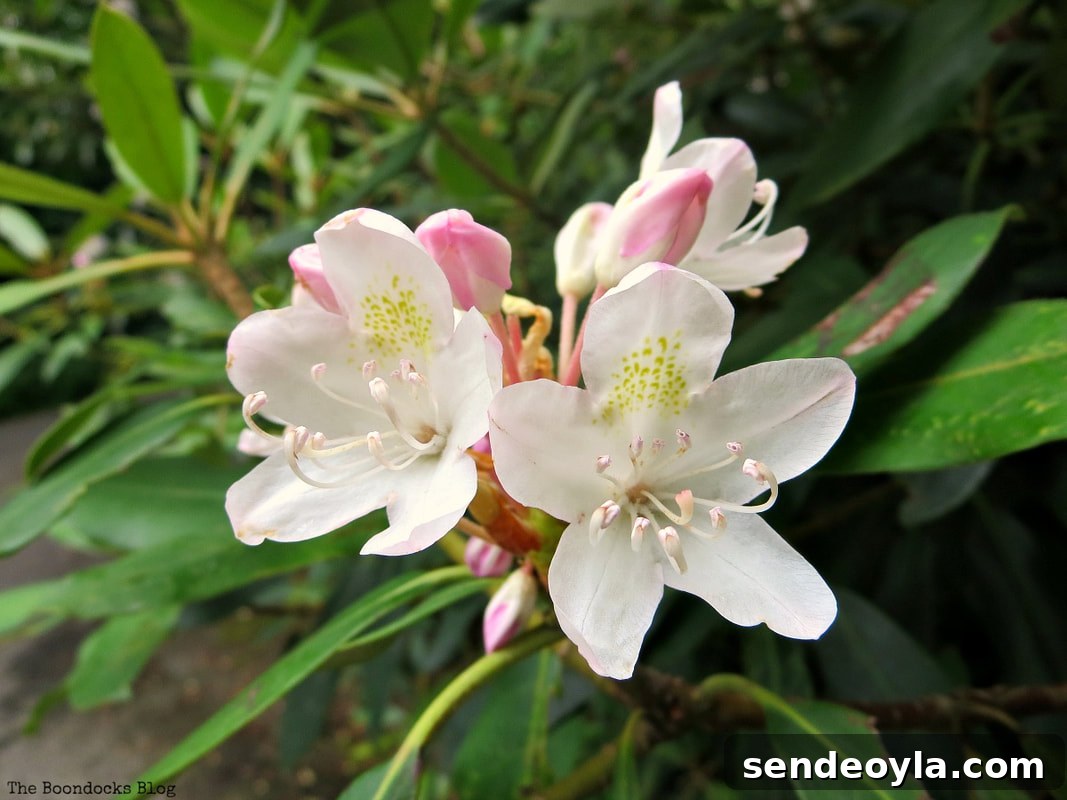
My favorite part of the NYBG is the profusion of flowers—numerous gardens within the grounds are devoted to blooms of every kind, offering color and scent throughout the seasons.
One of the first formal features you encounter is the Tulip Tree Allee: a long, U-shaped avenue lined with towering tulip trees that leads the eye toward the garden’s grand buildings.
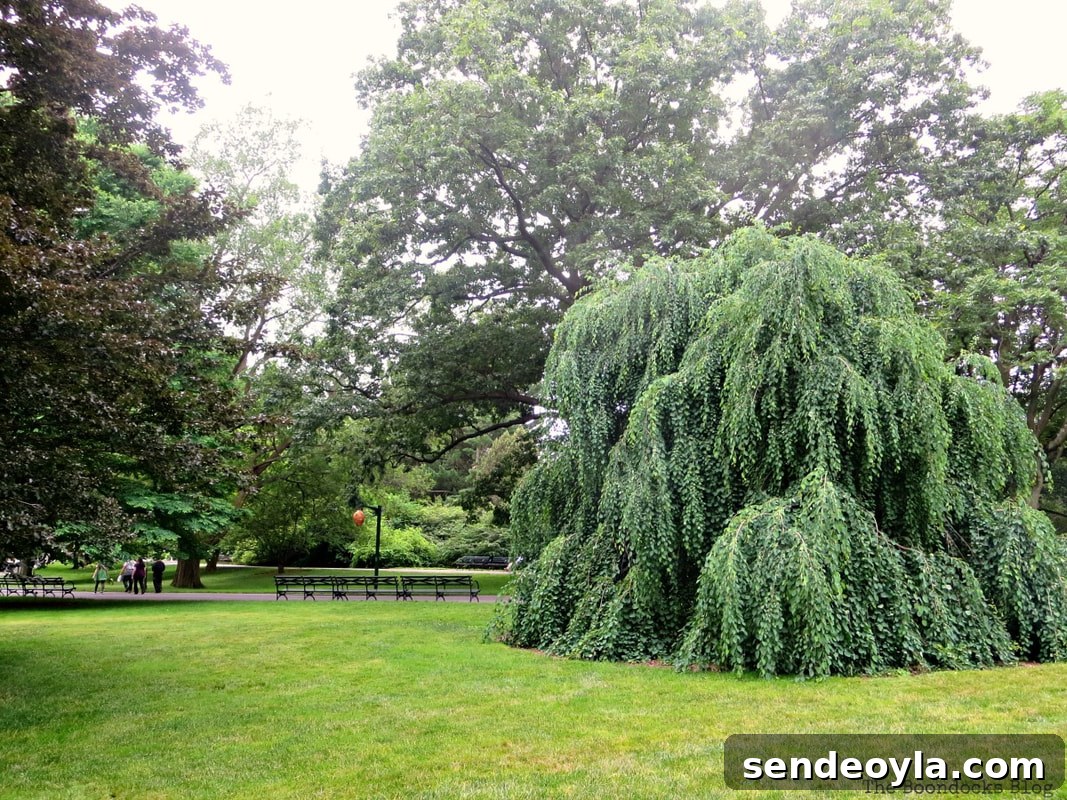
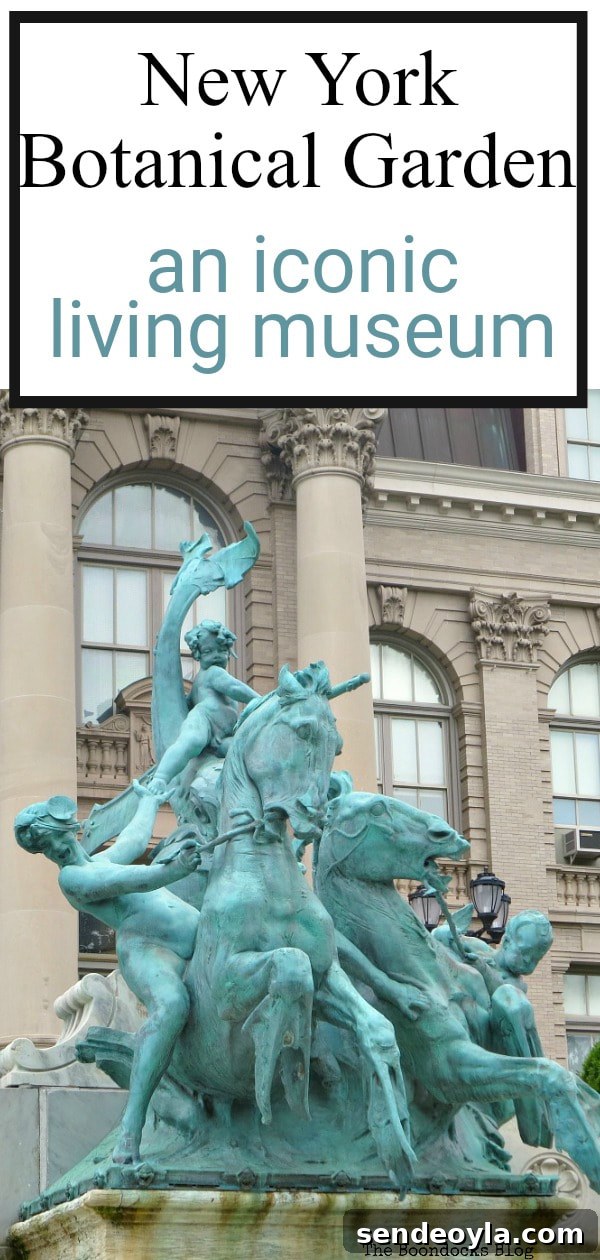
The Allee brings you to an impressive classical structure and a fountain called the Fountain of Life, a sculptural focal point that complements the surrounding plantings.

Nearby stands the Mertz Library, an internationally recognized center for horticultural and botanical research that also houses an art gallery and research facilities.

Beyond the buildings you find picture-perfect scenes—meadows, rustic fences and quiet corners that invite lingering and reflection. The Twin Lakes, just past the library, are a calm centerpiece for wildlife and walking paths.
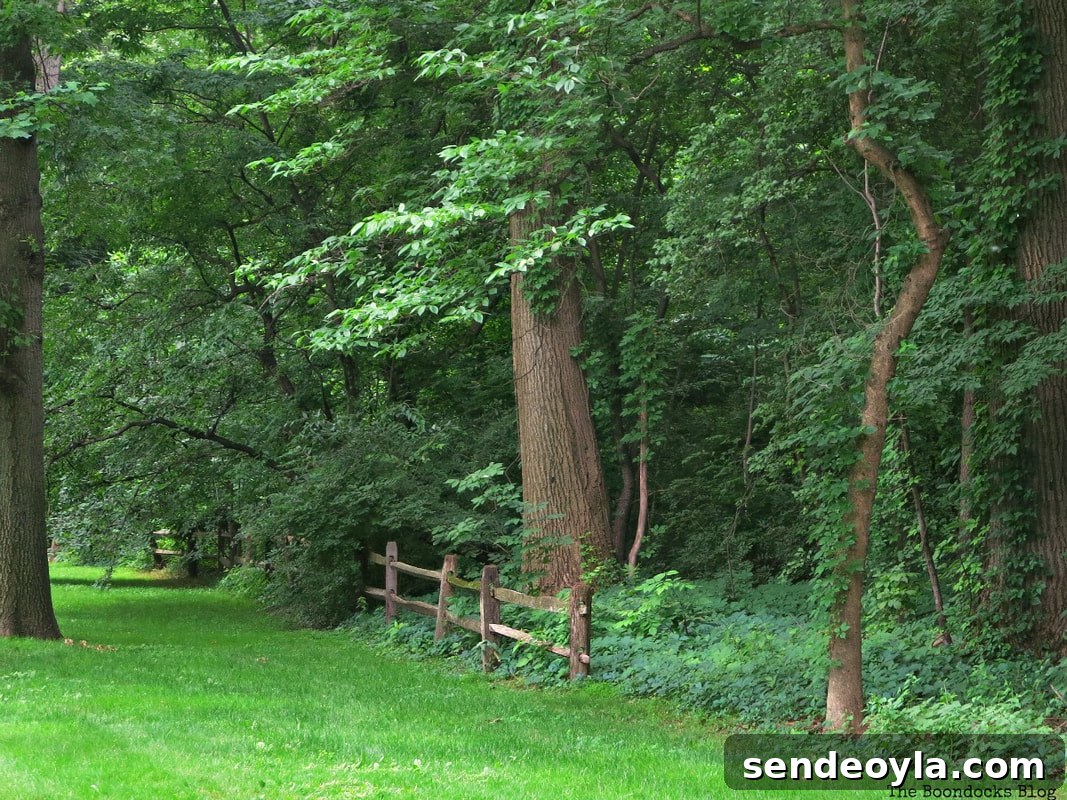
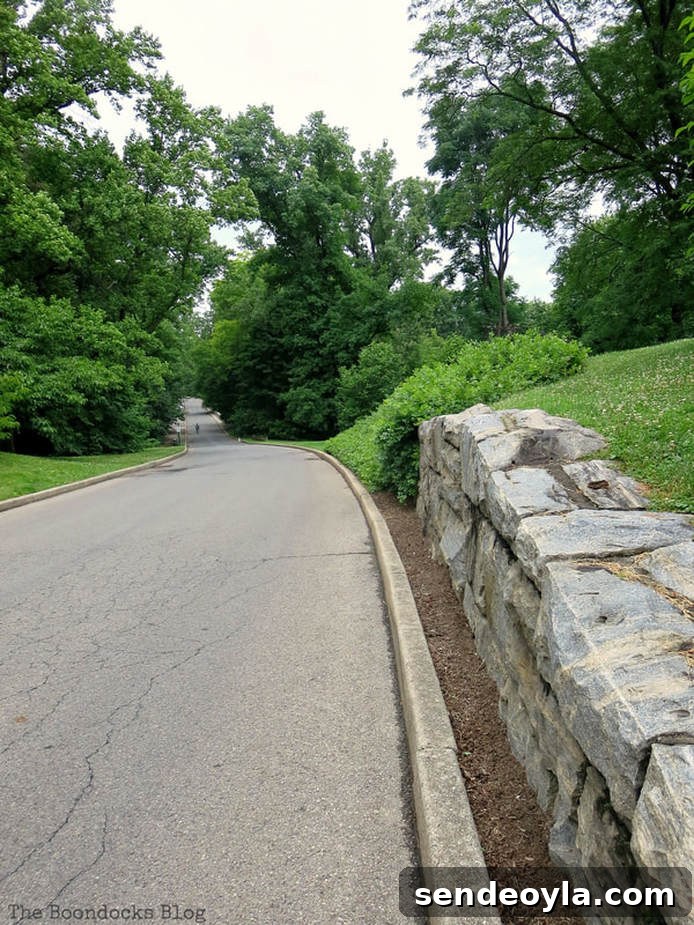
Visitors may explore on foot, which is the best way to discover small details, or ride the tram, which follows the garden roads and provides guided commentary while dropping passengers near different garden areas.
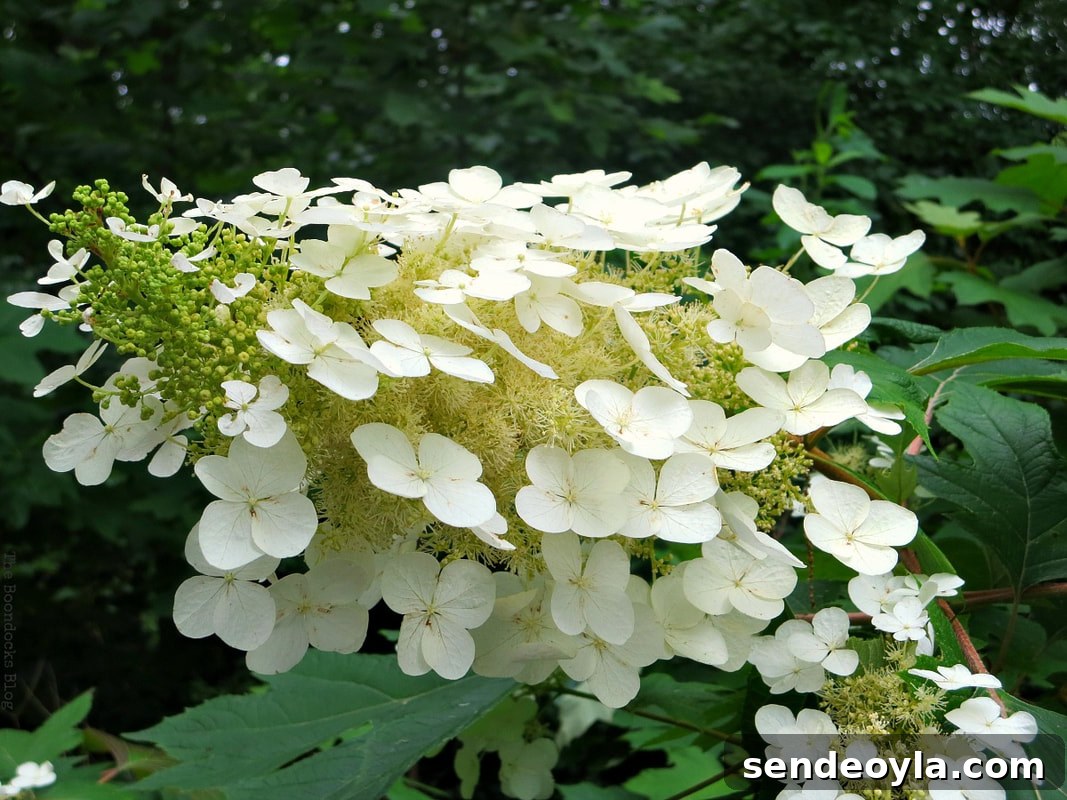
There are many specialized gardens to explore: a rock garden, a native plant garden, azalea and rhododendron collections, hydrangeas and more. Each season brings a new display, so returning visits reveal different highlights.
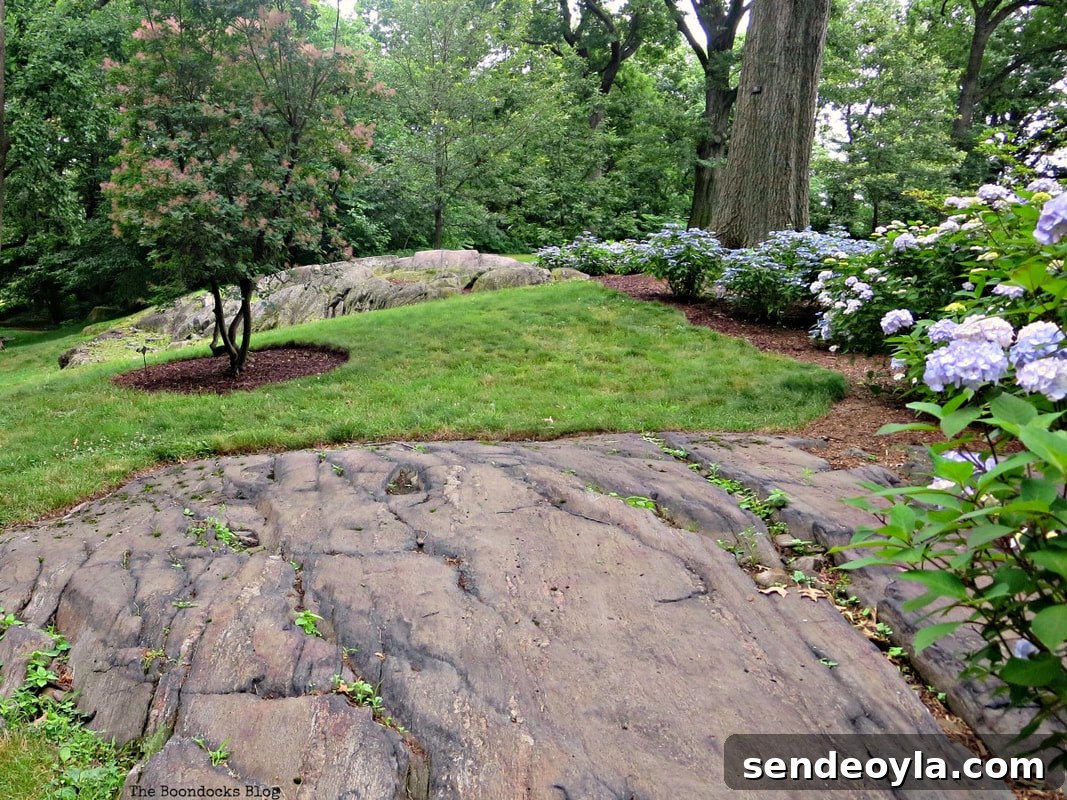
The Howell Family Garden offers hands-on gardening experiences for adults and children who want to learn practical horticulture. Kid-friendly features encourage young visitors to dig in and observe the life cycles of plants.
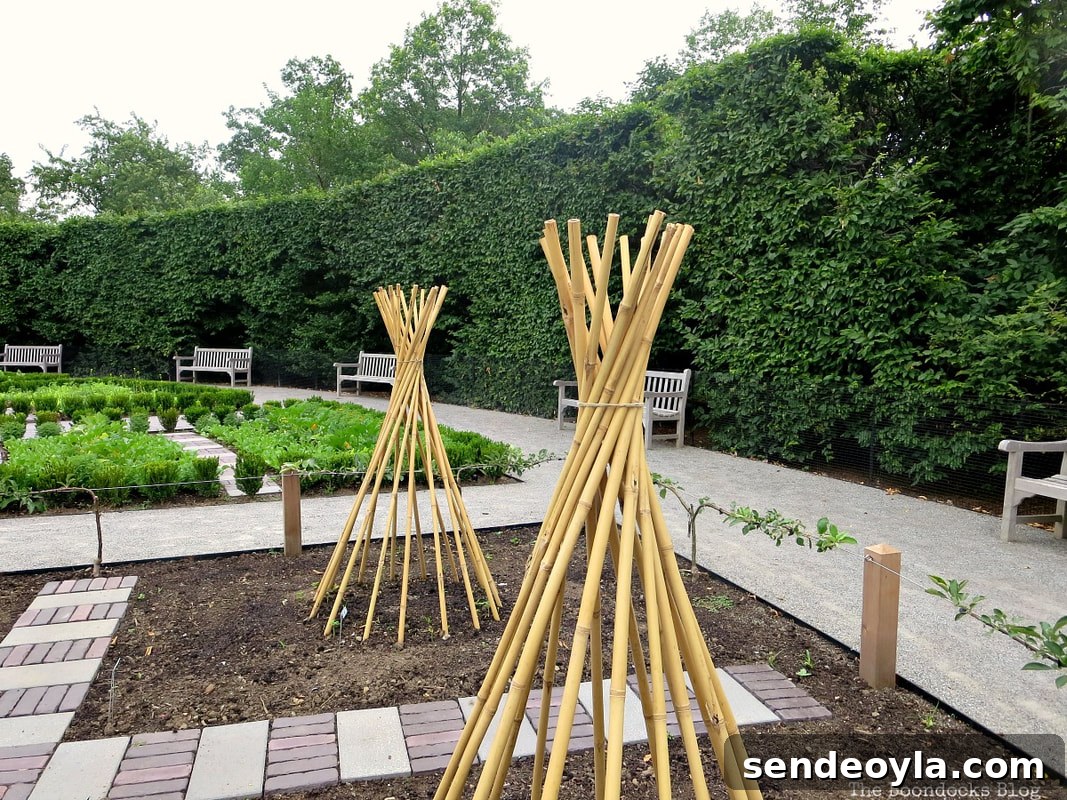
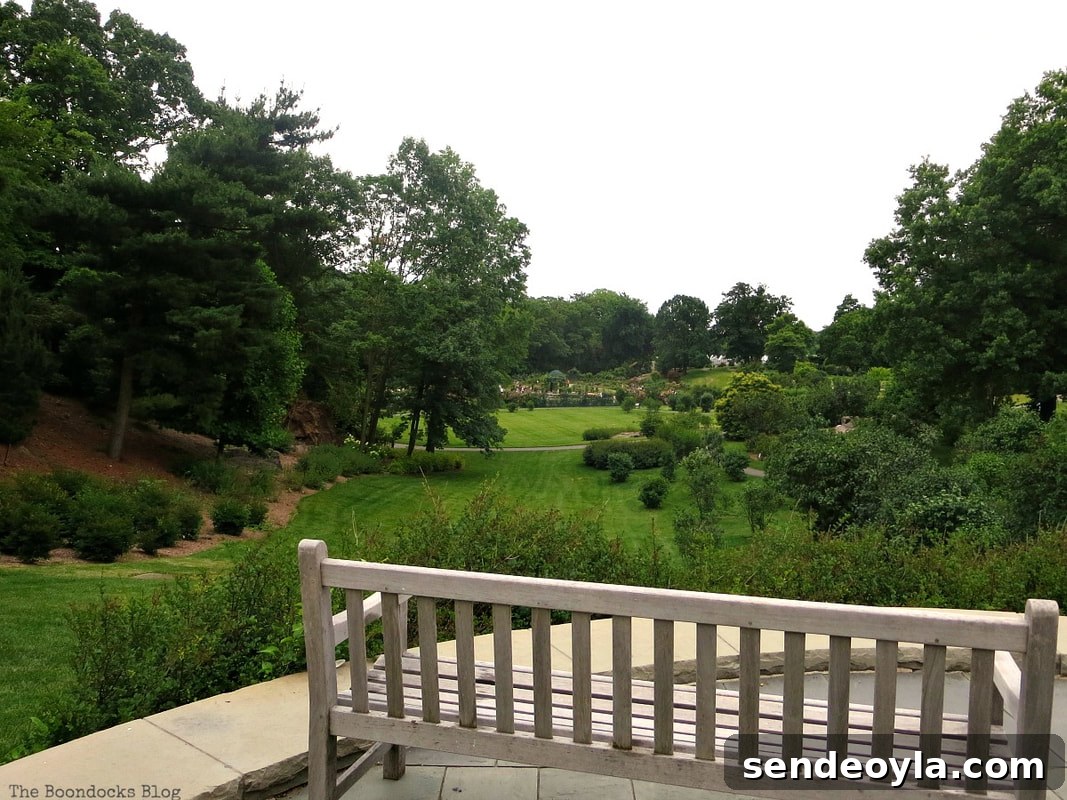
We paused at benches near the lilac collection and looked toward the Peggy Rockefeller Rose Garden—a magnificent rose display that deserves its own feature, which I plan to share in a future photo essay.
The NYBG is also a major educational center. The Continuing Education program draws students of all ages to study horticulture, botanical illustration, landscape design and plant science.
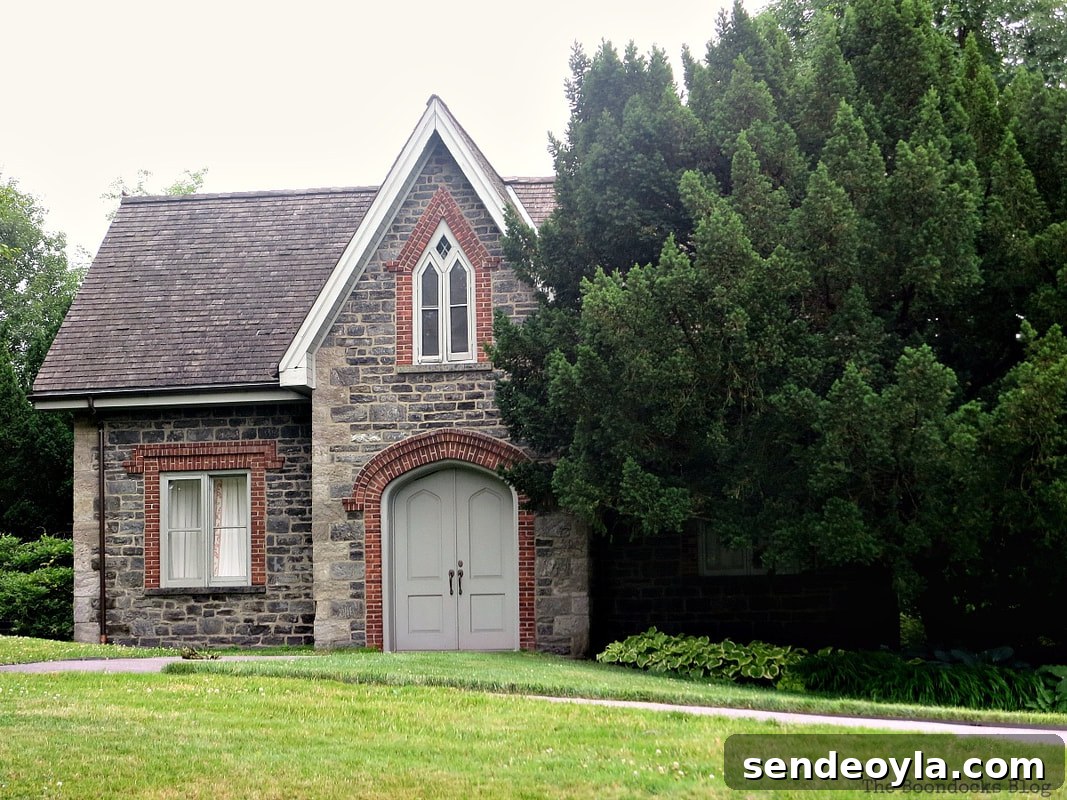
A path through the Cherry Collection leads down to the Bronx River. Along the way are intimate vignettes—heart-shaped leaves, bubbling streams and small waterfalls that feel like an oasis within an oasis.

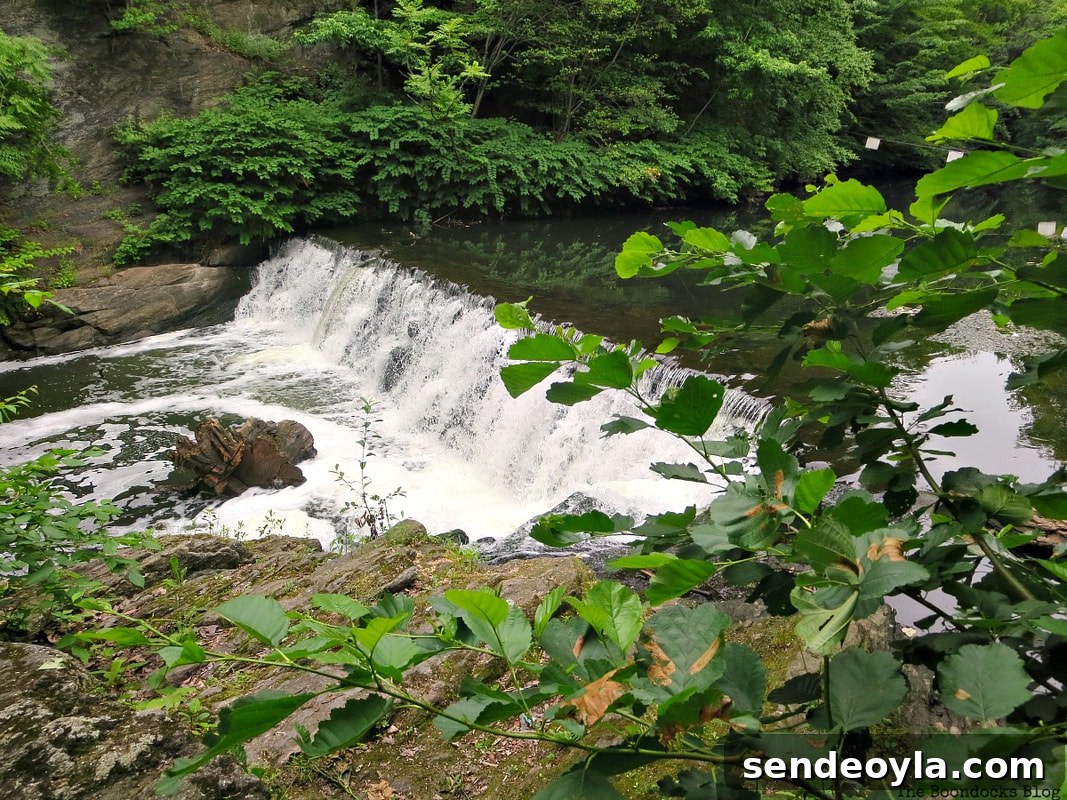
A bridge spans the Bronx River, which runs the length of the NYBG. The river is a defining natural feature of the garden and provides habitat for wildlife as well as a soothing backdrop for strolls.
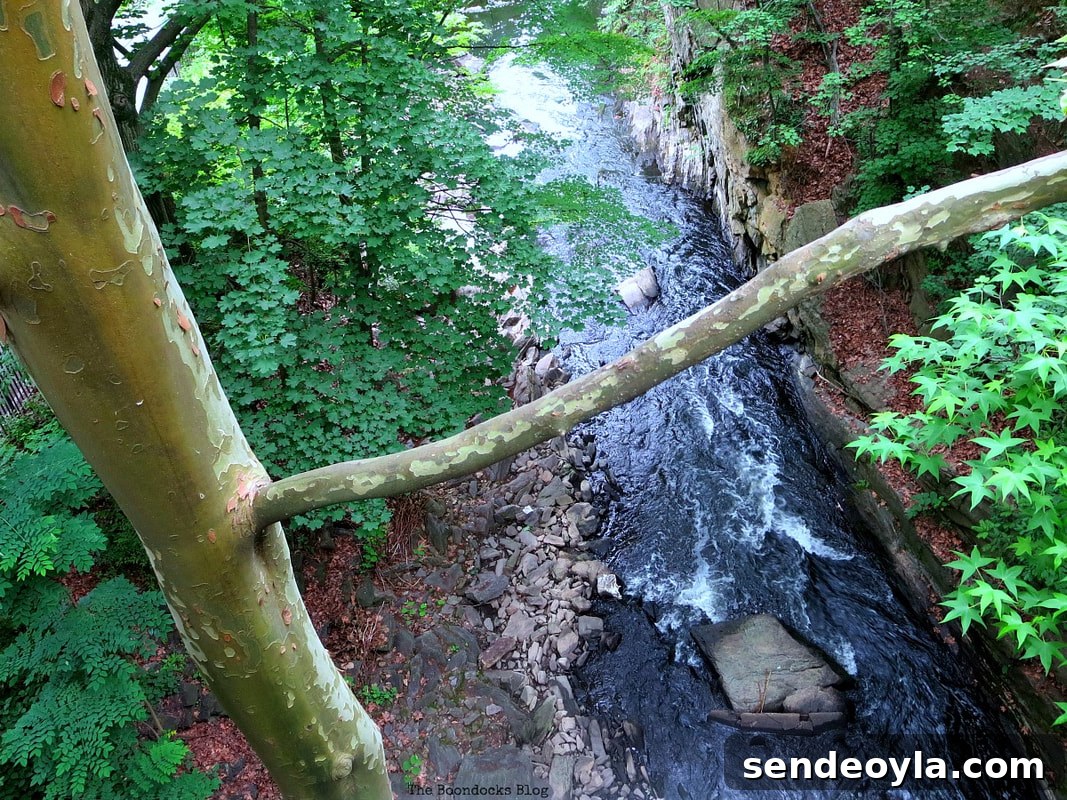
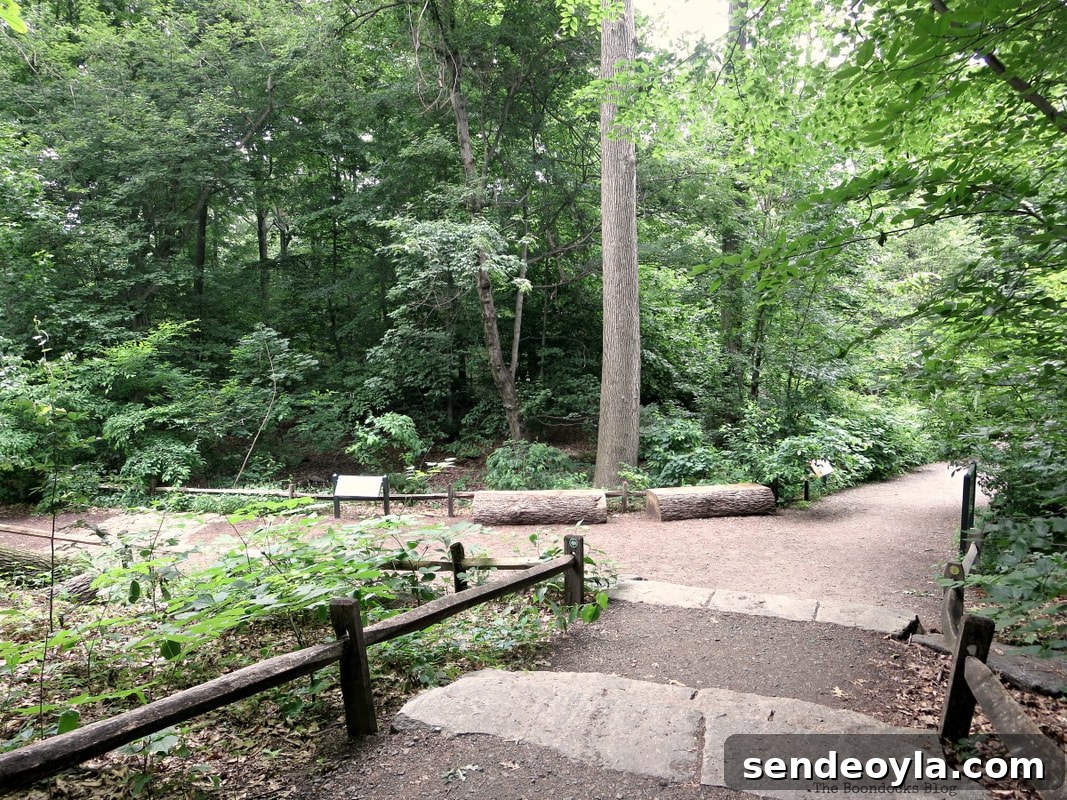
Beyond the river lies the Thain Family Forest, an extensive tract of mature woodland that offers a rare glimpse of the original forests that once covered much of the region. Walking its shaded paths feels wonderfully removed from city life.
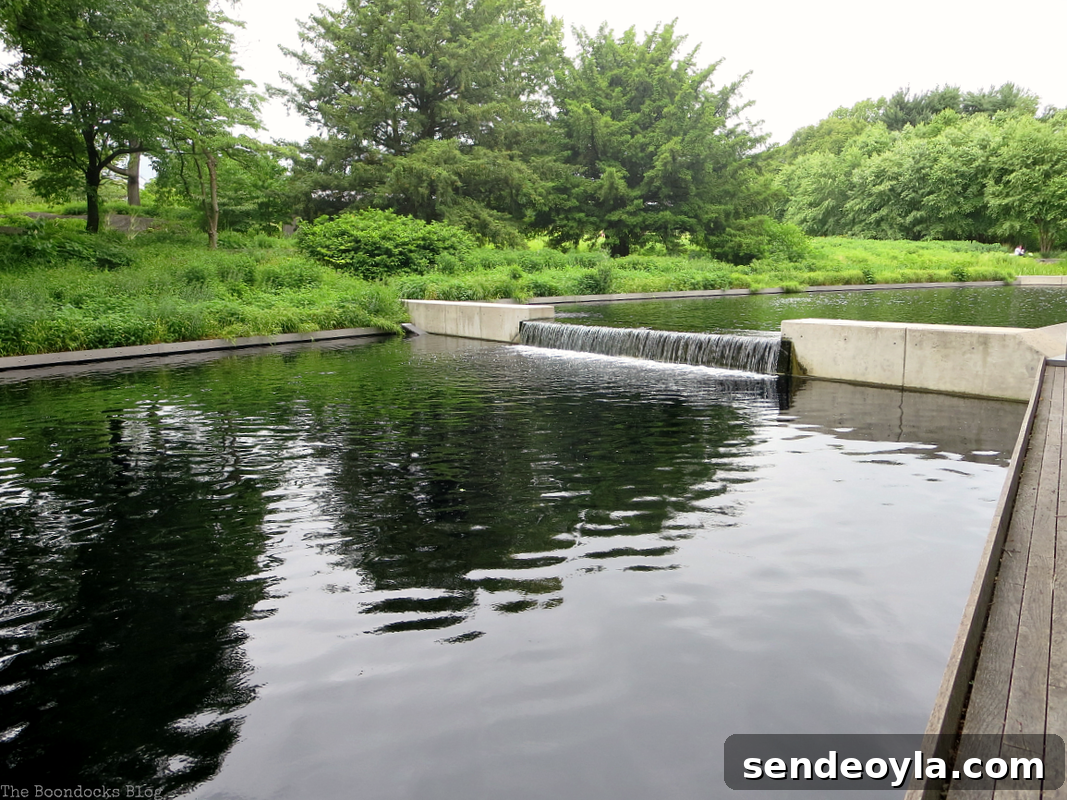
The Native Plant Garden features a cascading waterfall and ponds that attract birds, dragonflies and other wildlife, making it a haven for naturalists and photographers alike.
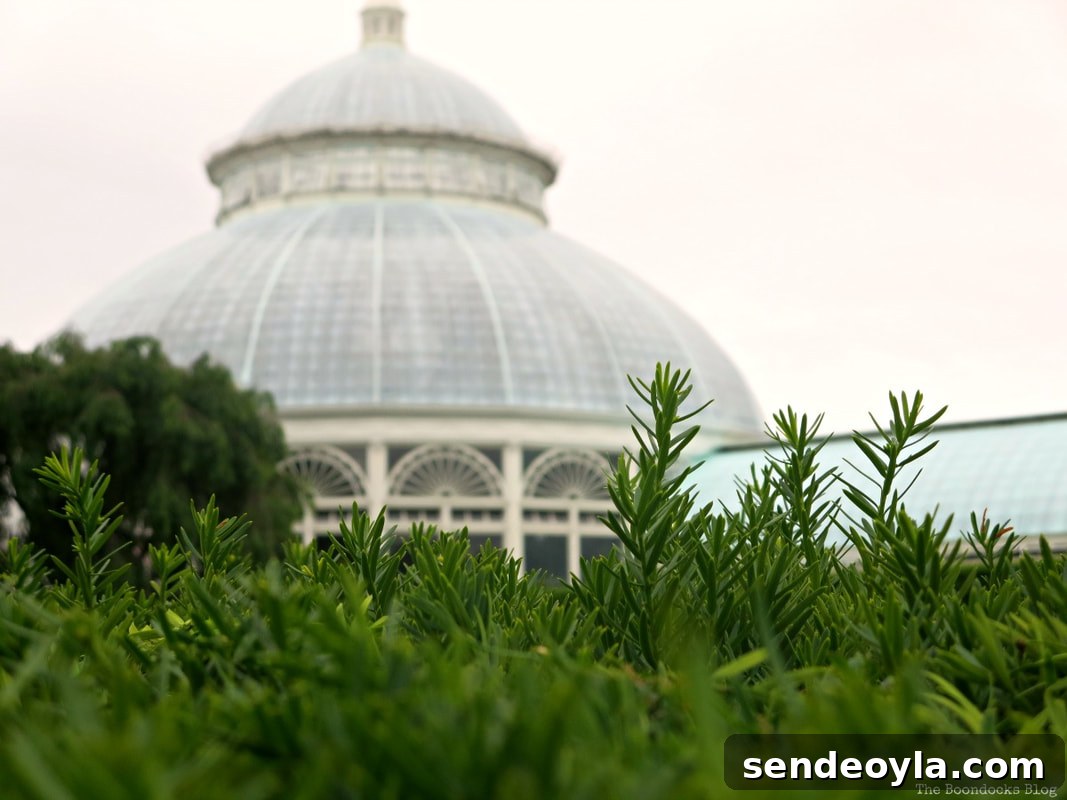
From a distance the Haupt Conservatory appears like a jewel—an iconic glasshouse that contains exotic plants, seasonal displays and specialized collections. It deserves a dedicated photo essay of its own, which I plan to post soon.
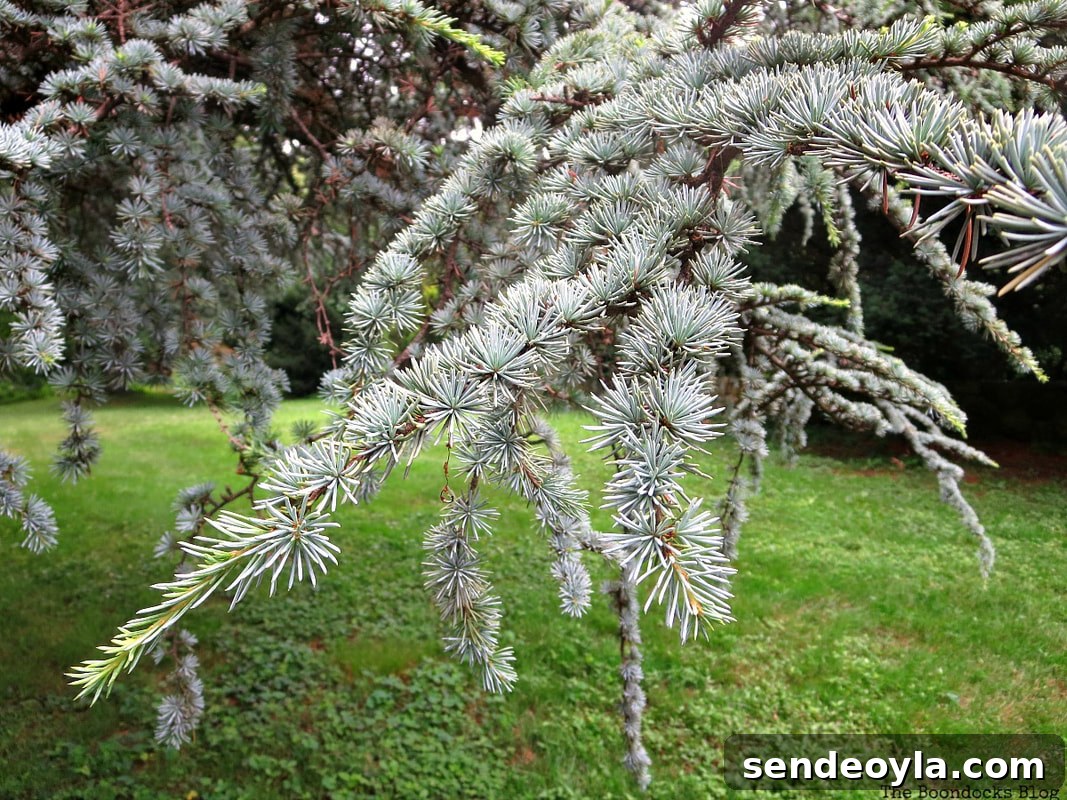
There is also a conifer forest and many more paths to explore—some trails are long, and I look forward to returning in autumn when the fall foliage is at its peak.
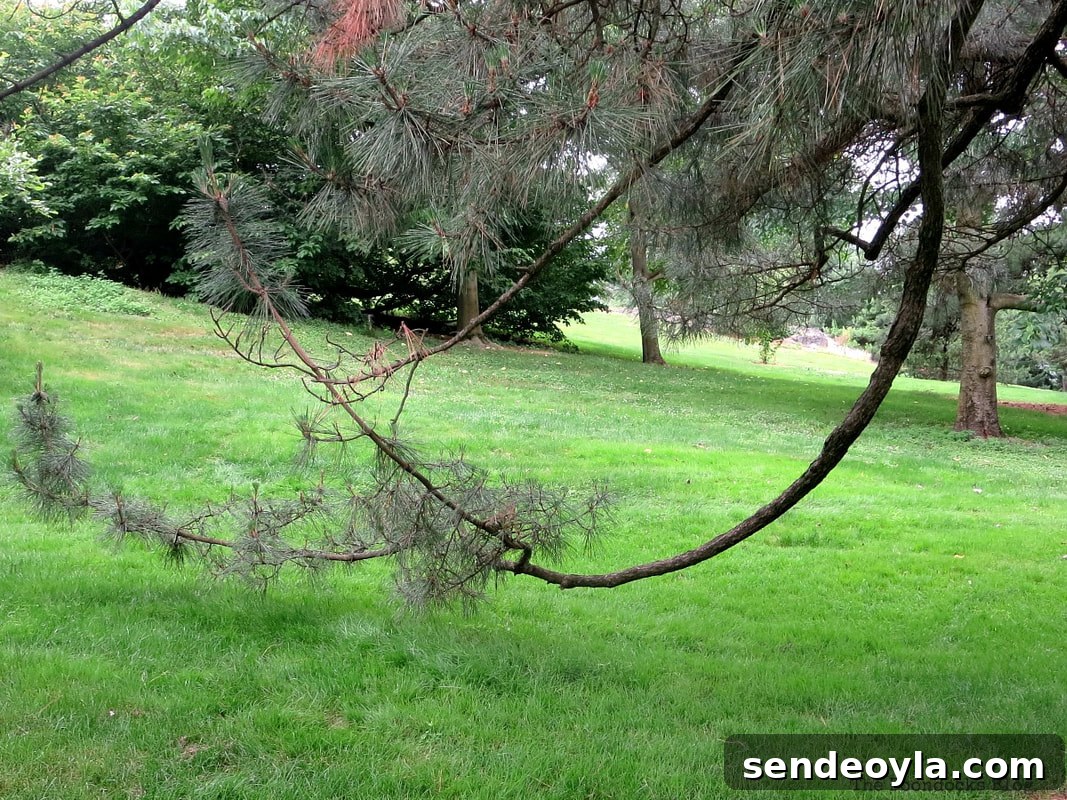
We ended our visit where we began, beneath a welcoming light that marks the garden’s entrance. Seen in context, the NYBG’s quiet beauty is all the more impressive because of its urban surroundings.
I have visited many times over the years to escape the city’s hustle and find peace among the plants. That combination of accessibility and serenity is why I believe the New York Botanical Garden ranks among the world’s finest urban botanical gardens.
Next time I will share a closer look at the Peggy Rockefeller Rose Garden and more seasonal highlights from the Haupt Conservatory.

If you enjoyed these images, please share them with friends or save them to your photo collection. I post additional photo essays regularly and appreciate your interest.

SUBSCRIBE TO PHOTOGRAPHY POSTS
More Photo Essays

Majestic Mountains of Greece

Sunset Stroll on the Beach
This blog is for entertainment purposes only; DIY tutorials and informal tips are not professional advice. I value your comments and will try to respond to them. Please avoid including hyperlinks in comments so they can be published.