

How I Made Over an Old Wooden Bed Frame
This was an old bed frame that had been sitting in my basement for a while. It’s slightly larger than a twin but a bit smaller than a full—just a nice, usable size. The original finish had that heavy orange-toned varnish that makes a piece look dated, and I wanted something that would look fresh year-round, not just in autumn.
Earlier I updated an Ikea pine dresser and painted it a soft green. The dresser turned out so well that I decided to give the bed frame a matching makeover. Below I’ll walk through the process I used to transform the piece and bring the two items into a cohesive bedroom set.

Choosing the Paint
I started with Enchanted by Americana Decor Chalky Finish Paint from DecoArt. This chalky finish paint covers well and adheres to surfaces without heavy sanding, which made it easy to work with. I shook the can thoroughly to ensure a smooth consistency and applied two coats to cover the original orange-toned stain. The coverage was surprisingly good.
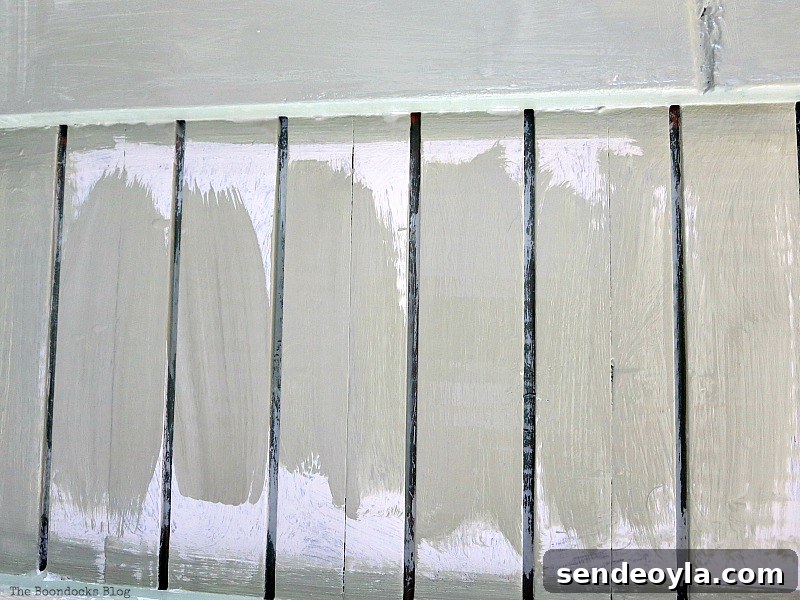
Running low on the original color, I stretched the remaining paint by mixing in some white acrylic paint to get enough product for a third coat. The third coat blended well and continued to build a uniform base color without requiring any sanding beforehand—one of the advantages of this chalk-style paint.
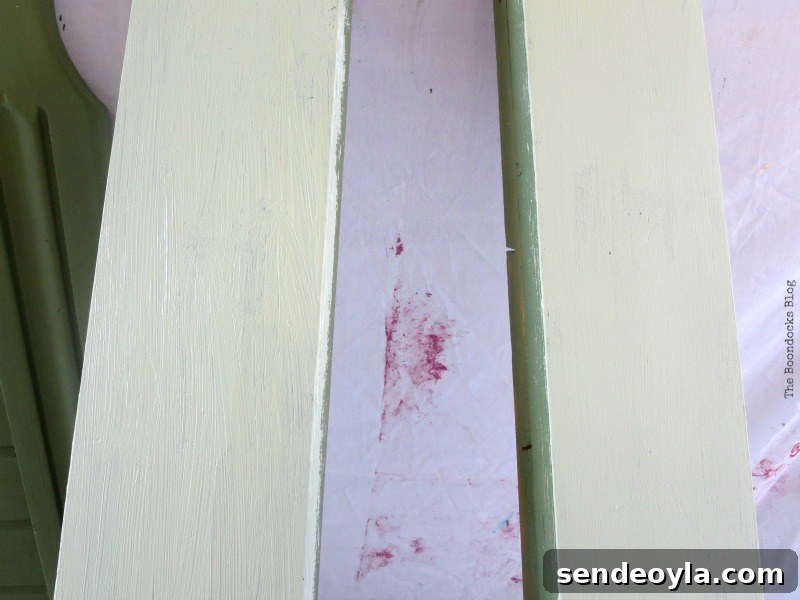
After experimenting to better match the dresser, I adjusted the mix and applied a final coat. The sun in the photos makes the finish appear a bit more intense, but the color matched the dresser closely once the process was complete.
Distressing and Finishing
To echo the distressed look I achieved on the dresser, I sanded the bed frame to reveal the layers beneath the top coat. Even though I avoided sanding at the very beginning, creating a gently worn finish required a fair bit of hand-sanding at the end. It was satisfying work, if a little tiring.
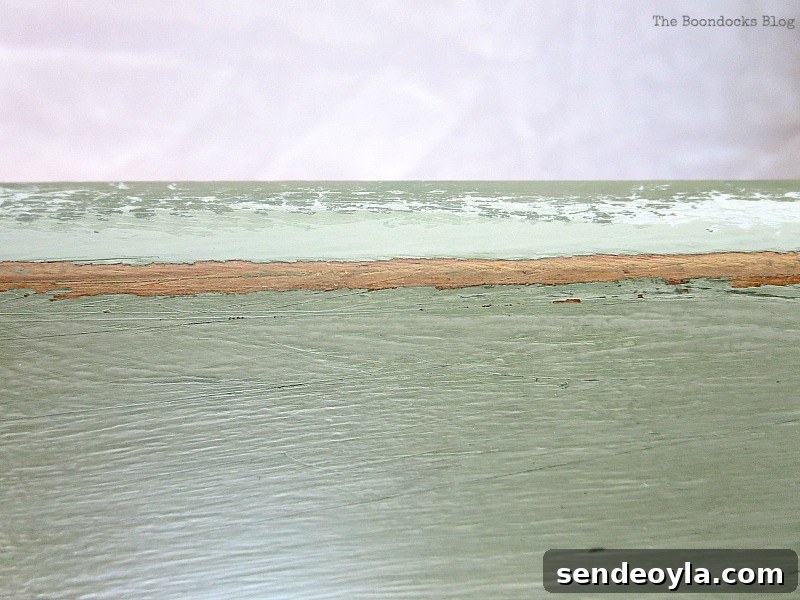
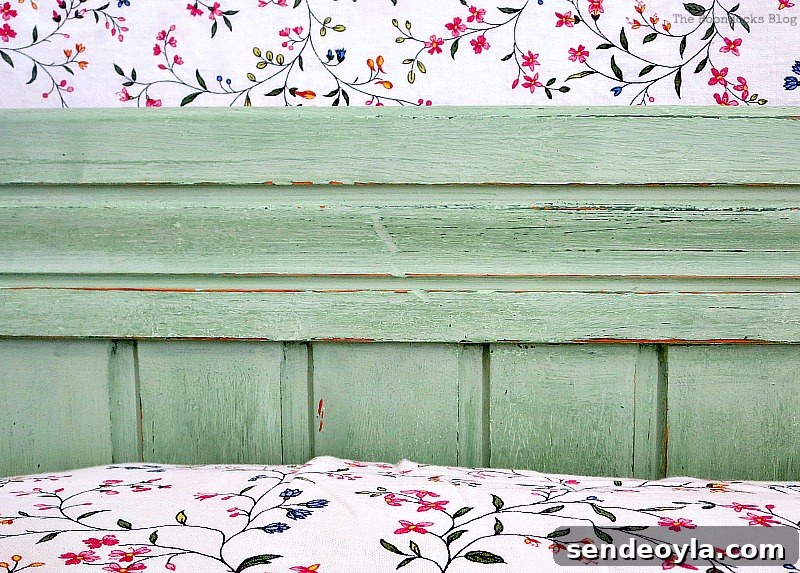
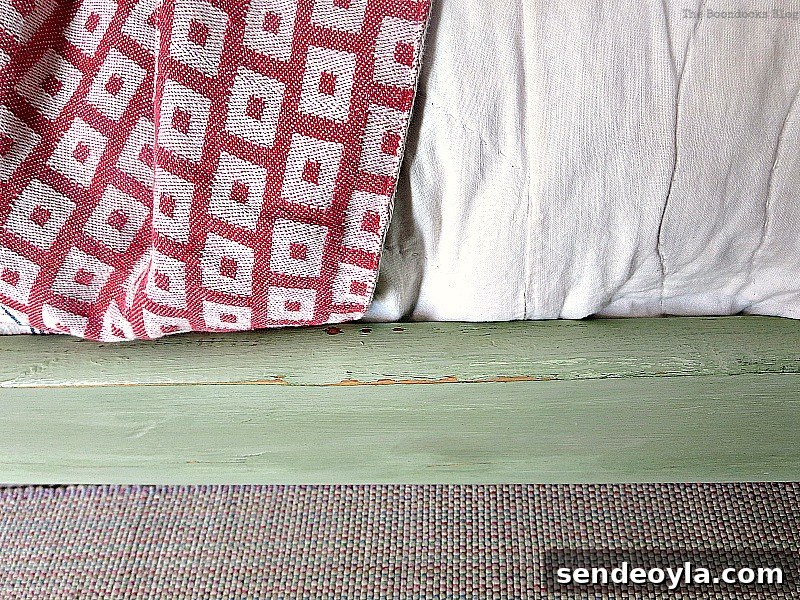
The sanding exposed a lighter green underlayer in several areas, which adds depth and character. Instead of a flat uniform color, the finished frame shows multiple tones that make the piece interesting and aged in a tasteful way.
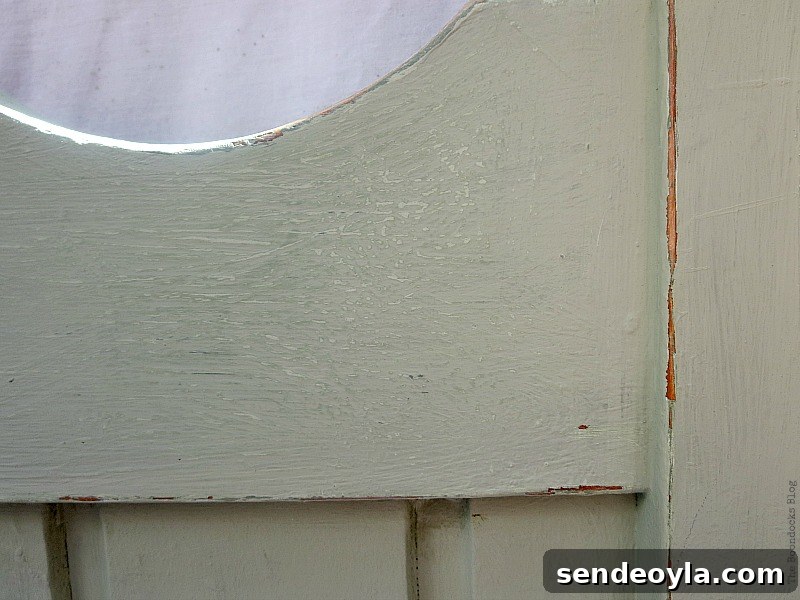
For the final step I applied Americana Decor Cream Wax. The wax deepened the hue slightly and protected the painted surface while giving the finish a subtle sheen. After waxing, the bed and dresser looked well matched; the wax helps integrate the layers and enhances the distressed highlights.
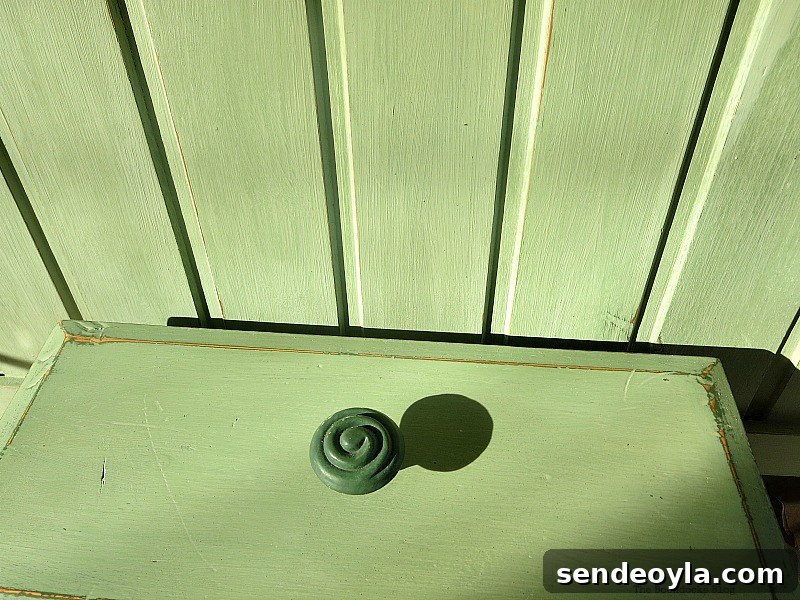
Putting It All Together
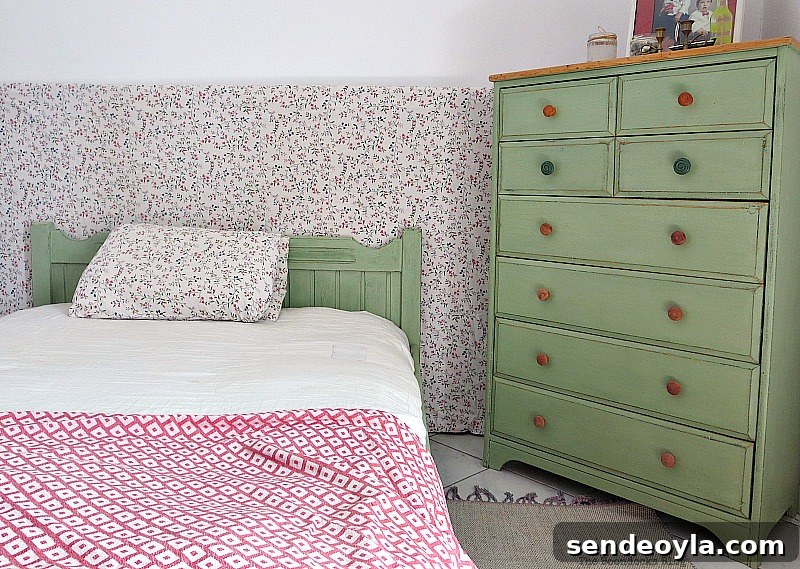
Next to the dresser, the bed frame completed the new bedroom set. The finish shows four distinct tones where the paint and sanding exposed earlier layers, creating an aged, textured appearance rather than a single flat green. That combination of colors and light distressing gives the piece real depth.
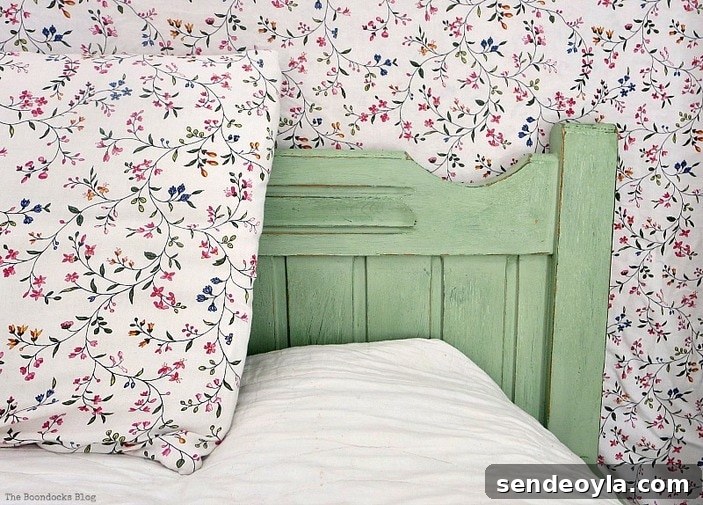
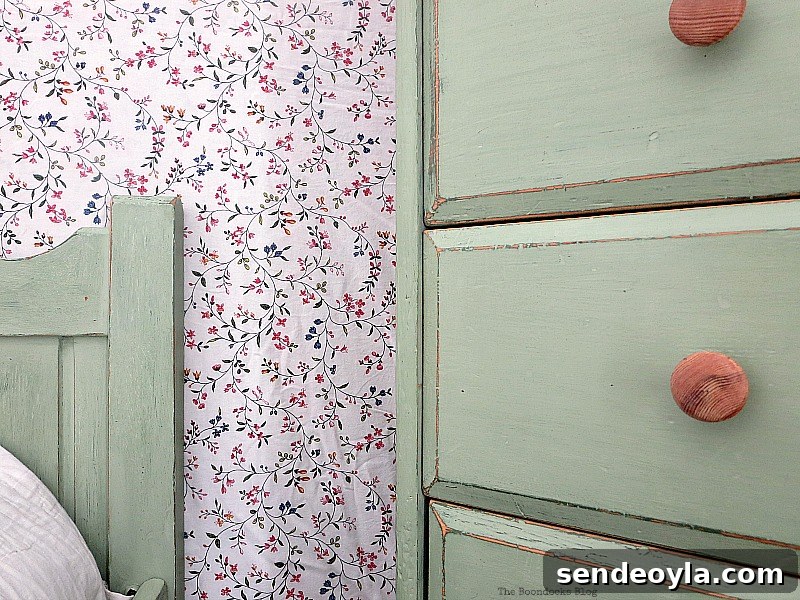
You can see the scratches, wear and layered colors clearly in the close-up photos. These details are what transform a simple painted bed into a finished piece with personality. Rather than masking imperfections, the process highlights them and turns them into design elements.
The whole bed looks different depending on the light, which is normal with layered finishes. In direct sun the color appears brighter; in softer light it reads more muted and aged. Either way, it coordinates nicely with the dresser and gives the room a cohesive, handmade feel.
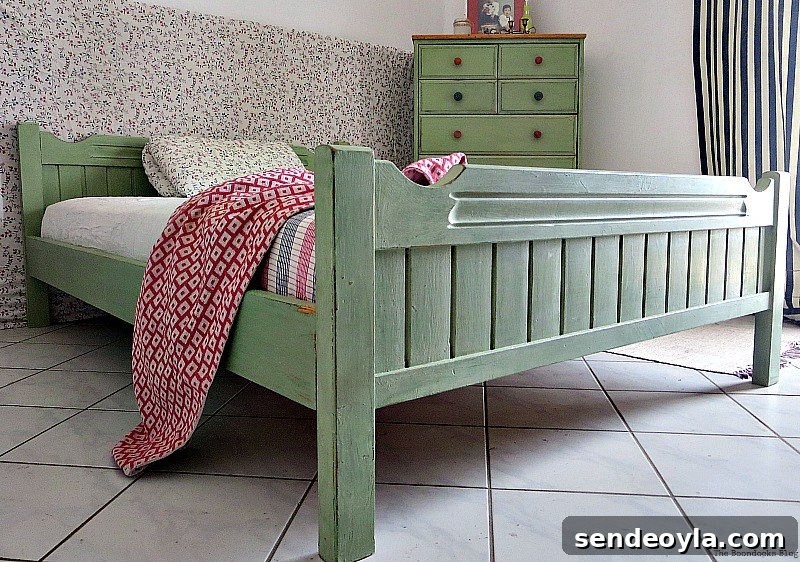
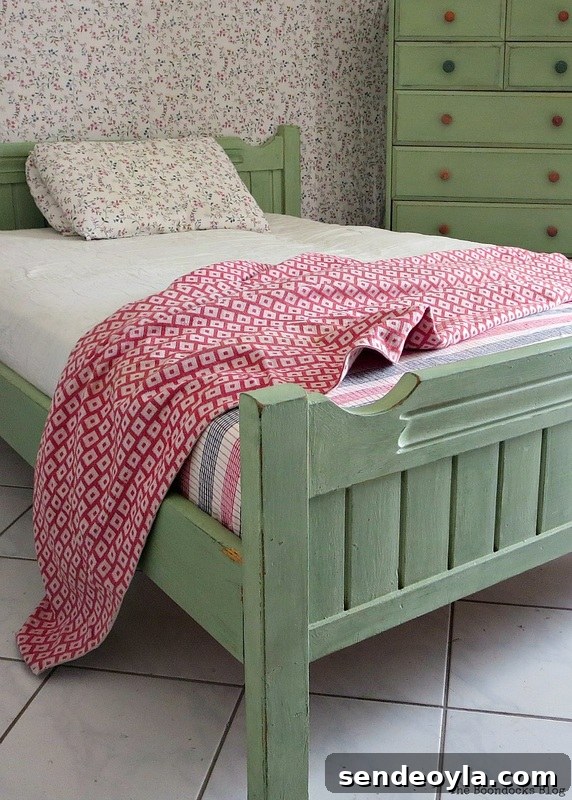
It was a close call between running out of paint and getting a good color match, and my hand did get sore from sanding—but the result made it worth the effort. The basement yielded a “brand new” bedroom set with just paint, sanding, and wax.

If you have an older wooden frame tucked away, a chalk-style paint, some light sanding for distressing, and a finishing wax can turn it into a fresh, coordinated piece for your bedroom.