
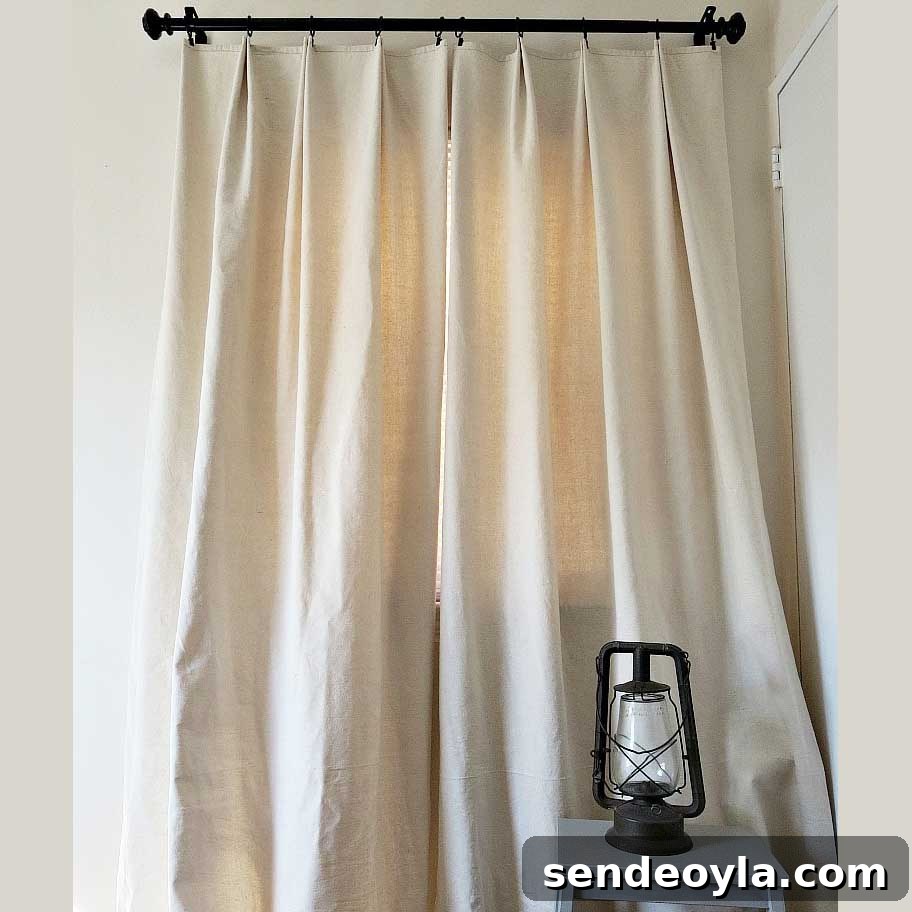
Need new curtains but working with a tight budget? These simple, stylish DIY drop cloth curtains are an affordable way to add privacy and character to any room. Using canvas drop cloths, a few basic supplies, and a little patience, you can create full, pleated curtains that look custom-made without the custom price.
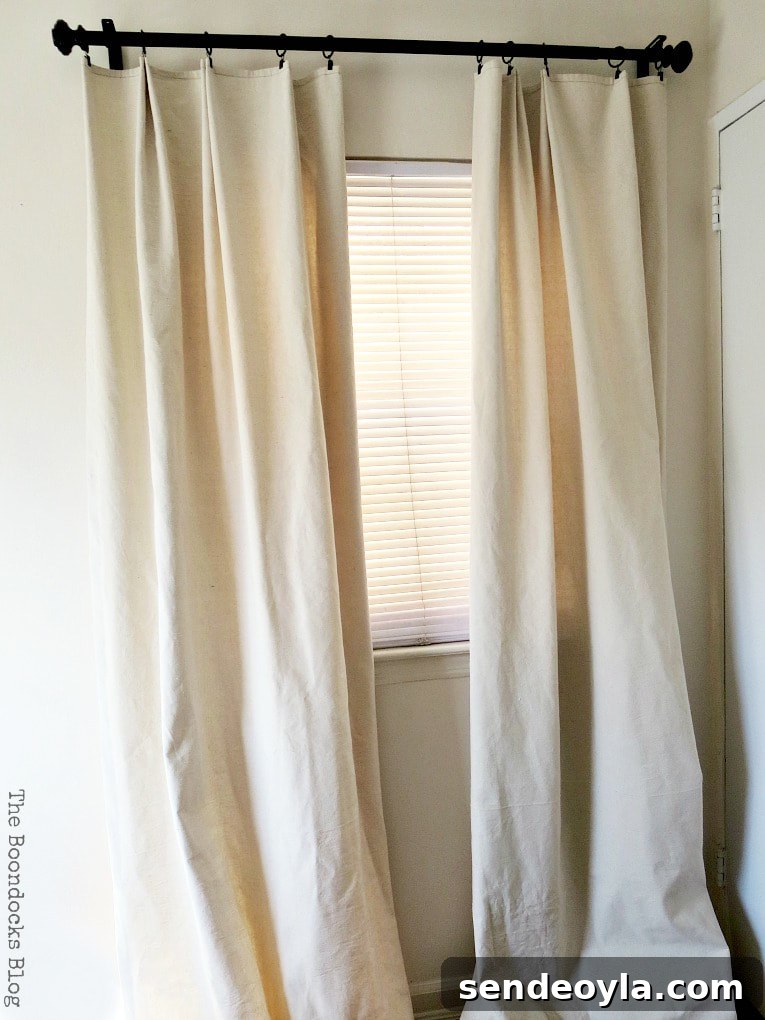
Making Curtains from Drop Cloth
I decided my room needed new curtains. The old panels were worn and the edges had faded from sunlight, so I wanted something neutral, durable, and affordable. Rather than buying expensive curtain fabric, I ordered canvas drop cloths to make pleated panels. Drop cloths are heavy cotton canvas that give a nice drape and can be finished into attractive curtains for a fraction of the cost.
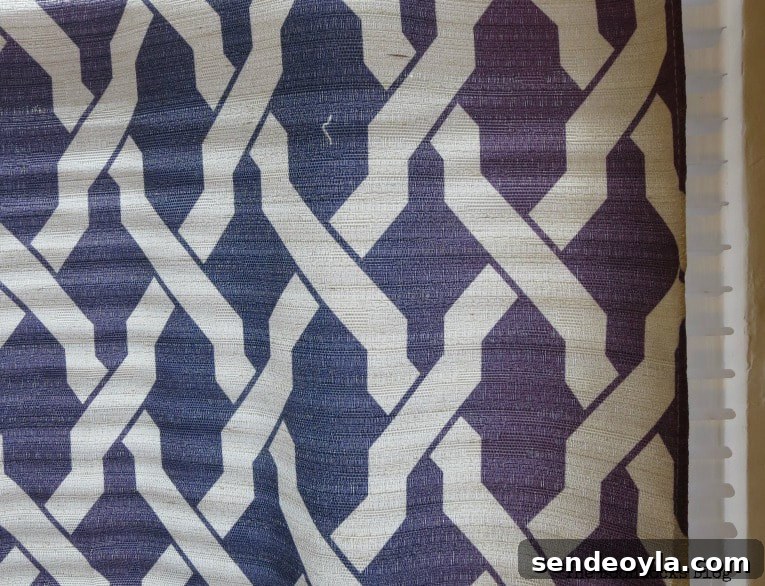
I’d read recommendations from other DIYers about using drop cloths for home projects, but I was cautious at first—weights and weave vary by brand. To avoid surprises, plan your project around each piece you buy: check seams, edge bindings, and width before you cut anything. For my windows I planned to make four panels and aimed for a finished width about two and a half times the total window width for a rich, full look.
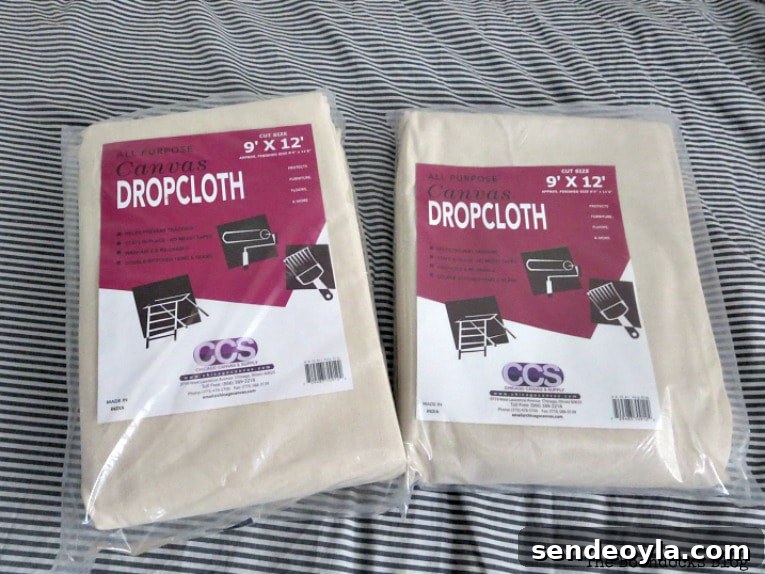
Supplies Needed to Make Drop Cloth Curtains
- Canvas drop cloths (two pieces approx. 9′ x 12′ recommended)
- Measuring tape
- Iron
- Fabric scissors
- Needle and thread or iron-on fabric tape
- Clip rings for hanging (4–6 per panel depending on desired pleating)
How to Make Curtains with Drop Cloth
When the drop cloths arrived, I washed them first. They’re 100% cotton, so pre-washing reduces later shrinkage and removes manufacturing residues. After washing and drying, press each panel with a hot iron so you can measure and cut accurately.
Measure your window and decide on the number of panels and their finished width. Because drop cloth pieces are not always identical—one of mine had a center seam while the other had sewn borders placed differently—take time to inspect each piece and plan your cuts accordingly. I recommend laying each cloth flat and marking where hems and cuts will go before you make a single snip.
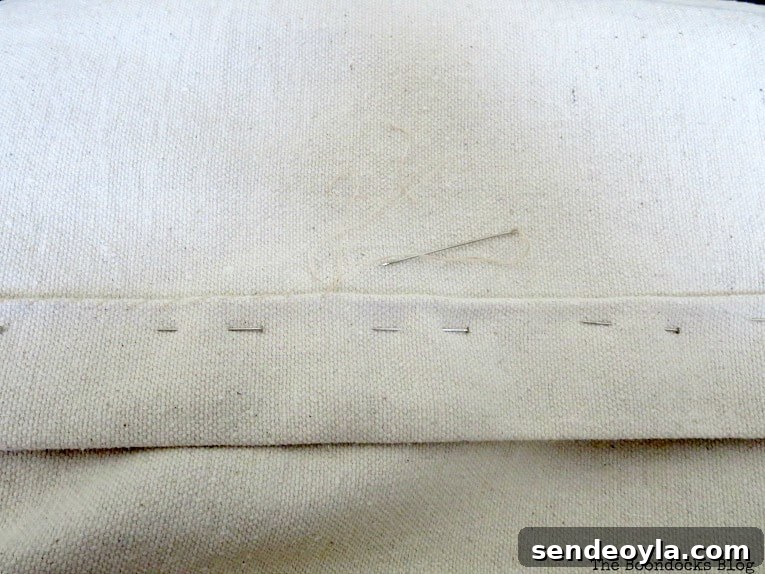
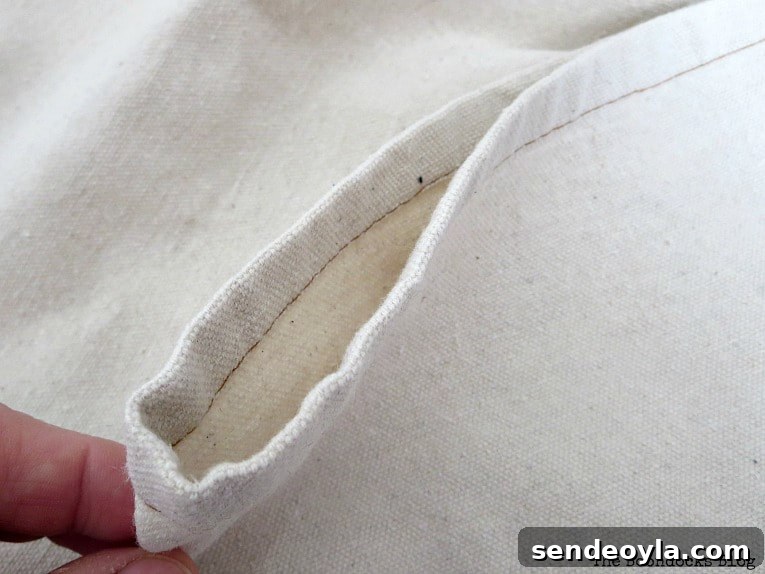
To create neat edges, fold the raw edges twice and press them with an iron. You can use iron-on fabric tape for a no-sew solution, hand stitch for a crisp, durable finish, or even hot glue in a pinch. I prefer to hand-sew the hems because the result looks clean and the thread remains nearly invisible on the canvas.
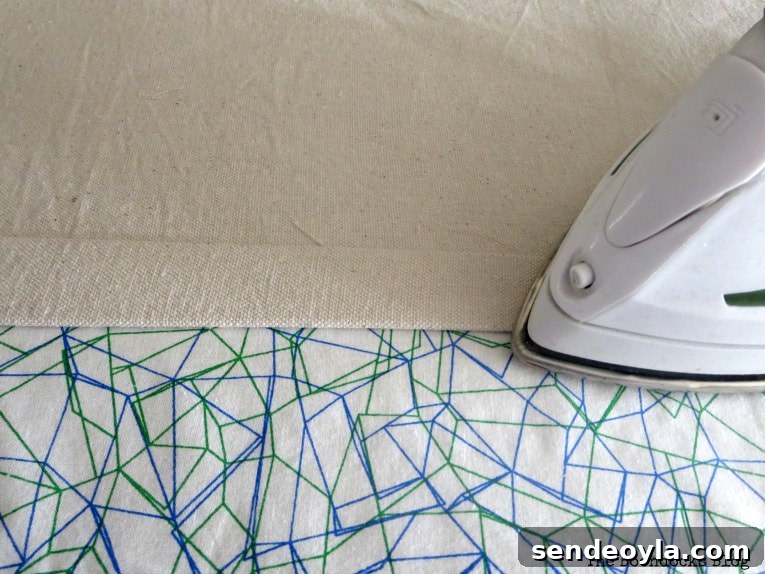
One of my drop cloths already had sewn binding on one side, so I only needed to hem the bottoms on the other set. Once the side seams and bottoms were finished, I prepared the panels for hanging.
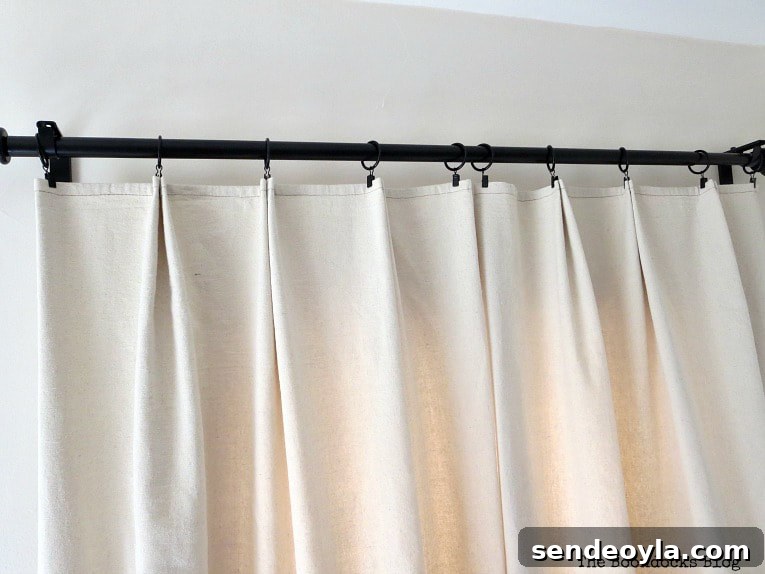
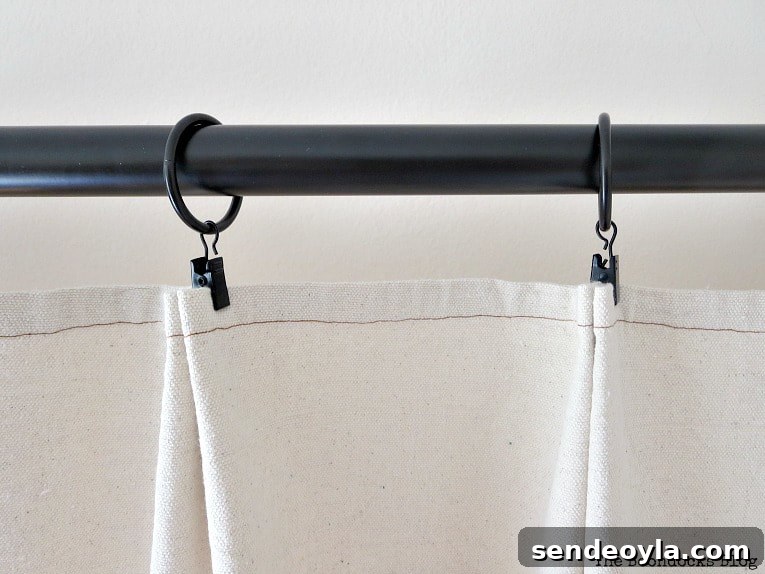
Rather than sewing permanent pleats, I used clip rings and folded the top of the panels to form pleats as I clipped. Start by folding the fabric into sections about an inch or so deep to form a “W” shape in the center, then clip the fold with a ring. On the sides, fold inward to create a “V” and clip. I used five clips per panel to create evenly spaced pleats that hold their shape but are easy to change later.
With the panels clipped and hung on a simple black rod, the pleats look instant and professional. If you want permanent pleats you can stitch them, but the clipped method lets you easily adjust fullness or remove the clips when laundering the curtains.
Cost was a major win: shopping for comparable curtain-weight fabric locally would have been expensive—well over twenty dollars a yard in my area—so making curtains from drop cloths saved a lot of money. My project cost a fraction of buying the same weight fabric by the yard, leaving funds for hardware or extra decorative touches.
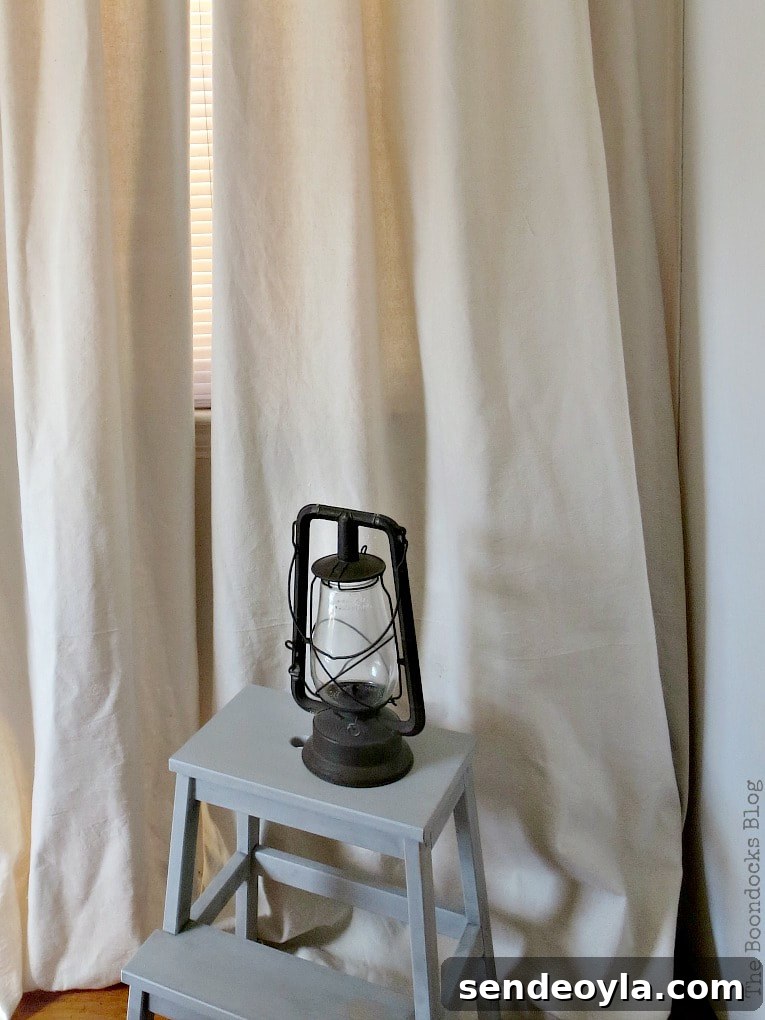
I left extra fabric at the bottom intentionally, planning for a slight puddle. Cotton canvas can shrink a little on subsequent washes, and I like the look of fabric that pools slightly at the floor. If you prefer a shorter finish, hem after the first wash to secure the final length.
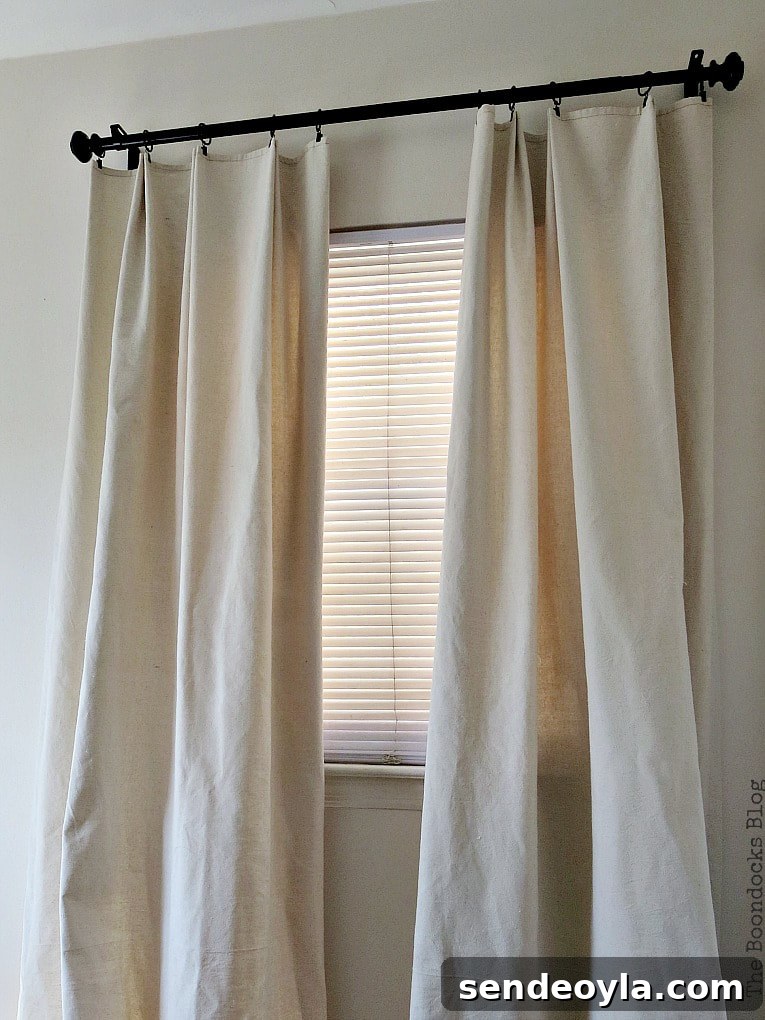
Tip for installation: mount your curtain rod high and wide—place it several inches above the window frame and extend beyond the sides. Hanging curtains this way creates the illusion of larger windows and frames the opening beautifully when the panels are open. It also allows enough fabric when closed so the curtains appear full and not skimpy.
While researching options, I noticed that traditional curtain hanging methods in some places use a valance or a sewn tape with loops to create uniform pleats with hooks on a track. Today, many people prefer clip rings because they’re widely available and simpler to use, especially for heavy canvas panels.
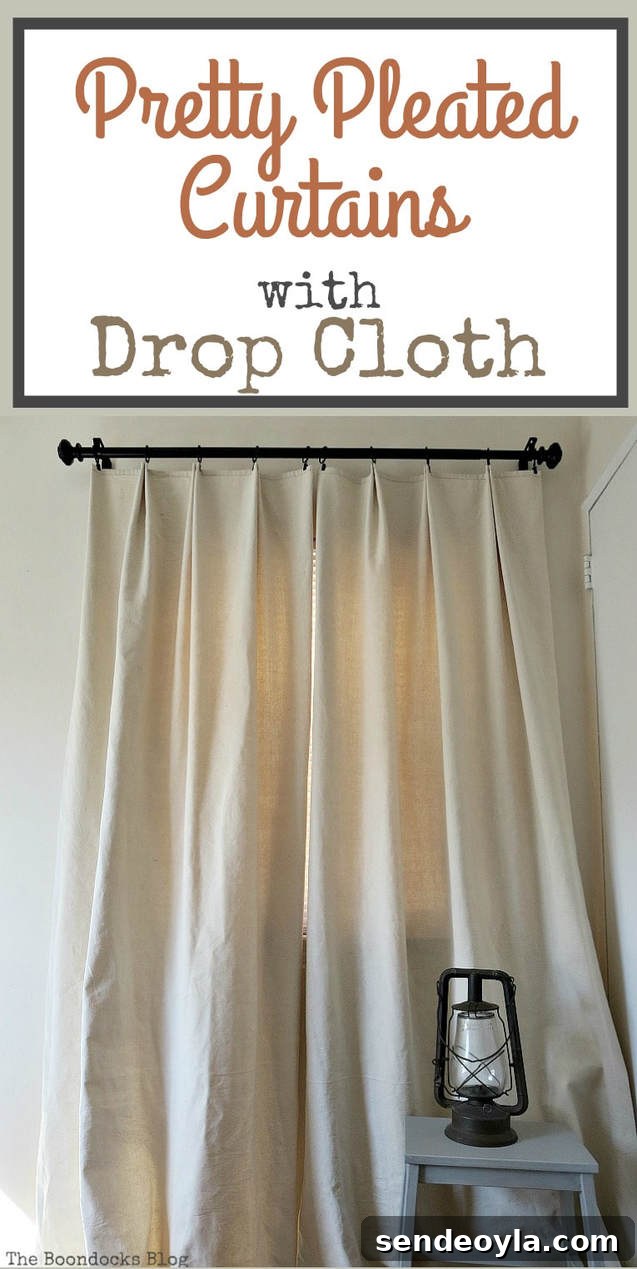
These drop cloth curtains gave my room immediate impact with very little cost or time. The pleats were quick to form, the fabric is durable, and the overall look feels custom. If you’re looking for a budget-friendly way to refresh windows, drop cloth curtains are a practical, attractive option—easy to sew, easy to hang, and easy to change.