
If you’re new here, I also run a food blog called Tastefully Vikkie. As a DIYer, I’ll share the affordable essentials I use to capture food photos and videos without breaking the bank.
This post includes a tip using Blu Tack and mentions items I use; some images show the gear I rely on.
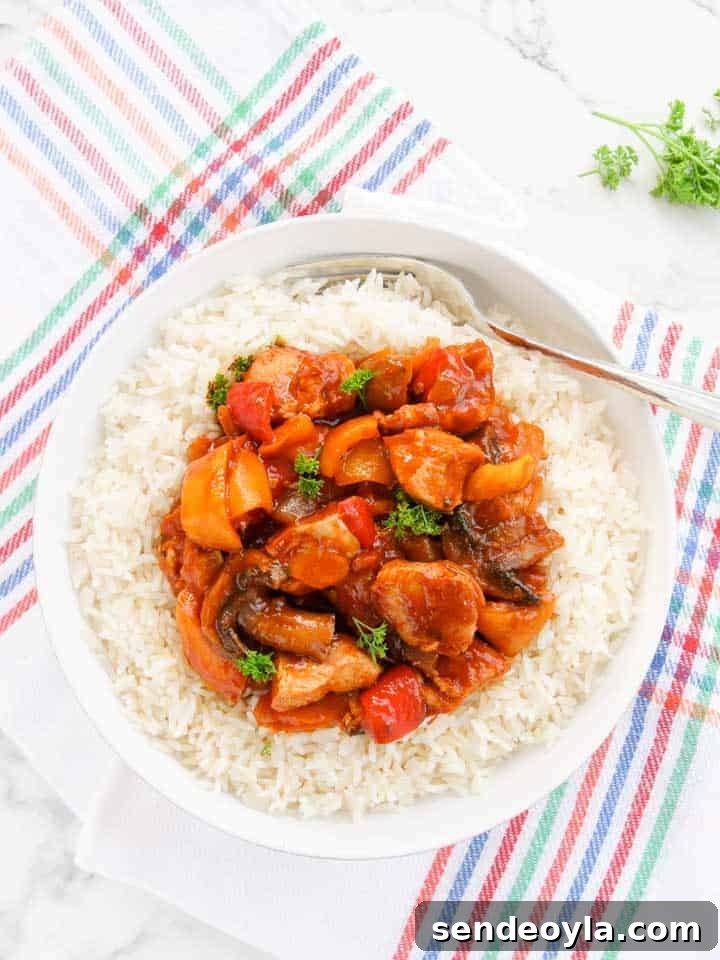
Though I’m known for DIY and home renovation projects, I also shoot food photography and short cooking videos as part of my creative work. Over time I’ve learned how to make practical, low-cost solutions that deliver professional-looking results—many of which you can build or source inexpensively.
Below are the most useful budget-friendly tools, techniques and props I use regularly. These tips are aimed at food bloggers, hobbyist photographers, or anyone wanting better images and video without a big investment.
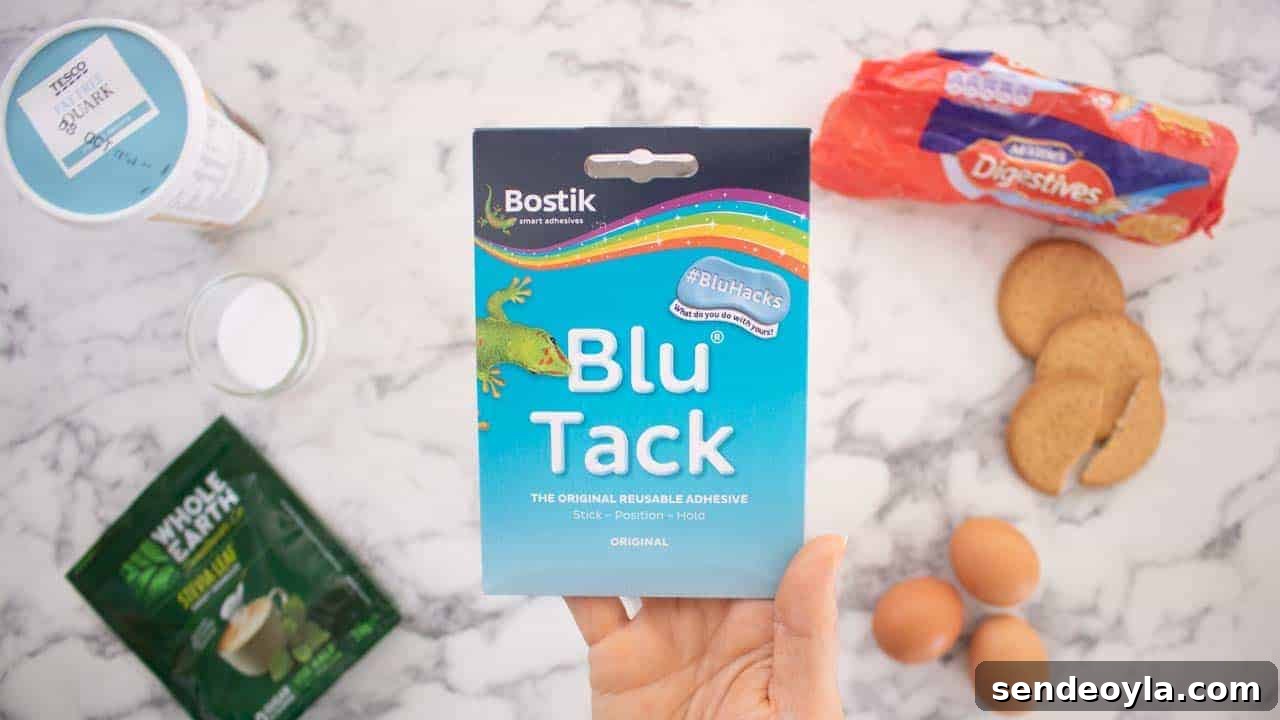
#Bluhacks Competition (Closed)
One of my neatest tricks uses Blu Tack—more on that below. A past competition related to #BluHacks offered Amazon vouchers; although that contest has closed, sharing creative Blu Tack hacks remains a fun way to think about inexpensive photography fixes.
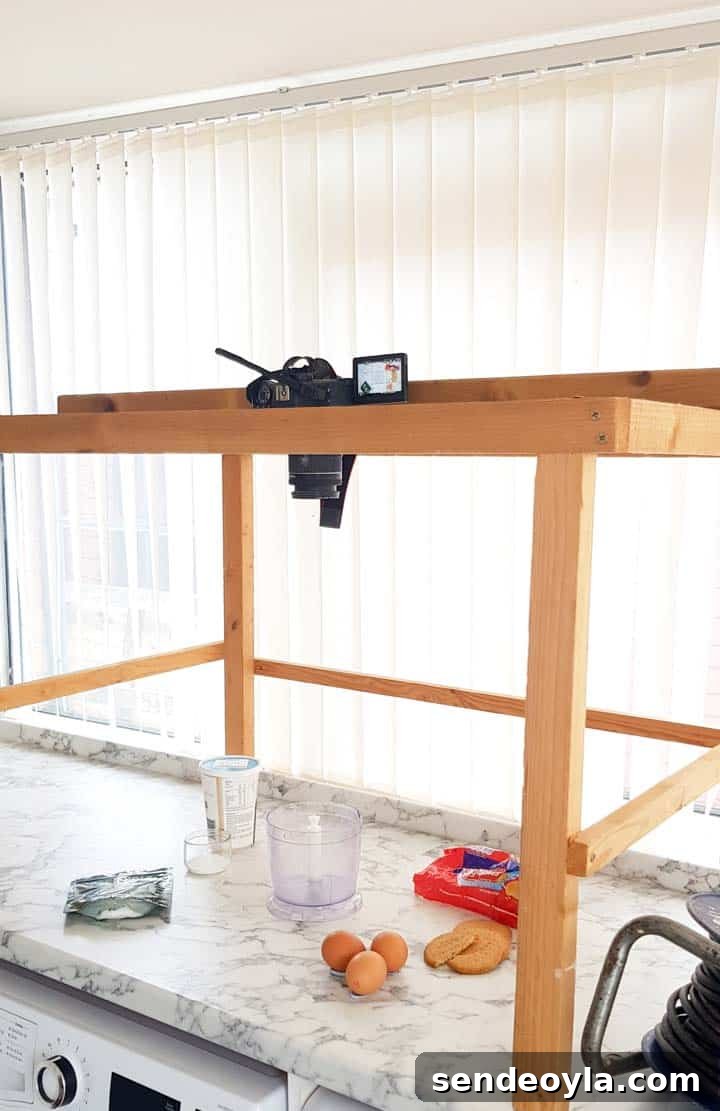
1. THE DIY OVERHEAD CAMERA RIG
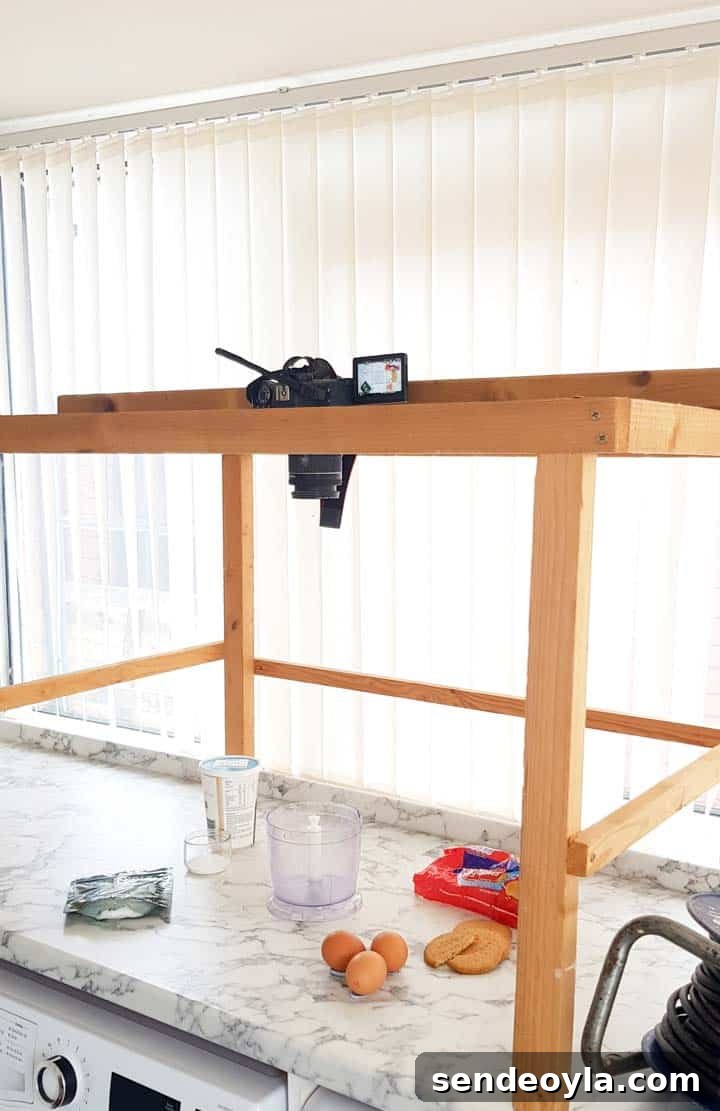
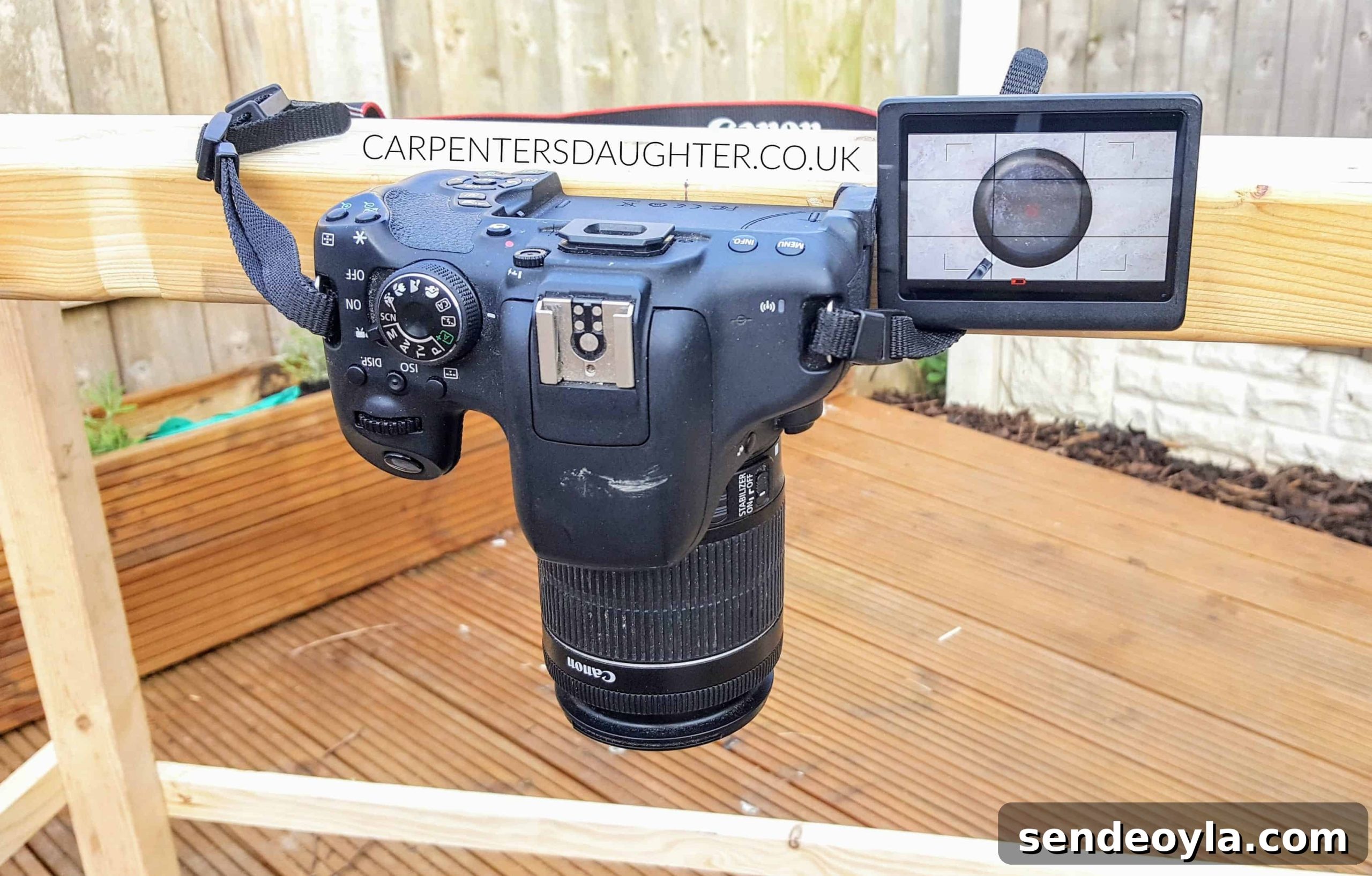
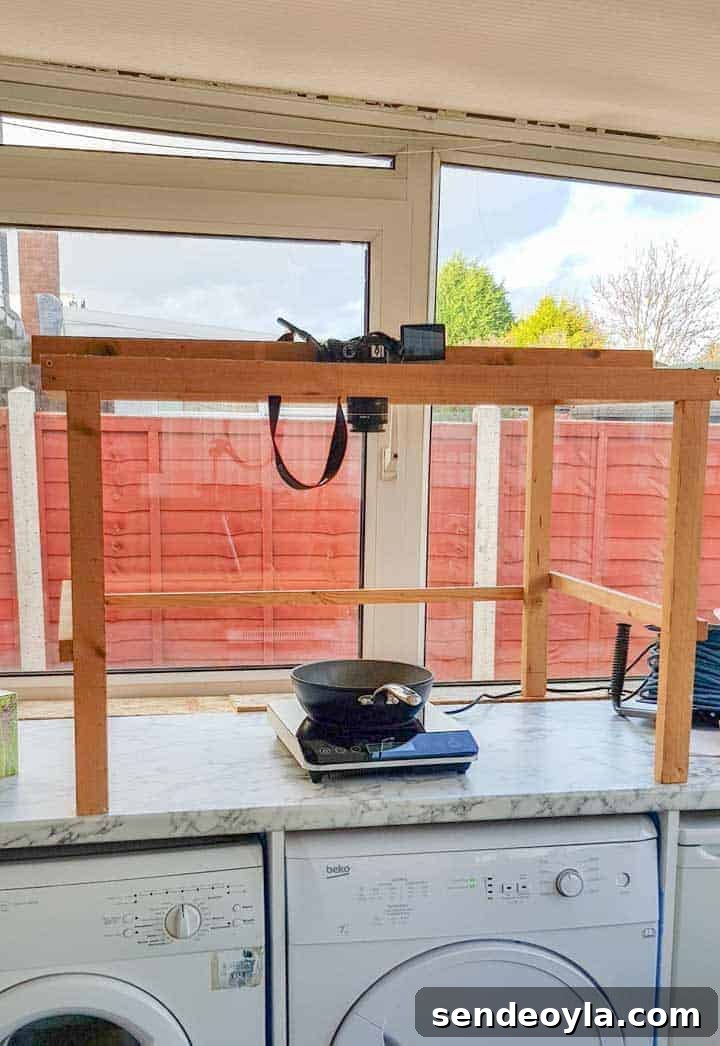
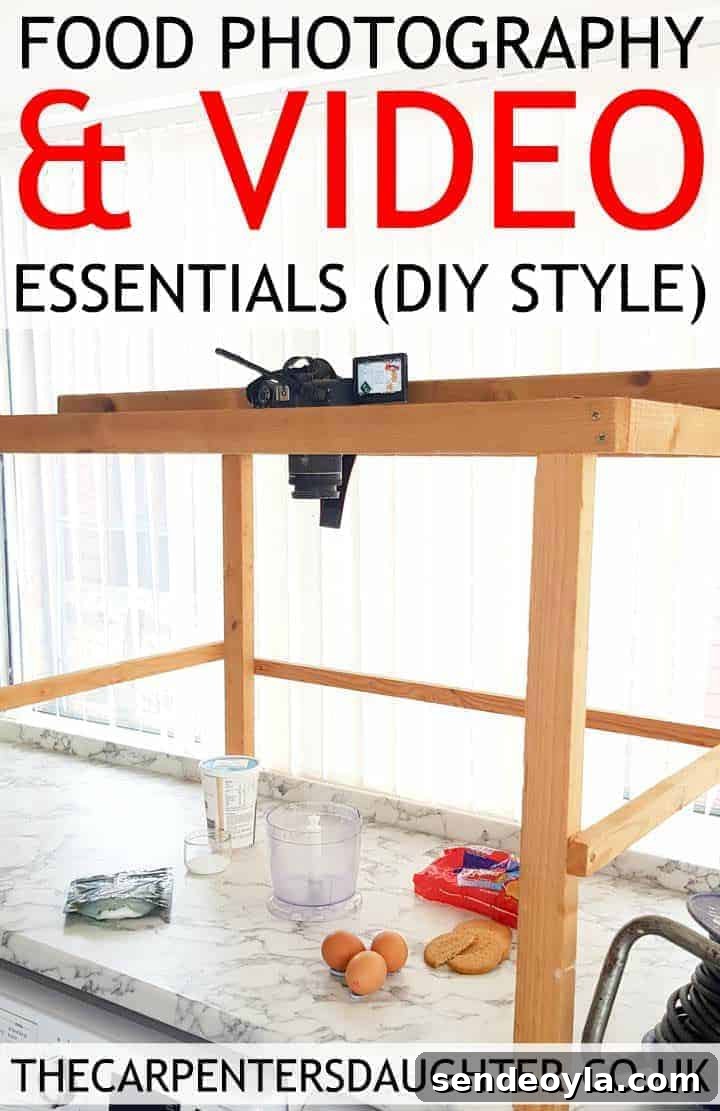
A sturdy overhead rig is one of the best DIY builds for food photography. Mine was made from wood offcuts, a hand saw, a drill and an M6 bolt that screws into the camera’s tripod socket. It cost me almost nothing to build.
This simple rig sits on the countertop, gives solid overhead stability and avoids the need for expensive studio arms or balancing sandbags. It works for DSLRs, mirrorless cameras and can be adapted for smartphones with the right mount. If you build one, glue plus screws will add extra long-term strength.
2. A MOVEABLE ‘STUDIO’ MARBLE WORKTOP
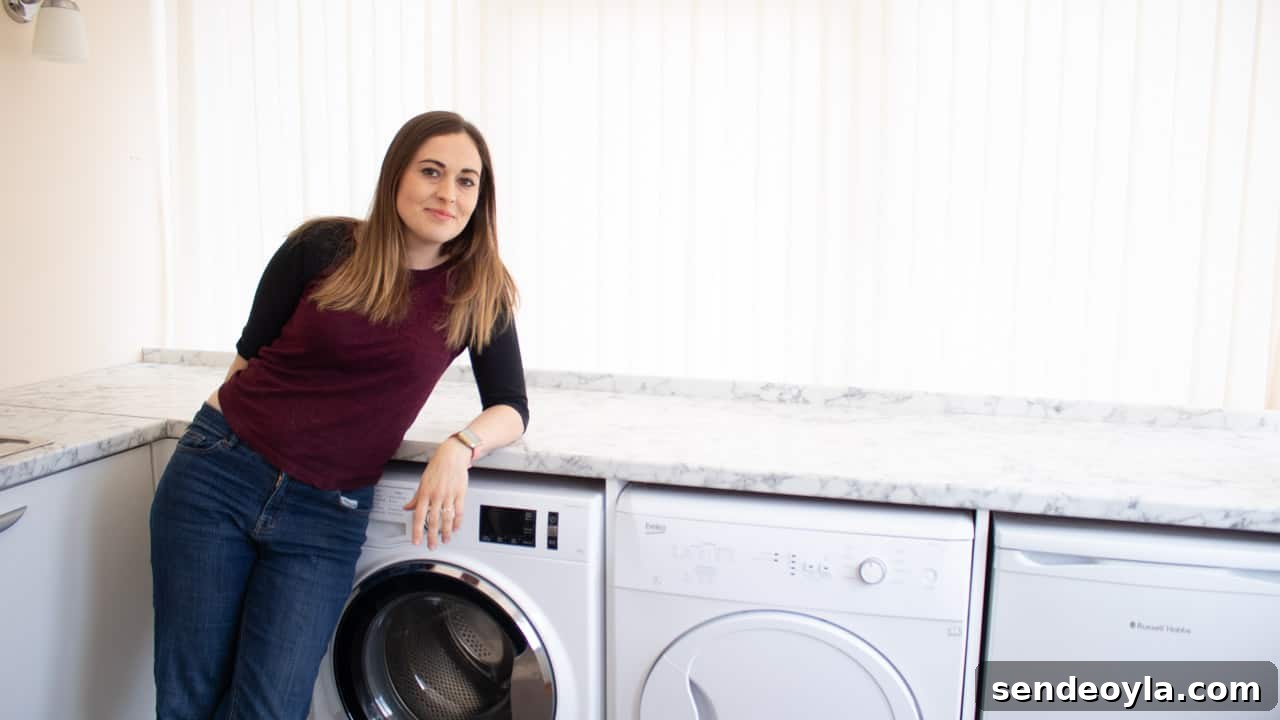
A faux marble worktop makes a beautiful backdrop and photography surface. Rather than buying expensive stone, I installed a black-and-white faux marble worktop in my utility studio—affordable and professional looking. Leftover sections can be fitted with hairpin legs to create a portable tabletop backdrop you can move around for different light and angles.
If you prefer other options, roll-up vinyl backdrops are easy to store, but a marble effect often makes food colours pop and look fresher.
3. PAINTED PLYWOOD BACKDROPS
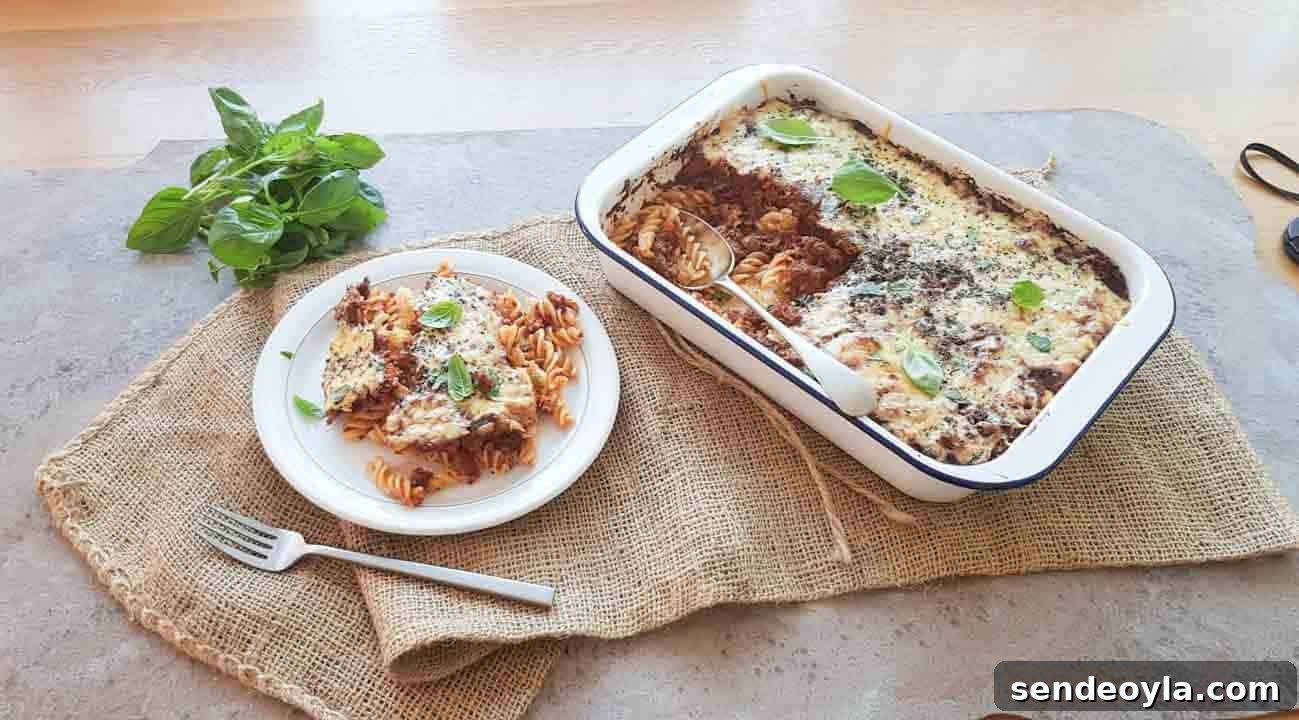
Lightweight plywood boards are cheap and versatile backdrops. With tester pots of paint you can create endless looks—matte greys, worn wood effects, or colourful paneling. They’re easy to store and quick to swap between shoots, so paint several to keep visuals fresh.
4. CAMERA KIT: START SIMPLE, UPGRADE SMART
Many successful food images start on a smartphone. As you progress, consider a beginner DSLR or mirrorless camera with a flip screen for overhead work. I used an entry-level DSLR early on and later added a mirrorless body and a versatile zoom and a 50mm prime for shallow depth of field.
A 50mm lens or similar fast prime is particularly useful for food close-ups; a mid-range zoom covers bird’s-eye and wider shots. Learn basics—ISO, aperture and white balance—and you’ll see immediate improvement.
5. BASIC PROPS FOR TEXTURE AND INTEREST
Props add texture and context. Browse charity shops and car boots for vintage cutlery, wooden boards and linen. Items I reach for often include:
- Wooden chopping boards
- Bulk tea towels (easy to swap when stained)
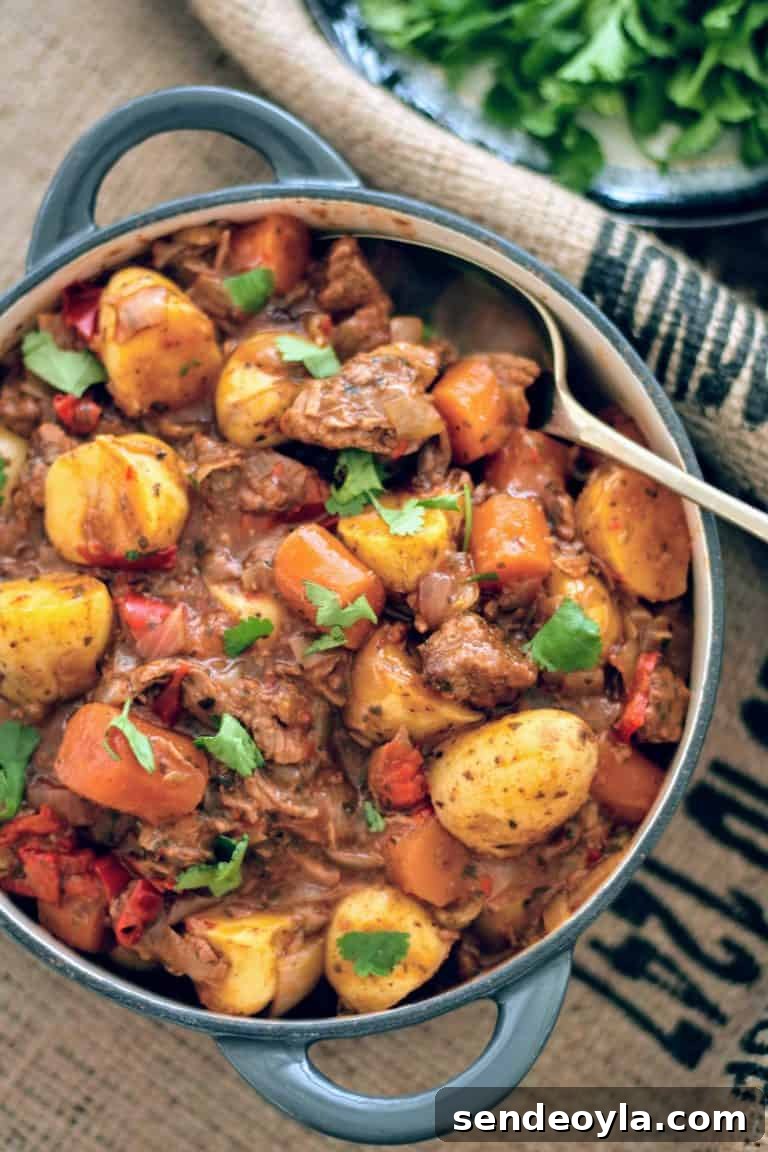
- Small hessian or coffee sacks for rustic texture
- Simple sandbags or hessian weights for stabilizing setups
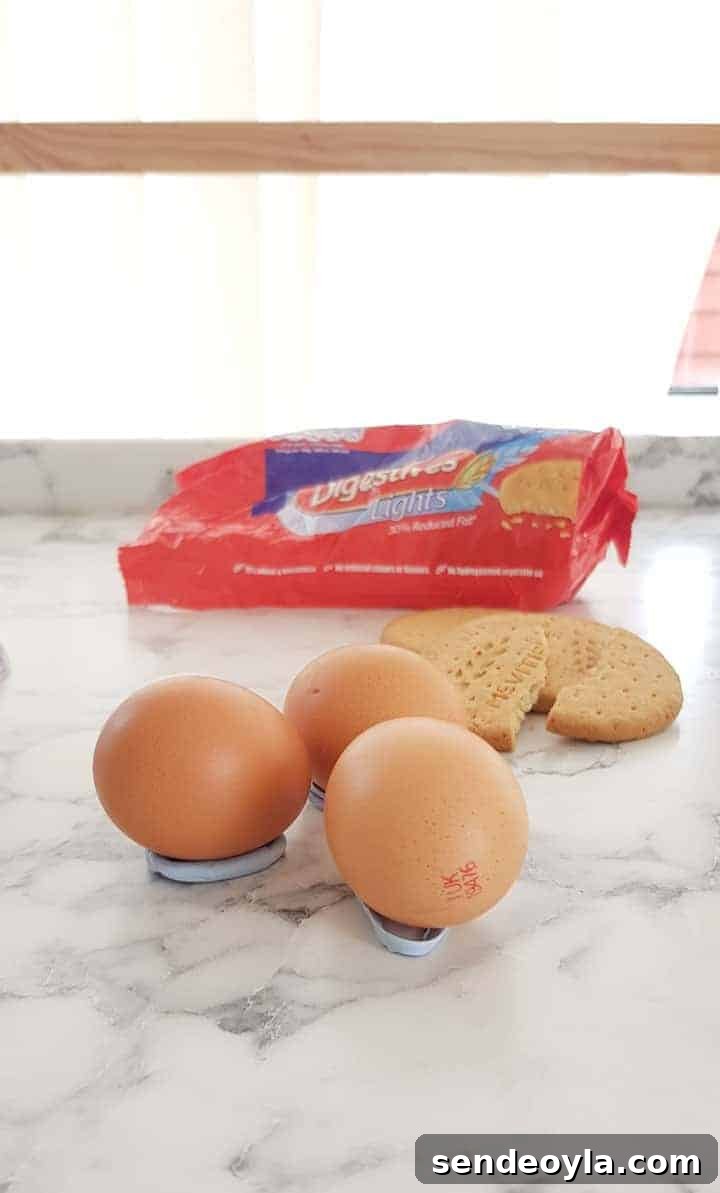
6. BLU TACK: A SIMPLE PROP SOLUTION
Blu Tack is one of my favourite low-cost helpers. Roll small rings or discs and hide them under eggs, herbs or other rounded ingredients to keep them steady during filming. It’s invisible on camera and prevents items from rolling or shifting, which saves time and maintains continuity between frames.
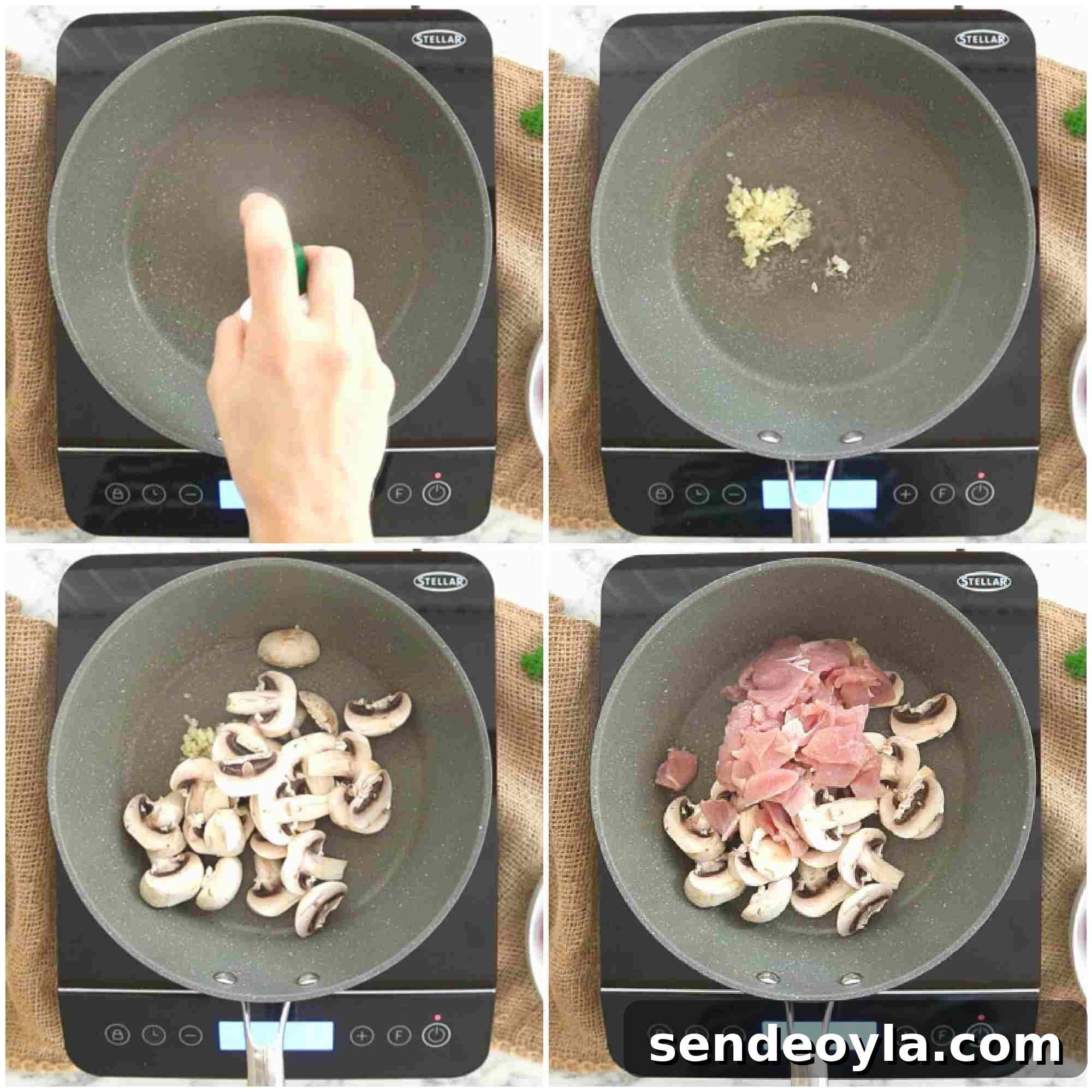
7. HOT PLATE OR INDUCTION HOB
A reliable induction hot plate heats quickly, cools down fast and reduces steam and splatter compared with basic camping hobs. They’re compact, look neat on camera and let you control heat precisely for staged cooking shots. Make sure to use suitable pans for induction surfaces.
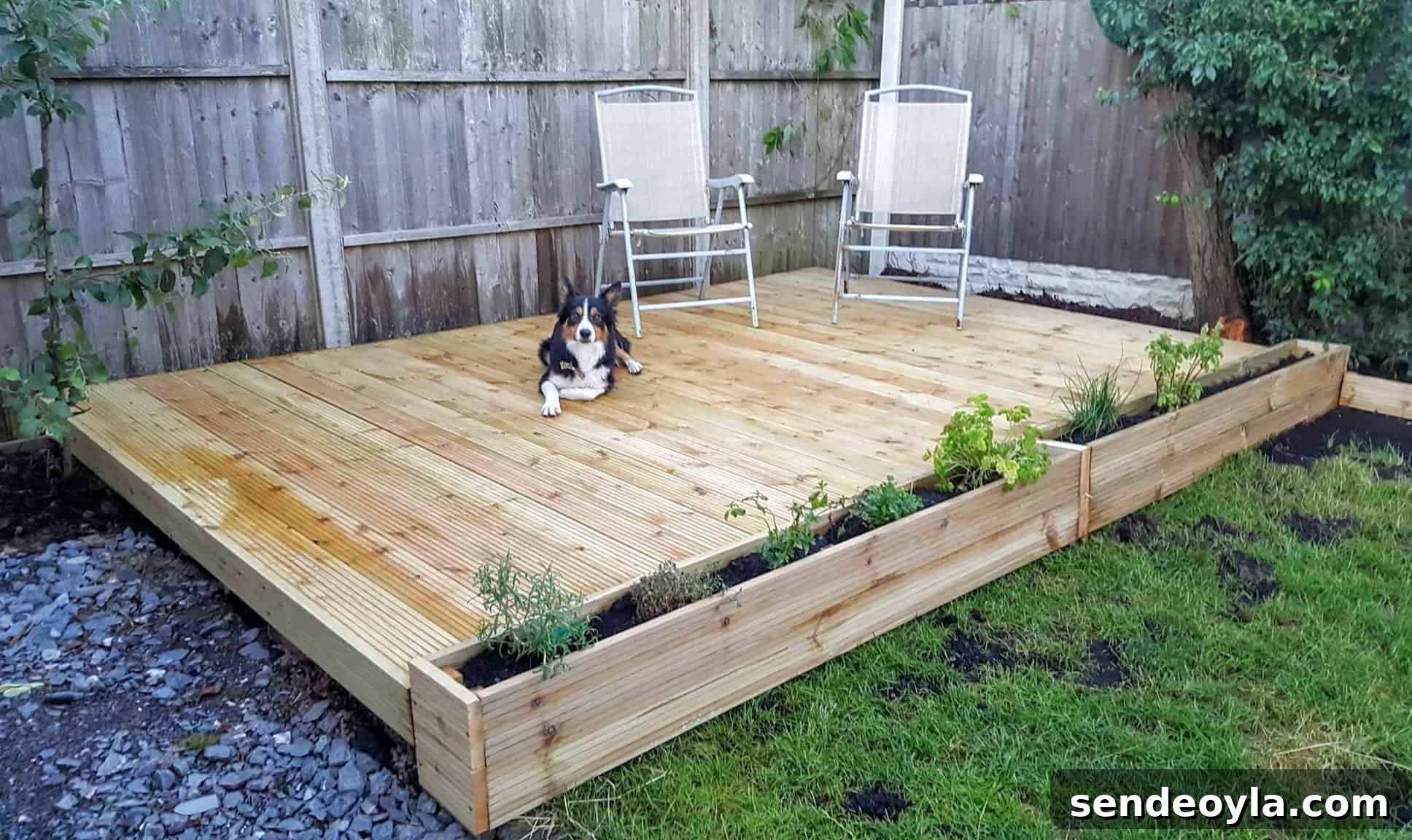
9. GROW A MINI HERB GARDEN
Fresh herbs lift a shot—greenery adds colour and freshness. To save costs, grow a small herb box at home with hardy varieties like chives, thyme, rosemary, sage and parsley. Rotate plants seasonally and keep a few pots by your shooting area for immediate access to garnishes.
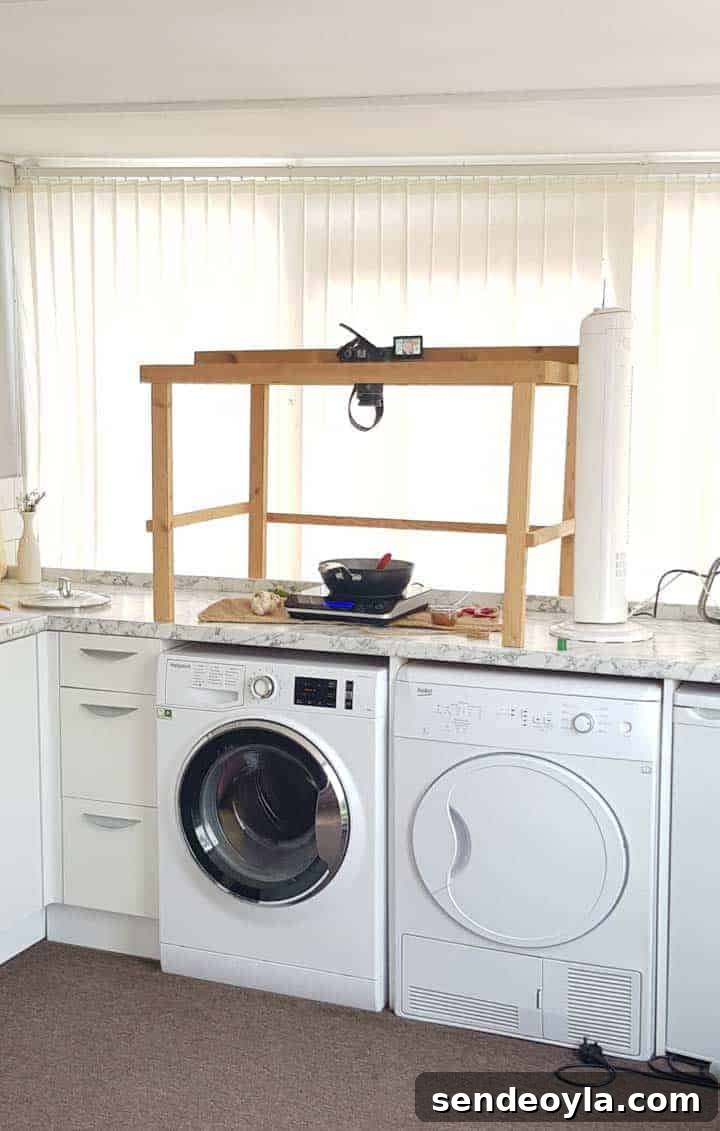
10. A FAN TO CLEAR STEAM
Steam can blur details and fog lenses. A small fan directed subtly off-camera helps keep steam away from your shooting area so you can capture crisp frames while food is still hot. It’s a simple tip that improves image clarity during cooking sequences.
11. USE NATURAL DAYLIGHT WHEN POSSIBLE
I prefer window light over studio strobes or flash. Natural, diffused daylight produces soft, flattering results for food. Position your setup by a large window and shoot during mid-morning to mid-afternoon when light is strongest and consistent. For lower light, adjust ISO and aperture, and correct white balance in post if needed.
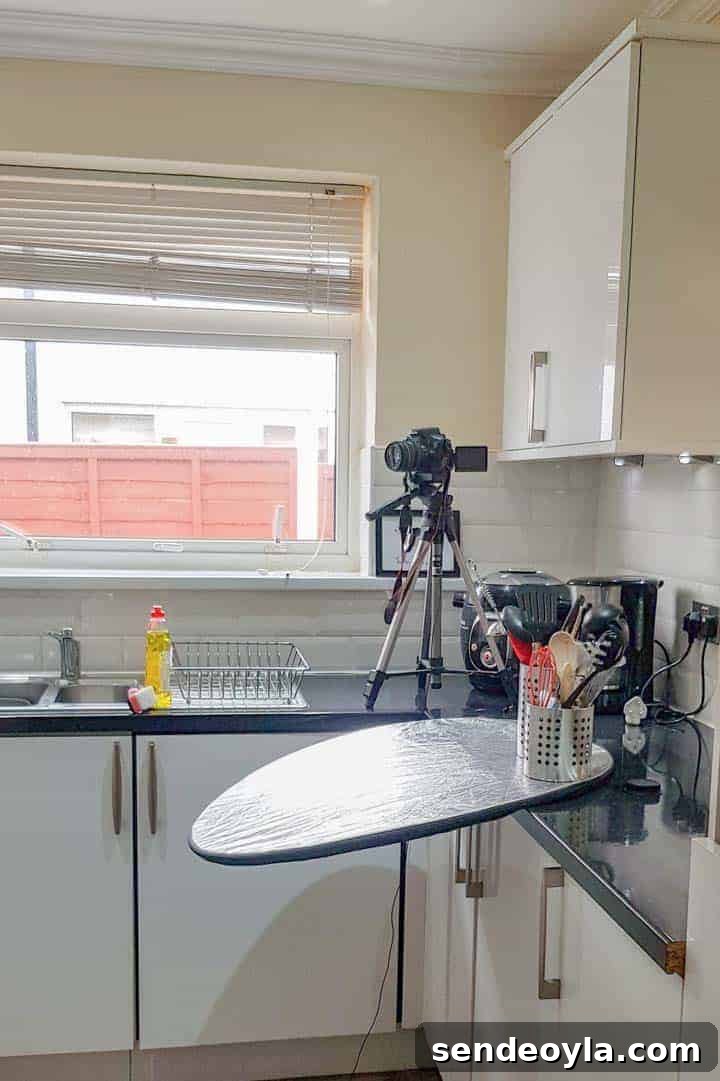
12. USE A REFLECTOR TO FILL SHADOWS
A reflector brightens shadowed areas and gives more balanced lighting. My first reflectors were just tin-foil-covered cardboard; now I use a collapsible reflector with multiple surfaces (white, silver, gold, black). The white side is perfect for soft fill light near windows.
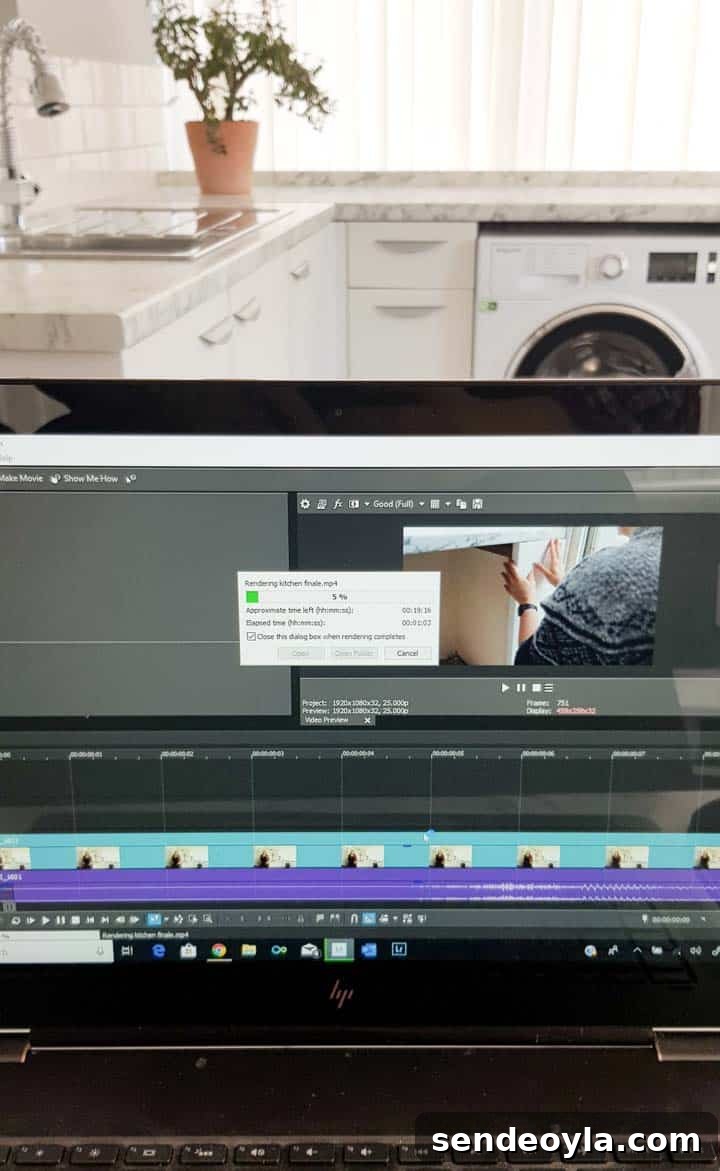
13. CHOOSE AFFORDABLE OR ONE-OFF VIDEO EDITING
Monthly subscriptions aren’t the only option—there are one-time-purchase editors and free tools that handle most food video needs. Start with basic editing software, then upgrade to a paid program if you need advanced features. For quick stills from video, use a frame-grab tool and refine in photo editing software.
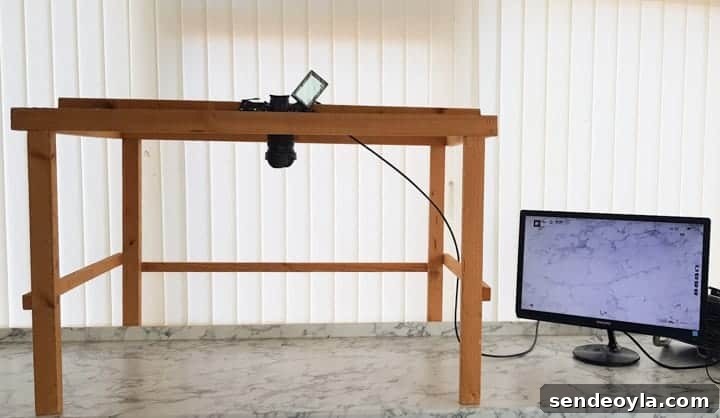
14. HOOK UP AN EXTERNAL MONITOR
Connecting your camera to an external monitor with an HDMI cable helps you check exposure, composition and focus in real time. It reduces surprises in post-production and makes framing overhead shots much easier—especially during multi-step cooking sequences.
15. LEARN FROM GOOD RESOURCES
Investing in a well-reviewed food photography guide can speed up your learning curve. Practical, focused tutorials on composition, lighting, and camera settings can transform your work quickly. Combine reading with plenty of practice: reshoot older recipes to apply what you learn.
16. PREP ACCESSORIES AND ORGANISATION
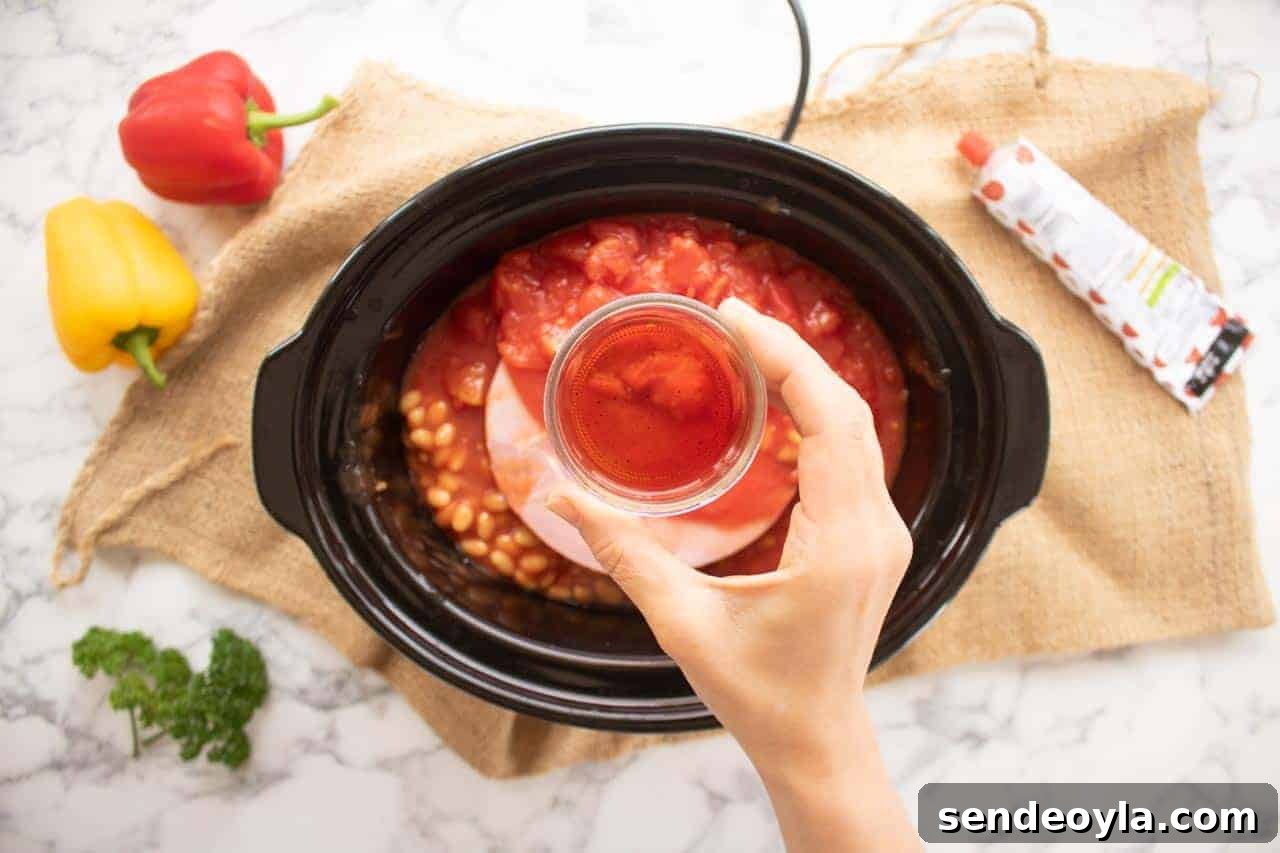
Good prep keeps shoots efficient. I use small glass jars, ramekins and recycled containers to portion ingredients, plus trays to transport everything to the shooting table. Organised mise-en-place saves time and distractions during filming, letting you focus on styling and composition.
Related Posts
- How to start a successful blog
- How to write an ebook cookbook