
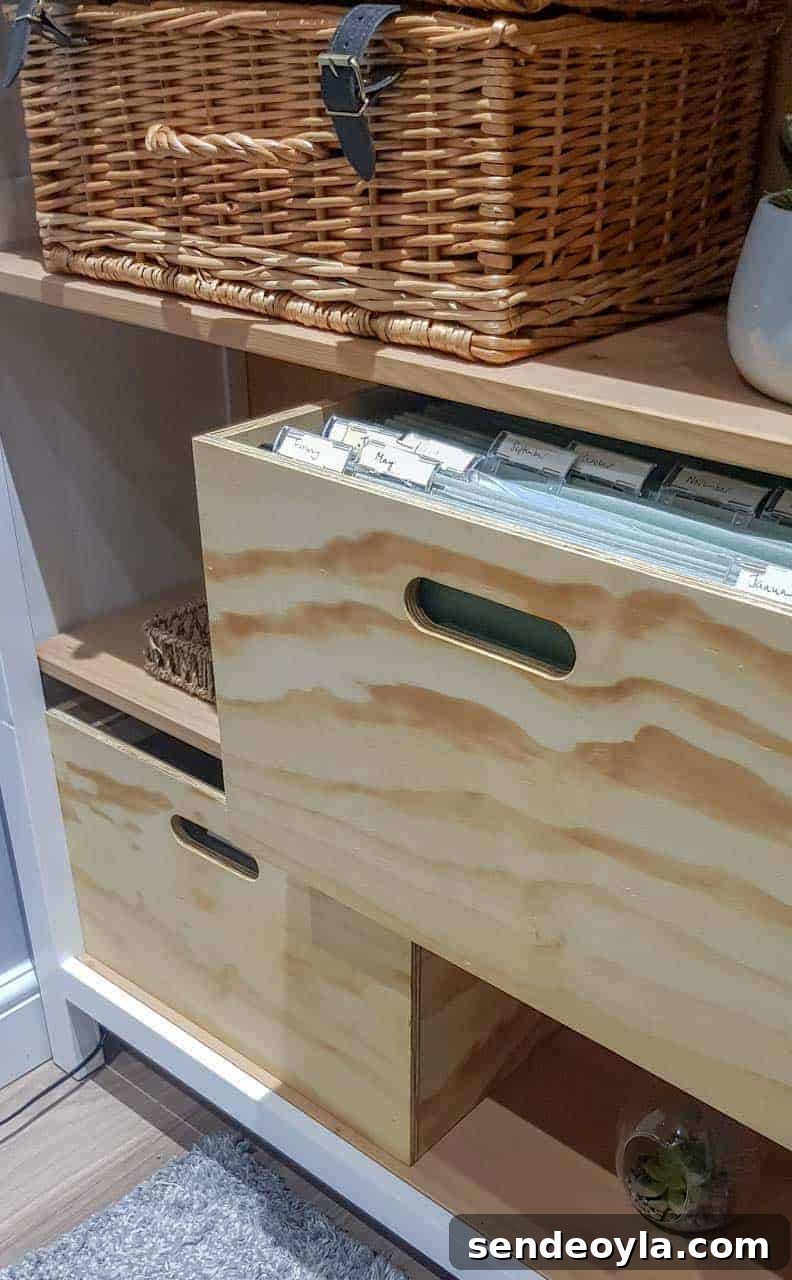
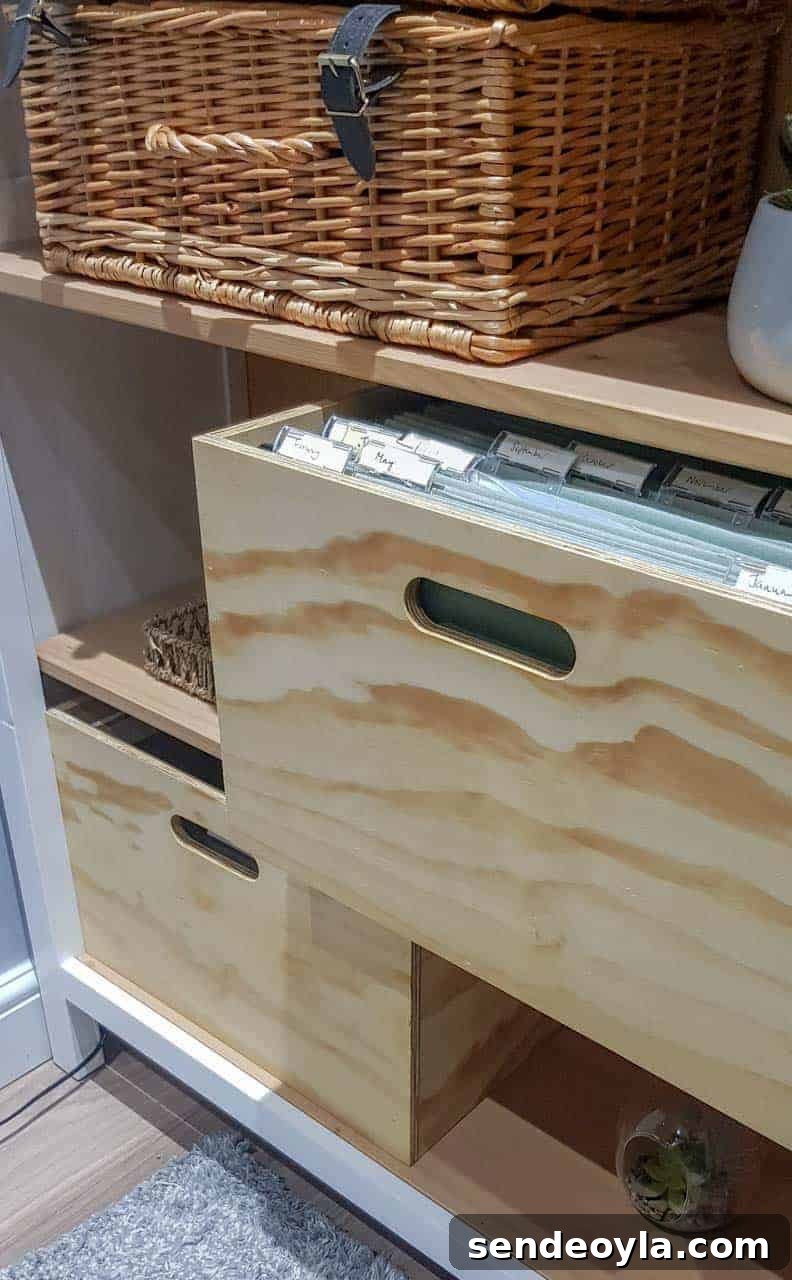
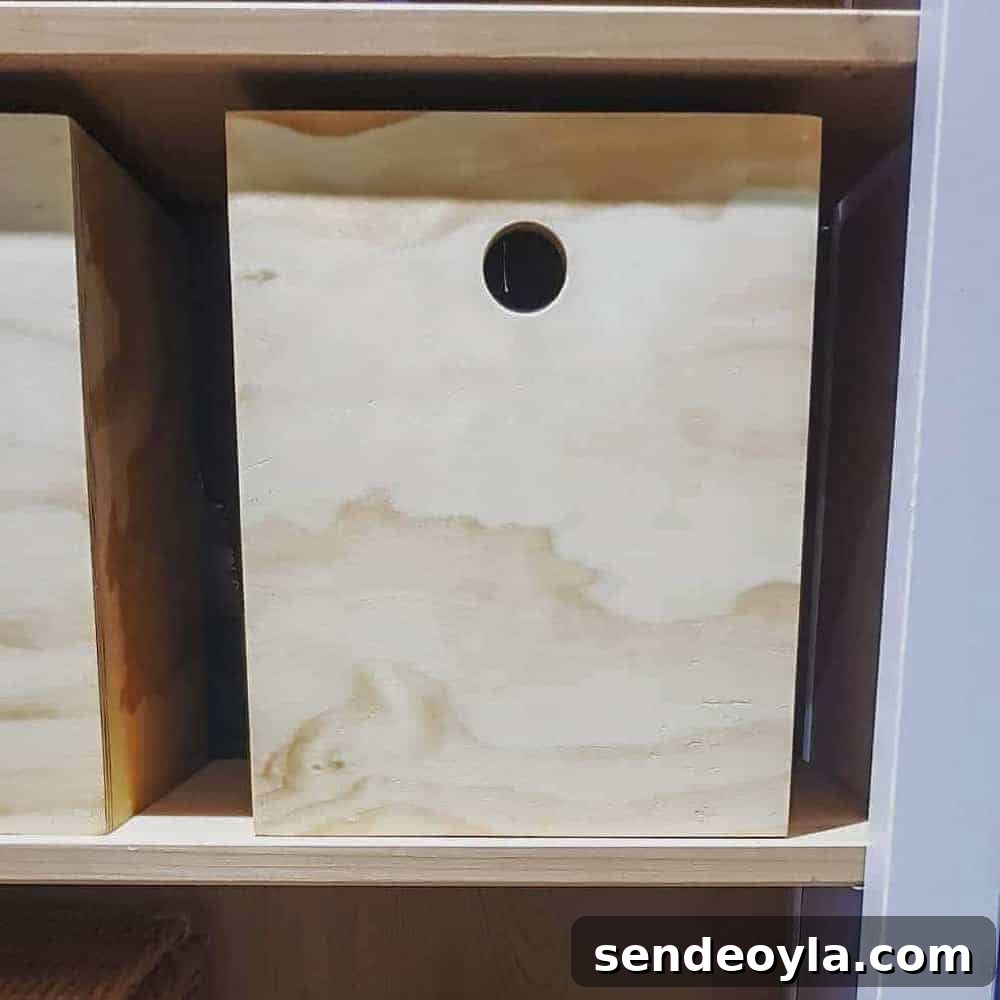
Here’s how I built a discrete, modern DIY suspension box file from 12mm plywood to hide on a bookshelf for a minimalist look. Step-by-step instructions with photos to guide you through making neat plywood storage boxes that hold foolscap suspension files.
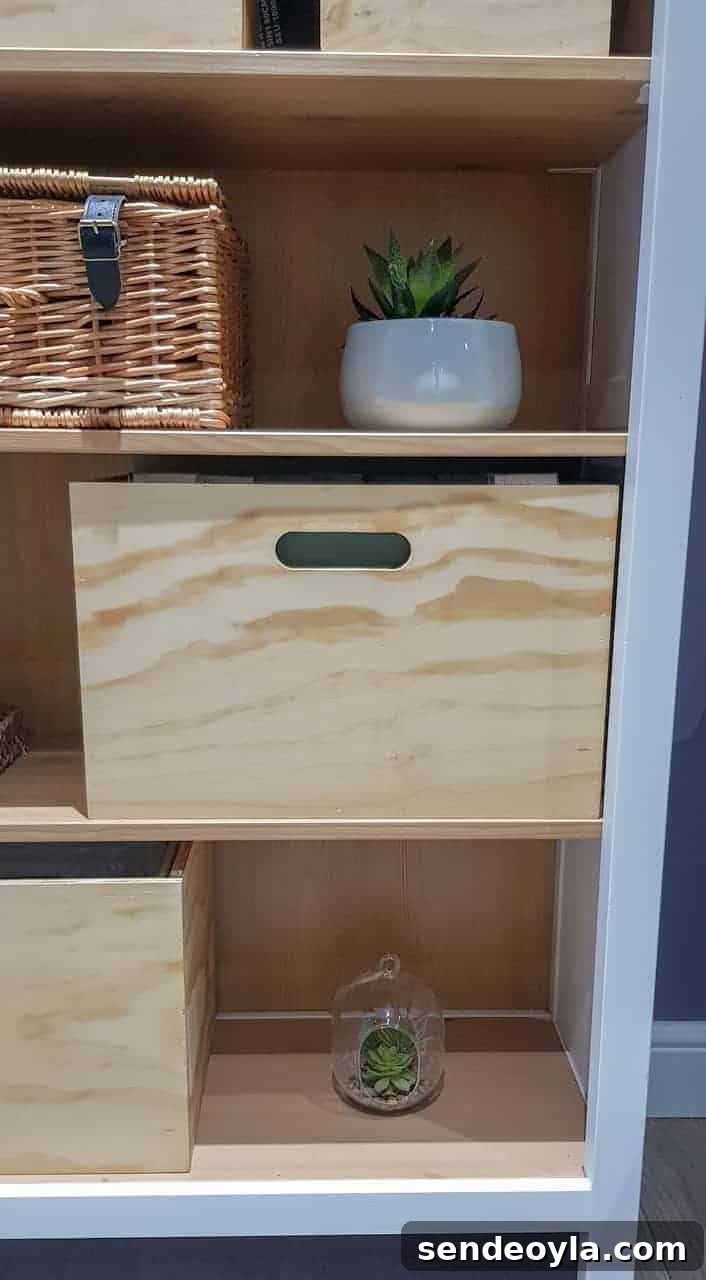
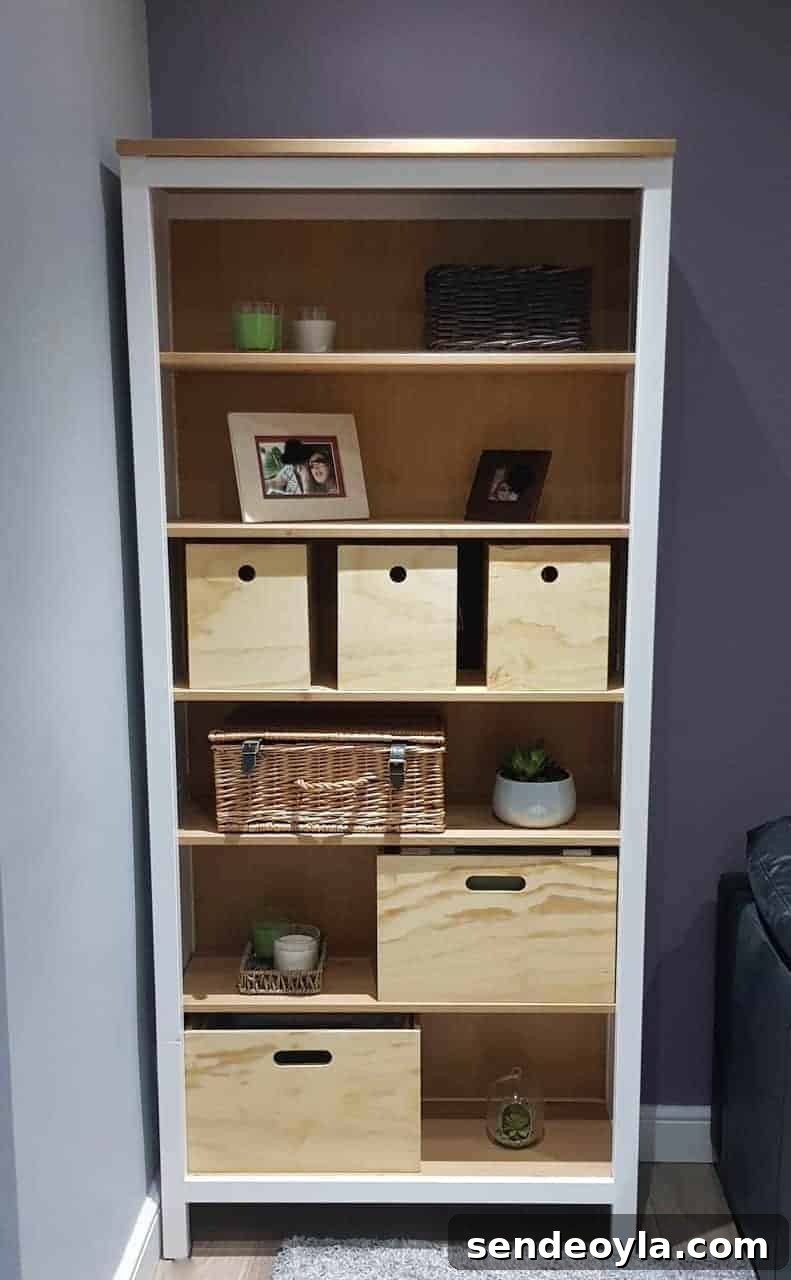
When I started freelancing I wasn’t sure I’d keep my bookkeeping tidy, so my husband bought me a Really Useful Box with foolscap suspension files. It was a revelation for keeping paperwork organised, but finding a tidy place to store it in a living room was tricky. After experimenting with hiding the box and getting into furniture making, I decided to design shallow wooden box files that would sit neatly on a bookshelf and conceal the plastic box entirely.
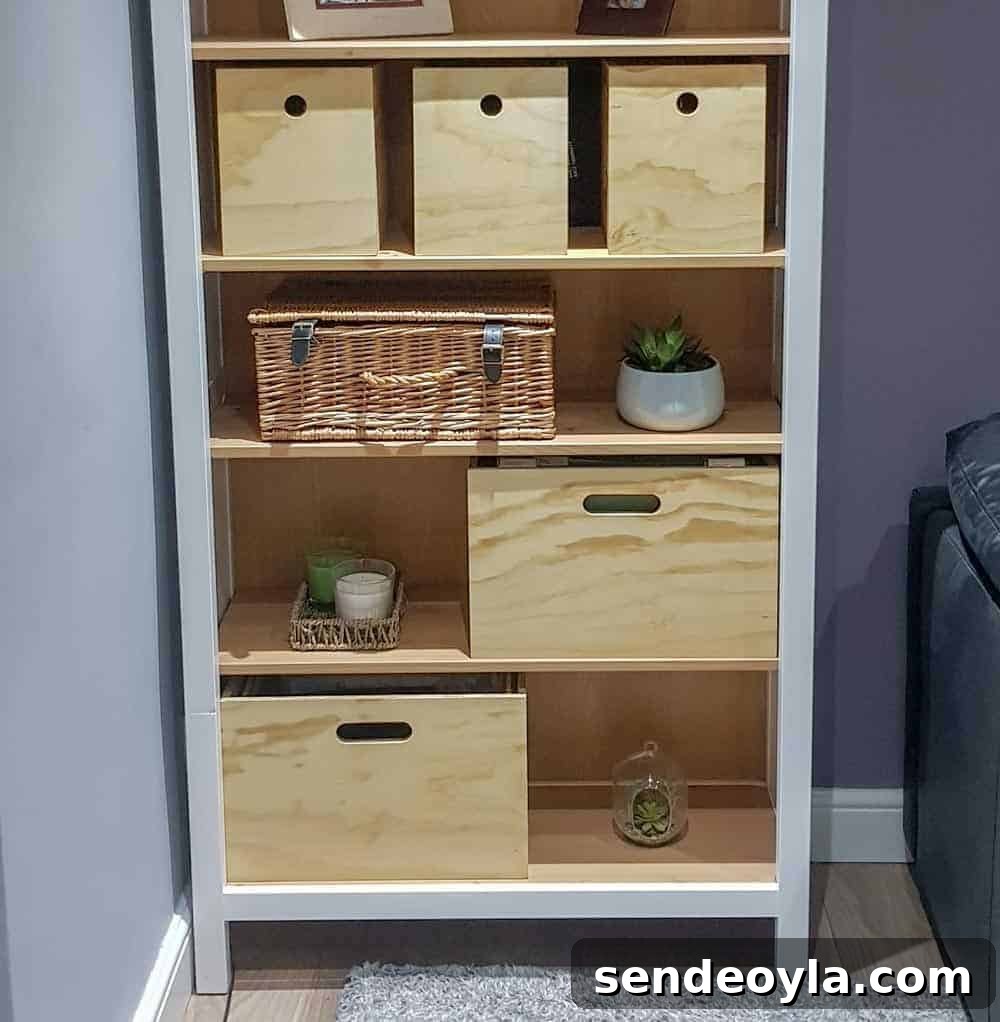
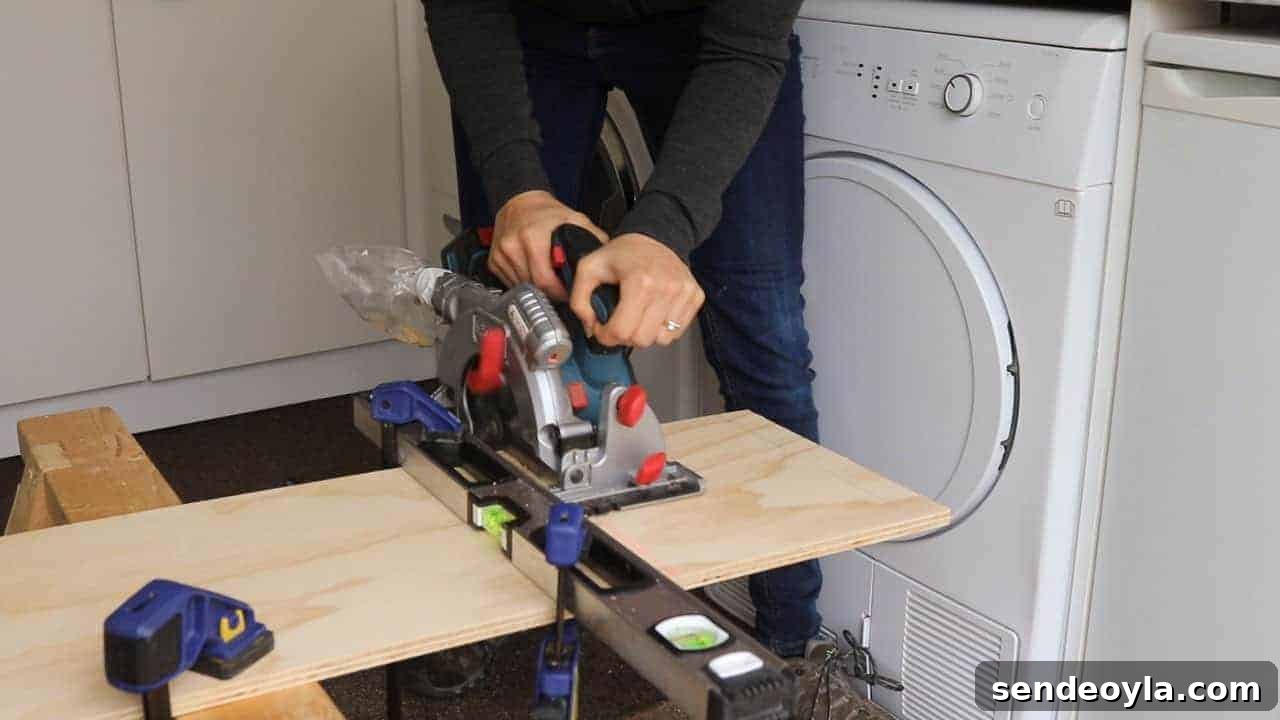
We have an IKEA Hemnes bookcase with deep lower shelves and shallower upper shelves. The idea was to make plywood boxes sized to fit the deeper lower shelf and a few shallower boxes for the higher shelves. I bought a single sheet of 12mm plywood and had the store cut it into manageable strips. From there it was mostly cross cuts, routing a rebate for the suspension rail, cutting handles, and glue-and-pin assembly.
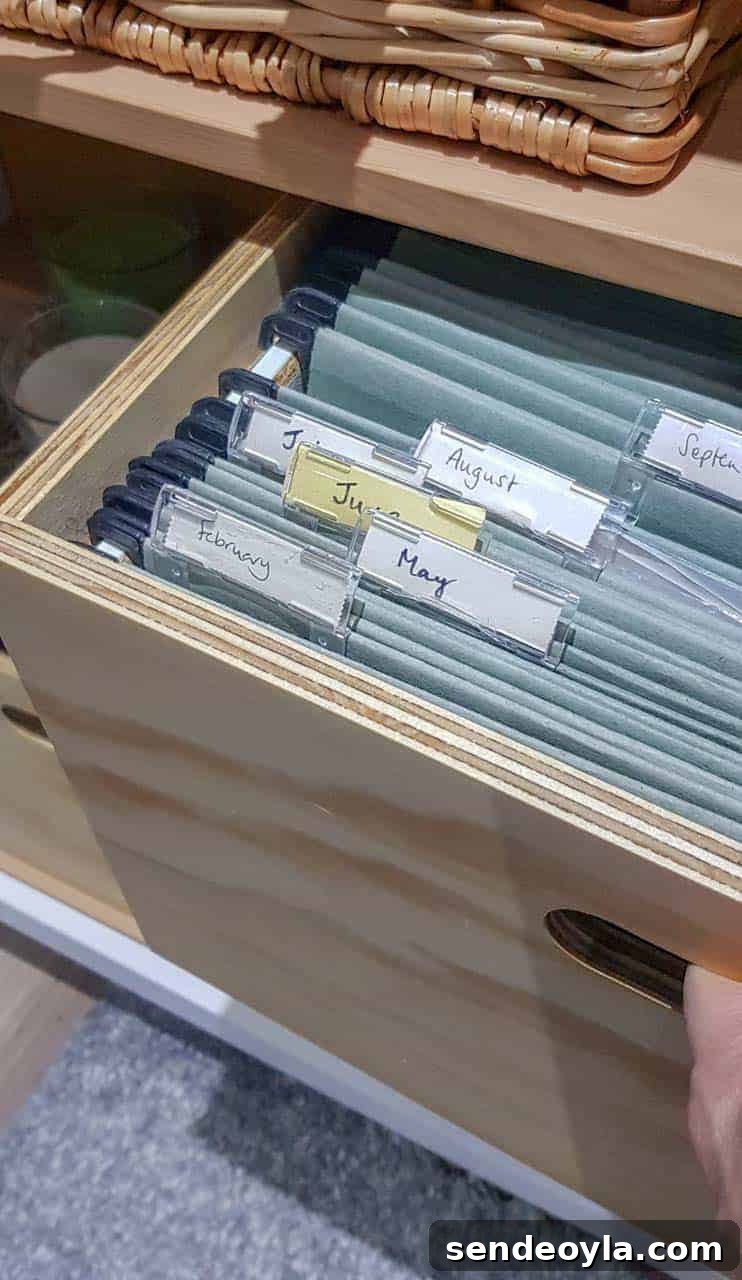
The result is a set of clean, Scandinavian-style plywood box files with oblong hole-saw handles. They look discreet on the bookshelf and are perfect for cables, camera gear, or foolscap files. Below I’ve outlined the tools and materials I used, followed by my step-by-step method so you can make your own.
THINGS YOU’LL NEED
- Sheet of 12mm plywood (softwood shows nice grain)
- Combination square
- Rebater router bit
- 45° chamfer router bit
- 30mm hole saw
- Arbor for hole saw
- Circular saw
- Jigsaw
- Wood glue
- Orbital sander or sanding block
- Steel panel pins or finishing nails
- Combi drill and 1mm pilot drill bit
- Speed square
- Clamps
- Palm router or small router
- Hammer and/or nail gun
- Wood filler and Danish oil (or preferred finish)
- Safety: ear defenders, goggles
- Foolscap suspension files
HOW TO MAKE A WOODEN BOX FILE
1. Measure shelf height and depth carefully. Subtract around 20mm from the shelf height so the box slides in and out easily. For depth, subtract twice the plywood thickness (for 12mm ply, subtract 24mm) to allow for front and back panels.
2. Ask your local DIY store to rip the sheet into strips roughly matching the reduced height. This gives you material sized close to the final dimensions; you can trim further later for shallower boxes.
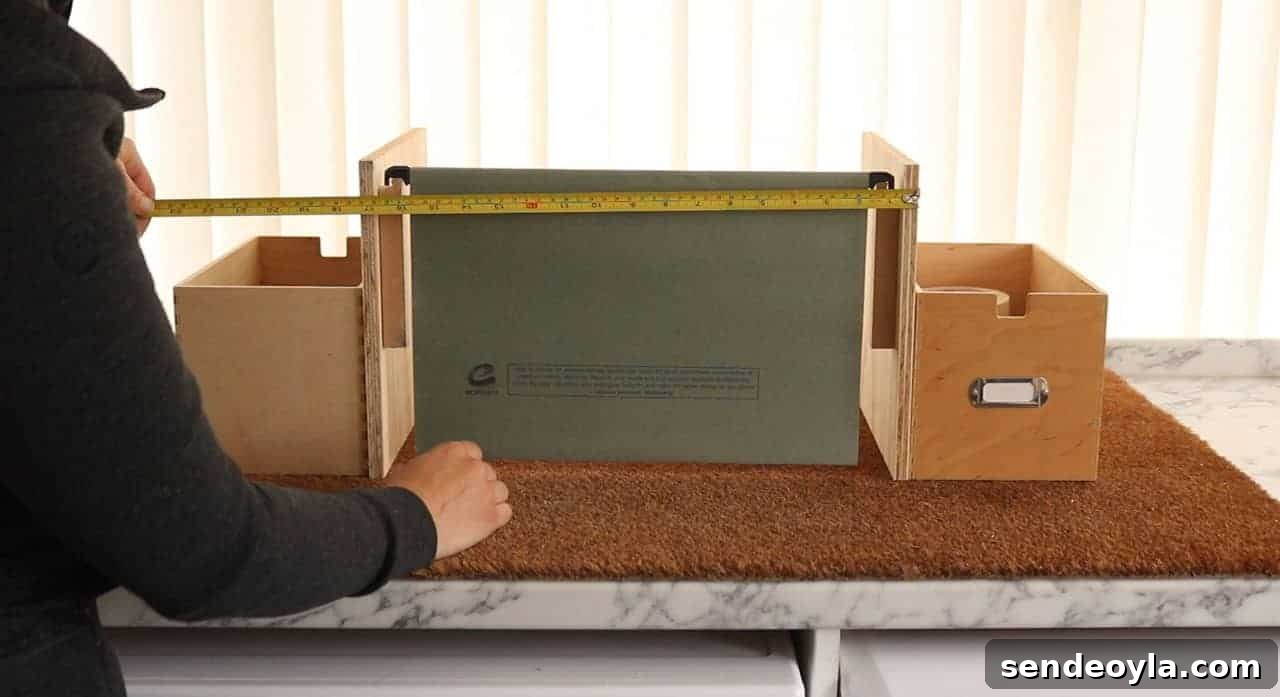
3. Cut two side panels from a strip. To size the front and back, prop the two sides upright, tack a test rebate piece to the inside edge and hang a foolscap suspension file in place. Measure from outer edge to outer edge to get the correct width for the front and back panels.
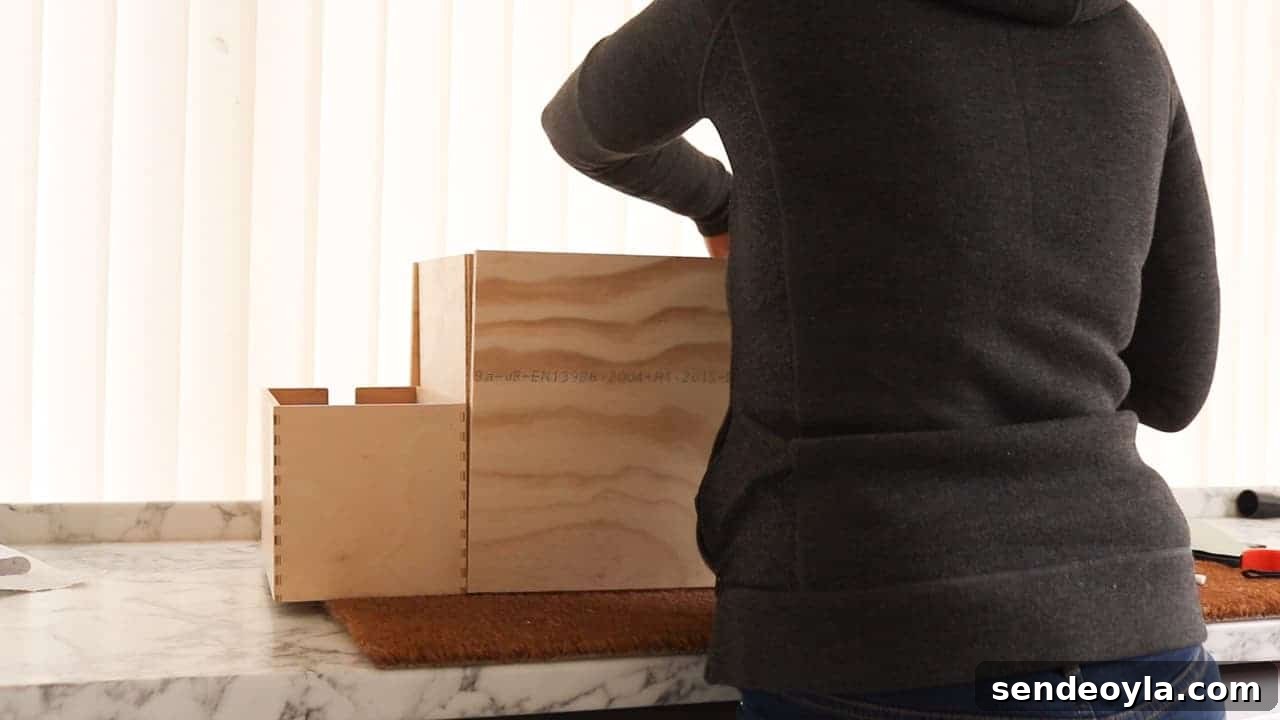
4. Mark and cut the front and back panels, then check the dry assembly to confirm the suspension files fit and the box sits flush on the shelf.
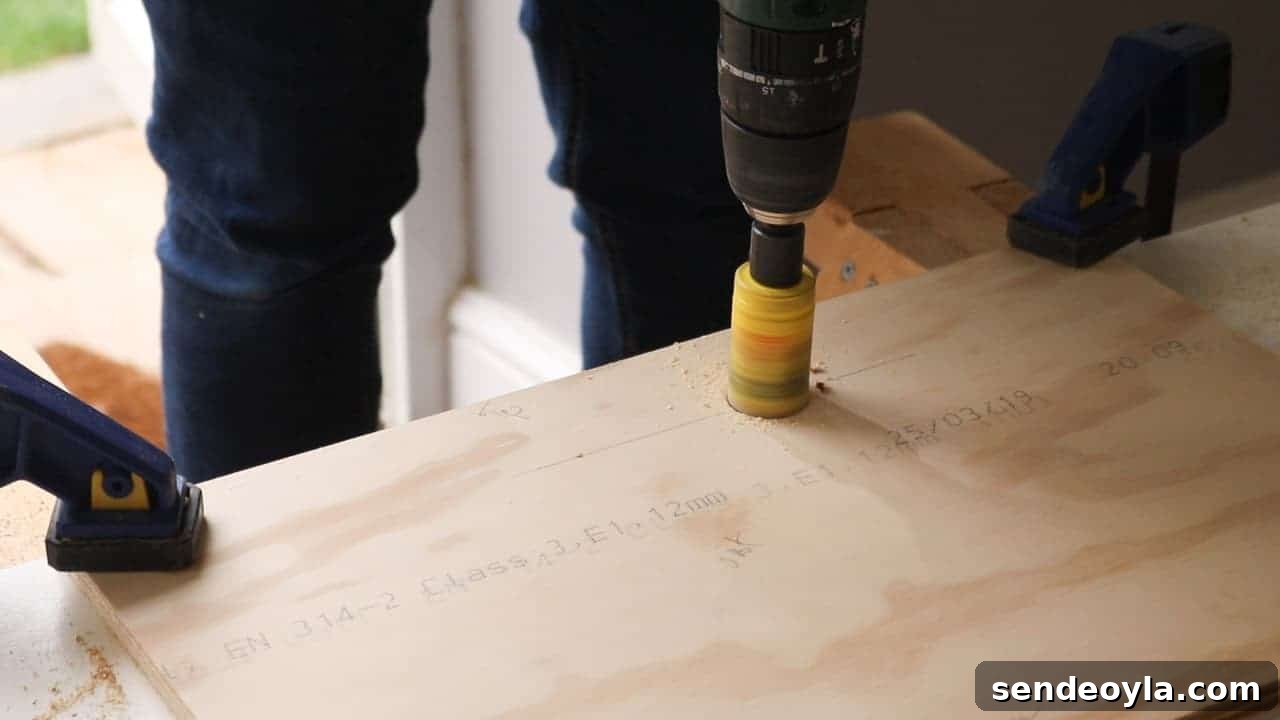
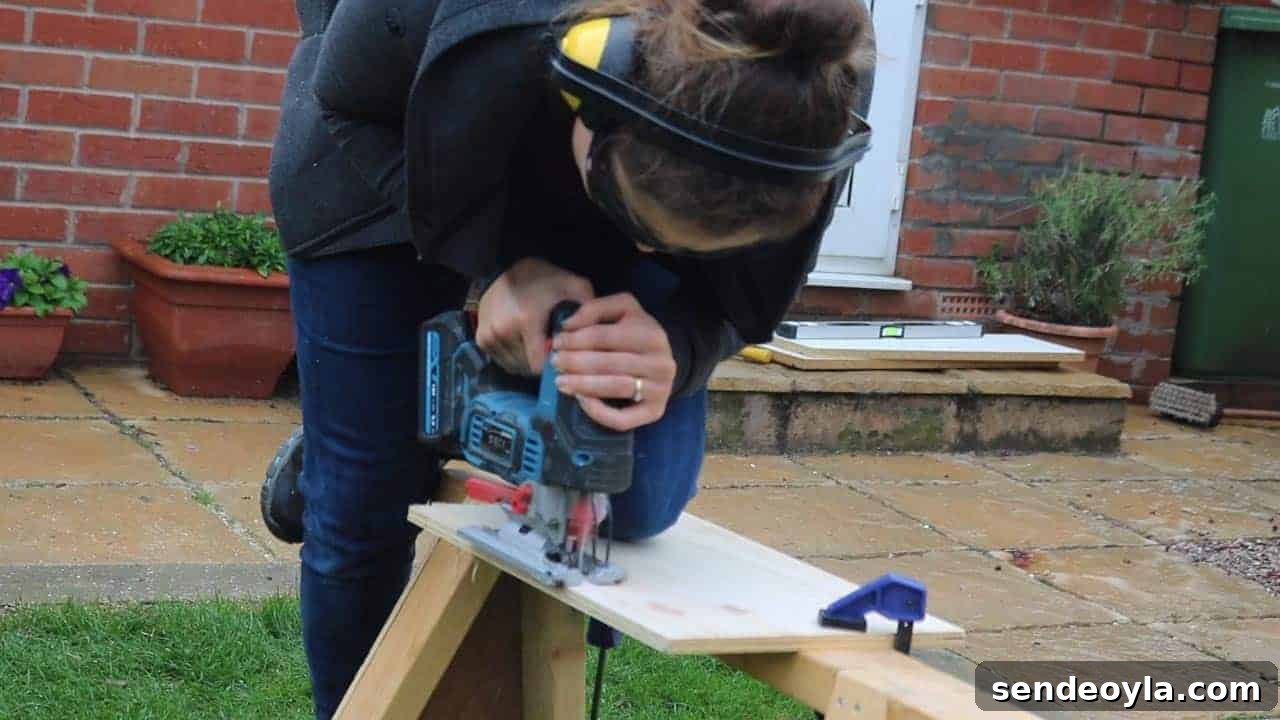
5. Prepare the handles: using a combination square mark a line 5cm from the top edge on each side panel. Mark 18cm in from each side along that line (or adjust based on your box width) and drill 30mm holes at those marks with a hole saw. Flip the piece and finish drilling from the rear to reduce tear-out. Connect the two circles with straight pencil lines and cut the oblong shape with a jigsaw. Clean up the cut with sandpaper.
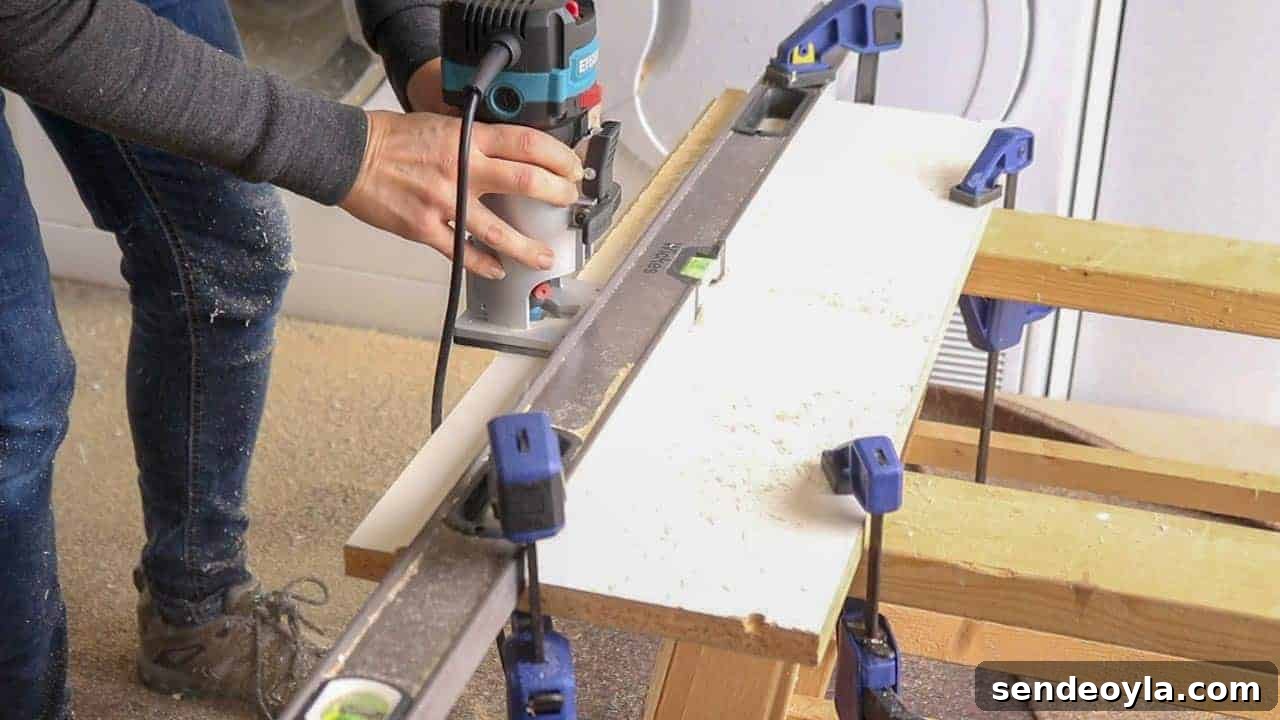
6. Make the suspension rail (rebate trim) using a rebater router bit. Test on an offcut first, then cut two matching rails. Trim the rebate profile down to create a lip about 30mm wide so the foolscap hangers have room to sit and slide.
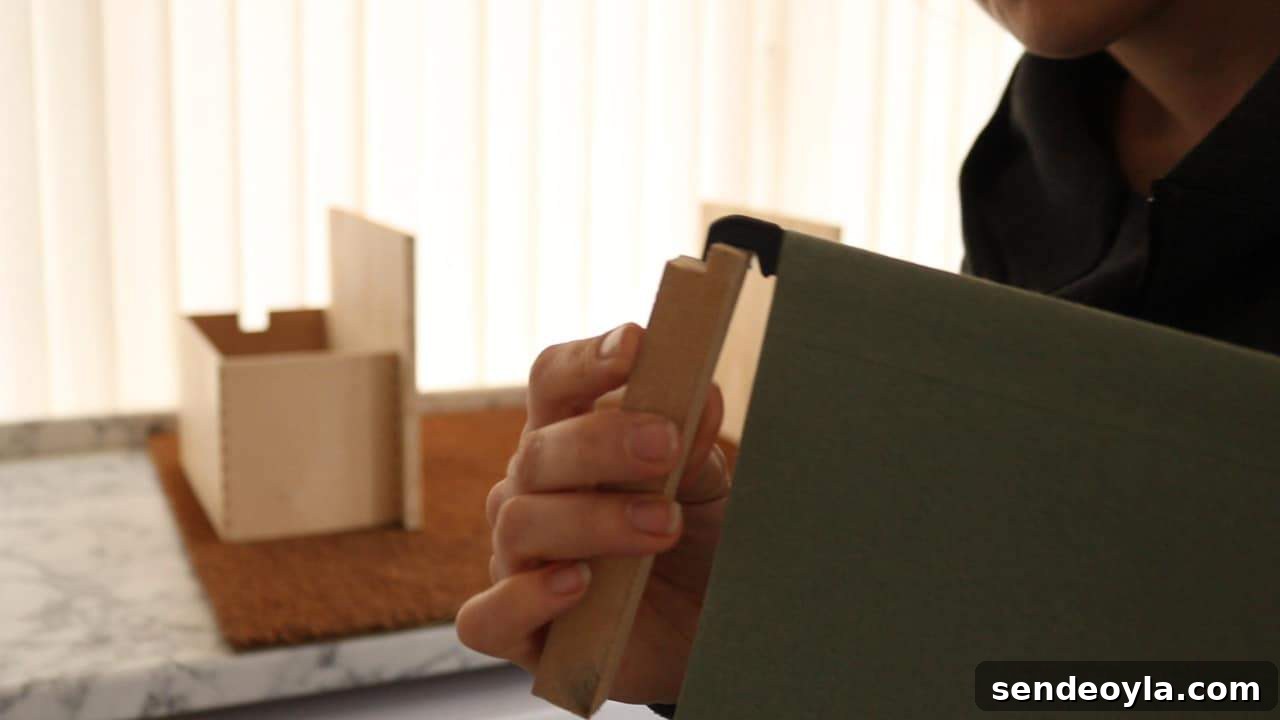
7. Mark a 5cm line from the top on each side panel. Glue the narrow face of the rail and align the lip upwards along that pencil line. Clamp in place and secure from the back with panel pins or a nail gun so the front remains clean. Finally, chamfer the lip with a 45° bit to allow smooth movement of the suspension file hangers.
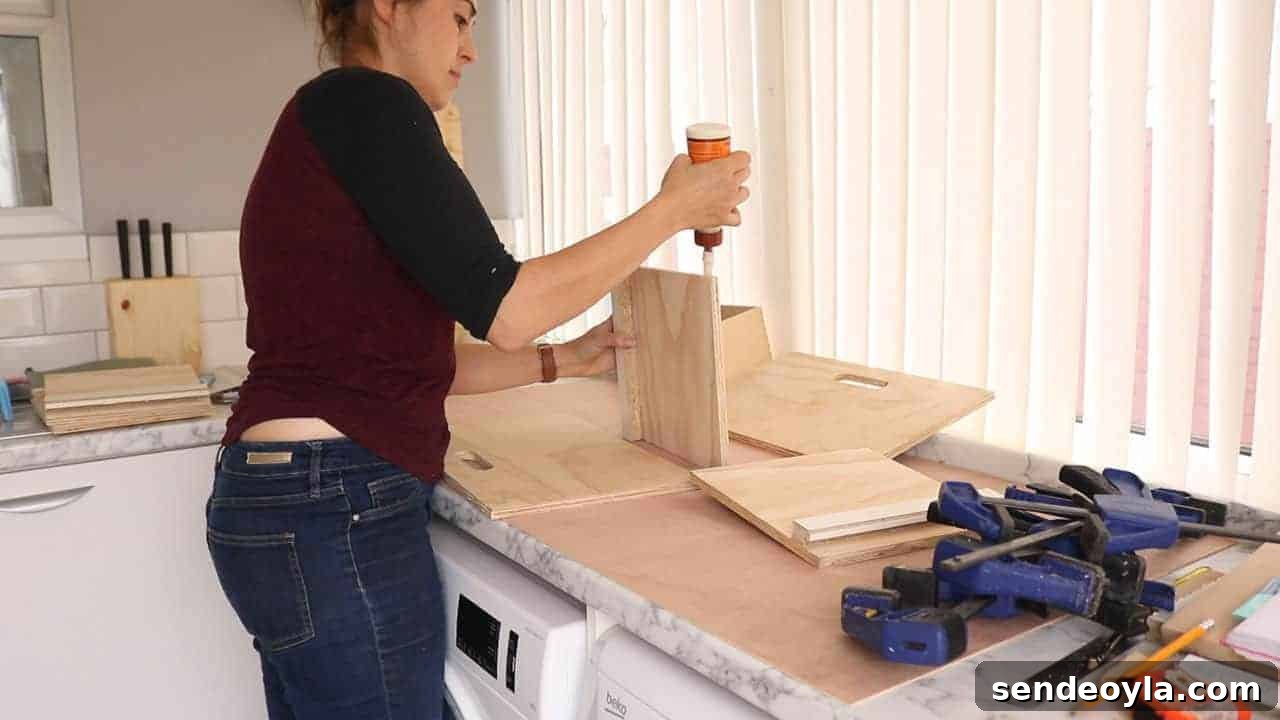
8. Glue up the box: apply glue to mating edges, assemble and clamp, checking squareness with a speed square. Measure diagonals and adjust until they match. Once clamped, predrill 1mm pilot holes to avoid splitting, then fix with panel pins or finishing nails.
9. Make and fit the base: measure the internal dimensions, cut the base piece slightly proud if needed, glue and insert, then nail around the perimeter. Countersink or bury the nails and fill holes with wood filler. Allow the filler to cure.
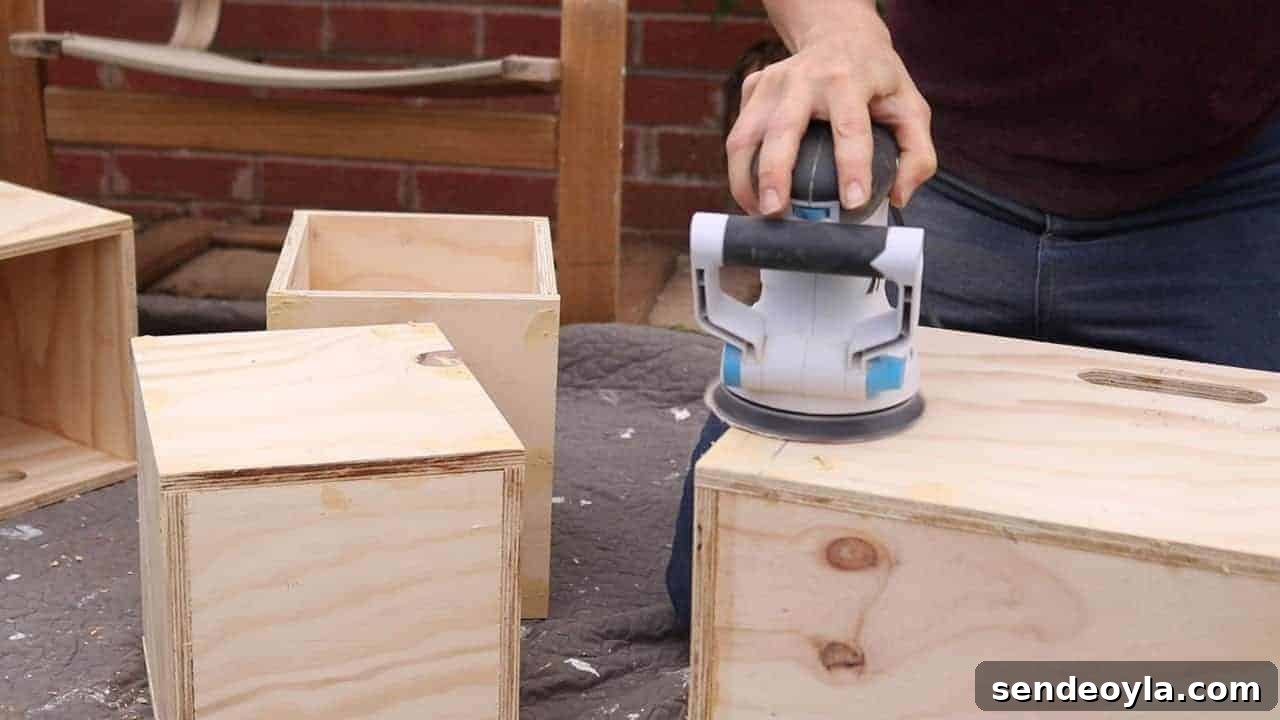
10. Sand thoroughly: smooth all faces and round the edges slightly for a refined look. Sand the handles by hand for comfort. Remove dust with a brush or tack cloth.
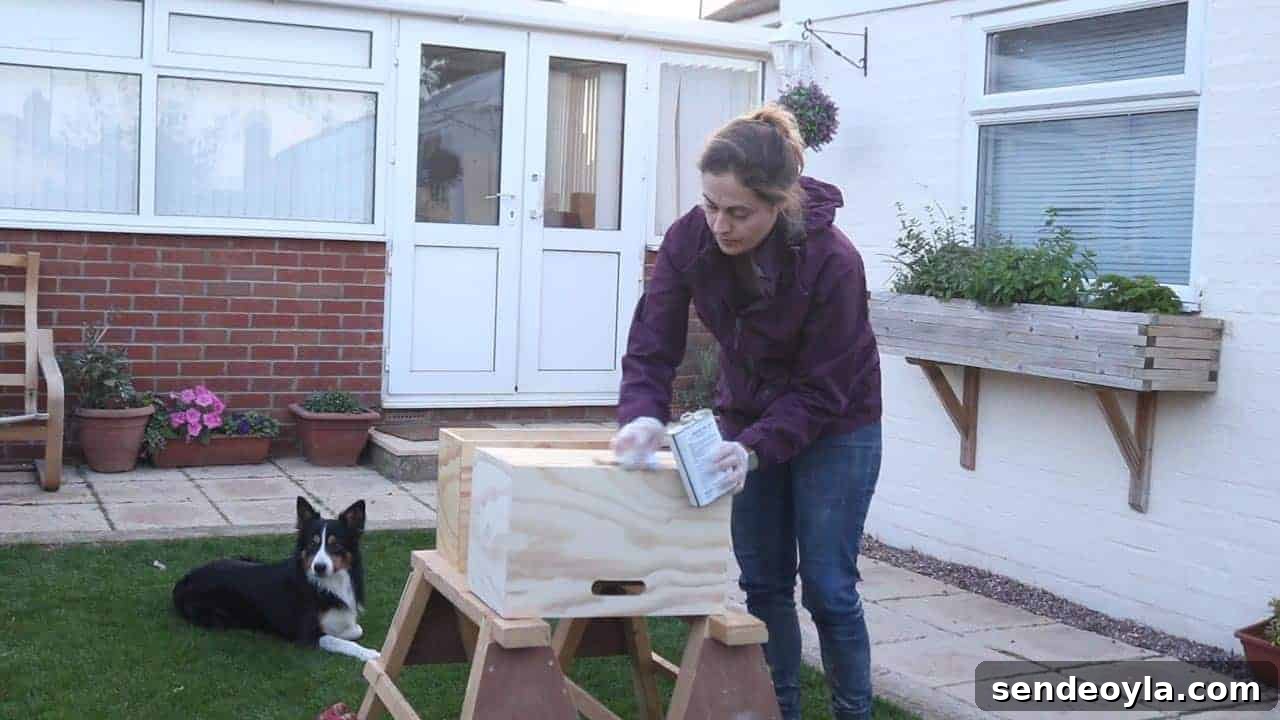
11. Finish: apply Danish oil or your preferred clear finish with a lint-free cloth, allow it to soak in for about 20 minutes, then wipe off excess. Apply a second coat if you want extra protection. Once dry, load the box with suspension files and slide it into place on your bookshelf.
OTHER PROJECTS YOU MIGHT LIKE…
- Farmhouse coffee table
- S-shaped side table
- DIY radiator cover
- Recycling bin cupboards
PRINTABLE SUMMARY CARD
Make a wooden suspension box file & storage boxes for bookshelf storage.
Yields: 2 box files or more from one sheet of plywood
Equipment
- Combination square, speed square
- Circular saw, jigsaw
- Router with rebater and 45° chamfer bits
- Hole saw and arbor
- Clamps, orbital sander, drill and 1mm pilot bit
- Nail gun or hammer and panel pins
Materials
- 1 sheet 12mm plywood
- Wood glue, panel pins / nails
- Wood filler, Danish oil (or clear finish)
- Foolscap suspension files
Quick Instructions
- Measure shelf height and depth; reduce height by ~20mm and depth by twice the plywood thickness.
- Cut sides, then measure and cut front and back panels using a temporary rebate rail to size the internal width.
- Cut oblong handles with a hole saw and jigsaw; sand smooth.
- Make and fit the rebated suspension rails, chamfer the lip for smooth running.
- Glue and clamp the box, check squareness, predrill pilot holes and fix with panel pins.
- Fit the base, fill nail holes, sand everything smooth and apply finish.
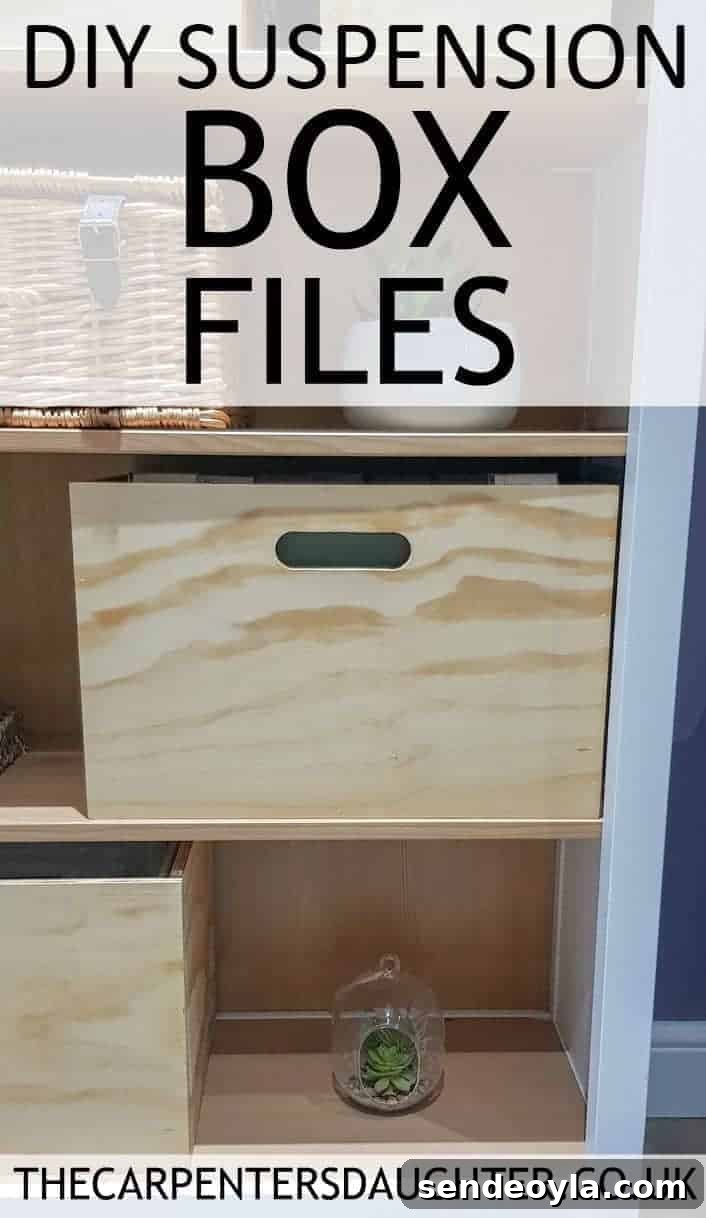
These plywood suspension box files are a simple, low-cost woodworking project that creates tidy, attractive storage for home offices and living rooms. They’re quick to make, customisable to your shelves, and give a neat, minimalist look to your storage.