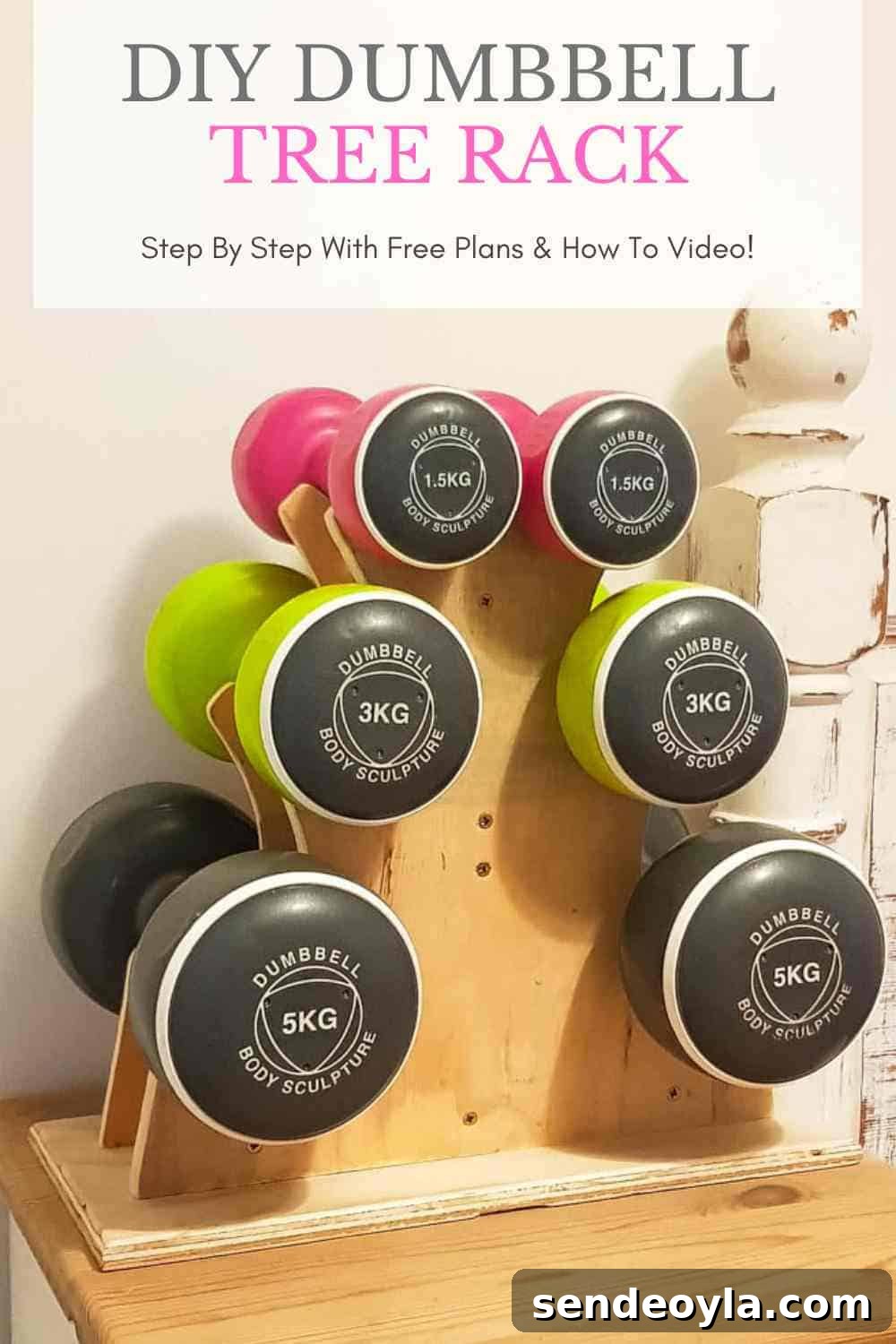

Build a sturdy DIY dumbbell rack — a wooden tree-style stand that holds three pairs of weights. This inexpensive project uses plywood and structural timber offcuts, is adjustable to fit different dumbbells, and includes free printable plans and a step-by-step video to guide you.

With more people exercising at home, compact dumbbell sets and their plastic A-frame racks have become common. While convenient, many off-the-shelf racks feel unstable and can collapse. To eliminate that risk I built a robust three-tier wooden dumbbell rack from scrap 12mm plywood and common structural timber. It’s inexpensive, straightforward to make, and far more durable than lightweight plastic alternatives.
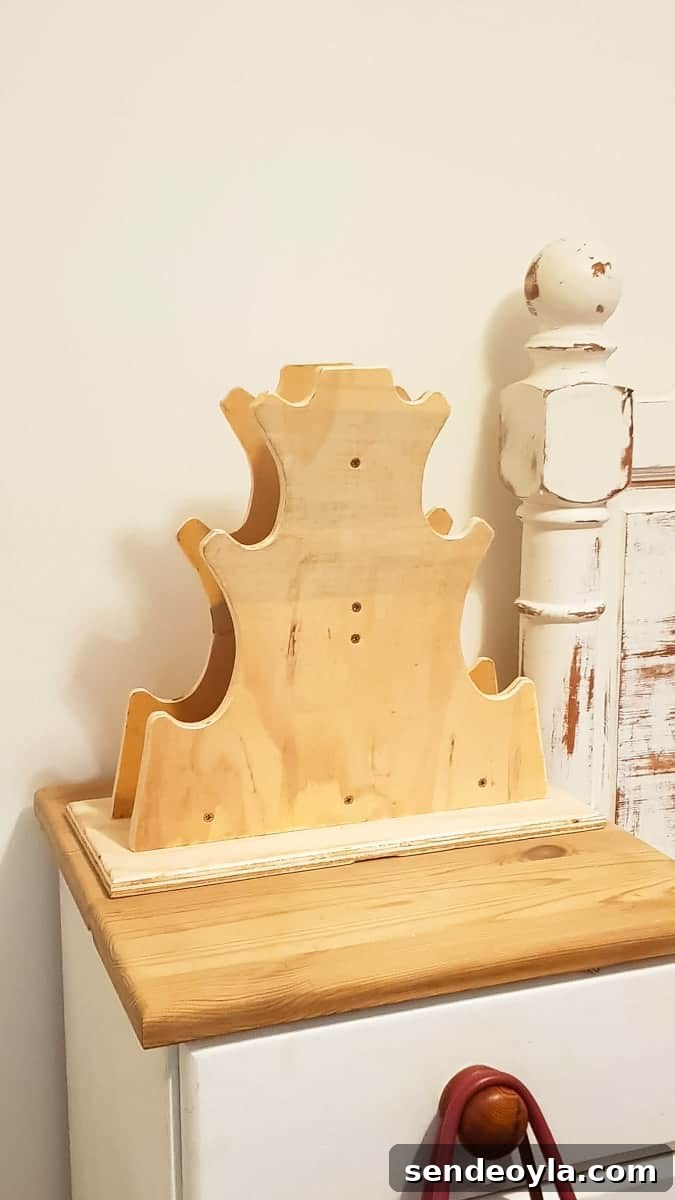
Which Dumbbells Fit This Rack?
This design was built to hold three pairs in my set — 5kg, 3kg and 1.5kg — but the concept works for most small to medium dumbbells, including hex-head styles. The key features that make it strong are the glued-and-screwed construction, the use of structural timber for internal supports, and a solid plywood face on each side.
When adapting the plans to your weights, focus on two measurements:
- Overall width — make sure the two faces are wide enough so dumbbell heads won’t collide.
- Handle clearance — the curved slots must be wide enough for the dumbbell handles you own.
Once one side of the A-frame is correct, copy it to make the matching side.
Free Printable Plans
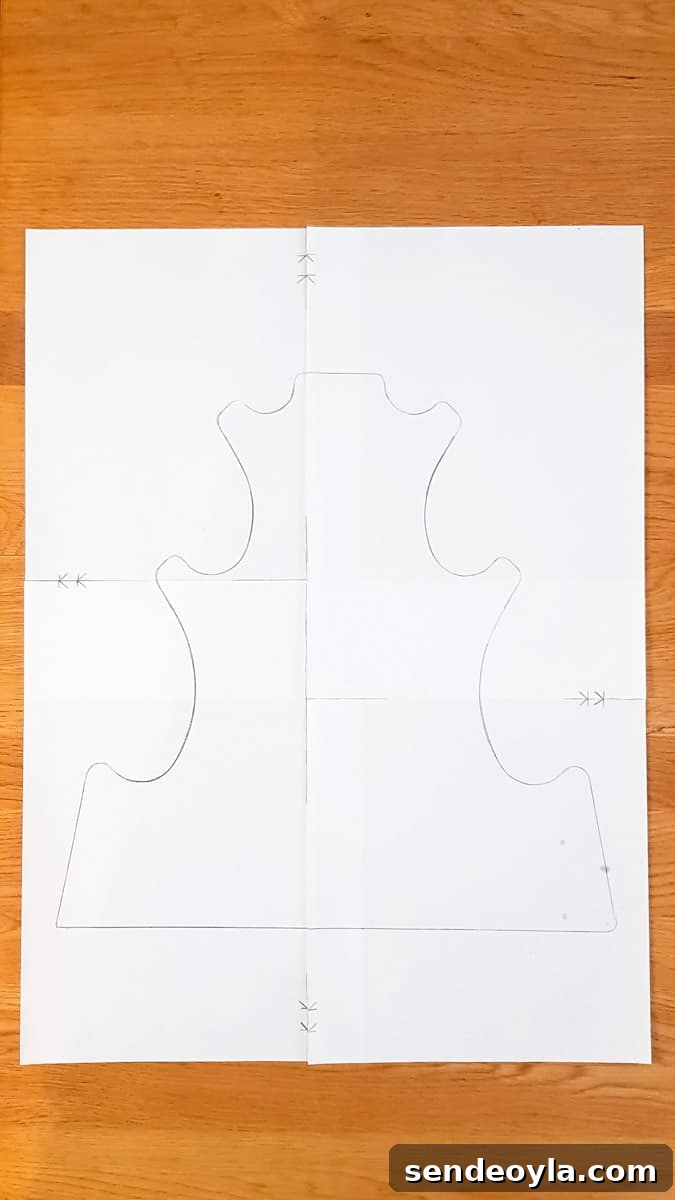
A downloadable template is available as a guide — every dumbbell shape varies, so treat the template as a starting point. Print the plan at 100% scale and check fit by tracing your smallest dumbbells to confirm the curved slots and spacing. If your dumbbell heads are hex-shaped, test-fit cardboard cutouts first to ensure clearance.
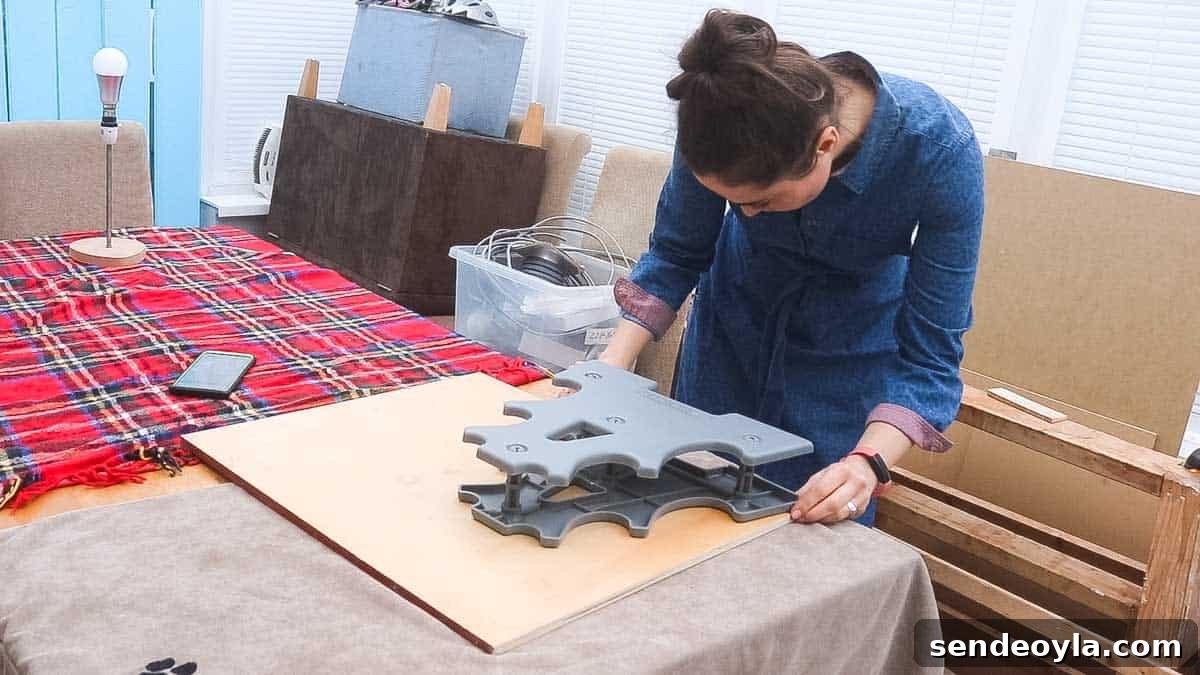
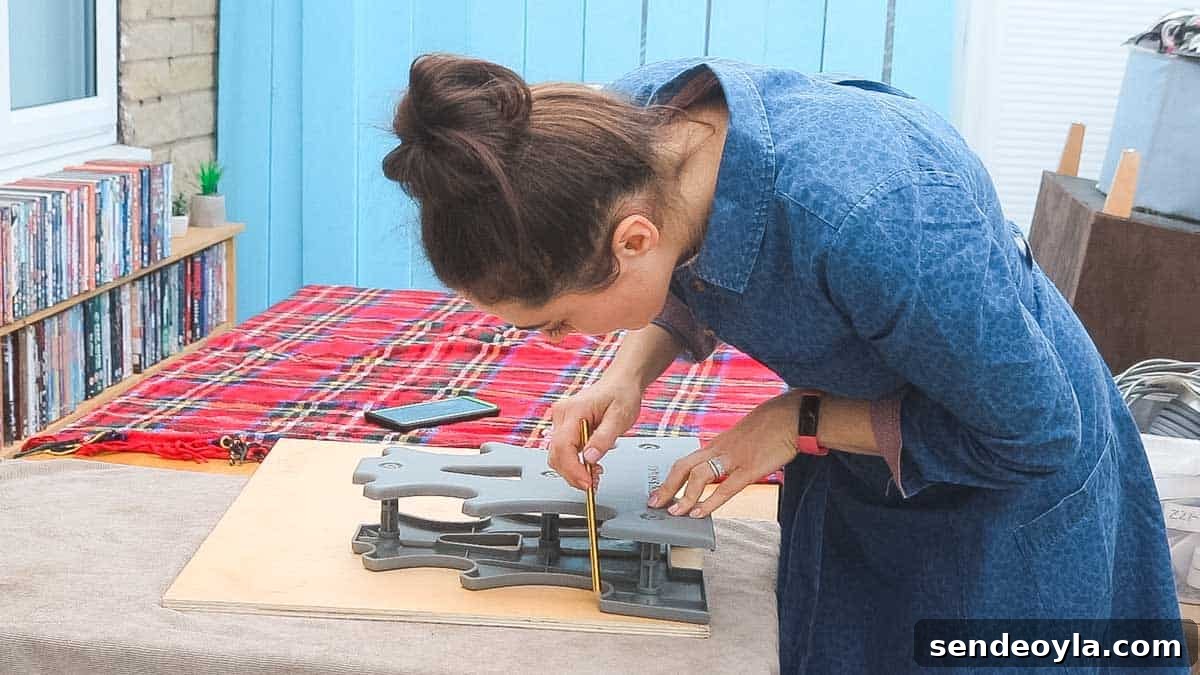
If you prefer to use your existing plastic tree as a template, trace it twice on paper and transfer to plywood. Adjust dimensions if your dumbbells are wider or deeper than the template.
How to Use the Template
Print the template on A4, align the registration marks, and tape the sheets together. Measure the distance between handles of the smallest dumbbell pair and allow about 1cm clearance between heads. If needed, widen the spacing on the template before cutting. You can also trace the dumbbell heads on paper and place them over the template to make sure everything fits.
Cutting List (Approximate)
Adjust sizes to suit your dumbbells. These are the components I used:
- 60 x 60 cm of 12mm plywood — to cut both faces of the dumbbell tree
- 40 x 20 cm of 12mm plywood — optional base piece
- Five noggins (blocks) cut from 38 x 63 mm structural timber — cut to the depth required by your dumbbell handles
Wood Choices
The internal noggins should be structural timber (studwork) to carry weight reliably. For the face panels, 12mm plywood is a good minimum; 9mm can work but is less robust. Other workable materials include MDF (use a dust mask and paint finish), OSB for an industrial look, or quality plywood. Avoid thin or heavily knotty pine that may bow.
Tools and Equipment
- Jigsaw with wood blade (good general tool)
- Clamps and a workbench or sawhorses
- Wood glue and wood screws
- Rasp, file, or drum sander for trimming curves
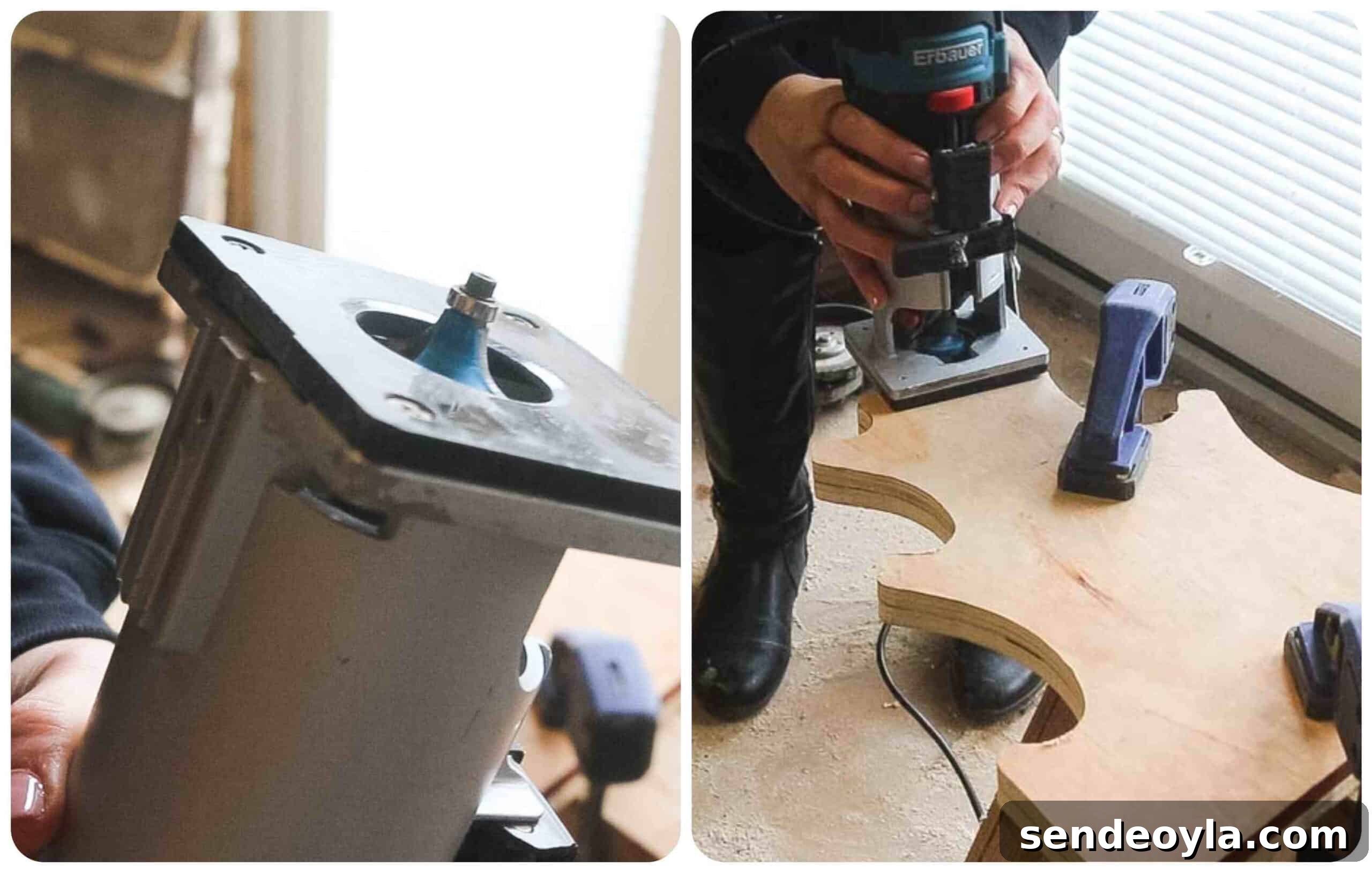
- Router with flush-trim bit (optional, for precise copying)
- Orbital sander with 120 grit
- Mitre saw or hand saw for cutting noggins
- Combi drill or impact driver
- Safety gear: goggles, ear protection, and dust mask when needed
Tool Alternatives
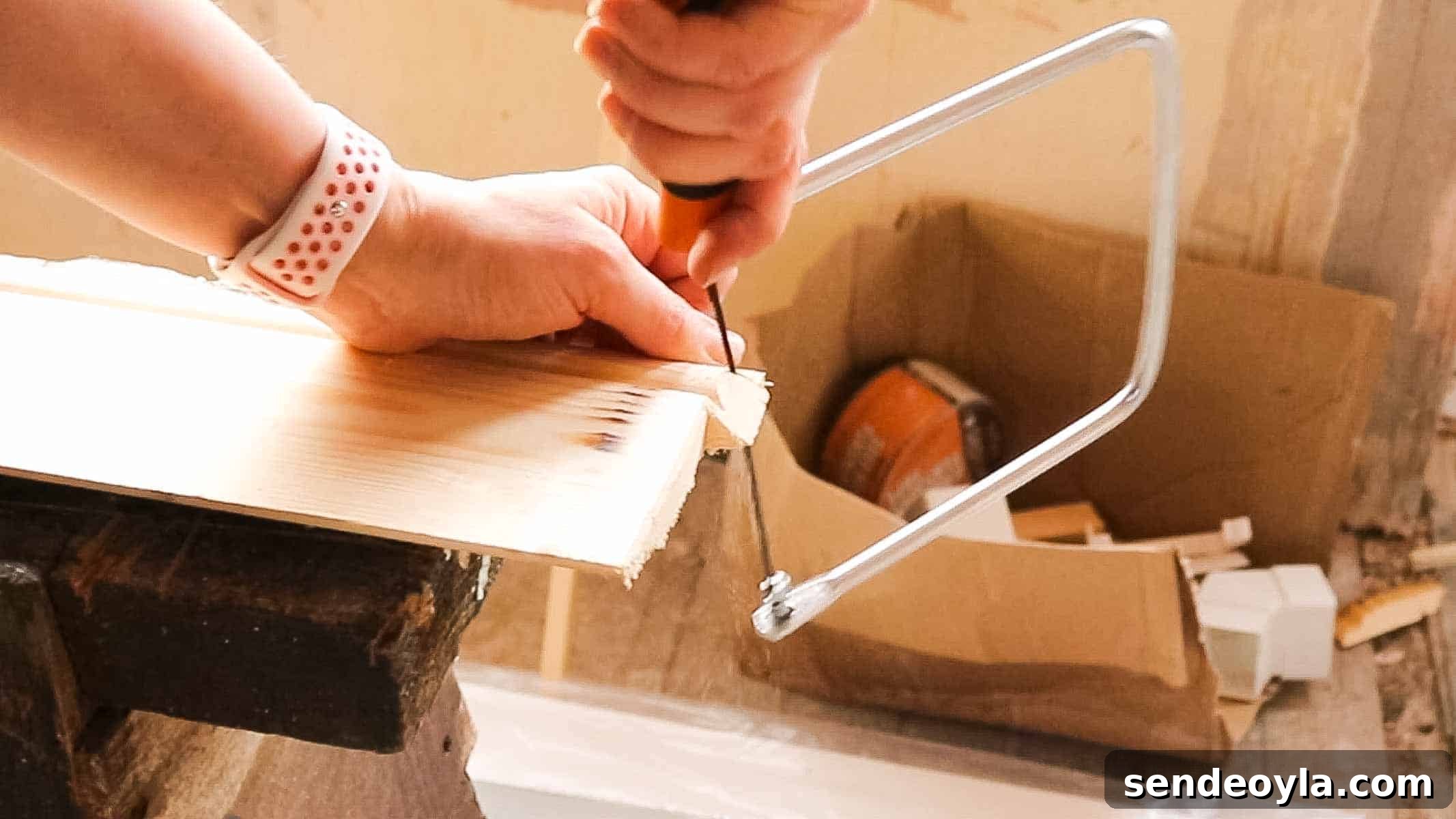
If you don’t own a router, a jigsaw plus rasp/file will work. For the most accurate cuts, a scroll saw, band saw or CNC router is ideal but not necessary for a one-off build. You can also do the entire project with hand tools (coping saw and hand saw) if you prefer a no-power-tools approach.
Step-by-Step: Building the Dumbbell Rack
1. Transfer your template to the plywood twice for the two faces. Clamp the panel and cut the shape with your chosen tool. A jigsaw is fast and accessible; make relief cuts in tight curves to prevent binding.
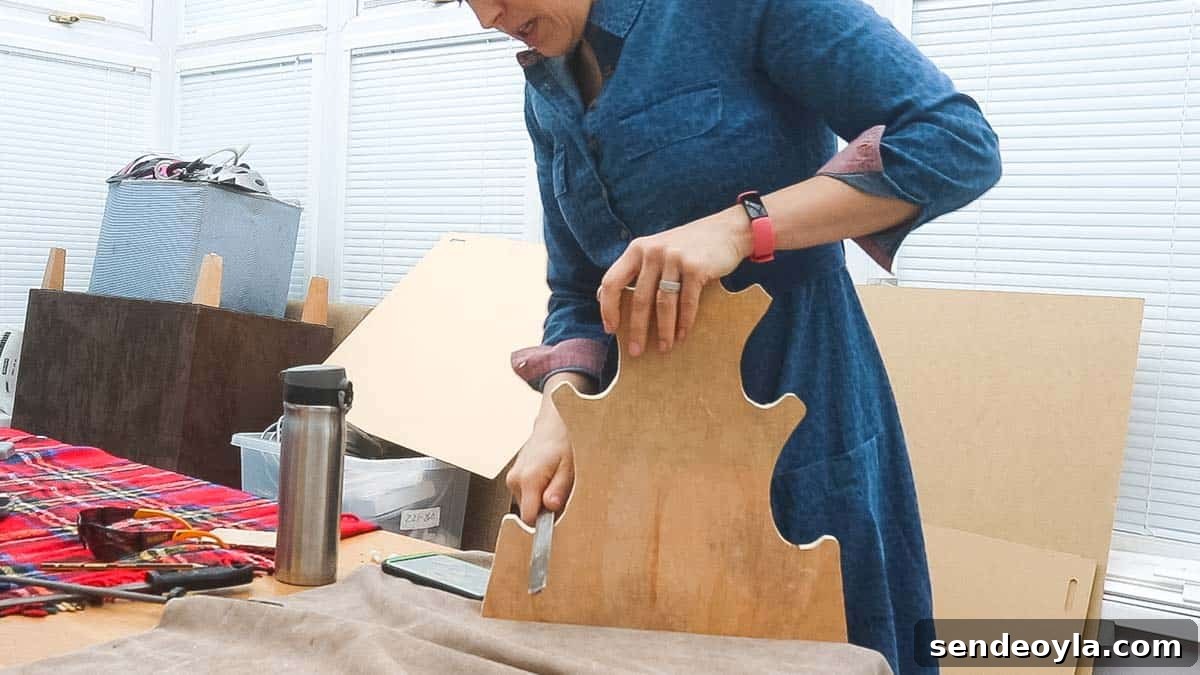
2. Clean up jigsaw edges with a rasp or file until the curves are smooth and the handles fit easily. If you have a router with a flush-trim bit, use your first cut as the master and copy it to the second panel for a perfect match.
Tips for Accurate Jigsaw Cuts
- Clamp the wood firmly to prevent vibration.
- Hold the jigsaw steady and make relief cuts where needed.
- Masking tape across the cut line can help prevent tear-out on delicate surfaces.
- Take your time and check fit frequently with your dumbbells.
Copying or Matching the Second Face
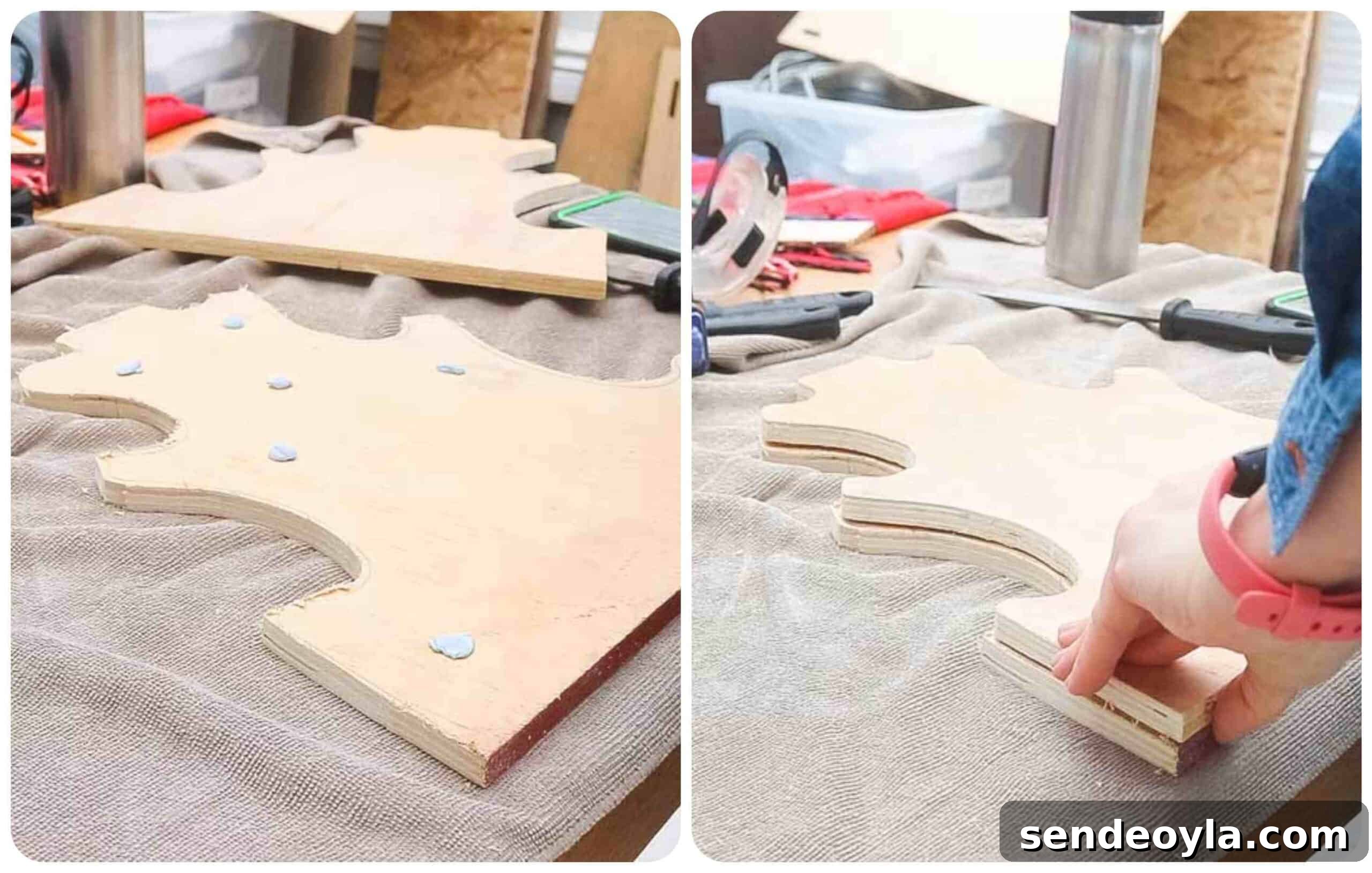
If you used a jigsaw for the first face, cut the second just outside the line and trim it to match. A flush-trim router bit gives a near-exact copy by running a bearing against the master piece while trimming the top layer. If you don’t have a router, clamp the two faces together and sand or rasp them to match.
Smoothing and Finishing Edges
Round over sharp edges using a router with a round-over bit or sand by hand for a softer feel and safer handling. Finish all faces with a 120-grit sanding pass to create a uniform surface ready for paint, oil or varnish.
Cut and Fit the Noggins (Internal Supports)
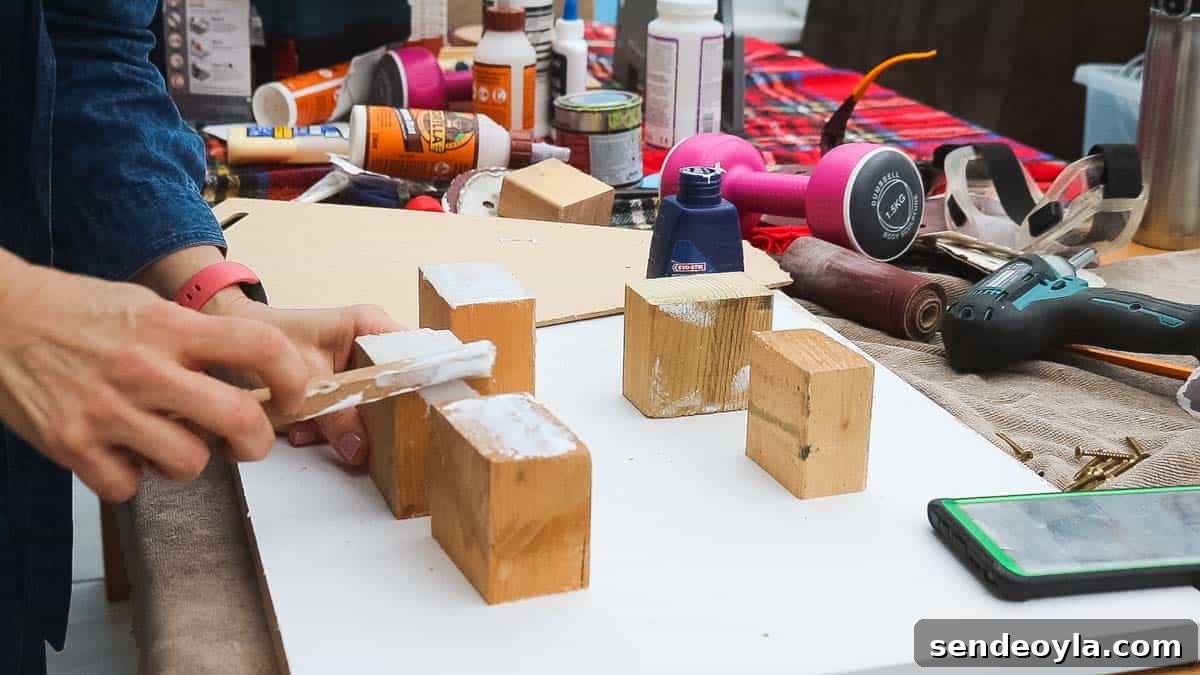
Cut five noggins from structural timber to the depth needed for your dumbbell handles. The noggins create rigid spacing between the two faces and support the weight. Glue the noggins in place with wood glue, then reinforce with screws. I glued the lower three noggins first to ensure proper alignment with the base, then added the upper noggins.
Assemble and Secure
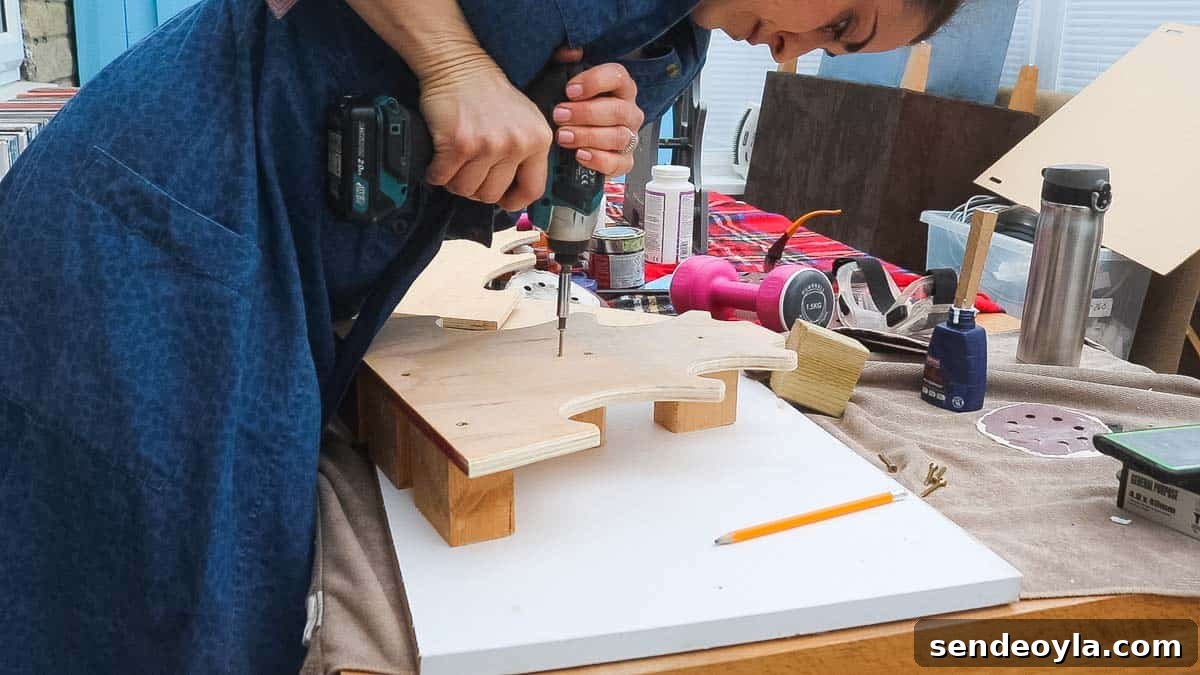
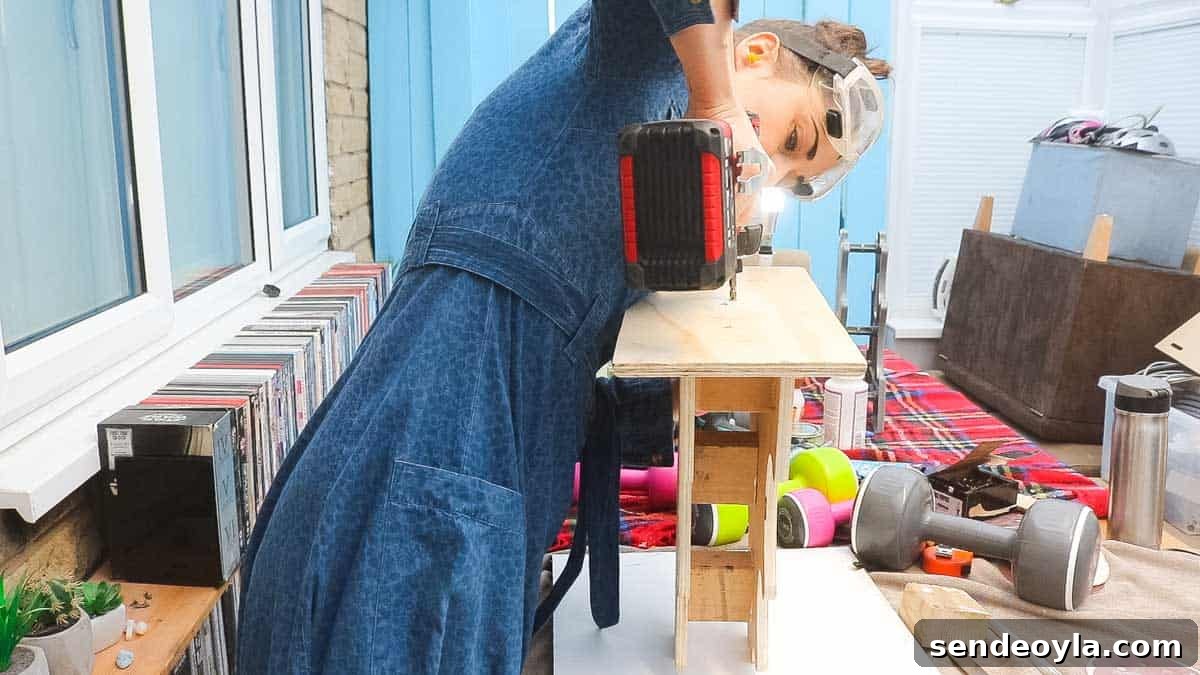
After gluing, screw through the outer faces into each noggin. Countersink screws for a clean finish and, if desired, fill with wood filler before finishing. Use two screws per lower noggin for extra rigidity. If you used an impact driver, be cautious near edges to avoid splitting the wood.
Optional Base
A simple base makes the rack look finished and improves stability. Cut a plywood rectangle, round the edges, glue and screw it to the bottom noggins from underneath. A wider base can prevent tipping if you plan to place the rack on carpet or uneven flooring.
Finishing and Personalization
Finish the rack to suit your space: paint it a bold color, apply Danish oil for a natural look, or leave it uncoated for a minimalist, budget-friendly option. You can router a name or small motif into the face, add caster wheels for mobility, or use flocking for a softer surface where the dumbbells contact the wood.
With a solid wooden rack you can train at home without worrying about a cheap plastic stand failing — a simple, durable upgrade for any home gym.
Materials and Tools Summary
- Materials: 12mm plywood, structural timber for noggins, wood glue, wood screws, wood filler (optional)
- Tools: jigsaw, clamps, rasp/file, orbital sander, mitre saw/hand saw, drill/impact driver, router and router bits (optional), safety gear
Instructions — Quick Checklist
- Print or trace a template and transfer it twice to plywood.
- Cut the faces, tidy the curves, and ensure dumbbell handles fit.
- Copy the first face to the second (flush-trim router or sand to match).
- Cut noggins from structural timber and glue them between the faces.
- Screw through the faces into each noggin and countersink as needed.
- Optional: cut, chamfer and attach a base.
- Sand, finish with paint or oil, and place your dumbbells on the rack.
More DIY Storage Projects
- Lifespan treadmill desk DIY
- Wall-mounted punch bag bracket
- Countertop towel rack
- DIY coat rack
- DVD rack storage
- Upcycled magazine rack
- Wooden leaf trivet
- Shed shelving
- DIY lap desk with cushion
Printable Card
DIY Dumbbell Rack Wooden Tree

Step-by-step build for a three-tier wooden dumbbell stand. Use the template to size the curved slots and spacing for your specific weights.
Materials
- 12mm plywood
- Structural timber for noggins
- Wood glue and screws
- Wood filler (optional)
Tools
- Jigsaw, clamps, workbench
- Rasp or file, orbital sander
- Mitre saw or hand saw, drill or impact driver
- Router and bits (optional)
- Safety gear: goggles, ear protection, dust mask
Instructions
- Transfer template to plywood twice and cut the profiles.
- Tidy edges; ensure dumbbell handles fit the curves.
- Cut noggins, glue and clamp them between faces.
- Screw through faces into noggins and attach optional base.
- Sand and finish with oil or paint.
Pin This DIY Wood Rack For Dumbbells