
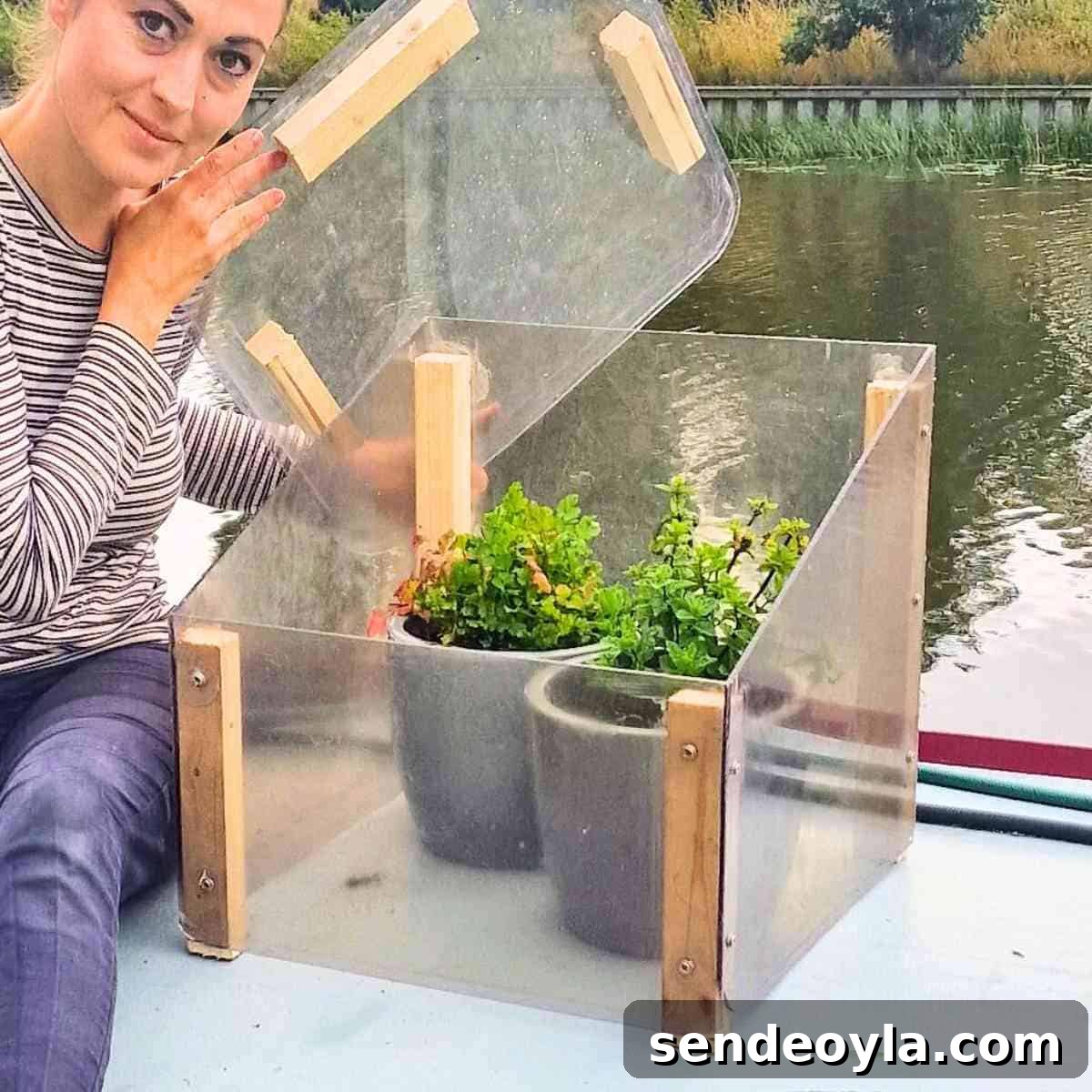
Learn how to salvage and repurpose old perspex or clear plastic windows to build a simple DIY cold frame greenhouse that protects seedlings and tender plants through colder weather.
This practical cold frame project uses basic tools, recycled materials, free plans, and clear step-by-step instructions so you can save money and get growing fast.
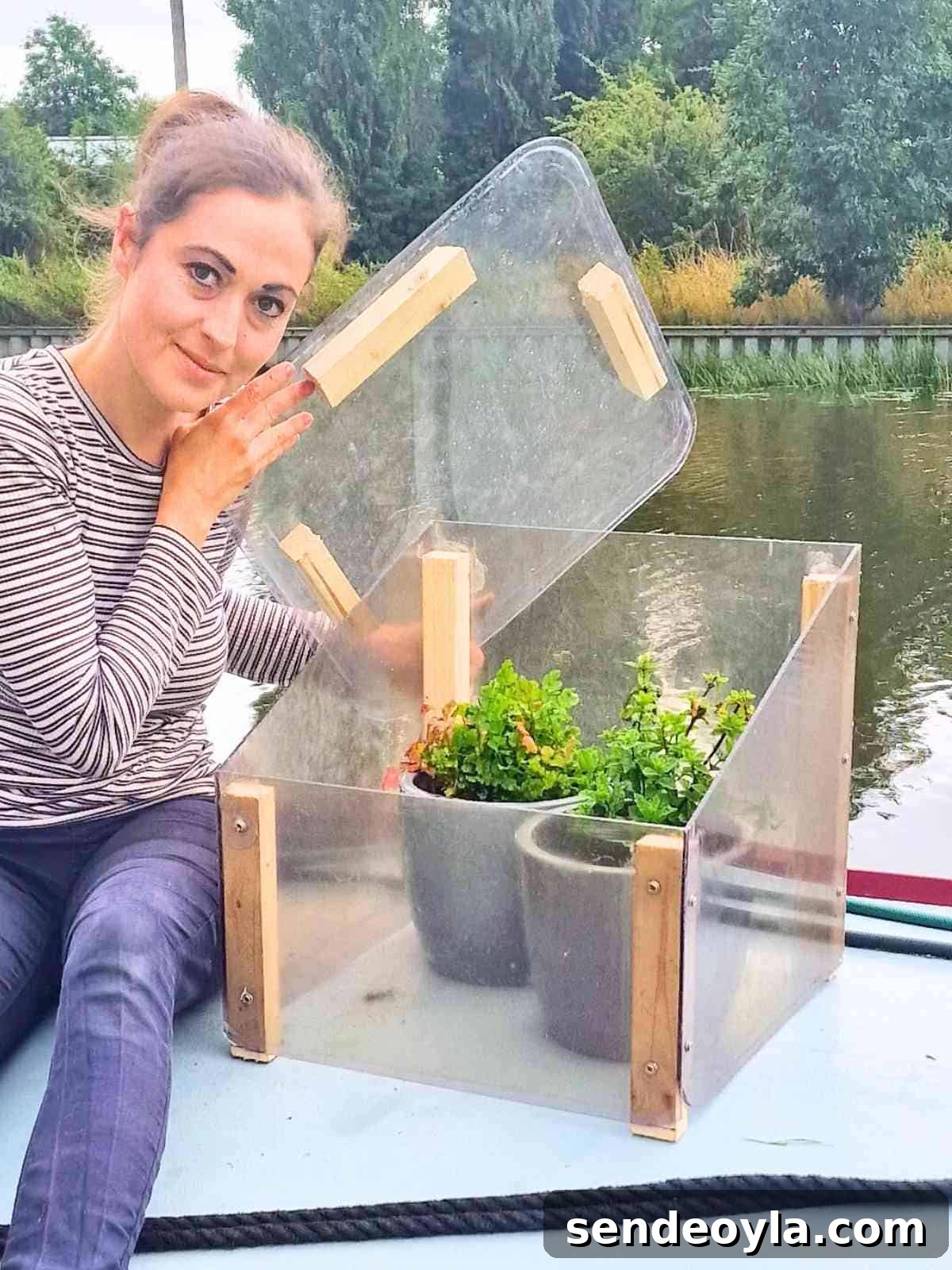
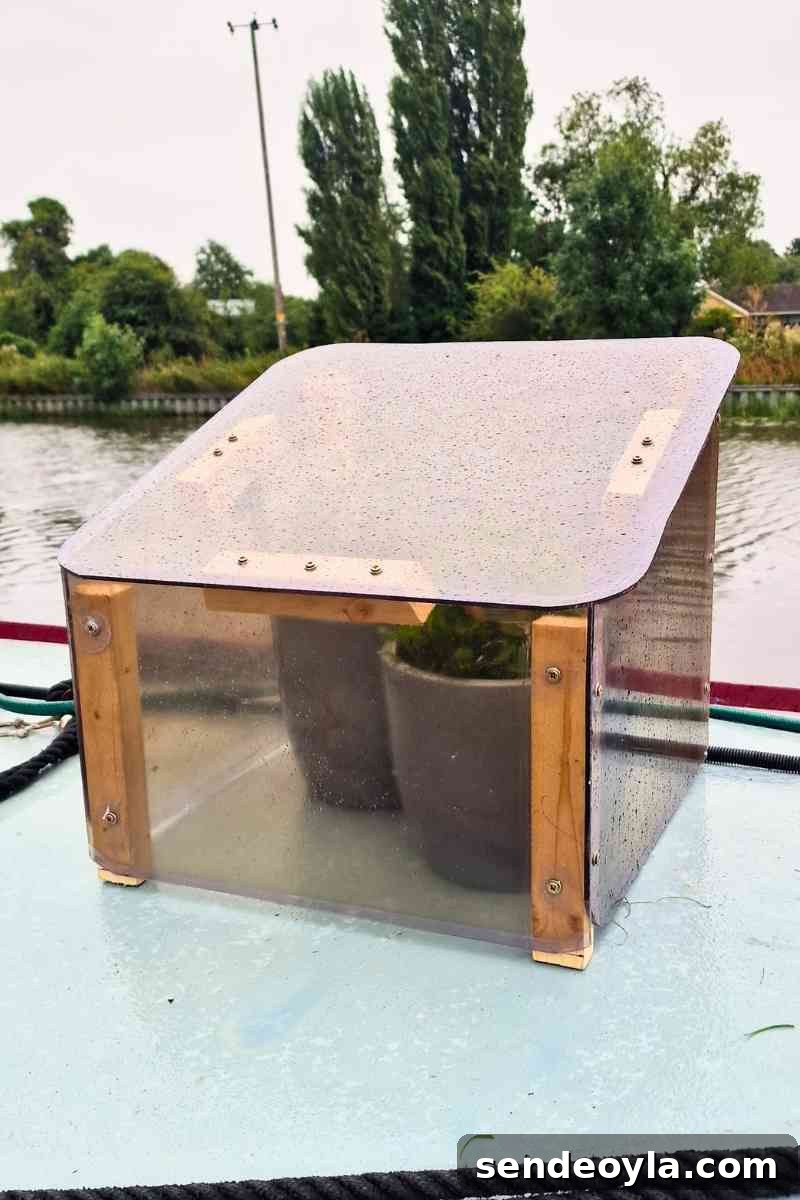
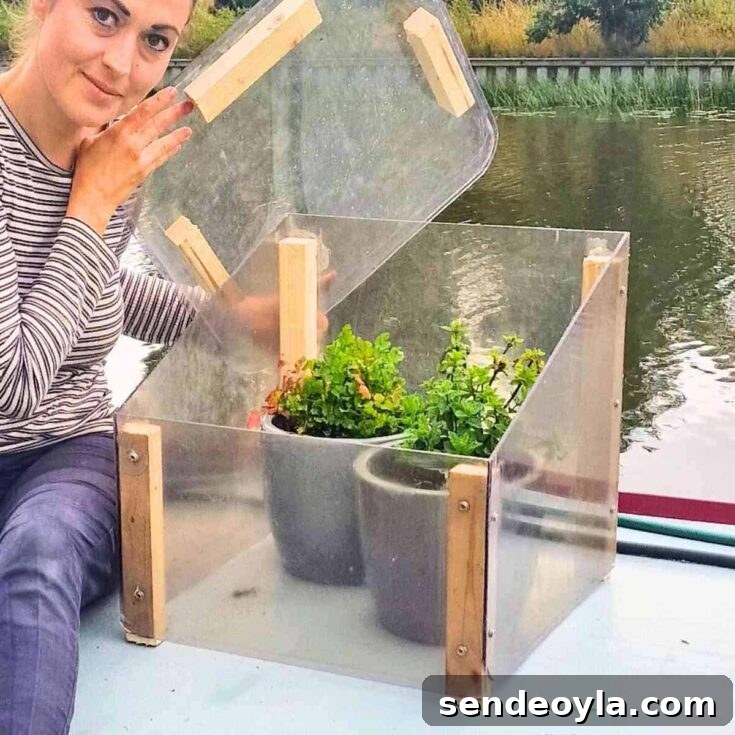
If you enjoy gardening or growing your own food, a cold frame is one of the easiest and most effective ways to extend your growing season. This guide shows how to make a compact cold frame with a hinged lid from recycled perspex or other clear materials. The example here was made from old narrowboat windows, but you can adapt the design to whatever materials you have.
On a tight budget? No problem. This build requires only basic hand tools, some timber, screws and washers, and a clear top. If you don’t have enough perspex, substitute side panels with wooden sheets and use plastic only for the lid. The result is an eco-friendly mini greenhouse that gives your plants a protected microclimate during cool months.
🌱 What is a Cold Frame?
A cold frame is a low, enclosed structure with a transparent lid that traps sunlight and warmth, creating a warmer microclimate for seedlings and tender plants. Think of it as a miniature greenhouse: it protects plants from frost, wind and light snow, allowing you to start seeds earlier in the season or keep plants growing later into autumn and winter.
Cold frames are highly flexible in size and materials. They work well on patios, balconies, raised beds, or even narrowboat roofs. You can build them from reclaimed glass, polycarbonate, corrugated roofing, plastic storage lids, or repurposed windows.
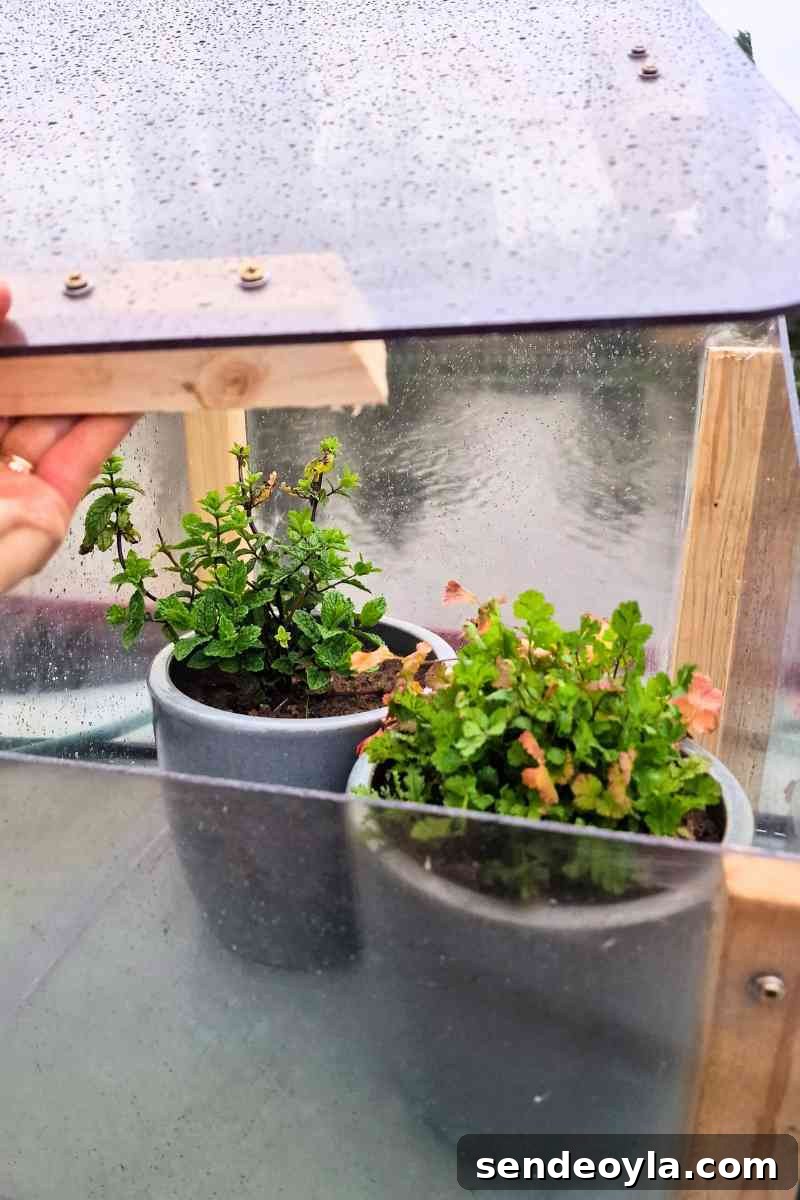
✔️ Why You’ll Love This Project
This DIY cold frame is designed to be quick, inexpensive and adaptable. Key benefits include:
- Openable lid for ventilation on sunny days
- Flexible materials: perspex, polycarbonate, corrugated roofing, glass or even a clear shower curtain
- Minimal materials because the base sits directly on soil or an existing surface
- Build time roughly two hours with hand tools
- Much cheaper than buying a ready-made cold frame
- Recycles old materials and reduces waste
- Ideal for starting tender salad greens, herbs and seedlings from autumn to early spring
- Simple wooden frame design anyone with basic DIY skills can assemble
- Free plans and a straightforward cut list to get you started
⚒️ Tools and Materials
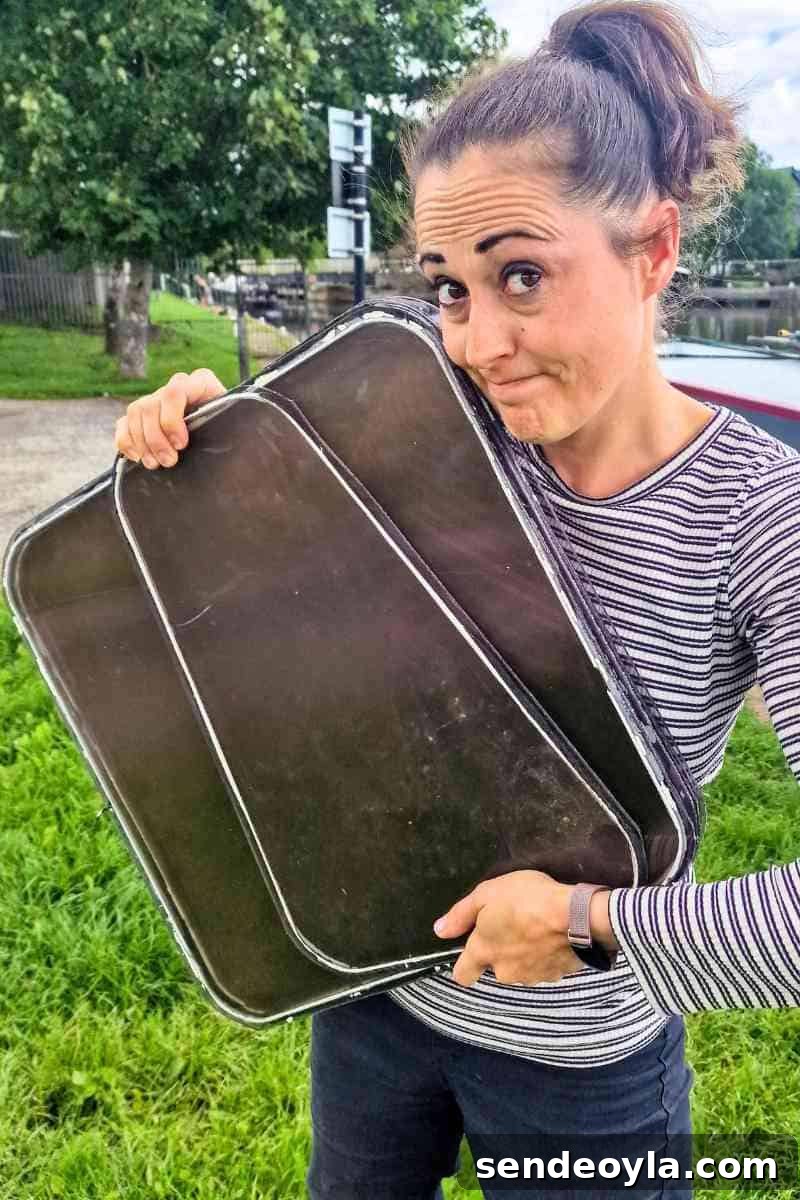
- 5mm perspex, clear plastic sheeting, or other transparent material for the lid (used shower doors, corrugated PVC or polycarbonate also work)
- 38mm x 38mm timber (or similar) for the frame and legs
- Screws (stainless where possible)
- Stainless steel washers to protect the plastic when fastening
- Masking tape to mark cut lines
- Hand saw (for plastic and timber)
- Scraper for removing old sealant from reclaimed windows
- Tape measure, combi drill and an appropriate drill bit
- Workbench or sawhorses for a steady cutting surface
Tip: If you place the cold frame directly on soil, you can omit the legs. If it sits on a flat surface, add small protruding feet to create ventilation and prevent wobbling or pooling water beneath the frame.
📏 Free Cold Frame Plans
Use the cut list and diagrams provided in the images to guide sizing. If you plan a larger cold frame made mostly from plastic, add horizontal wooden battens inside the faces to stiffen the panels and prevent flexing. Assemble the box frame first, then mount the perspex or glazing panels.
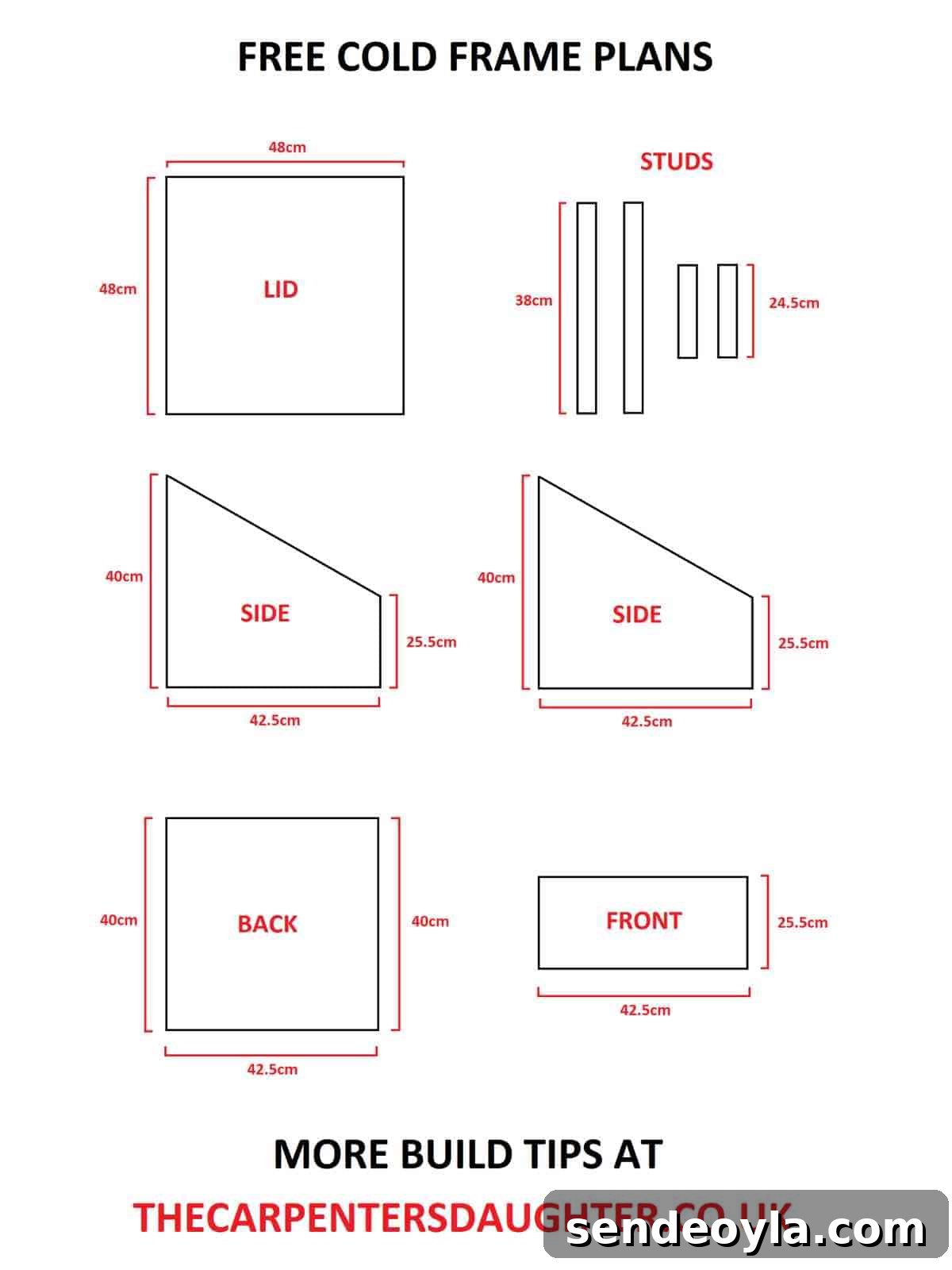
📋 Step-by-Step Instructions
Read the full steps below before you start. A short printable card is included at the end for on-site reference.
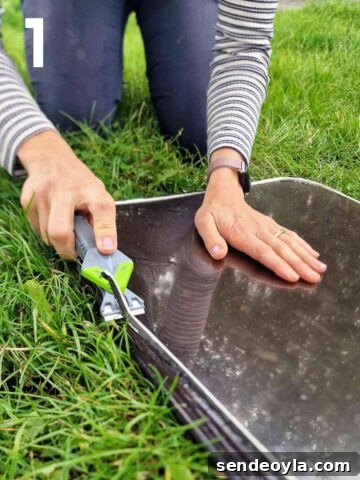
1. If your glazing comes from reclaimed windows, use a scraper to remove old sealant and adhesive. Clean the sheets thoroughly before cutting.
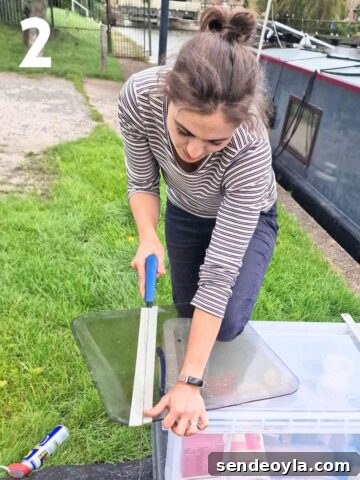
2. Apply masking tape to the perspex and mark your cut lines in pencil. Cut the panels carefully with a fine-toothed hand saw for the cleanest results.
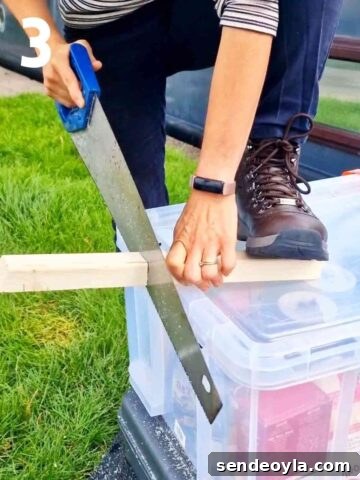
3. Cut the timber pieces for the frame and legs to size. A simple rectangular box with an angled back gives good solar gain and rain runoff.
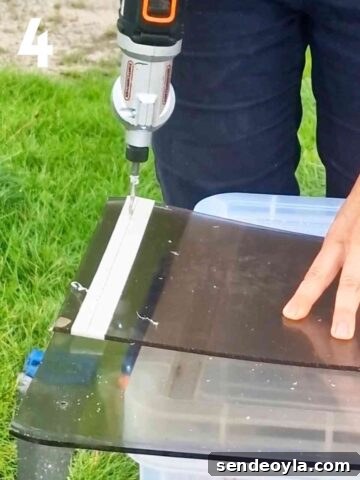
4. Drill matching holes in the glazing panels. Use the first panel as a template so all holes align. Make the holes in the plastic slightly larger than the screws to allow for expansion.
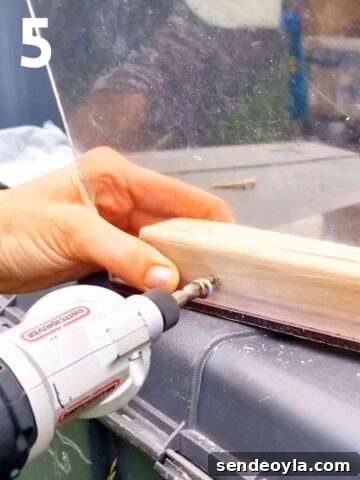
5. Pilot the holes slightly into the timber, then secure the panels to the frame with screws and stainless washers. Washers distribute pressure and reduce the risk of cracking the plastic.
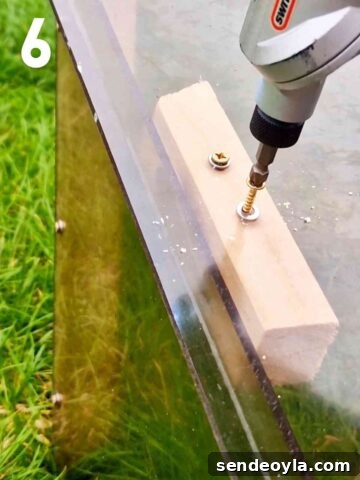
6. Fit small stop blocks inside the frame to prevent the lid from sliding off. Temporarily tape or clamp the blocks in place, position the lid, then drill and screw the blocks permanently. Leave a few millimetres of play so the lid can expand and contract.
Build tip: For an uneven patio surface, extend the legs slightly so the frame sits securely and leaves a vent gap beneath the frame. This prevents water pooling and improves airflow.
🔨 Material Substitutions
You can build an effective cold frame from many recycled materials. Here are common alternatives and how to use them:
Perspex alternatives
- Clear shower curtain – Attach to a wooden internal frame and staple or hinge it for a light and cheap cover.
- Shower doors or old window panes – Glass is heavier but durable; build a robust frame and use hinges for the lid.
- Clear corrugated PVC or polycarbonate sheets – Stiff and lightweight; fasten with washers and screws.
- Old picture frames – Use glass panes from frames as a smaller lid option; reinforce the edges with timber.
- Primarily wooden sides – Use wooden board panels for the sides and only a small clear lid if you lack glazing material.
⚖️ Project Variations
- Hinged top – Add a simple hinge at the back and a prop stick so the lid can be opened for ventilation.
- Bottle or recycled plastic cladding – Slot plastic bottles or smaller plastic sections into a wooden frame for an upcycled, translucent wall.
- Front doors and shelving – Make the cold frame front-accessible for pots and add internal shelving for seedlings.
- Raised bed integration – Build the cold frame directly over a raised bed to grow root crops and vegetables all winter.
- Folding design – Use hinges on side panels to fold the cold frame flat for storage when not in use.
🧽 Care and Maintenance
- Treat or preservative-coat non-pressure-treated timber to protect it from weather.
- Use stainless steel screws and washers to prevent rust. If you must use ordinary screws, apply grease to slow corrosion.
- Clean glazing periodically and check seals and stop blocks for wear. Replace cracked plastic panels promptly.
💡 Pro Build Tips
- Attach the two sloping side panels first so their edges are covered when you fit the front and back pieces.
- Temporarily position stopper blocks with tape to mark screw locations for the lid, and allow a small gap for thermal movement.
- Always use washers under screws when fastening plastic to wood to spread the load and reduce cracking.
- Screw the legs slightly lower than the frame base if placing the unit on a hard surface—to provide ventilation and drainage.
❓ FAQ
You can use secondhand polycarbonate, clear corrugated PVC, or even a clear PVC tablecloth stapled to a stronger timber frame. If perspex is scarce, replace the side panels with wooden sheet material and use clear material only for the lid.
A south or south-west facing position captures the most sunlight, especially in the morning and up to midday. Choose a sheltered spot away from strong winds, ensure good drainage if the ground is soggy, and place it near the house for easy checking and maintenance.
Cold frames are great for hardening off young plants, growing tender salad crops (lettuce, spinach), herbs, and many perennials. Root vegetables can be grown only when the frame sits on existing soil or raised bed.
Begin using a cold frame when night temperatures are low but daytime sun can warm the soil. Many gardeners start seedlings earlier once soil temperatures reach around 7°C (45°F), but observe local conditions and adjust ventilation to avoid overheating on sunny days.
Yes. Break down pallet wood to build the frame or use the slats as cladding. Secure the slats to a sturdy corner frame and be sure to add a clear top for solar gain. Pallet builds are economical but require careful joinery for durability.
💰 Project Cost
If you use reclaimed glazing and offcut timber, costs can be negligible. The only purchases needed are a few screws and washers if you don’t already have them.
Total cost estimate: £0–£10 / $0–$12 depending on materials you need to buy.
Have Your Say
What would you do differently for your winter garden? Share your favourite low-cost options and where you place cold frames in your space. How do you manage gardening in colder climates where you live? Leave a comment below—I’d love to hear your ideas.
➕ More Plant Projects
If you enjoyed this build, try other small gardening projects that reuse materials and maximize space. Images below show a few ideas to inspire your next DIY garden project.
-

Bird Feeder Stand DIY in a Planter -
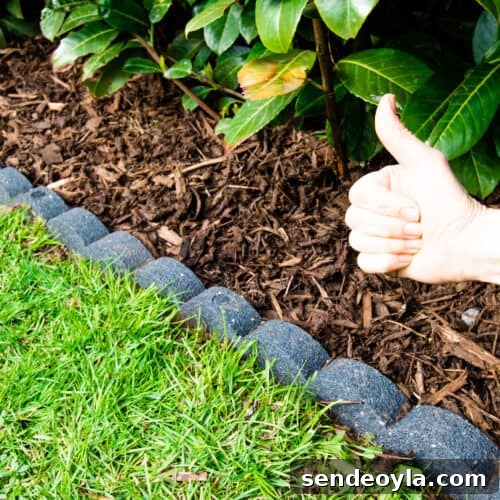
EZ Border Review & Installation: Rubber Edging -
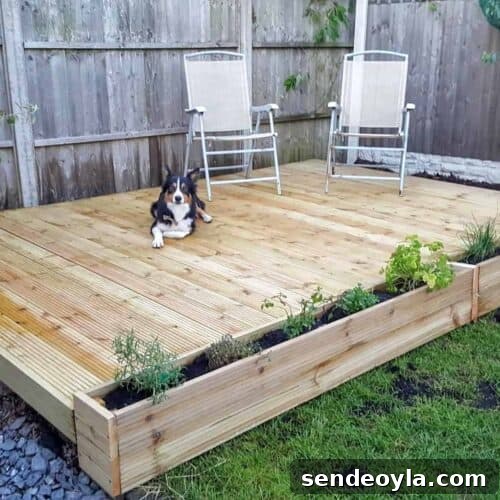
The Herb Kitchen Garden & DIY Lounge Decking -
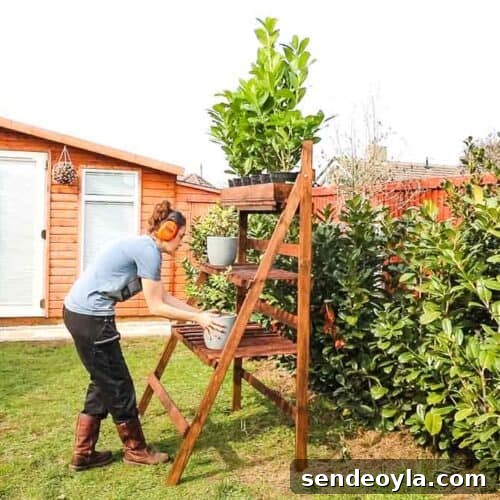
DIY Ladder Shelf for Plants + Free Plans -
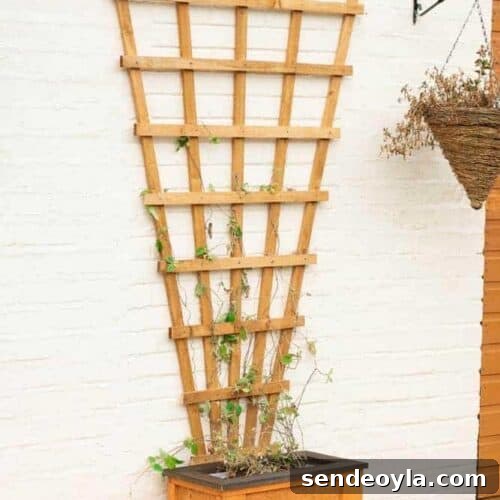
Trellis Planter DIY -
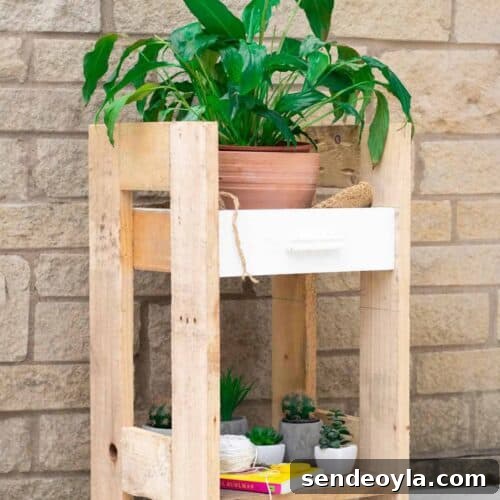
How to Make a Plant Stand (Upcycled Drawer)

📖 Printable Card
Build an Easy DIY Cold Frame Greenhouse
Repurpose old perspex and clear plastic to create a compact, effective cold frame that extends your growing season and protects plants from frost.
Materials
- 5mm perspex or clear roofing sheet
- Screws and stainless washers
- Masking tape
- 38mm x 38mm timber for frame/legs
Tools
- Hand saw
- Scraper
- Tape measure
- Combi drill and drill bit
- Workbench or sawhorses
Instructions
- Scrape and clean any reclaimed plastic or glass panels.
- Masking tape and mark accurate cut lines, then cut panels with a hand saw.
- Cut timber for the frame and legs and assemble the box shape.
- Drill matching holes in panels; use a template so holes align.
- Pilot the timber, then attach panels with screws and washers.
- Add internal stopper blocks for the lid and leave a small gap for expansion.
Notes
- Attach sloping side panels first so their edges are covered when you fit the front and back.
- Allow a few millimetres of play in the lid to accommodate thermal expansion.
- Use washers under screws to prevent cracking and improve strength.
- Protect timber with preservative if it is not pressure treated.