
It’s that time of the month when I join my friends from around the world for the International Bloggers Club. Over the past months we’ve used anniversary themes as our guideline — featuring paper projects, cotton crafts, and a festive Christmas project. This month I’m sharing a simple, natural clay Valentine’s heart garland you can make at home.
Please scroll to the bottom of this post to see what my friends have created for this month’s challenge.
Disclosure
This website may contain affiliate links. If you purchase products through those links, I receive a small commission that helps me continue sharing creative content. There is no extra cost to you.
My daughter brought home a packet of oven-bake clay and it seemed like the perfect project for us to make together. We worked side by side and enjoyed every step — from cutting the hearts to experimenting with finishes.
What We Used
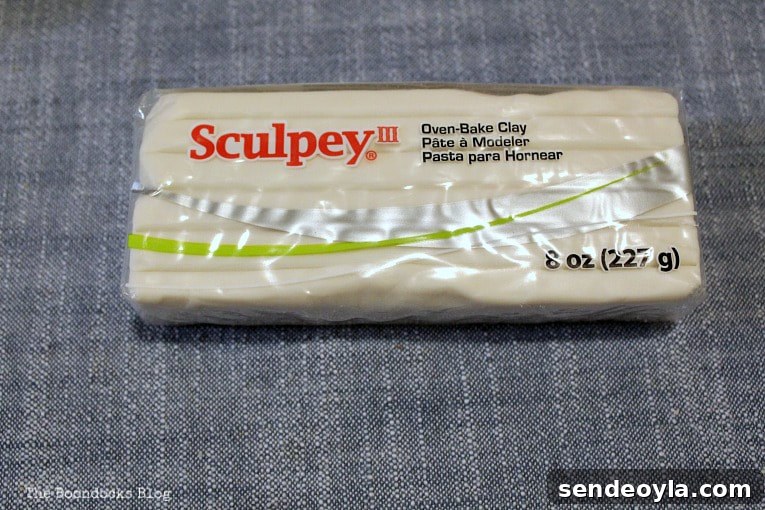
- Sculpey or other oven-bake polymer clay
- Clay modeling tools (or a simple knife)
- Paper and cardboard for templates
- Sprigs of pine or other textured leaves for imprinting
- Non-stick craft mat for baking clay
- Baking tray
- Twine for stringing the hearts into a garland
- Finishing waxes or furniture polish (clear, dark, and white waxes were tested)
The How To
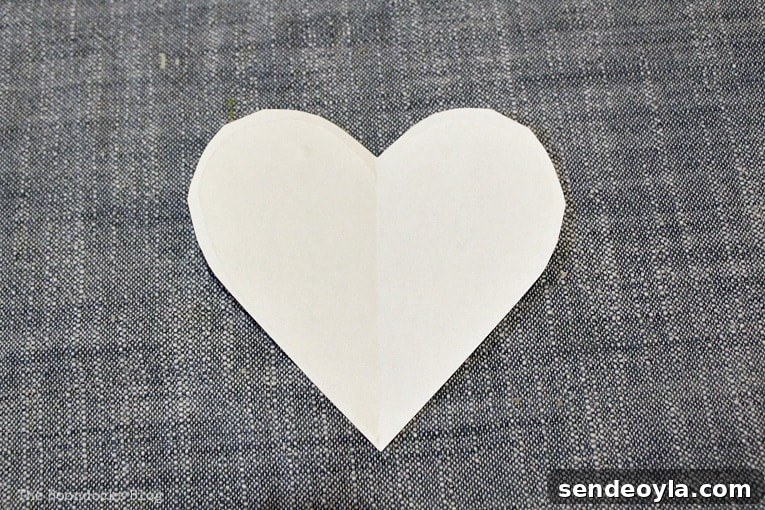
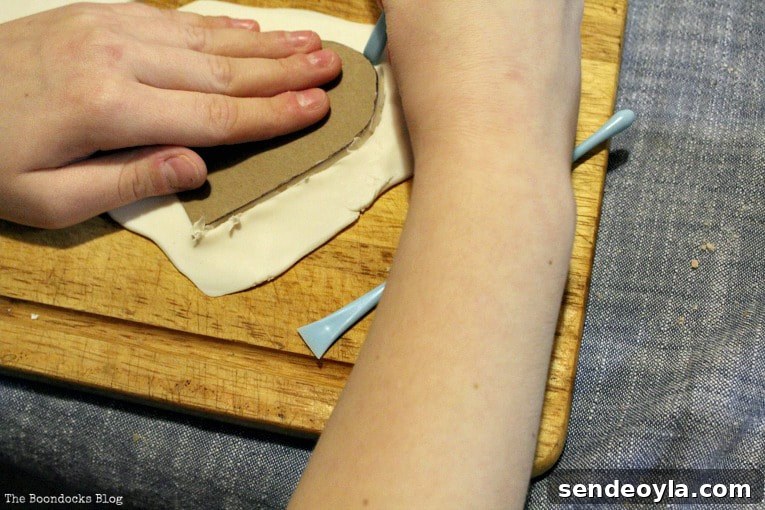
Start by creating a heart template. Fold a piece of paper in half, draw half a heart along the fold, and cut it out to reveal a symmetrical heart. For a sturdier guide, trace that paper shape onto cardboard and cut the cardboard heart out.
Roll out the clay on a clean cutting board or craft mat to about 1/4 inch (6 mm) thick. Using your cardboard template, place it on the clay and cut around it to make individual heart shapes. Cookie cutters can also be used if you have heart-shaped cutters in the size you want.
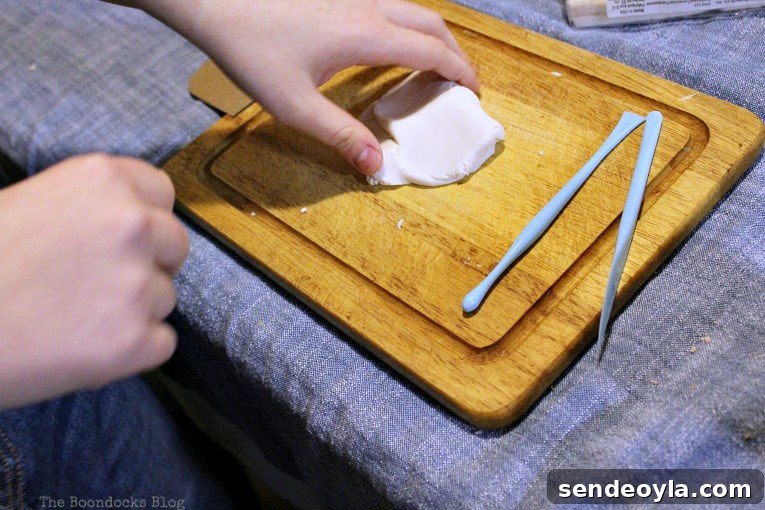
You can trim edges with plastic clay tools or an ordinary kitchen knife. We intentionally left some edges a little rough for a rustic, handmade look; smooth them if you prefer a more polished finish.
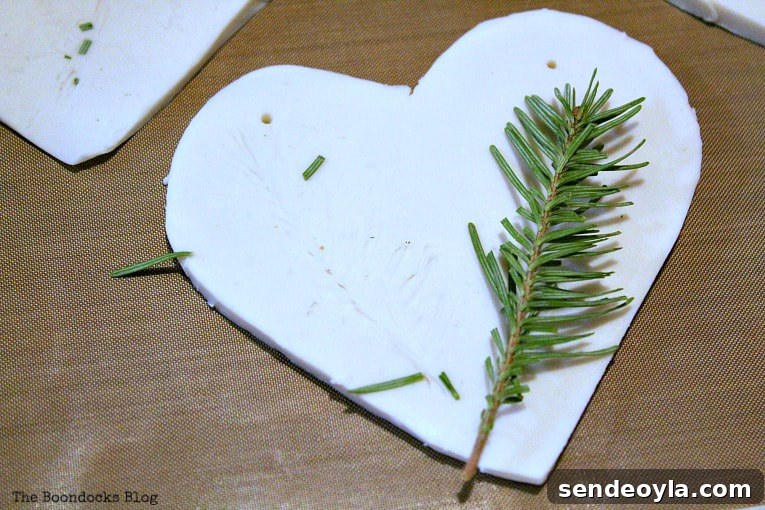
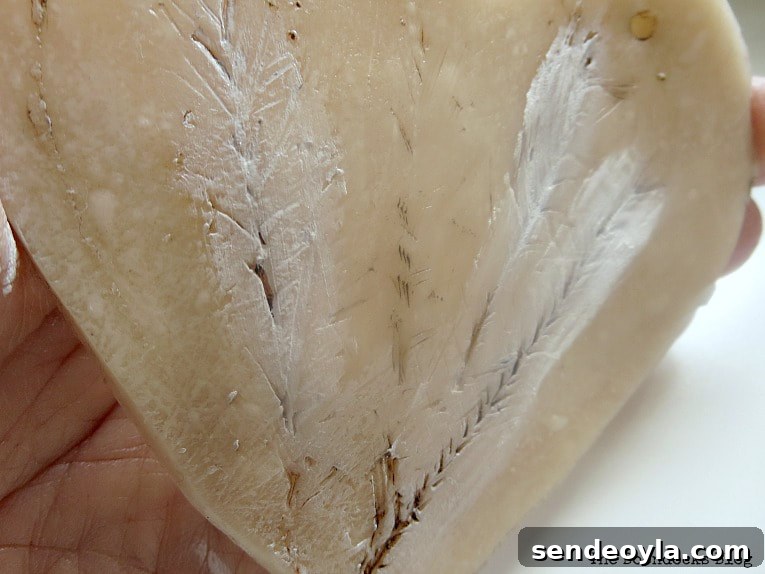
To add texture, press small sprigs of pine, leaves, or any patterned object gently into the surface of the clay. This creates organic, natural markings that add visual interest. Before baking, poke small holes near the top of each heart so you can thread the twine through later.
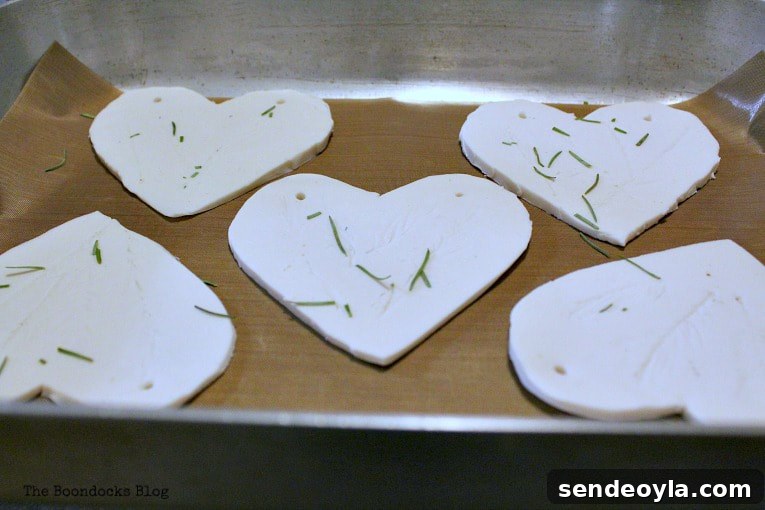
Place your hearts on a non-stick craft mat and bake according to the clay manufacturer’s instructions — we baked ours for around 15 minutes. Allow the baked pieces to cool completely before finishing.
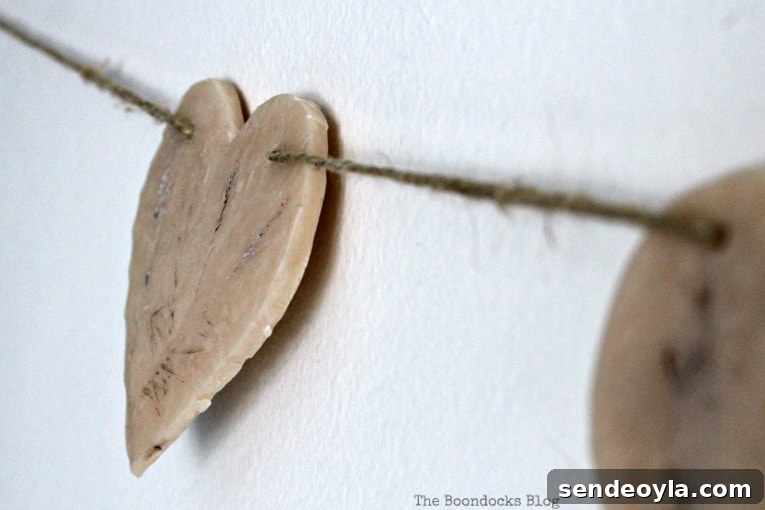
For finishing, we experimented with different waxes and polishes. First apply a clear polish or wax to seal the surface. Then test darker wax to bring out the texture; apply it, then wipe it back so it stays in the indentations to emphasize the patterns. We also tried a white wax to lighten and soften the darker areas. Layering and gently wiping back the waxes allowed us to achieve an oatmeal, stone-like finish with a subtle sheen — smooth and warm in tone.
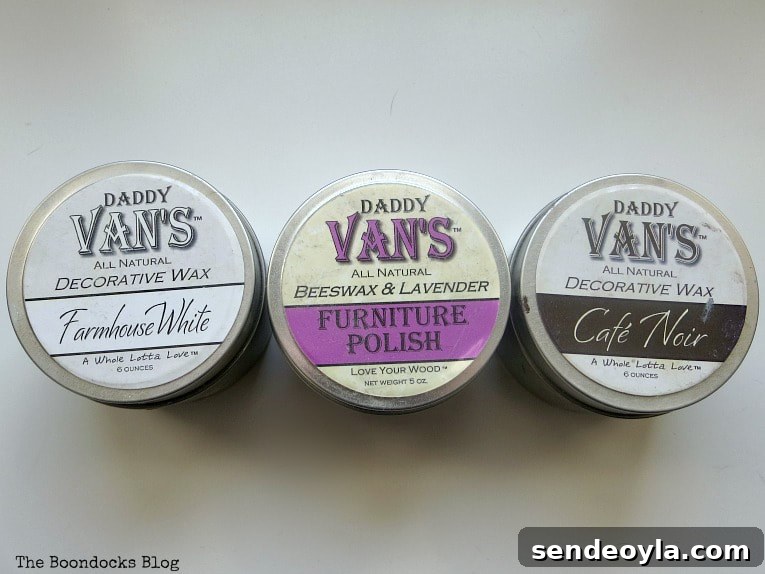
This trial-and-error approach is the best way to discover the finish you like. The dark wax highlights the texture, while the white wax tones it down. Combining them gave us the balanced, natural look we wanted.
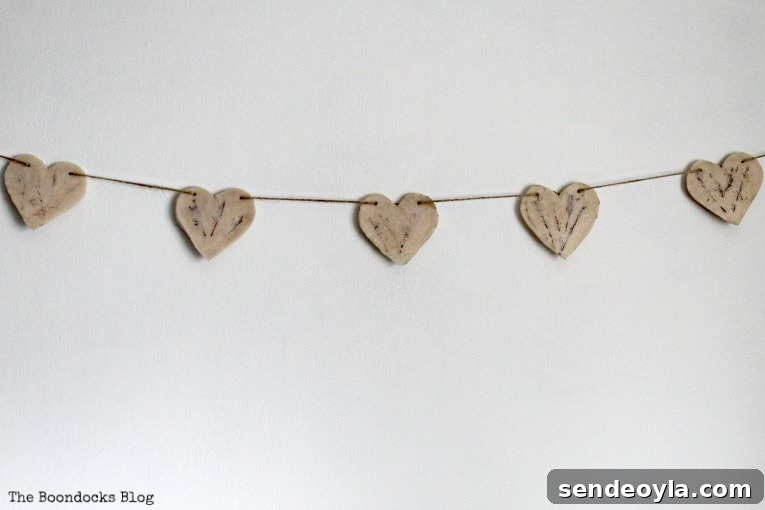
Thread twine through the pre-made holes and space the hearts evenly to form your garland. Hang the finished garland on a mantel, wall, or doorway — the neutral palette suits rustic, minimalist, and farmhouse decor styles and can stay up well beyond Valentine’s Day.
We loved how the pine impressions resemble little fossil-like markings, giving each heart a unique character. The final finish is smooth, slightly shiny, and warm like worn stone — exactly the natural look we were aiming for.
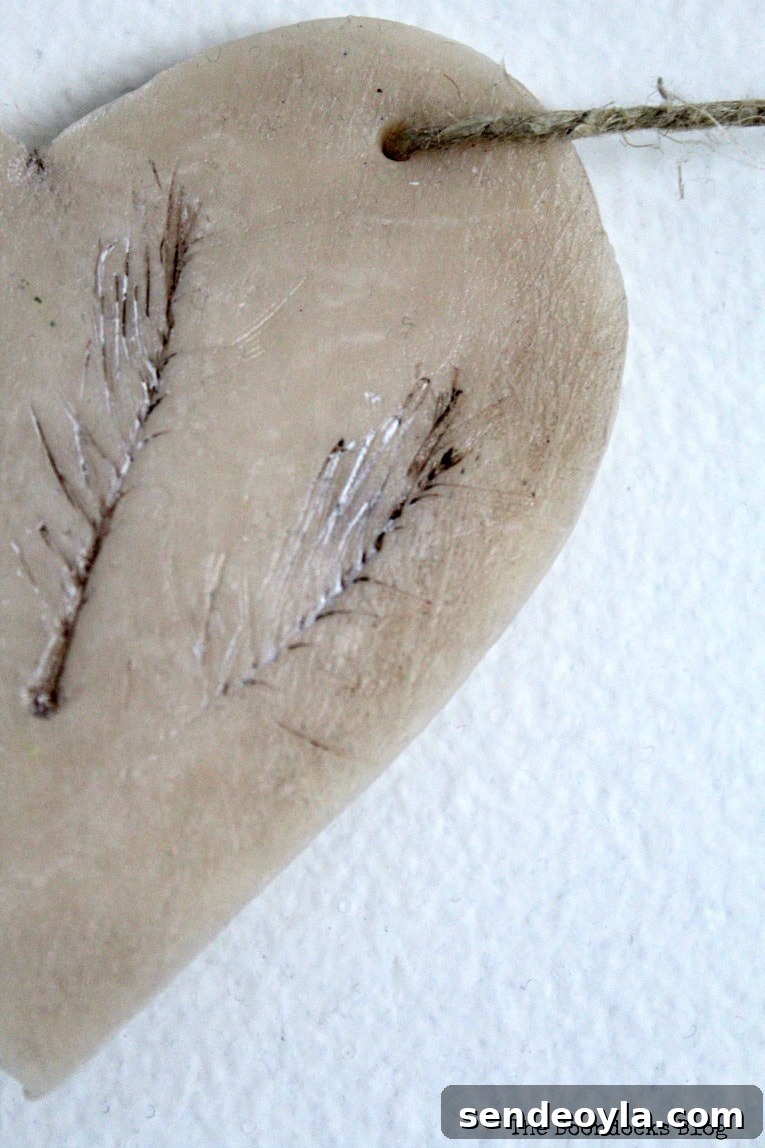
I spent a delightful afternoon crafting with my daughter, and the result is a handmade clay heart garland that feels personal and timeless. Whether you decorate boldly for Valentine’s Day or prefer a subtle seasonal accent, this natural clay heart garland makes a charming, simple statement.
Tips for Success
- Work on a clean, flat surface and keep your hands warm so the clay is easier to roll.
- Test one piece first for baking time to avoid over-browning.
- Try different natural textures — leaves, lace, or fabric — for various surface effects.
- Use thin twine for a delicate hanging effect or heavier jute for a rustic look.
If you enjoyed this tutorial for a natural clay Valentine’s heart garland, I hope it inspires you to make your own. I got to spend quality time with my daughter and we created a decoration we can enjoy year-round. How do you decorate for Valentine’s Day — do you go all out, or keep it simple like us?
Scroll down to see what my friends from the International Bloggers Club created this month.