
A Spotlight on Saint Andrew’s Cathedral in Patras, Greece
Spring in Greece feels almost magical. Trees burst into bloom and the air fills with the scent of flowers as homes and streets are adorned with color. For many, this season is also a time of spiritual renewal, centered on the celebration of the Resurrection of Christ. The evening liturgies that lead up to Easter carry a special atmosphere, and for me they make spring the most meaningful time to visit church.
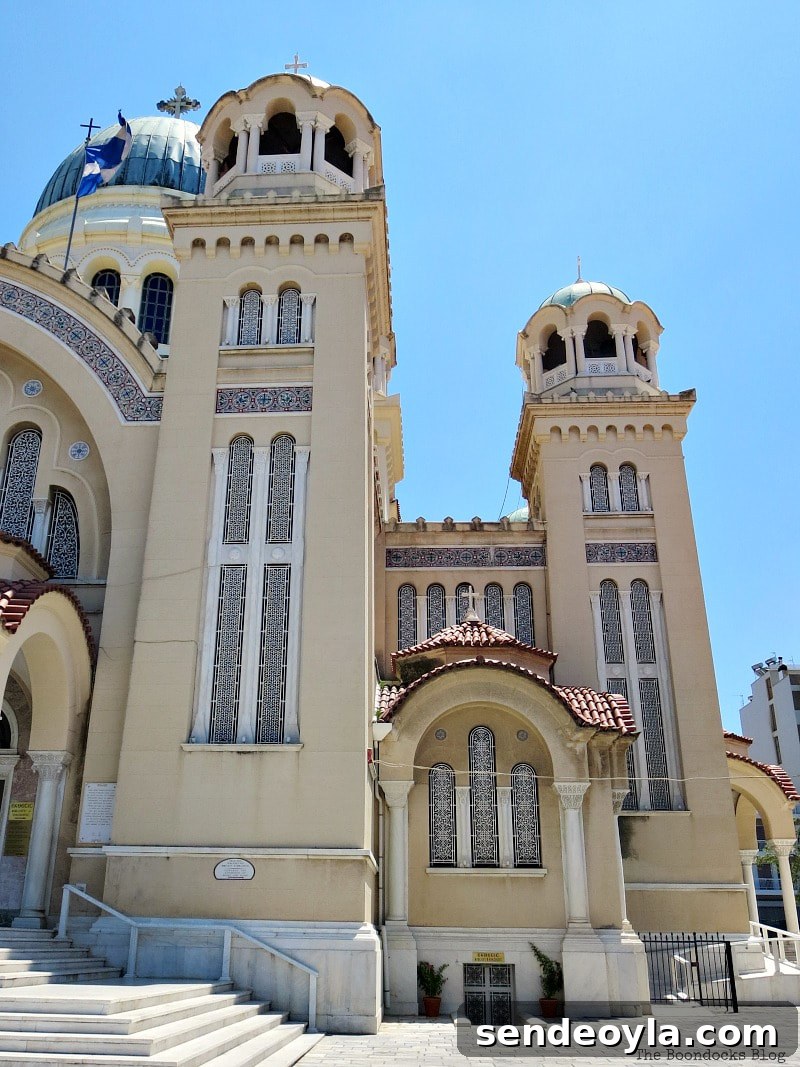
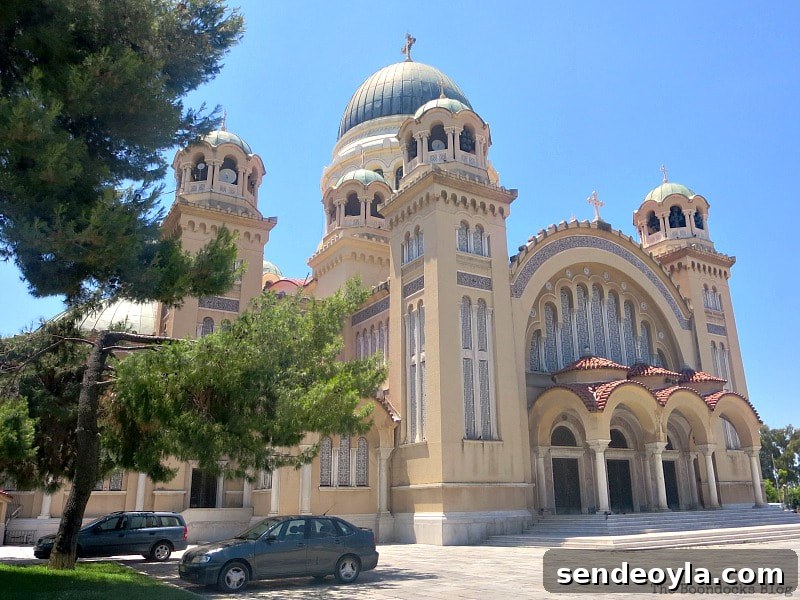
With those memories in mind, this photo essay highlights the impressive Saint Andrew’s Cathedral in Patras, focusing here on its exterior. The interior deserves a dedicated post of its own, which will follow next month.
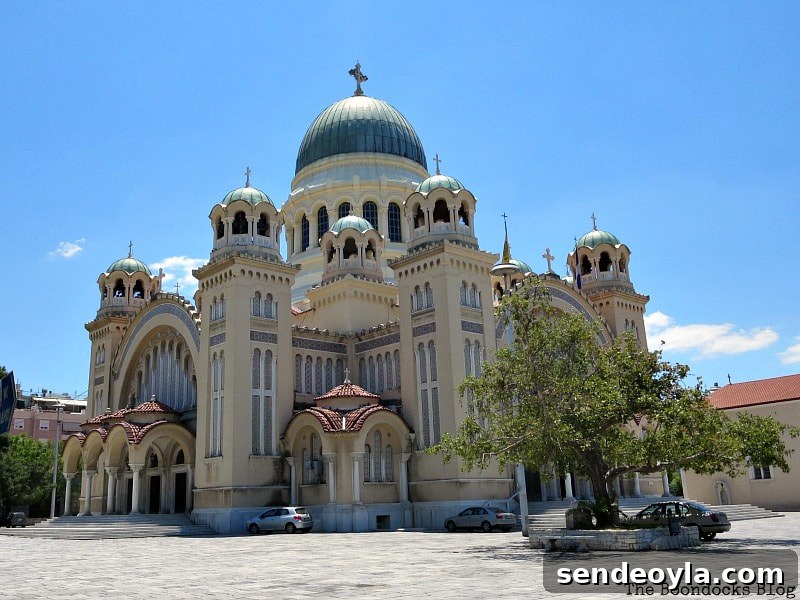
Where It Stands: Patras and the Peloponnese
Saint Andrew’s Cathedral is situated in Patras, a significant port city in the Peloponnese region of southern Greece. Patras is one of the country’s larger urban centers and serves as a gateway to Italy and Western Europe by sea. The city is known for its lively carnival and its strong cultural life, but above all it is home to this magnificent cathedral.
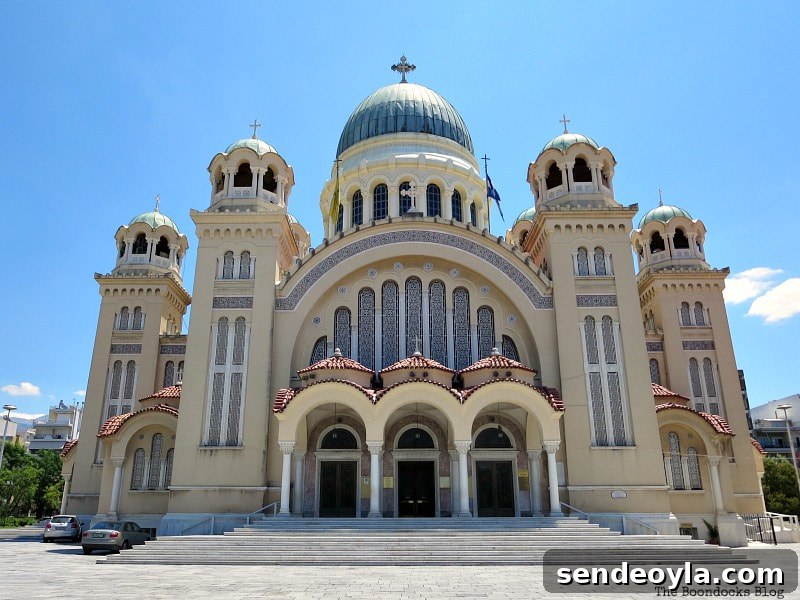
Scale and Design
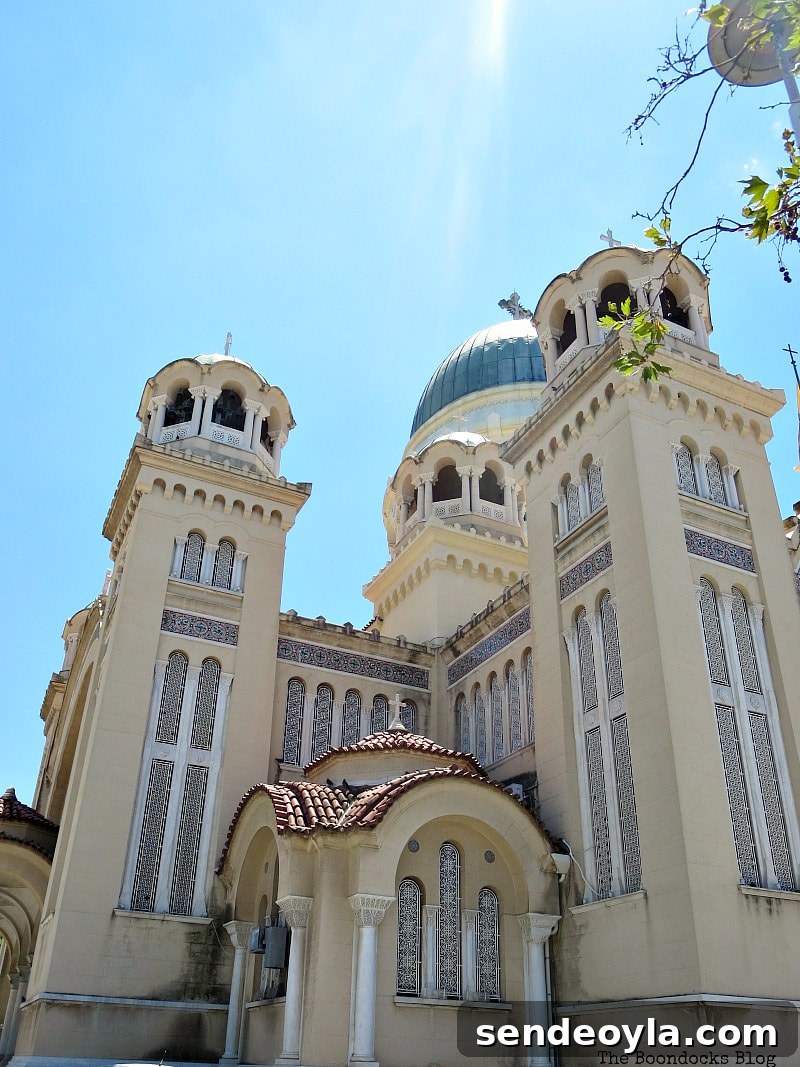
Saint Andrew’s Cathedral is the largest Orthodox church in Greece and among the largest in the Balkans. Covering roughly 2,000 square meters (about 21,500 square feet), it can accommodate thousands of worshipers — the commonly cited capacity is around 7,500 people. Architecturally, the building follows a basilica plan with a central nave flanked by aisles.
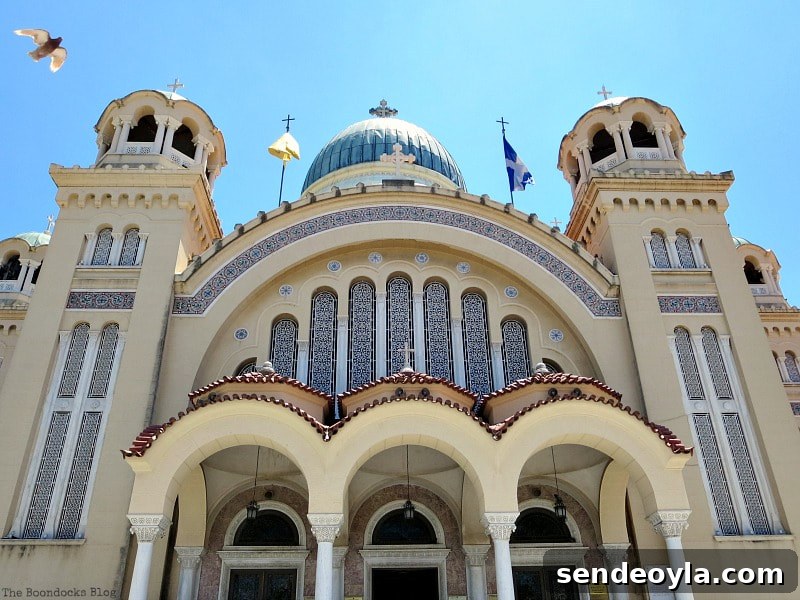
Domes, Towers, and Symmetry
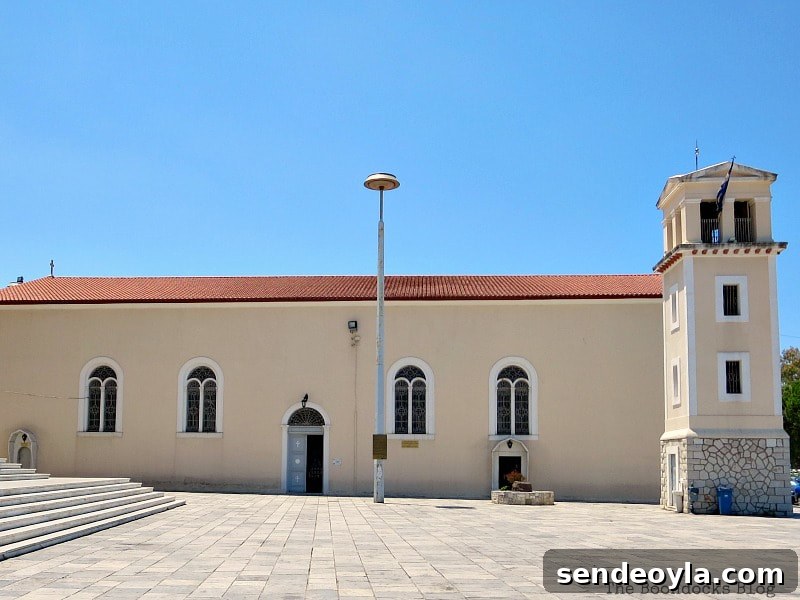
The cathedral features a dominant central dome with clerestory windows and a collection of smaller domes that accent the towers and corners of the structure. In total, the design emphasizes geometric balance and symmetry: the right and left sides mirror each other precisely, and the southeast view reveals the careful proportionality of the whole complex.
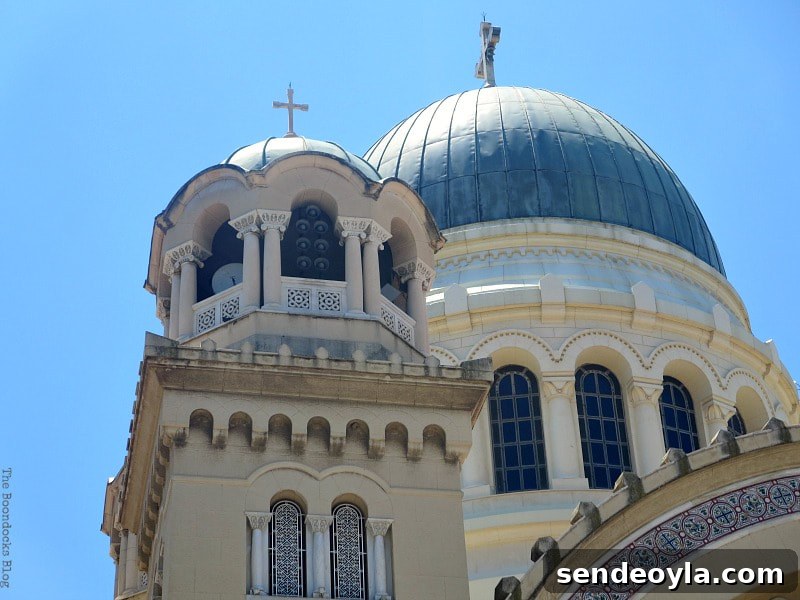
Dedication and History
The cathedral is dedicated to Saint Andrew, known in Greek as Protokletos — “the first called” — because he was the first apostle summoned by Jesus. Saint Andrew was also the brother of Saint Peter.
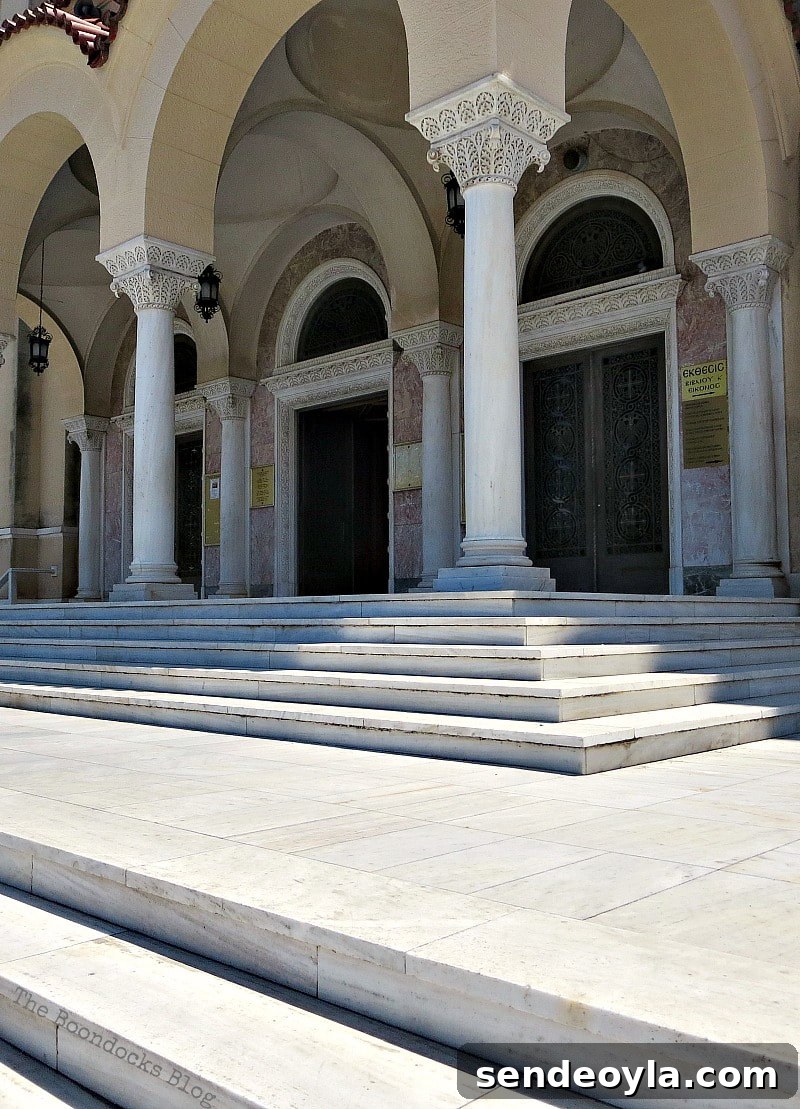
Construction began in 1908 under the direction of architect Anastasios Metaxas and continued through much of the 20th century, with final completion in 1974. The lengthy building process reflects both the scale of the project and the care devoted to its craftsmanship.
Cultural and Community Spaces
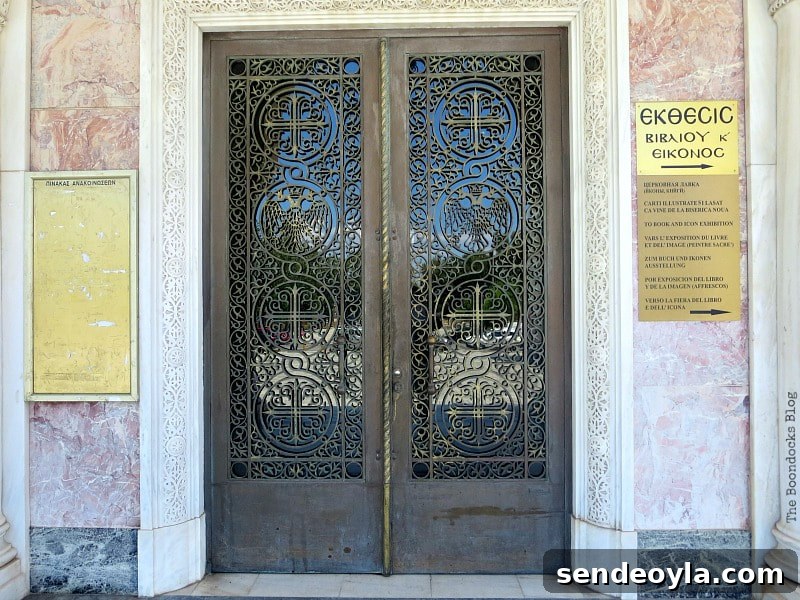
Alongside worship areas, the cathedral complex houses a cultural center and bookstore where exhibitions and events take place. These facilities help the cathedral serve as a local hub for religious life, art, and community gatherings.
Architectural Details
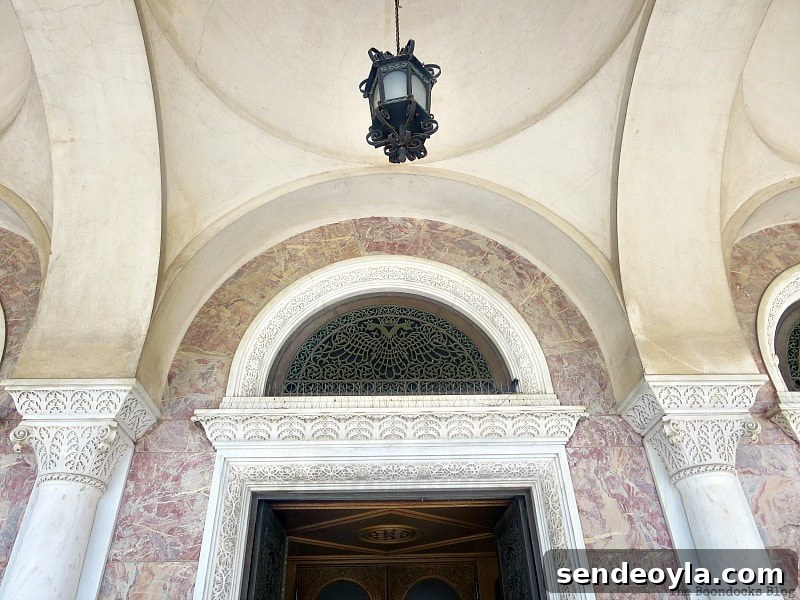
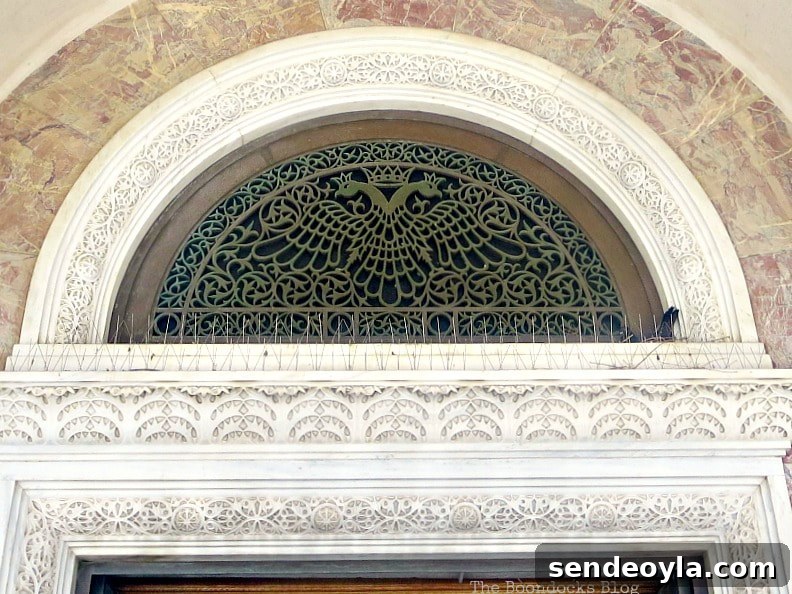
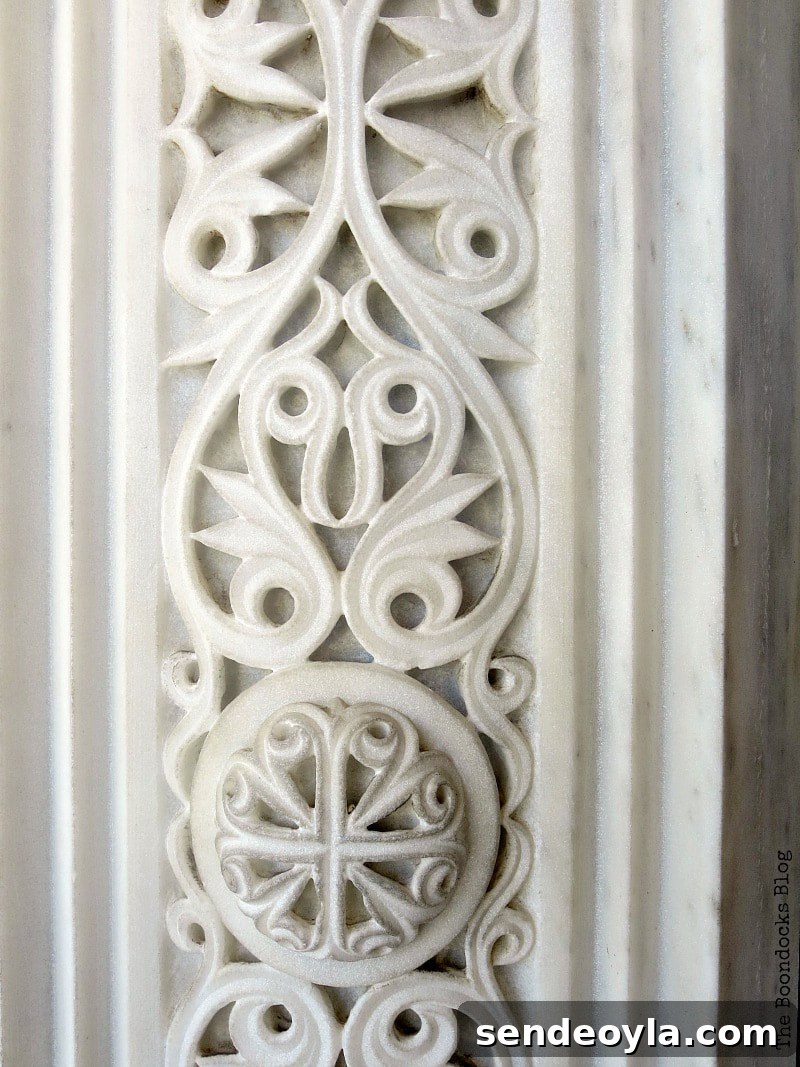
Details around the main entrance showcase finely carved marble and ornamental work. Above the primary doorway is a symbolic relief of the Byzantine double-headed eagle crowned above — a historic emblem that traditionally represented the unity of church and state under the Byzantine Empire.
Surroundings and Atmosphere
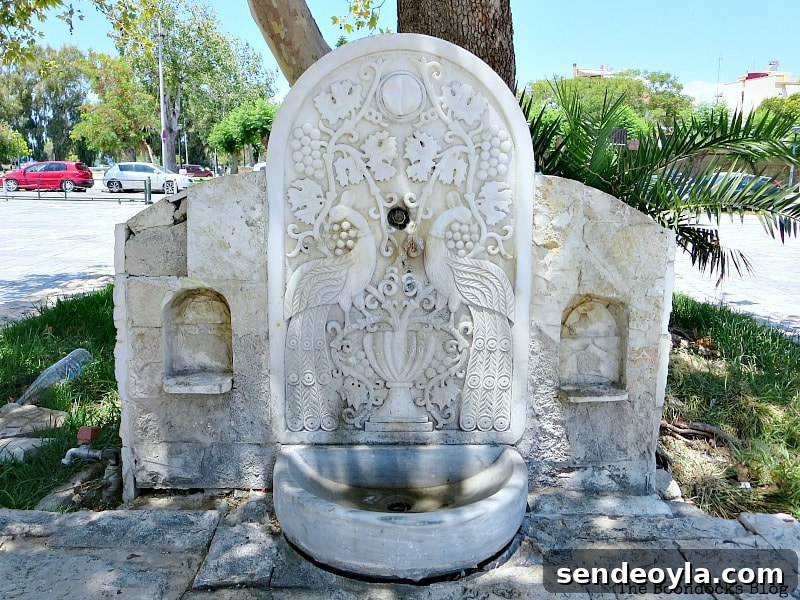
A marble fountain in the cathedral courtyard offers welcome refreshment during hot summer months, and the church sits just a block from the bay, providing a pleasant maritime setting. The courtyard and approach add to the sense of arrival and the peaceful atmosphere that surrounds the building.
Final Thoughts
Visiting Saint Andrew’s Cathedral in spring is especially rewarding: the mild weather and seasonal blooms create a gentle, reflective mood that complements the cathedral’s spiritual presence. The exterior alone commands admiration for its scale, craftsmanship, and balanced design. Next month, a closer look inside will reveal the full richness of its decoration and sacred art — truly a sight to behold.
I hope you enjoyed this photographic tour of Saint Andrew’s Cathedral. If you appreciate architectural photography from Greece, consider exploring additional galleries and collections from the region.
More photography from Greece

The Magical Mountains of Greece
A sunset stroll on the beach