
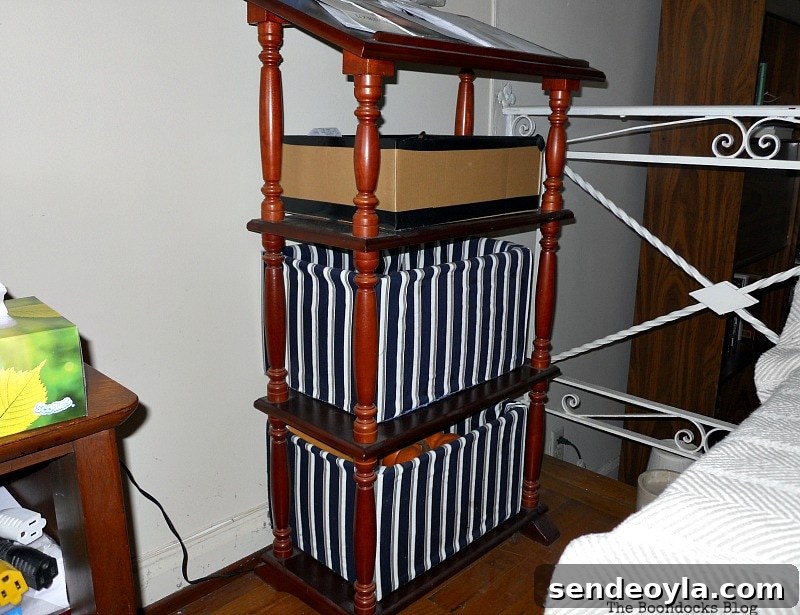
This little dictionary stand has been in my home for at least six years. I’m not sure how it ended up here, but my son has formed an attachment to it, which I don’t mind. What I did mind was the cherry-red finish—an obvious outlier in my apartment, which is otherwise decorated in blacks, beiges, and blues. It was time for a furniture makeover: upcycle the dictionary stand with chalk paint.
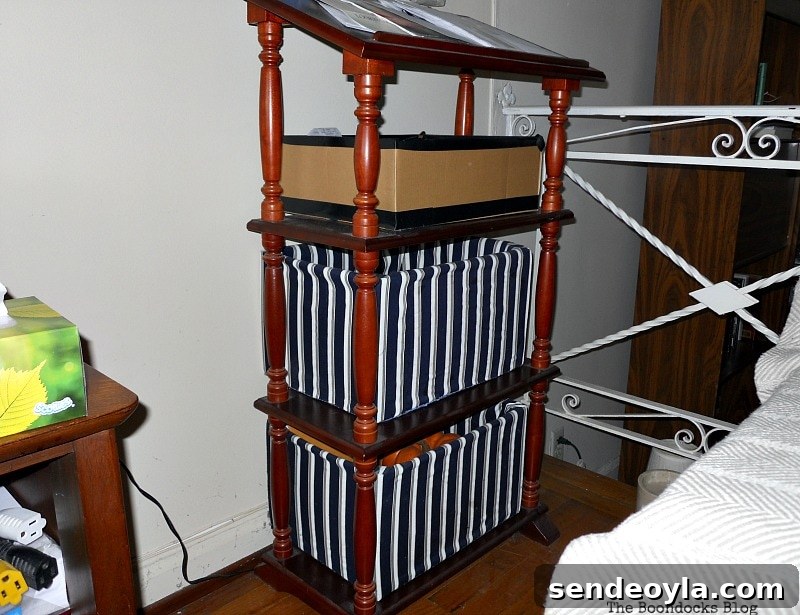
Most of my furniture is black or dark brown—no cherry in sight—so I decided to transform this one small piece to better fit the room. Instead of buying a commercially made chalk paint, I experimented with a DIY version. My father, who inspired my creativity, used to work as a house painter for many years. He always painted furniture with enamel: thick, gooey, old-fashioned enamel. I thought this would be the perfect chance to introduce him to the charm and versatility of chalk-style paint.
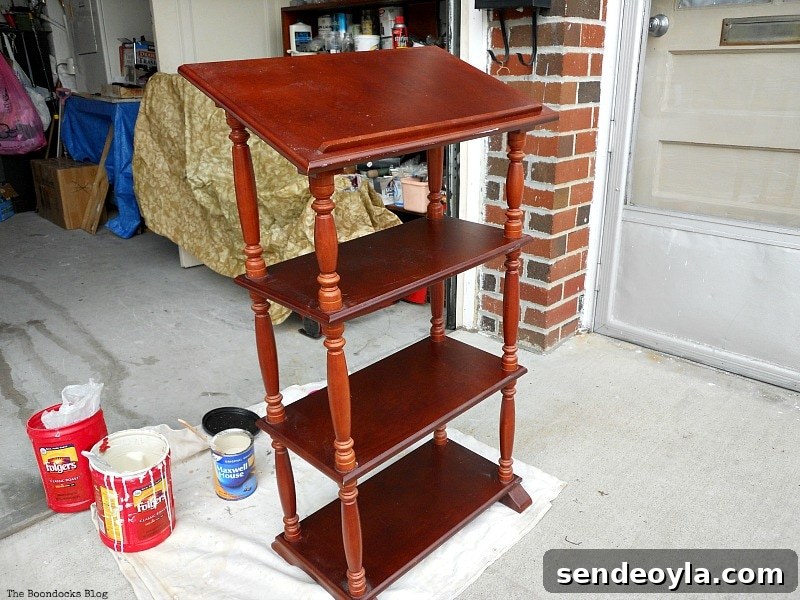
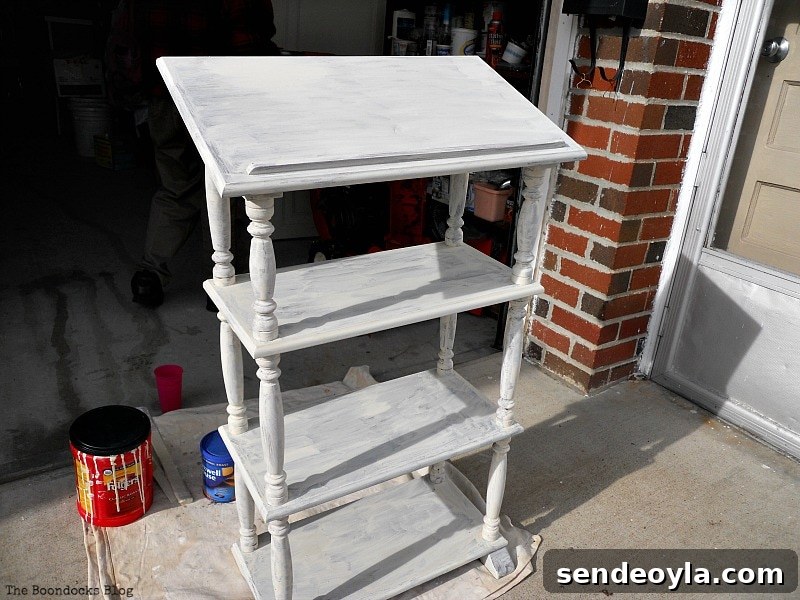
I mixed my own chalk paint using an acrylic paint we already had on hand—our house always seems to be full of leftover paint cans. For this batch I combined 1/3 cup warm water, 1/3 cup plaster of Paris, and 1 cup of acrylic paint to create a thick, matte finish similar to commercial chalk paint. My dad was skeptical at first. When I began painting, he warned that I was ruining a perfectly good piece of furniture—an objection familiar to many who’ve tackled a makeover project.
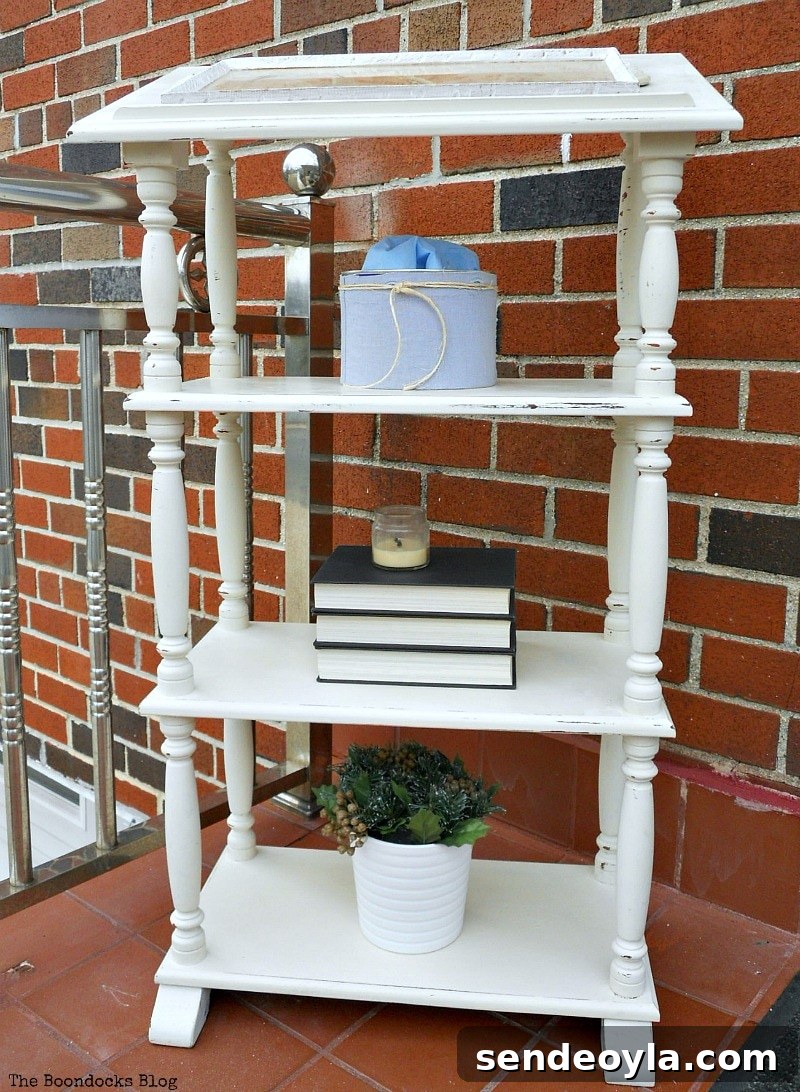
I applied three even coats and let the stand dry overnight. The following day I sanded lightly to reveal soft edges for a subtle, vintage look, and sealed the surface with DecoArt cream wax to protect the finish and give it a smooth, hand-rubbed feel. I’ve used this technique before on larger pieces, like my bed frame makeover and the Greek beach table, and it consistently gives furniture an updated, timeless appearance.
Disclosure: The items listed below are affiliate links to Amazon. If you purchase through these links, I may receive a small commission, which helps me keep sharing DIY projects and inspiration. There’s no extra cost to you.
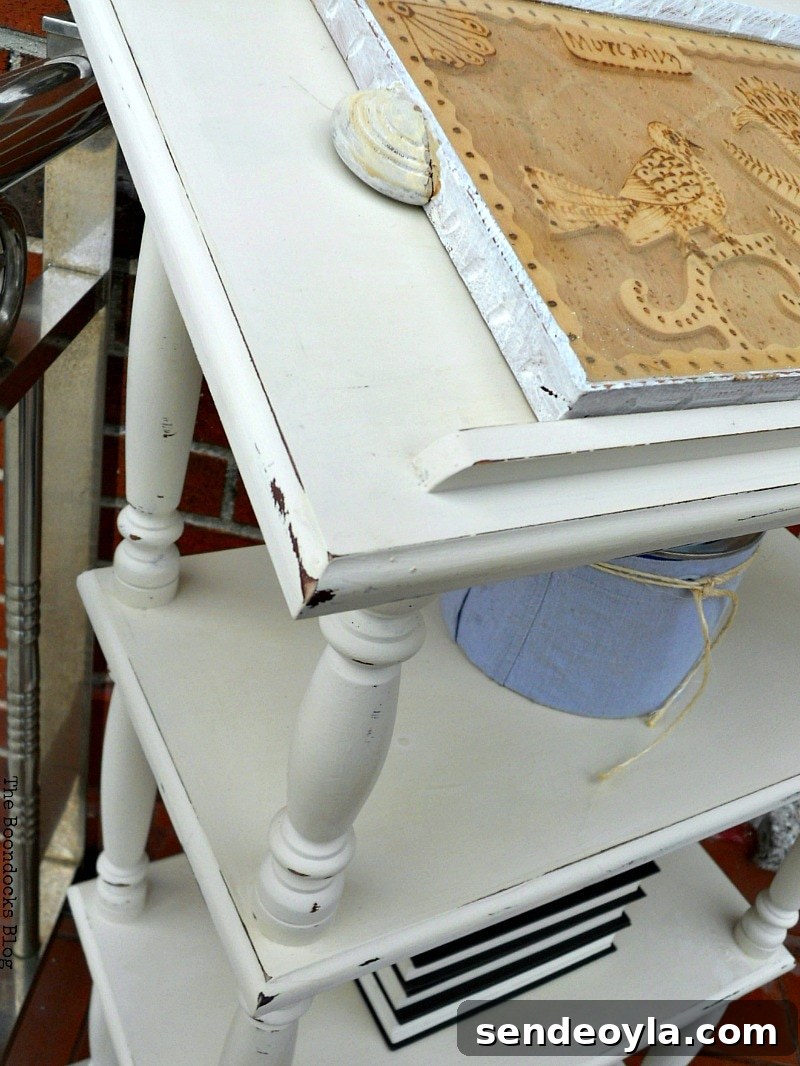
My father’s opinion changed the moment he felt the top surface. He ran his hand across the wood and commented, “Oh, it is really smooth.” That tactile approval was exactly what I wanted—proof that the waxed chalk paint not only looks good but feels refined and durable. He also admitted, “It does look much better now,” which made me very happy.
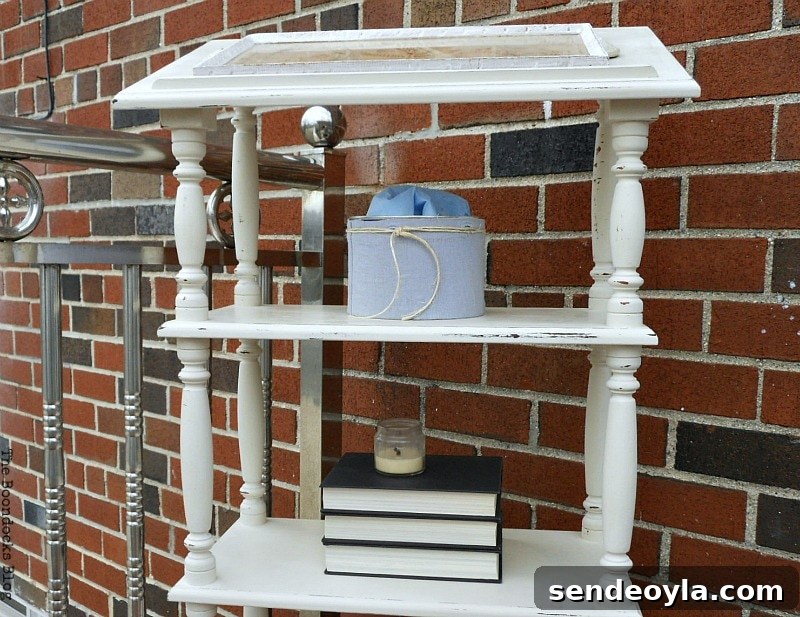
I distressed a few edges and corners lightly to bring out the details of the stand and create a gentle, worn-in look. He was pleasantly surprised by how inexpensive the transformation was, and he liked the distressed finish. That balance of cost-efficiency and style is one of the best parts of upcycling furniture with chalk paint.
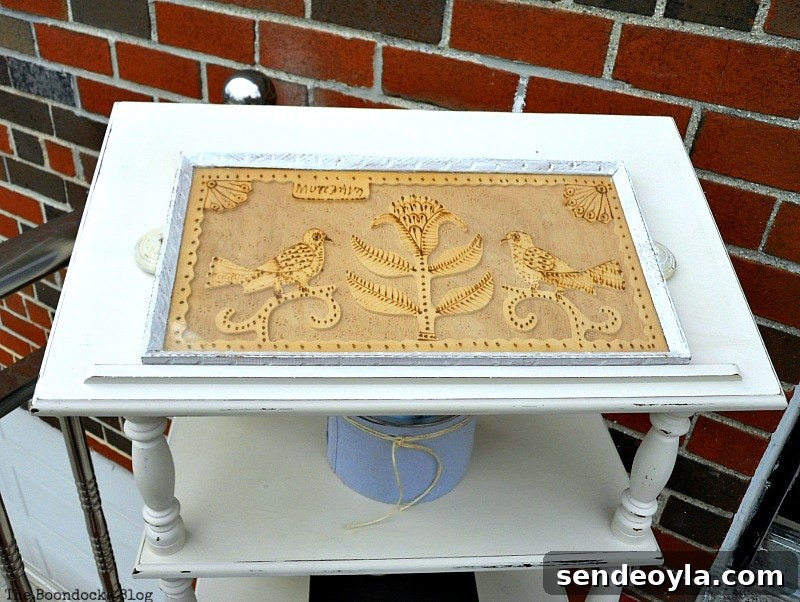
The wooden tray on top has its own story: I mentioned it in my first post and it was made in my hometown in Greece, where woodworking is a long-standing tradition. The stand’s spindles had originally appeared a slightly different color than the shelves, probably because they were different wood types—but the paint unified the piece and gave it a cohesive finish.
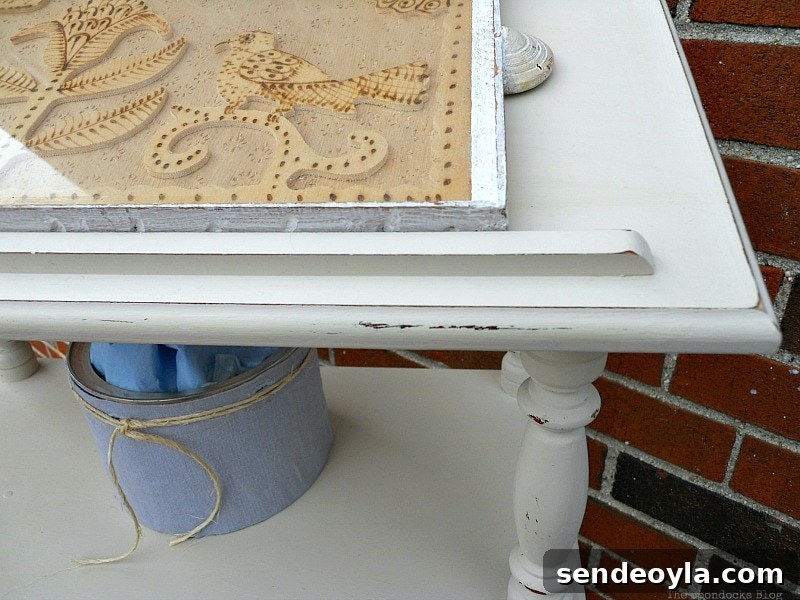
This small project was a success: the stand now fits my apartment’s color scheme, feels wonderful to the touch, and gave my dad a gentle introduction to chalk paint and wax finishes. I plan to continue updating larger pieces in the house using the same technique, so this was the perfect test run. Upcycling furniture is a satisfying way to refresh your decor while being mindful of resources and budget.
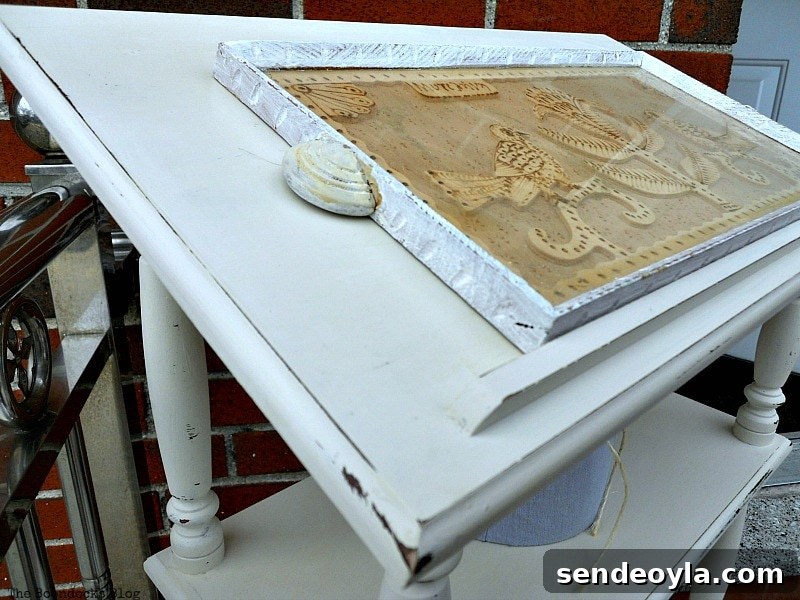
Have you tried making your own chalk paint? It’s simple, affordable, and perfect for furniture makeovers, small DIY projects, and adding character to wooden pieces. If you enjoy transforming old items into something fresh and functional, chalk-style paint is a great place to start.
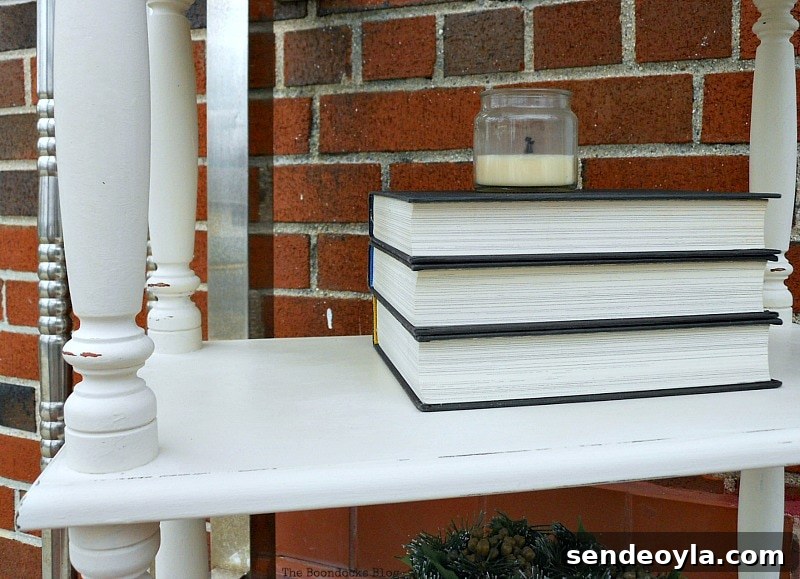
Thank you for reading this quick guide to upcycling a dictionary stand with chalk paint. My dad is satisfied, and I’m already planning more paint projects around my son’s apartment. If you try this technique, experiment with colors, distressing levels, and protective waxes to achieve the finish you love.

If you like what you see, please share it with friends or save the images to Pinterest. If you enjoy this blog, consider subscribing to receive new projects and ideas twice a week. Your email will never be shared with third parties.

Related projects:
The Greek Beach Table
How to save an Ikea Pine Dresser
<< Sweet Inspiration Link Party #40 HOME My Favorites from Around Town >>
Linking up to various link parties and sharing ideas. This blog is for entertainment purposes only; my DIY tutorials are not professional advice. Read the full disclaimer here.
I love reading your comments and will do my best to reply or visit your blog. Please avoid adding hyperlinks in comments so they can be published.