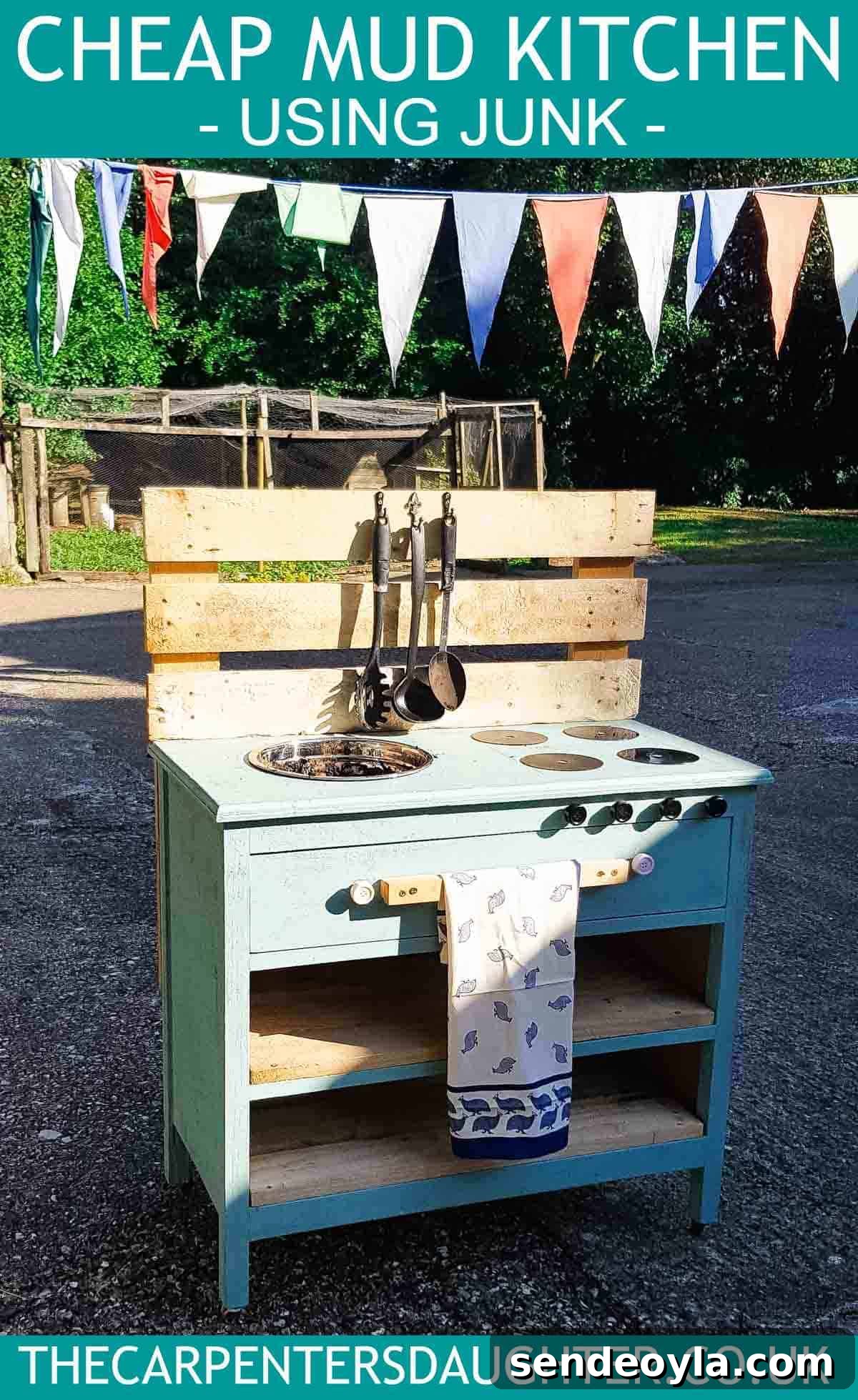
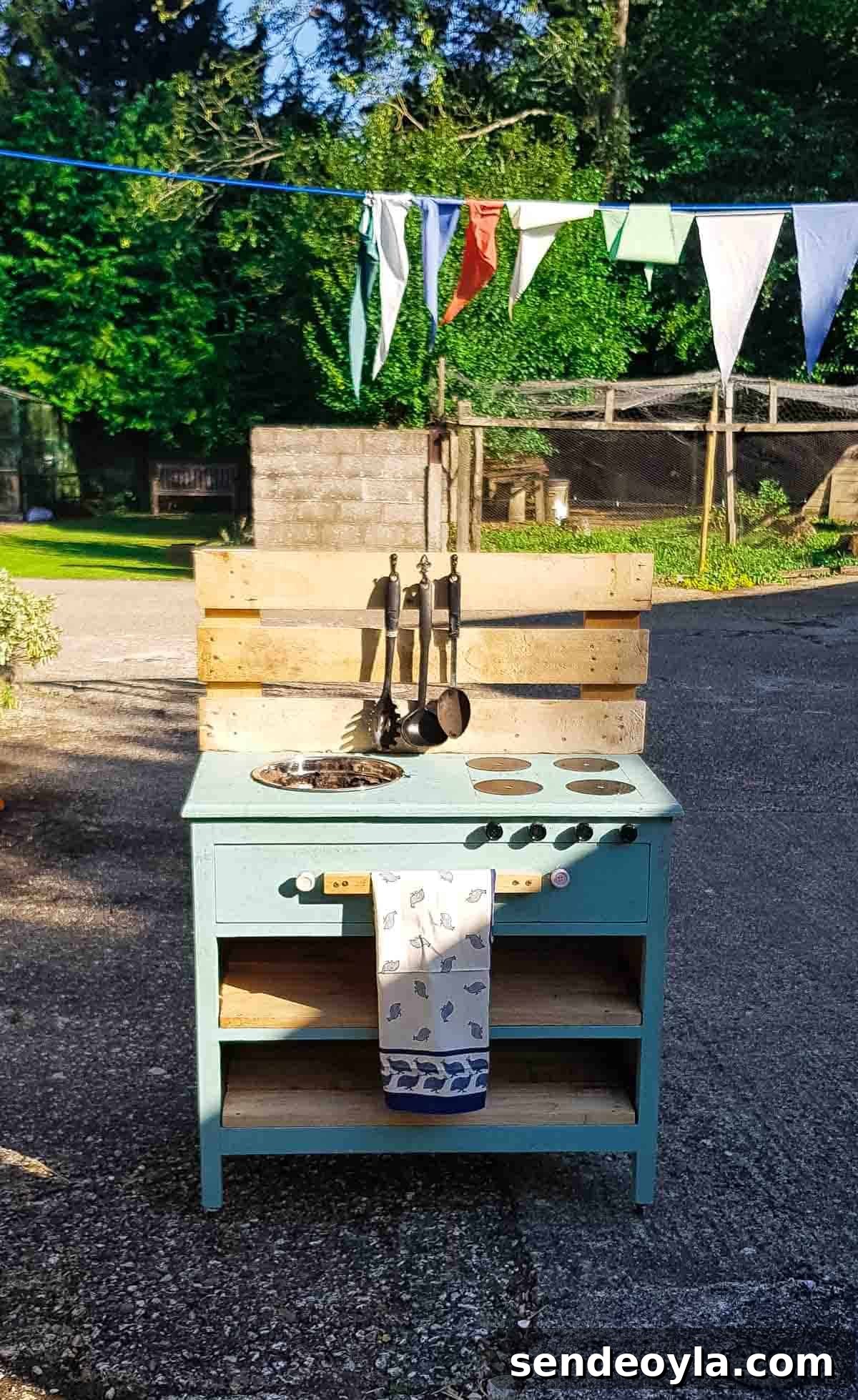
Here is a simple, practical mud kitchen DIY guide anyone can follow. It shows how to upcycle an old dresser drawer, pallet wood and common household items into a charming outdoor play kitchen. This project is budget-friendly, quick to build, and makes a lovely personalised gift in about an hour.
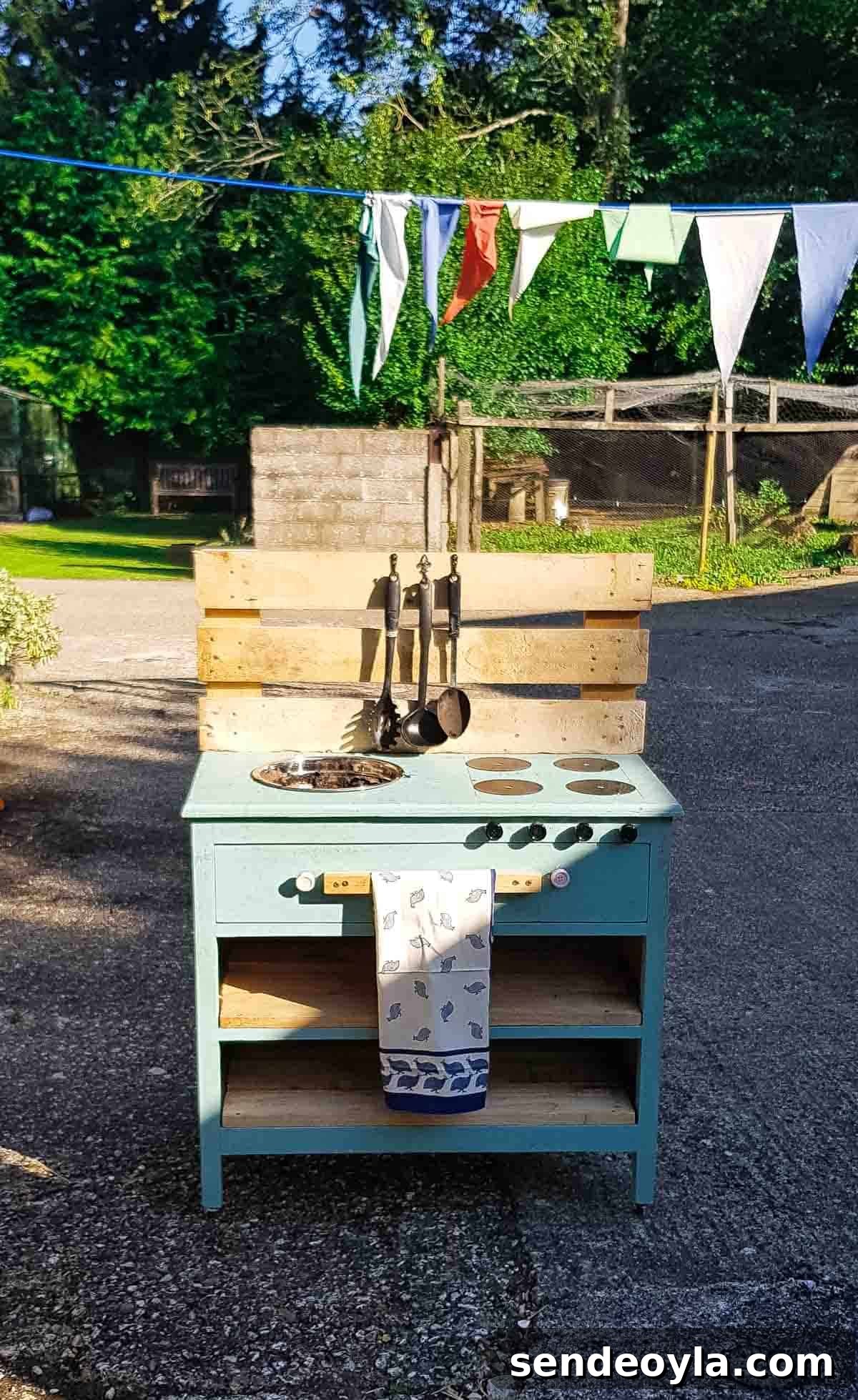
Mud kitchens have become very popular for encouraging outdoor imaginative play. I was even asked to make one for the ITV show Love Your Weekend with Alan Titchmarsh. The design I use is intentionally simple so you can recreate it cheaply using items you might already have—an old coffee table, chest of drawers or any box-shaped furniture gives you a great starting point.
What is a Mud Kitchen?
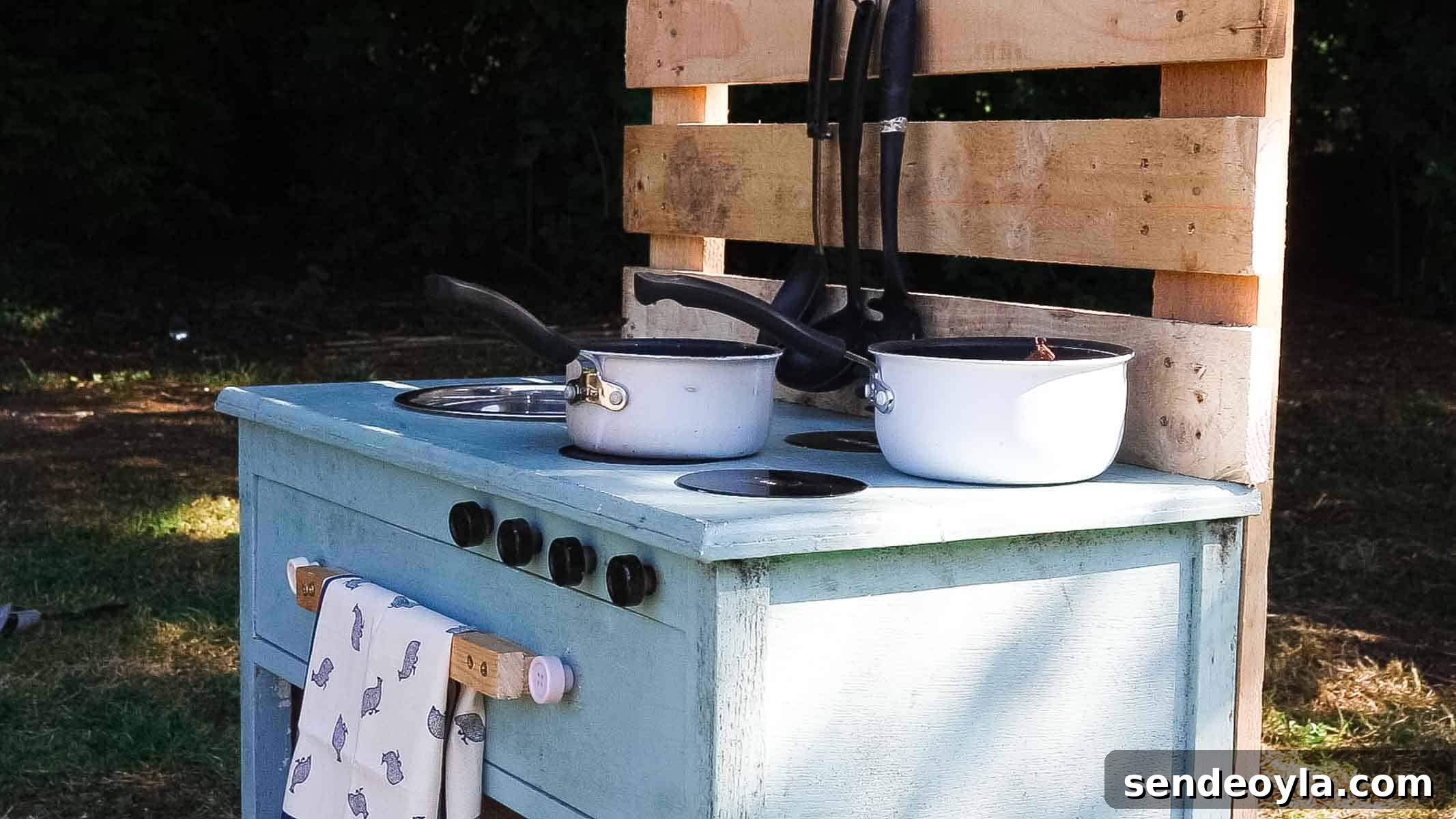
A mud kitchen is a simple outdoor play kitchen where children prepare imaginary meals using natural materials like mud, water, leaves and pebbles. Most mud kitchens are built from wood and include features such as a countertop, sink or bowl, stove area and hooks or shelves for utensils. You can make a basic single-sink unit, a double sink, or a small pretend oven. The beauty of a DIY mud kitchen is the freedom to customise it to match a child’s personality, age and the space available in your garden. It can also double as a potting bench or an outdoor sensory table.
Benefits of a Mud Kitchen
Building and playing in a mud kitchen offers many benefits for young children and families:
- Encourages connection with nature through outdoor play
- Supports immune development through supervised contact with natural soil
- Boosts imagination, creativity and problem-solving
- Promotes mental wellbeing by providing screen-free, sensory activity
- Teaches resourcefulness when creating toys and features from repurposed materials
- Provides fun sensory play opportunities for all ages
- Invites family participation and cooperative play in the garden
Materials and Tools
You can keep costs low by reusing secondhand items and scraps. Typical materials and tools for this mud kitchen include:
- Old dresser drawer, small sideboard or similar box-shaped furniture
- Pallet wood or reclaimed boards for the back panel and shelves
- Small offcuts or a dowel for a towel rail or hanging bar
- Wood screws and basic fixings
- An old plastic or metal mixing bowl with a lip, or an old washing-up bowl for the sink
- Secondhand toy utensils, pans and pots
- Old CDs or small round discs to use as pretend hob rings
- Black spray paint or regular paint for the hob discs and decorative touches
- Strong contact adhesive or grab adhesive for gluing non-structural items
- Handles, drawer knobs or large buttons to use as hob dials
- Curtain tie-back hooks or coat hooks to hang utensils
Tools that make the project easier:
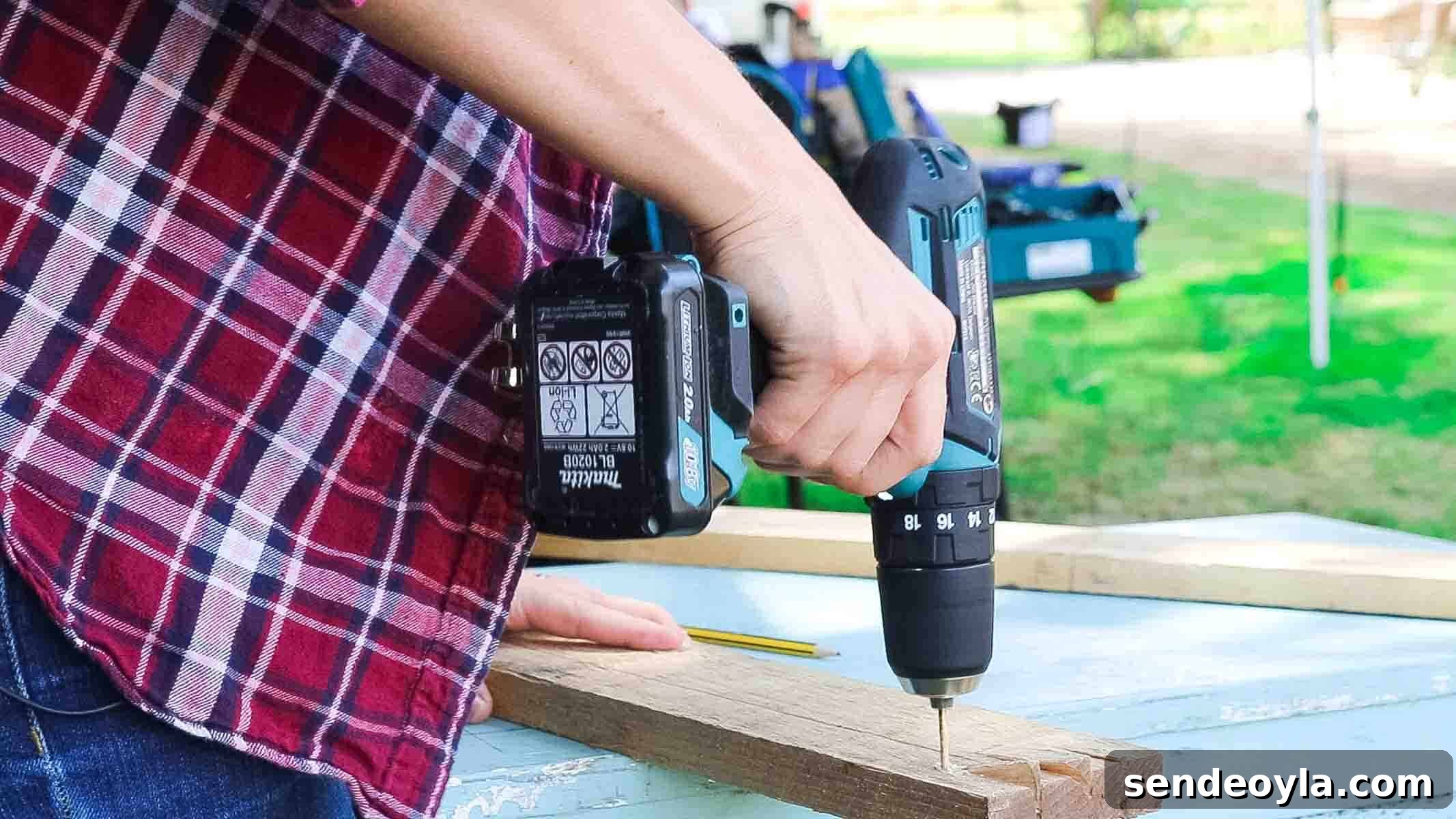
- Combi drill and appropriate sized drill bits
- Impact driver (optional, but useful for heavy screwing)
- Jigsaw for cutting sink openings
- Caulking gun for silicone sealant
- Sandpaper or a random orbital sander to smooth rough pallet wood
How to Make the Sink
Installing the sink is one of the key steps. You can work with a round bowl or a square rectangular washing-up bowl—each method is straightforward with a little patience.
Mud Kitchen With a Round Sink
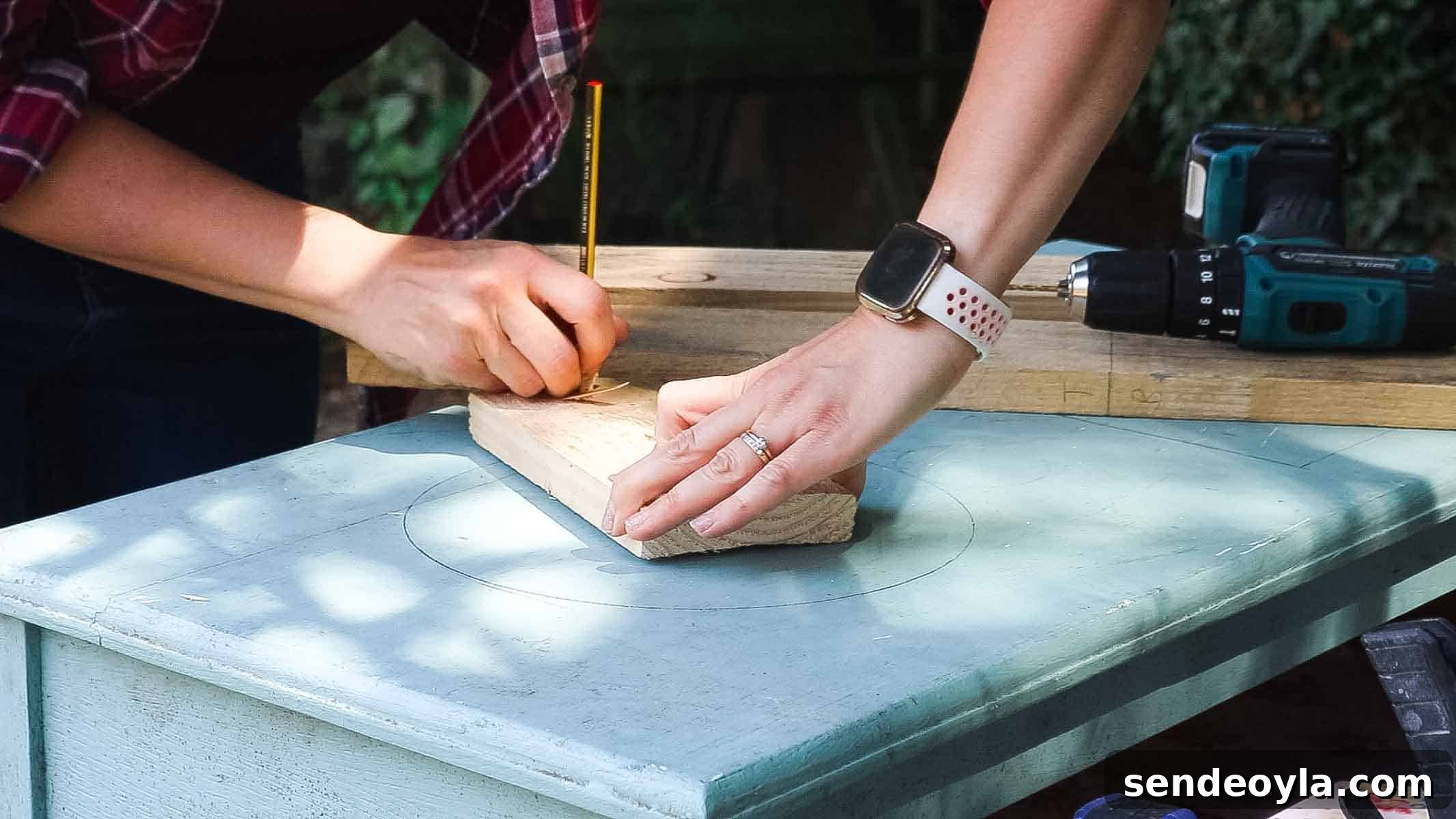
Drawing and cutting a perfect circle
To cut a neat round hole for a bowl with a lip:
- Measure the full diameter of the bowl including the lip.
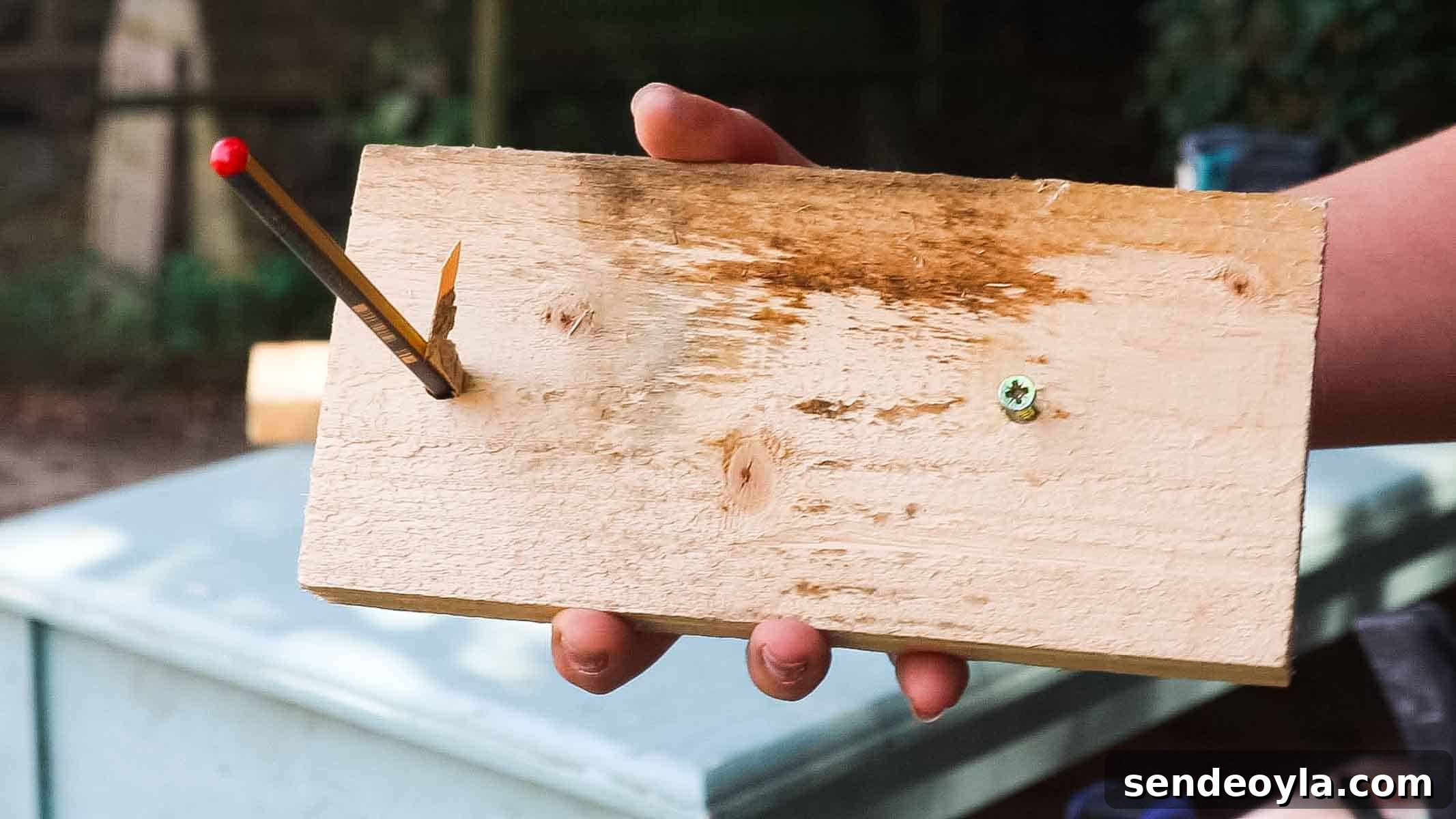
- Use a scrap piece of wood to make a simple compass: drill a snug hole near one end for a pencil and screw a screw at the correct distance from it to act as a pivot point.
- Screw this guide securely to the work surface and draw the circle around the sink location.
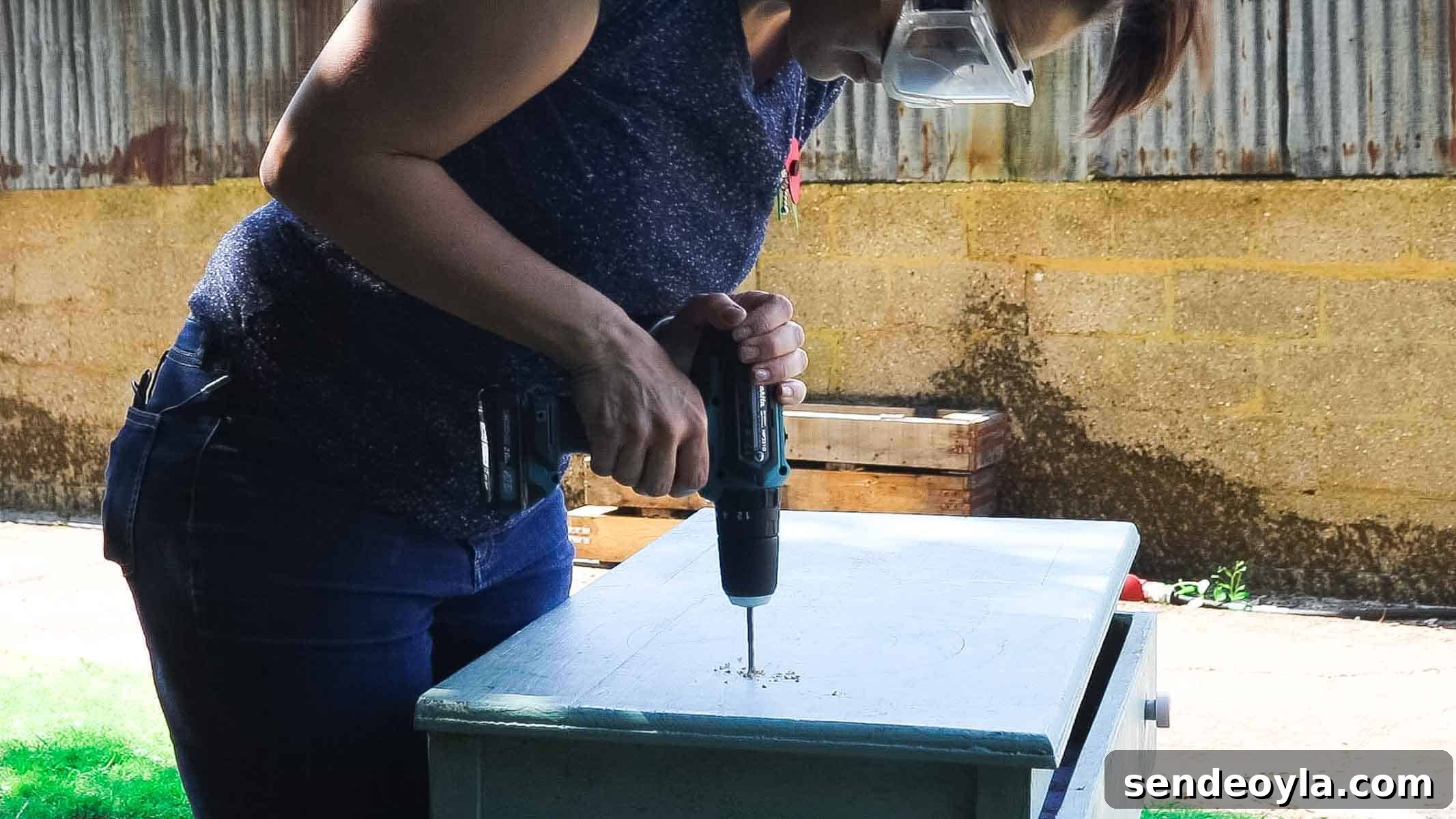
- Drill a starter hole inside that circle large enough to accept a jigsaw blade, then carefully cut the circle.
Using a Square or Rectangular Bowl
For a square or rectangle bowl, place the bowl lip down where you want it, trace around the lip and then mark inside that line by 10mm (or more, depending on the lip depth). Cut on the inner line so the lip rests on the worktop rather than falling through.
Cutting the Hole Safely
When cutting the sink hole, always clamp the workpiece down and wear safety goggles and ear protection. Keep drawers closed while cutting; this prevents sawdust from entering and avoids accidental movement. If you don’t own a jigsaw, you can drill holes at the corners of a square marked area and finish the straight cuts with a hand saw, but for round bowls a jigsaw is strongly recommended.
Sealing and Fitting the Bowl
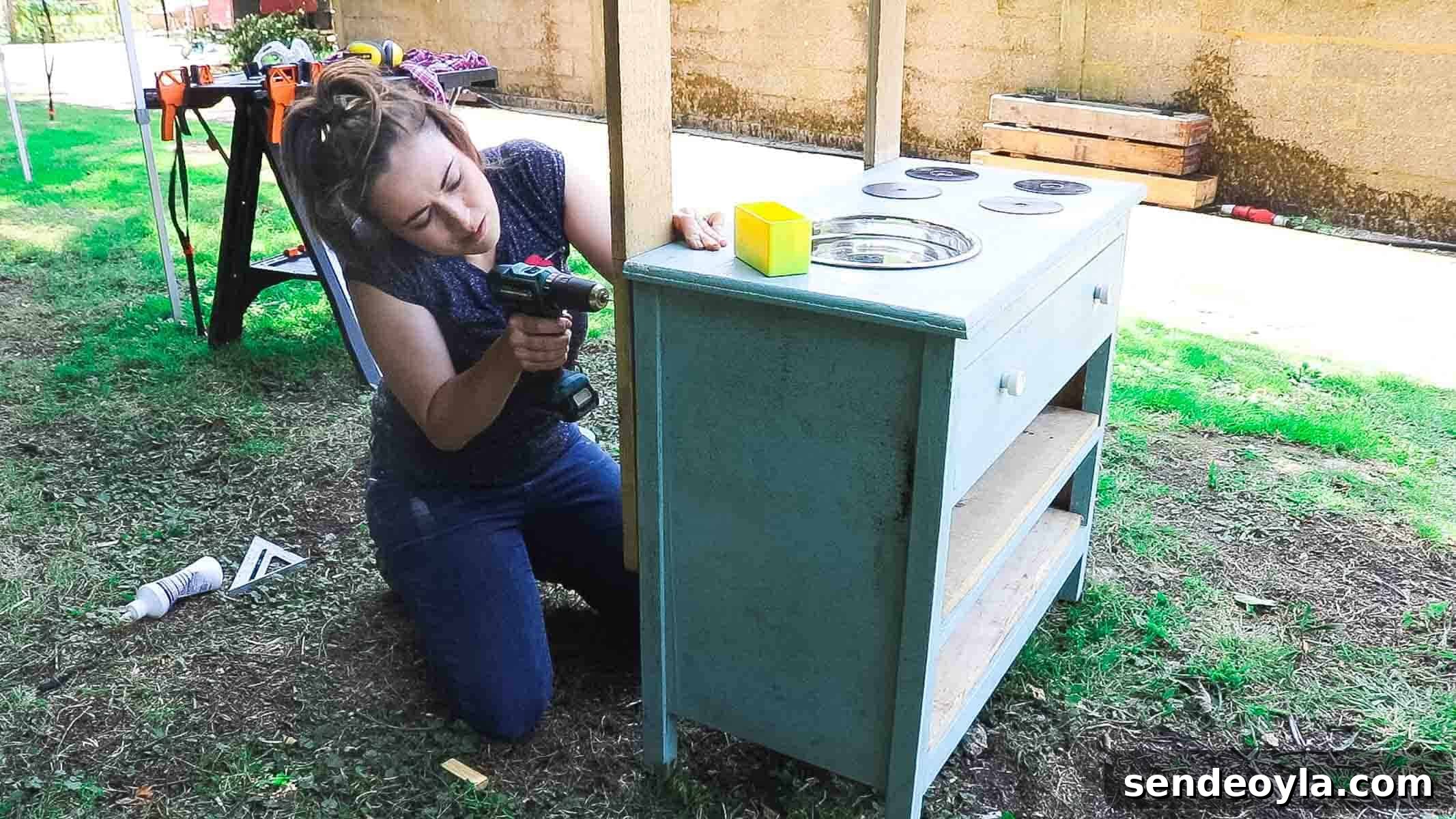
I recommend making the bowl removable for easy cleaning. Seal the cut wood underneath with a clear silicone bead to reduce water absorption and protect the top edge. Do not glue the bowl permanently if you plan to remove it for cleaning.
Enhancing the Backing with Pallet Wood
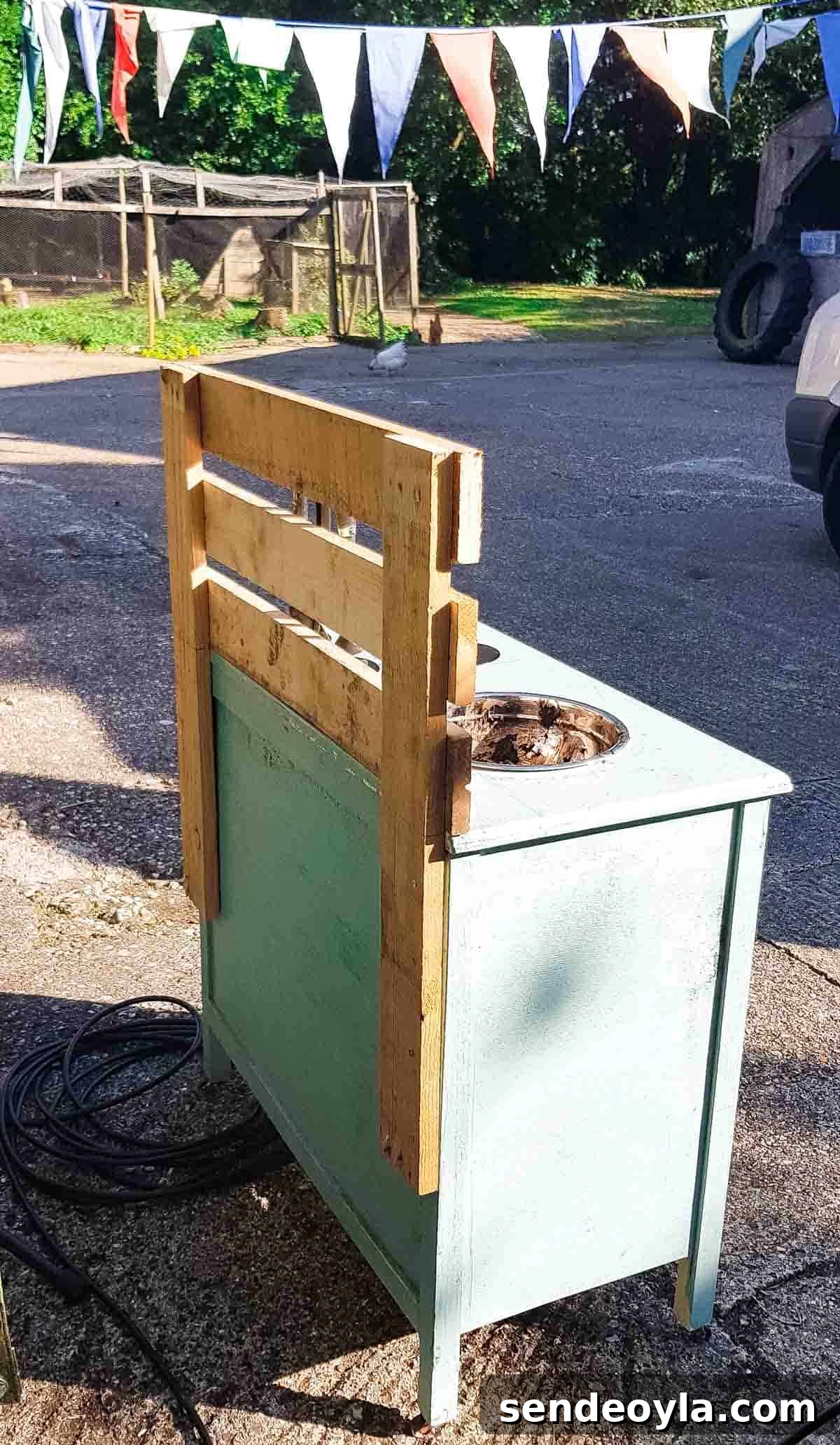
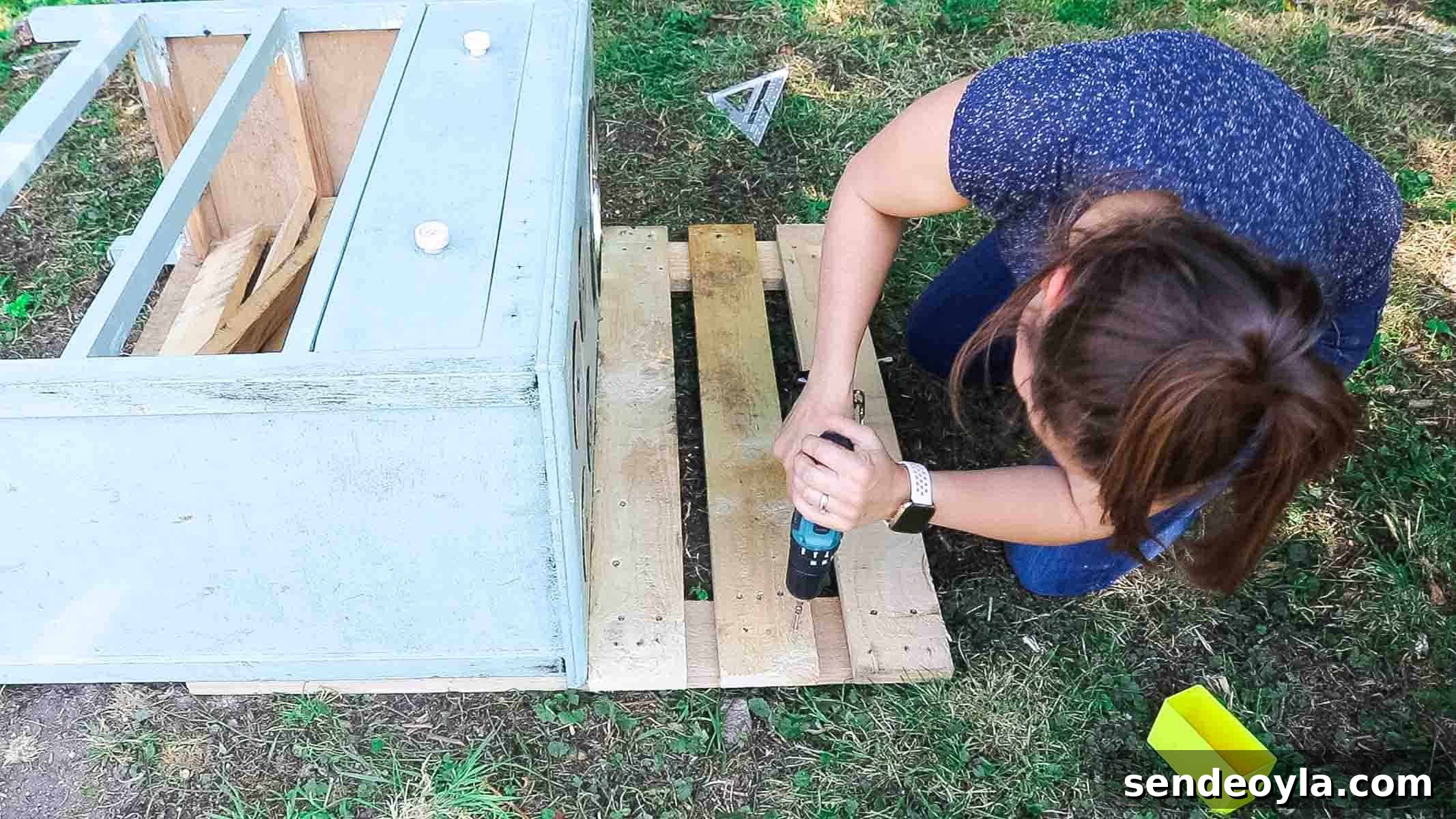
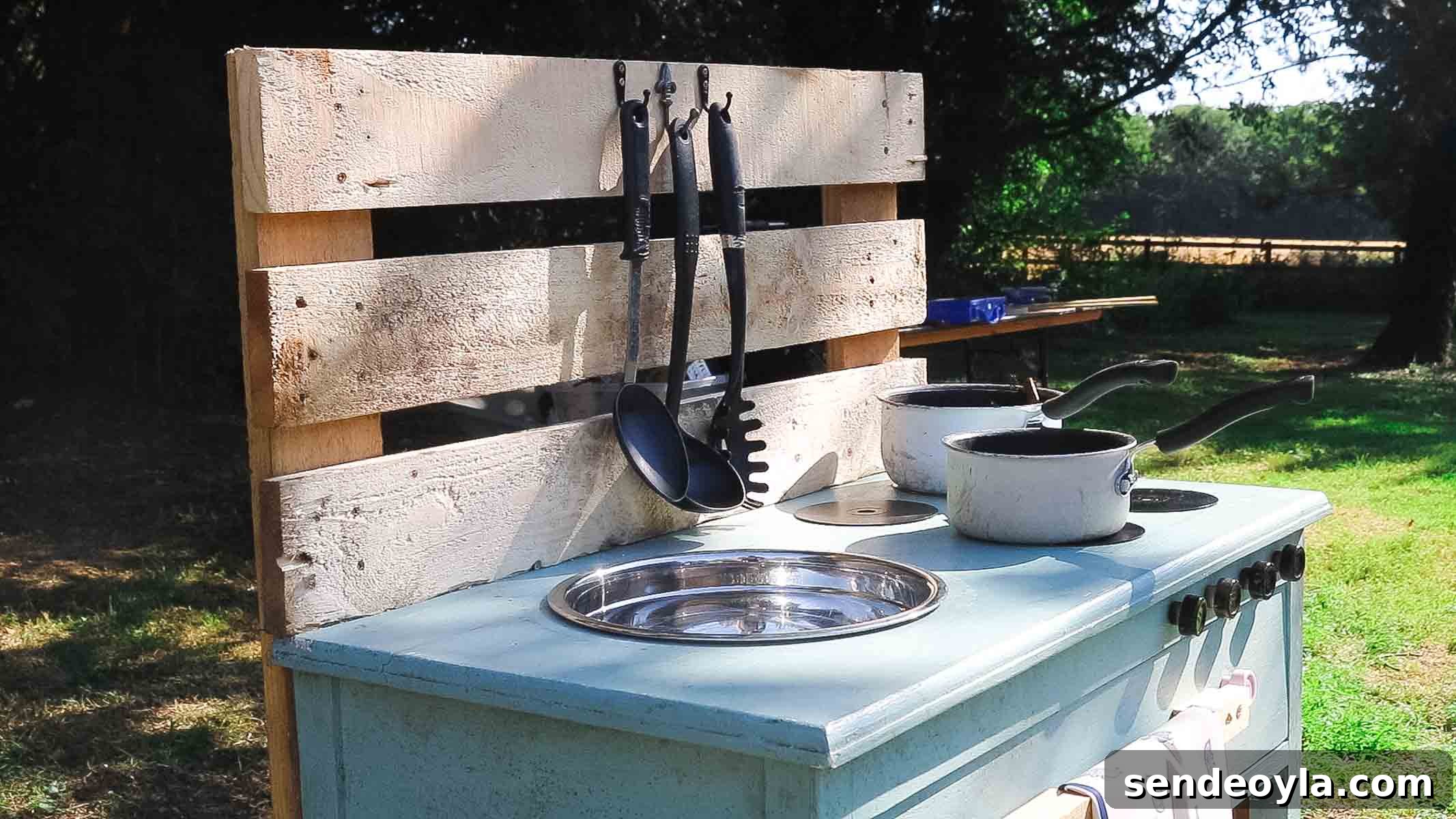
To create a useful utensil-hanging area and to stabilise the unit, screw long pallet boards vertically to the back of the dresser or bench, then add horizontal slats across the top third to hang utensils. Predrill holes and use screws to secure the pallets so the structure won’t tip. You can leave a small decorative overhang for character or add an additional shelf across the top for display or storage.
Pallet Wood Tips
- Remove all old nails and metal fasteners before cutting or screwing.
- Sand rough areas thoroughly to avoid splinters.
- Check pallet stamps, if present, to ensure the wood is safe to use around children; when in doubt use decking or new timber for any parts that will be handled frequently.
- Pallet wood is inexpensive and easy to replace if it weathers outdoors.
Making Pretend Hobs
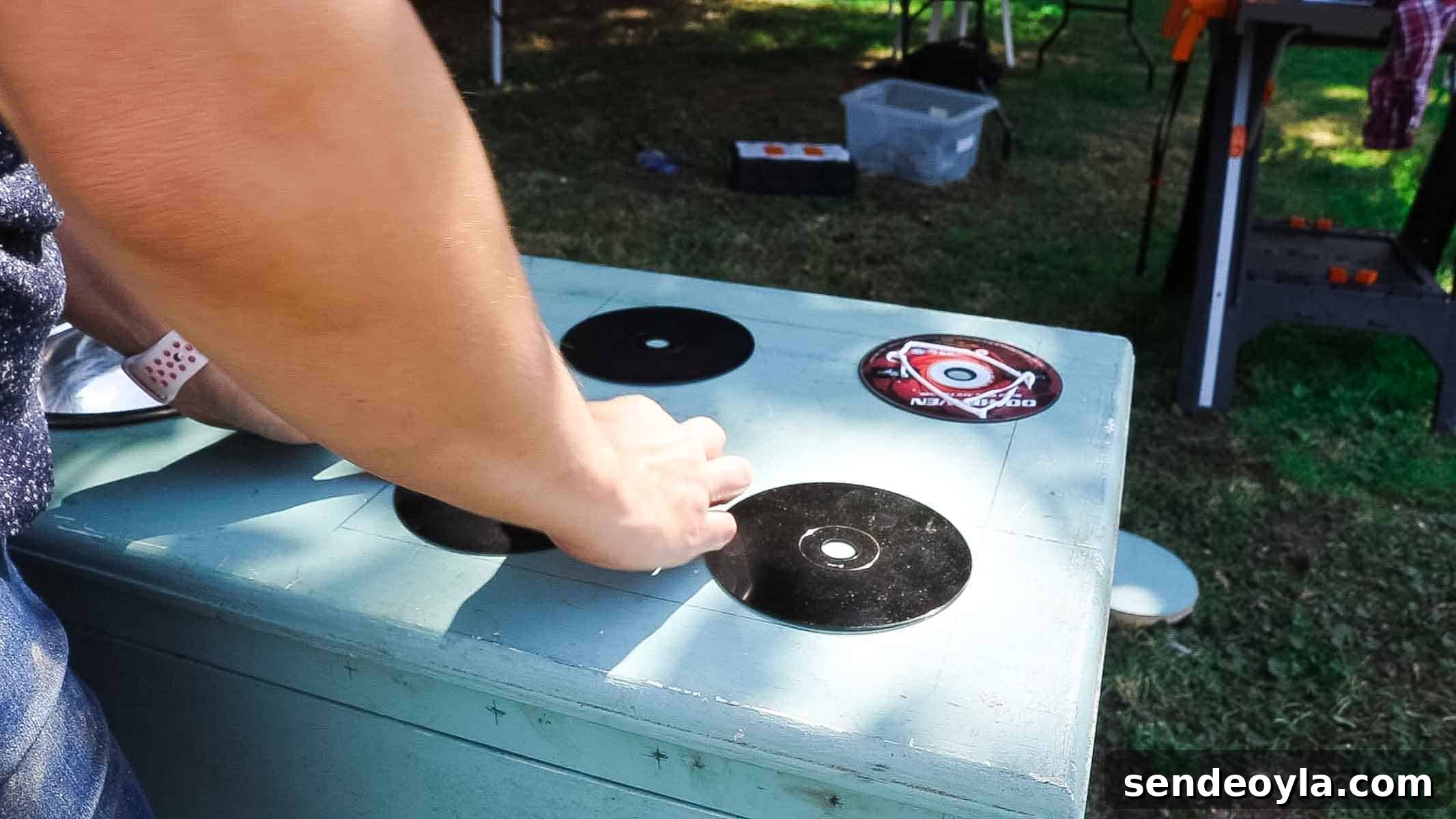
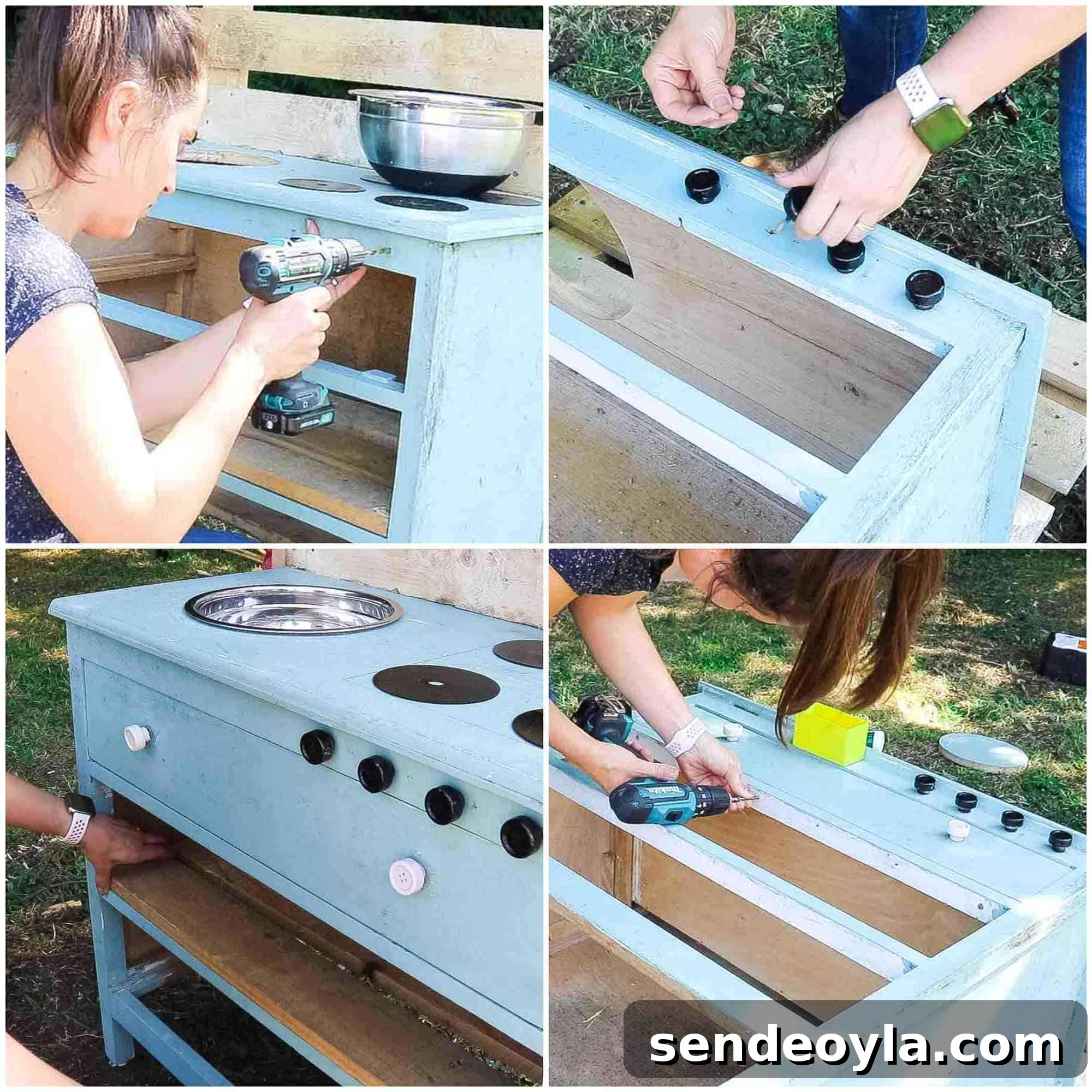
Old CDs painted black make cheap, lightweight hob rings. Spray-paint the plain side, position them where you want the stove surface to be and adhere them with a strong grab adhesive in the corners. Alternatively, use wooden discs or small tin lids for different looks. Drill small holes for recycled drawer knobs or large buttons to act as dials; these can be functional or purely decorative.
Utensil Holder and Small Details
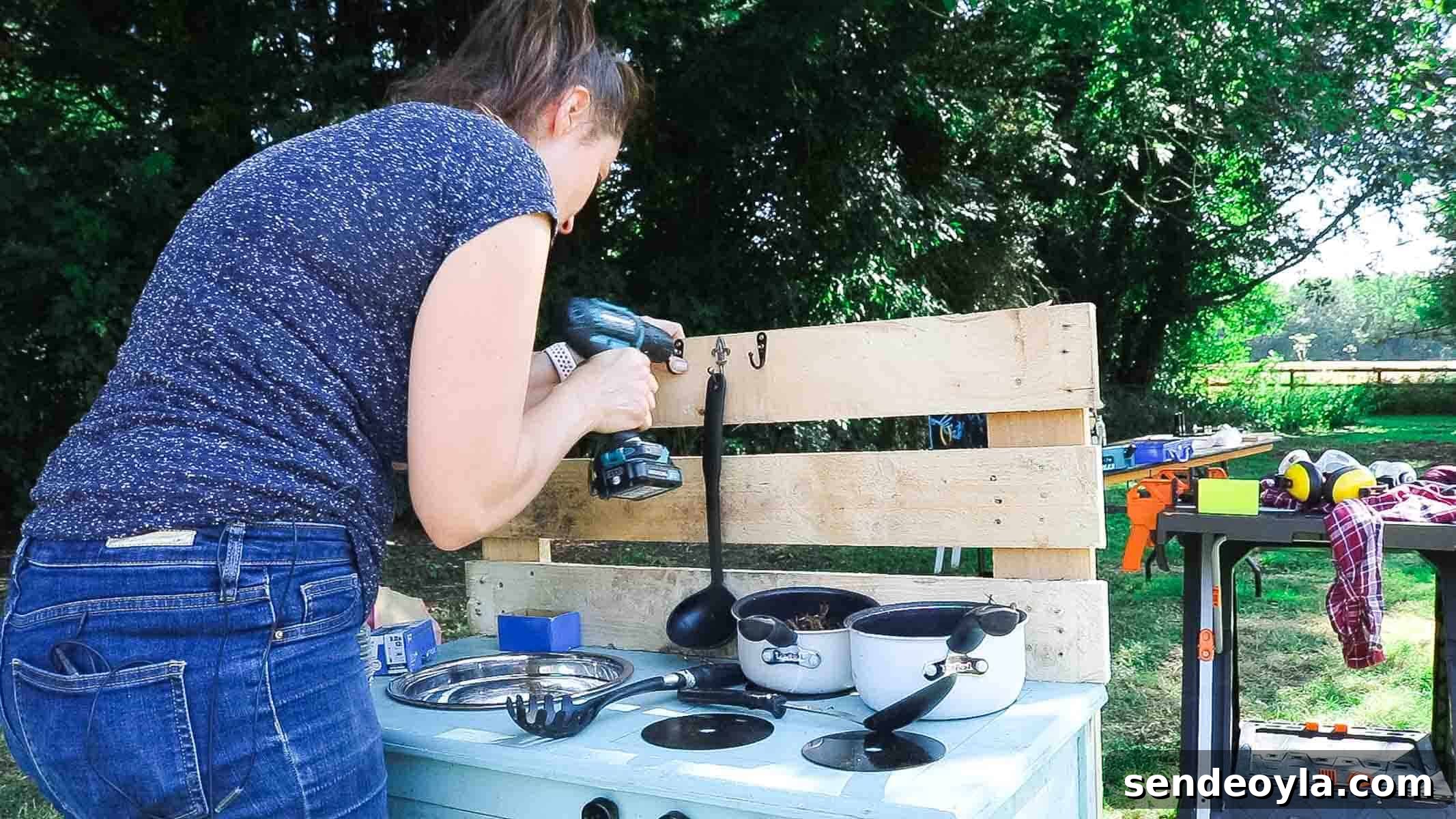
Screw on curtain tie-back hooks or coat hooks to hang pans and utensils. Place them centrally on the back panel so hanging items don’t obstruct the worktop. Reuse cast-off drawer knobs as hob controls after spray-painting or decorate them with buttons or stickers. If the top drawer interferes with the sink, screw it closed for safety while keeping the removable bowl accessible for storage underneath.
Towel Rail and Finishing Touches
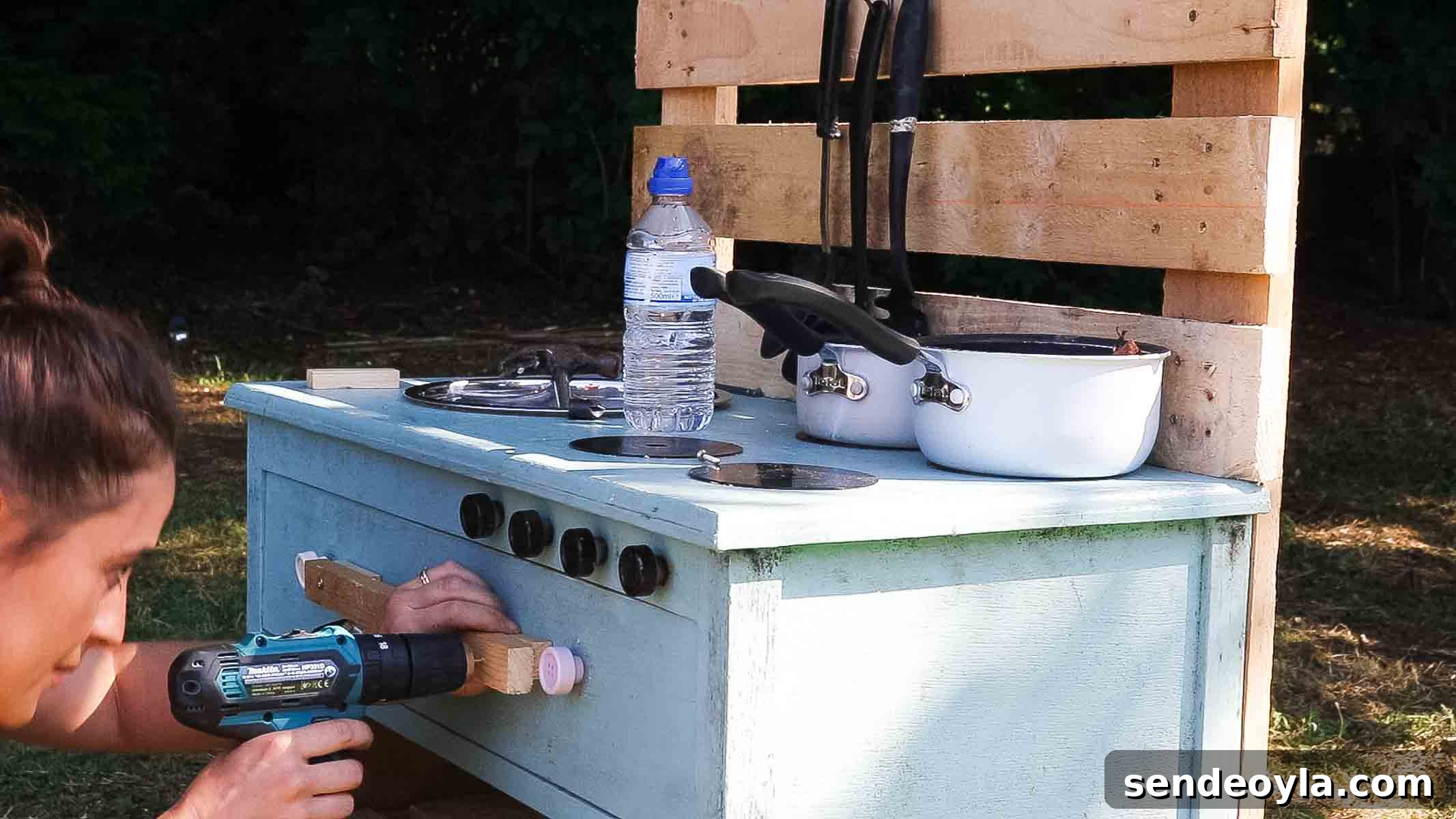
Attach a short rail or dowel on the front or side for a mud pie kitchen towel. Use offcuts for a small towel bar or a simple hook. For decoration, paint the unit in a child’s favourite colours, add a name sign carved or painted on the front, or leave it rustic for a farmhouse look. If you plan to leave the kitchen outdoors, use exterior-grade paint or varnish and consider placing it under shelter to extend its life.
Adaptations for Different Ages and Spaces
You can tailor the size and height of your mud kitchen to suit toddlers, preschoolers or older children. Ideas include:
- Shortening legs to create a lower surface for toddlers;
- Sanding and rounding sharp edges for younger children;
- Wall-mounting the back panel to prevent tipping;
- Combining two drawer units to make a corner mud kitchen;
- Building a compact version by flipping a single drawer and adding a small hob and sink.
Once you know how to cut a sink hole and attach a back panel, you can scale this project up to a larger bench, create a double-sink unit for entertaining, or make a portable camp-style kitchen box.
Alternatives and Where to Buy
If hands-on building is not for you, there are many affordable flat-packed and ready-made mud kitchens available. Buying one and personalising it with paint and accessories is a perfectly good alternative that still allows you to add names and decorative details.
Printable Project Summary
Project: Mud Kitchen DIY from Pallets & a Dresser Drawer
Yield: 1 mud kitchen • Prep time: 30 minutes • Active time: 30 minutes • Total time: ~1 hour • Difficulty: Easy
Materials
- Old dresser drawer or small sideboard
- Pallet wood and offcuts
- Wood screws, grab adhesive and silicone
- Mixing bowl or washing-up bowl for sink
- Old utensils, CDs, knobs, hooks
Tools
- Combi drill, drill bits, impact driver (optional)
- Jigsaw
- Caulking gun, sandpaper
Basic Instructions
- Trace the bowl and prepare a cutting guide for a neat circle.
- Drill a starter hole and cut the sink aperture with a jigsaw.
- Predrill and screw pallet boards to the back for stability and utensil storage.
- Paint and glue old CDs for hob rings; fit knobs or buttons as dials.
- Attach hooks for hanging pans and add a towel rail.
- Seal cut timber with clear silicone under the bowl and finish with weatherproof paint if needed.
More Project Ideas
If you enjoyed this upcycling project, consider other child-focused builds such as a small bookshelf from reclaimed wood, a plant-stand made from an upcycled drawer, or a simple bird feeder to teach children about nature. These projects use many of the same basic skills and materials and are great ways to introduce kids to woodworking and creativity.