
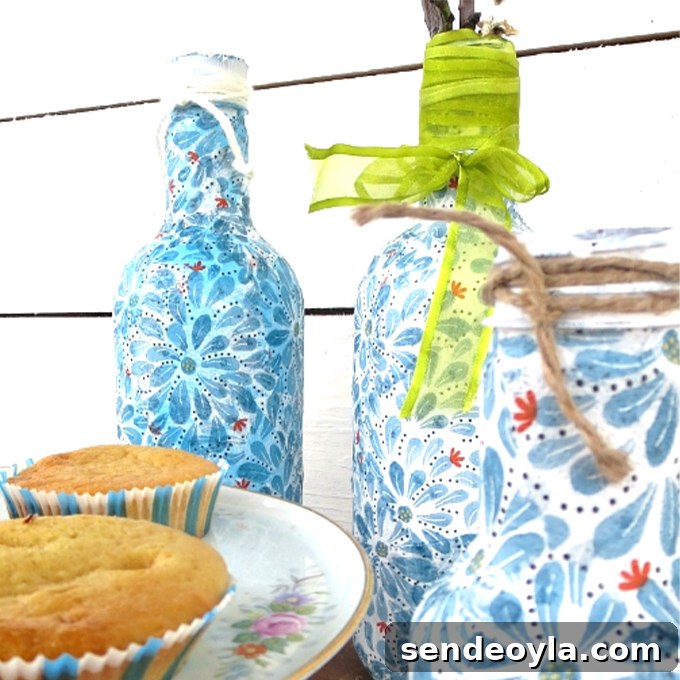
Decoupage is an easy and creative way to add color and interest to everyday items. If you’ve been wondering how to decoupage napkins on plastic—especially plastic bottles—this guide shares a real-life project with practical tips, common mistakes and solutions to help you avoid the same pitfalls.
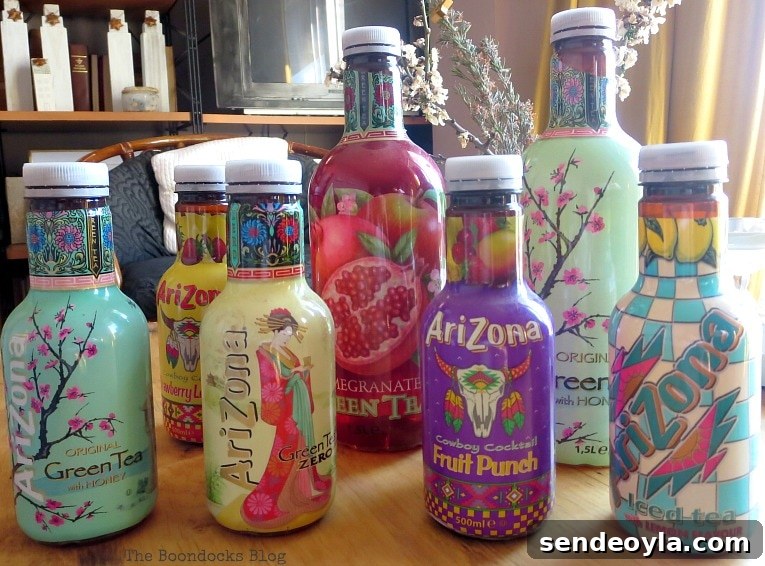
A friend recently collected a bag of empty plastic tea bottles for me, knowing I love to repurpose. I planned a simple spring craft: decoupage napkins on plastic bottles. What started as a quick half-hour idea turned into a multi-step learning experience, so I’m sharing what worked, what didn’t, and how to get better results when you decoupage napkins onto plastic.
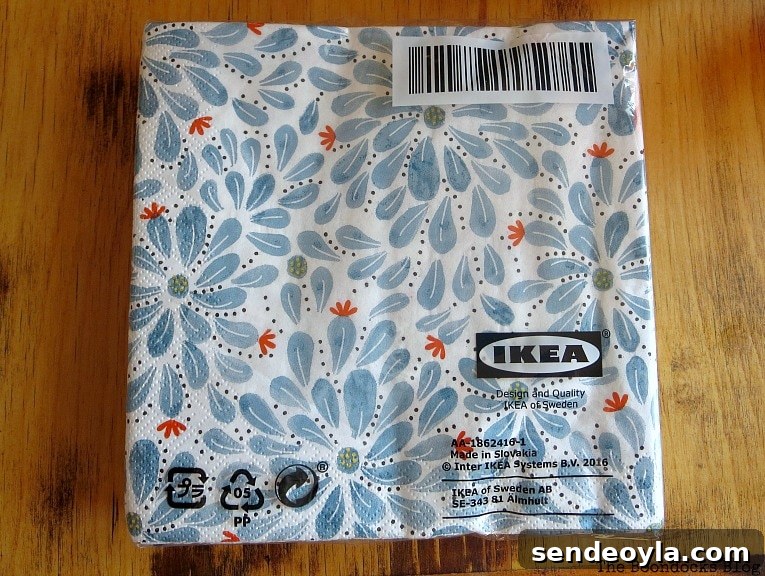
I picked up pretty printed paper napkins and thought they would be perfect. After washing the bottles and removing labels, I jumped right in—but soon learned there are important steps to follow when you decoupage napkins on plastic, especially bottles with curves and uneven surfaces.
Materials Needed to Decoupage Napkins on Plastic
Basic supplies for this project:
- Mod Podge (or similar decoupage glue)
- Chalk paint (for a good base on plastic)
- Decorative paper napkins (single-ply works best)
- Plastic bottles, clean and dry
- Sponge brush
- Paintbrush
- Twine, ribbon or yarn for embellishment
How to Decoupage Napkins onto Plastic Bottles
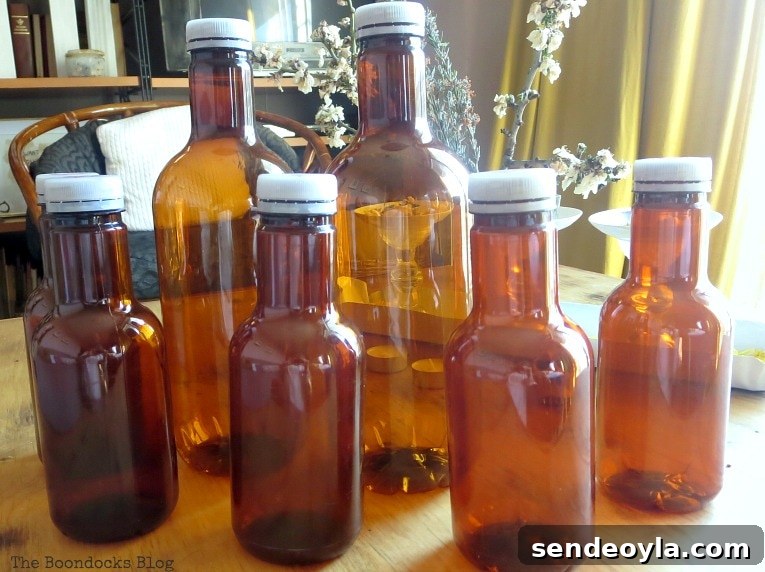
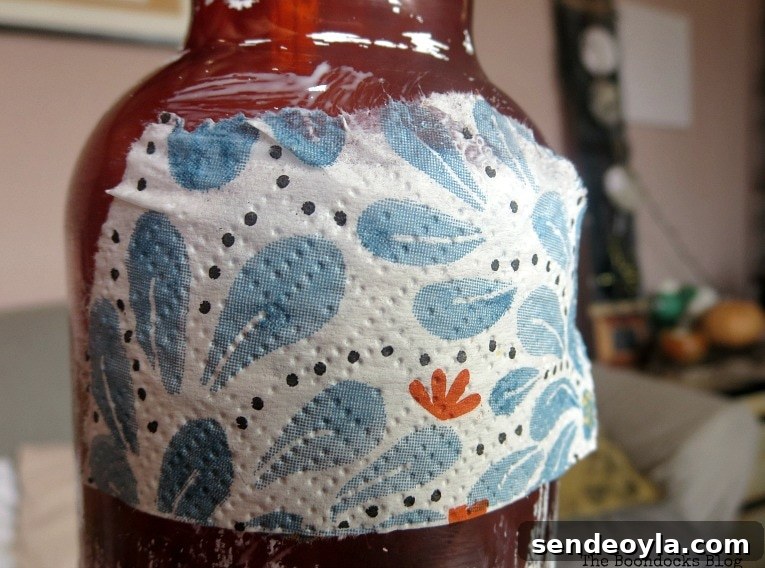
My first attempt taught me two important lessons. One: many store napkins are multi-ply, and trying to decoupage all plies together produces bulk and excessive wrinkling. Two: the color of the original plastic can show through thin napkin layers and muddy your pattern.
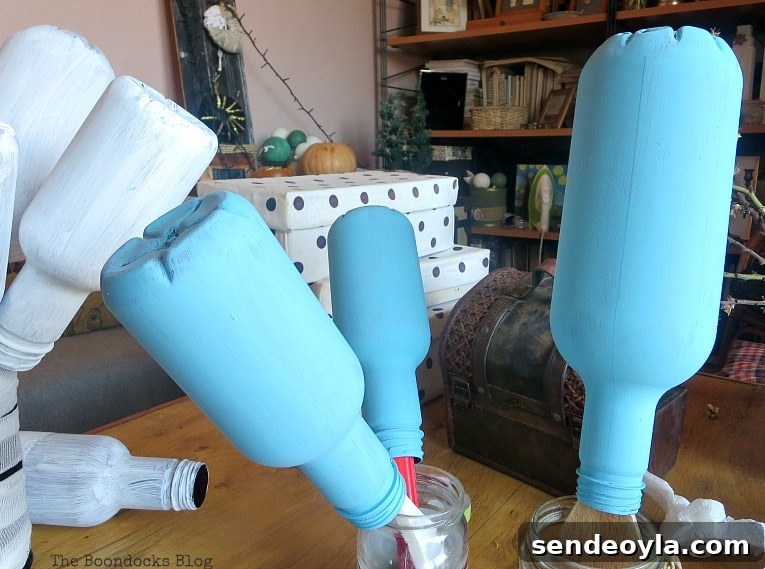
To solve both problems, start by painting the bottle with chalk paint to create an opaque, matte base. Two thin coats usually do the trick; let the paint cure overnight. This step prevents the plastic color from changing the napkin design and gives Mod Podge a better surface to adhere to.
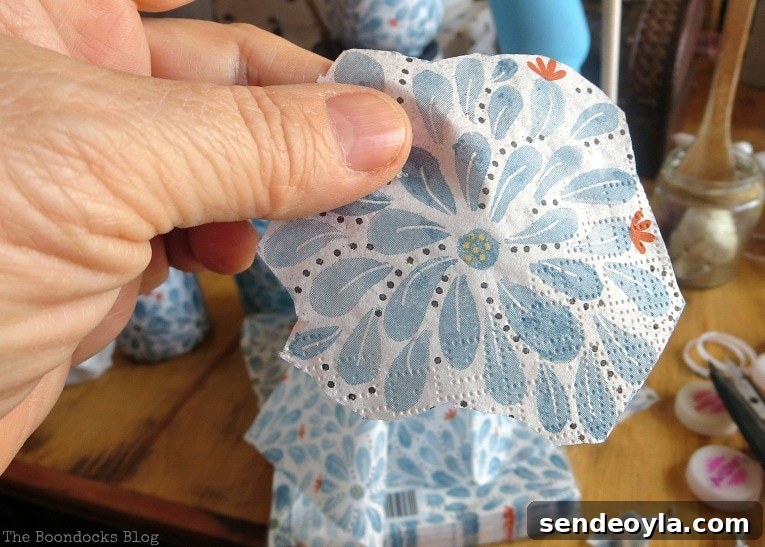
When your base is dry, separate the napkin plies so you use only the printed single ply. Cut large sections rather than many tiny shapes when possible—covering broader areas reduces seams and overlapping that can show beneath the Mod Podge.
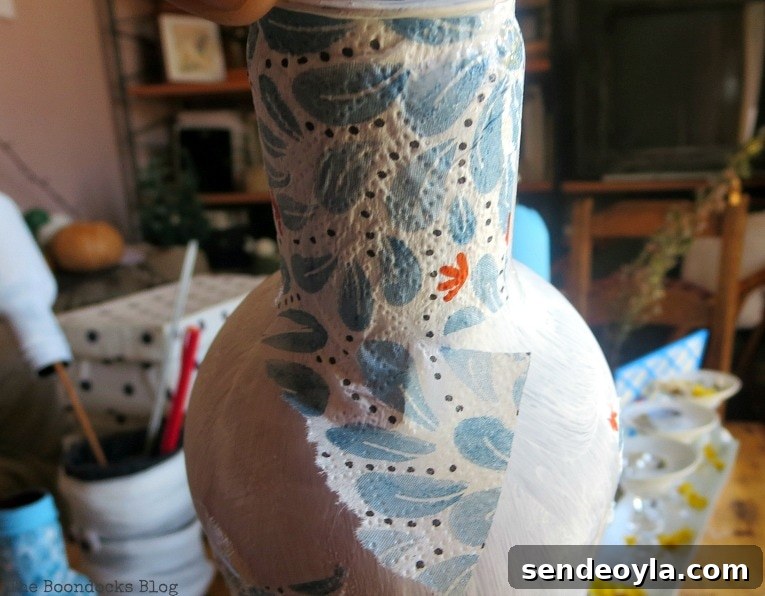
Apply a thin layer of Mod Podge to the painted bottle, position the napkin, and smooth gently from the center outward with a brush or sponge. Be ready to make small relief cuts where the bottle shape changes—around the neck or curves—to help the paper lay flat. Take your time drying between sections to avoid tearing or wrinkling.
Despite careful work, I still experienced areas where the napkin rubbed or wrinkled. Cutting out individual floral motifs and applying them one at a time seemed promising, but I found that larger pieces often produced a cleaner, more cohesive look than many tiny cut-outs.
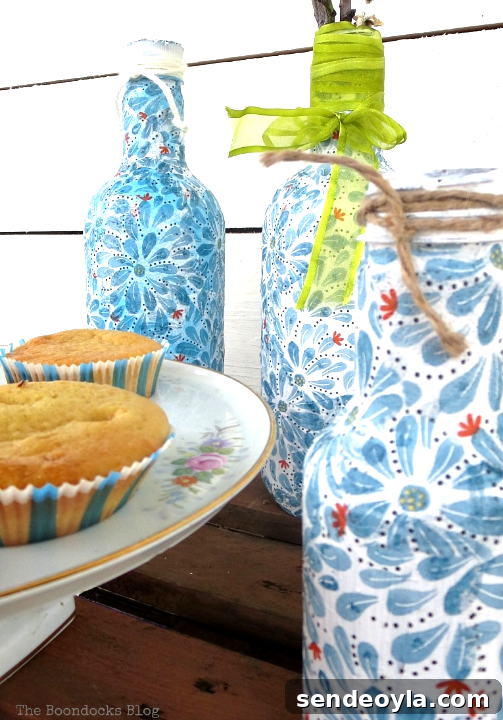
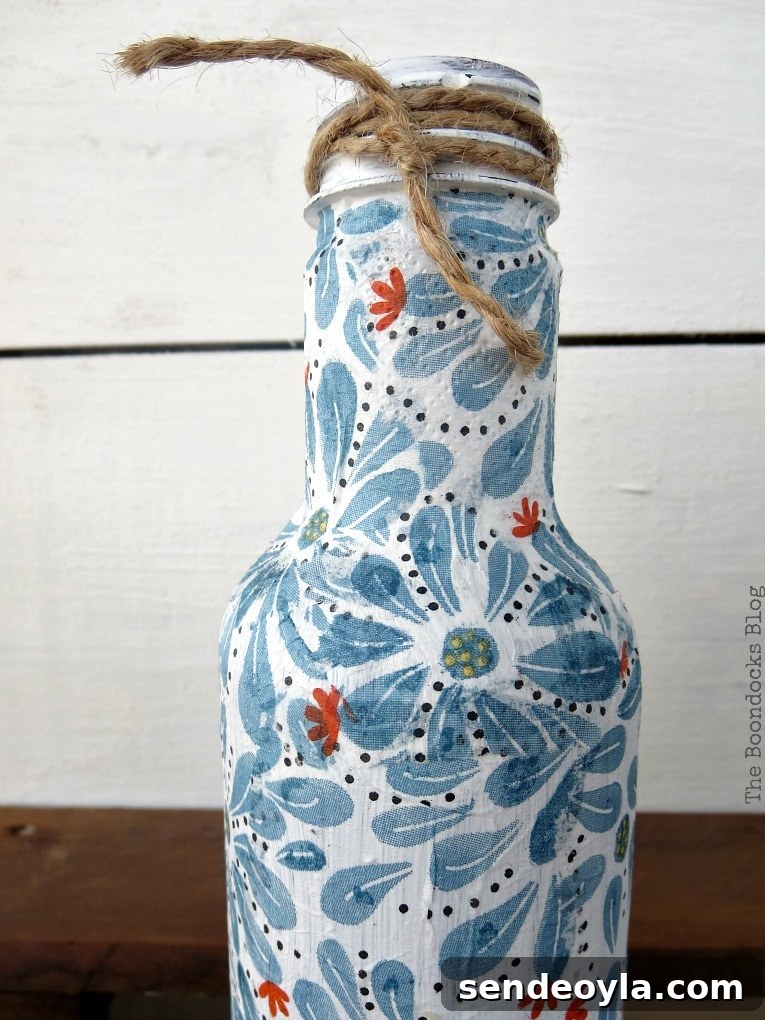
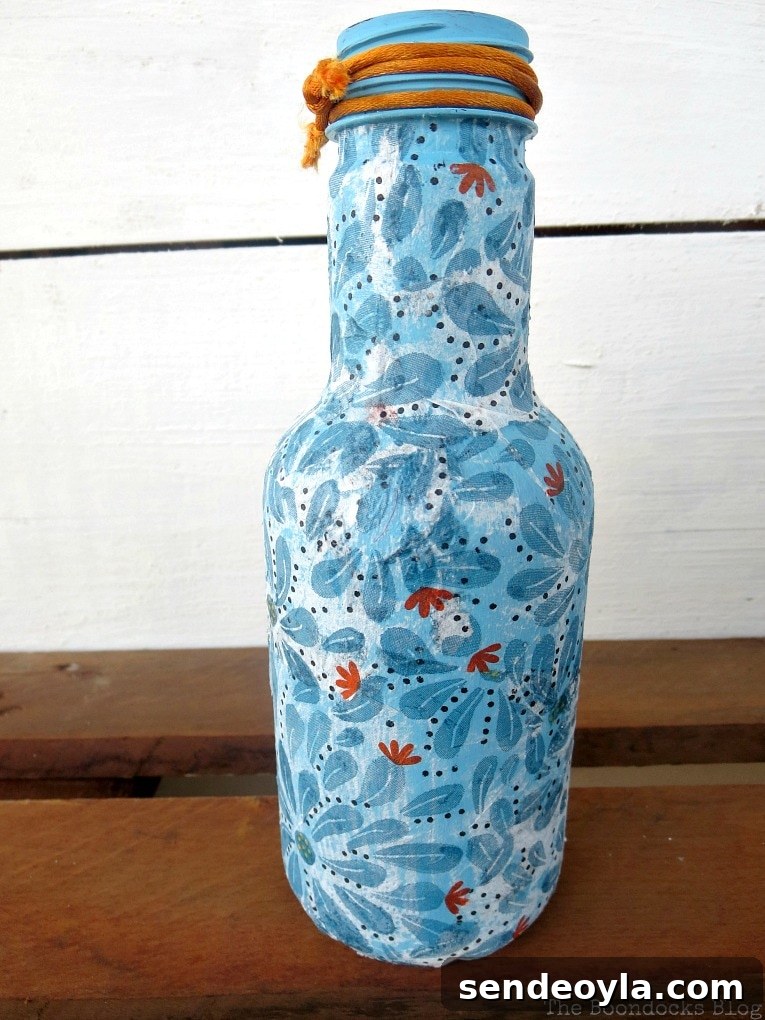
After the Mod Podge had dried and cured, I added twine, ribbon or yarn around the necks as finishing touches. Some color combinations worked better than others; a white-painted base kept patterns crisp and bright, while darker or overlapping areas showed slight imperfections. These are normal with curved plastic surfaces and can often be minimized with extra patience and thin, even layers.
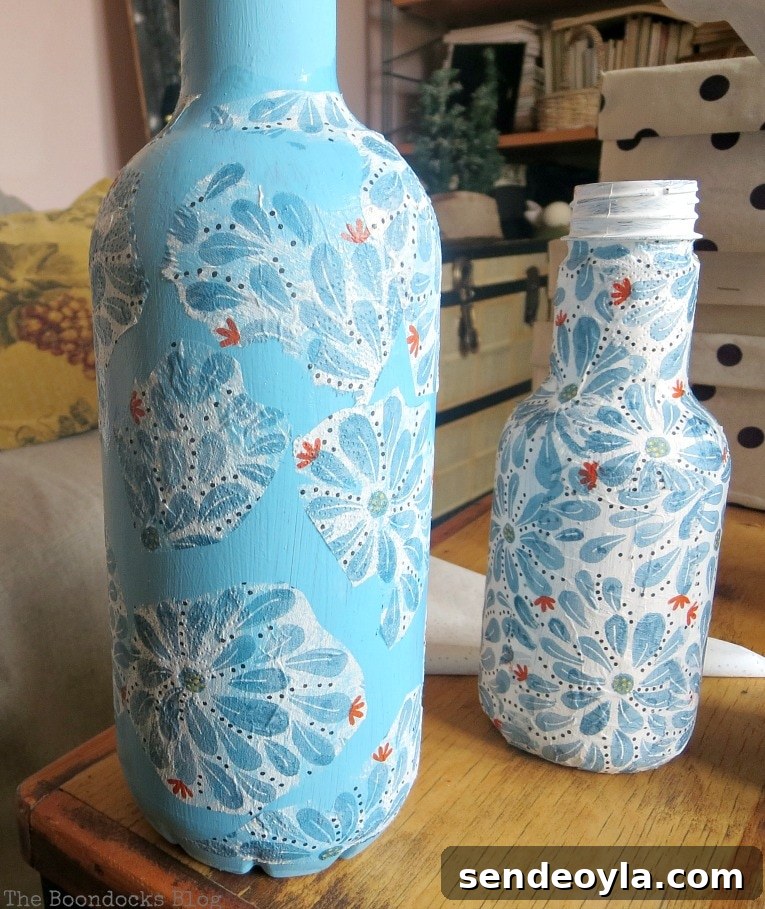
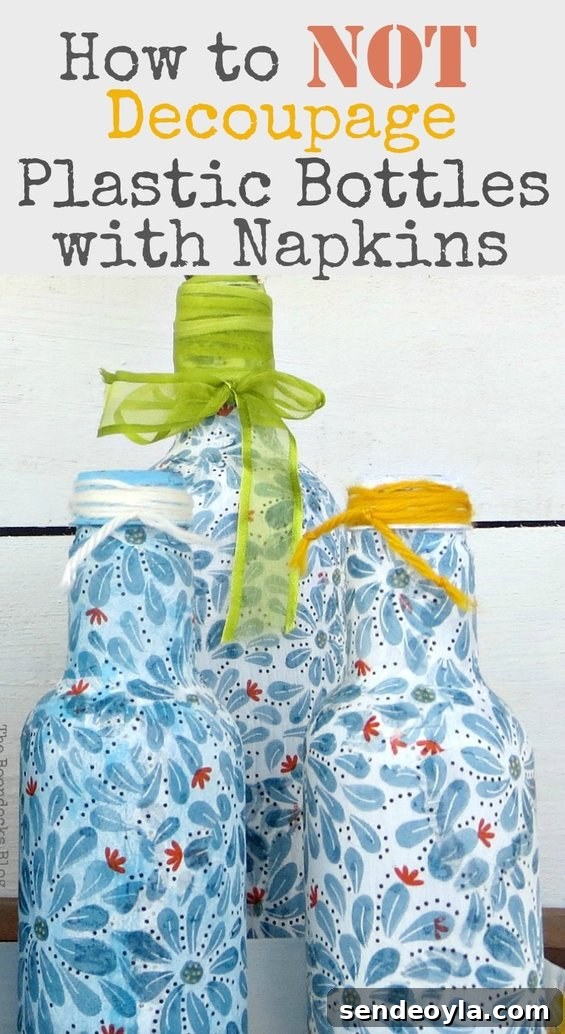
In the end, the bottles made a cheerful spring display despite the flaws. The white base produced the cleanest results, while the blue base required more careful placement to avoid visible overlaps. Even with mistakes, these projects are great practice; they teach you about prepping surfaces, choosing the right napkin ply, and working slowly on curves.
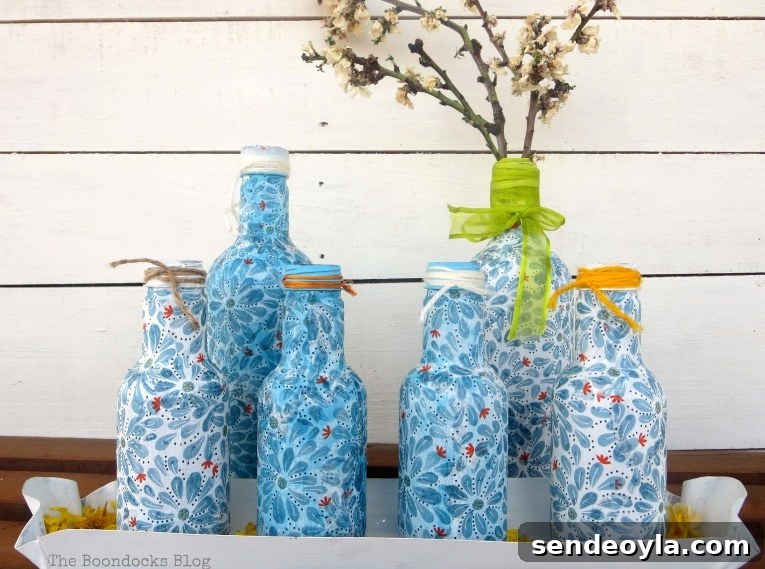
If you’re planning to decoupage napkins on plastic bottles, remember these quick tips:
- Use single-ply napkins or separate plies before applying.
- Paint a solid, matte base (chalk paint works well) to prevent bleed-through.
- Apply Mod Podge sparingly and smooth carefully to avoid wrinkles.
- Cut relief slits for curved areas instead of forcing flat paper over arches.
- Choose large pieces or panels where possible for a cleaner finish.
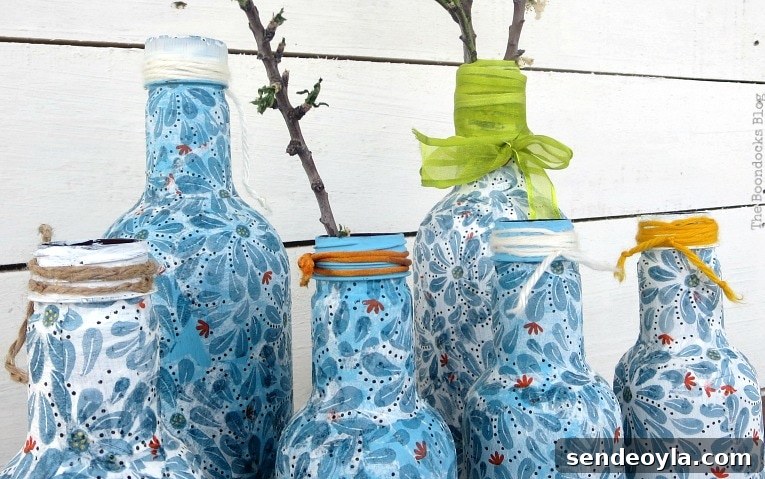
Sharing the wins and the fails helps you learn faster than only seeing perfect finished projects. I’ll keep practicing, and I hope these tips make your next attempt at decoupaging napkins on plastic smoother and more successful.
Have you ever had a Mod Podge mishap or a surprising success when decoupaging napkins on plastic? I’d love to hear what you learned from your projects.

This post is for entertainment and inspiration; consider these ideas as DIY tips rather than professional advice.