
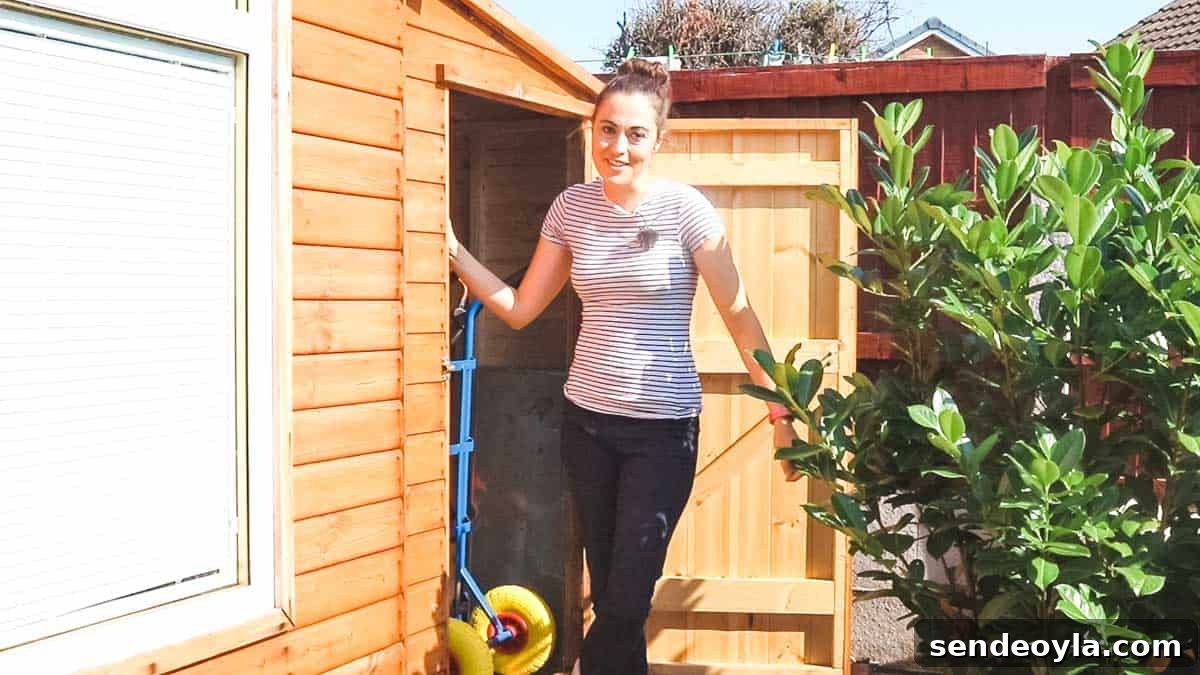
When one shed isn’t enough, build a second and attach it to the existing shed or your house. Below I explain how I built a lean-to shed from scratch, share free plans available via my mailing list, and include a detailed step-by-step guide you can follow.
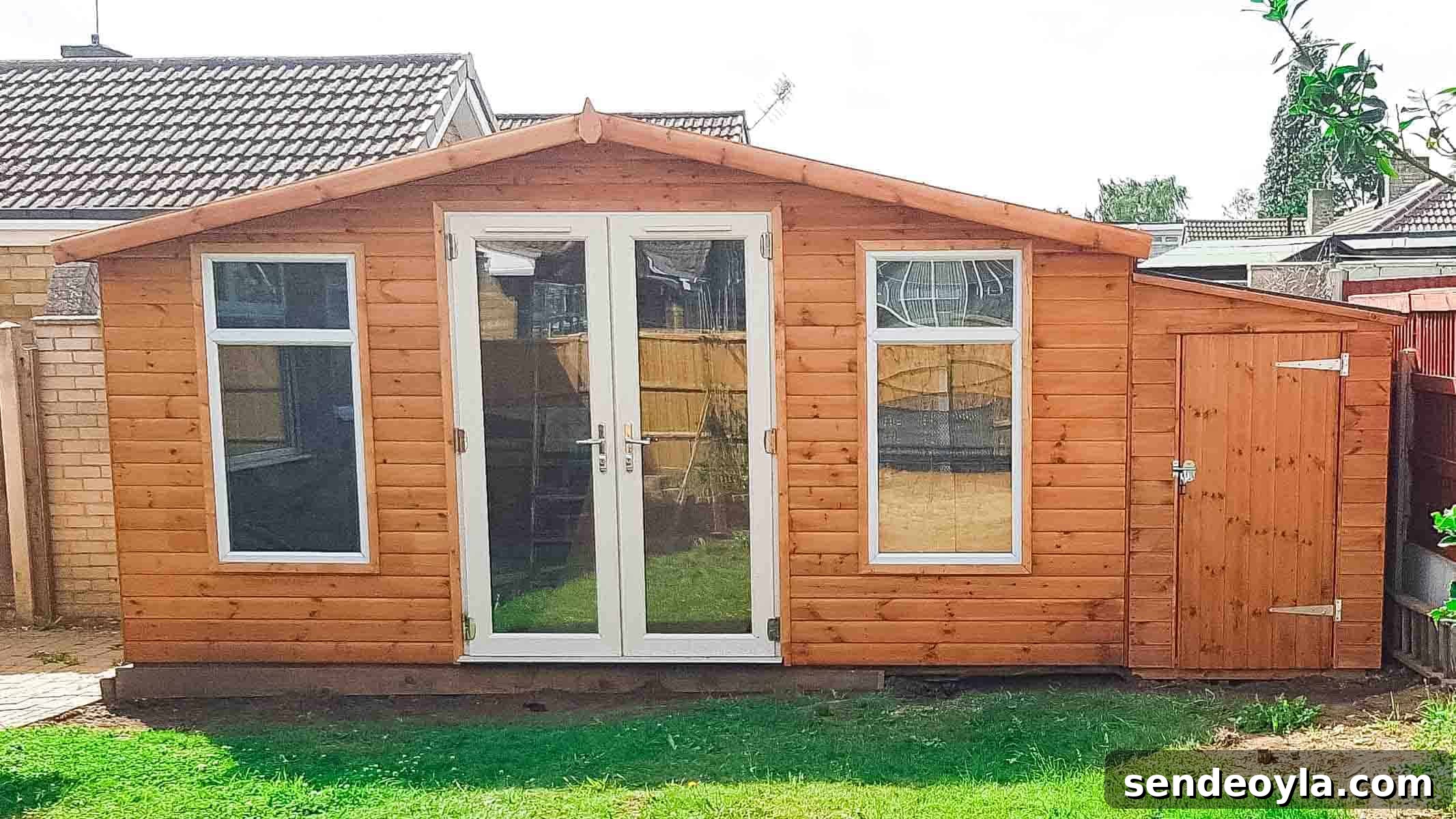
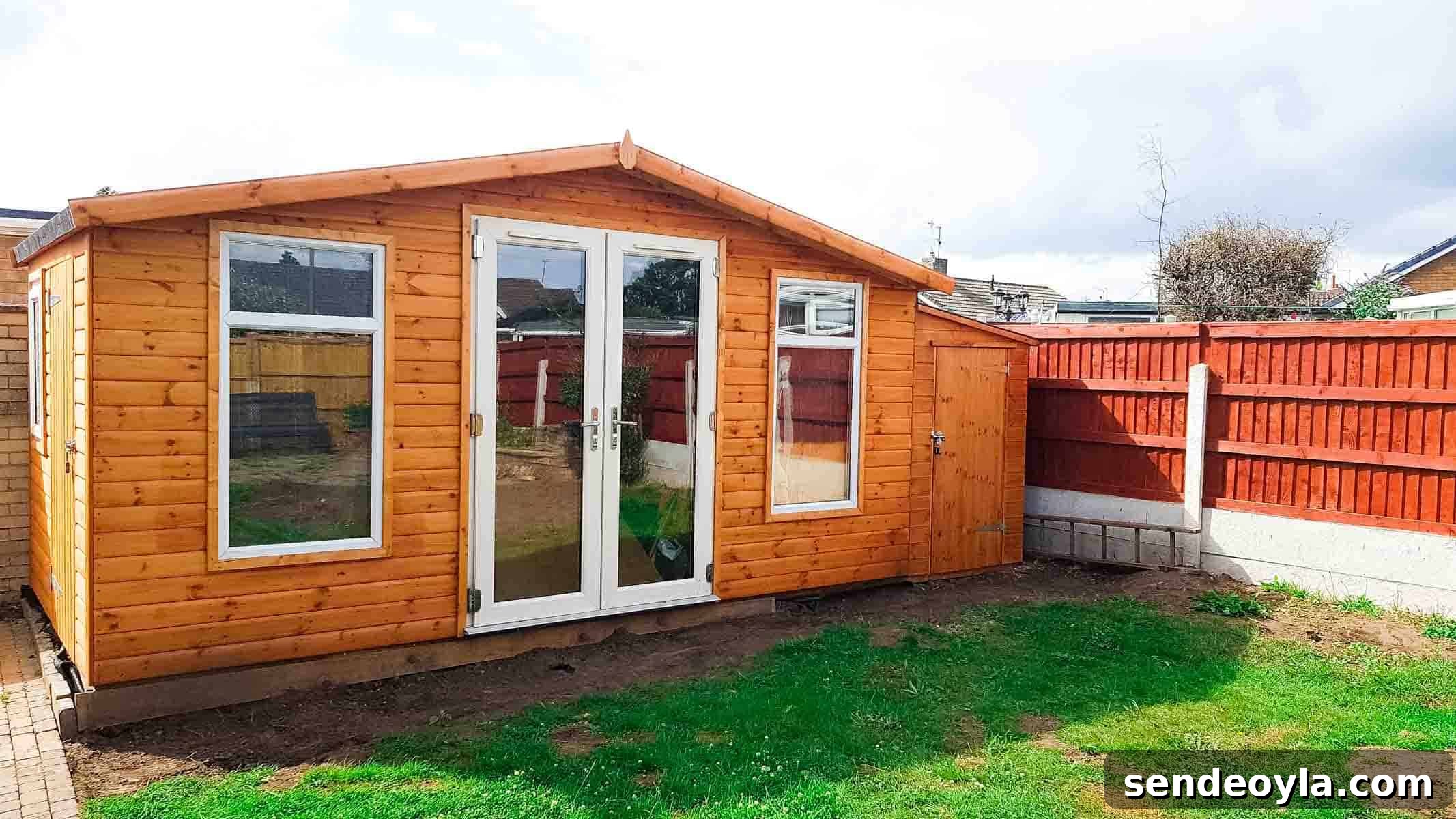
I built a compact lean-to shed attached to our DIY summerhouse to free up space in my workshop. This small lean-to acts as a dedicated storage area for gardening tools, car maintenance supplies and other items I didn’t want inside the main workshop.
Because this lean-to is made from three prefabricated side panels, it’s faster to build than a full freestanding shed and can be tailored to fit next to an existing wall, garage or house.
🛖 Lean-to Shed Uses
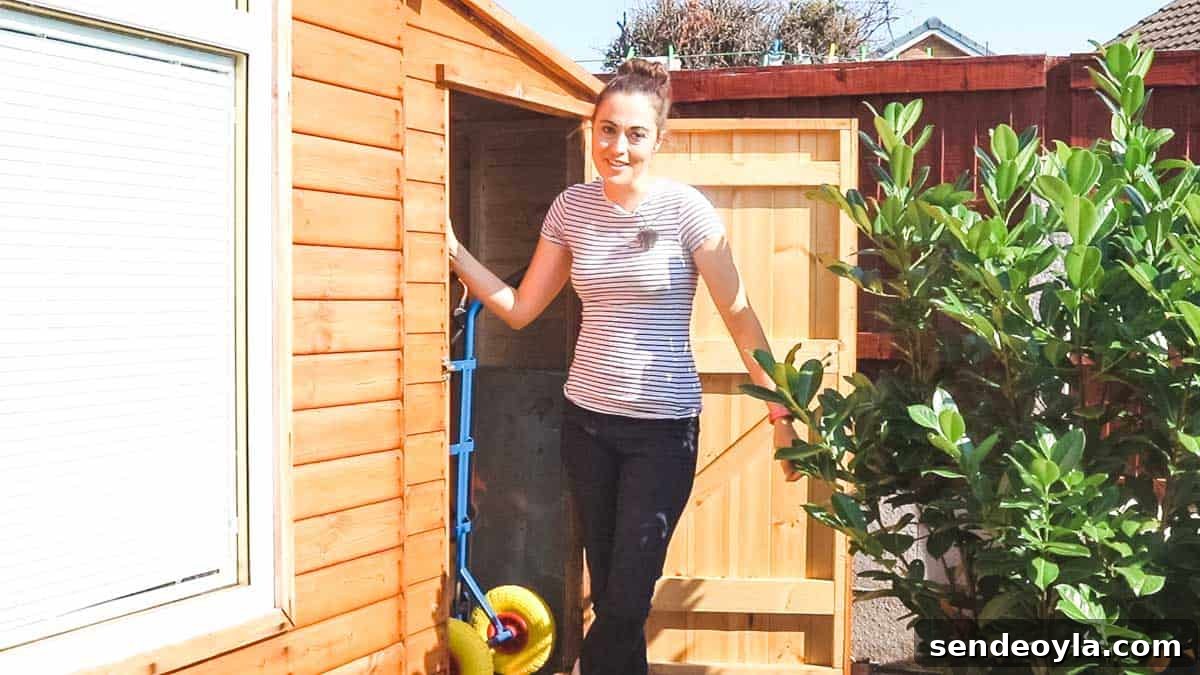
A lean-to shed typically has three walls and relies on an existing wall for the fourth. They’re versatile and useful for separating items from your main building. Common uses include:
- Bike storage
- Firewood storage (or an open-front lean-to)
- Potting shed
- Small home gym or sports equipment storage
- Motorbike storage attached to a garage
- BBQ and outdoor cooking supplies
- Garden tools and equipment
- Car maintenance supplies
🆓 Free Lean-to Shed Plans (PDF)
You don’t need to buy a pre-made kit. I offer free lean-to shed plans you can download by joining my mailing list. The plans include framework layouts and step-by-step guidance; follow the video walkthrough to build along with me.
Lean-to Roof Plans Disclaimer
I measured carefully, but this particular sloping-roof lean-to has been built once, so the downloadable plans may contain small errors. Treat the plans as a guide and double-check critical measurements when cutting or customizing. The plans focus on framework and do not include an exhaustive cutting list.
🪵 Timber Used
For this build I used CLS studwork (nominally 38mm x 63mm). Most of the pieces were ripped down on a table saw to get the exact section I needed, except for the base where full-size timber was used. If you can’t rip your own timber, using 40mm studwork is a good alternative. For larger buildings, un-ripped CLS is appropriate.
These plans should be used as a guideline only. Cut sizes will vary depending on the timber thickness, saw blade kerf and any custom dimensions you choose.
🪚 Tools
Tools used on this build included:
- Shovel and earth rammer/tamper
- Drill driver and drill bits
- Wood screws and clout nails
- Hand saw, circular saw and impact driver
- Tape measure, hammer and Stanley knife
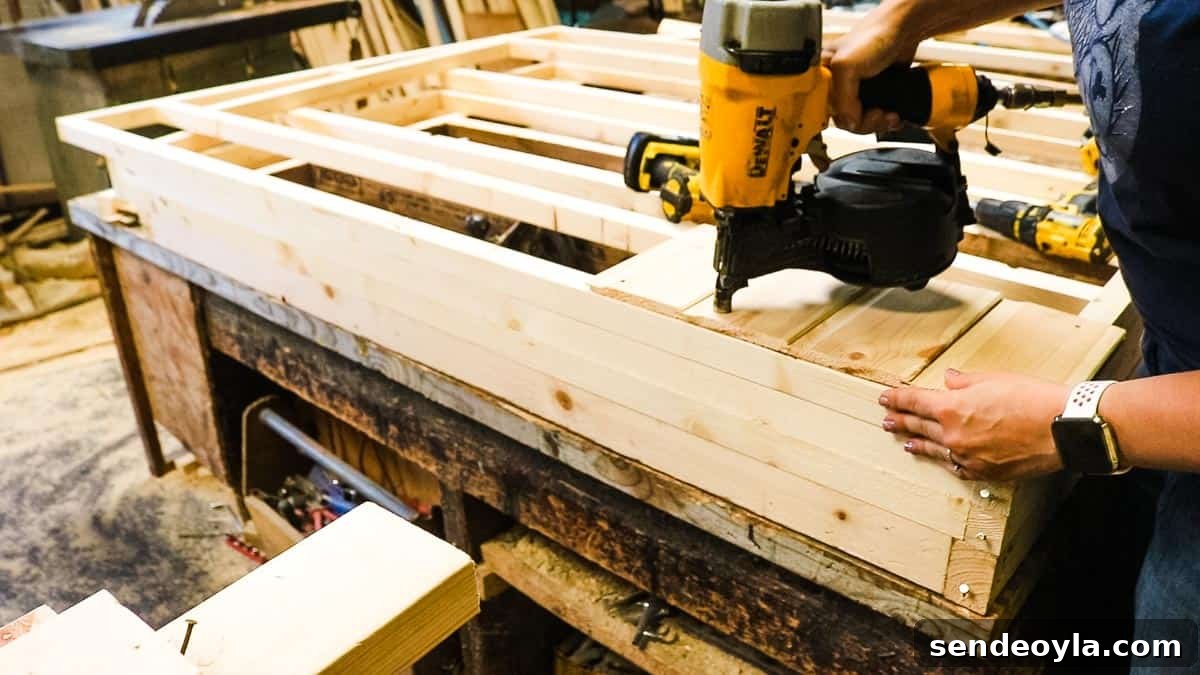
- Nail gun
- Safety goggles and ear defenders
- Wood preserver and staining brush
- Hinges, pad bolt and coach bolts for the door
- Multi tool or angle grinder
- Workbench or sturdy sawhorses
📋 Shed Instructions
Making the Lean-to Shed Base
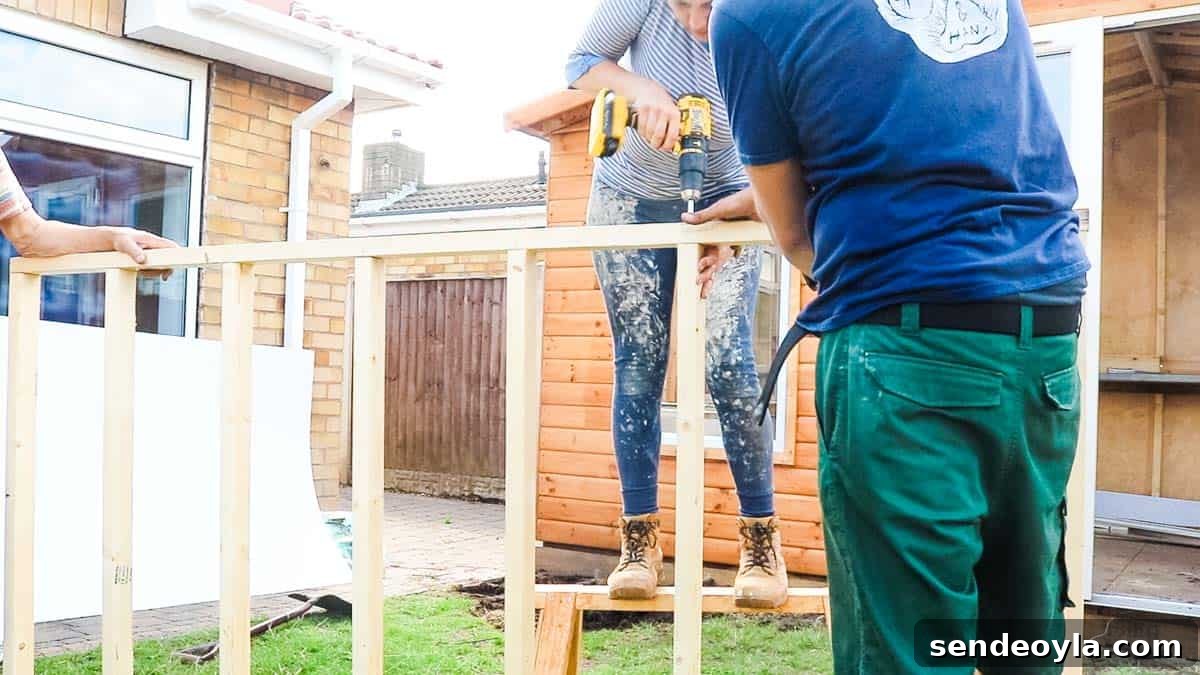
We cleared and compacted the topsoil where the lean-to would sit, added weed membrane and prepared the base. I cut two structural timbers to match the height of the existing shed and used them as the primary runners. Cross spars were measured to fit between these runners, then predrilled and screwed in place to form a rigid base frame.
Treating the Base
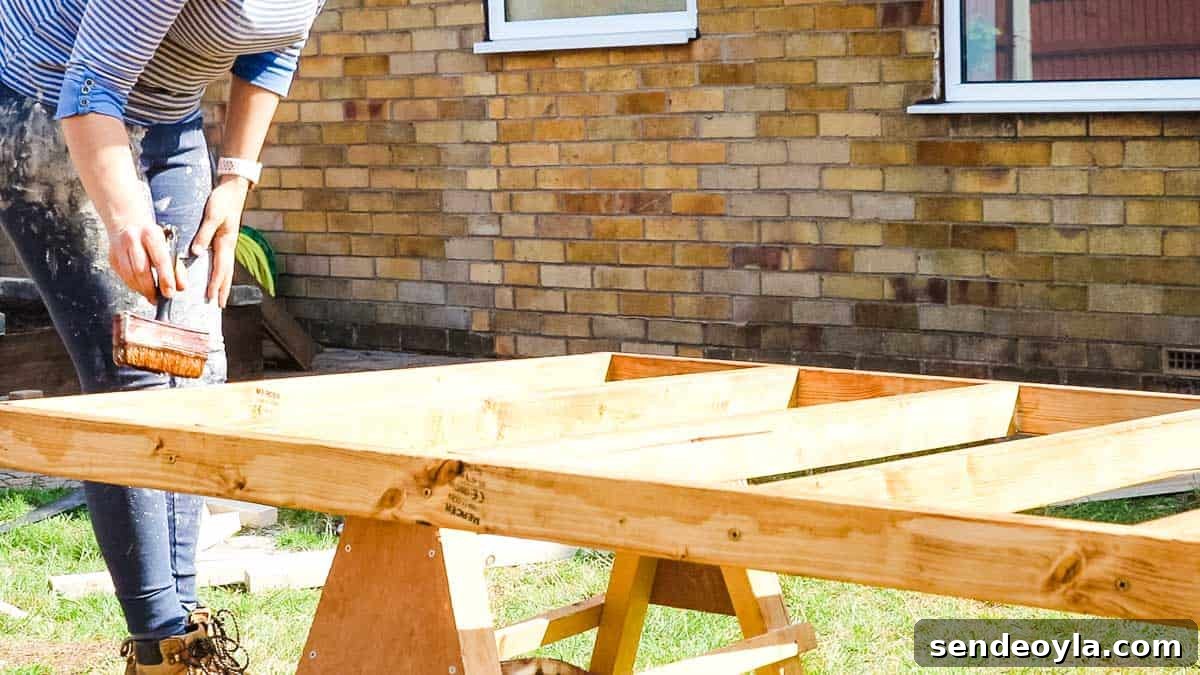
Ideally use pressure-treated structural timbers, but if you use untreated timber, apply a quality wood preserver and several coats, paying special attention to treated end grain cuts which absorb moisture most readily.
Do I Need a Shed Sub Base?
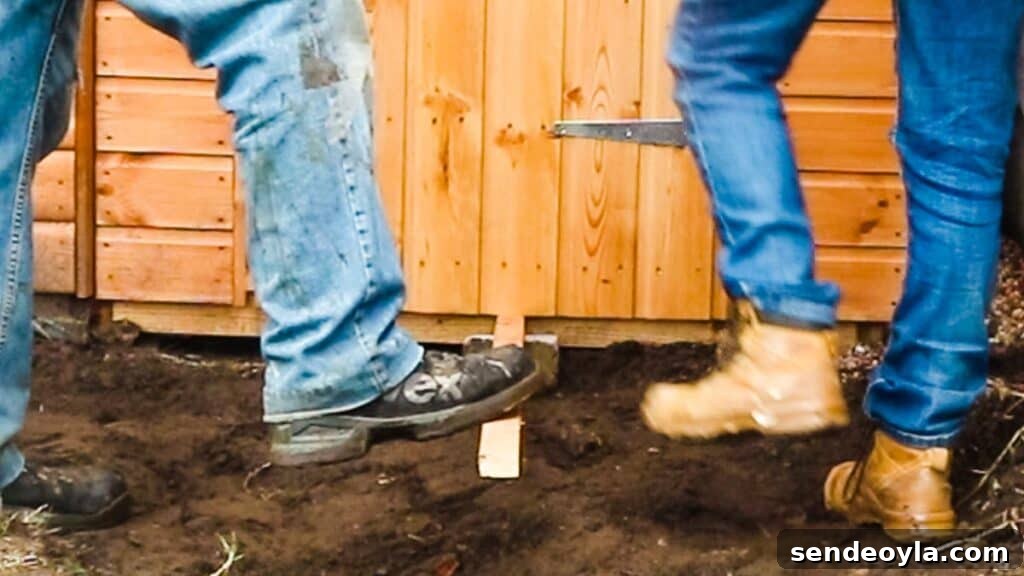
For a small lean-to we supported the base on treated timber sleepers and plenty of gravel for drainage while ensuring it sat level. Alternatives include a concrete slab, paving slabs on compacted sand, or treated fence posts—choose whatever suits your budget and ground conditions.

Building the Framework
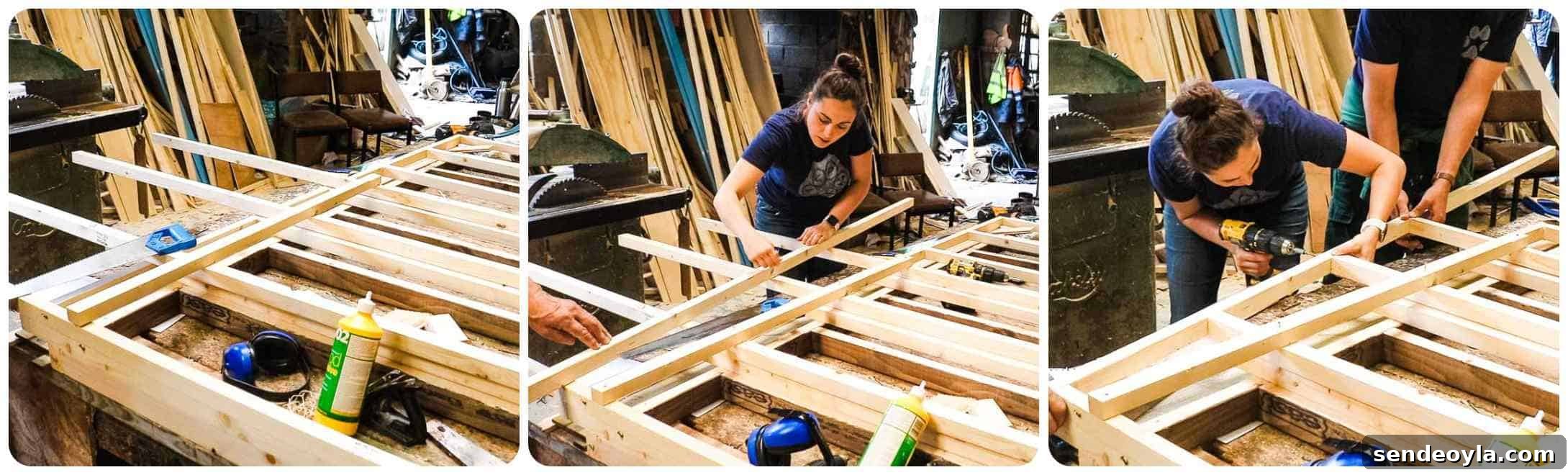
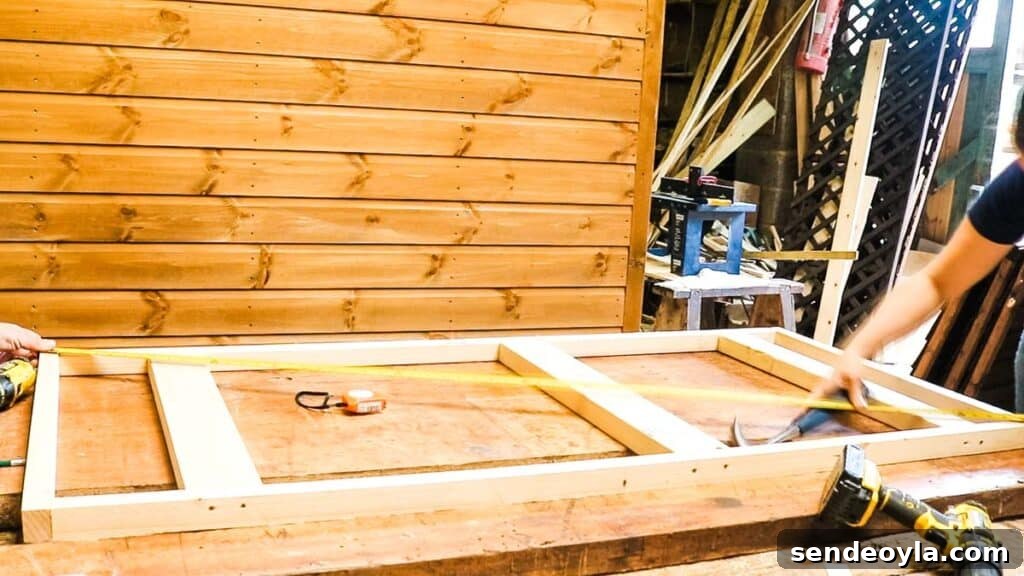
I built the frames in a woodyard where I had room and tools, but you can build them at home on a workbench or sawhorses. Start with the longest side panel: place the top and bottom rails, mark and position the upright spars evenly, then cut and fit the uprights to length.
Upright Spar Lengths
Keep paired pieces together as you mark and cut, especially if you alter the height. Measure from a fixed reference and transfer marks directly between the corresponding rails to ensure consistent upright lengths across panels.
Screwing the Spars Together
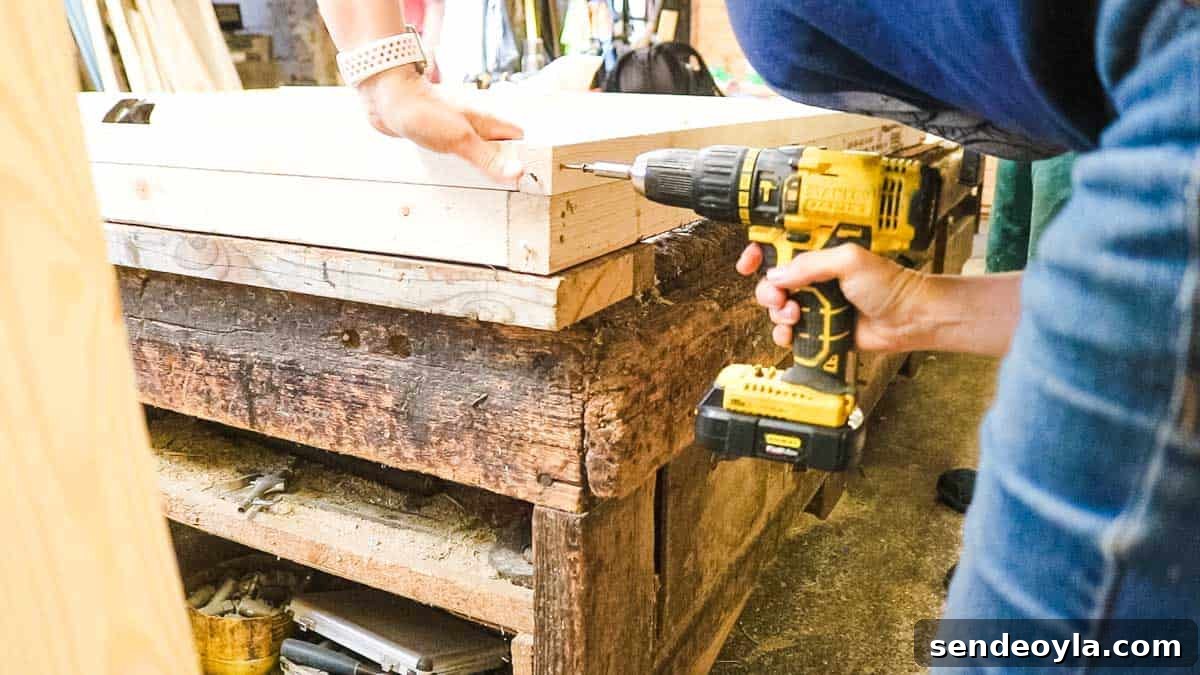
Pre-drill and screw the uprights to the top and bottom rails, aligning them with your layout marks. Assembly works well on a flat, square surface—check squareness by measuring diagonally corner-to-corner.
Creating a Slanted Roof
Two narrower panels form the sloping roof side. Build these on top of the first completed panel so they match exactly. Use longer middle spars during layout to mark and cut the slope accurately. Trim any overhangs flush with the sides using a hand saw.
Framework for a Door
One sloping panel will include a door opening. Reinforce the verticals around the opening, add a strong header and a noggin cut to suit the door hardware. If you intend to fit heavy-duty hinges and a mortice lock, consider using un-ripped CLS for extra strength.

Building the Roof
Assemble the roof frame to the full width of the shed with a small overhang (6–8 inches). Add a stud inside the roof frame near where it will be fixed to the existing wall so you have a solid fixing point once the roof is placed.

Cladding the Panels
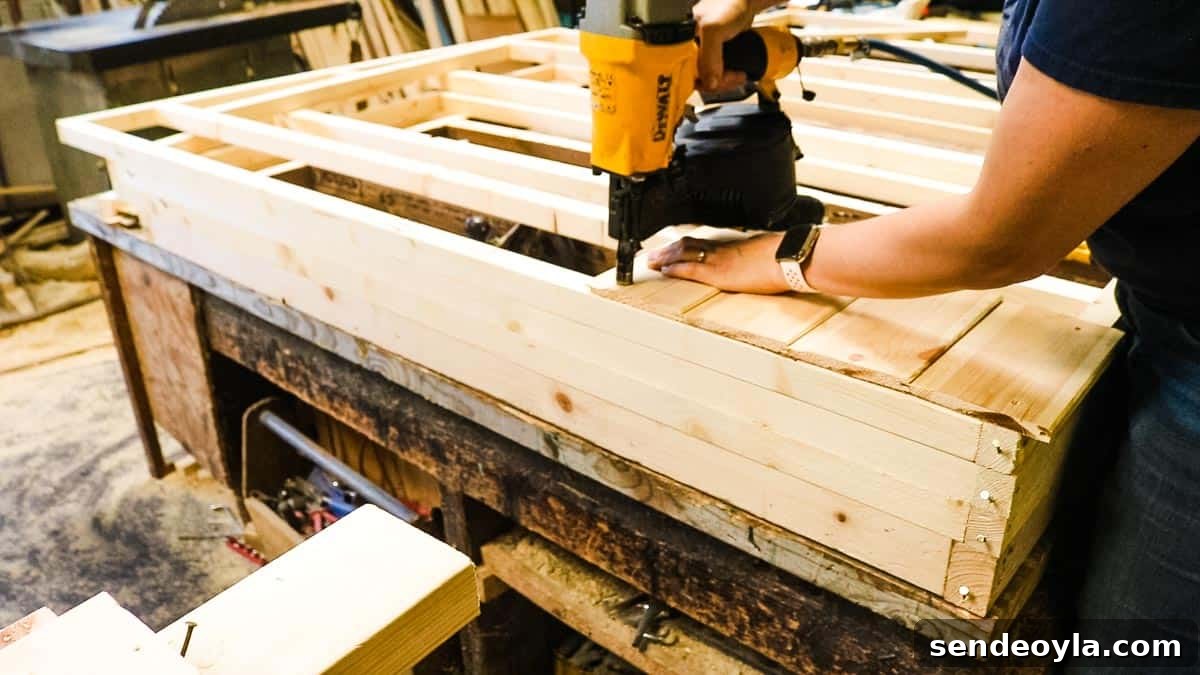
You can use OSB, plywood or tongue-and-groove cladding. I used tongue-and-groove with a bottom overhang to form a skirting. Nail-gun three boards together for speed, but ensure each board fully engages its groove to avoid gaps around doors and windows.
Cladding Around Openings
Stop cladding short as you approach door and window tops; these need longer continuous pieces. For sloping sections use offcuts or cut angled pieces to fit. Trim any excess with a hand saw, jigsaw or router as needed. Once cladding is complete, remove temporary toenails and set the panels aside.

Flooring
Line the treated base with a sturdy plywood subfloor, screwed down to the spars. Use plywood thick enough to hold foot traffic and any stored loads.

Felt and Roof Finish
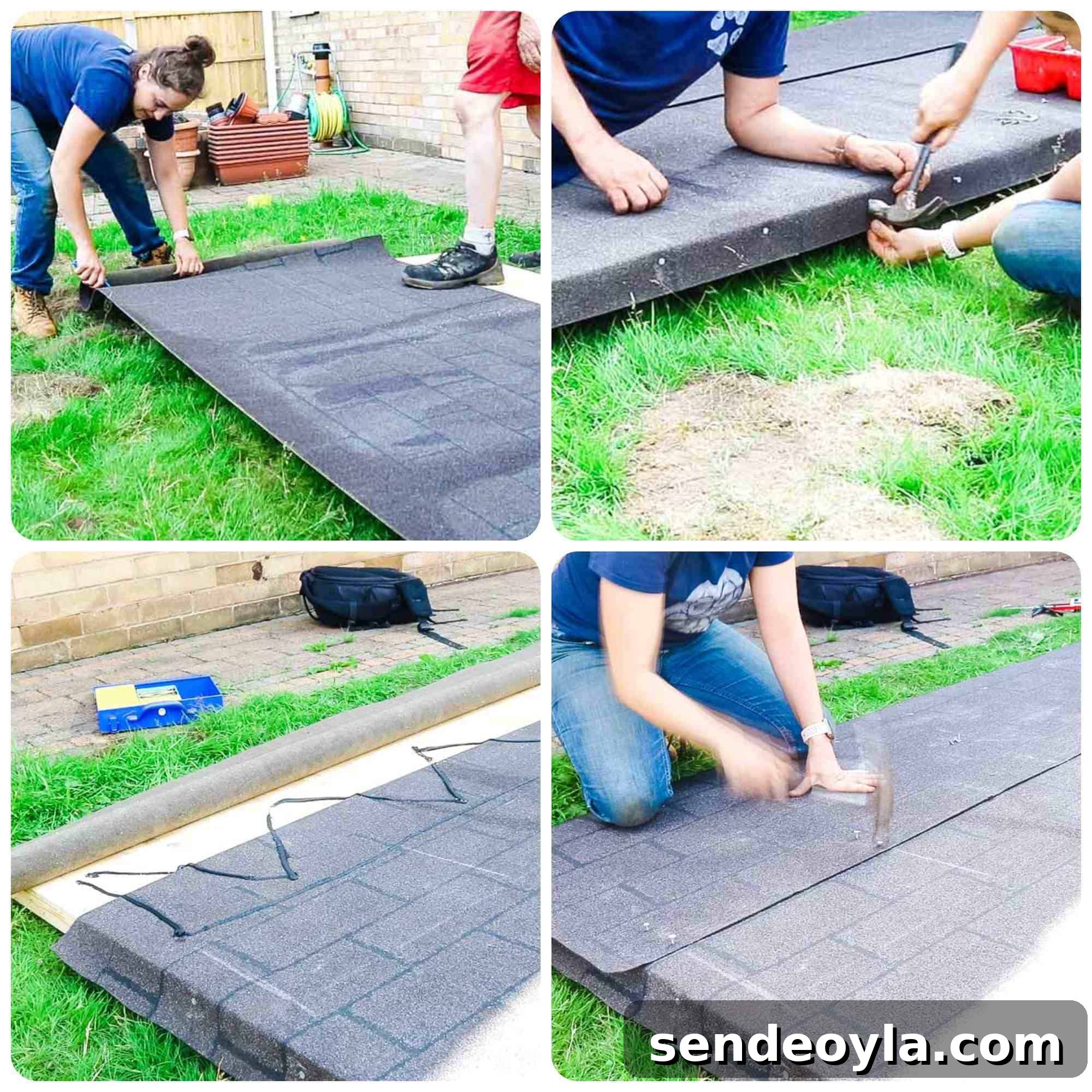
Cover the roof lining with roofing felt, overlapping so water sheds away from the existing building. Secure felt with clout nails and add treated trims around three exposed edges—leave the side up against the existing wall untrimmed so it seals neatly. Add extra felt and a trim between the lean-to and the existing shed to prevent water ingress.
Fitting the Roof
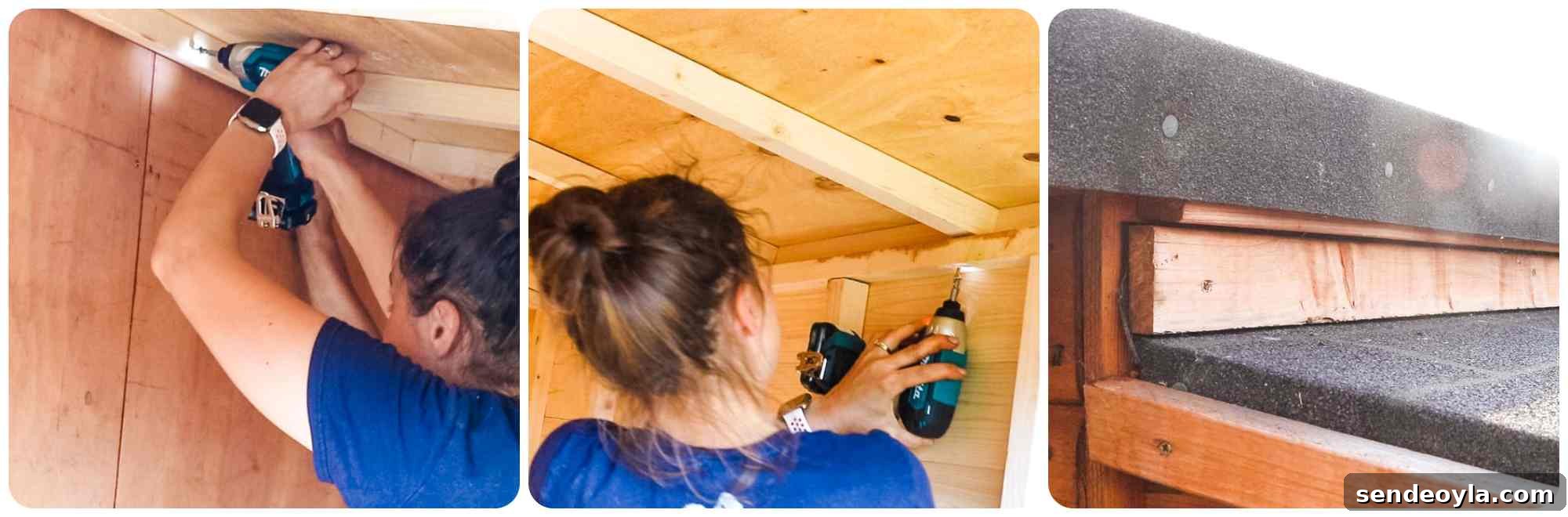
Lift the roof onto the completed panels and screw it to the existing building and to the tops of the panels. Ensure the roof is well supported while fixing and check that the slope directs water away from the junction with the existing wall.
🚪 How to Make a Shed Door
To build the door frame:
- Measure the untrimmed door opening
- Subtract the thickness of trims on all sides to determine door size
- Allow hinge and bolt clearance (we used 15mm)
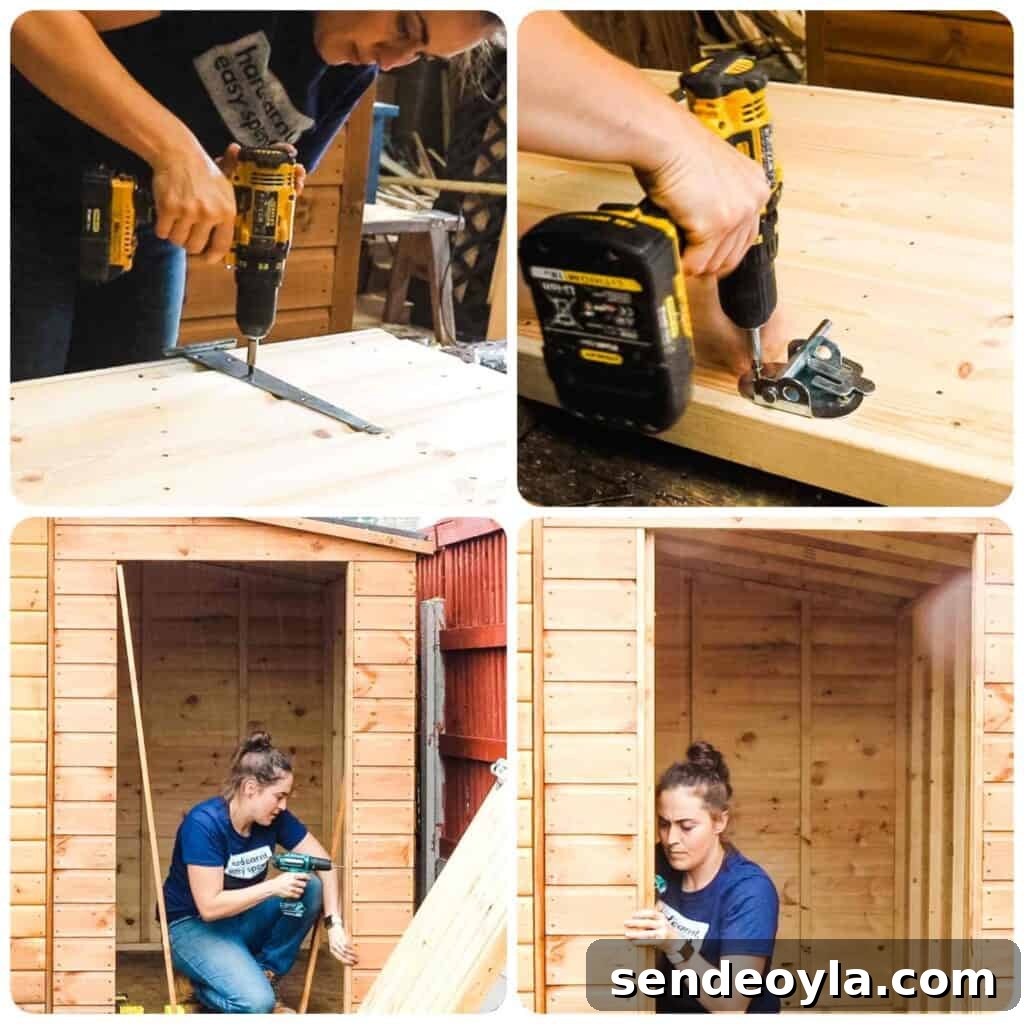
Fit the door with a downward-pointing Z brace toward the hinge side for rigidity. When attaching hinges, only start with one screw per hinge to check alignment; once the door opens and closes smoothly, add the remaining screws.
Hinges, Bolt and Security
Fit hinges where the supporting framing is strongest, and add a pad bolt. For improved security replace some hinge or pad bolt screws with coach bolts tightened with nuts. To remove unwanted bolt heads you can use a multi tool or an angle grinder—take care and follow safety precautions to avoid sparks.
🔐 Shed Security Tips
Use coach bolts to secure hinges and pad bolts, fit robust hardware and ensure there is no easy leverage point for a crowbar. Consider internal shelving and hooks to keep items off the floor and make the shed harder to penetrate.
💡 Shed Storage Ideas
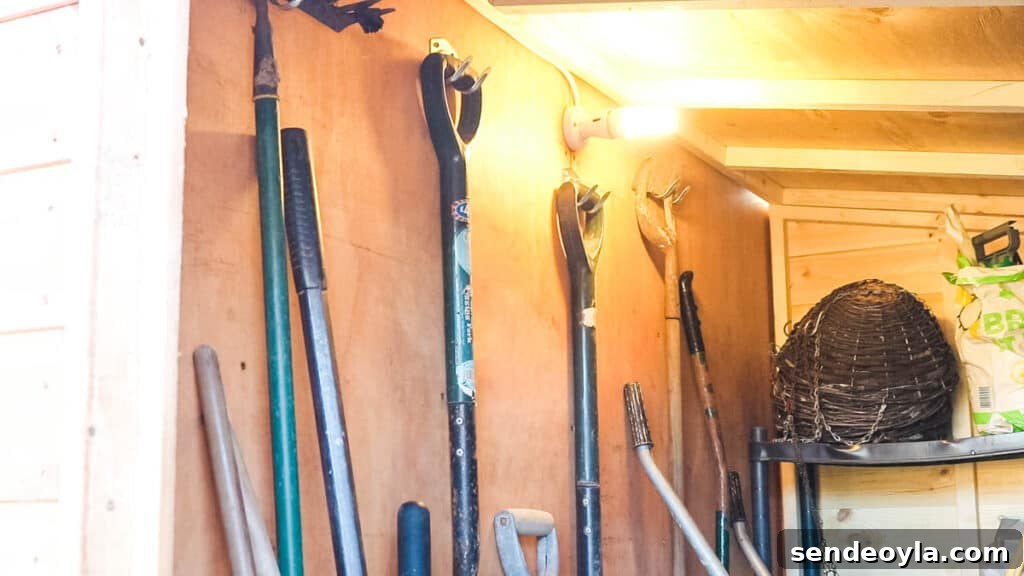
Maximise vertical space with hooks for shovels and rakes fixed to the spars. Use adjustable shelving, shallow twin-slot shelves or wall-mounted brackets to rearrange storage as needs change. Pegboards, small bins and labelled containers help keep tools organised and easy to find.
➕ More DIY Shed Ideas
- DIY bike shed (pent roof)
- How to build a flat-packed shed
- DIY garden bar with serving hatch
- How to build a chicken coop
- DIY dog kennel from plywood
- Building a summerhouse (DIY garden room)
👷♀️ Building a Lean-to Shed — Summary Card
How to Build a Lean-to Shed — Key Details
Materials
- Wood screws
- Wood preserver
- Staining brush
- Clout nails
- Hinges and pad bolt
- Coach bolts and nuts
Tools
- Shovel and earth rammer/tamper
- Drill driver and drill bits
- Hand saw, circular saw and impact driver
- Tape measure and hammer
- Nail gun
- Safety goggles and ear defenders
- Multi tool or angle grinder
- Workbench or sturdy sawhorses
Instructions (Overview)
- Prepare and level the ground where the lean-to will sit.
- Build and treat a timber base; provide drainage under the base.
- Cut and assemble the three framed panels from the plans, ensuring the first panel is square.
- Build two sloping panels to form the roof slope; one panel will include the door opening.
- Clad the panels with tongue-and-groove or plywood, trimming around openings for doors and windows.
- Fit a plywood floor, screw panels to the base and fix the roof frame in place.
- Cover the roof with felt, secure trims on three exposed edges and seal the junction with the existing wall.
- Build, fit and trim the door; install hinges and pad bolt, and replace key fixings with coach bolts for security.
- Arrange shelving, hooks and storage systems to suit the items you plan to store.