
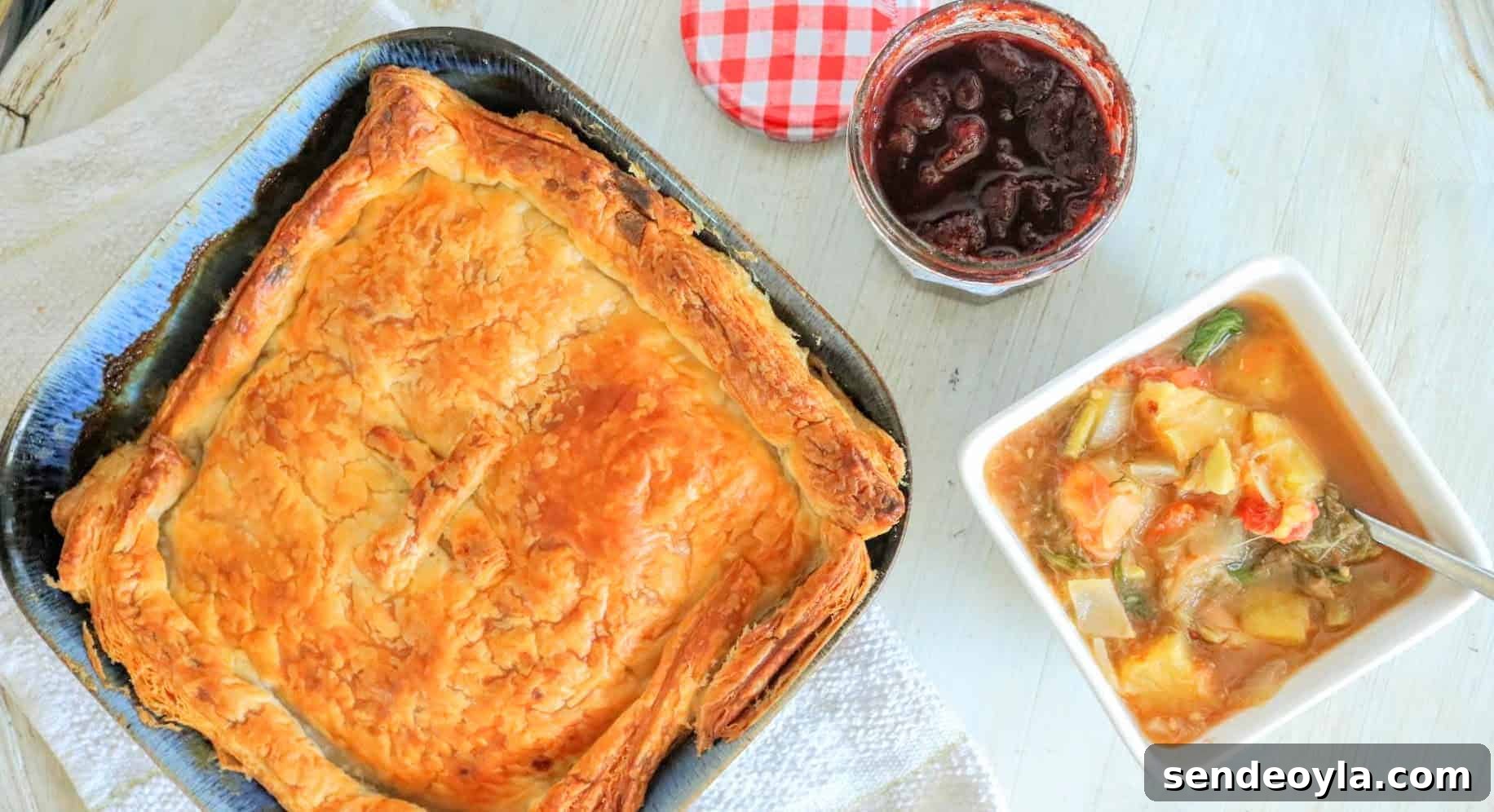
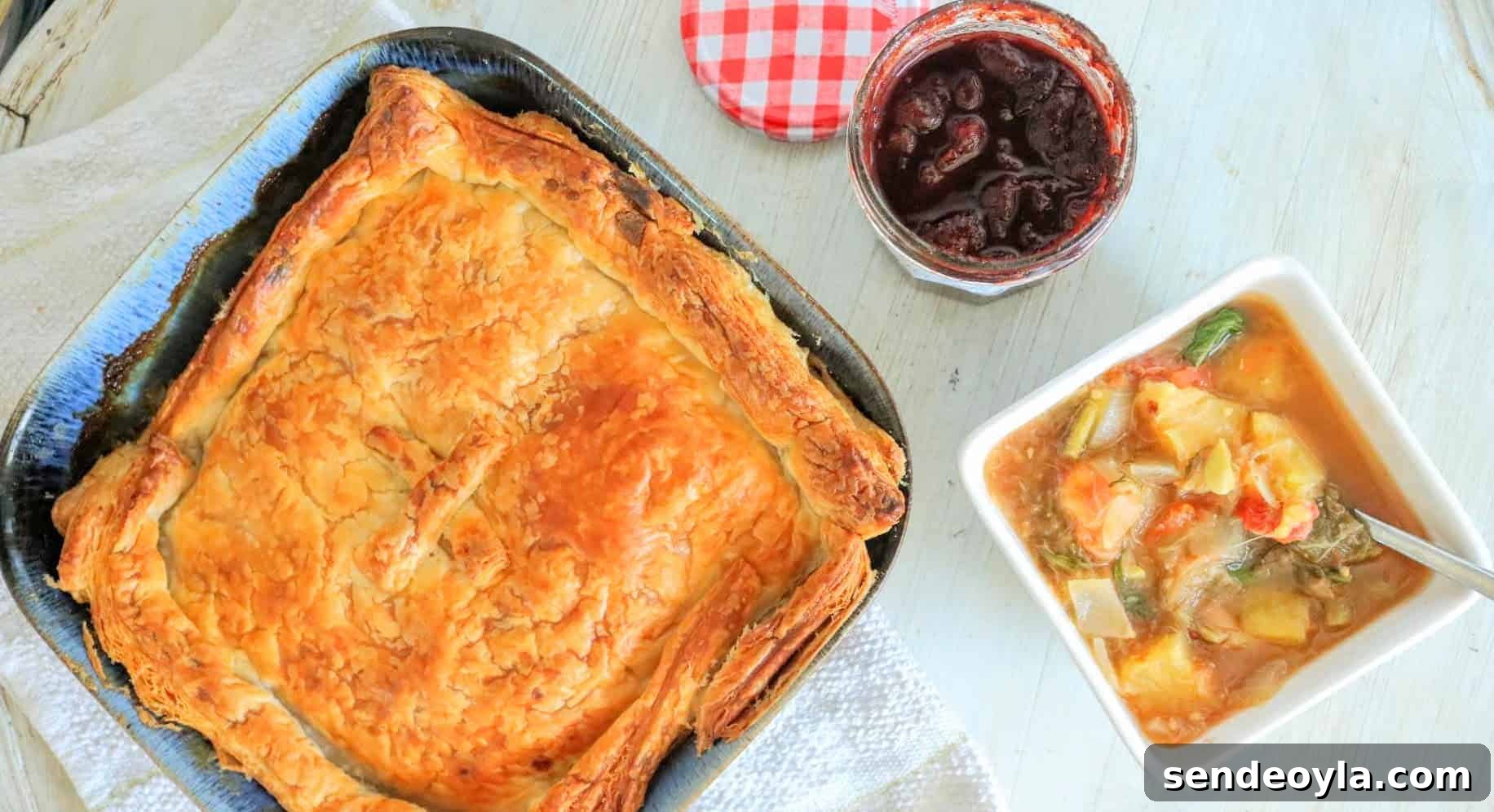
Since we bought this house and started renovating, I’ve finally begun to get to know our neighbours beyond brief “hellos.” That connection has made a big difference: when we’ve needed help, they’ve been there, and we’ve been able to return the favour. For newcomers who don’t yet have a list of people to call when things go wrong, that sense of community is invaluable.
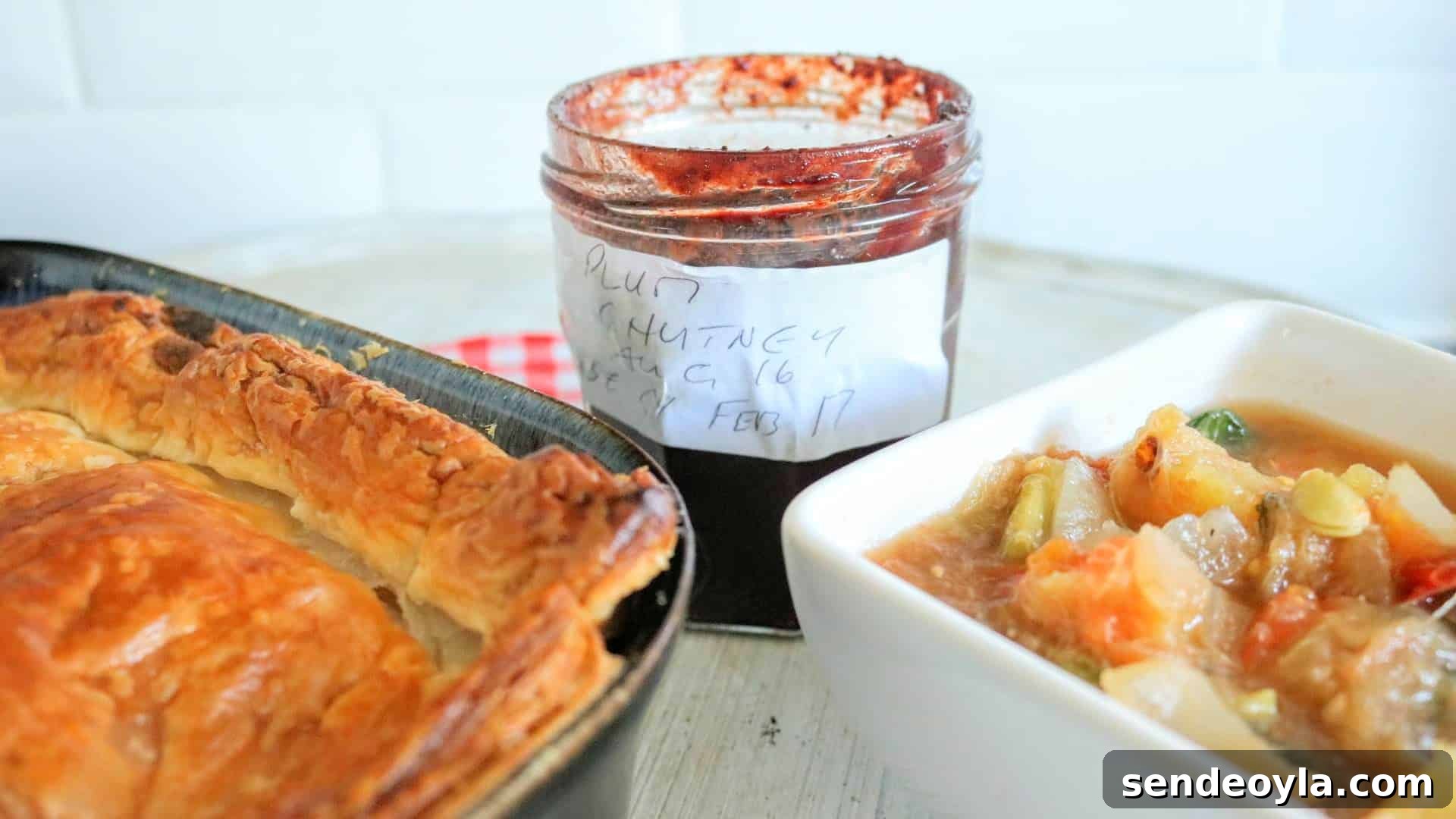
Recently our neighbours helped by fixing a leaky pipe. My fiancé has lent a hand with computer issues for people on the street. When I had more plums than I could use, I offered them around, and ended up swapping jars — I made homemade plum and chilli jam and they shared a lovely plum chilli chutney with me.
This week I picked up runner beans, apples and brought some rhubarb home from my parents’ garden, so I put together two simple, frugal recipes that make the most of what I had in the fridge and freezer. “Frugal” because I was clearing out pastry from the freezer and using up bargain veg; both dishes are forgiving, quick to assemble and perfect for sharing with neighbours or freezing in portions.

Apple, Pineapple & Rhubarb Puff Pastry Pie
- 170g pineapple chunks (fresh or canned)
- 200g rhubarb (about 2 large sticks), cut into 2cm pieces
- 2 apples, peeled, cored and chopped
- 50g sugar (adjust to taste depending on fruit sweetness)
- 1½ tablespoons sherry (optional, for depth of flavour)
- 320g sheet of ready-made puff pastry
- Preheat the oven to 200°C (about 400°F).
- In a small lidded saucepan, combine the sugar, rhubarb and sherry (if using). Simmer gently for about 12–15 minutes until the rhubarb has softened and released its juices. Stir occasionally to avoid sticking.
- Stir in the pineapple and apple pieces just to warm them through; the pineapple adds sweetness and texture while the apples give body to the filling.
- Spoon the fruit mixture into a pie dish (I used a square ovenproof dish). Roll the puff pastry over the top, pressing the edges to seal and trimming any excess. Make a few small slits in the pastry to let steam escape.
- Bake for approximately 25–30 minutes, or until the pastry is puffed and golden and the filling is bubbling. Allow to cool slightly before serving. This pie is excellent warm with a dollop of cream or plain yogurt, and leftovers can be reheated or frozen in portions.
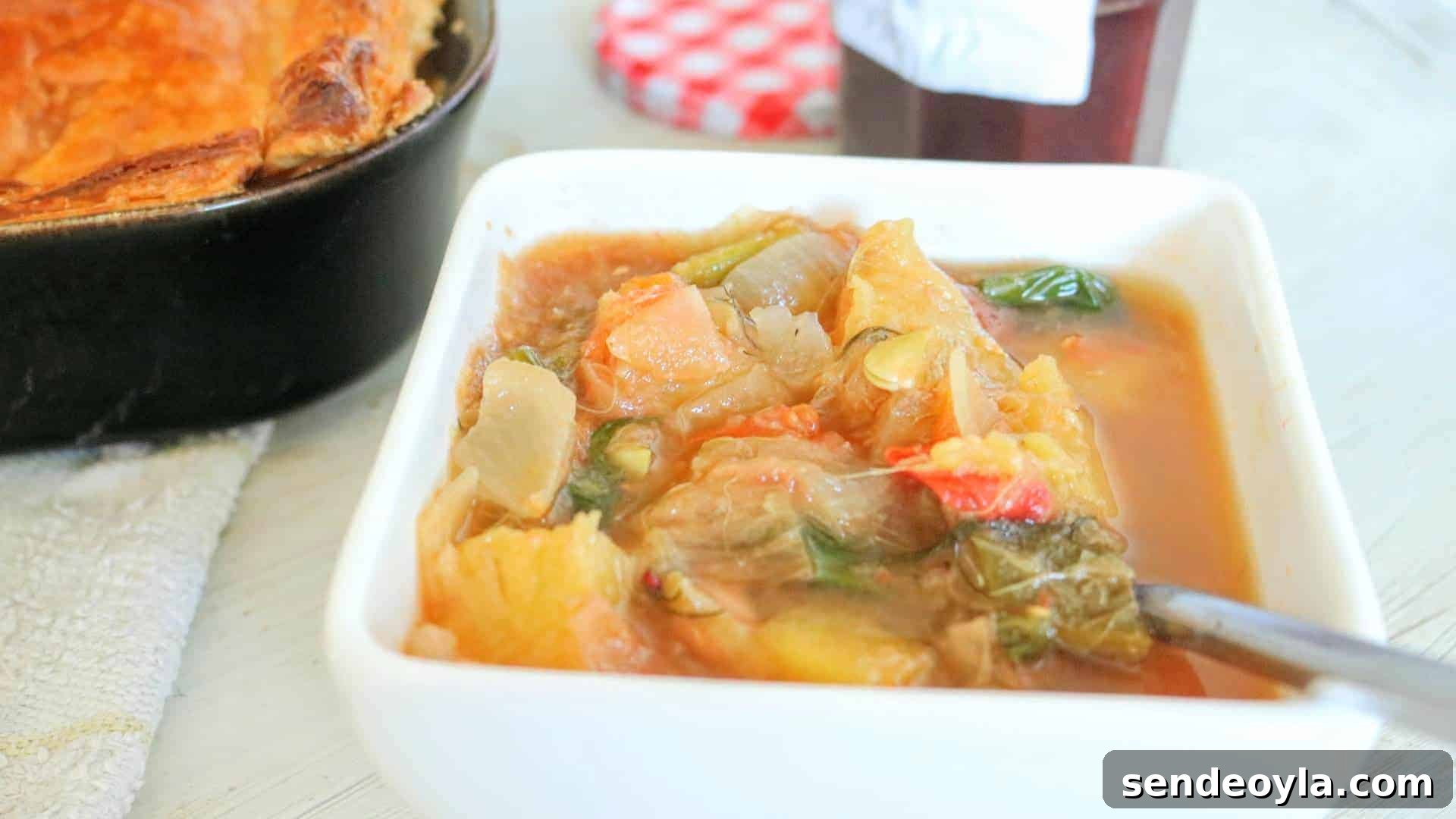
Vietnamese-Style Rhubarb & Pineapple Soup
- Cooking oil spray or a tablespoon of neutral oil
- 2 large rhubarb sticks, chopped
- 2 garlic cloves, minced
- 1 onion, diced
- 4 tomatoes, roughly chopped
- Salt and pepper to taste
- 650 ml water (or light stock)
- 2 tablespoons fish sauce or 2 stock cubes dissolved in water (adjust to dietary preference)
- 110g runner beans, trimmed and cut into chunks
- ½ pineapple, peeled and cut into chunks (or use canned chunks)
- 2 tablespoons hoisin sauce or another sweet-savory sauce
- A handful of fresh coriander (cilantro) to garnish
- Lightly spray a large pan with oil or add a tablespoon of oil, then sauté the onion and garlic over medium heat until soft and fragrant.
- Add the rhubarb, tomatoes, runner beans, pineapple and water (or stock) to the pan. Season with salt and pepper and add fish sauce or dissolved stock cubes for umami depth.
- Bring to a simmer, then reduce the heat and cook gently for about 20–25 minutes until the vegetables are tender and the flavours have melded. If you have a soup maker, this works well on a “chunky” setting, but it cooks perfectly in a regular pan.
- Stir in the hoisin sauce for balance, taste and adjust seasoning as needed. Just before serving, add chopped coriander and, if you like, a handful of spinach to wilt into the soup for extra greens.
- Serve hot with steamed rice, crusty bread or rice noodles. This soup is bright and slightly tangy from the rhubarb, balanced by the sweetness of pineapple and the savoury backbone of fish sauce or stock.

50 SLIMMING WORLD SOUP MAKER RECIPES
If you love soups and own a soup maker, there are many compilations and recipe collections that can inspire quick, healthy meals. A soup maker can simplify preparation—set it to a chunky or smooth setting and let it handle cooking and blending. Most soups listed in recipe collections can also be made on the stovetop and blended with a hand blender if needed.
Both of the recipes above are adaptable: scale quantities up or down, swap in seasonal fruit and vegetables, or adjust seasonings to suit your household. They are ideal for using surplus produce, sharing with neighbours as a friendly favour, or freezing in portions for busy weeknights.
If you’d like to follow more DIY and frugal cooking experiments, consider subscribing to updates or checking back for new recipes and tips.