
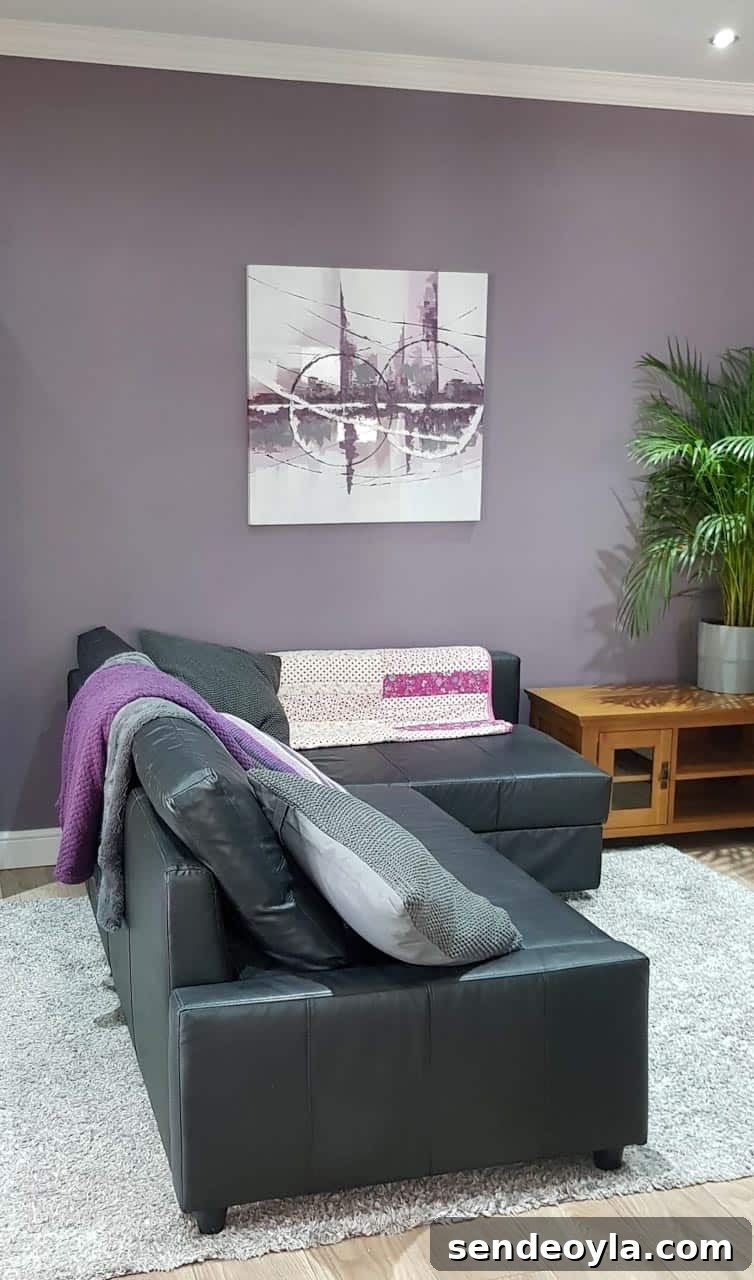
Here I show how I stopped our IKEA Friheten sofa cushions from slipping using a heavy-duty Velcro tape PR sample I received. This is a quick, one-minute fix and I compare it to ordinary stick-on Velcro that I already owned.
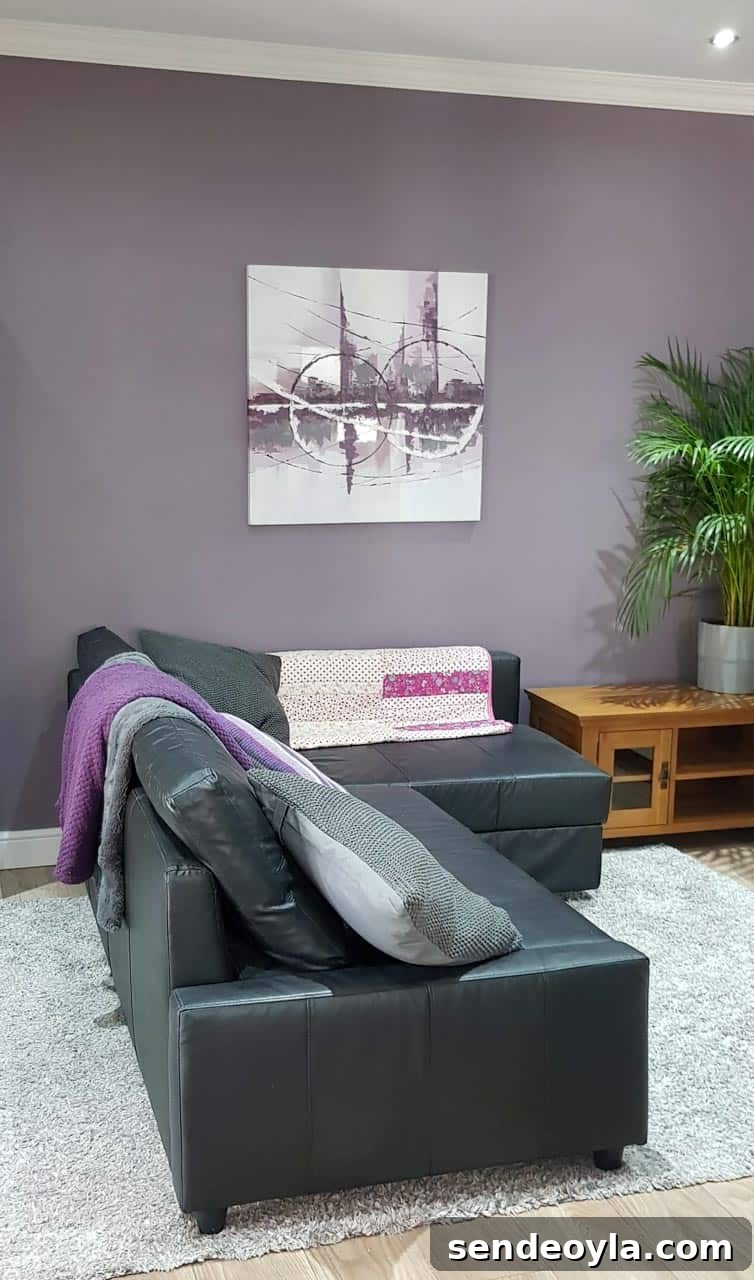
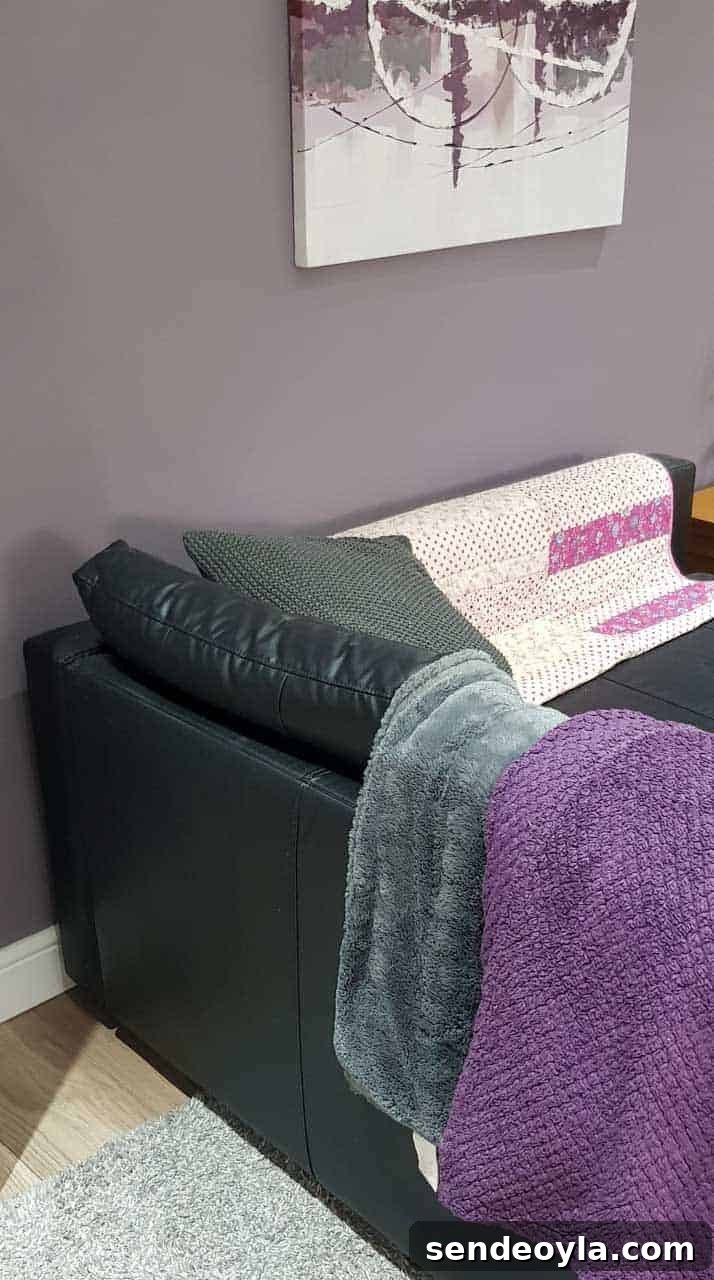
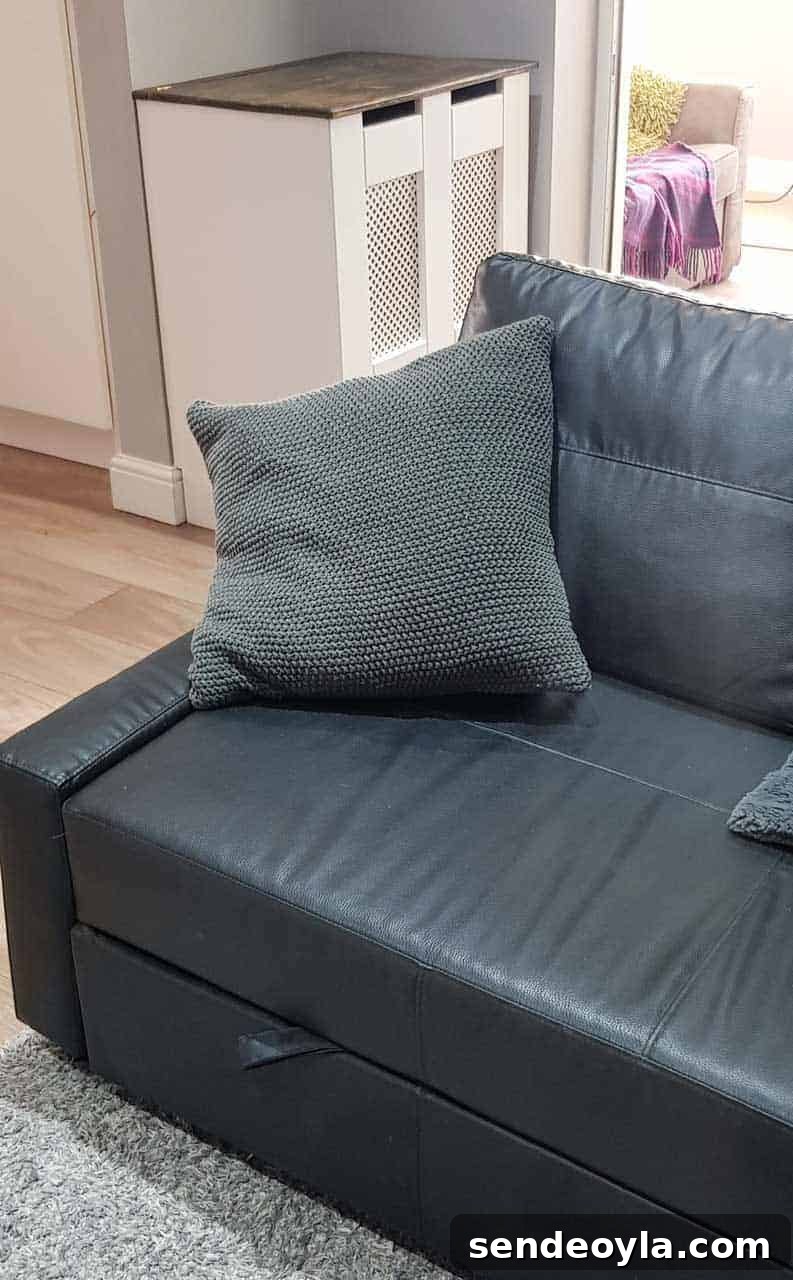
We’ve owned two IKEA sofas over the years and, to be honest, I’ve never been entirely happy with how their cushions behave. Even after plumping them up, they often shift or slide out of place. The Friheten’s leatherette fabric is particularly slippery, so the cushions would gradually move until they were misaligned.
We bought the Friheten because we loved its sleeper function while staying in a relative’s apartment in Spain. It suited our needs as a sofa bed, but once it was in our living room the constant slipping of cushions became a nuisance. After nearly two years of use, I decided to tackle the problem once and for all.
A brand sent me a small PR sample of heavy-duty Velcro tape, and I used that to test whether a strip of Velcro could hold the cushions in place. The sample contained just a couple of patches, so I supplemented it with ordinary stick-on Velcro I already had. That gave me a chance to compare the two types and report on what works best.
If you’re short on time or tools, this fix is simple and fast: cut the tape to the width you need, stick one side to the sofa base and the matching side to the cushion, press firmly, and you’re done. Below I explain the differences between heavy-duty and regular stick-on Velcro, and I walk through the steps I used.
What’s the difference between regular stick-on Velcro tape and heavy-duty Velcro?
The key difference is strength and adhesive quality. According to the packaging and product notes, the heavy-duty tape I tried is rated to hold roughly 7 kg, while ordinary stick-on Velcro is rated for about 300 g. In practice that means the heavy-duty tape has both a stronger adhesive backing and stiffer hook-and-loop material that resists separation under load.
During testing the heavy-duty patches felt tackier and slightly gummy to the touch, which suggested a stronger adhesive layer. The ordinary Velcro pulled away from the cushion backing more easily and tended to remain stuck to one side rather than both. If you can add a few stitches to the Velcro after sticking it on, that will increase durability, especially on fabric covers that can be safely sewn. Avoid sewing into leatherette unless the cover is designed for it.
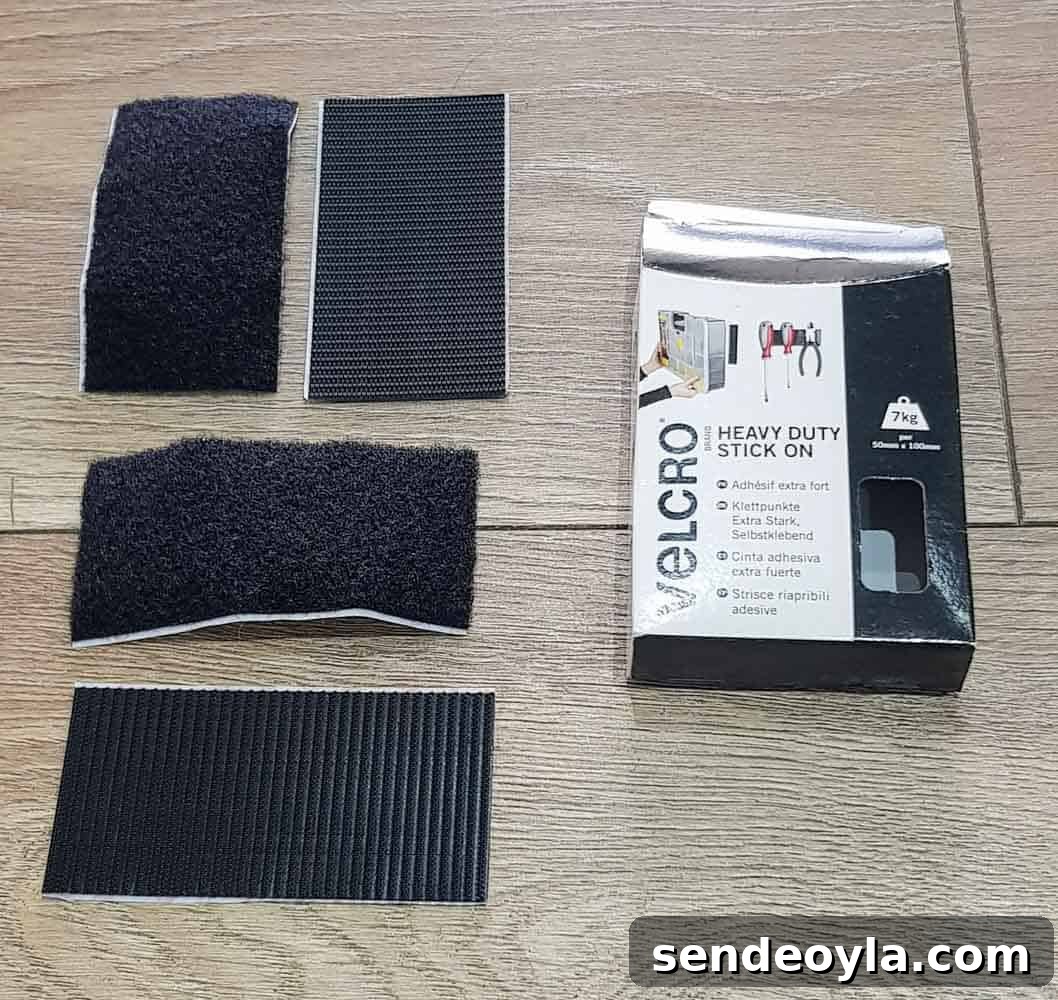
How to apply Velcro tape to a sofa cushion
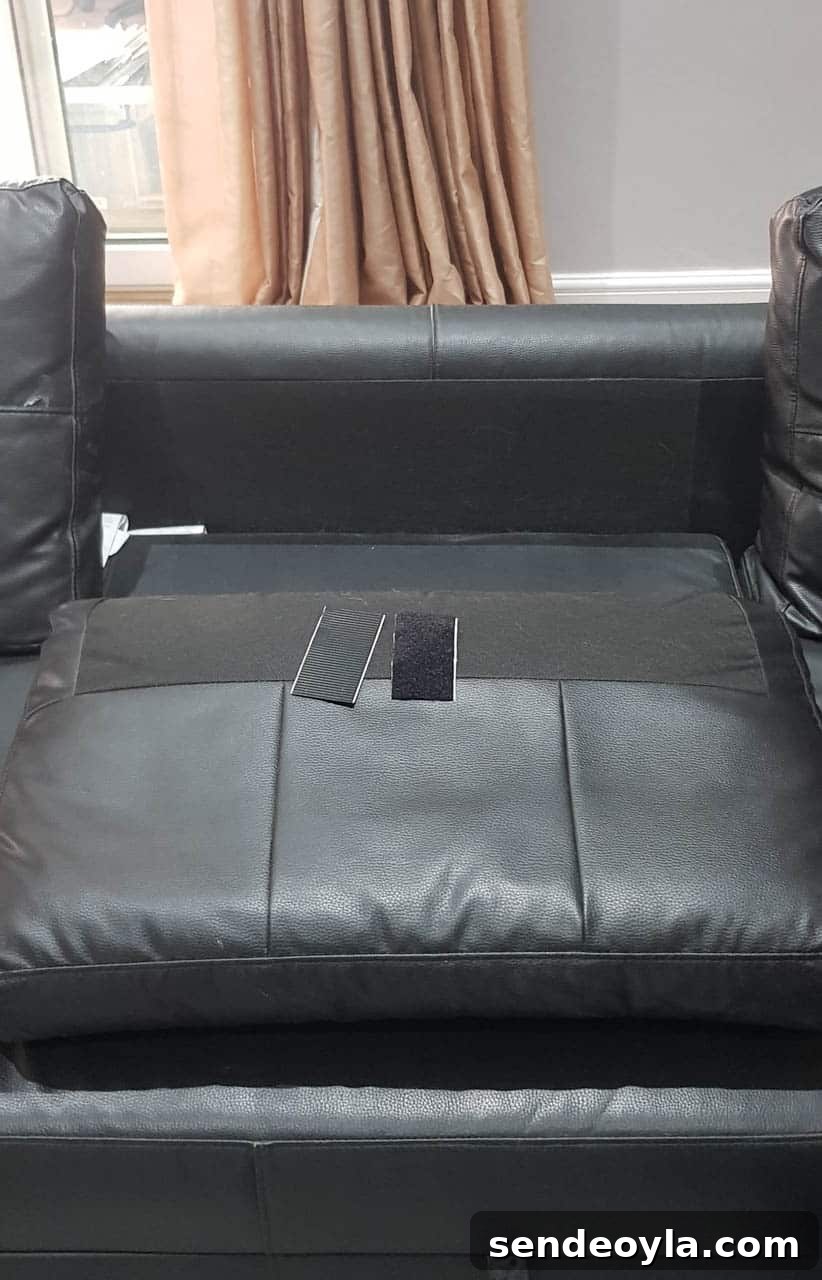
Follow these simple steps for a tidy, secure result:
- Prepare the tape: Separate the hook side (rough) from the loop side (soft) and cut each to a length that matches the width of the cushion or the seat area.
- Attach the hook side: Peel the backing off one side and press the hook piece onto the sofa frame or base where the cushion will sit. Place it low enough so the cushion will meet it when positioned normally, and try to keep it out of sight when the cushion is in place.
- Attach the loop side: Peel the backing from the matching loop piece and press it onto the back of the cushion cover. Make sure the cover is flat and clean before sticking.
- Press firmly: Position the cushion and press it down onto the taped area so the hook and loop engage. Hold pressure for a few seconds to ensure a good bond.
- Optional reinforcement: If possible, stitch the Velcro in place along the fabric edge or run the cushion cover under a sewing machine. Do not stitch leatherette unless you know the material and lining can be sewn safely.
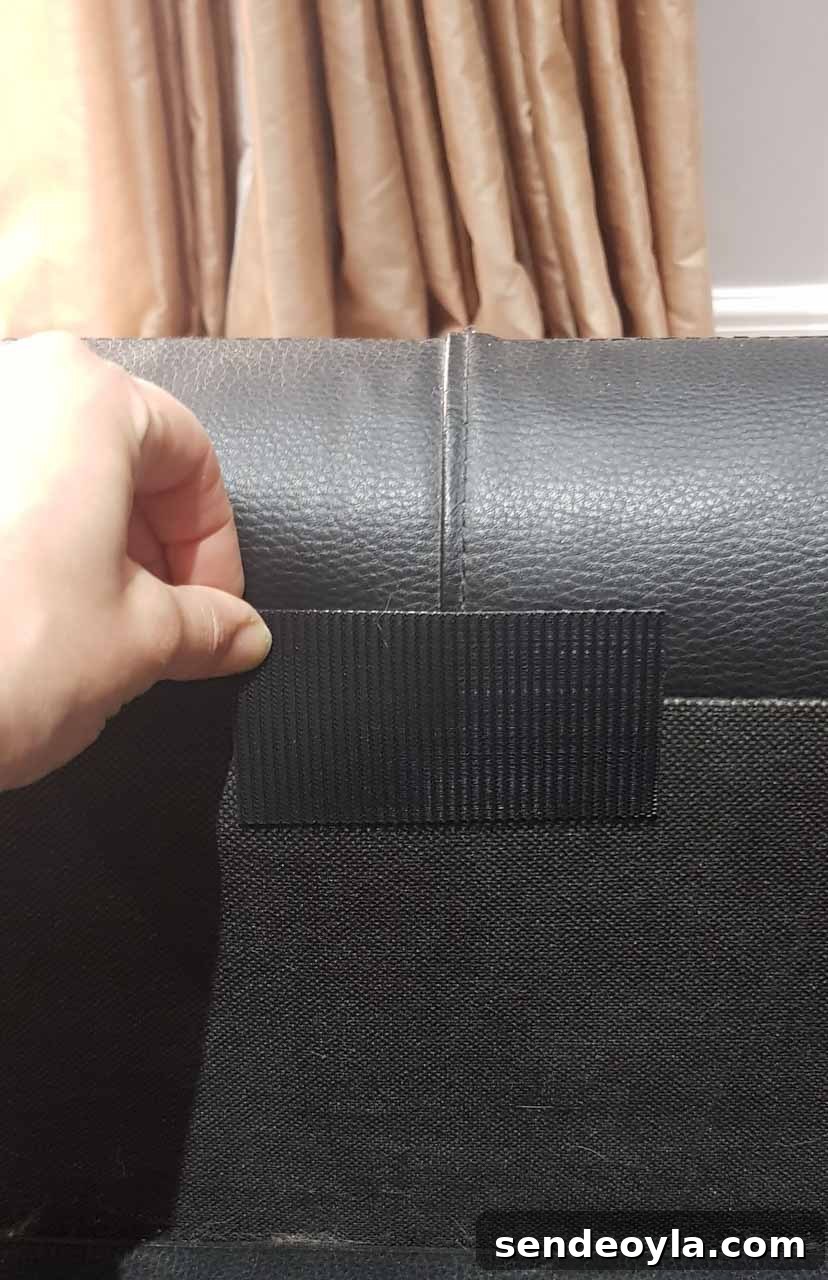
When I repeated the method with the ordinary stick-on Velcro, the result was still an improvement over having nothing. However, the ordinary tape sometimes peeled away from the cushion when I removed it for testing. In everyday use this may not be a big issue because the weight of the cushion presses the Velcro together rather than pulling it apart. That said, for a longer-lasting fix I recommend longer, continuous strips of Velcro and ideally two parallel strips for extra hold.
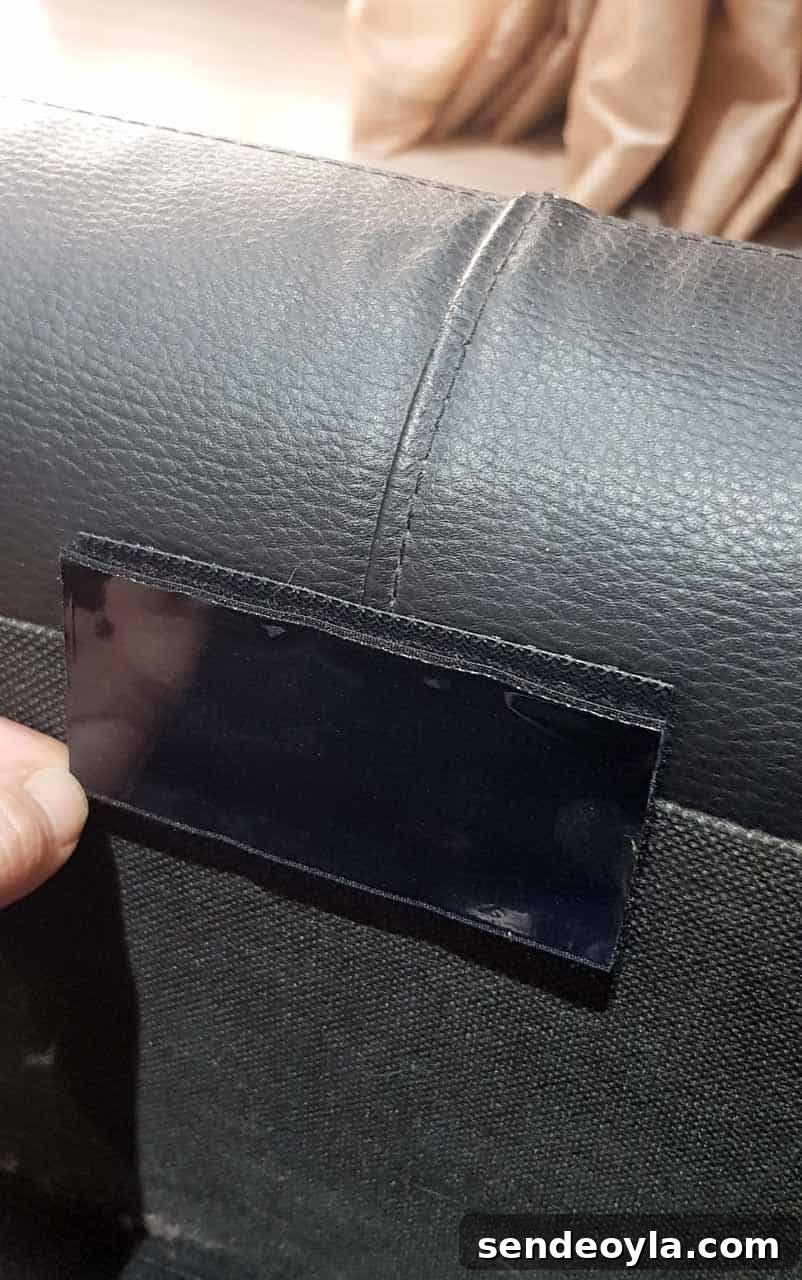
A wider strip or two strips stacked vertically gives greater surface area for the adhesive and the hook-and-loop engagement. If you want a near-permanent solution, heavy-duty Velcro and stitching where possible are the best combination. Otherwise, for a quick and inexpensive improvement, ordinary stick-on Velcro will still reduce most slipping and can be replaced easily if it wears out.
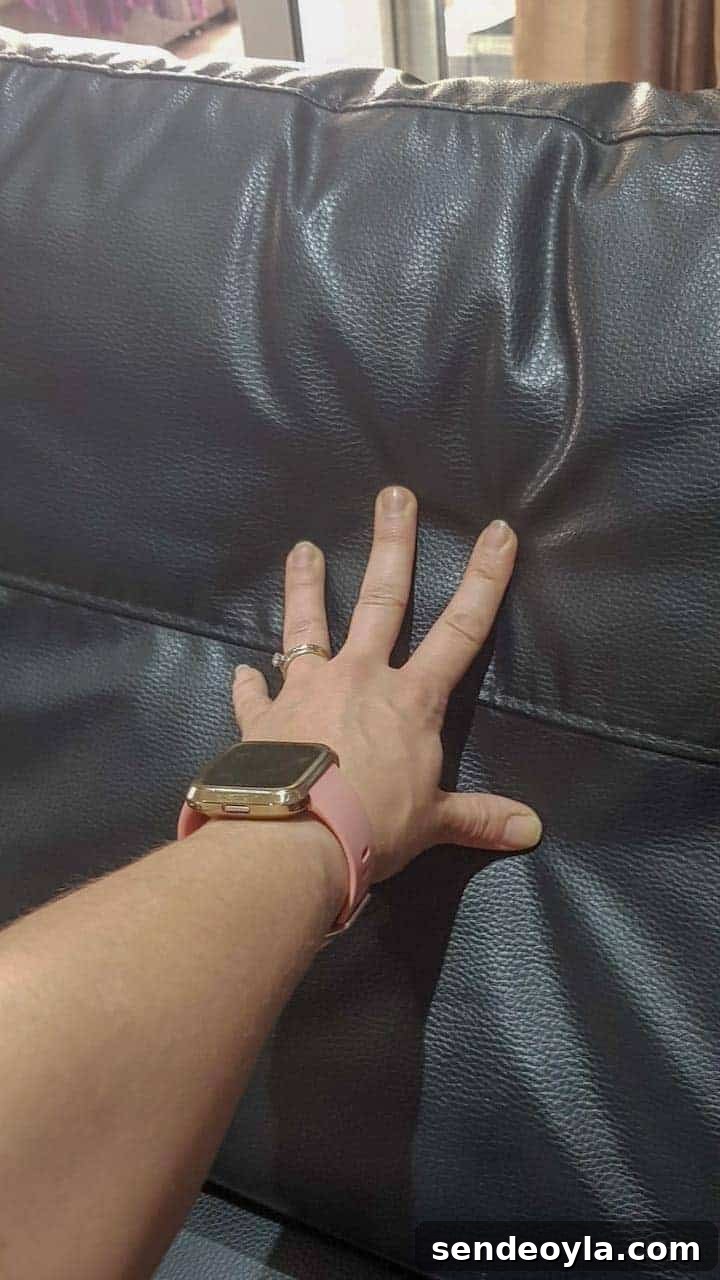
In my experience the heavy-duty tape held the cushions in place far better and felt more secure when I tested moving the cushions around. It’s a low-cost, low-effort modification that makes the sofa much more comfortable to use because the cushions stay where you put them.
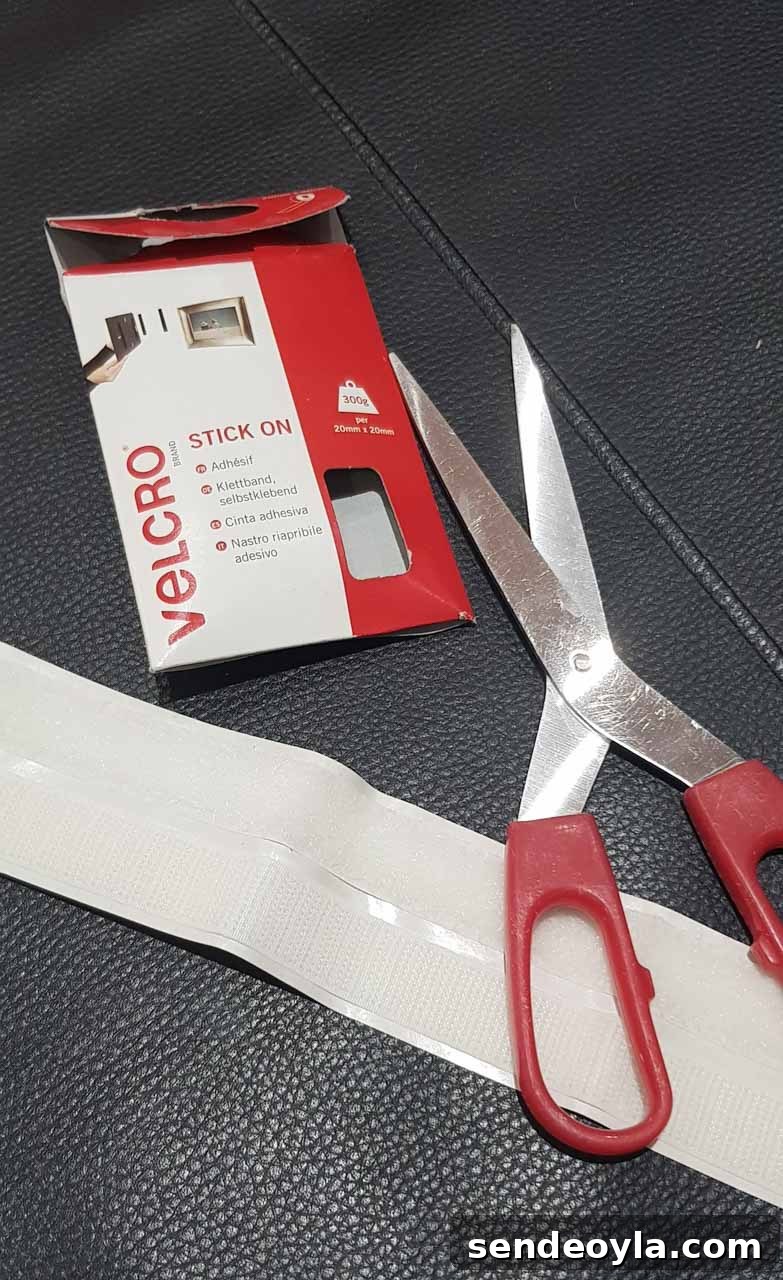
If you try this yourself, consider these tips:
- Clean the surfaces before applying tape so the adhesive bonds well.
- Use wider or continuous strips rather than small patches for improved durability.
- Reinforce with stitches where the fabric allows it; avoid sewing leatherette unless designed for sewing.
- If you need cushions to be removable for washing, use a single strip that’s easy to pull apart rather than permanent stitching.
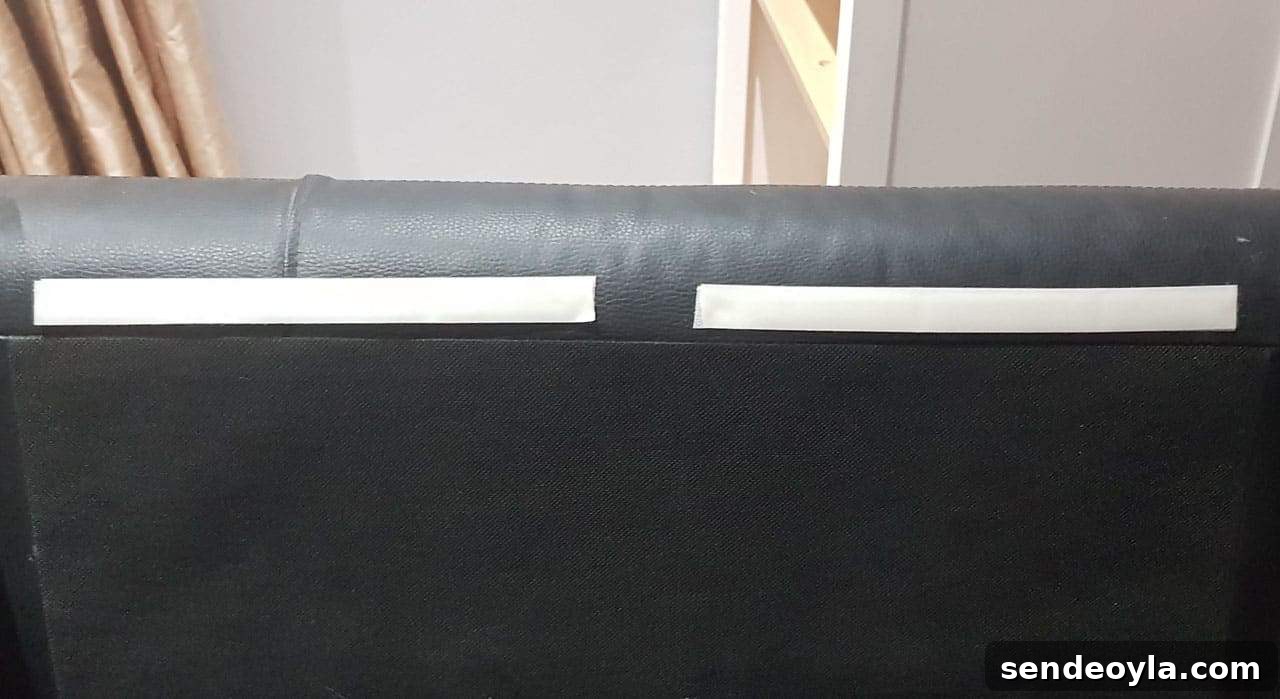
Printable Card

Anti-Slip Sofa Cushions Using Heavy-Duty Velcro Tape
Equipment
- Scissors
Ingredients
- Heavy-duty Velcro tape (cut to width of cushion)
Instructions
- Cut your Velcro tape to the width of your cushion.
- Peel the backing from one sticky side and press it onto the sofa base below the cushion back.
- Attach the matching piece to the back of the cushion so the two parts align and stick together.
- Press the cushion firmly against the sofa-mounted strip and leave to bond. Reinforce with stitching where appropriate.
Pin this Velcro tape hack for later
This is a quick, affordable upgrade that makes a noticeable difference on slippery covers like the Friheten’s leatherette. For a permanent-feeling solution, choose heavy-duty Velcro, apply wider or continuous strips, and add stitches where the fabric allows. For an easy temporary fix, an ordinary stick-on Velcro strip will still help keep cushions in place and improve everyday comfort.