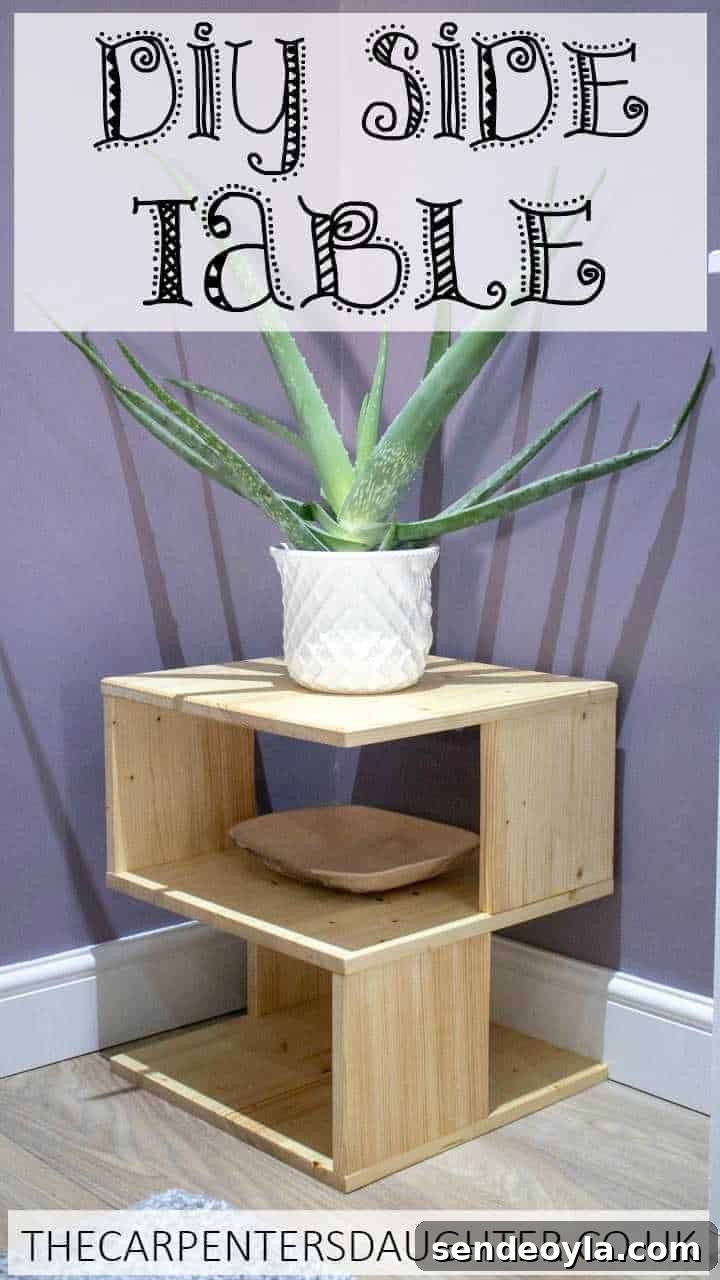
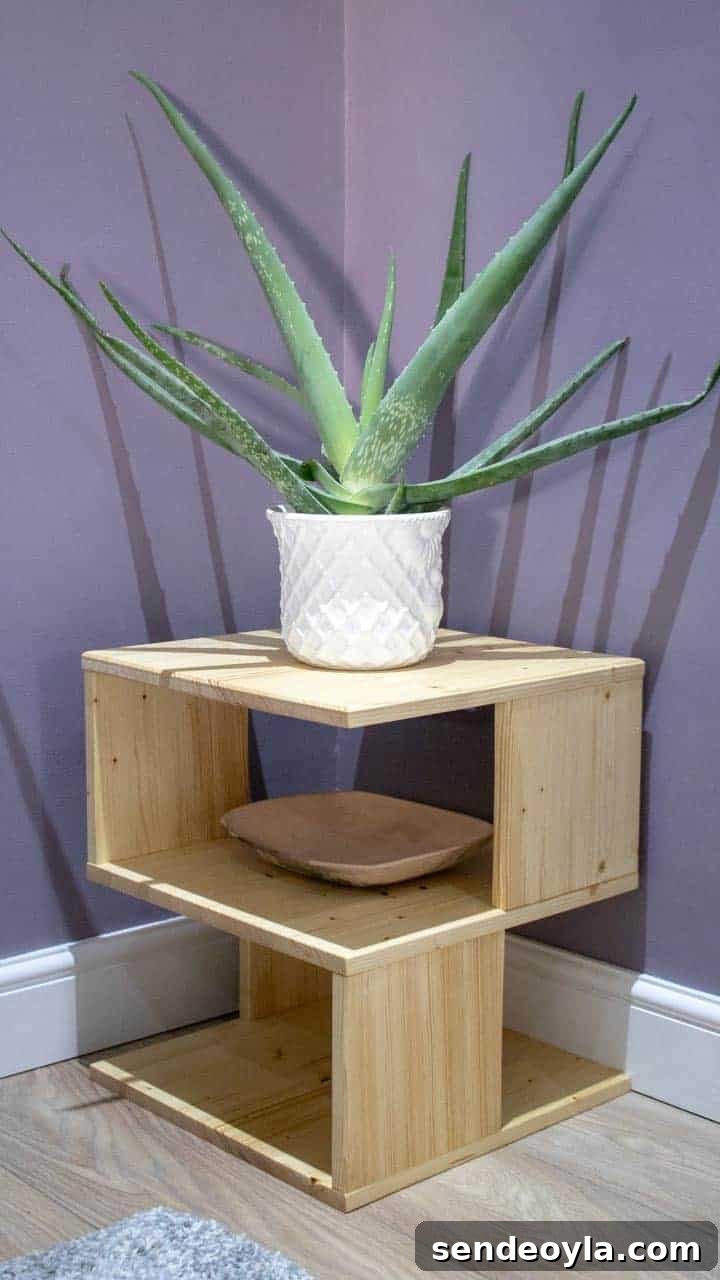
Here’s how to make an easy S-shaped unusual side table in an afternoon using biscuit-joined pine. If you don’t have a biscuit jointer, dowels or hidden L-brackets under each shelf will work too.
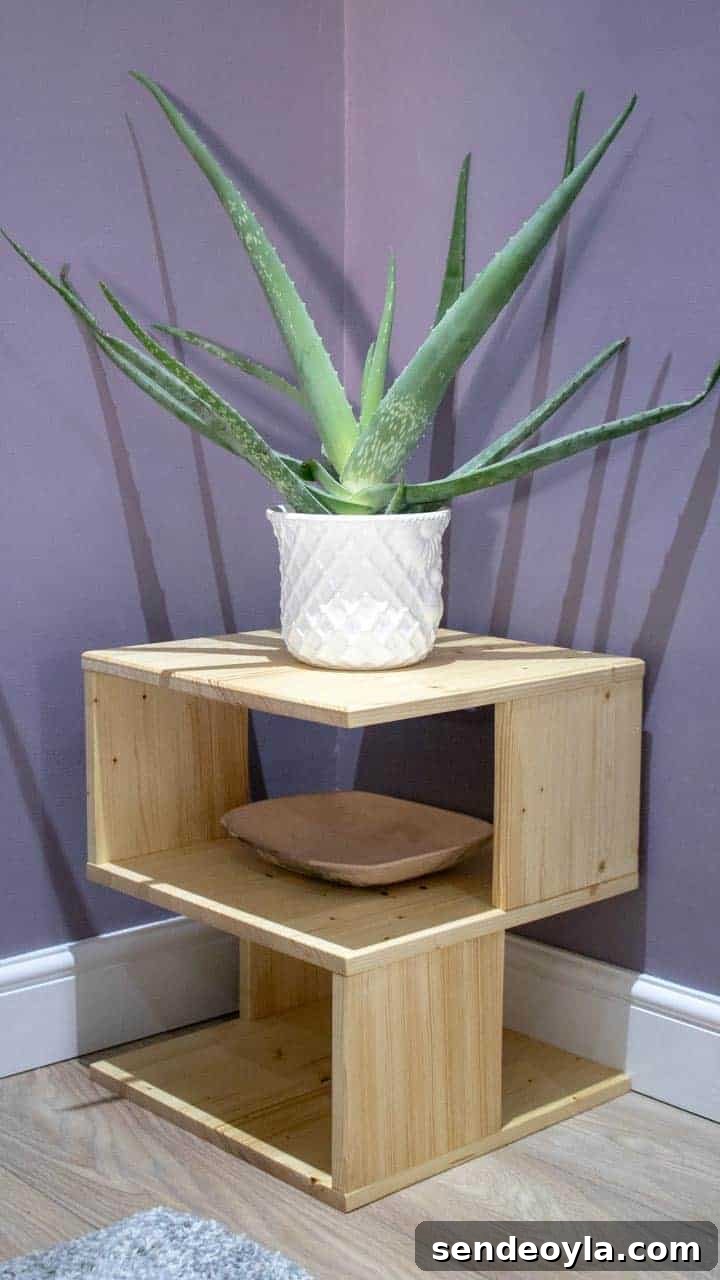
I built this S-shaped side table in a single afternoon and was delighted with the result. The S profile looks delicate but, when assembled with biscuits and glue, the structure is sturdy enough for plants, books and everyday use. The layout is simple and the cutting list is straightforward — you can even cut the parts with a handsaw and then clamp and sand them to match.
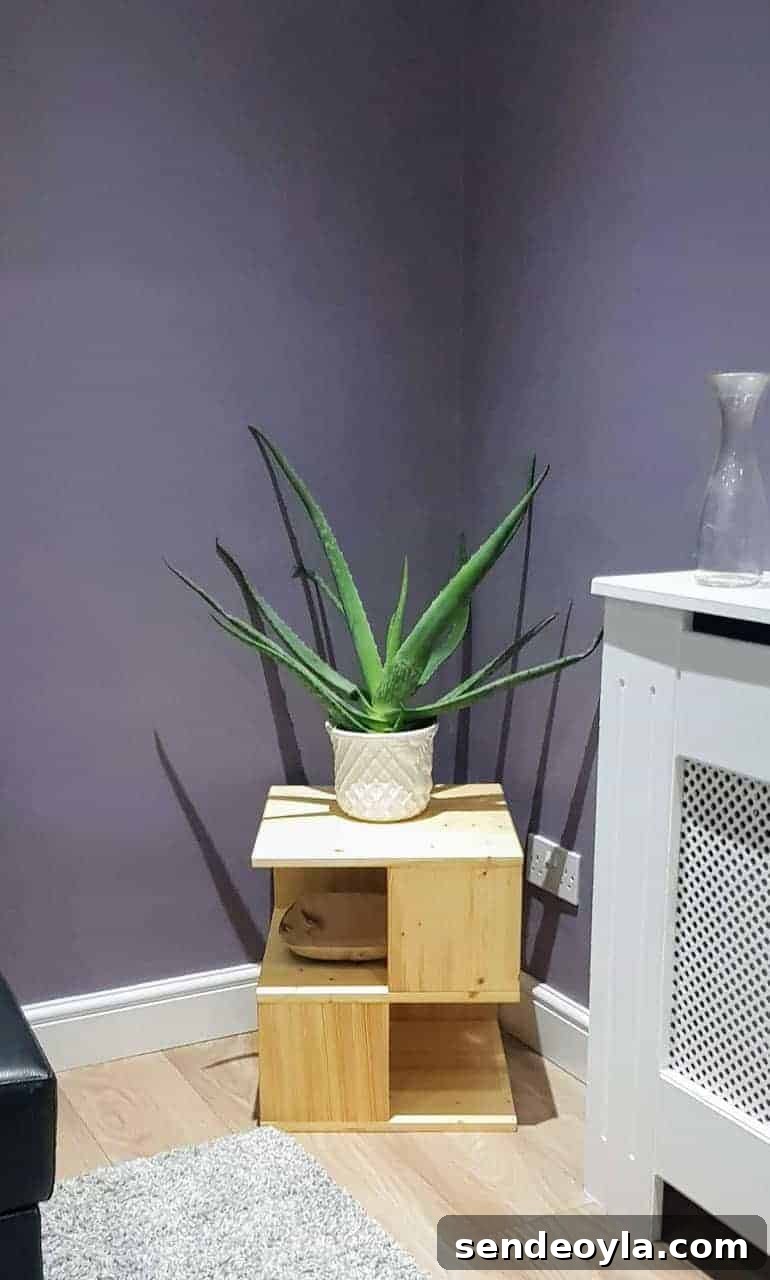
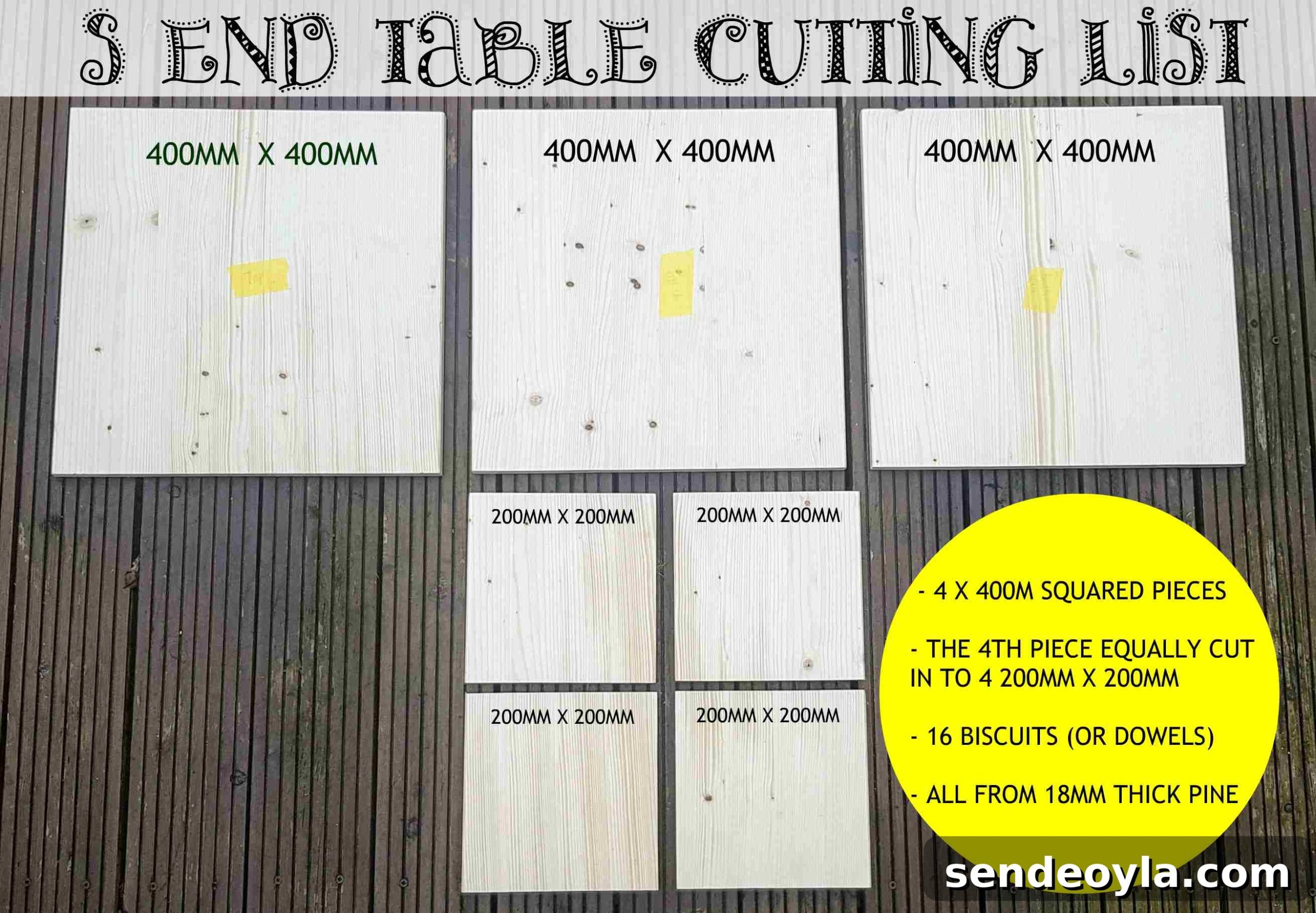
Materials are minimal: four panels sized 400mm x 400mm, plus one panel cut into four 200mm x 200mm squares for the corner supports. I bought a pine board at 400mm wide and a length over 1800mm so I could get all the pieces from a single board and keep a useful offcut for future projects.
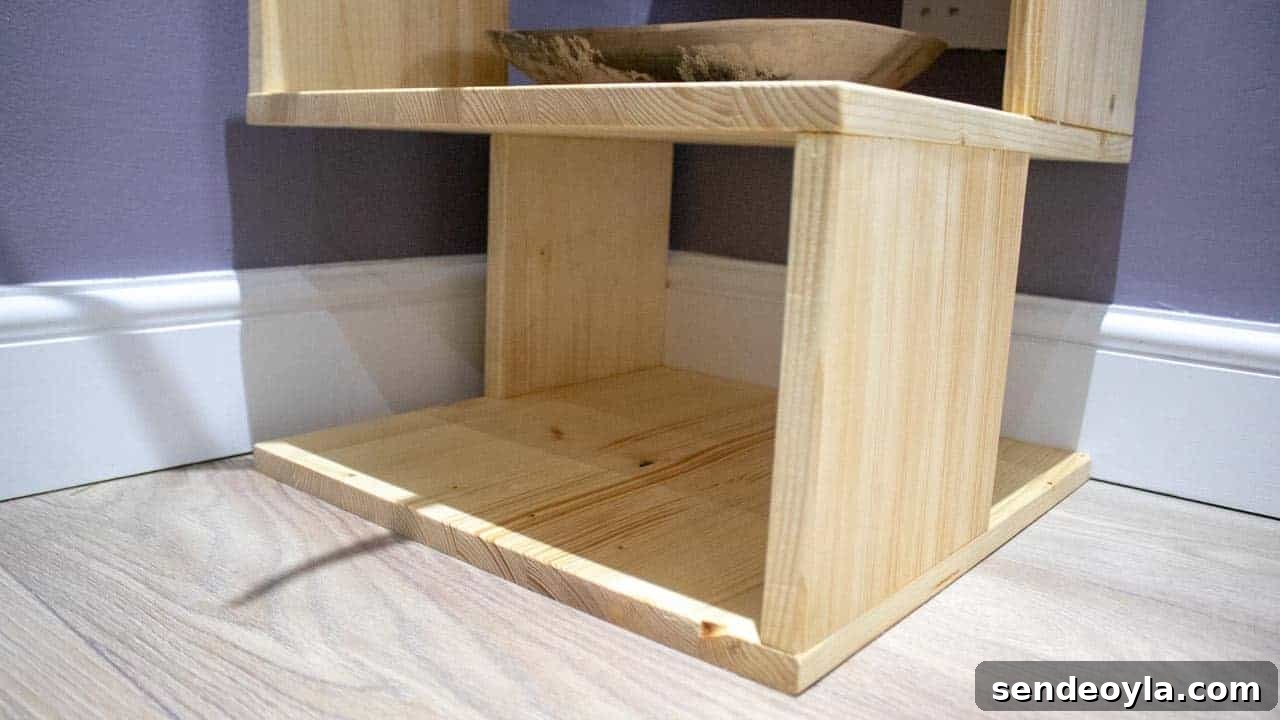
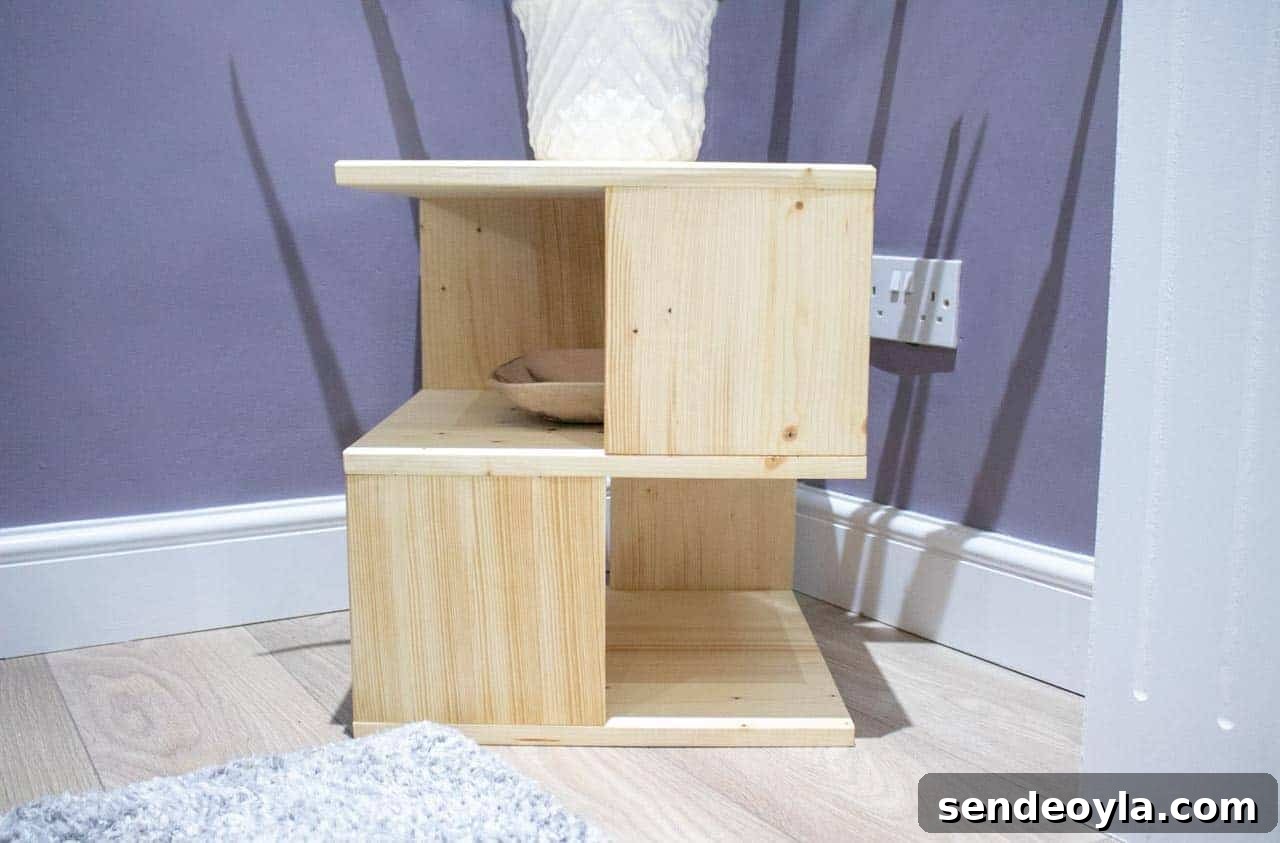
The smaller 200mm square pieces are positioned in opposite corners of each shelf to create the stacked S effect. The offset corners make three distinct display options: a flat S against the wall, a twisted offset for a sculptural look, or a chequered/chess-style arrangement. The joints are made with size 20 biscuits and glue, but dowels or brackets will work if you prefer.
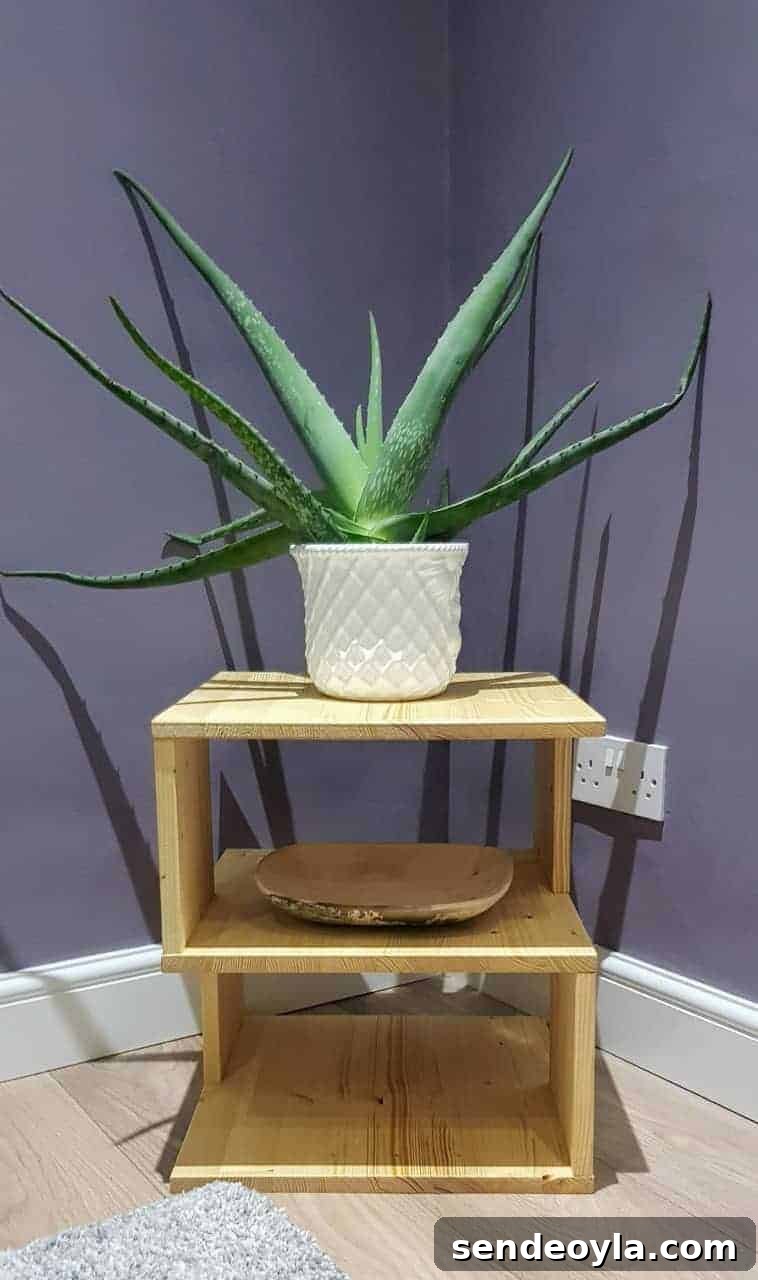
I made this table to raise a plant off the floor and provide a little extra storage in a small living room, but it would also work well as a bedside table, a pair of bedside tables, a small coffee table or a printer stand. Hairpin legs would be a stylish addition if you want to lift it off the ground.
What You’ll Need to Make This S-Shaped Unusual Side Table
- One sheet of pine that will yield four 400mm x 400mm panels
- Saw (hand saw, circular saw or table saw)
- Biscuit jointer (size 20) — or dowel pins / hidden L-brackets
- 16 biscuits (size 20)
- Titebond II wood glue (or equivalent)
- 4 clamps
- Sander (orbital recommended)
- Router and 45-degree chamfer bit (optional, for finished edges)
- Danish oil or finish of your choice and a lint-free cloth
How to Make an S-Shaped Unusual Side Table
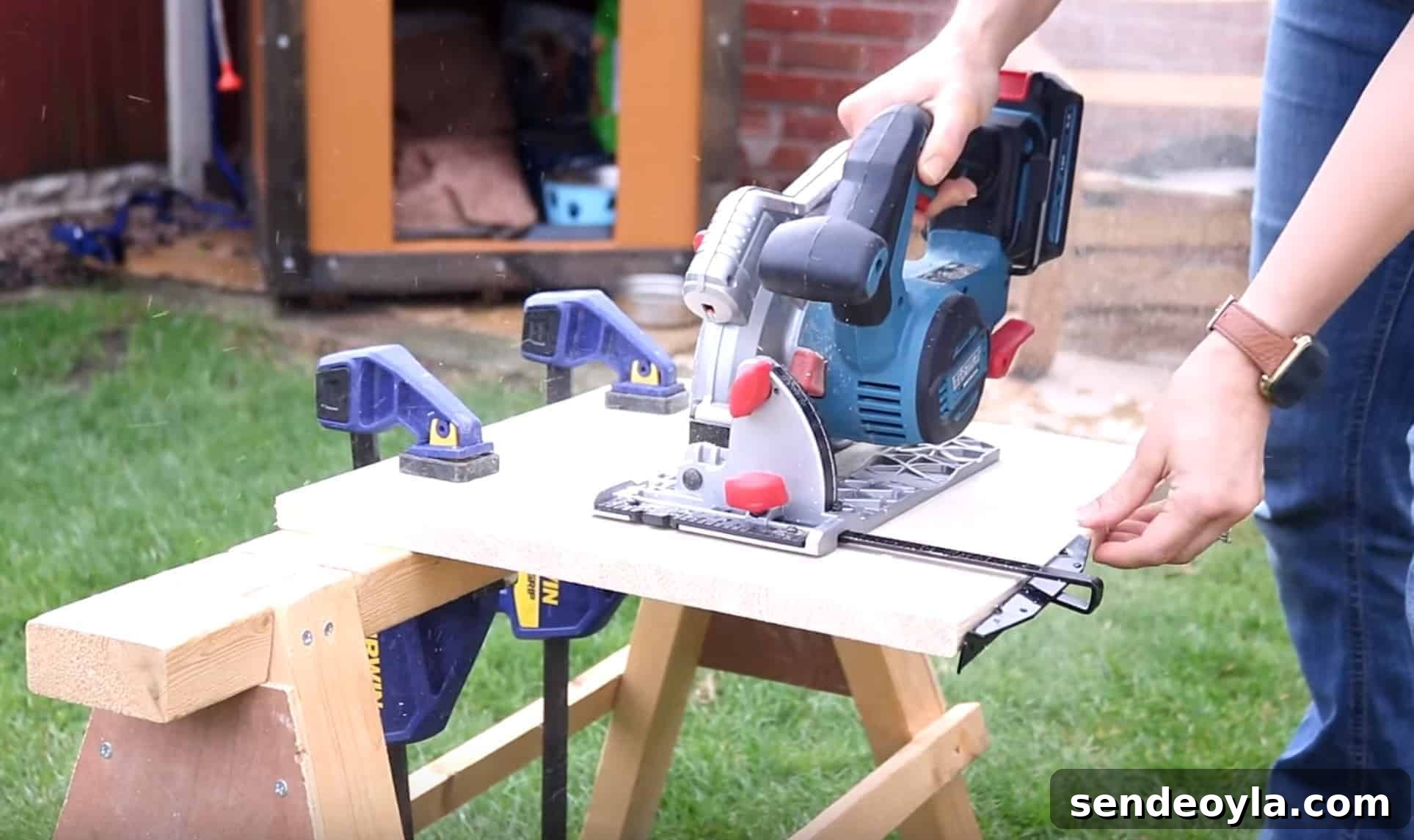
1. Cut your panels: rip the board into four panels at 400mm x 400mm. For the fourth panel, cut it into four equal squares at 200mm x 200mm. I used a circular saw with a straightedge fence clamped to saw horses for accurate cuts.
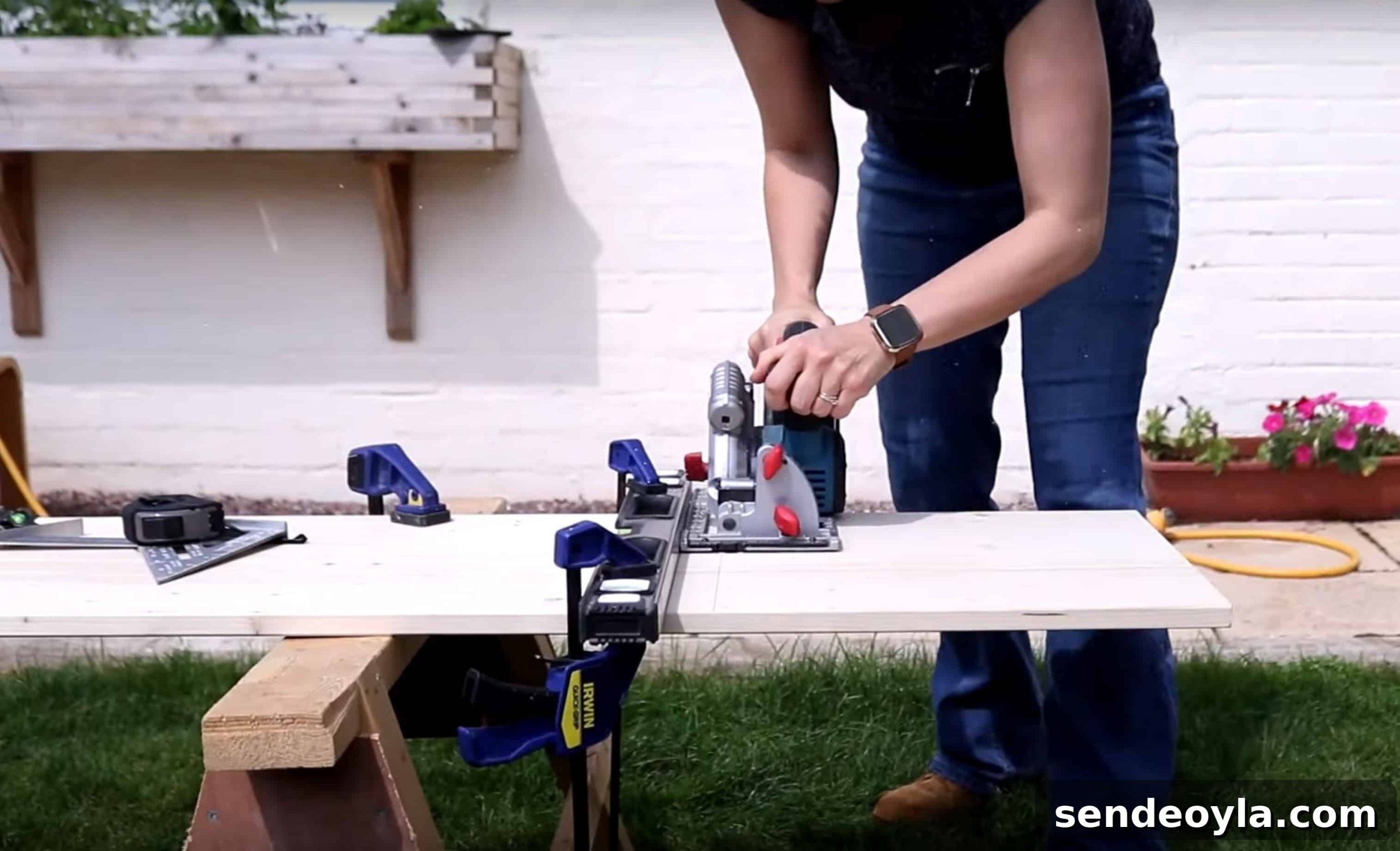
2. Sand and match the pieces: clamp like-sized pieces together and sand edges so all panels align cleanly. If you use a table saw the edges will likely already be square, but sanding helps remove pencil marks and small imperfections.
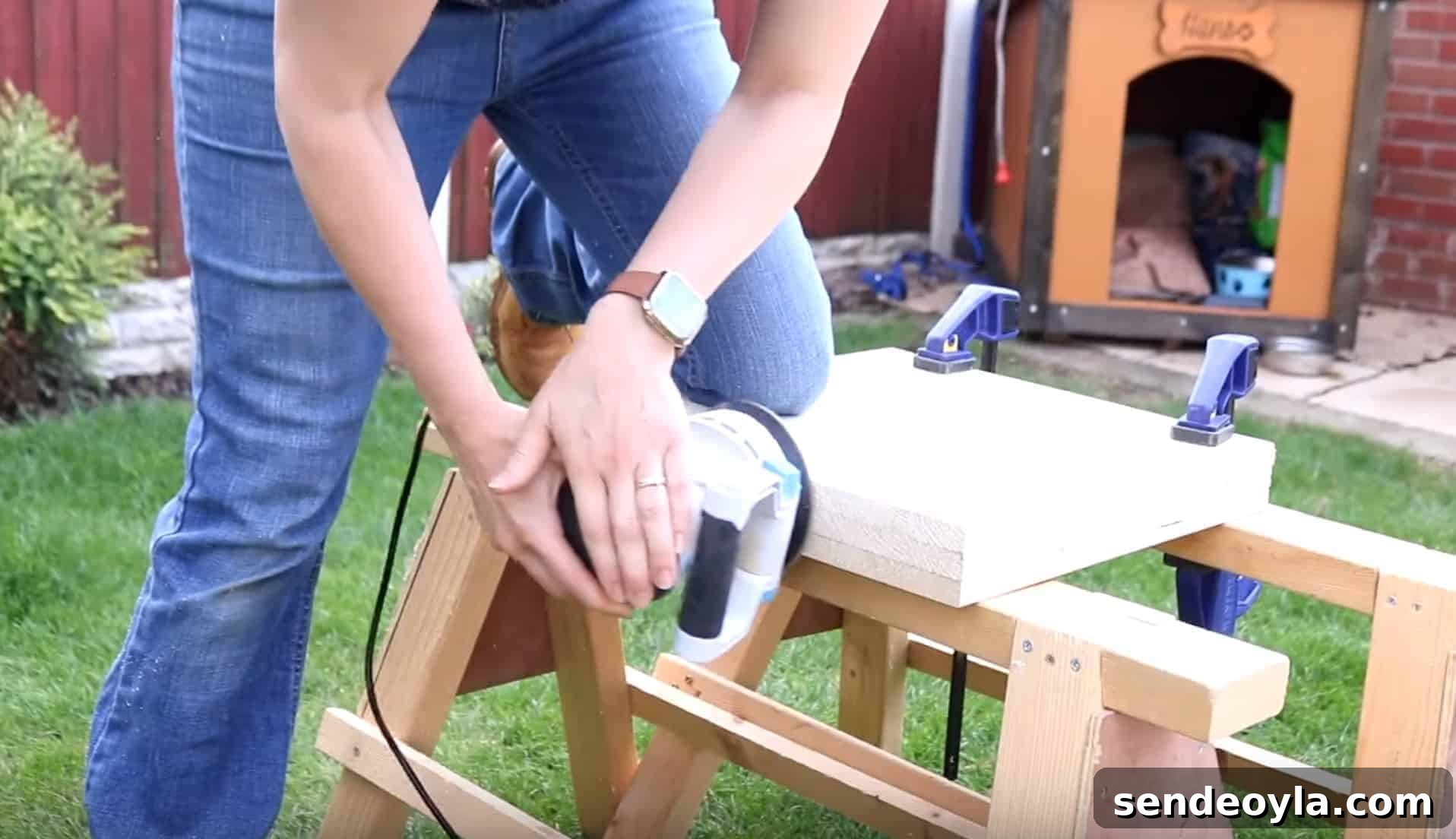
Cutting the Side Panels
3. Prepare the 200mm squares: set your track or fence once and cut the fourth panel into four 200mm squares. Sand these to the same finish as the larger shelves.
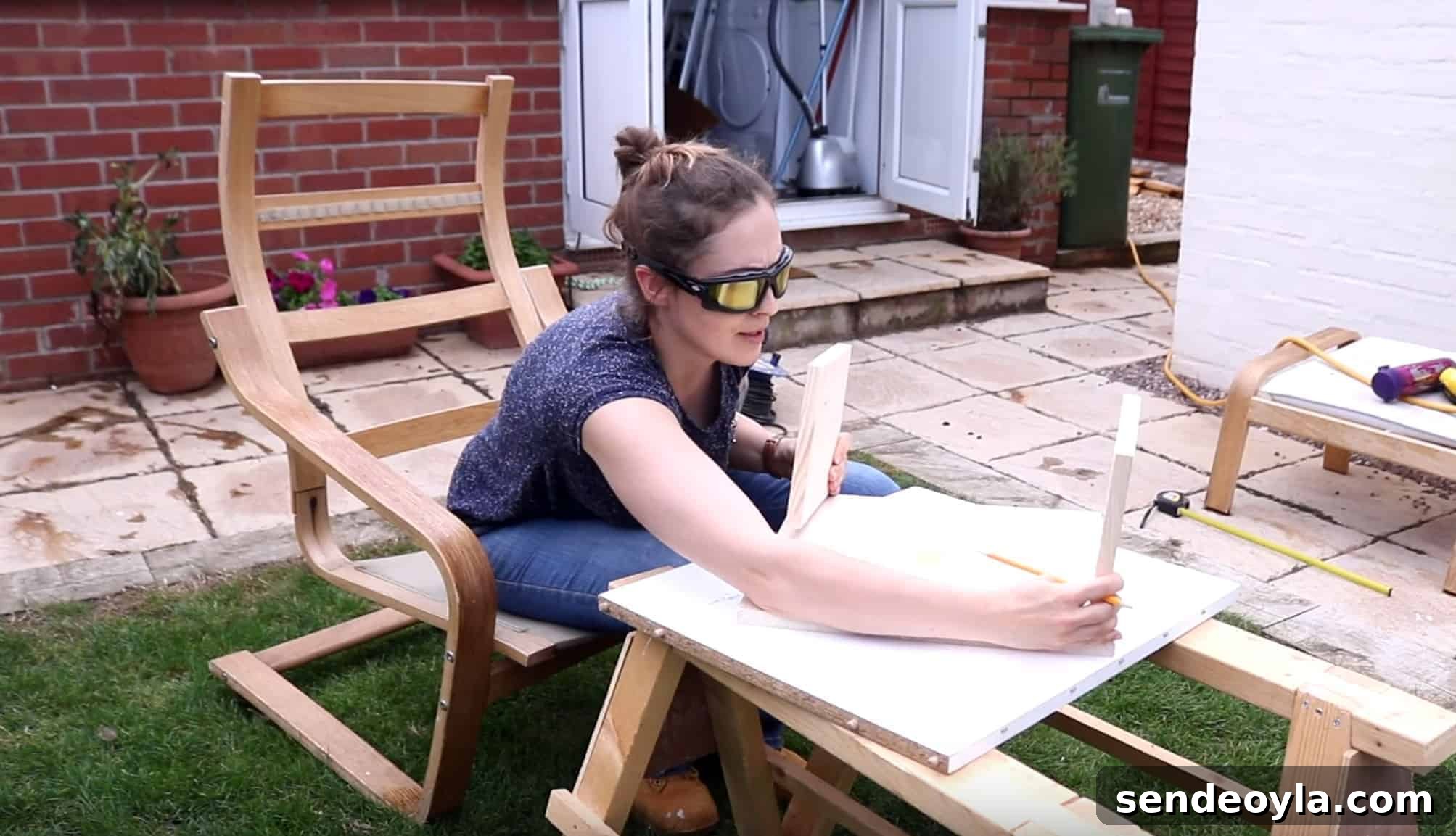
4. Mark biscuit locations: lay a shelf flat and place a 200mm square piece in the opposite corner, diagonally. Mark two pencil lines for size 20 biscuits about 40mm from the outer edges. Use a speed square to extend the lines so they are visible when cutting slots.
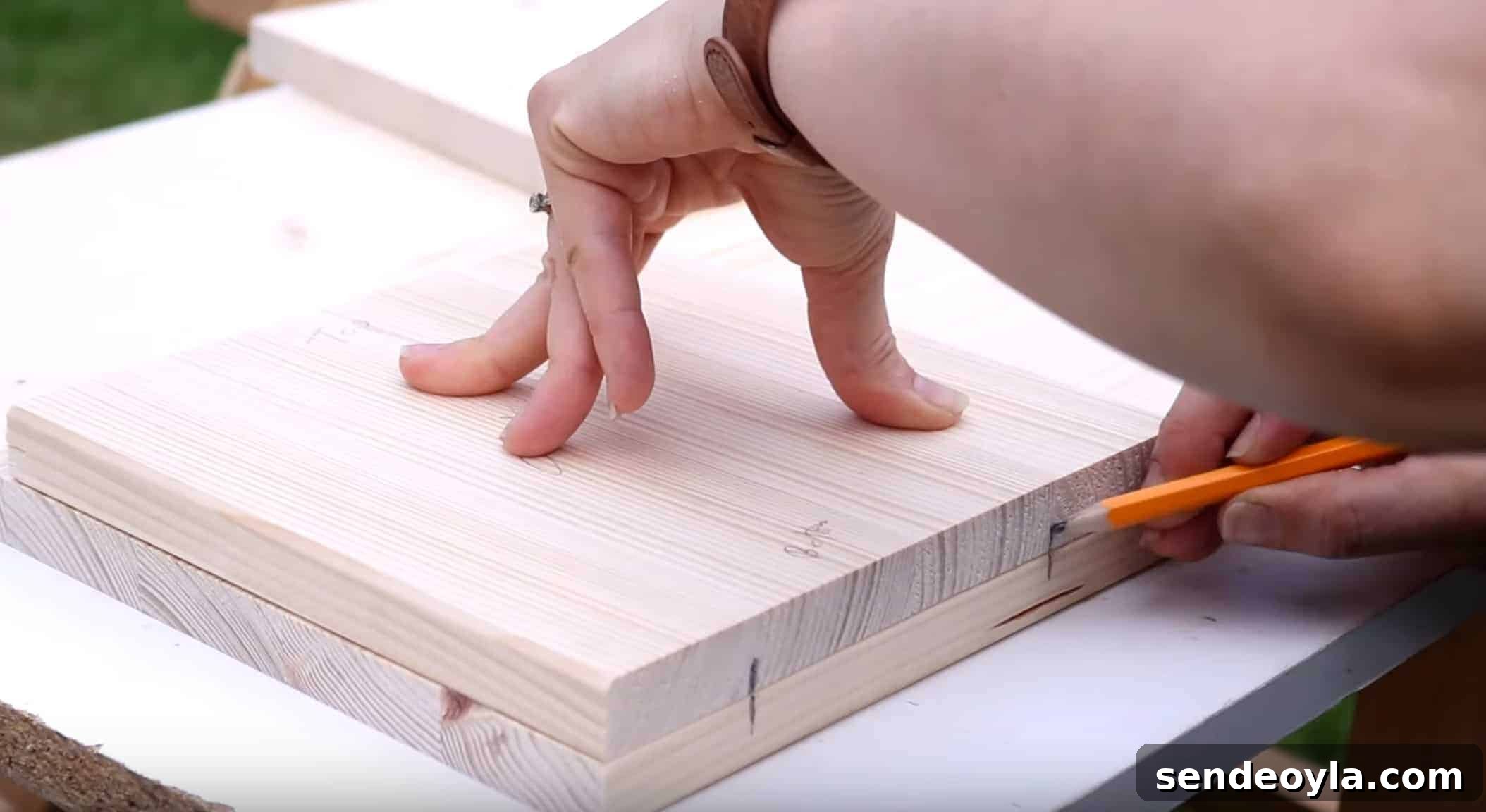
5. Cut biscuit slots: with the biscuit jointer set to size 20, cut downwards at each marked position on both the shelf and the small square pieces. Label matching parts with masking tape and a symbol (e.g., *, +) to make gluing faster and foolproof.
6. Dry fit everything: assemble the lower half with biscuits (no glue) to check alignment. Repeat marking and slotting for the middle shelf so it joins correctly to the upper section of the lower side panels.
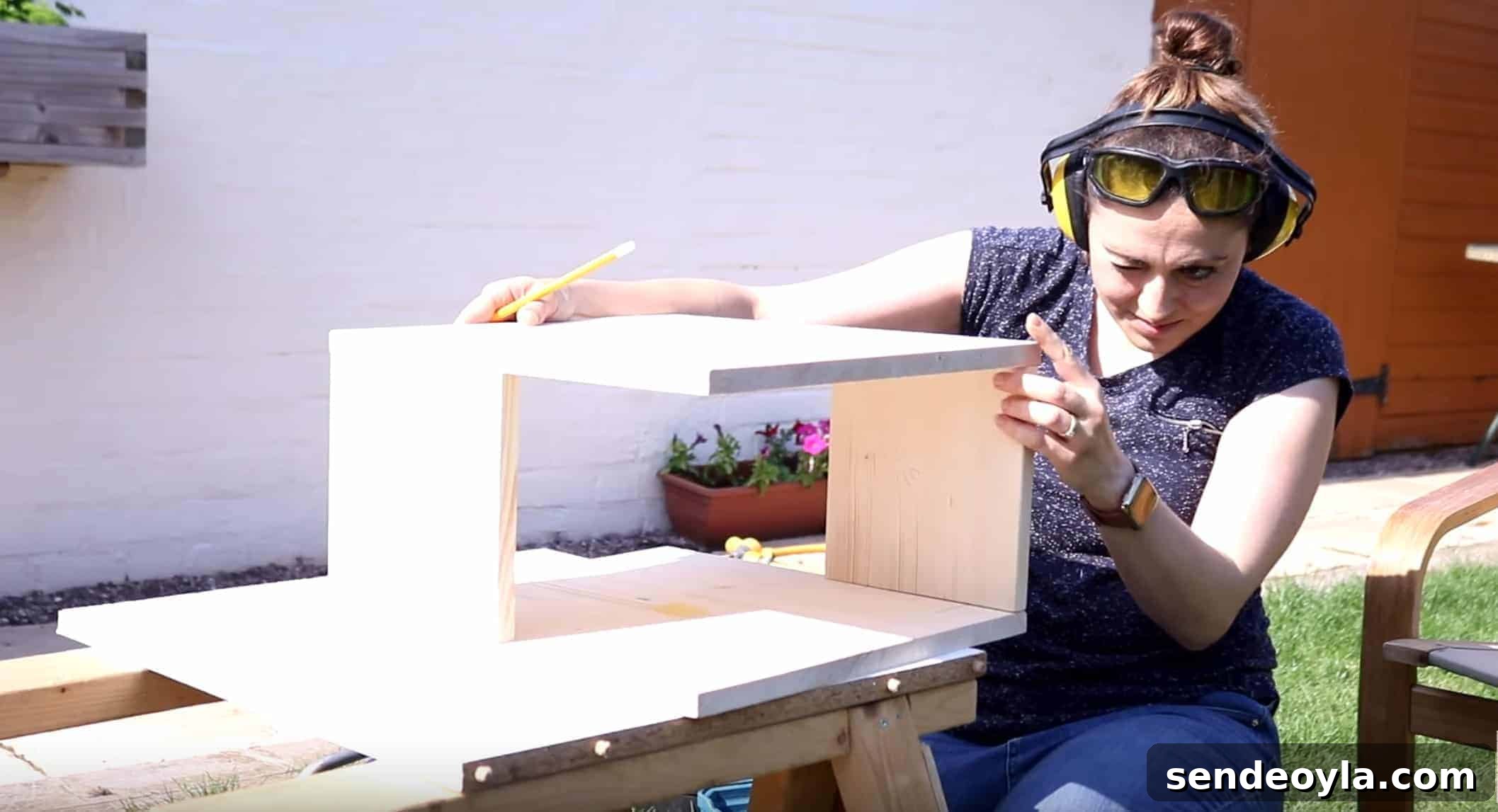
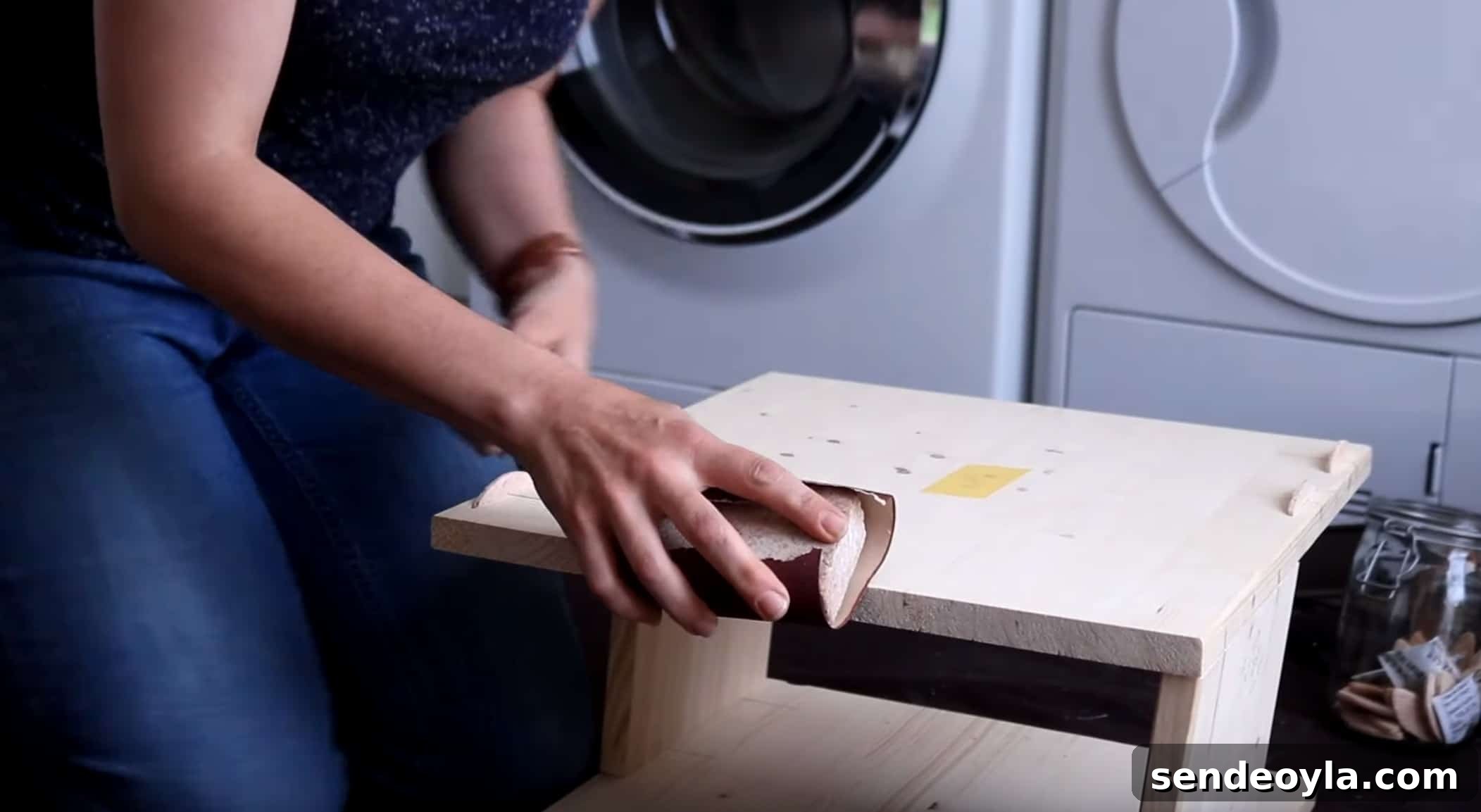
7. Chamfer and final sanding: remove any sharp edges with a sanding block or router chamfer bit. My board already had chamfered edges, but I refined them to make the finished piece look crisp.
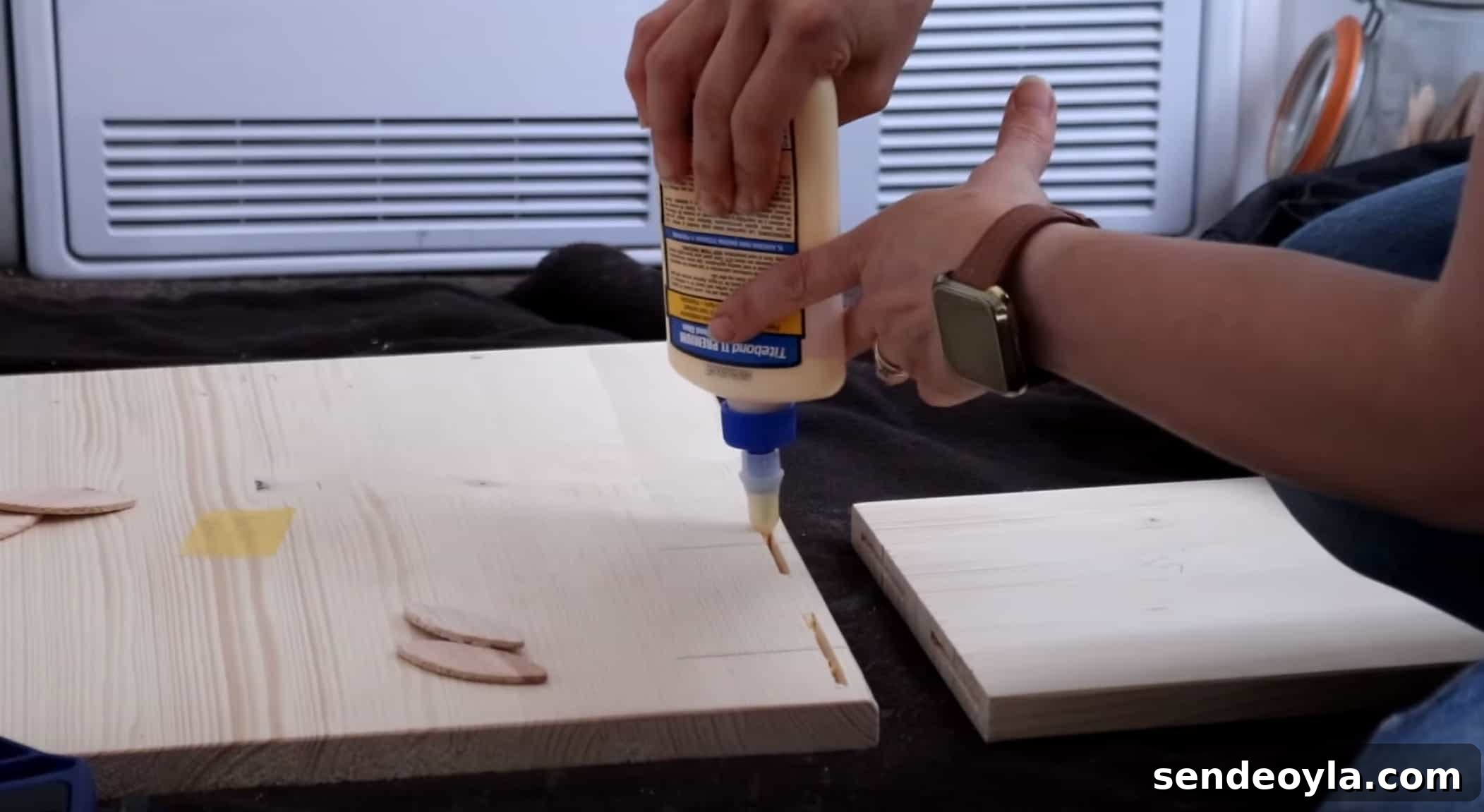
8. Glue-up: place a rag underneath, add glue in the biscuit slots and in the mating faces, insert biscuits and join the bottom half first. Wipe away excess glue, clamp square with a speed square and let the bottom dry overnight. Then glue and clamp the top half; allow several hours (or follow the glue manufacturer’s instructions).
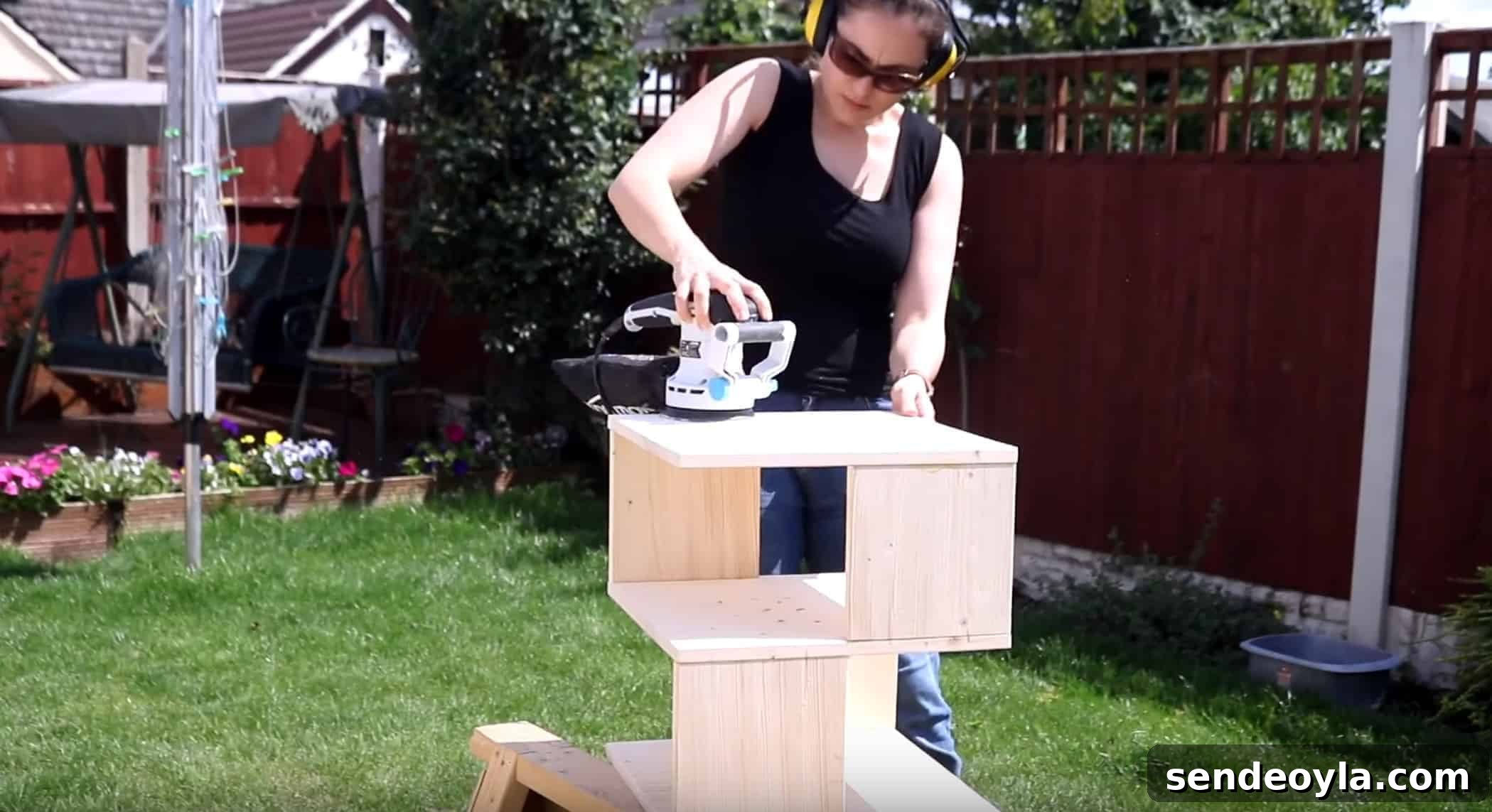
9. Final sanding: after the glue cures, sand the entire piece with 120-grit (or finer) until smooth and remove all pencil marks and dust. Use the router chamfer bit on the top edges for a professional finish if you like.
Finishing the Table
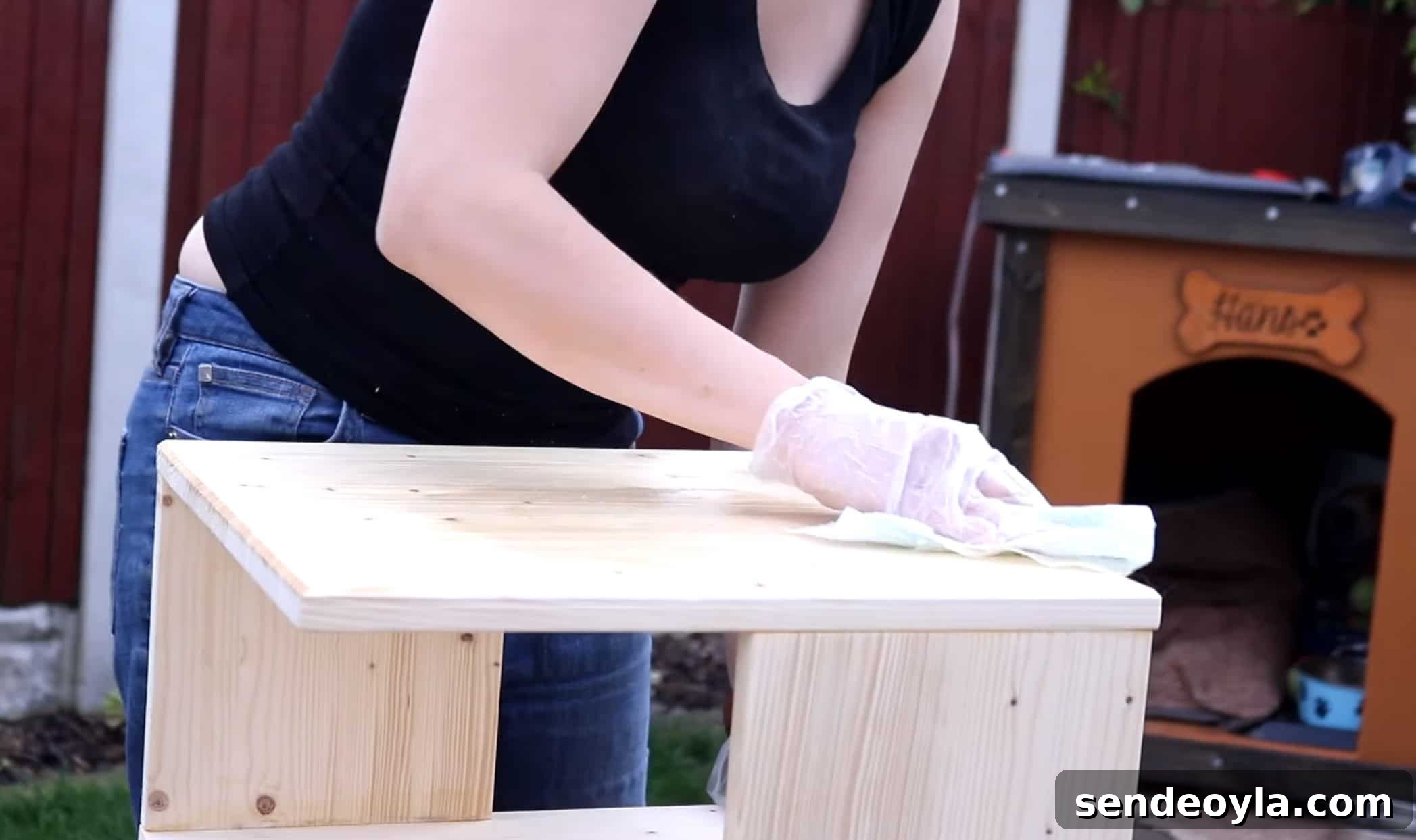
I prefer a natural finish for pine so the knots and grain remain visible. After dusting, apply Danish oil with a lint-free cloth, leave for 20 minutes and wipe off the excess. Wait an hour and apply a second coat; allow the finish to cure according to the manufacturer’s instructions. This gives stain resistance and water protection but is not fully scratch-proof. Alternatives include furniture wax, varnish after a longer cure, or chalk paint if you prefer a painted look.
Equipment and Materials (Summary)
- Saw (hand, circular or table saw)
- Biscuit jointer or dowel jig
- 16 size 20 biscuits (or equivalent dowels)
- Titebond II or similar wood glue
- Sander, router and 45° chamfer bit (optional)
- Danish oil or preferred finish and a lint-free cloth
Instructions (Short Checklist)
- Cut: four 400mm x 400mm panels and four 200mm x 200mm corner squares.
- Sand all edges and match panels.
- Mark and cut biscuit slots on matching corners (size 20).
- Dry-fit, then glue and biscuit the lower half; clamp overnight.
- Glue and clamp the top half and allow to cure.
- Final sand, remove dust, and apply Danish oil (two coats).
You Might Also Like
- 12 Unusual Side Tables
- Easy Pine Wood Coffee Table
- Make a Wooden Suspension Box File for Bookshelf
- 10 DIY Kitchen Accessories Made of Wood
- How to Restore an Oak Table
- Discrete Kitchen/Living Room Recycling Bin Cupboard
- How to Make Radiator Covers
- Easy Faux Marble Desk with Hairpin Legs
- How to Build a Garden Storage Box
- Tips on Designing and Planning a Room Makeover
- How to Fit Coving
- DIY Chevron Pallet Wood Headboard