
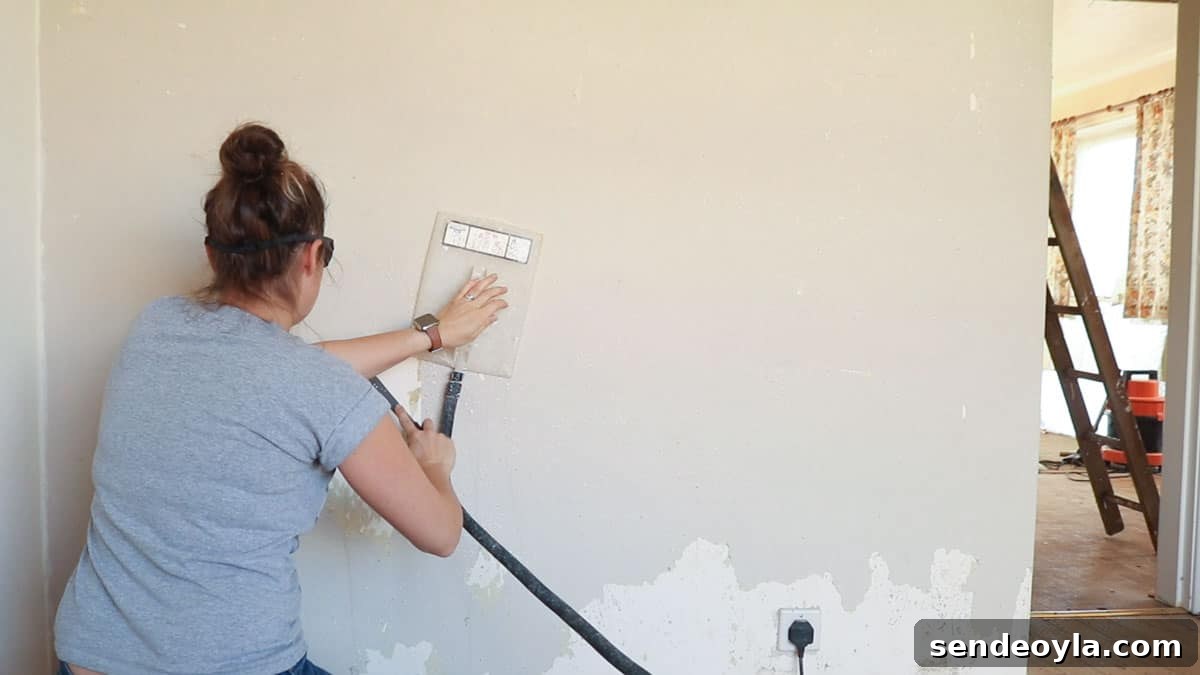
After months of working with a wallpaper stripper, here are my top tips to help you strip wallpaper safely. And what to try if you don’t have a steamer.
Disclaimer: I’m not a professional. Do your own research, but I’ve grown up around people who’ve renovated for decades and I love DIY.
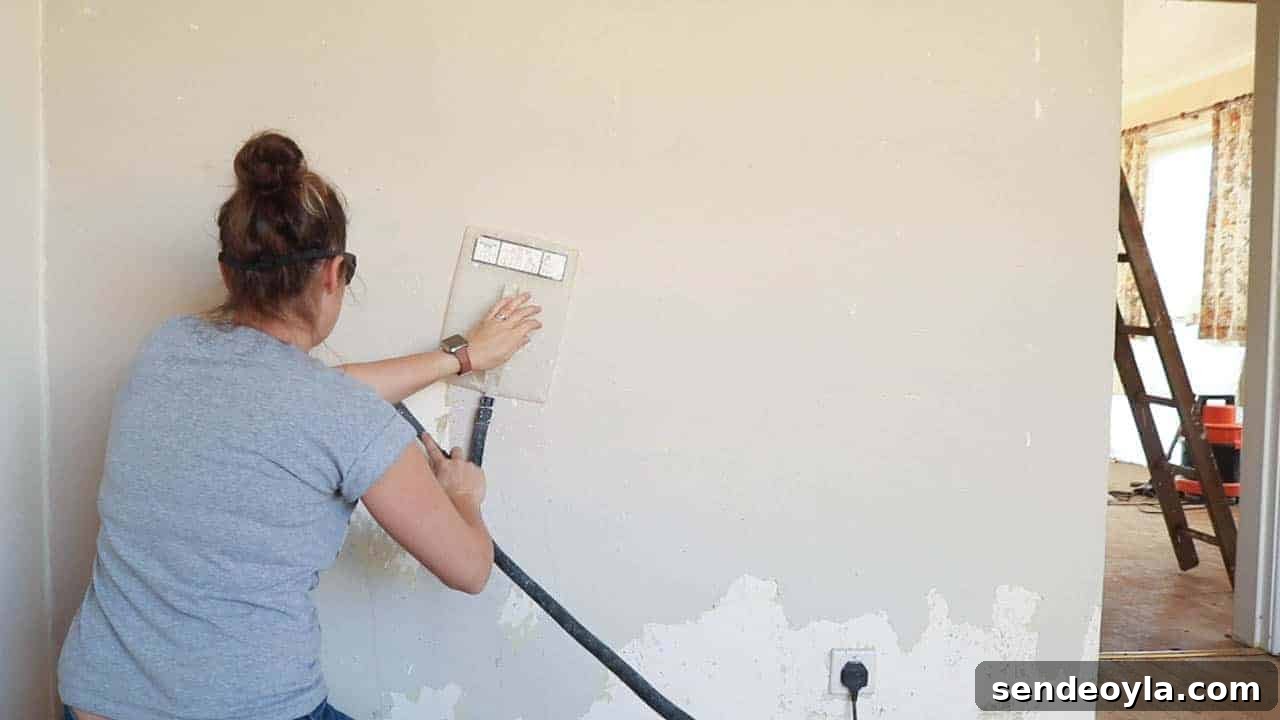
I know it sounds odd, but I genuinely enjoy stripping wallpaper. It can be repetitive and you might get a few blisters from scraping, but put on some music and it becomes almost meditative—especially when a wallpaper steamer is helping do the heavy lifting.
Imagining the finished room keeps me motivated. Wallpaper stripping gives you plenty of time to plan and dream, and those small victories—peeling away an ugly layer—are very satisfying.
My parents always advised tackling one room at a time, and there’s wisdom in that. I didn’t always follow it, and stripping wallpaper throughout much of our house taught me a few lessons about safety, efficiency, and patience. Below are practical tips I picked up along the way.
WHAT IF I DON’T HAVE A WALLPAPER STRIPPER?
Many people reserve a steamer as a last resort because steam can damage plaster if used incorrectly. If you don’t own a steamer, you can still remove wallpaper effectively with homemade solutions after scoring the paper:
- Use a spray bottle filled with water and a few squirts of washing-up liquid and mist the wallpaper.
- Fill a large bucket with the same solution and apply it with a sponge for larger areas.
- Mix warm water with inexpensive washing-up powder (it contains enzymes that help break down adhesive) and apply with a sponge to soak the paper.
I’ve used the spray and bucket methods. Washing-up powder can work well because enzymes help loosen stubborn adhesive, similar to how it cuts through baked-on grease in ovens.
LET THE WALLPAPER STRIPPER TIPS BEGIN
Below are key safety and efficiency tips for using a wallpaper steamer or for tackling wallpaper without one. These methods will help protect plaster, floors, and yourself while saving time.
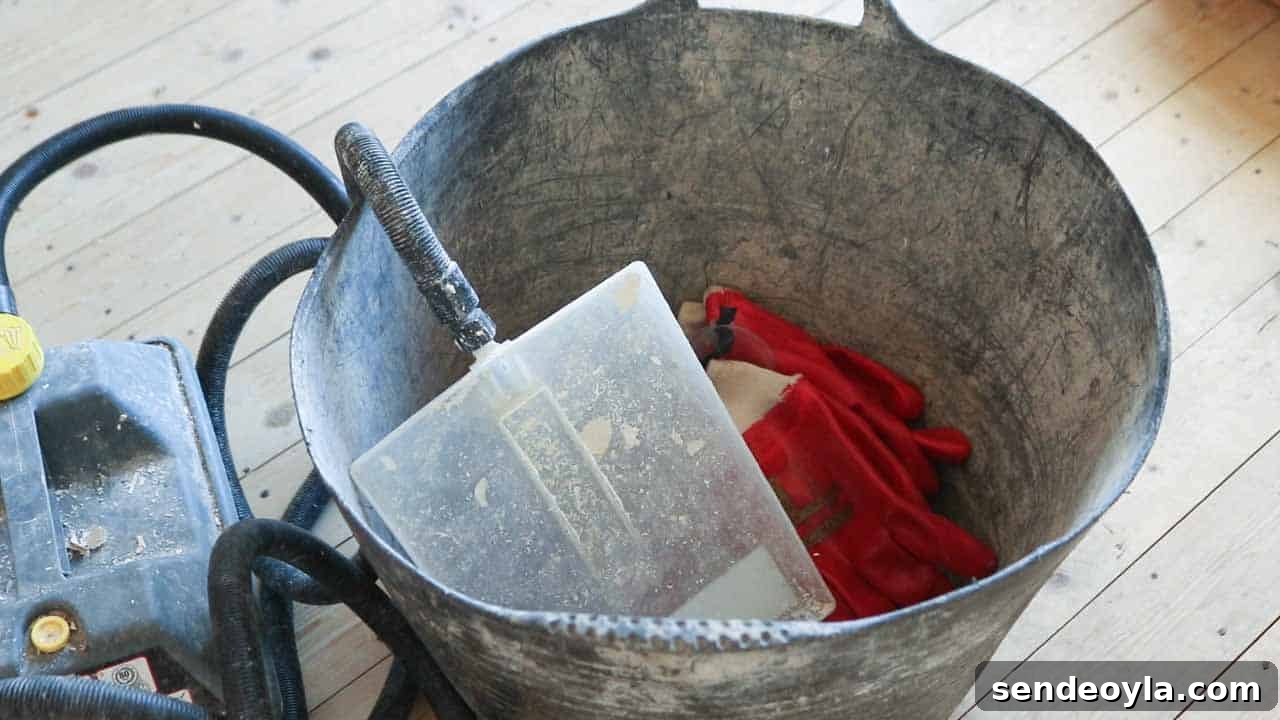
1. ALWAYS PLACE THE HOTPLATE FACING UPWARDS
When using a steamer, keep the hotplate facing upwards. Steam and drips can damage wooden or laminate floors, and you don’t want water to pool under the unit. Containing the steamer in a bucket or on a mat adds stability and helps keep pets and children safe.
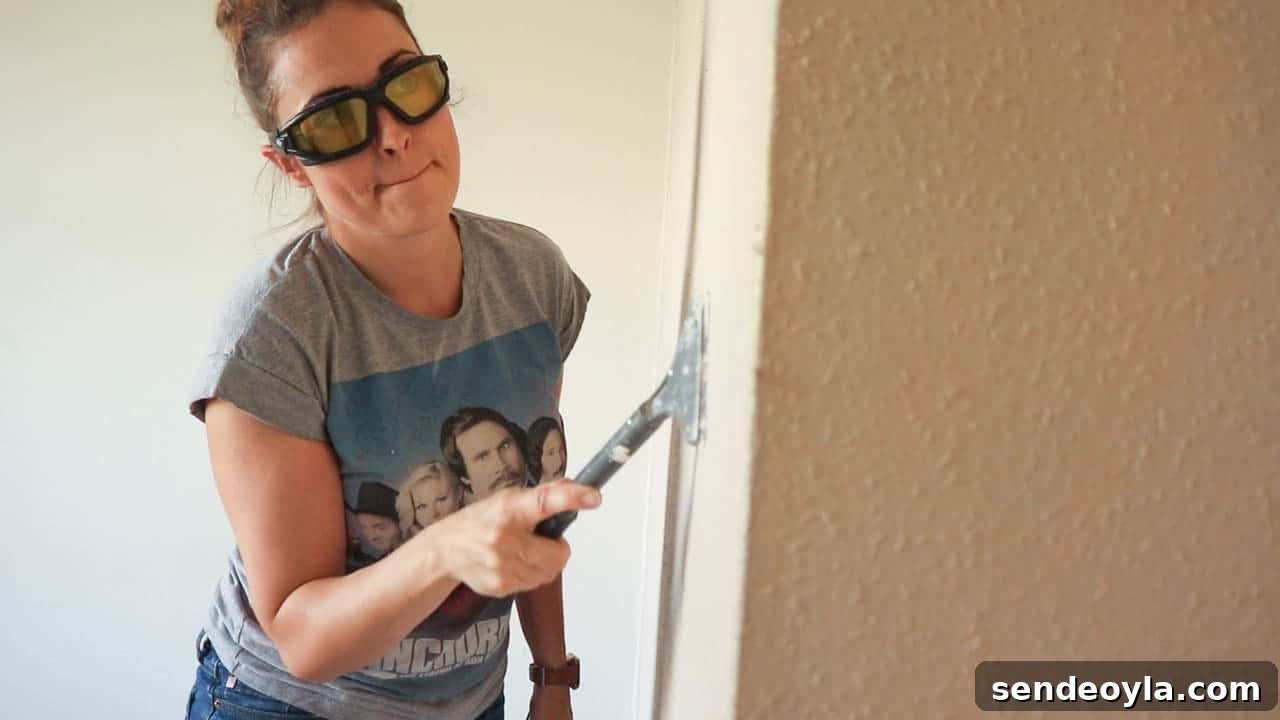
2. SCORE THE PAPER WHILE THE STEAMER HEATS UP
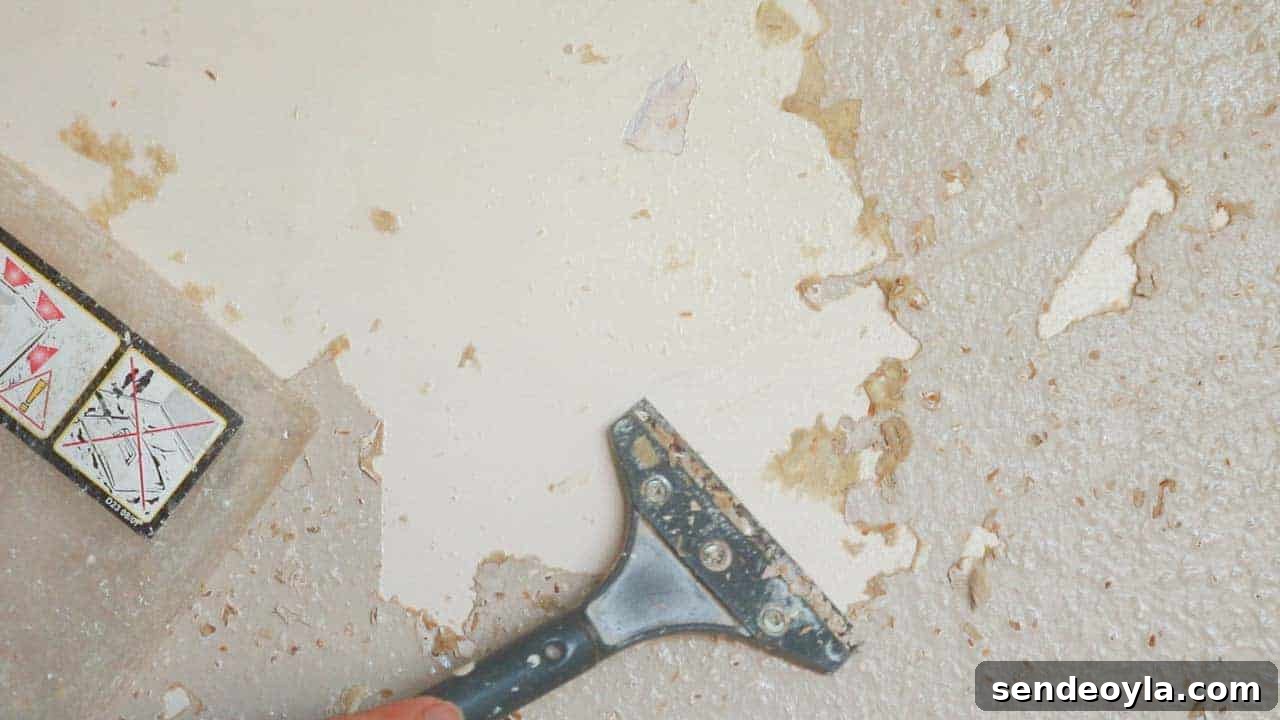
Steamers take 10–20 minutes to heat. Use that time to score the wallpaper lightly with a filling knife so steam can penetrate. Don’t score too deeply or you could mark the plaster; the aim is to perforate the paper so moisture reaches the adhesive and speeds removal, especially with multiple wallpaper layers.
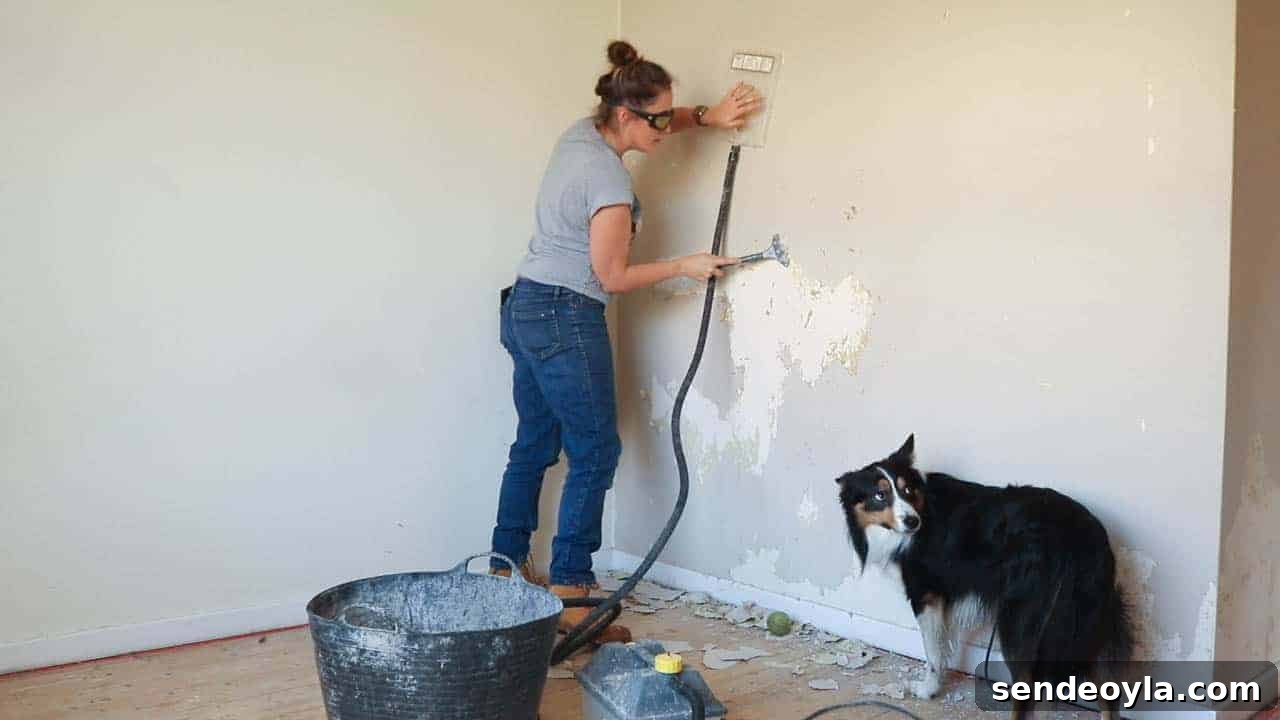
3. PROTECT THE FLOOR — PUT A SHEET DOWN
Wallpaper removal gets messy, particularly with textured or woodchip paper. If you don’t have carpet or you want an easier cleanup, lay down a sheet or dustsheet to catch strips and adhesive. Gathering and binning the sheet afterward will save time and prevent backache from repeated bending.
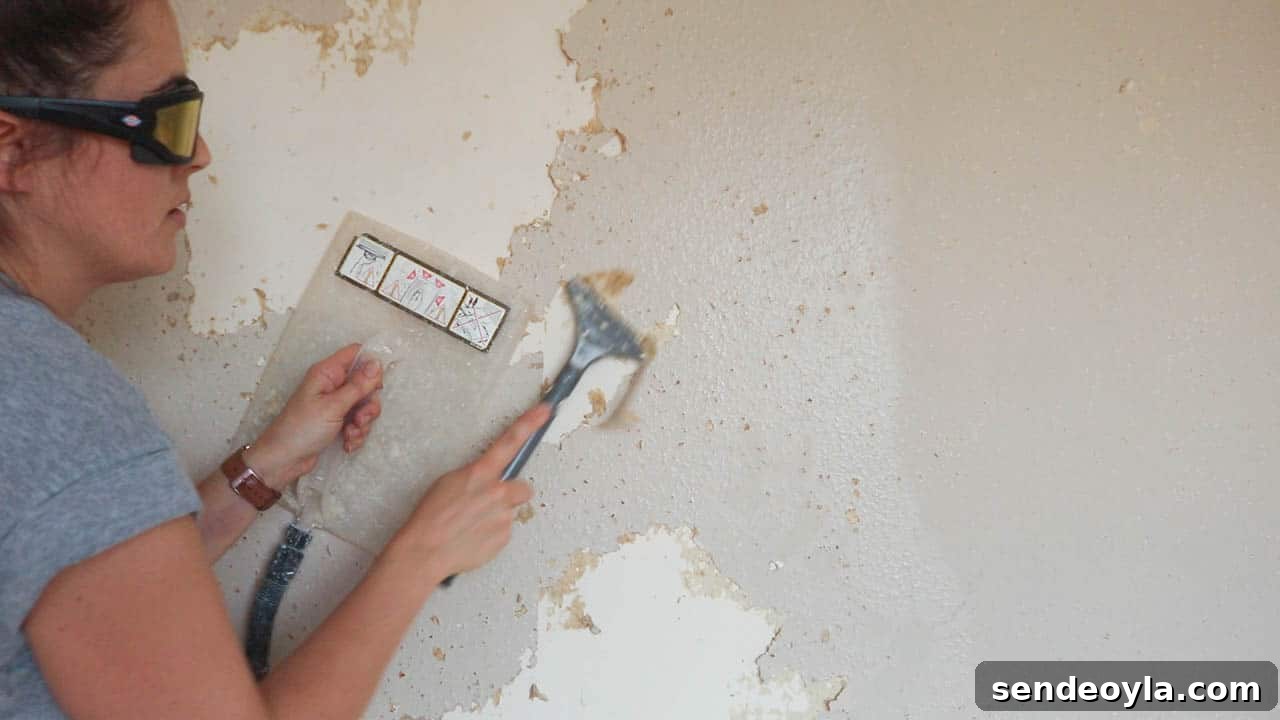
4. DON’T HOLD THE STEAMER IN ONE SPOT
Steam one small area for about 10 seconds, then move on and immediately scrape the steamed section. Working in a trail like this avoids over-saturating the plaster and keeps the process efficient—steam, scrape, repeat—rather than steaming large areas and then scraping later.
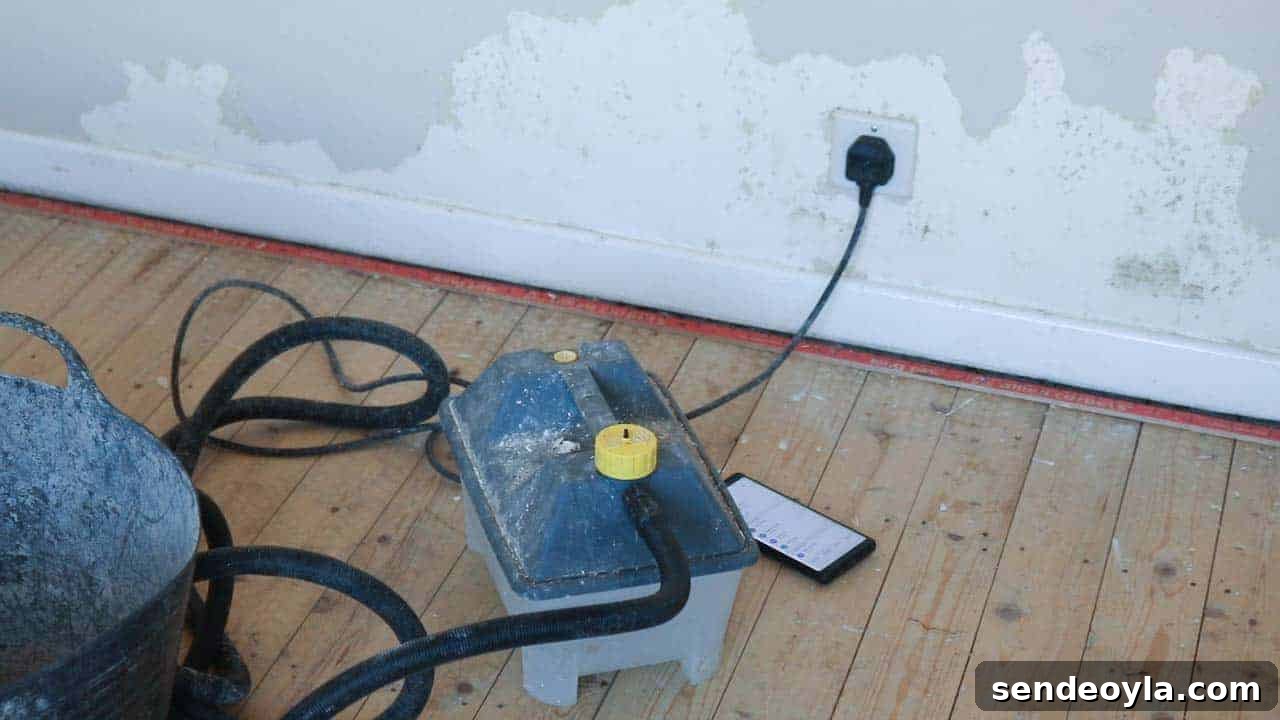
5. BE CAREFUL AROUND ELECTRICS
Steam and water near sockets, switches or ceiling fittings is risky. I once tripped the electrics when steam ran down to a plug. Avoid steaming directly above or around sockets; use a damp cloth and scrape with minimal moisture in those areas to reduce the risk of electrical faults.
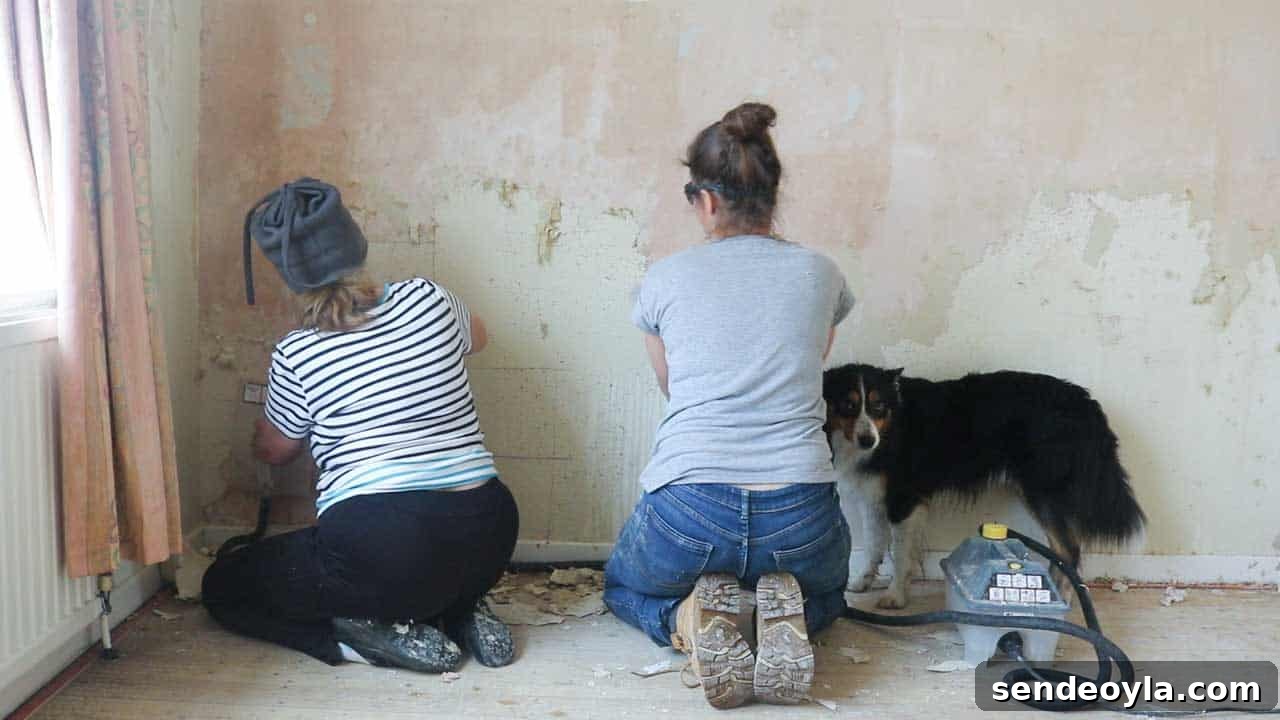
6. ENLIST HELP FOR LARGER JOBS
For larger rooms or extensive areas covered in multiple wallpaper layers, a helper speeds things up. For example, a 4m x 4m room with woodchip paper and textured ceiling took two of us a day when both were using steamers. Shared work makes the job less tiring and more efficient.
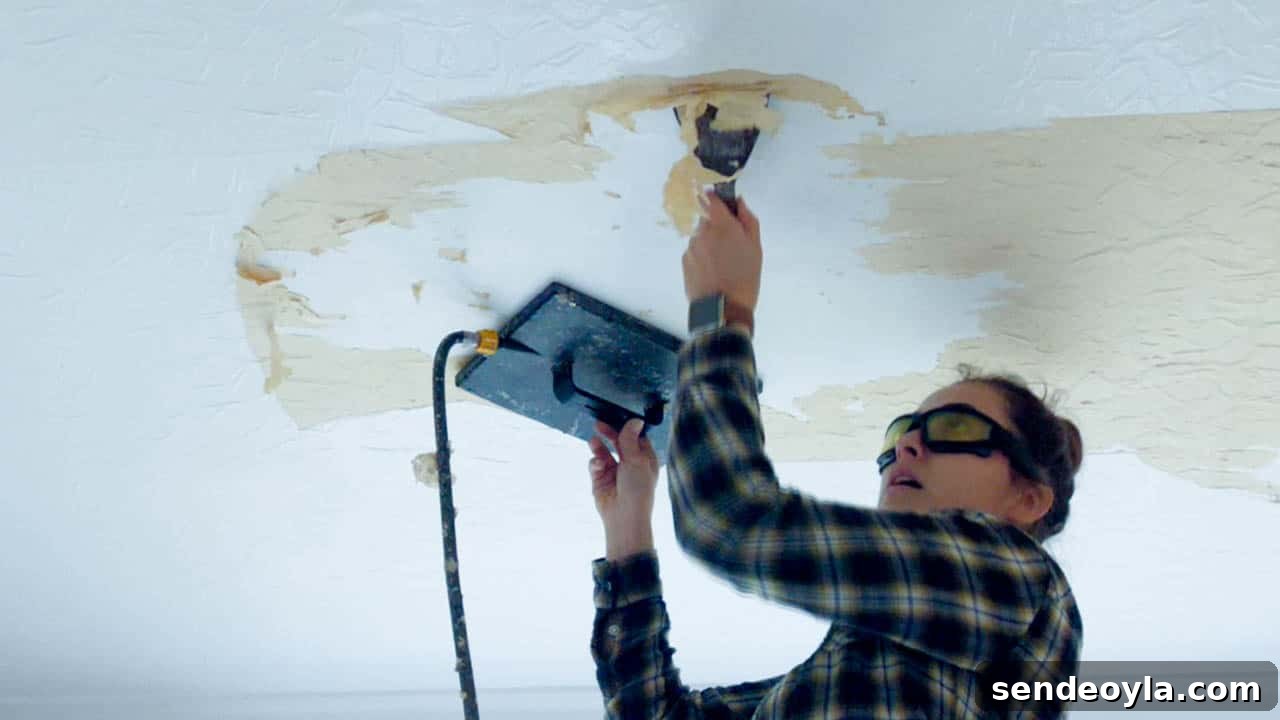
7. WEAR PROTECTION WHEN WORKING ON CEILINGS
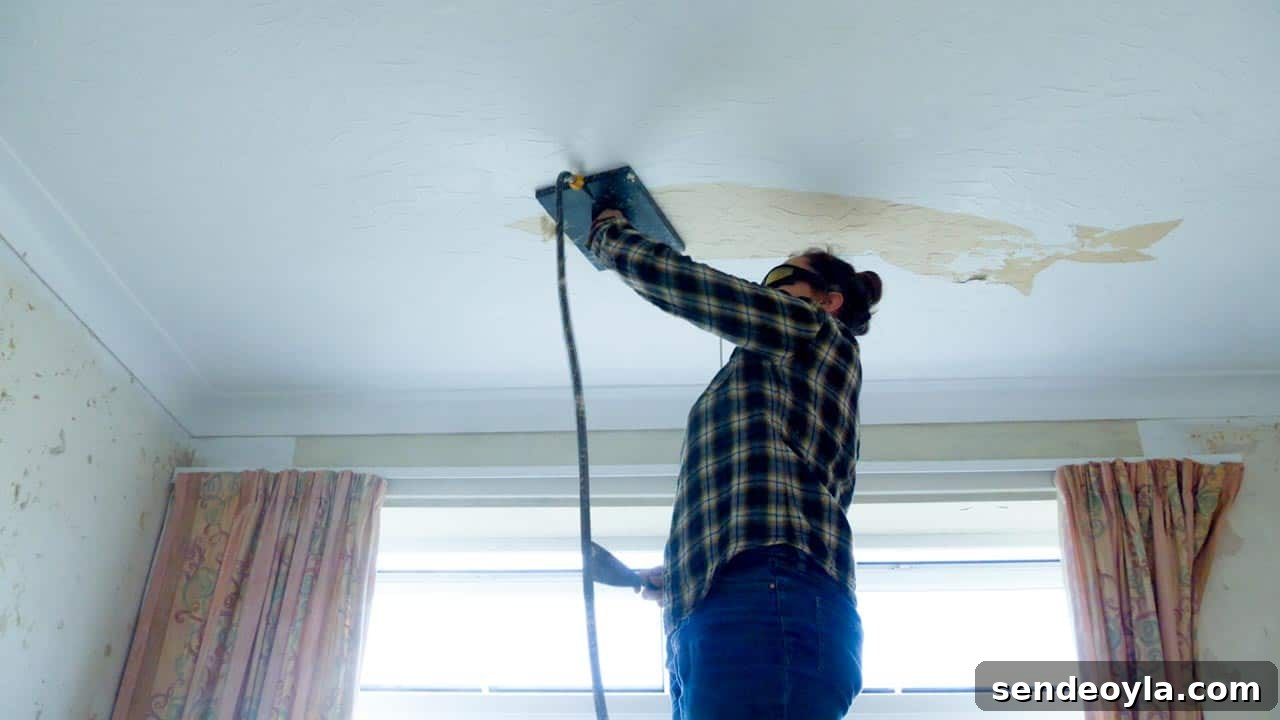
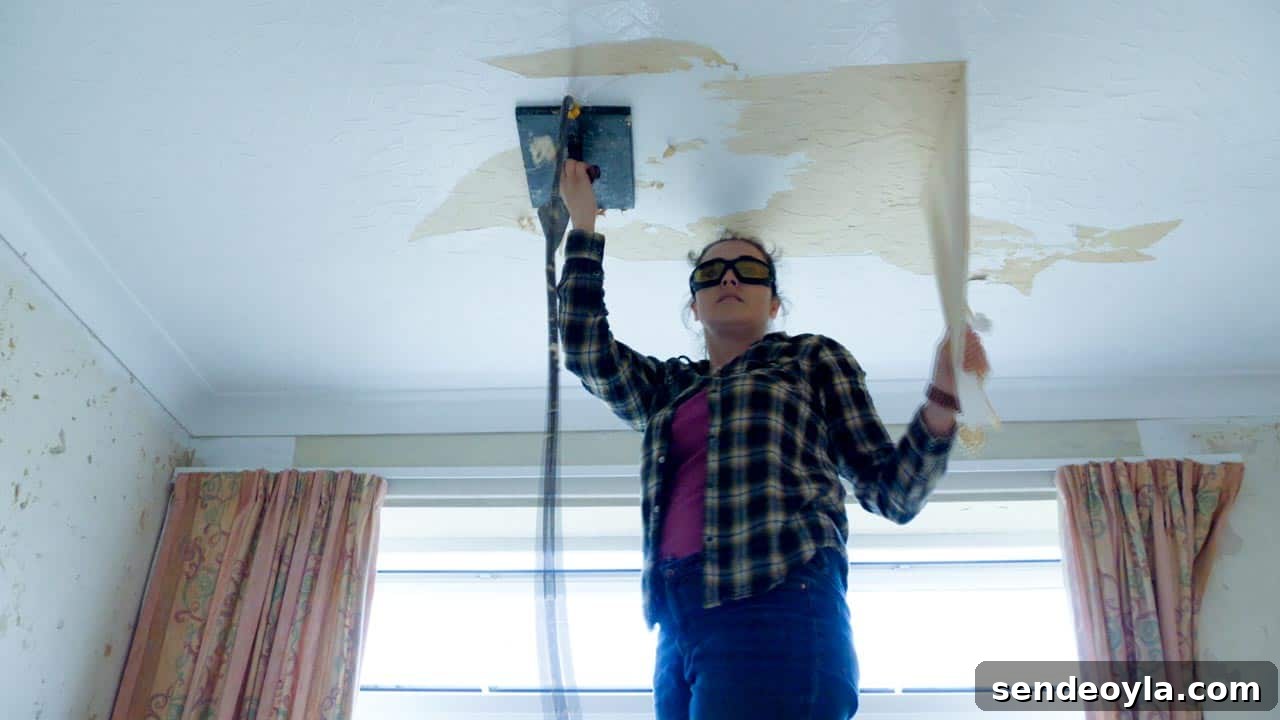
Hot, soggy wallpaper and steam droplets can fall when you work overhead. Wear long sleeves, full-length trousers, goggles and good-grip shoes. Take care on step ladders—soggy paper makes surfaces slippery—and consider gloves to prevent blisters from repetitive scraping.
8. TURN THE STEAMER OFF WHEN THE WATER RUNS OUT
Don’t rely solely on auto shut-off features. Switch the unit off immediately when it runs dry and allow it to cool before refilling. I once had a steamer overheat and start a small fire; unplugging it and smothering it quickly stopped the flames. For safety, be cautious with old or second-hand units and weigh hire versus buy options.
9. DON’T PANIC IF YOU TAKE CHUNKS OF PLASTER OFF
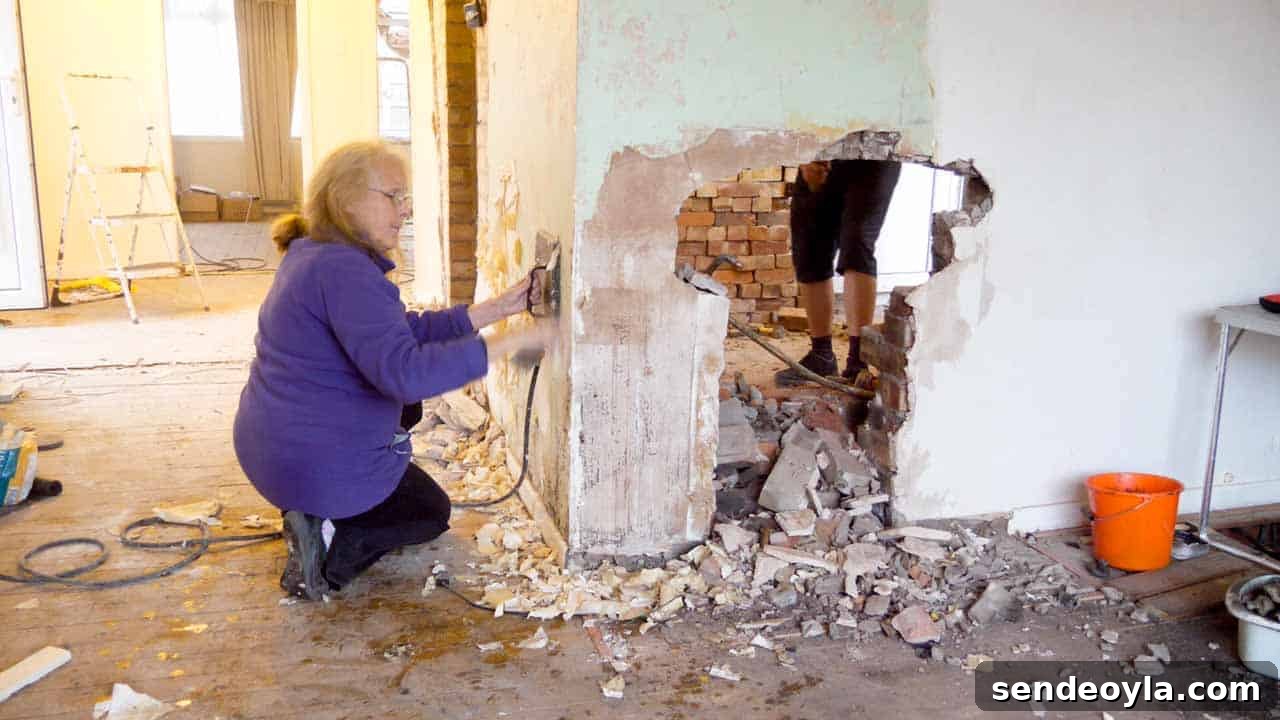
Removing wallpaper can sometimes pull off small sections of plaster. It’s alarming, but patching with filler or mixing your own plaster is usually a straightforward, inexpensive repair. Tradespeople sometimes criticise DIY patching, but many honest DIY fixes are perfectly acceptable for homeowners. If you prefer a smoother finish, consider learning basic plaster repair techniques.
10. TAKE CARE WHEN WORKING AT HEIGHT
If ceilings or high walls are particularly tall, use the right equipment—stable ladders or indoor scaffolding—and avoid risky stretches. Pulling and pushing wallpaper can cause you to lose balance, and steps become slippery with soggy strips. Ask for advice on appropriate ladders or hire scaffolding if needed.
PIN THESE WALLPAPER STRIPPER TIPS FOR LATER
Have a wallpaper steamer tip I haven’t listed? Share it below so we can collect the best advice in one place.