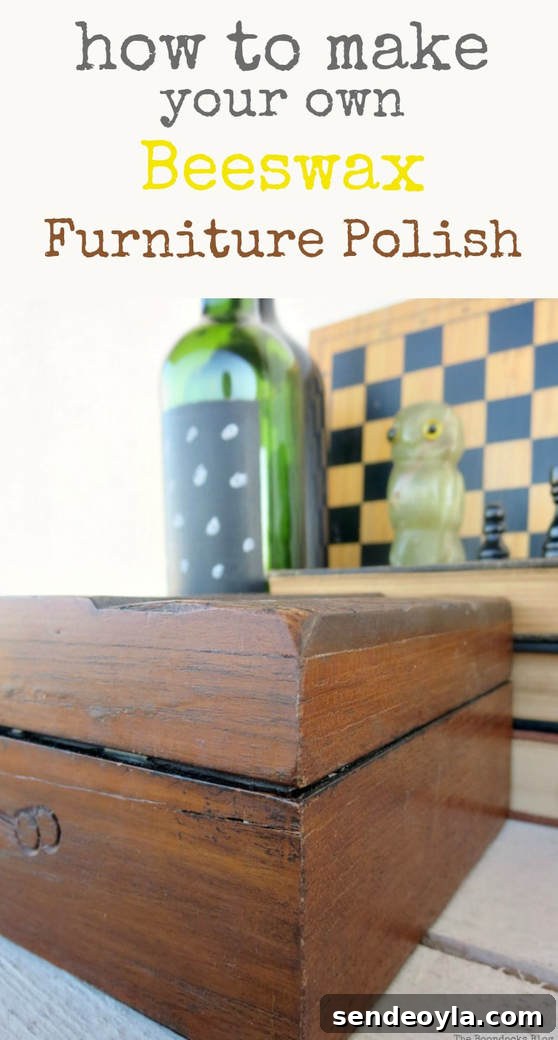
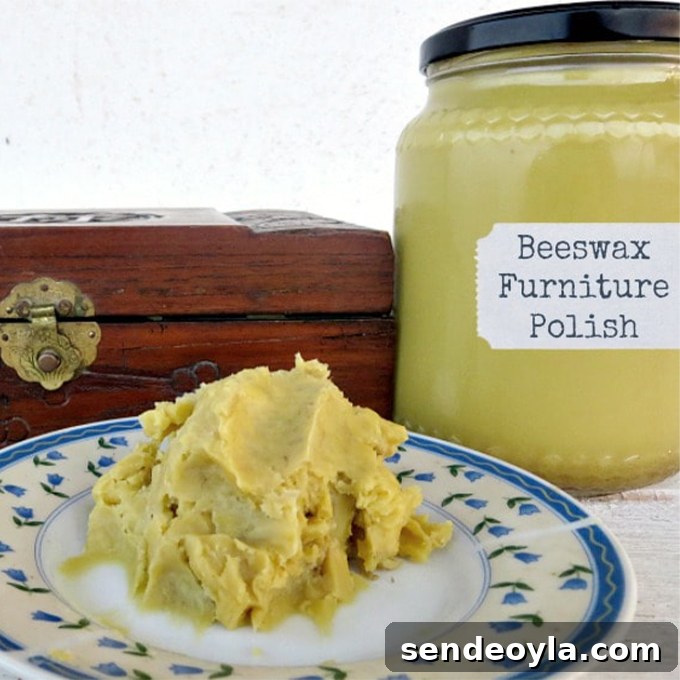
I enjoy painting furniture — it’s one of the quickest ways to refresh or upcycle an old piece. A fresh coat of paint can hide imperfections, and finishing with a wax gives a soft, durable finish. I prefer beeswax as a sealant, and I make my own beeswax furniture polish because it’s simple, economical, and natural. Making your own beeswax polish is easier than it sounds and usually costs a fraction of store-bought products.
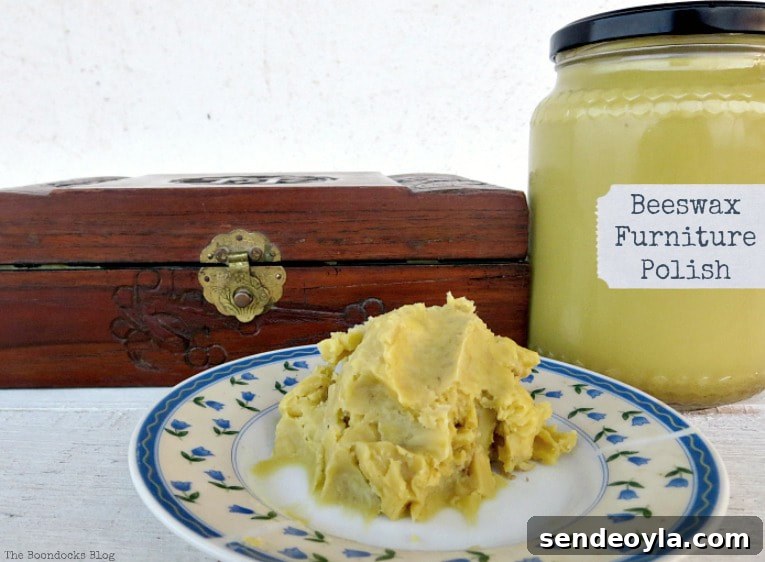
When I first started working with painted furniture, I discovered that chalk paint benefits from a sealant to protect and finish the surface. Beeswax is a popular, natural option. Living out in the countryside, it wasn’t practical for me to buy commercial wax every time, and when I checked prices in the city I decided I could make a similar product at home for much less. After testing a few ratios, I settled on a reliable recipe that gives a beautiful, soft sheen and seals paint nicely.
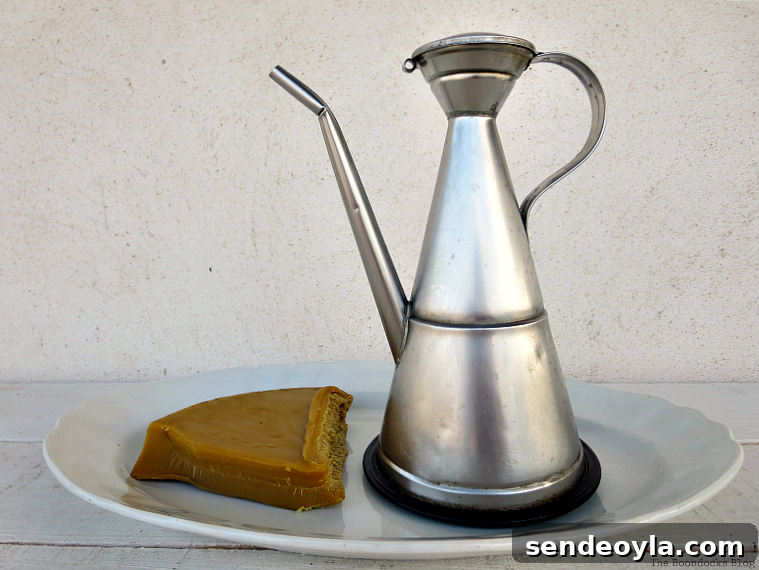
Ingredients for Homemade Beeswax Furniture Polish
Simple ingredients are all you need:
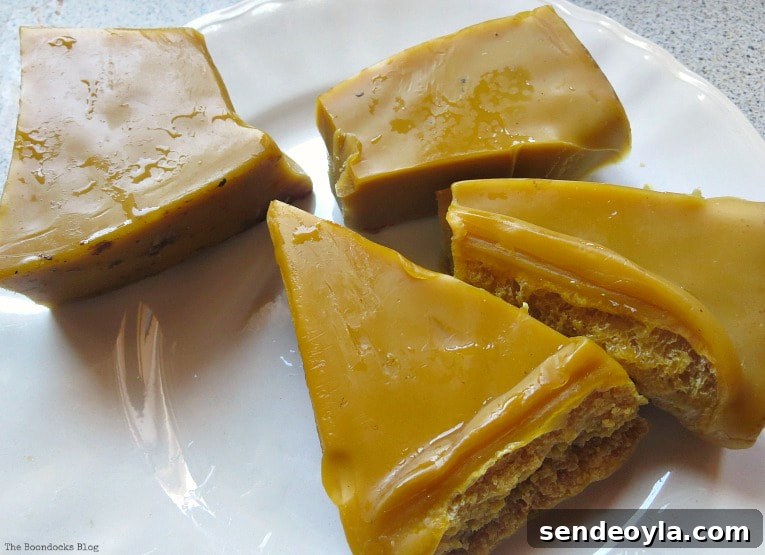
- One part beeswax
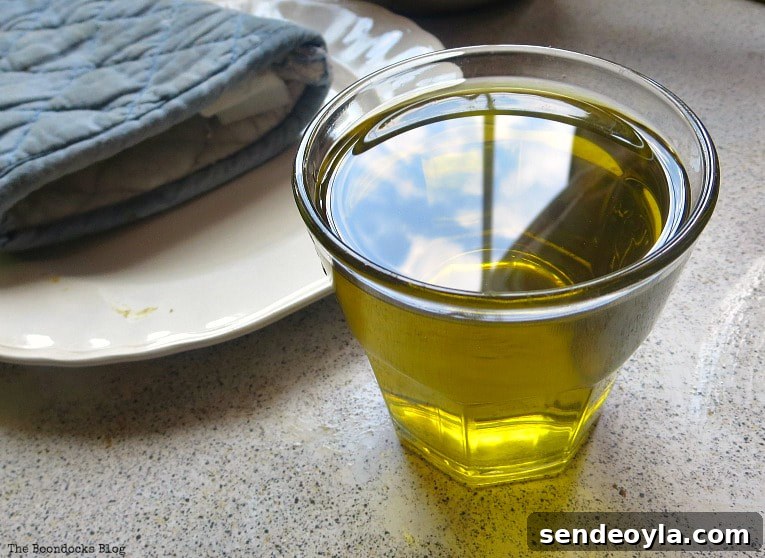
- Two parts olive oil (extra virgin works fine) — mineral oil can be used as an alternative
I usually use olive oil from our farm, but extra virgin olive oil or mineral oil will also produce good results. You can optionally add a few drops of essential oil for a pleasant scent, but that’s entirely optional.
How to Make Beeswax Furniture Polish
Follow these simple steps:
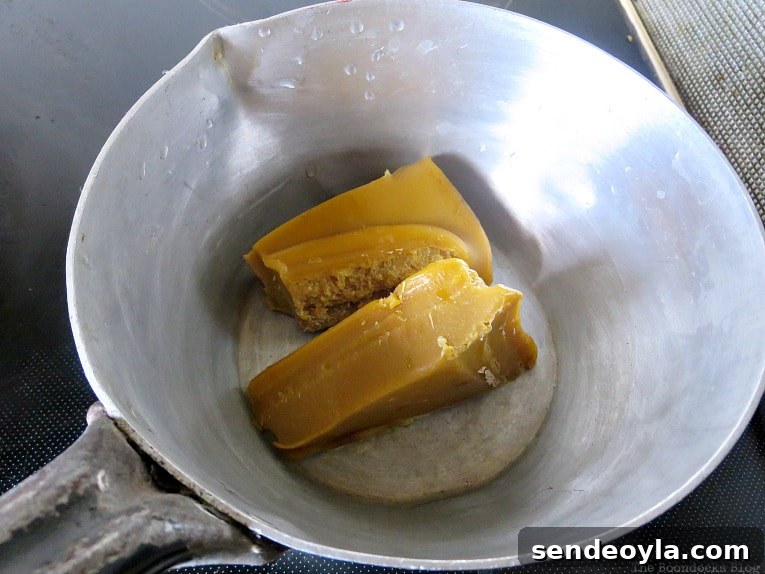
- Place the beeswax in a pot and melt it over low to medium heat. A double boiler works well to prevent overheating.
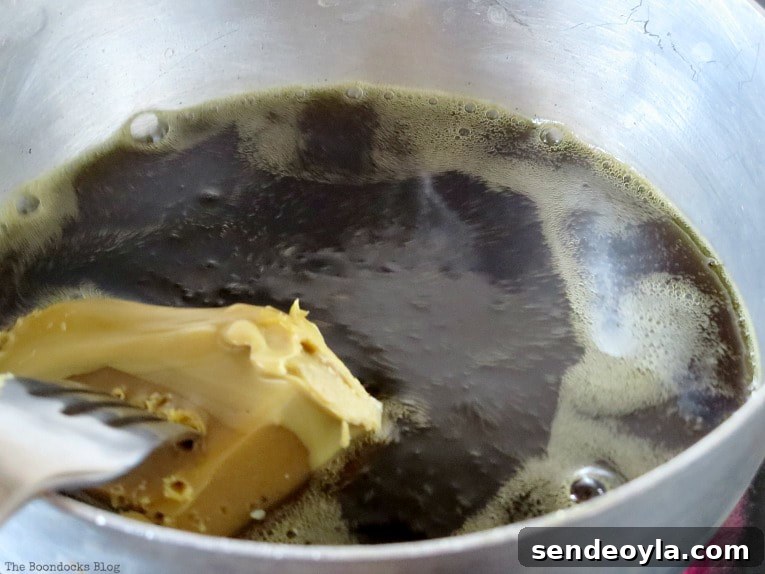
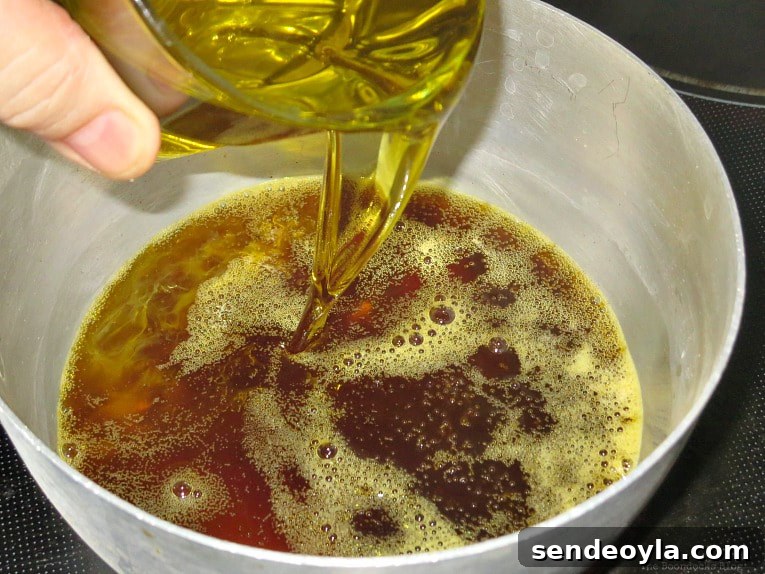
- Once the beeswax is fully melted, add the olive oil (use the two-to-one ratio: two parts oil to one part beeswax).
- Stir thoroughly to combine the oil and wax into a smooth mixture. If you want fragrance, add a few drops of essential oil now.
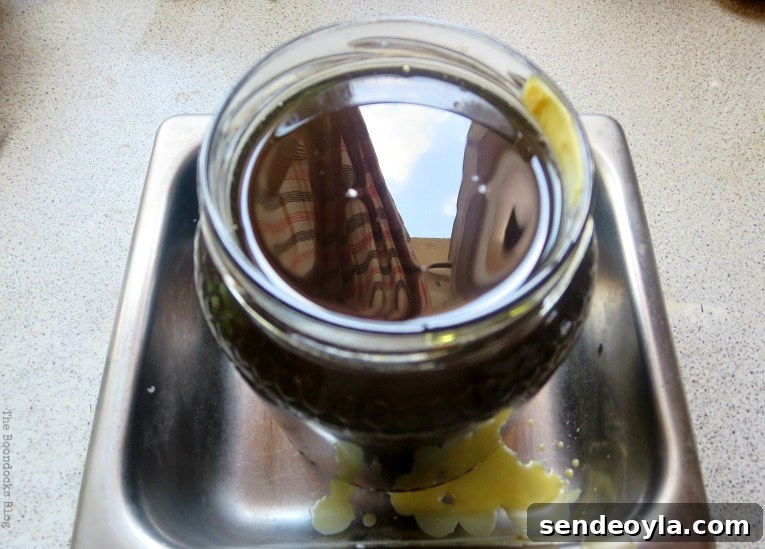
- Remove the pot from the heat and carefully pour the hot mixture into a clean glass jar or metal tin. Be cautious — the mixture will be very hot.
- Allow the polish to cool and solidify. Small spills or drops harden quickly; a full jar typically takes around 30 minutes to firm up depending on room temperature.
That’s all it takes to create a jar of homemade beeswax furniture polish. Store it with a lid and keep it at room temperature. If you live somewhere very warm, consider a tin that can tolerate higher temperatures to avoid softening.
How to Use Beeswax Furniture Polish
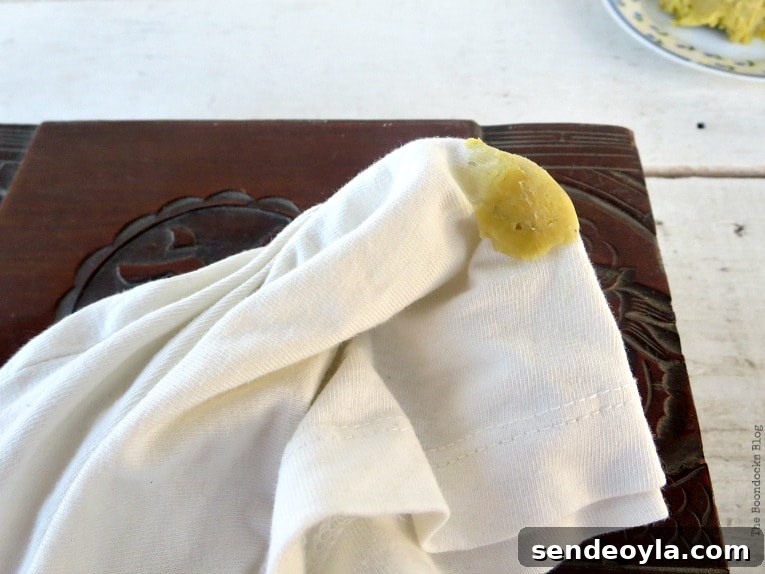
Apply the polish with a clean cotton cloth or soft rag:
- Take a small amount of wax on the cloth and rub it into the wood using circular motions.
- Work in small sections, allowing the wax to penetrate for a few minutes.
- Buff off any excess with a clean part of the cloth, continuing to rub until you achieve a nice, even sheen.
The difference is visible: waxed surfaces develop a warm, soft sheen and feel buttery smooth to the touch. Beeswax works especially well on chalk-painted furniture because it seals the paint while enhancing color depth, but it’s equally suitable for unpainted wood and even painted metal pieces finished with chalk paint.
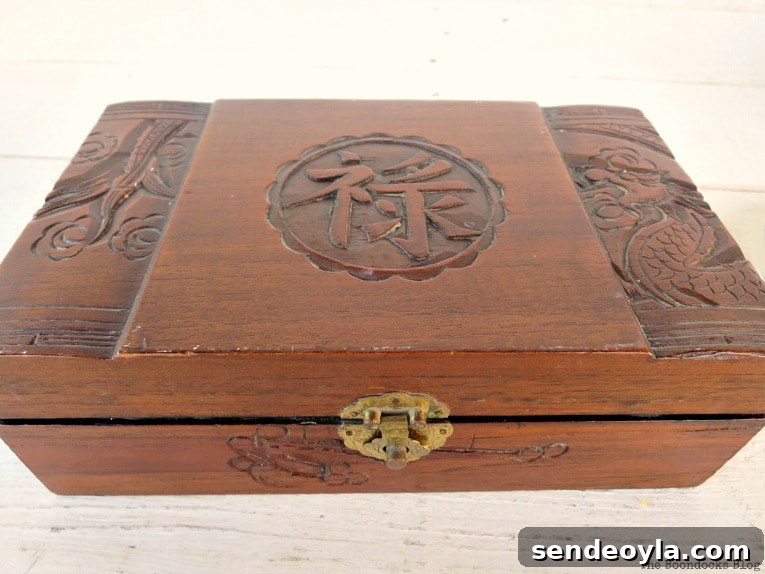
A few practical notes:
- Be careful with hot wax when pouring, and allow the jar to fully cool before closing.
- Test the polish on a small, inconspicuous area first to ensure you like the finish.
- Beeswax polish gives a beautiful finish but is not ideal for high-traffic surfaces like frequently used kitchen tables; it will require reapplication, usually about once a year depending on use.
I’ve used this polish on a variety of projects, including a table I built from a stool and drawer, an old black-painted tray, and a vintage suitcase makeover. It’s gentle on the skin, economical, and environmentally friendly — a simple, green way to finish furniture.
If you try this recipe, I’d love to hear how it worked for you and whether you make any adjustments. Homemade beeswax furniture polish is an easy project that saves money and delivers a beautiful finish — give it a try and see the difference it makes to your painted and natural wood pieces.