
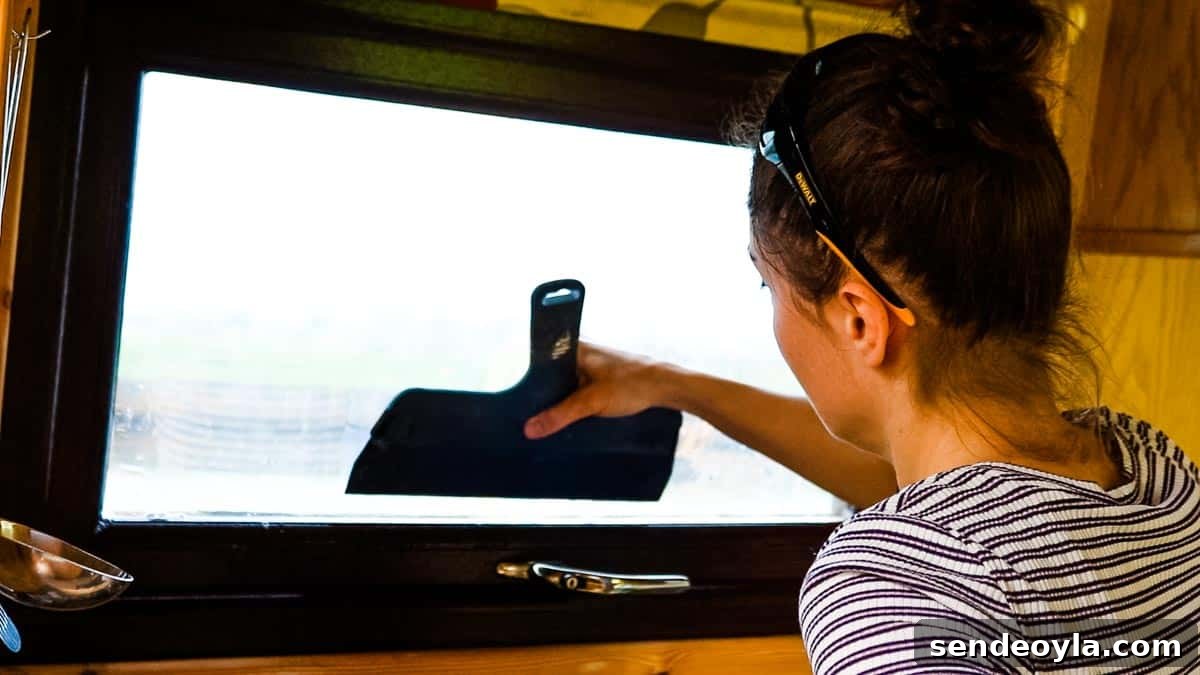
Practical, no-nonsense tips for installing mirrored one-way privacy window film. This honest DIY guide will help you avoid the common frustrations and mistakes you might encounter when following online tutorials.
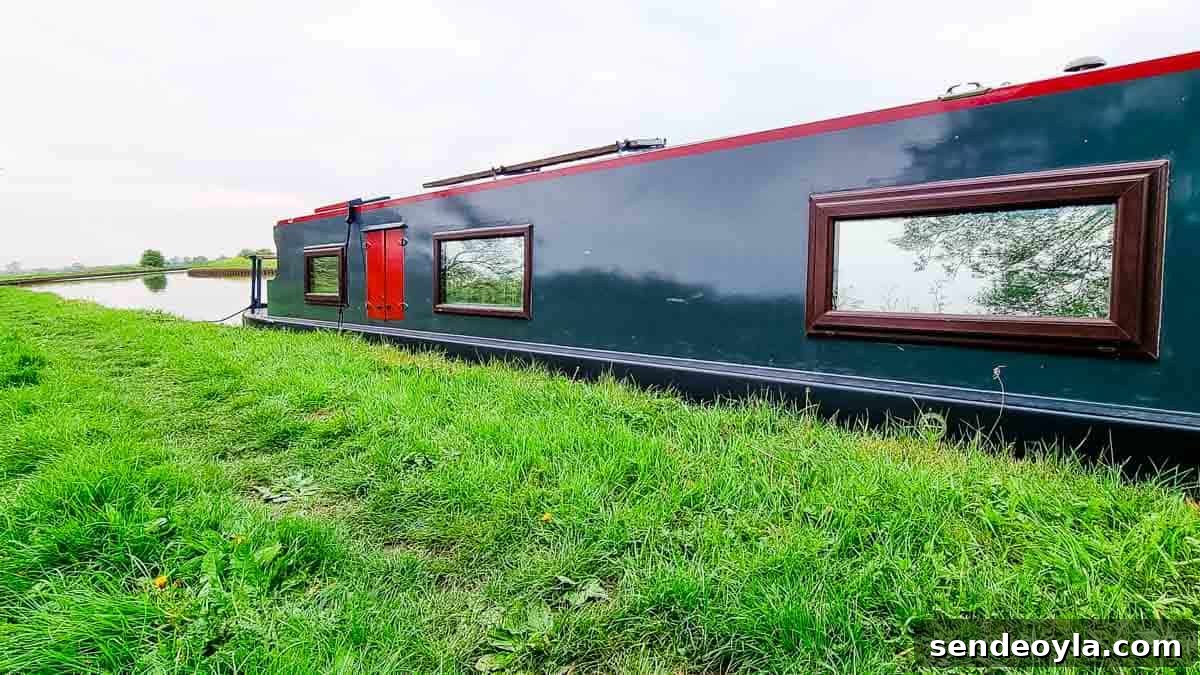
I recently fitted a one-way vision glass vinyl film to the UPVC windows on our narrowboat. While UPVC on a boat is a slightly unusual application, this mirrored privacy film works just as well on standard home windows when you want more privacy but don’t want to replace the glass or install expensive tinting.
If you live in a house, a one-way mirror film is a versatile option for:
- bathroom privacy
- kitchen window privacy
- glass doors
- shower windows
- upcycling furniture with glass for a mirrored finish
- bedroom windows
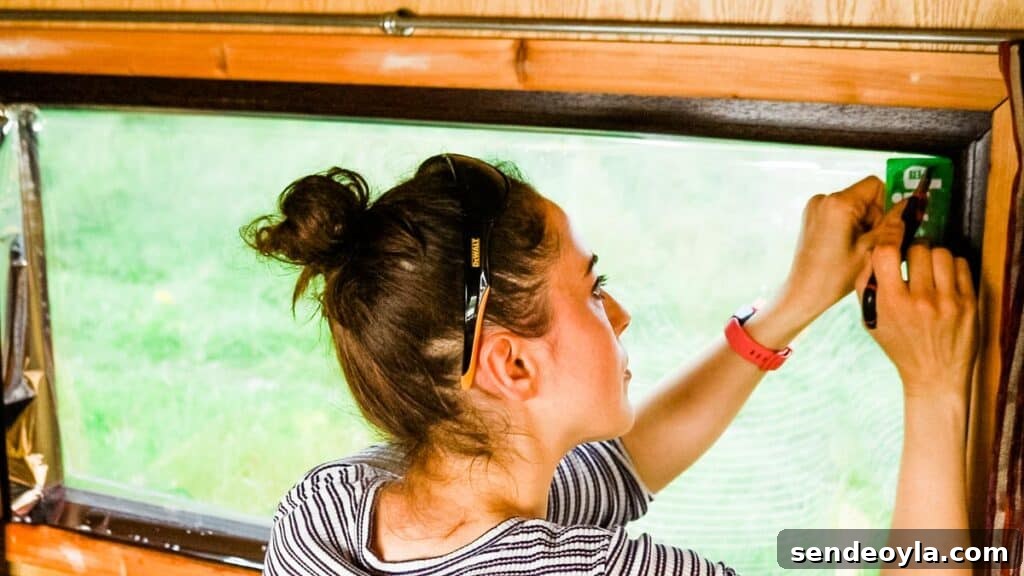
Below you can see how we used the film on our narrowboat windows so we can look out without people on the towpath looking in. (Note: the middle window in the photo had not yet been fitted when the shot was taken.)

How One-Way Privacy Window Film Works
There are several types of window film on the market: patterned films, frosted or opaque films, blackout films and one-way mirror films, which commonly come in silver or blue tones. We chose the mirrored one-way film, which also provides a tinted finish.
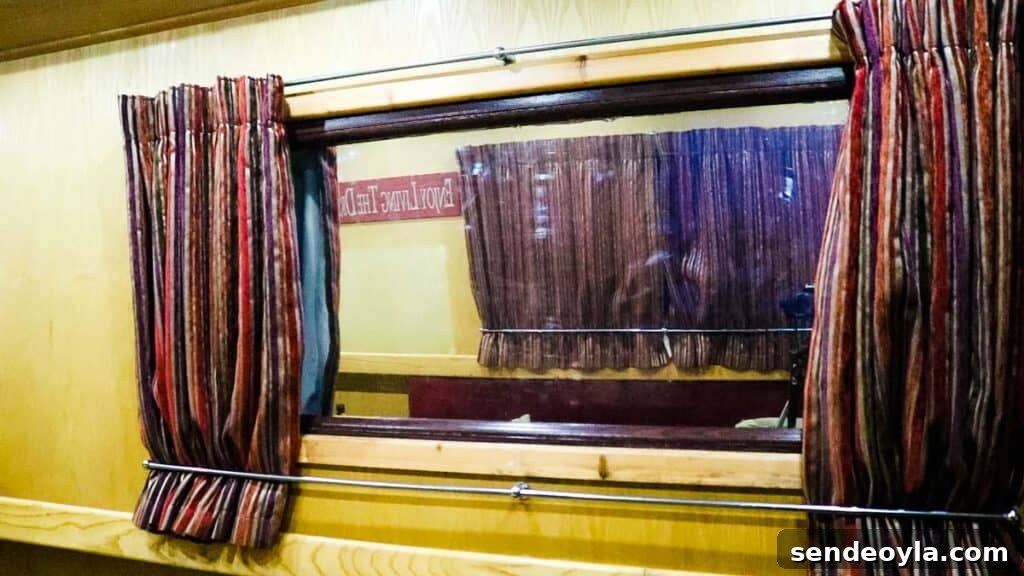
Its effect depends on light levels: during the daytime, when it’s brighter outside than inside, the film acts like a mirror from the exterior—so people outside can’t see in, while you can see out. That’s why it’s popular for street-facing rooms and canalside boats alike.
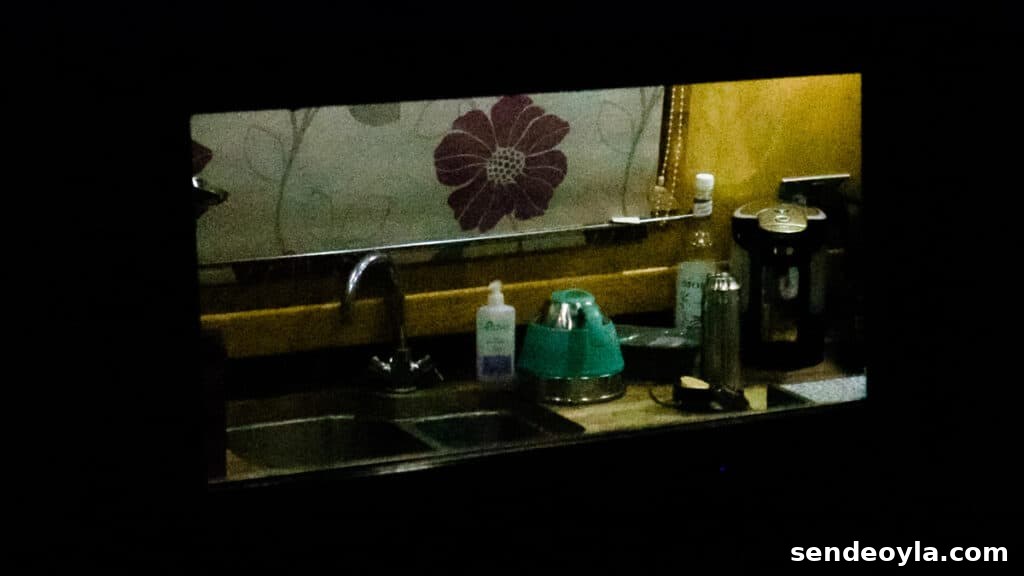
Can You See Through Privacy Film at Night?
At night the effect reverses: if the interior is brighter than the exterior, the film looks reflective from the inside and transparent from the outside. In other words, people outside may be able to see in once darkness falls and your lights are on.
If you need round-the-clock privacy, consider a film specifically marketed as “two-way” or pair the mirrored film with curtains or blinds for evening use.
Applying Privacy Window Film
There are lots of YouTube tutorials that show different installation approaches. After trying a few methods, I developed a simpler way that worked better for my windows—especially the small, narrowboat panes.
Below I explain the mistakes I made first, and then outline the quicker, cleaner method I used to cut and fit the film accurately.
Mistakes to Avoid When Installing Sticky Window Film
My first attempt wasn’t perfect, and comparing mine to polished YouTube results highlighted a handful of common problems. Knowing these in advance will save you time and frustration.
Large Pieces Can Slip
If you cut the film too large, it becomes heavy and unwieldy and can slide down the glass while you’re trying to position it. Some tutorials recommend leaving an allowance to trim later—this can work, but it also increases the risk of slipping and creates more waste.
Use a Sharp Knife
A sharp Stanley or craft knife is essential for clean cuts. Dull blades can drag and create ragged edges or ripples. When trimming, cut toward a corner rather than away from it to reduce dragging.
If You’re Fussy About Perfection, Be Prepared
Installing decorative or one-way mirror film generates bubbles and trapped moisture that require patience to remove. If precision drives you mad, consider hiring a pro, choosing tinted glass instead, or planning to fit blinds that will conceal any small imperfections along the edges.
Why Leaving an Allowance Can Create Problems
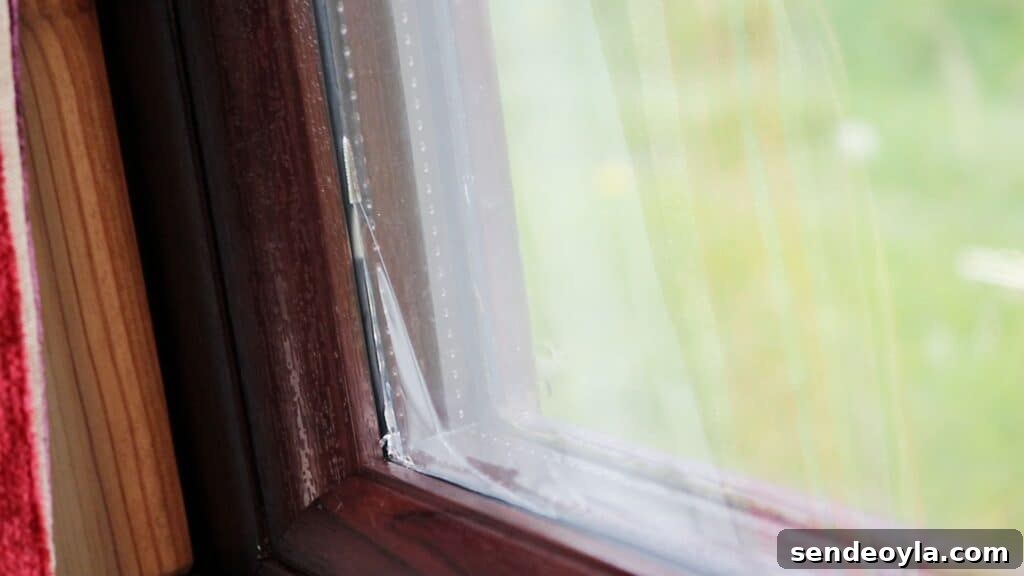
Leaving extra film to trim later can cause several issues:
- Excess film can overlap around the beading and fail to adhere properly.
- Hand-cut edges are not always perfectly straight—running a blade along a firm edge such as a credit card helps.
- Water can get trapped if you leave a top allowance, making it harder for moisture to escape.
- Pulling away excess can tear the film, leaving an unattractive edge.
- Poorly trimmed film is very noticeable from outside in daylight.
My Method for Installing Mirror Window Film
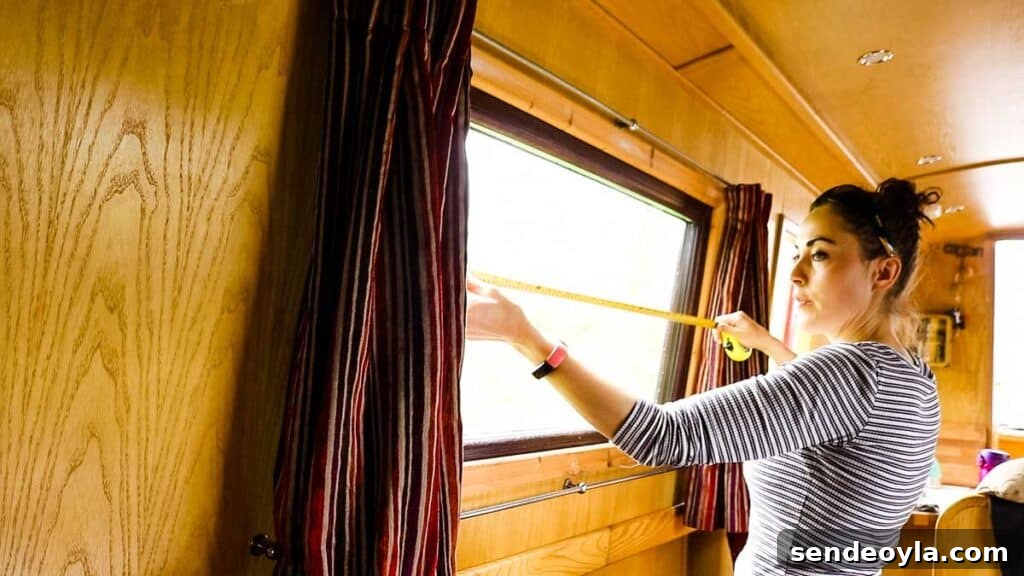
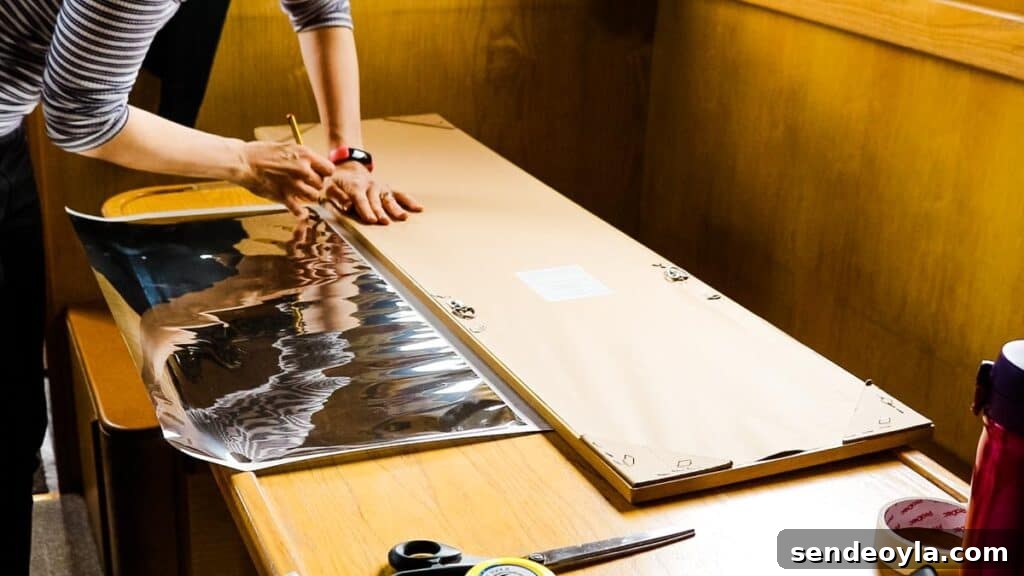
I abandoned the “leave an allowance” approach and started measuring the exact visible glass area inside the internal beading. This method takes a little extra care with measurements but gives a much neater finish with fewer bubbles and less trimming.
Two Important Caveats
- Triple-check your measurements. Cutting too small can’t be undone.
- The beading isn’t always perfectly aligned, so you may miss a millimeter or two around the edge. I accepted this because the finish was cleaner overall and any tiny gaps are usually hidden by blinds or trim.
Why I Prefer This Method
- Faster overall
- Less frustrating than cutting large pieces and trimming
- Fewer ragged knife edges
- Less time spent battling bubbles and trapped water
- Better adhesion at corners
- Fewer blade changes
Note: We plan to fit Perfect Fit Venetian blinds on these windows later, which will conceal any tiny edge gaps.
Preparation Before Installing One-Way Film
Clean, smooth glass is essential. Make sure there is:
- No dust or grit
- No grease or fingerprints
- No paint specks from renovation work
- No silicone or bumps along the beading that would stop the film lying flat
How I Prepare
- Use a metal vinyl smoother or scraper to remove paint spots gently.
- Remove silicone with a small amount of WD-40 on a paper towel, rubbing gently.
- Clean the glass with a standard window cleaner.
- Finish with a microfiber cloth to remove any remaining particles.
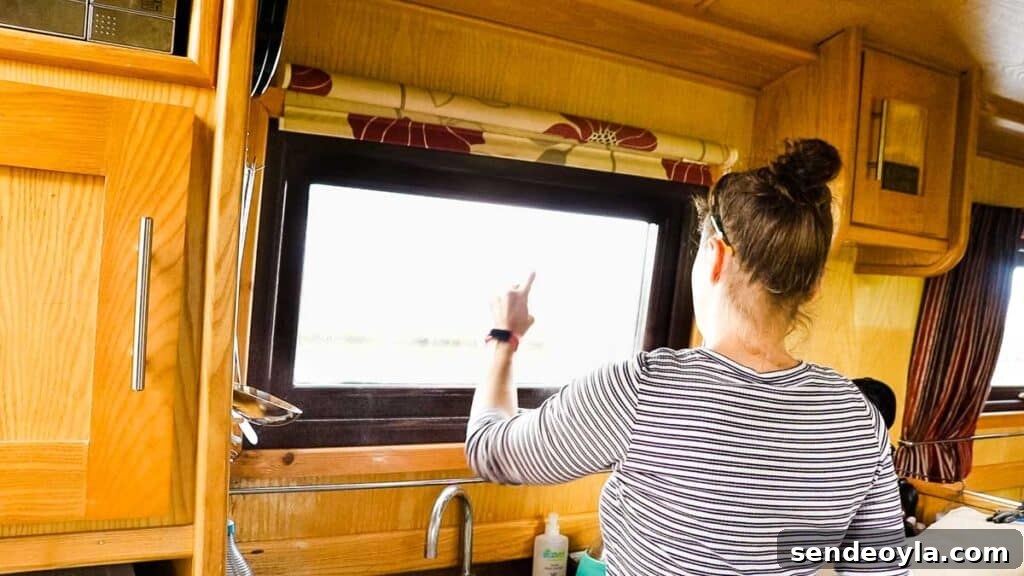
Wet the Glass
Spray the glass with a slip solution so you can move the film into position. I use warm water with a drop of washing-up liquid. Some tutorials recommend baby shampoo as an alternative. The soapy surface makes it easy to slide and adjust the film before squeegeeing it into place.
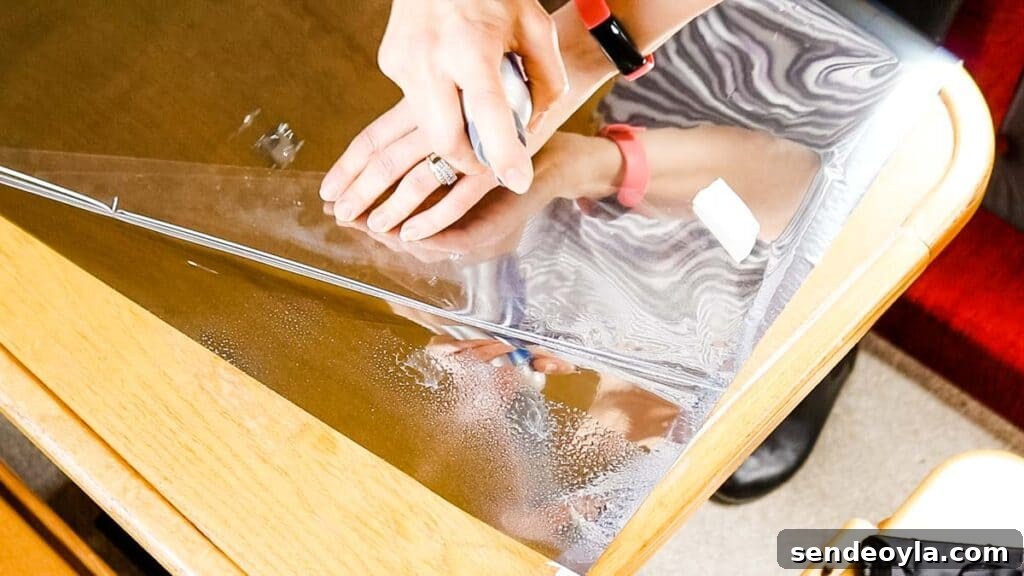
Peel the Backing Off
Most mirrored films have a removable backing. For manageable panes you can peel the backing off fully; for very large pieces, peel a corner or section at a time. Masking tape tabs on opposite corners make it easier to handle the film while keeping the adhesive side clean.
For very large windows, peel, spray and position in stages—peel a little, spray, stick and squeegee, then repeat.
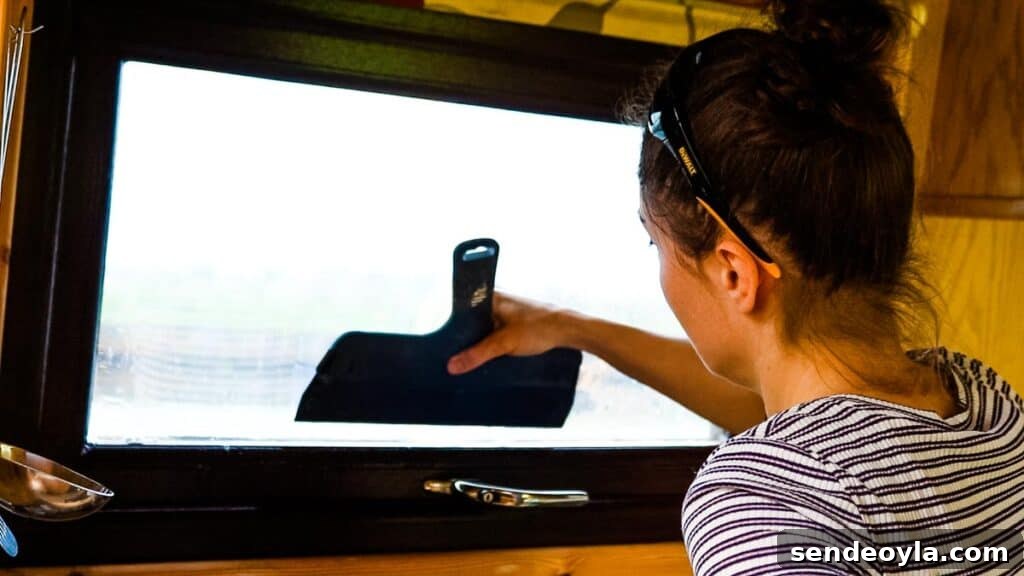
Position and Smooth
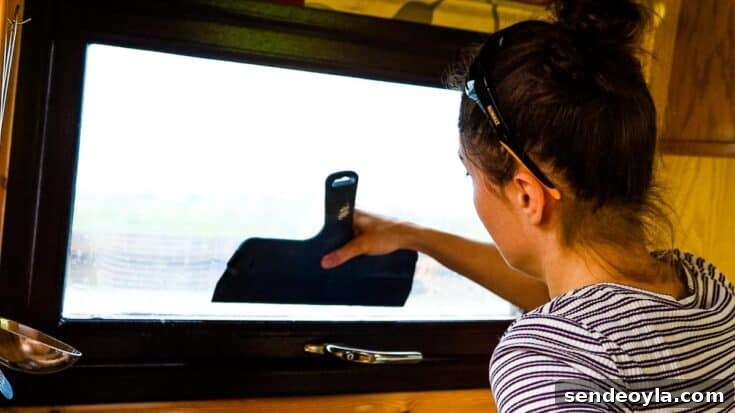
Slide the film into the correct position while the glass is wet. Spray more solution over the top, then use a large, soft-edged squeegee to push water and air out from the middle toward the edges. Keep paper towels handy to blot excess water from the window frame and sill.
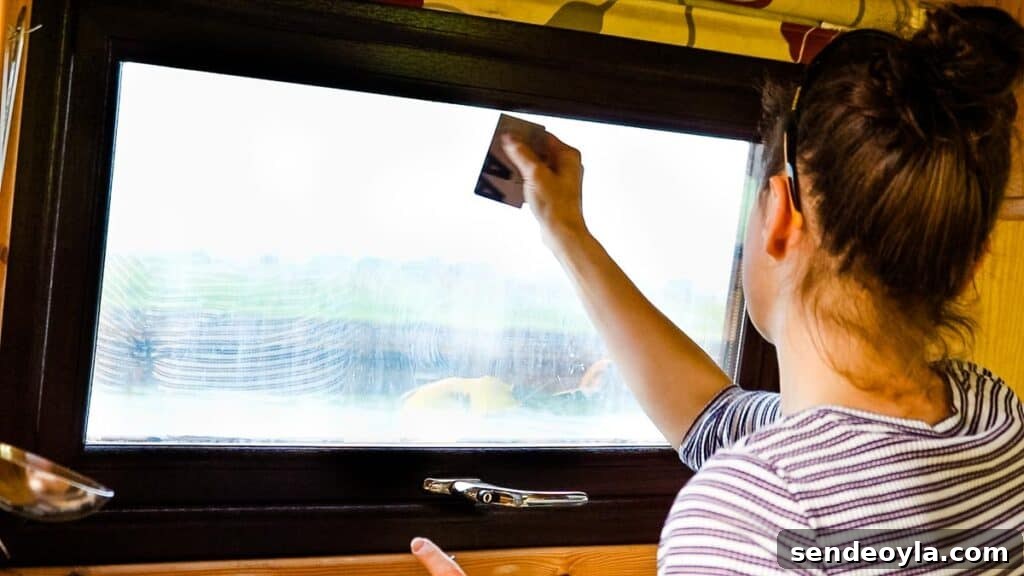
Remove Bubbles with a Small Squeegee
The final step is the most time-consuming: removing all the small bubbles. Use a smaller, firmer squeegee or a wrapped credit card to work out stubborn bubbles and trapped moisture. Wrapping the tool in a soft cloth or paper towel helps prevent scratching the film.
Inspect Under Different Lighting
Bubbles and imperfections can be hard to spot in one light, so inspect the film with room lights on and off and view from different angles. If needed, use a headlamp to illuminate the surface and catch any remaining imperfections. A careful final inspection will help you get the best finish.
Good luck with your installation!
📖 Printable Card
Installing One Way Privacy Window Film
Practical tips for installing mirrored one-way privacy window film to avoid common DIY headaches.
30 minutes
15 minutes
45 minutes
Materials
- Window cleaner
- Paper towels
- Washing up liquid
Tools
- Large squeegee or vinyl smoother
- Small squeegee
- Spray bottle
- Stanley knife for tricky areas
Instructions
- Clean the window thoroughly, removing dust, paint specks and grease.
- Measure the visible glass inside the beading and cut the film to size (triple-check measurements).
- Spray the glass with a slip solution (warm water with a drop of washing up liquid).
- Peel the backing and position the film on the wet glass, working from one side if the piece is large.
- Slide the film into its final position, then spray again over the film.
- Use a large squeegee to push water and air out from the center toward the edges.
- Use a smaller squeegee or wrapped credit card to remove remaining bubbles.
- Inspect under different lighting and re-squeegee any missed areas.
- Leave the film to settle; check again the following day for any stubborn bubbles to work out.
You Might Also Like
- Our buying a narrowboat experience
- Fitting double glazed windows
- Installing double roller blinds
- Fitting conservatory blinds
- How to measure and install bay window blinds
- Adjusting sloping window vertical blinds
- DIY conservatory roof blinds
- How to recycle DIY roller blinds