
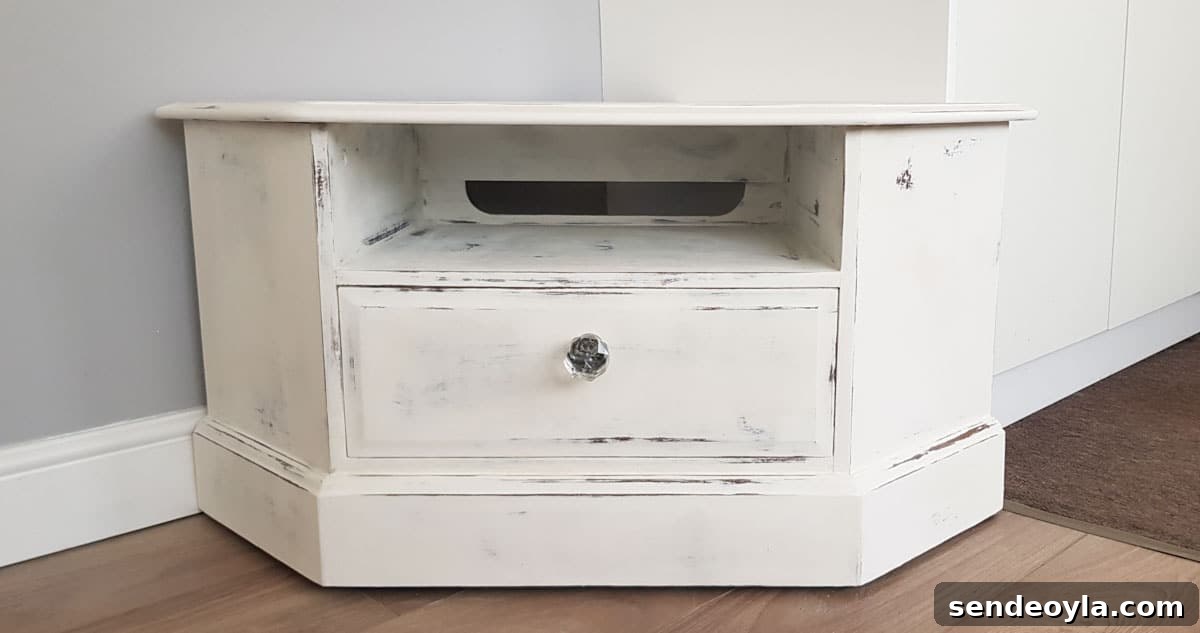
Here’s a fast, practical guide to painting furniture so you can quickly refresh your home or prepare a piece for resale. I also share the chalk paint recipe I use and practical tips I’ve learned over the years.
*This post originally referenced affiliate products.
Years ago I painted furniture regularly for an eBay business — it’s how I got into DIY and started sharing projects online. I’ve used satinwood, eggshell and, most often when I’m short on time, chalk paint. Chalk paint became my go-to because it’s quick, forgiving and looks great when finished in a shabby chic style. Over time I’ve also learned a few practical lessons:
- Time equals money — the faster, cleaner methods save both.
- Your skill and confidence grow as you practice; price items accordingly.
- Not every sales platform will return the value you expect for restored furniture.
- Avoid unusual colours that might reduce buyer interest.
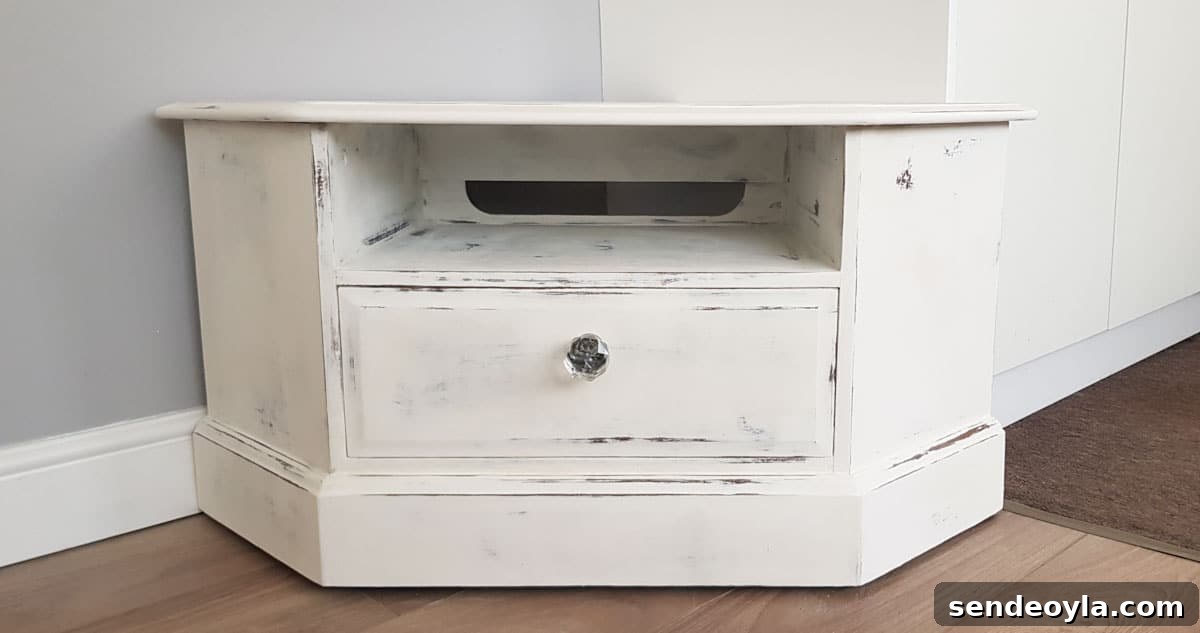
A few months ago I pulled an old Stag mahogany TV unit out of storage. It hadn’t sold in its original finish, so rather than donate it, I gave it a rapid repaint to prepare it for resale. The method below is the one I used — quick, low-fuss and effective.
HOW TO: CHALK PAINT FURNITURE TIPS
There are several ways to paint furniture; the best approach depends on the piece, the condition of the surface and how much time you have. For speed I typically aim for one to one-and-a-half coats and favor techniques that work with the piece rather than fighting it.
If the wood is in good condition and just needs a colour refresh, consider a quick whitewashing technique to highlight grain and details. For a complete colour change, chalk paint is fast and forgiving — especially if you’re aiming for a distressed, shabby chic finish.
PAINTING FURNITURE WITH A DISTRESSED LOOK
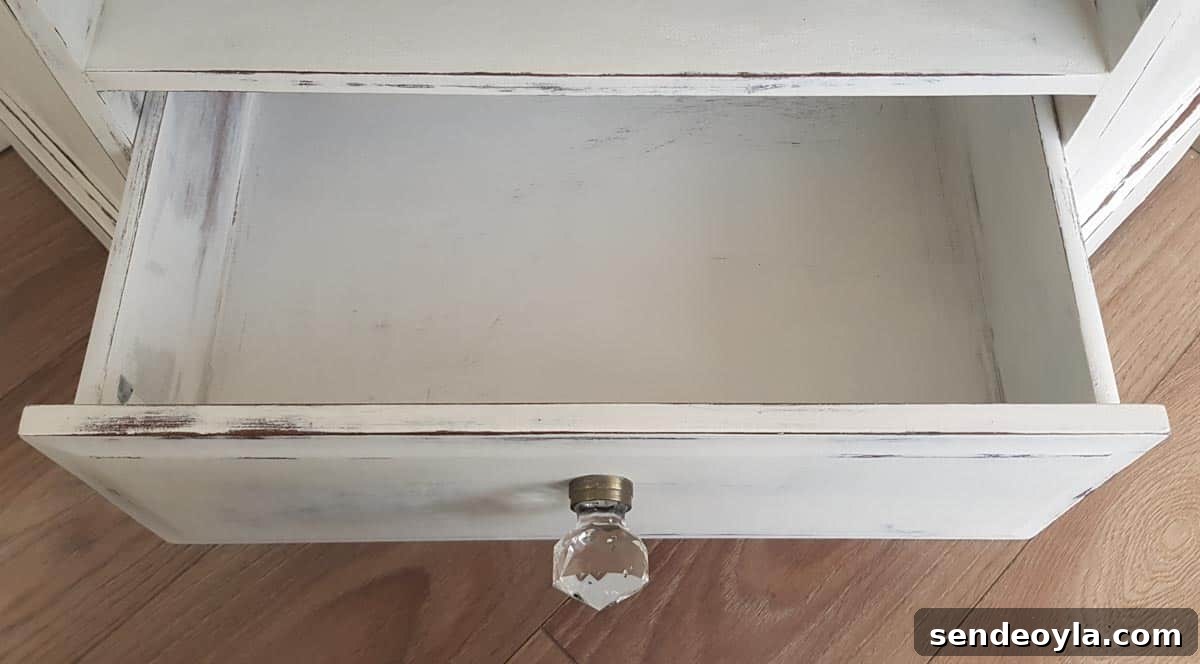
My favourite finish is a distressed, shabby chic style using homemade chalk paint. The benefits of this approach include:
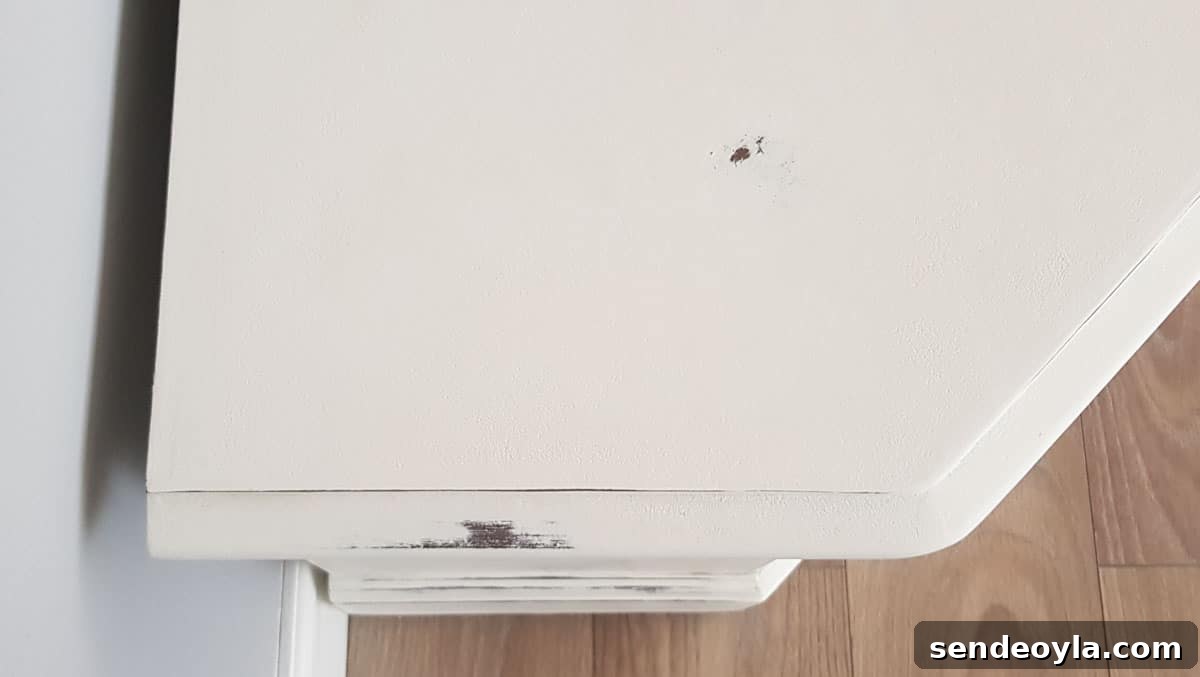
- Wear and knocks blend into the finish, so minor damage is less noticeable.
- Chalk paint needs fewer coats for good coverage.
- Thin coats dry quickly, speeding up the whole process.
- Patchy areas are easier to accept and blend with sanding/distressing.
- Chalk paint is water-based, easy to clean up and generally low in fumes.
If you aim for perfect, complete coverage you can waste hours obsessing. For quick resale or a rustic look, embrace a bit of imperfection — it speeds the job and suits many buyers.
MY QUICK METHOD FOR HOW TO PAINT FURNITURE
CLEAN YOUR PROJECT
Start by thoroughly cleaning the piece with soapy water. This helps paint adhere better and reduces future problems. Dry with a towel or let it air-dry before continuing.
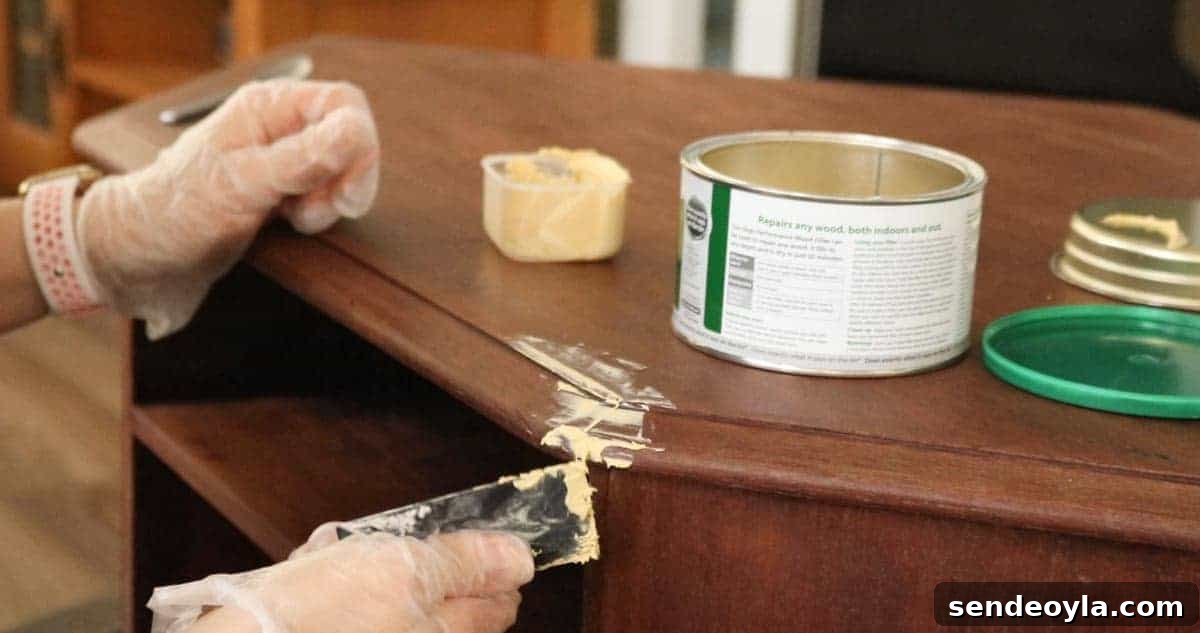
USE QUICK SET WOOD FILLER
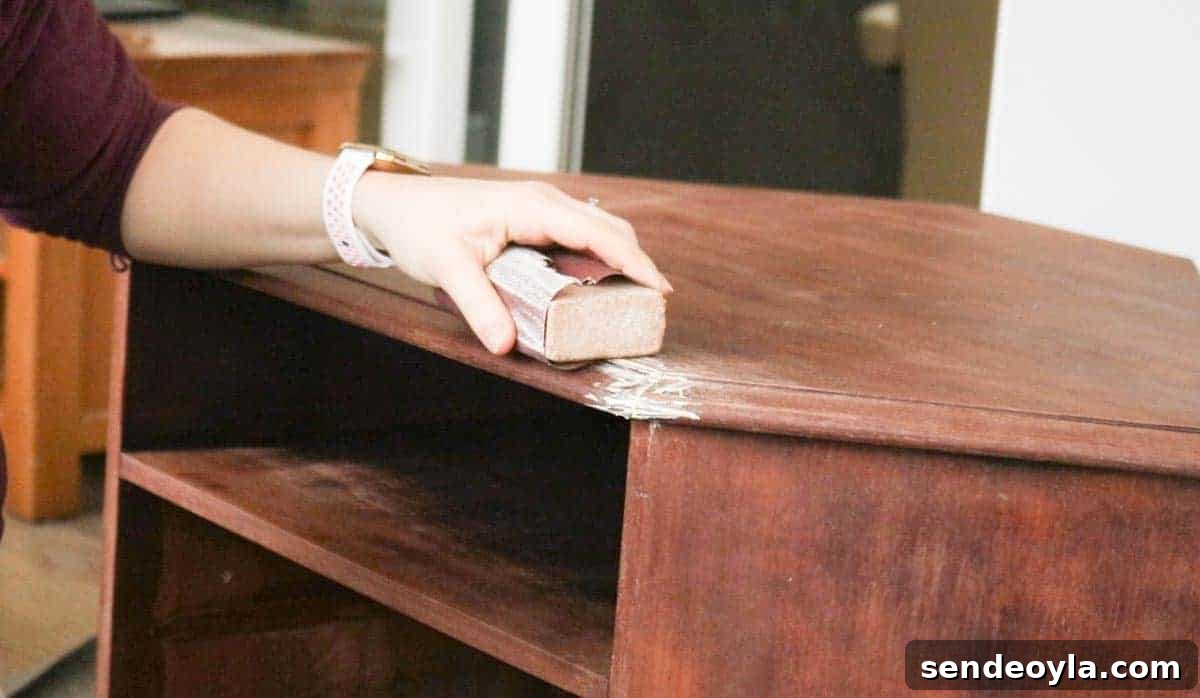
Fill dents or holes with a quick-setting wood filler. Let it set until it’s proud of the surface, then sand back level. When possible, use filler that matches the original wood tone to avoid unwanted colour showing through if you plan to distress the finish.
MAKE YOUR OWN CHALK PAINT
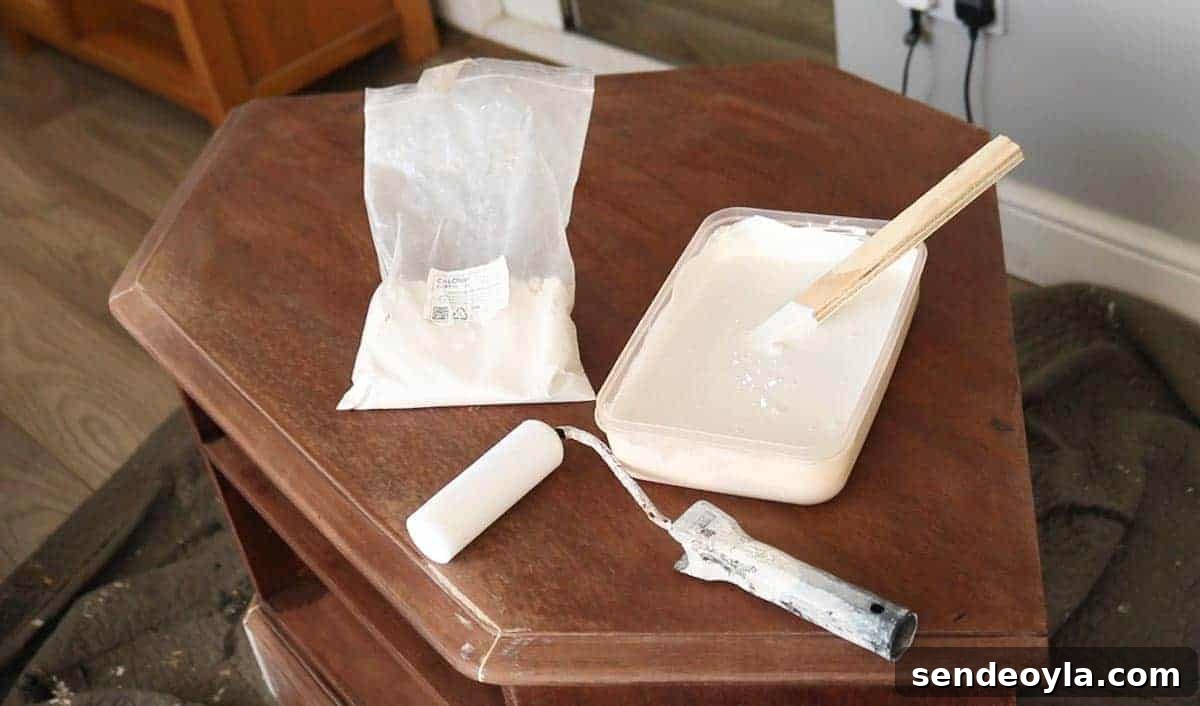
Mixing chalk paint from emulsion and a filler like calcium carbonate is cheap and fast. I only make small batches in recycled containers so nothing goes to waste. If you prefer ready-made options, there are furniture paint brands available that need minimal prep and give great coverage in one coat.
PAINT THIN COATS WITH A FOAM ROLLER
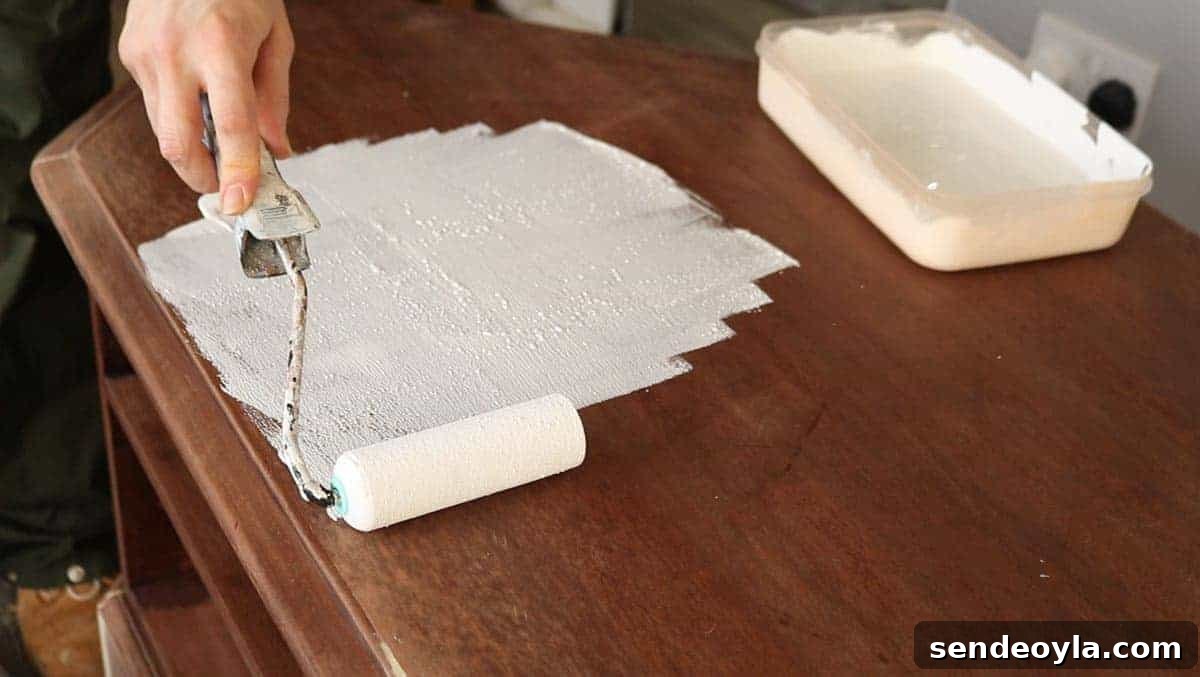
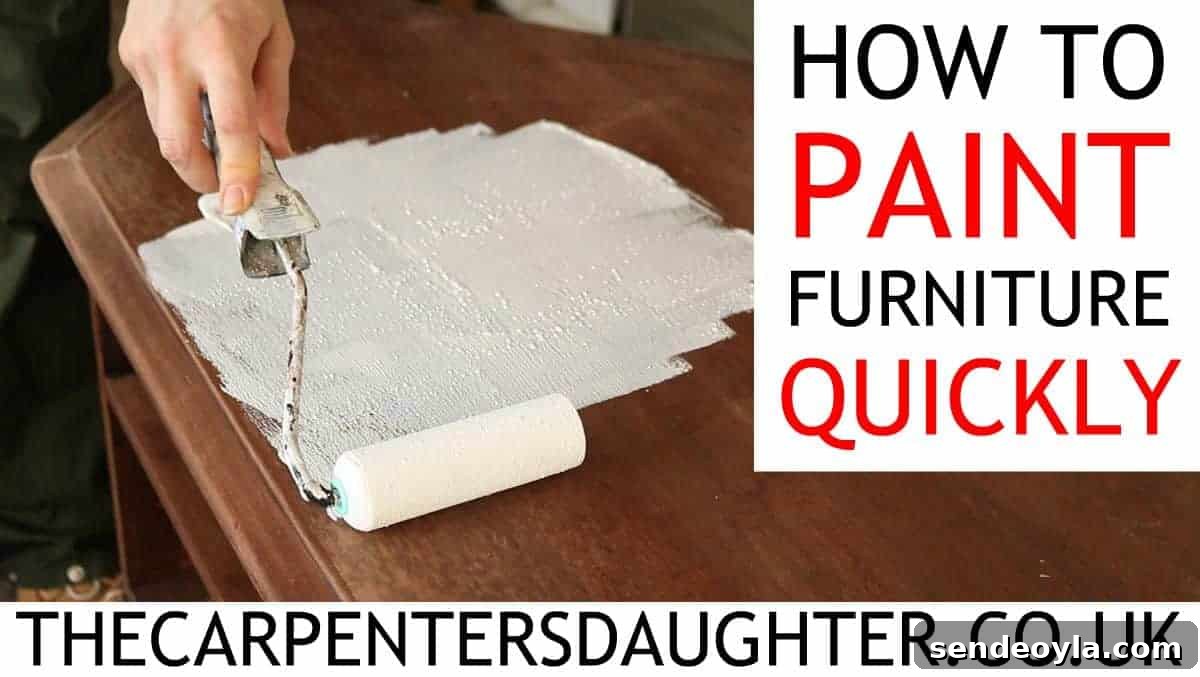
A mini foam roller is my tool of choice for fast, even thin coats that dry quickly. Thin coats reduce brush marks and speed sanding between coats. Sprayers can be effective but require setup to control overspray and clean-up, which can negate the time saved for small projects.
REMOVE HARDWARE BEFORE PAINTING
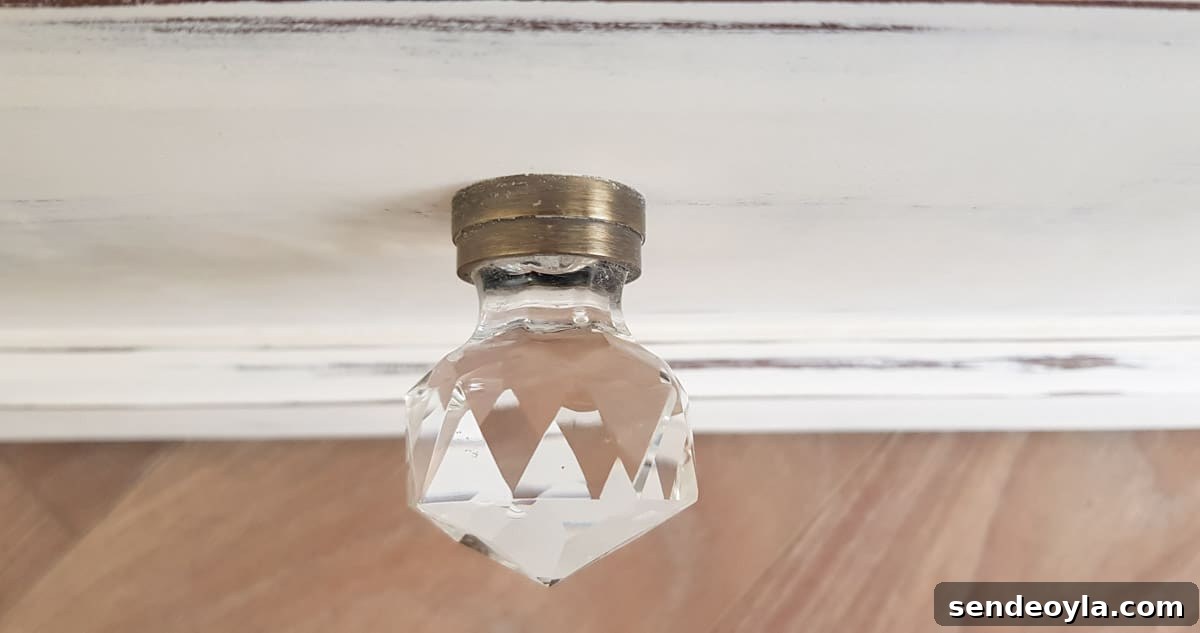
Take handles and knobs off before painting. It gives a neater finish, prevents paint wear around moving parts and speeds drying. You can paint hardware separately or replace it for a fresh look.
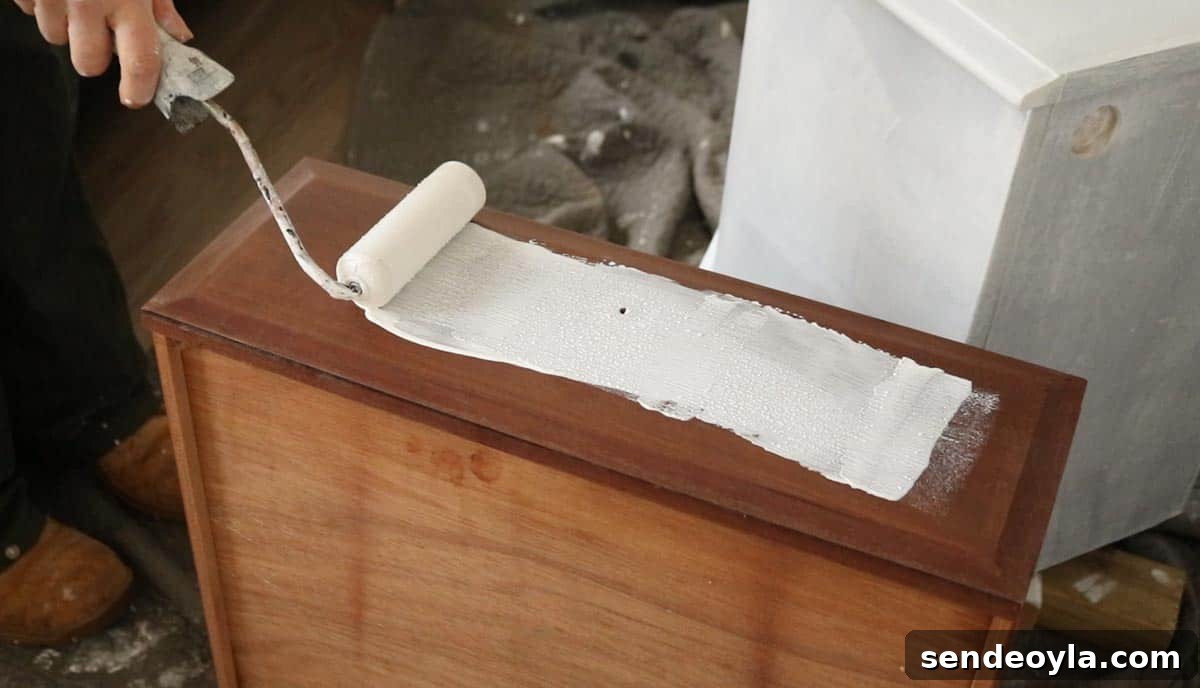
HOW MANY COATS OF FURNITURE PAINT DO I NEED?
One coat of chalk paint often looks thin when wet but sands down beautifully into a smooth, blended finish. For many pieces one coat plus spot touch-ups or one-and-a-half coats in high-wear areas is enough. Test and adjust based on coverage and the final look you want.
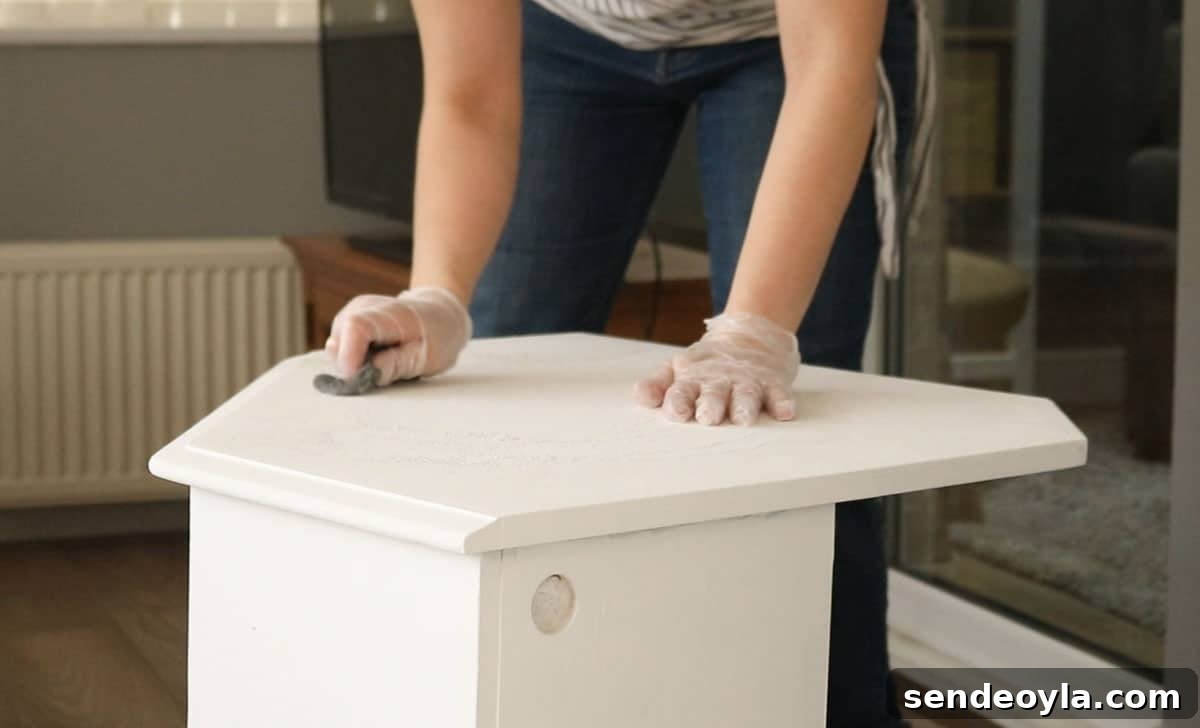
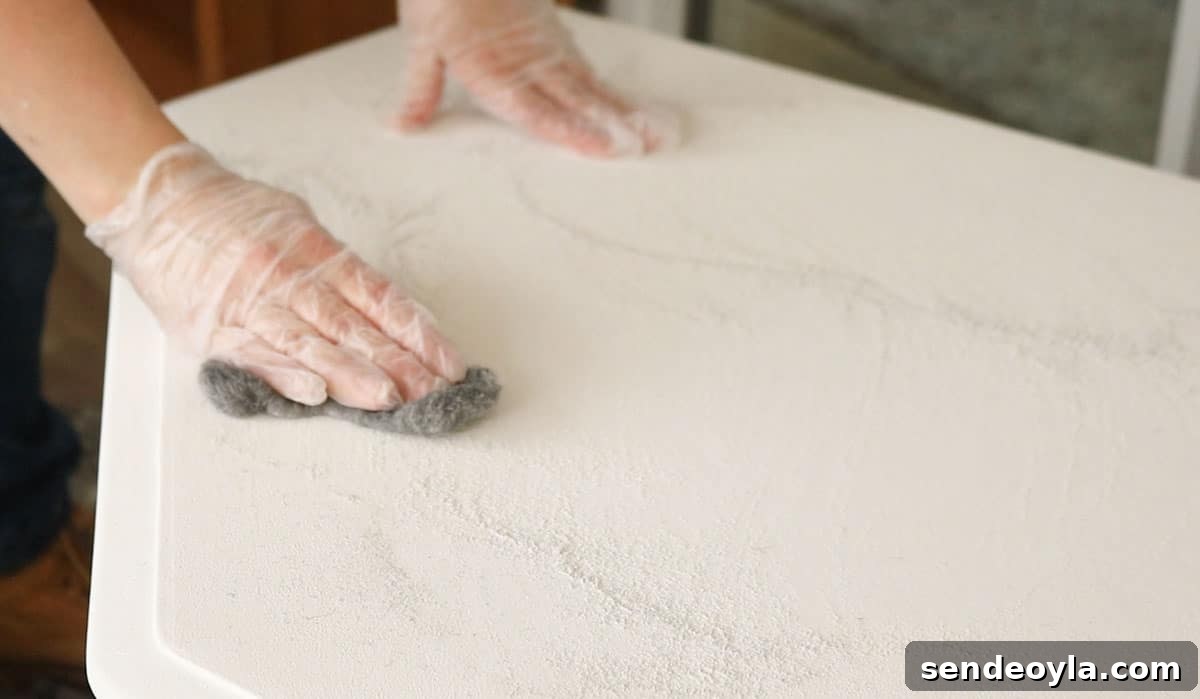
METHODS FOR SANDING YOUR CHALK PAINT
You can wet-sand if you don’t want to wait for full drying, but that can produce uneven distressing. I prefer superfine 0000 wire wool for a soft, smooth finish and to distress edges gently. Alternatively, use 120–240 grit sandpaper for more controlled smoothing. Wear a mask and ventilate the area — sanding creates dust.
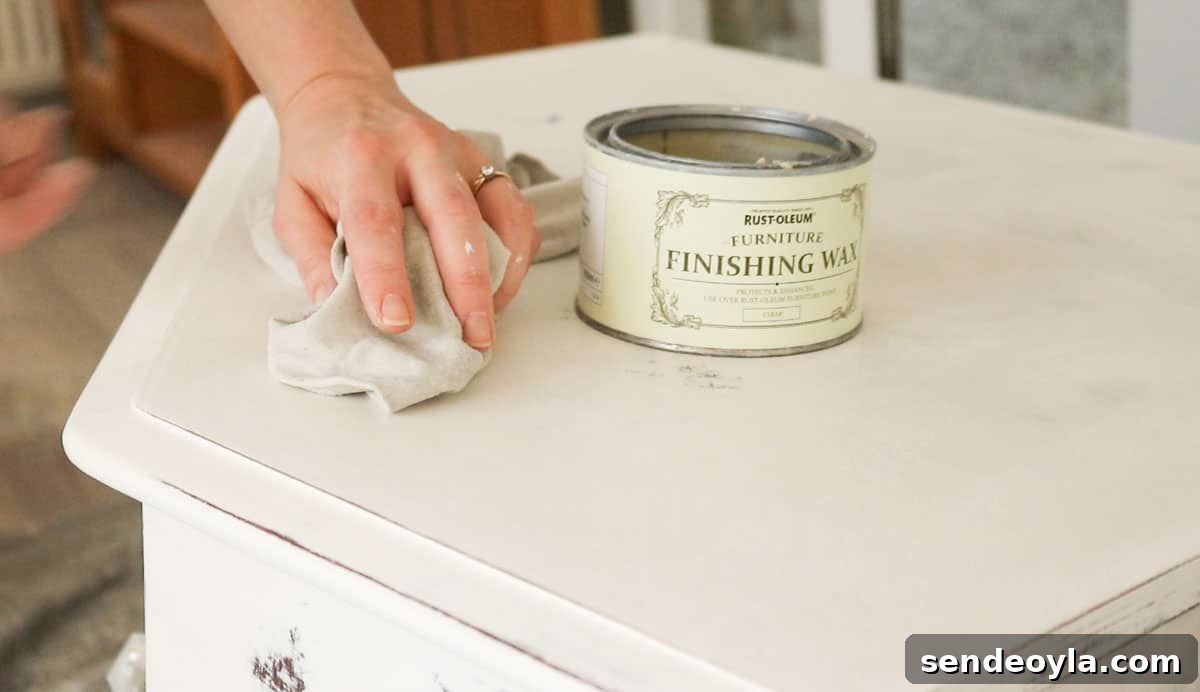
SEALING YOUR CHALK PAINT
For a quick finish I use clear furniture wax applied with a lint-free cloth and rubbed in circular motions. Wax protects the paint but isn’t fully hardwearing — wipe spills immediately. For greater durability, use a water-based varnish on bare paint (do not apply varnish over wax). If you plan to wax, apply it only after varnish is fully cured.
Hopefully these tips inspire you to refresh an old piece, save money and perhaps earn a little extra. I don’t buy pieces to upcycle unless I really need them anymore, but knowing how to paint furniture quickly is a handy skill.
If you try this method, please share a photo on social media and tag the project so I can see your results.
PRINTABLE GUIDE FOR PAINTING FURNITURE QUICKLY
How to Paint Furniture Quickly
Materials
- Water
- Washing-up liquid
- Wood filler
- Calcium carbonate (for homemade chalk paint)
- Emulsion paint (wall paint) or furniture paint
- Furniture wax or water-based varnish
Tools
- Bucket and sponge
- Sanding block and sandpaper (120–240 grit)
- Mini foam roller and paint tray
- Fine 0000 wire wool
- Lint-free cloth or old white cotton sheet/shirt
Instructions
- Thoroughly clean the piece with soapy water and dry.
- Fill dents or holes with quick-setting wood filler; allow to dry and sand smooth.
- Mix chalk paint if making your own, or open your chosen furniture paint.
- Apply thin coats with a mini foam roller; allow to dry between coats.
- Apply a second coat or spot-touches as needed.
- Sand or rub down with fine wire wool to achieve a smooth or distressed finish.
- Seal with clear furniture wax (rub in with a lint-free cloth) or use a water-based varnish for greater durability.
- Allow proper curing time before heavy use; waxed finishes perform best after a short cure.
PIN HOW TO PAINT FURNITURE QUICKLY
More Furniture Restoration for Beginners
- Oak furniture repair tutorial
- Make cheap homemade chalk paint with calcium carbonate
- Upcycle a drawer into an insect hotel
- Painting furniture for profit
- Repainting appliances with enamel paint
- Whitewashing wood painting tutorial
- How to paint a wooden plant stand for indoors
- Using paint stripper to avoid sanding