
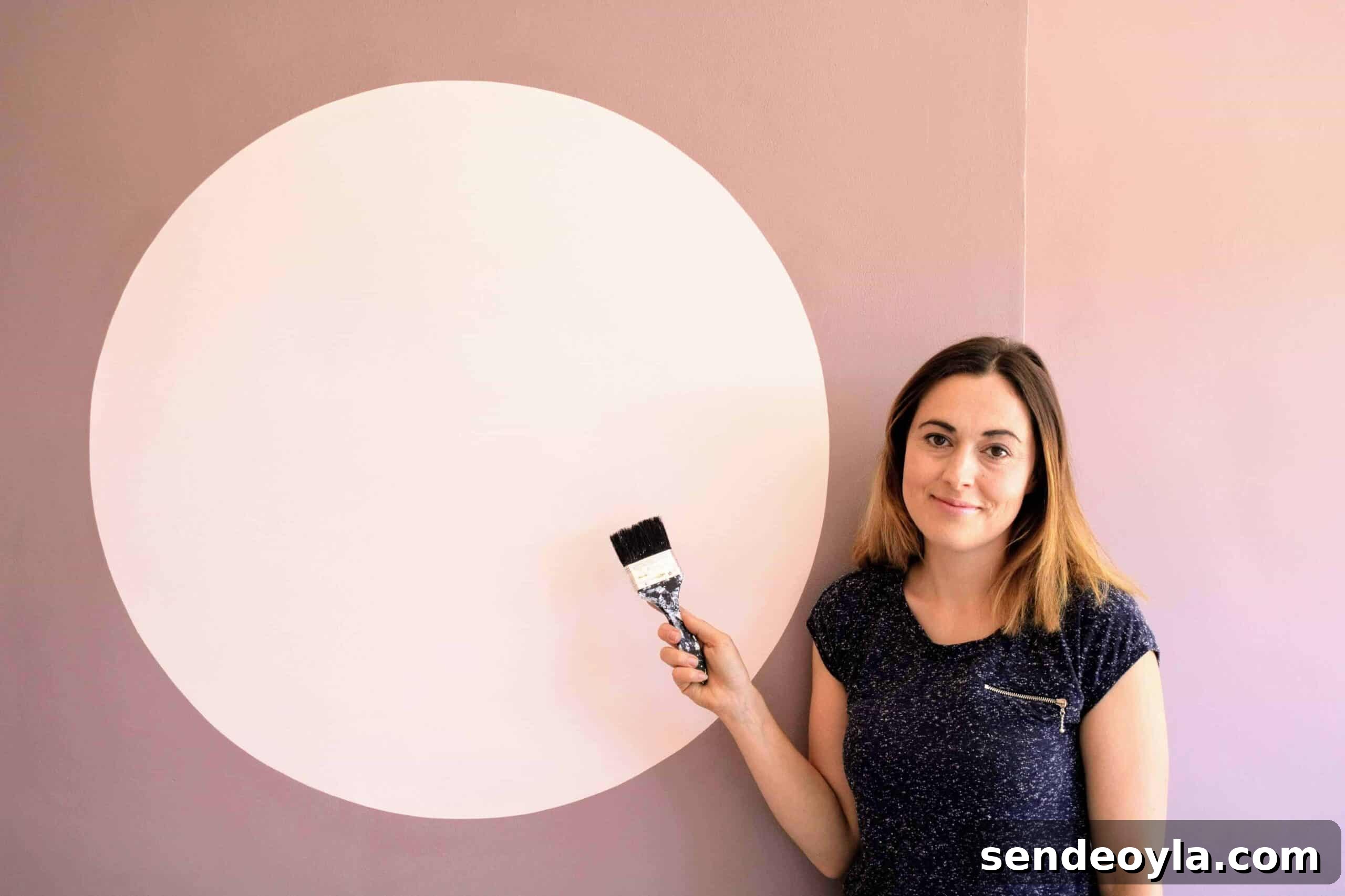
Here is a detailed beginner’s guide to decorating a room from scratch. It walks through planning a makeover, painting tips and techniques for walls and doors, and how to add finishing touches. Several video guides and visual aids are referenced to help you along the way.
Learning basic painting and decorating yourself saves money and lets you develop your own interior style. Even simple, budget-friendly ideas can look expensive when you choose the right colours and furniture.
If you’ve never taken on a room makeover before, this guide will walk you through the essentials—from planning and colour selection to practical painting techniques and finishing details. Expect practical advice drawn from real projects and straightforward tips that make the process less daunting.
Create a Mood Board
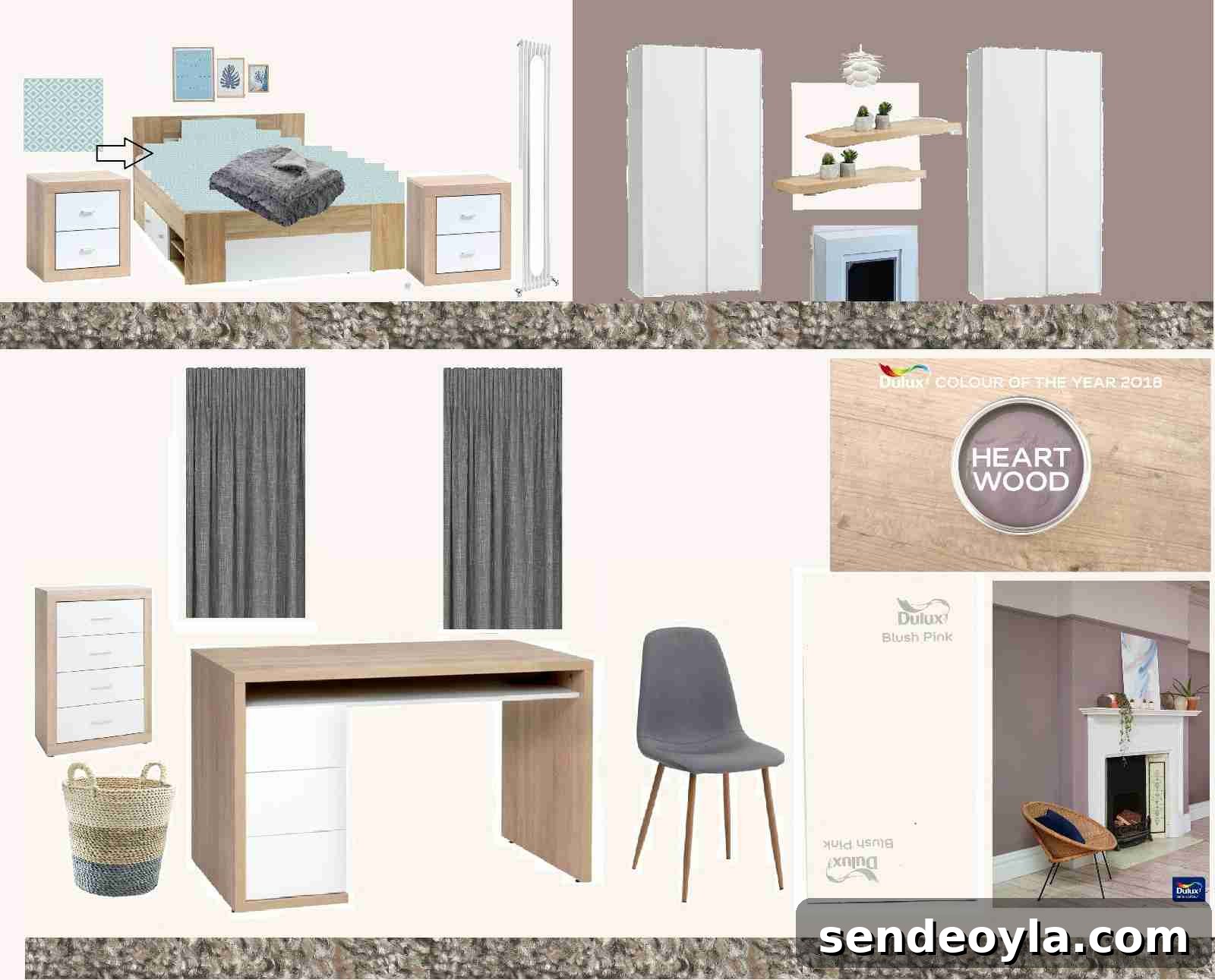
A digital mood board is one of the easiest and most useful planning tools. I keep mine simple—sometimes just in a basic paint program—though there are more advanced 3D and room-planning apps if you prefer. Use a colour-picker to sample hues, drop in photos of furniture or finishes, and move elements around until the layout feels right. Taking time to plan means fewer surprises when you start decorating.
Give yourself a few days to refine the look and test combinations. This small investment of time prevents wasted paint and mismatched purchases later on.
Choosing Your Colour Scheme
Your favourite colour may not always suit a particular room. Consider these factors when choosing paint:
- Room size—lighter colours open up a small space
- Direction of natural light—north-facing rooms feel cooler, south-facing rooms warmer
- Colour and scale of existing furniture
- Undertones in the paint—some greys lean blue, others toward brown or green
Testing samples on the wall at different times of day is essential—paint often looks different in morning light than it does at dusk. If you spot a colour you like while out and about, colour-scanning tools can help match it and suggest complementary shades.
Using the 60‑30‑10 Rule
A simple and effective guideline is the 60‑30‑10 rule: 60% of the room is the main colour, 30% is a secondary colour, and 10% is an accent. The accent might be a contrasting wall, an alcove, or accessories like cushions and artwork.
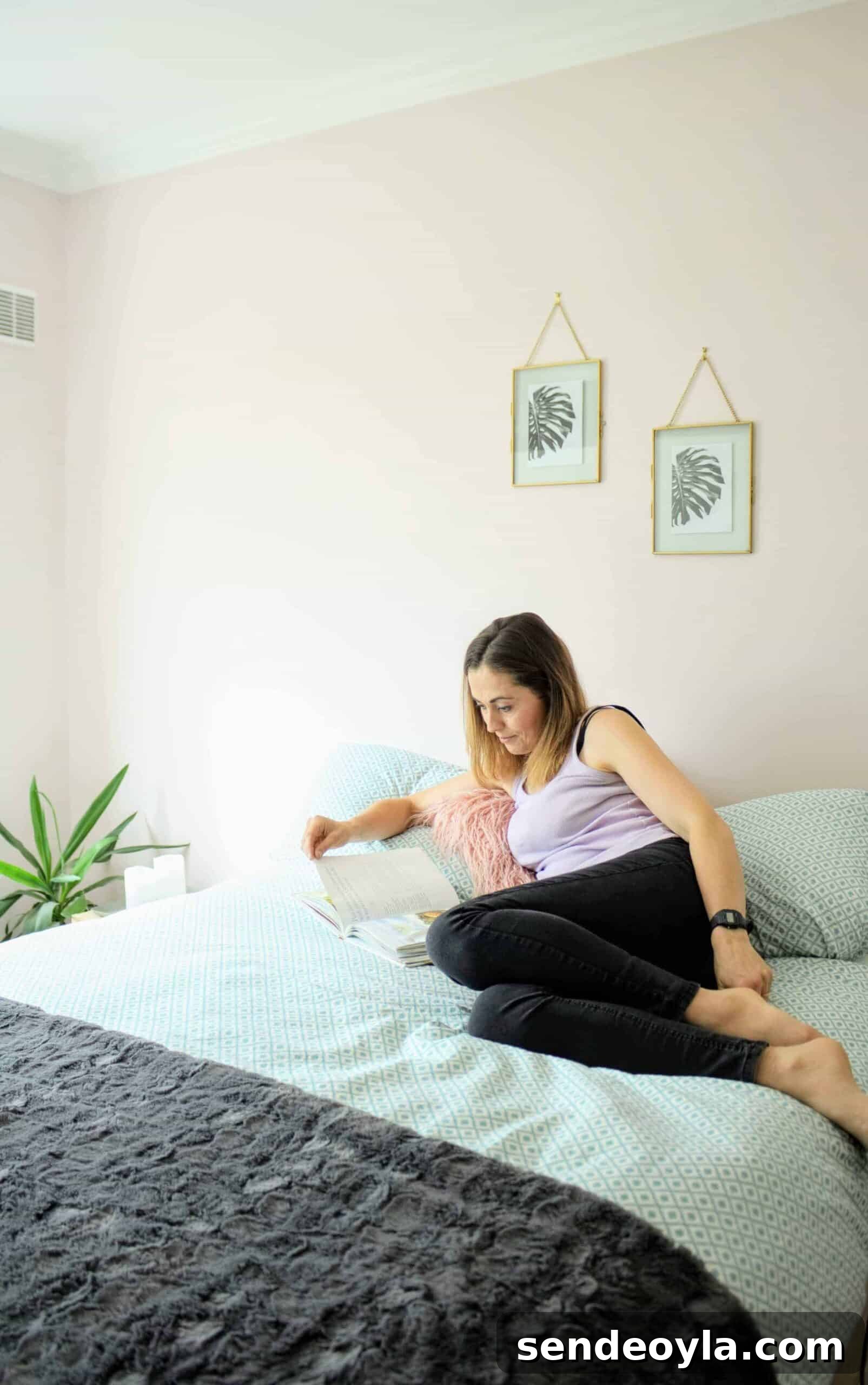
Tips for Picking Wall Colours
- Paint a small white base where you’ll test samples, since old magnolia or textured paint can alter how a colour reads.
- Buy several sample pots or swatches and stick them to the wall—observe how they change with the light.
- If you prefer a digital option, try a paint visualizer app to preview colours on photographed walls.
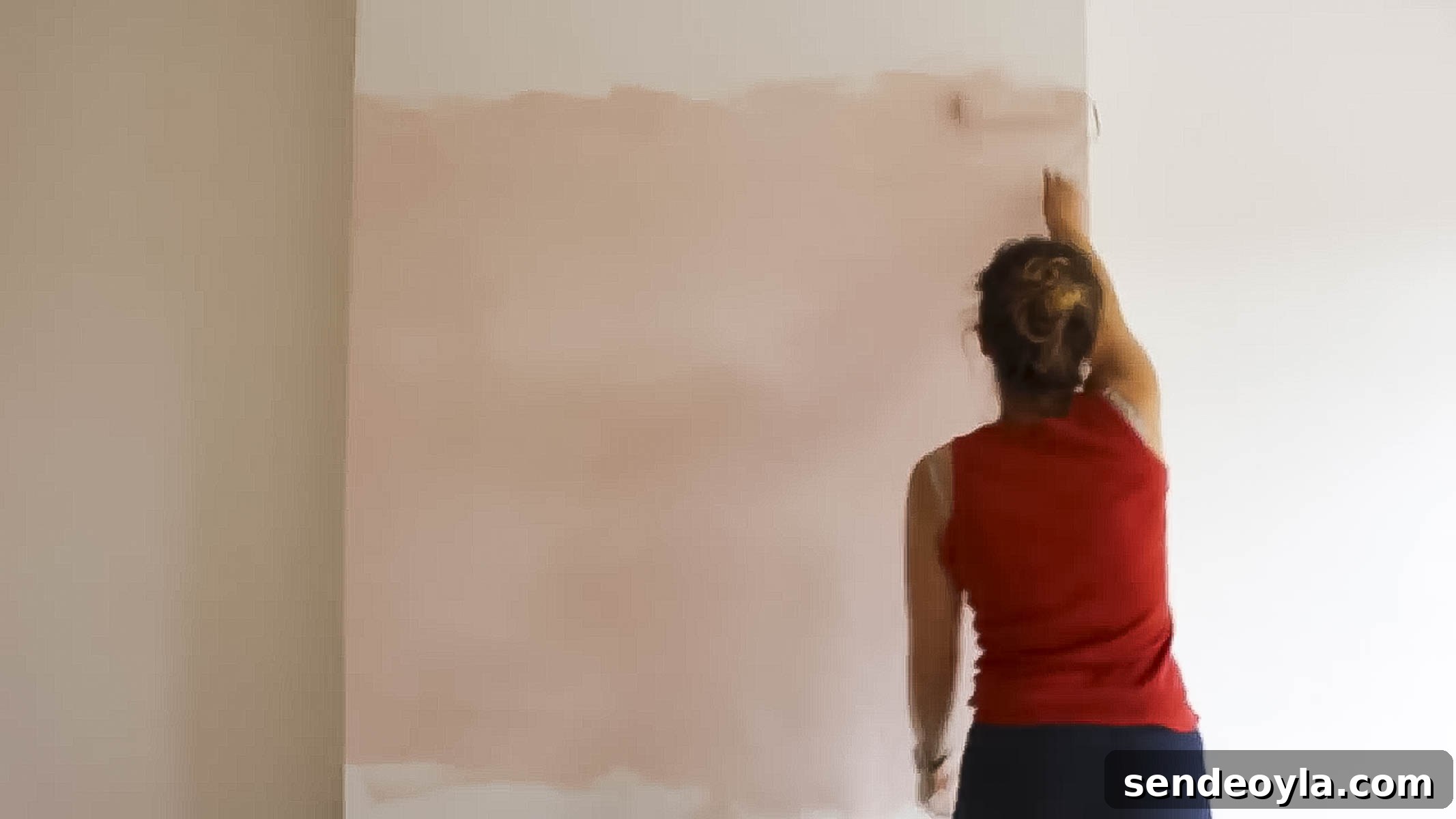
Choosing the Right Paint for Walls
Don’t guess with your final paint coat—choose the finish that suits the room’s use and the condition of the walls. Here’s a quick guide to common finishes:
Matt Emulsion
Matt emulsion gives an elegant, flat finish and hides small imperfections well. However, it is often not washable, so it may not be ideal for high-traffic rooms or homes with young children and pets.
Vinyl Matt Emulsion
Vinyl matt offers the same soft, low-sheen look but with added washability, making it a versatile choice for many living spaces. It hides flaws while remaining easier to clean than traditional matt paints.
Vinyl Silk Emulsion
Vinyl silk is very durable and easy to wipe clean, which is useful in kitchens and bathrooms. It has a noticeable sheen and highlights surface imperfections, so it works best on smooth, well-prepared walls.
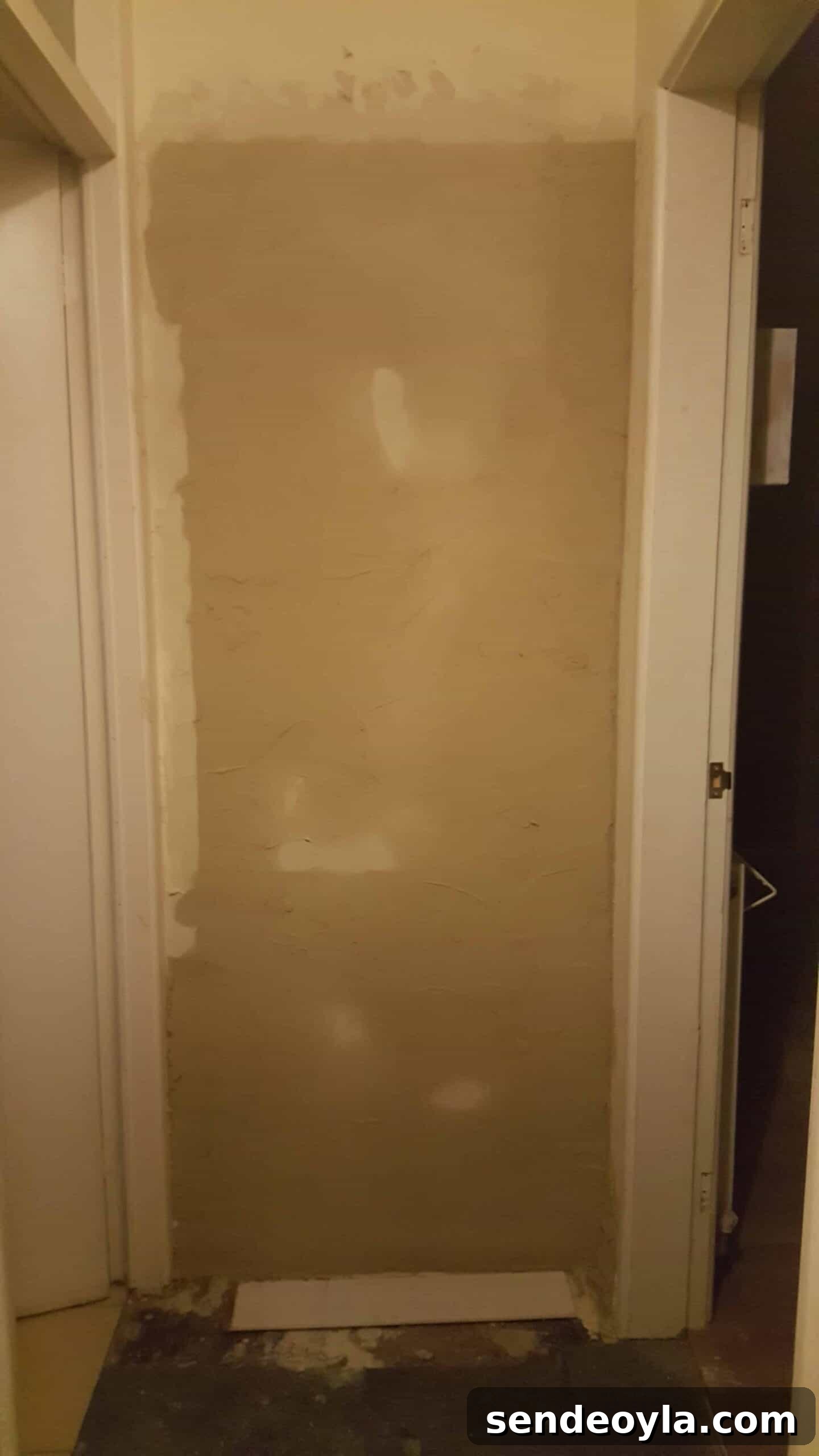
Painting Freshly Plastered Walls
Fresh plaster needs time and the right approach. Use a paint labeled safe for bare plaster or apply a mist coat first—this is a diluted coat of emulsion (about the consistency of milk) that lets the plaster accept the paint evenly. Once the mist coat is dry, continue with full-strength paint.
Should You Use PVA on Fresh Plaster?
Using PVA as a sealer on fresh plaster is a debated practice. On large patches it can prevent paint from absorbing properly and may increase the risk of peeling. For full plaster repairs, follow product instructions and consider professional advice for best results.
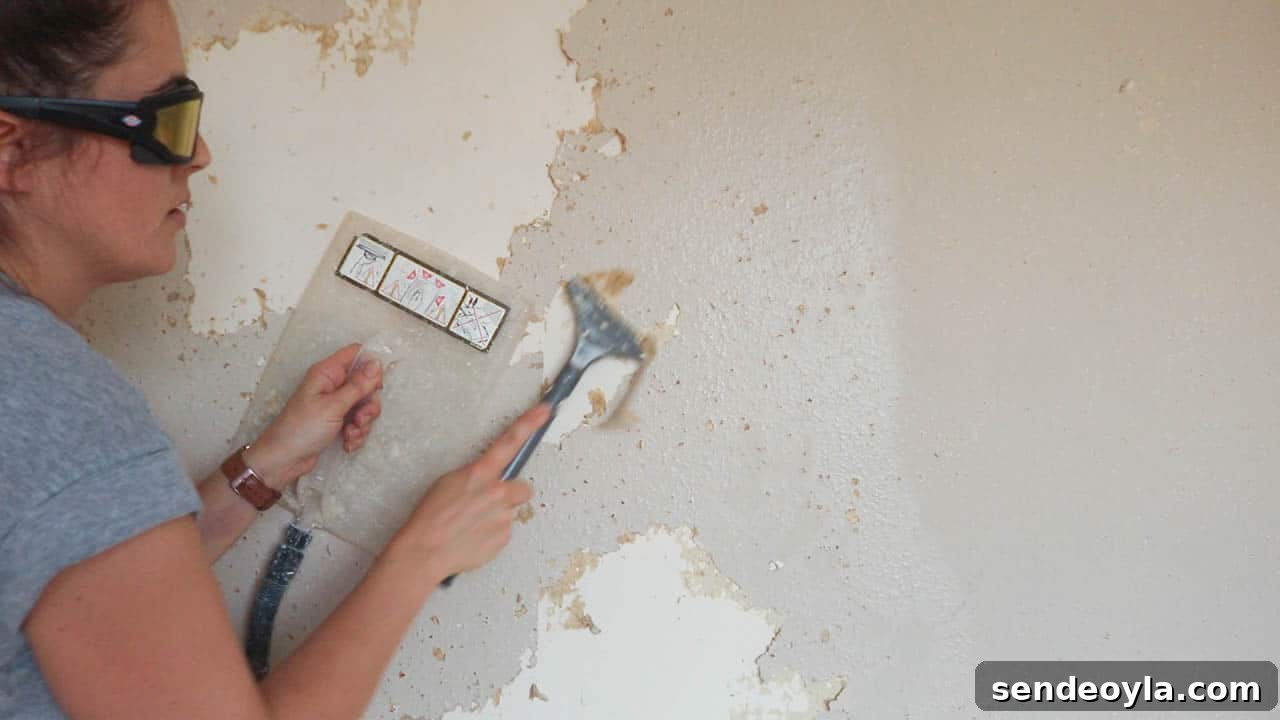
Strip Old Wallpaper
I recommend removing all old wallpaper layers before decorating. Starting with clean, bare walls prevents future peeling and gives a reliable base. Use a steamer or a wallpaper stripper if you have one; solvent and soaking methods also work. If wallpaper has hidden cracks, remove it and address the cracks before painting.
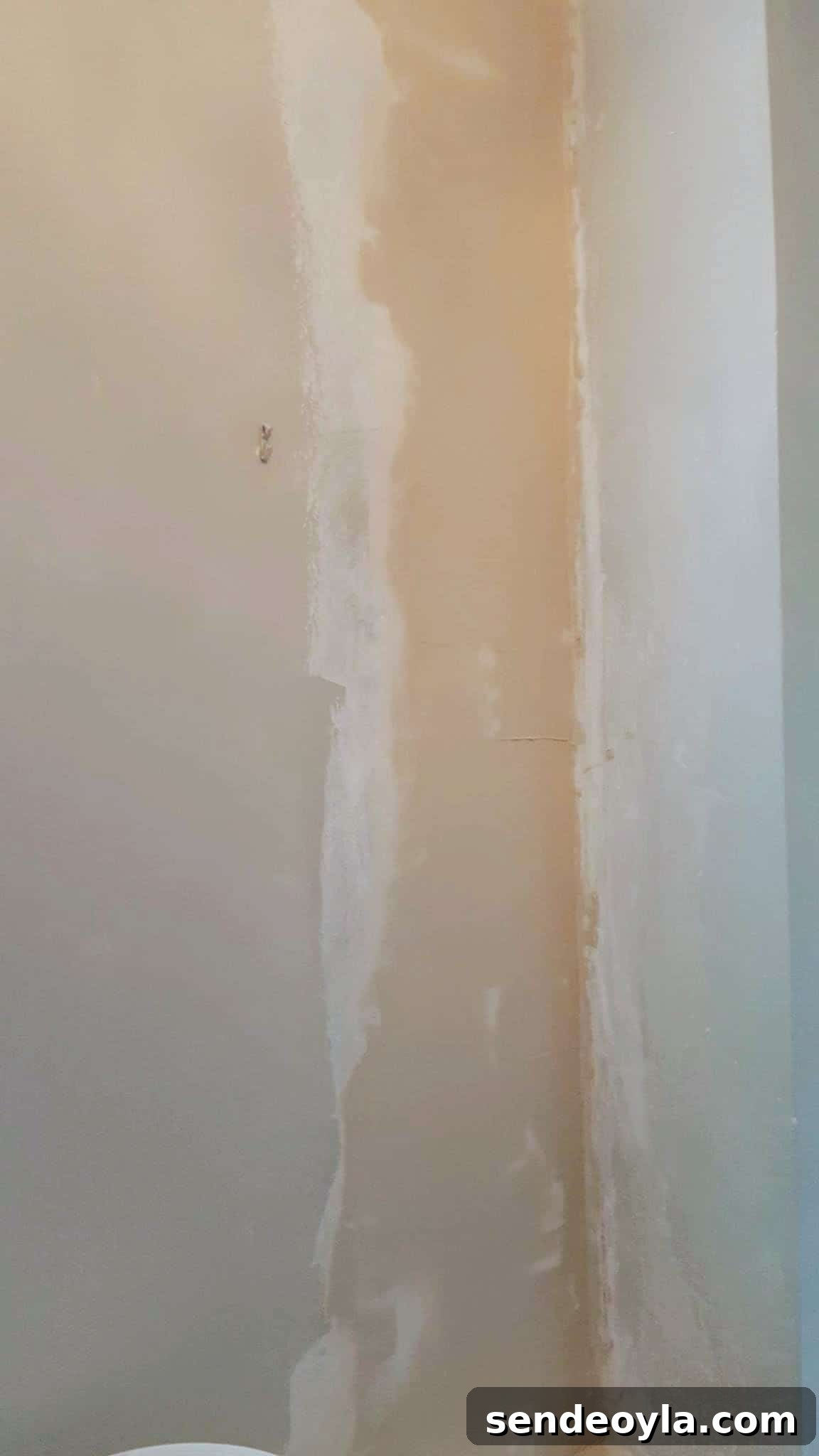
How to Fill Walls Before Painting
Filling and preparing walls is one of the most important steps. My process is:
- Apply a coat of matt white emulsion as a neutral base—this will show which blemishes remain visible.
- Fill hairline cracks by opening them slightly with a filling knife, or use scrim tape for reinforcement before filling.
- For dints and small holes, use a multipurpose filler, slightly overfilling, then sand smooth once dry.
What Filler to Use
Ready-mixed fillers are convenient but can sometimes be harder than the surrounding plaster, making sanding tricky. Cheaper tub fillers or mixing your own powder filler allows easier sanding and better blending.
When to Use Plaster Instead of Filler
Large holes down to brick or areas chased for cables require plaster rather than filler. For these repairs, use a PVA primer if recommended, and consider a skim coat to restore a smooth surface. Ready-mix skim is easy to apply with a spreader.
Protect Your Home Before Decorating
Decorating is messy, so protect surfaces and contents first. Recommended steps:
- Remove or cover furniture
- Take down curtains, nets, and blinds—or cover windows for privacy during work
- Protect carpets and floors with dust sheets or runner protection
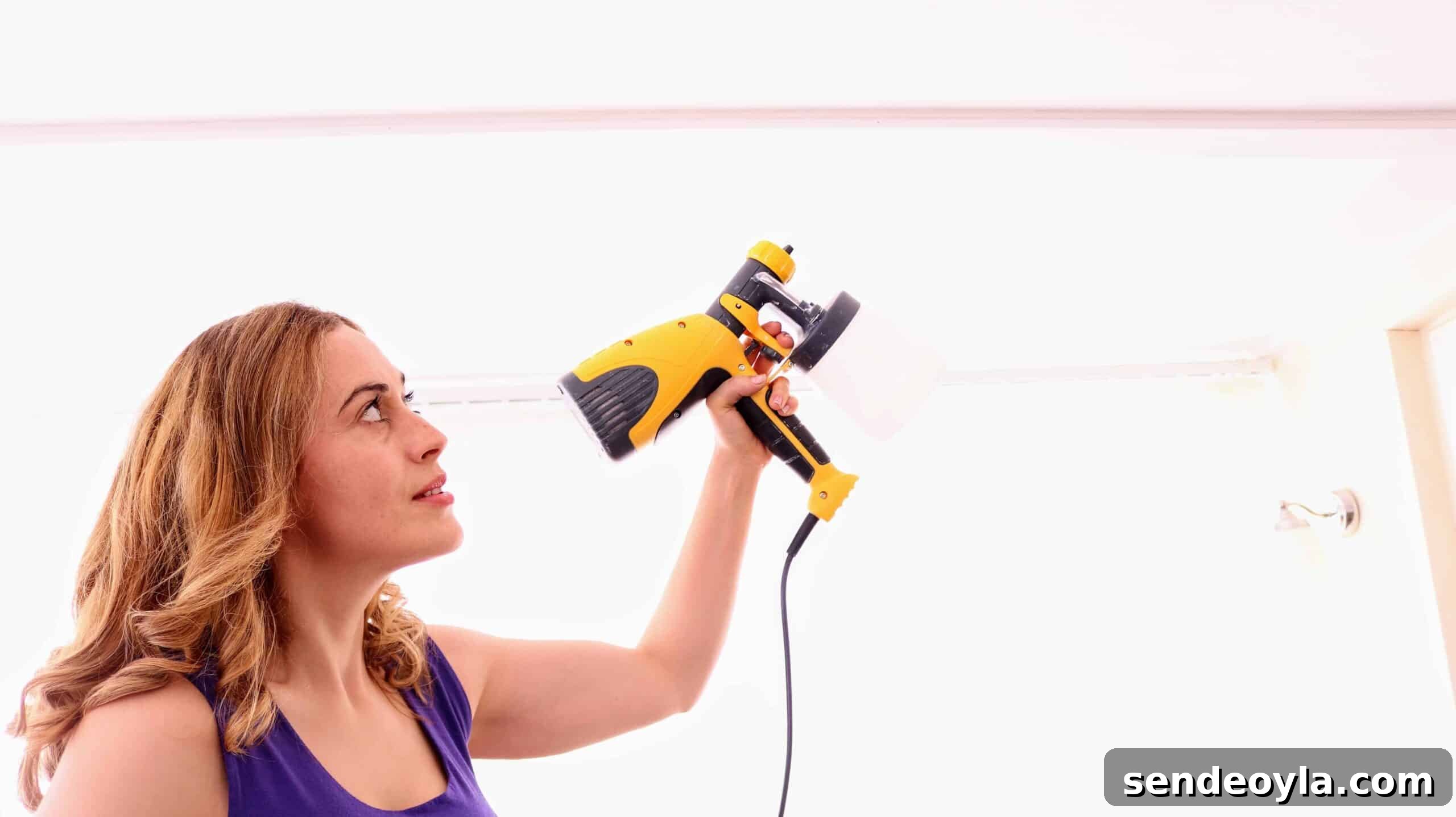
Painting and Decorating Tools
- Drop sheets or rags to protect the floor
- Woolly and foam rollers (woolly for slight texture, foam for smooth gloss)
- Good-quality brushes for cutting in
- Roller tray and liners
- Low-tack masking tape or a straight edge for clean lines
- Step ladder
- Filler, filling knives, and sandpaper
- Work clothes or overalls
- Screwdriver to remove sockets or switches (turn off electrics first)
- Caulking gun and quality caulk
- Sponge and sugar soap for washing walls
Spray systems are useful but require thorough protection from overspray, so they’re best used in empty rooms or when flooring is being replaced.
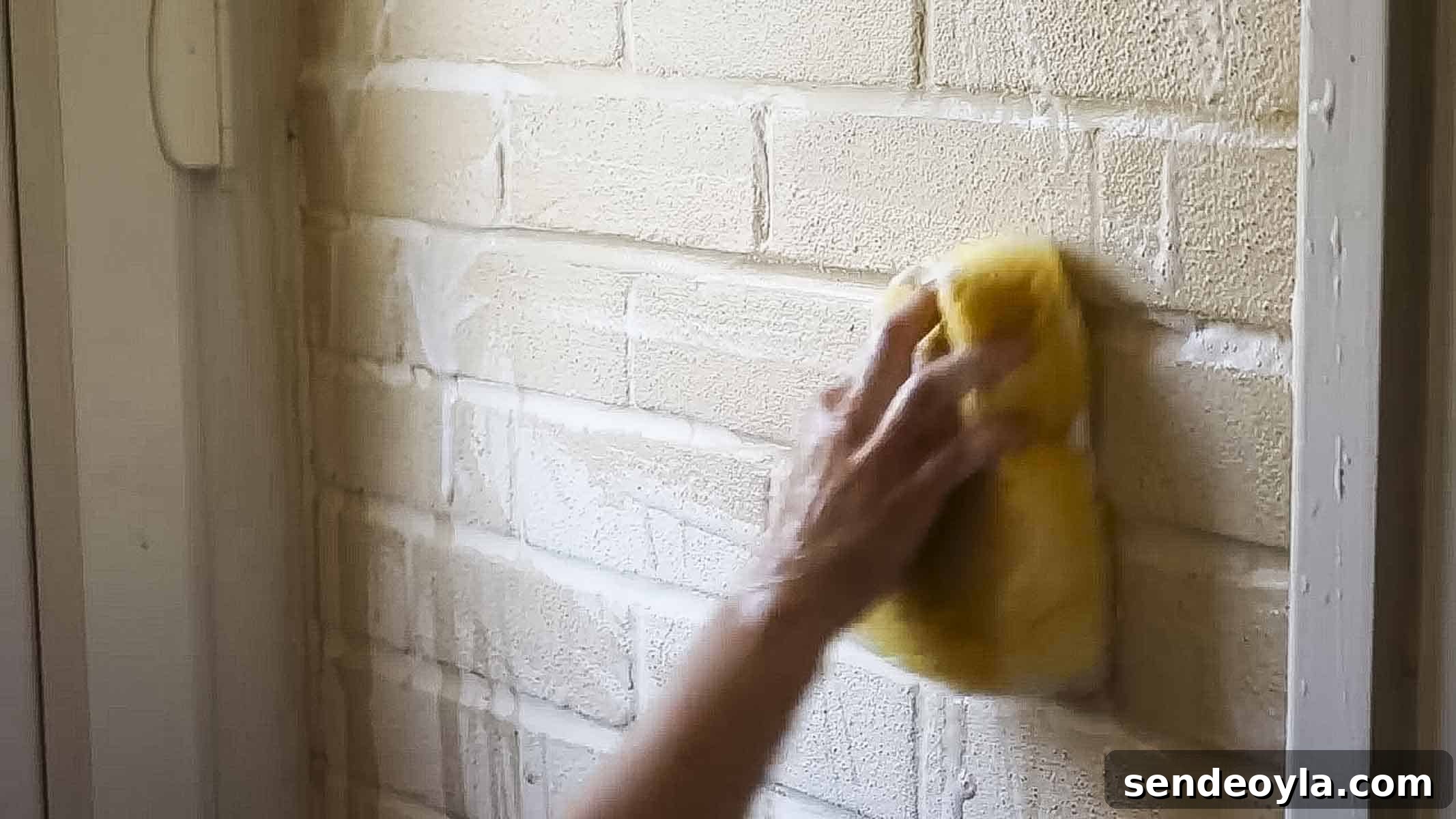
Washing the Walls
Clean walls with sugar soap and a damp sponge before painting. Start low and work upward to catch any drips and ensure an even, clean surface for paint adhesion.
Cutting In
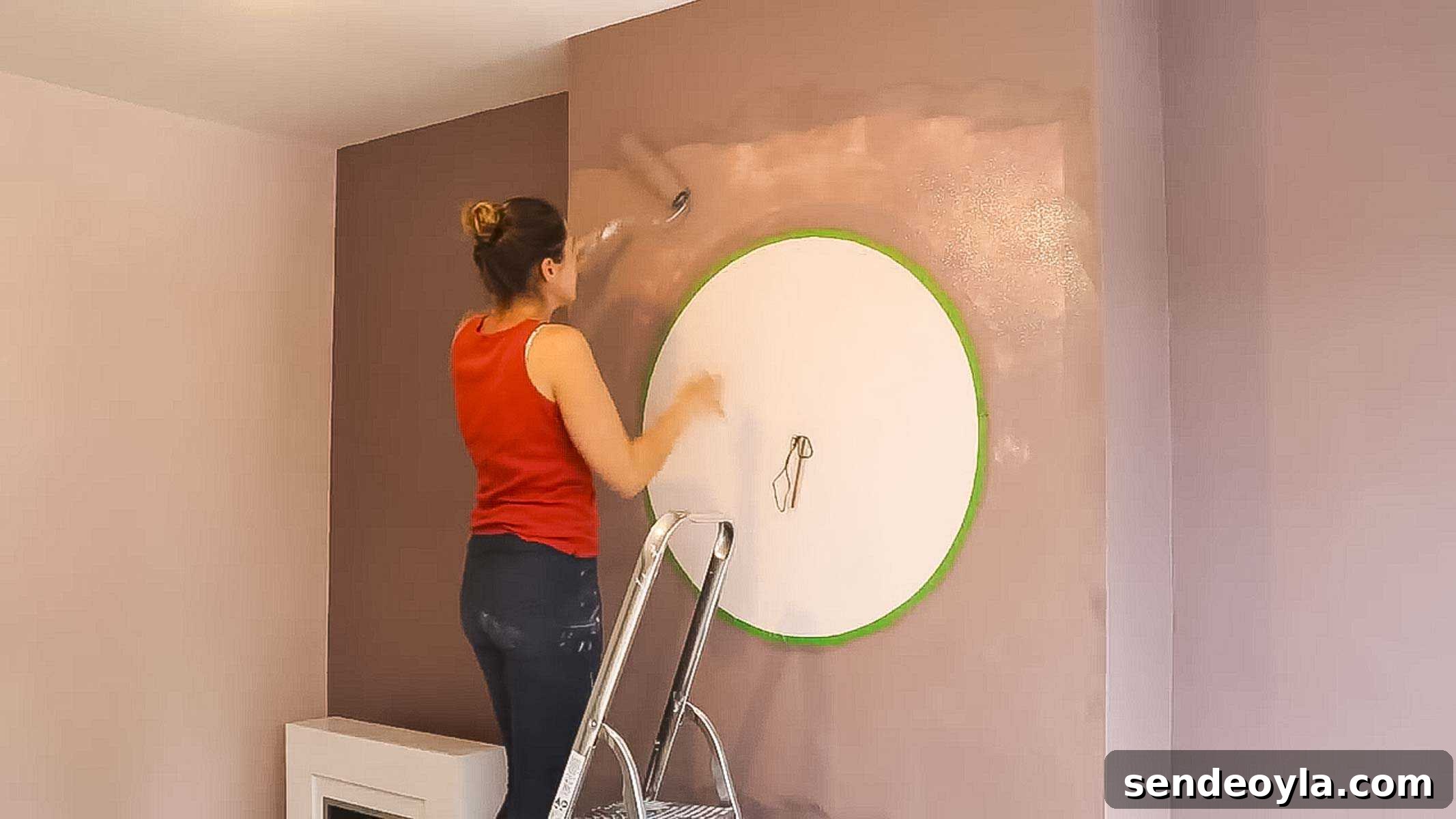
Cutting in means painting the edges and tight spots by hand with a brush where a roller won’t reach—along the ceiling line, around doors and windows, above skirting boards, and around switches and sockets. After cutting in, fill the larger areas with a roller. Apply a single even coat first; opacity improves after drying.
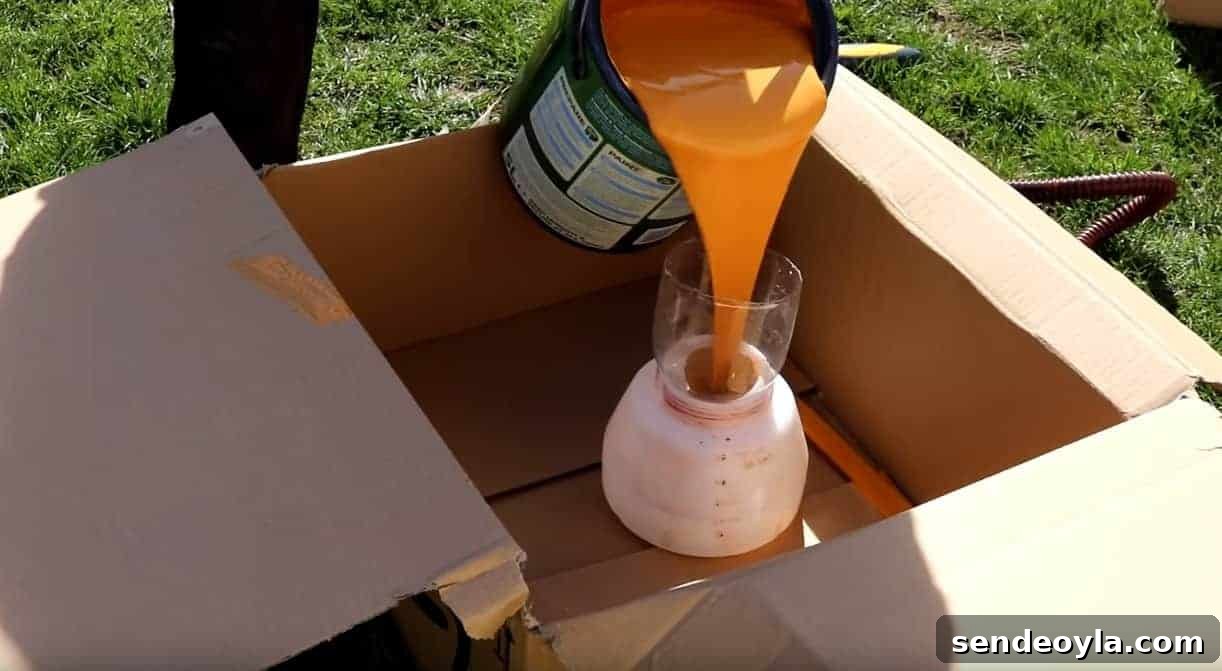
Minimizing Mess
- Keep the paint can in a shallow bucket to contain spills.
- Line roller trays with a disposable bag or liner for easy cleanup.
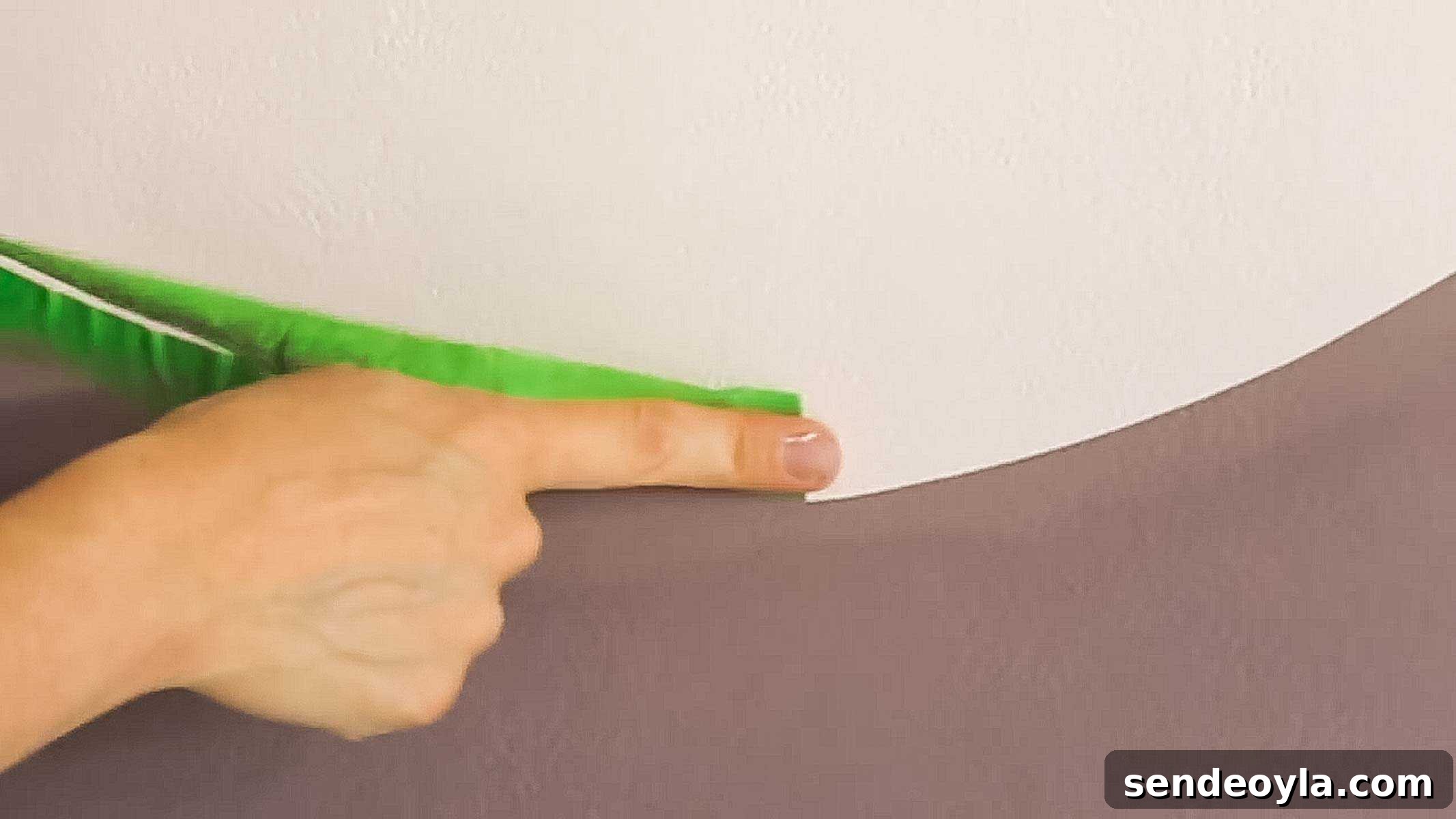
Painting Multiple Colours and Sharp Lines
When painting adjacent colours, a crisp line is essential. Use low-tack masking tape and follow a few simple rules: don’t press the tape down too firmly; remove tape while paint is still slightly wet to avoid a paint lip; and pull the tape back on itself while holding it down with your finger for a neat edge. Card or a straightedge can help speed the job.
Masking Tape Tips
- Use purpose-made low-tack tape for painted surfaces.
- Remove tape gently and early rather than waiting for full cure to avoid peeling.
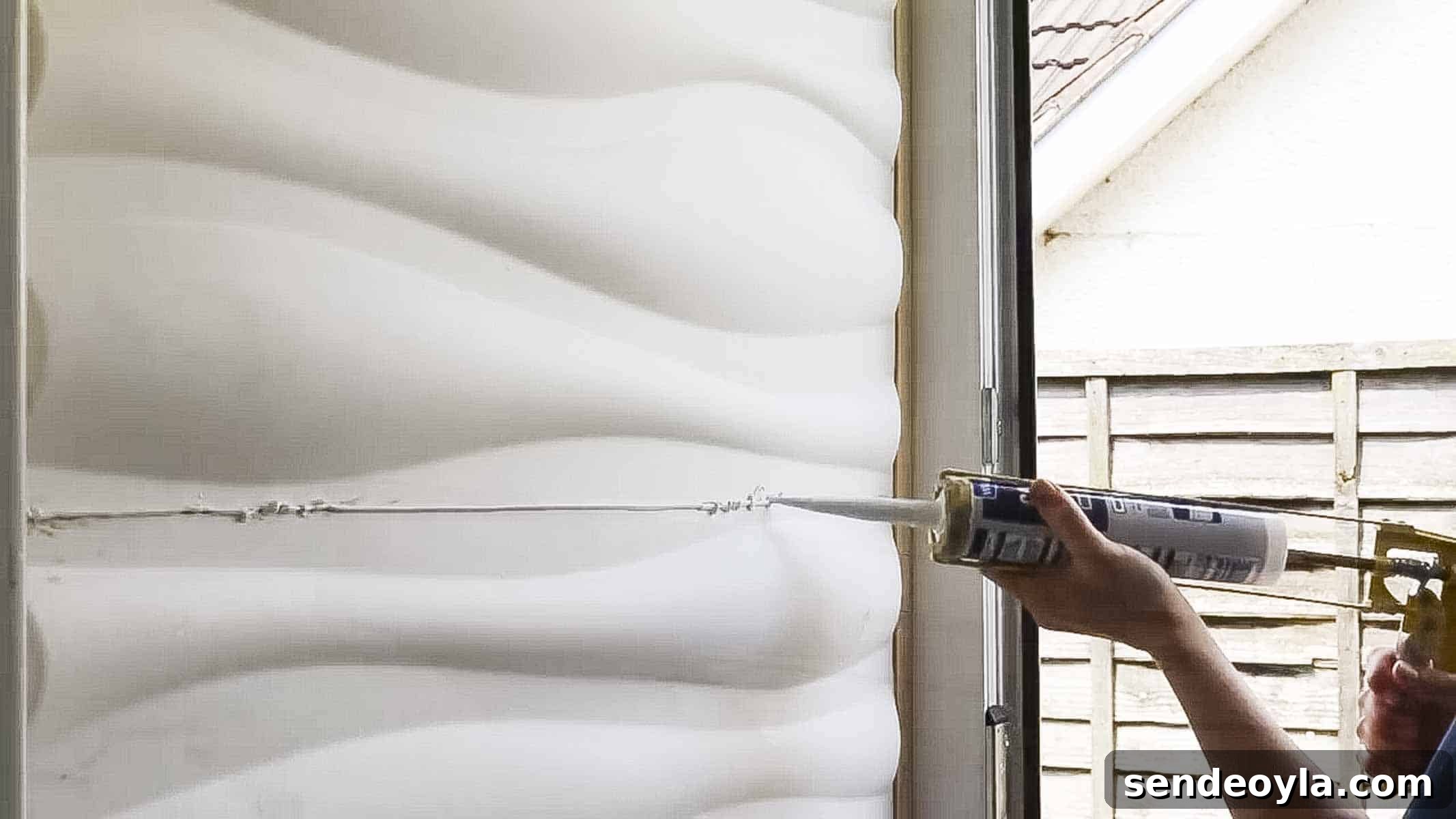
Caulking and Finishing
Caulk seals gaps and gives a professional finish around skirting and trim. For best results:
- Choose a caulk that matches the trim or is paintable.
- Use steady pressure and move the gun forward—pushing slightly is often smoother than pulling.
- Trim the applicator tip flat for even flow, then smooth the bead with a wet finger or a finishing tool and wipe away excess.
If you’re working with silicone in wet areas, follow recommended techniques for a clean, durable seal.
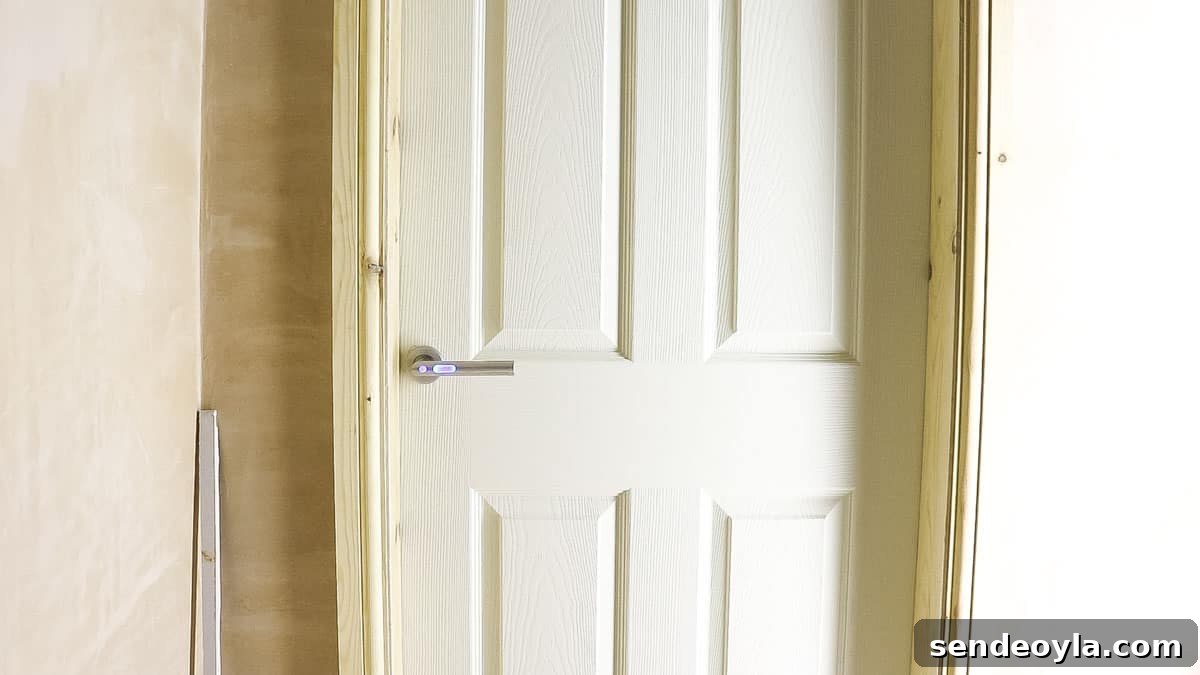
Painting Doors, Skirting and Window Sills
Doors and trim need hardwearing paint. Satinwood or gloss is common for doors, but consider water-based finishes for quicker drying and easier cleanup. Use a foam roller for smooth, brushmark-free results, and prime any knots or stains before applying the topcoat.
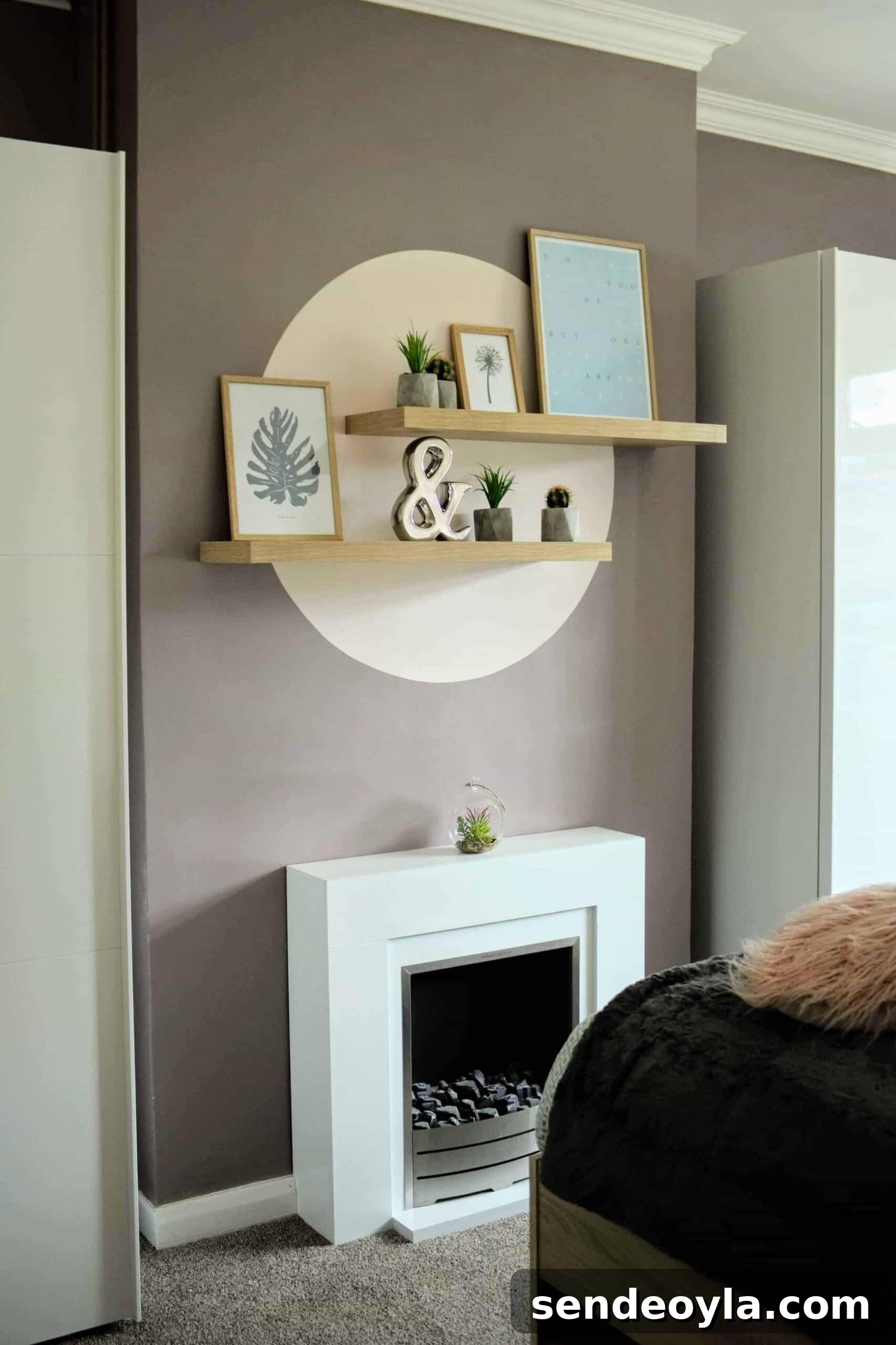
Finishing Touches
- Fitting coving can elegantly frame a room and lift a bold wall colour when paired with a white ceiling.
- Floating shelves and carefully curated vignettes highlight newly decorated spaces.
- Painting or upcycling furniture is a budget-friendly way to refresh a room—chalk paint and simple finishes transform old pieces.
- Feature solutions like 3D wall panels add texture and drama to a single wall without the commitment of full-room changes.
- Wallpaper can be striking but is less flexible than paint—consider permanence when choosing patterns and colours.
Dealing with Textured Walls
If your walls have heavy texture such as old Artex, be cautious—some older textured finishes can contain asbestos. If you suspect asbestos, get professional advice before removing. For non-hazardous textured surfaces, a decorator can tidy raised edges before a skim coat for a smooth result.
Additional Resources and Related Posts
- Planning a bedroom makeover: step-by-step planning advice
- Paint sprayer reviews and when to consider a spray system
📖 Printable Card
How to Decorate a Room for Beginners
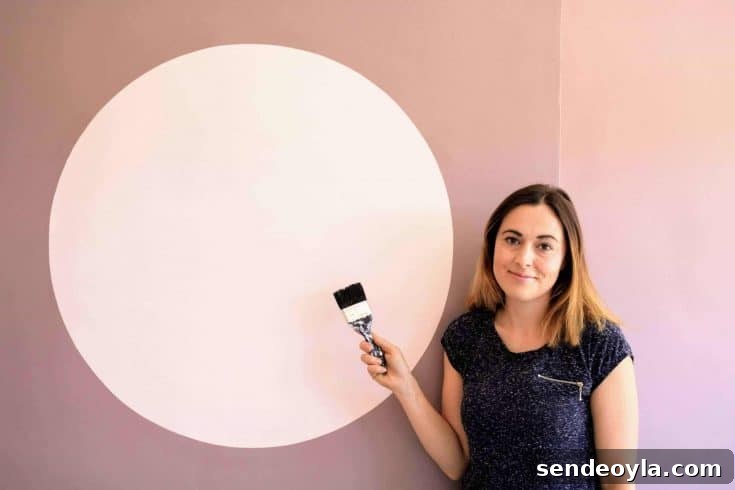
A practical, step-by-step beginner’s guide to decorating a room from scratch—covering planning, paint selection, preparation, and finishing touches.
Instructions
- Empty the room and protect the floor
- Strip any old wallpaper and prepare the surface
- Apply white matt emulsion for a blank canvas
- Fill and sand blemishes where needed
- Choose your colour scheme and tape edges for clean lines
- Turn off electrics and remove sockets for a neater result
- Apply a mist coat on bare plaster and allow to dry
- Cut in with a brush, then roll the wall
- Paint skirting, door frames, and doors with a durable finish
- Caulk gaps between skirting and wall and add final touches