
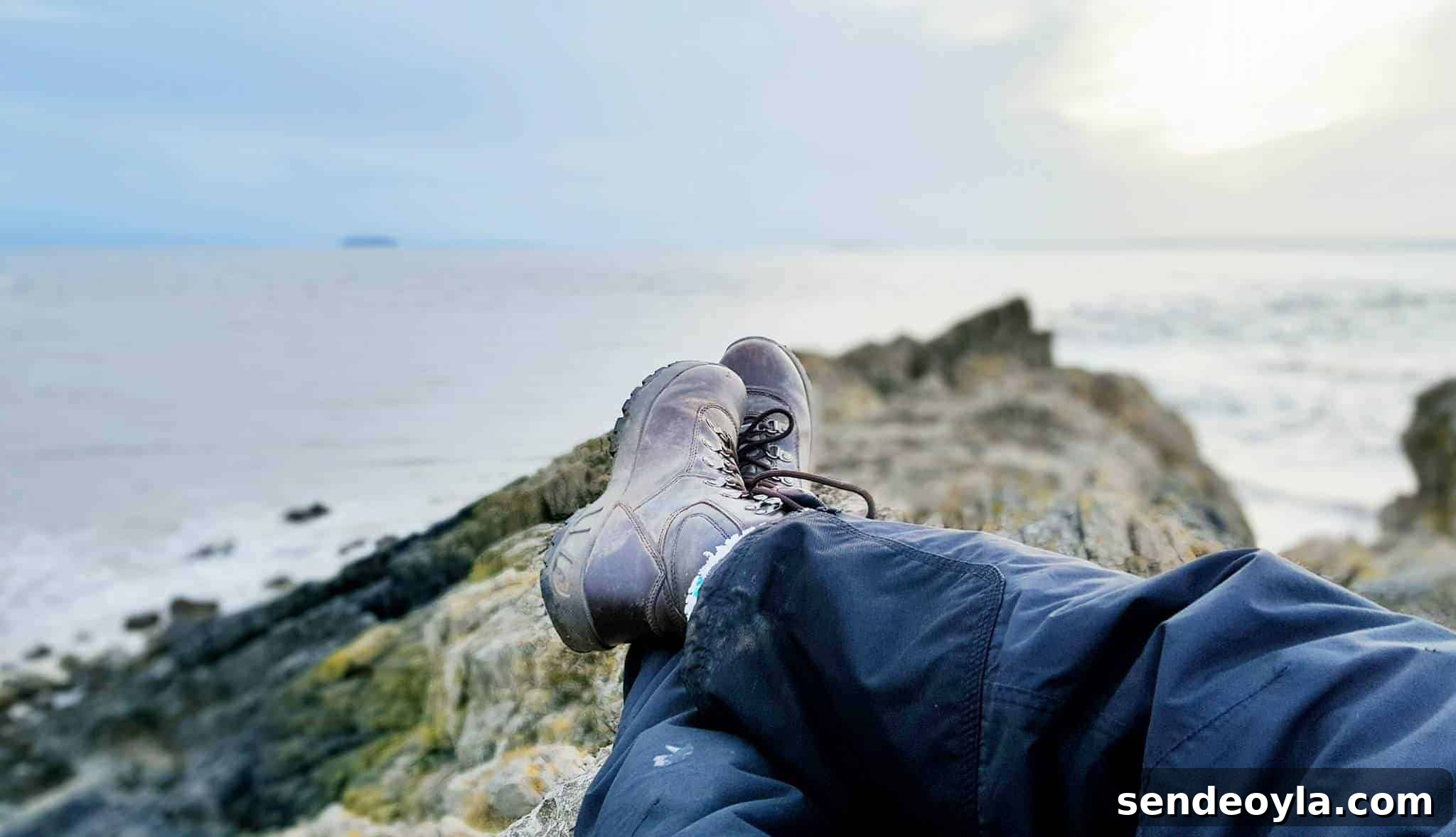
How we budget for travel around the UK and Europe—mainly by camper van and sometimes by narrowboat—so we can enjoy dog-friendly holidays without breaking the bank.
If you like practical money-saving tips, you might also enjoy my five simple ways that saved me time and money this year. We apply the same sensible approach to planning and funding our holidays.
When it comes to travel, we never spend what we don’t have. We try to be intentional with our money—especially while renovating our first home—so every trip is planned and paid for in advance.
I grew up with the idea that money is “hard-earned, easy spent,” and although we’ve generally been comfortable, saving and budgeting are habits I’ve always kept. They make travel less stressful and more enjoyable.
Camping tends to be cheaper than an overseas holiday, and travelling by camper van or narrowboat means we can take our dog along—no kennel fees and more freedom to explore.
We still love a proper holiday—life’s for enjoying—and a bit of careful planning means we can treat ourselves without derailing day-to-day finances. If we’re not working, you’ll usually find us on a coastal walk or parked near the beach with our Border Collie, Hans.
Below are the main budgeting strategies we use to save for travel, beyond the obvious tip of comparison-shopping for the best deals. These are practical, repeatable habits that help us fund regular dog-friendly UK and European trips.
- Set up a monthly standing order. We keep multiple savings accounts with regular transfers labeled for specific goals—“House Deposit”, “New Camper Van”, or “Wedding Fund”. Schedule transfers shortly after payday so you only budget with the money that’s actually available. These dedicated accounts act as a safety net and make it harder to dip into travel savings for everyday spending.
- Have a seasonal clear-out and sell unwanted items. I regularly sell things we no longer need and add the proceeds to travel funds. Neighbours often ask for help selling appliances or clothes that would otherwise be thrown away. Use local classifieds and free listing sites like Gumtree, Preloved and Shpock first; reserve eBay for items that need a wider audience because of increasing seller fees.
- Shop charity shops and jumble sales for holiday clothes. Once you get comfortable with second-hand clothing, you can find excellent quality items at a fraction of the price. I’ve picked up clothes for travel and everyday wear for pennies. Focus on colour, fit and style rather than labels—those choices make the biggest difference in how an outfit looks on you.
- Plan low-cost or free days out. The best days are often the cheapest. Coastal walks, local beaches, and many public nature reserves cost nothing or very little. I use TripAdvisor to find popular, dog-friendly attractions and to check practical details—but do your planning before you go in case of poor signal. Memberships like the National Trust are worth considering for repeat visits, free parking at many sites and access to scenic locations.
- Save loose change. My fiancé’s childhood habit of collecting 1p and 2p coins still works for us. Keep a tub for small change and cash it in when it’s full—those coins add up surprisingly quickly and are a simple way to involve the whole family in saving for a break.
While you save, it’s wise to protect your money in a secure account. The Financial Services Compensation Scheme (FSCS) can protect eligible savings held with UK banks, building societies or credit unions. Protection is automatic for qualifying accounts and gives extra peace of mind while you build your travel fund.
Disclosure: This post was created in collaboration with FSCS. As always, the opinions here are honest and based on our own experience planning affordable, dog-friendly travel.
Our Travel Diaries
- Our North Coast 500 itinerary in a camper van, including wild camping tips
- Hiring a narrowboat for a honeymoon adventure
- Dog-friendly motorhome hire adventures
- Camping in Northern England
- Our Mercedes Vito camper van conversion tour
- Review of Loch Ness Shores campsite
- Camper van road trip to France with a dog, Part 1
- Camping in France with a dog, Part 2