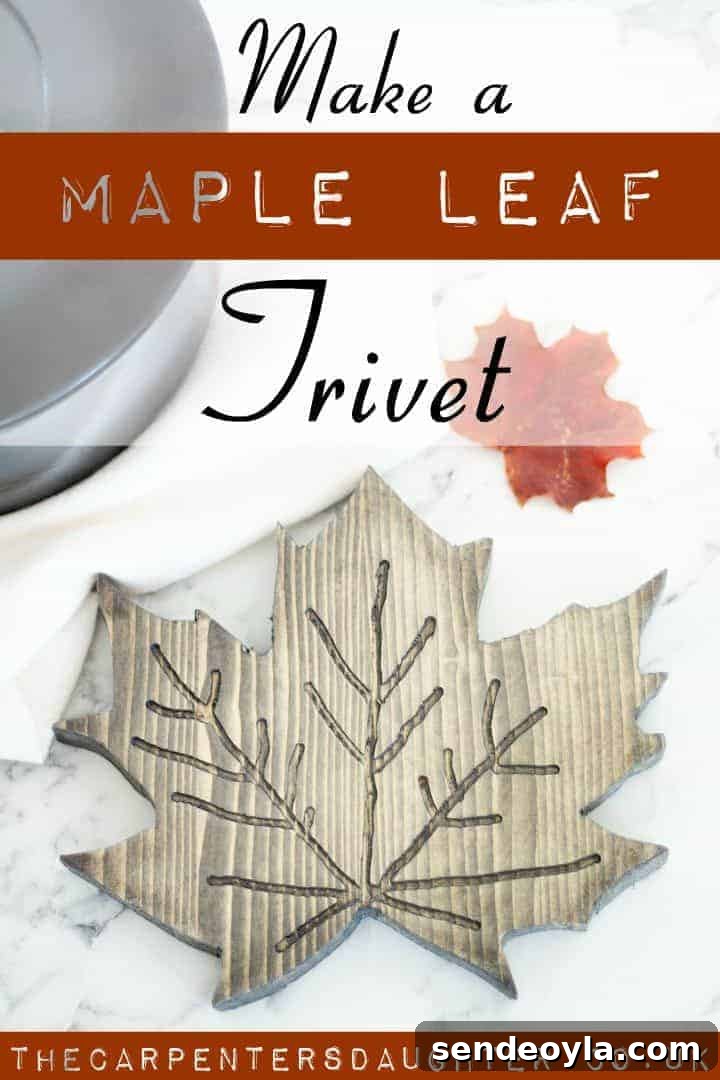
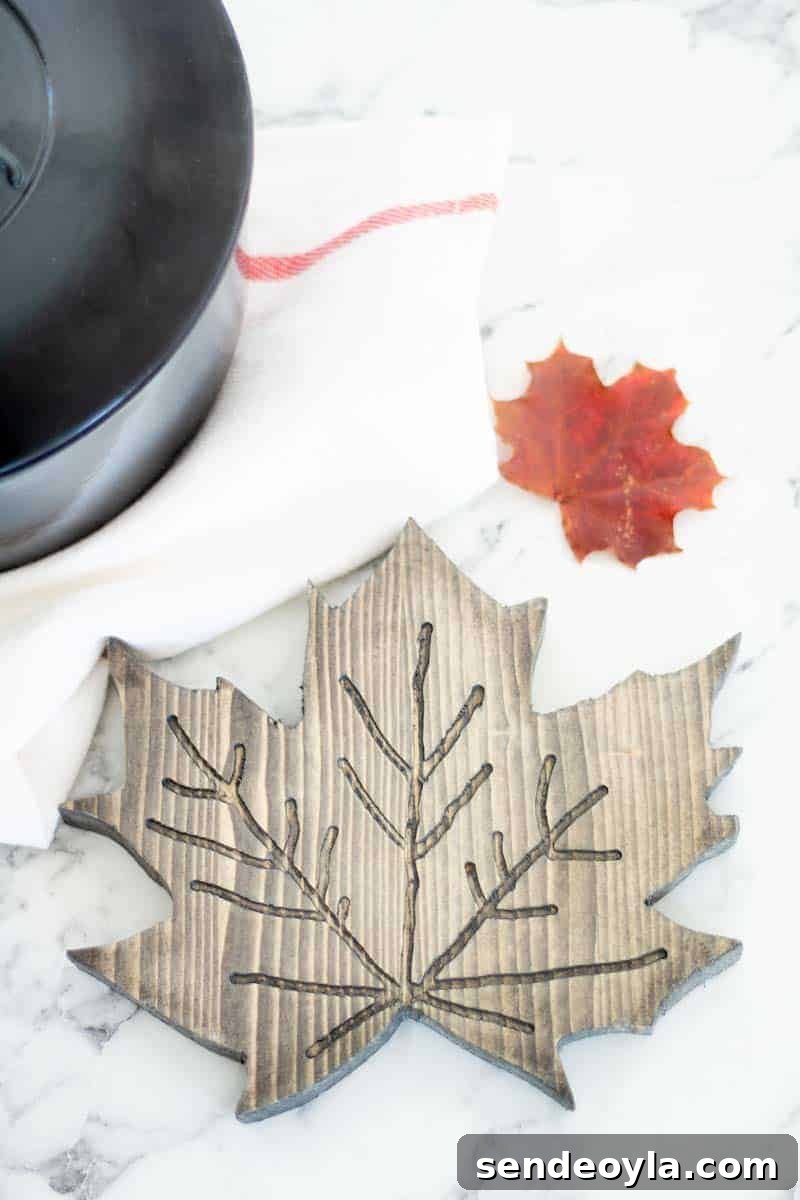
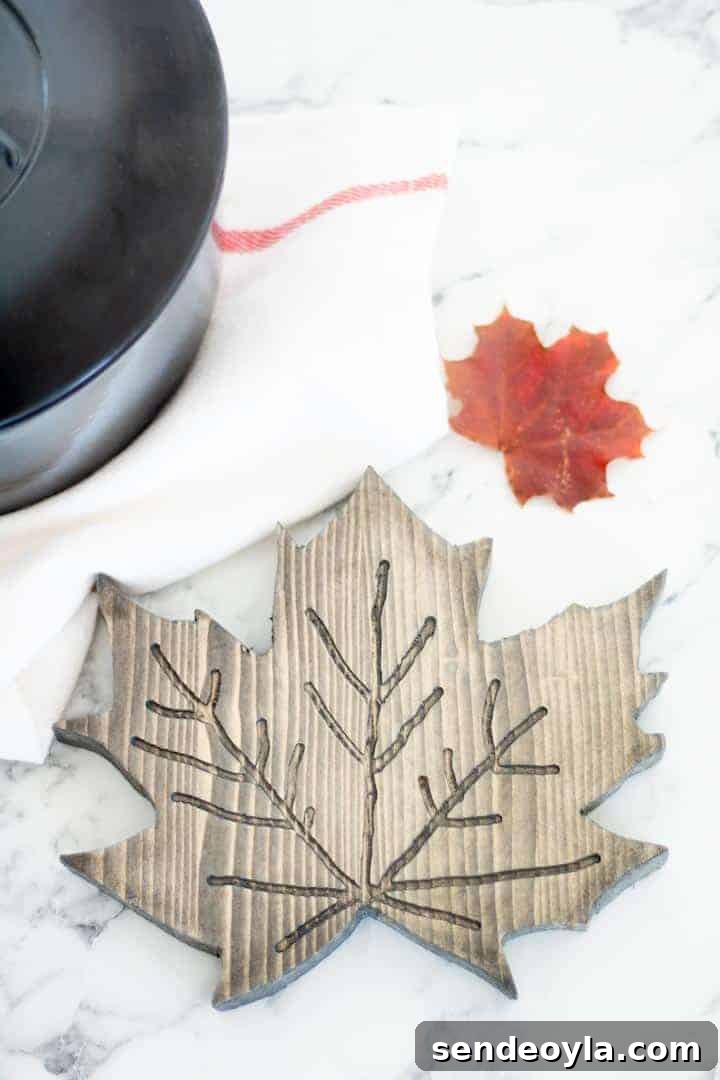
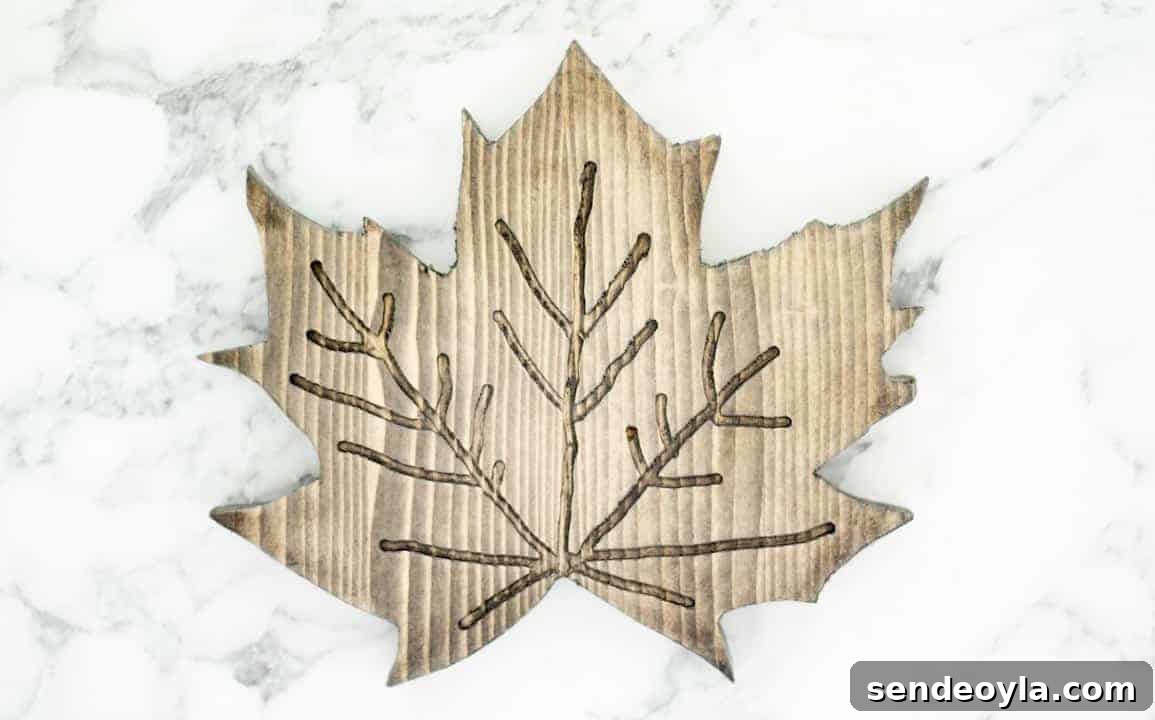
In this guide I show how to make a wooden maple leaf trivet from a pine offcut using a jigsaw and a router for the vein detail. I also suggest alternative tools if you don’t have the exact ones I use. This project makes a lovely seasonal gift and can be scaled down to create coasters or enlarged for placemats.
Sponsored content: I tested Bostik Blu Stick while making this project. You can download free printable trivet plans by signing up to the mailing list on the original blog.
I was invited to take part in some creative challenges with Bostik to push myself away from larger renovation tasks and try something smaller and craft-based. I usually tackle big jobs—tiling kitchens, laying paving—so a short, seasonal project was a welcome change.
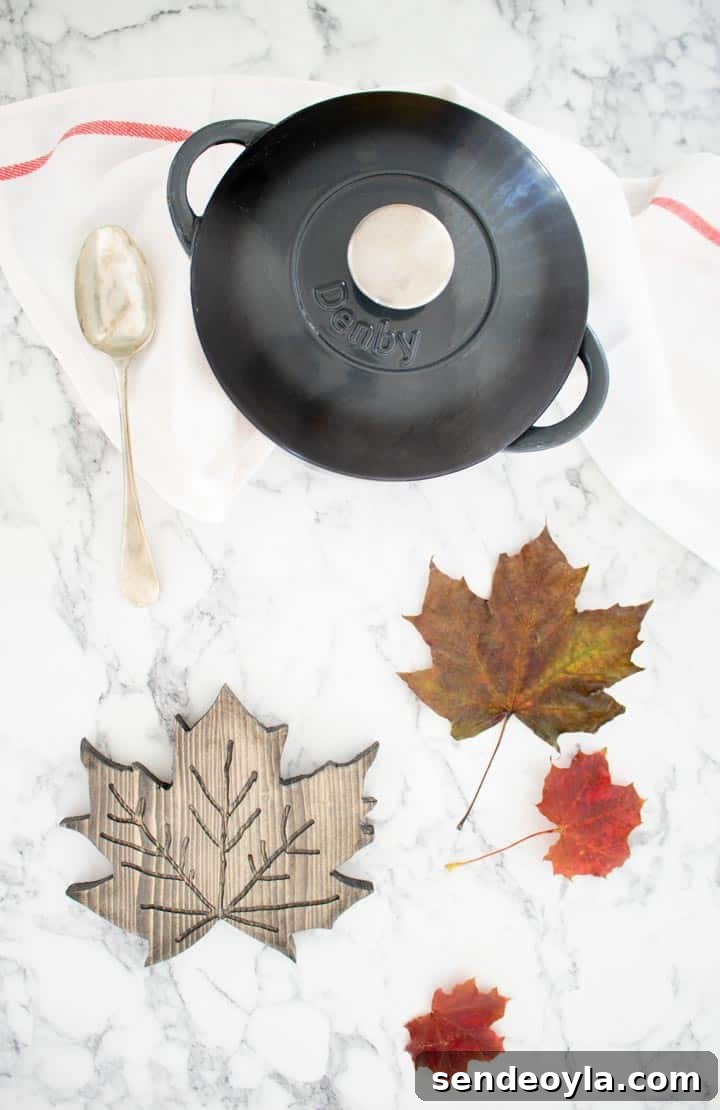
I prefer my builds to serve a purpose, so purely decorative work makes me hesitate unless it’s a useful learning exercise. As a food blogger I often need protective items for hot dishes while shooting on my marble-effect worktop, so a trivet is genuinely practical in my day-to-day.
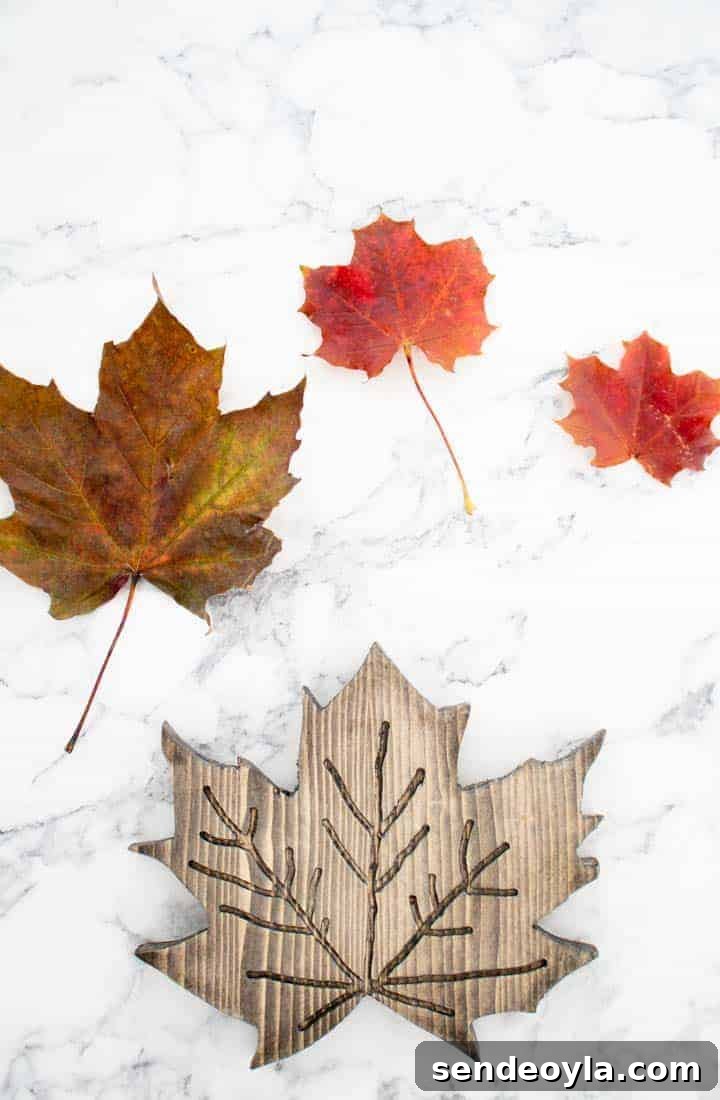
With autumn in the air and walks in the park bringing home plenty of brown maple leaves, I decided to use one as a template. Fallen leaves are free and each one has a unique silhouette that makes an attractive template for trivets, coasters or placemats. You don’t need a printer unless you want to scale the design up or down.

What is a trivet?
A trivet is a flat item placed between a hot dish, pan or bowl and a work surface to protect the surface from heat damage. It’s often called a worktop saver. Trivets can be made from many materials—tile, iron, cork and, in this case, wood. I use trivets a lot when photographing food where hot pans might otherwise mark the countertop.
Why a maple leaf trivet is a great beginner project
- Each leaf is unique, so minor imperfections in your cutting will look natural.
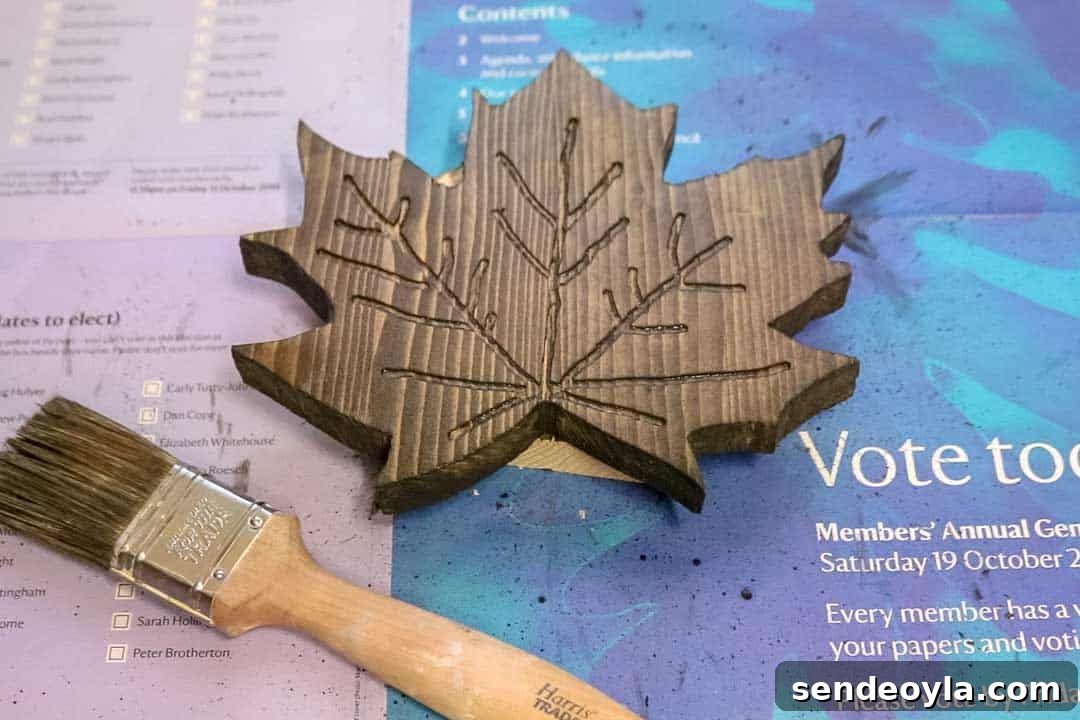
- The router work for carving veins can be simple and forgiving.
- If you’re nervous using a powered saw, a coping saw will work fine for smaller leaves.
- This project isn’t time-sensitive—work at your own pace and prioritise safety.
What equipment you’ll need
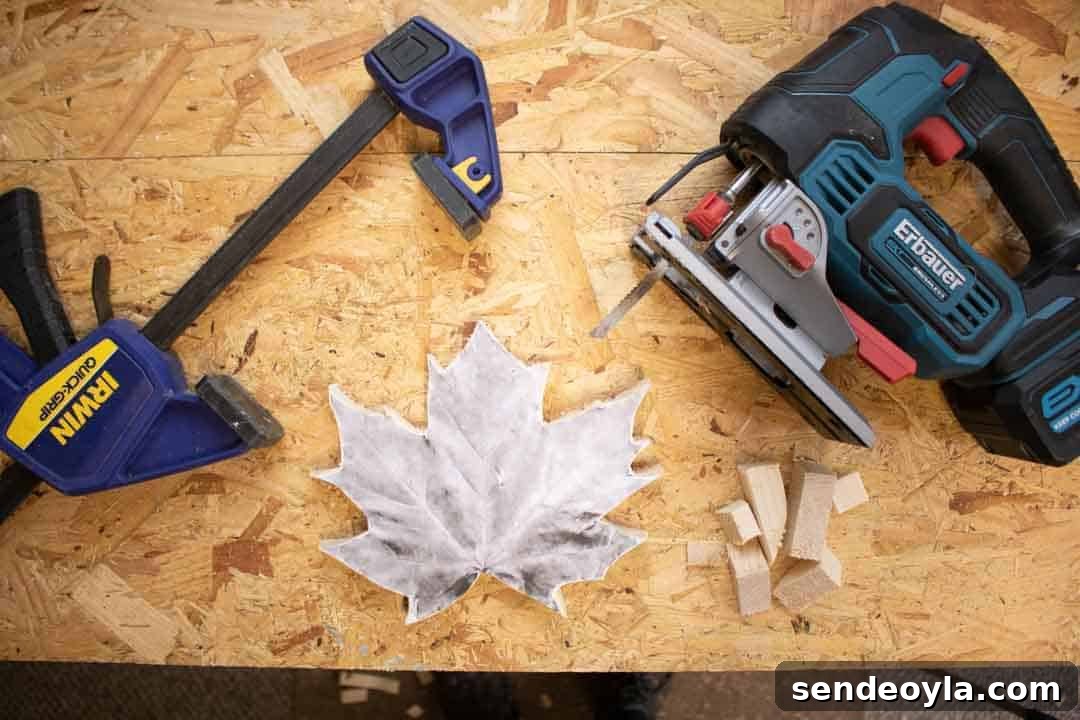
You can adapt this method for the tools you have. A bandsaw will cut the shape fastest, but the project works well with a jigsaw, coping saw or scroll saw for smaller pieces.
- A real maple leaf to trace
- Jigsaw (or bandsaw / coping saw)
- Blu Stick or low-tack repositionable adhesive
- Clamps
- Scanner or camera
- Computer and printer (optional—hand-drawing works too)
- Scissors
- Router (or a Dremel / rotary tool for carving; a pyrography pen is an alternative)
- Straight router bit (slim profile)
- Pen or marker to mark vein lines
- Set of rasps or files
- Orbital sander
- Water-based stain and paintbrush
- Water-based clear varnish
- Four small rubber feet or adhesive pads to protect surfaces
Important tips if you want matching coasters
If you plan to make several identical coasters, a jigsaw isn’t ideal because clamping and handling very small pieces can be awkward. For leaves around 10 cm square, a coping saw or bandsaw gives better control. After cutting the first piece, trace its outline on the next blank to keep shapes consistent.

How to make a wooden maple leaf trivet
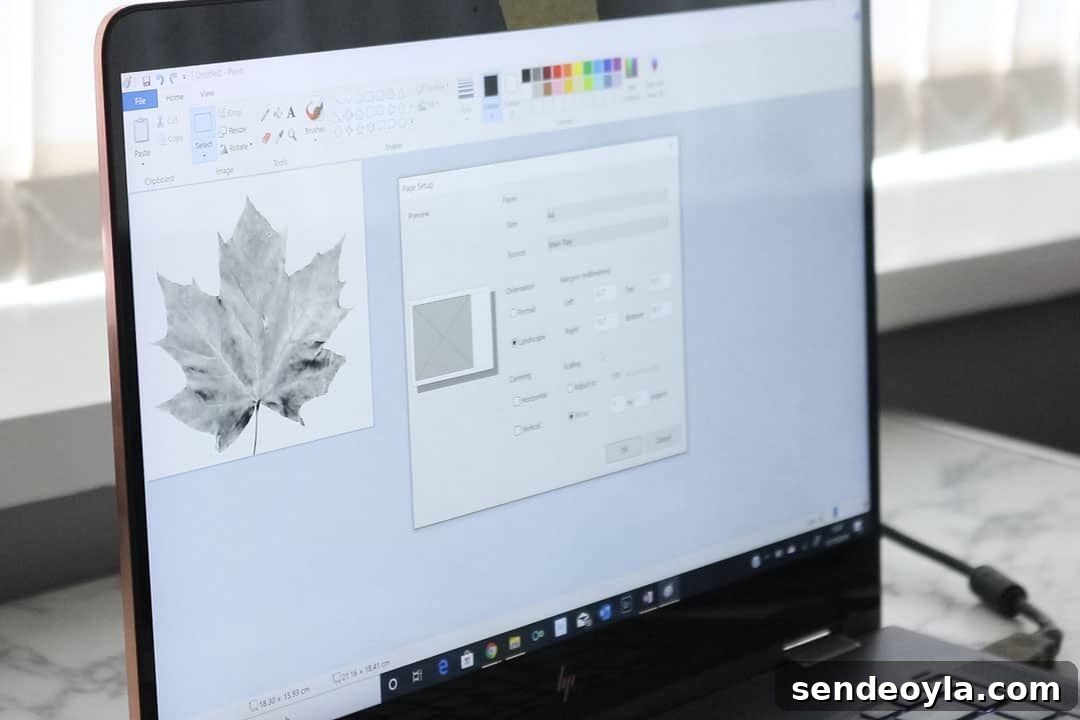
1. Scan or photograph your leaf on a plain background, then transfer the image to your computer. Edit the image to remove colour and scale it to the desired size before printing. If you prefer, simply draw the leaf shape by hand.
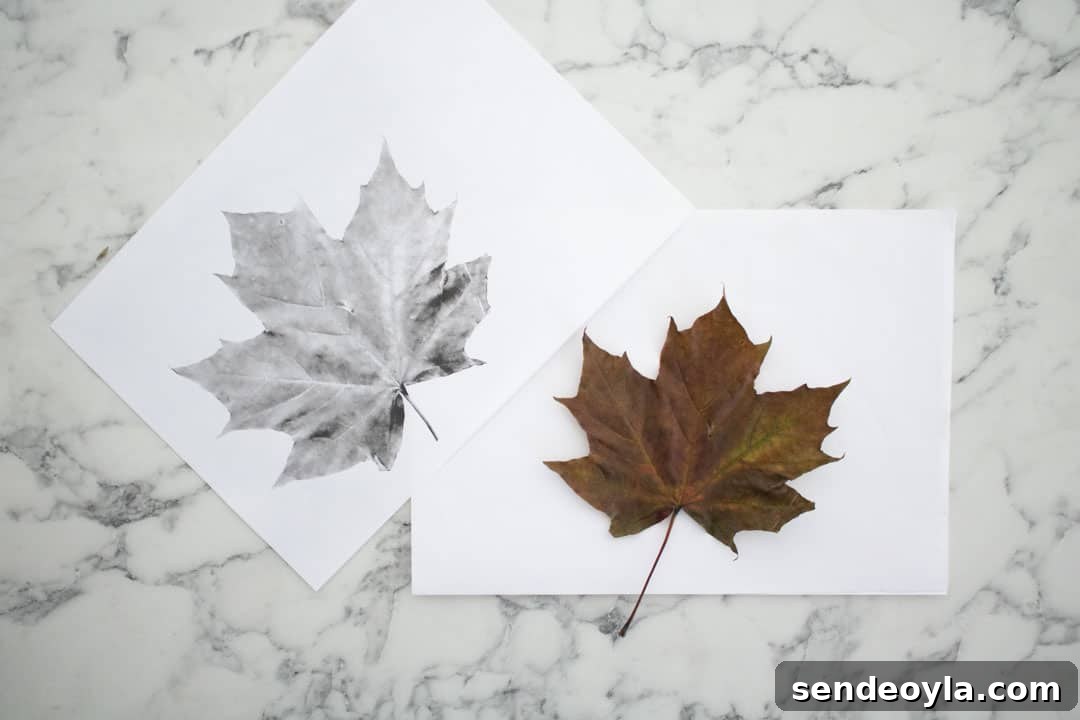
2. Print and cut out the paper template. Leaves don’t need perfect symmetry, but if you want a slightly larger finished piece, add a 1 cm allowance to the outline before cutting.
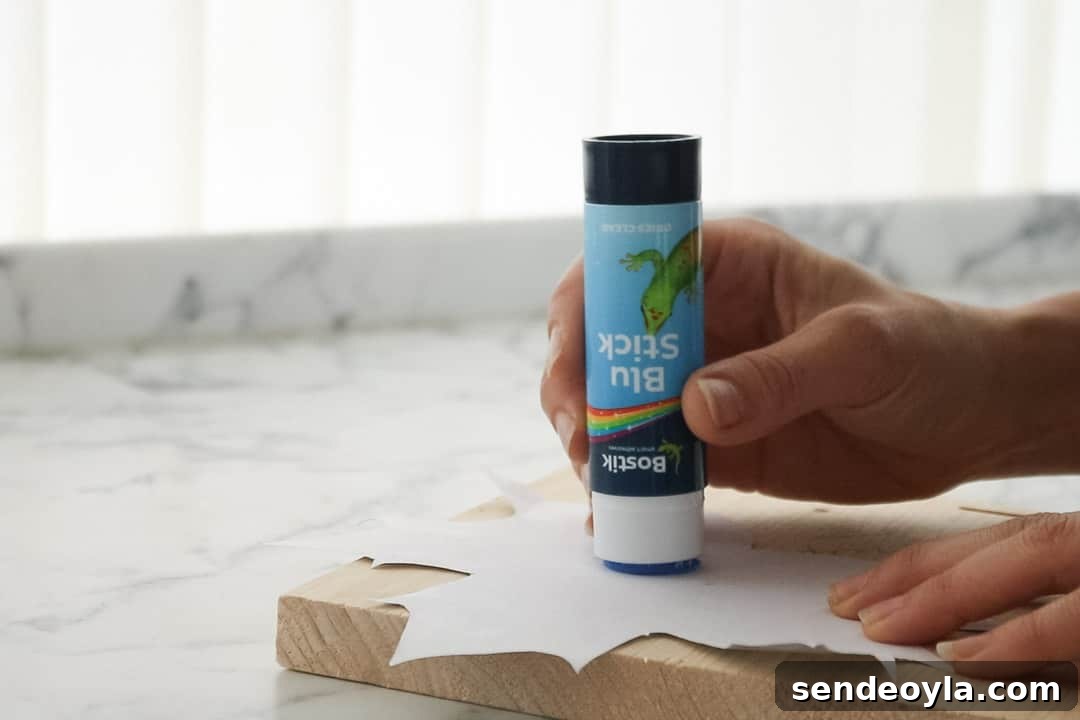
3. Dab the repositionable adhesive (Blu Stick) on the back of the template—focus on the ends and a little in the middle—then stick the paper to your wood offcut. I used a leftover pine square, roughly 20 x 20 cm and about 10–18 mm thick.
4. Clamp the wood securely to your bench. Take your time and get the jigsaw up to speed before starting. Hold the base plate flat to prevent jumping and remember you’ll need to unclamp and rotate the work as you follow the outline.
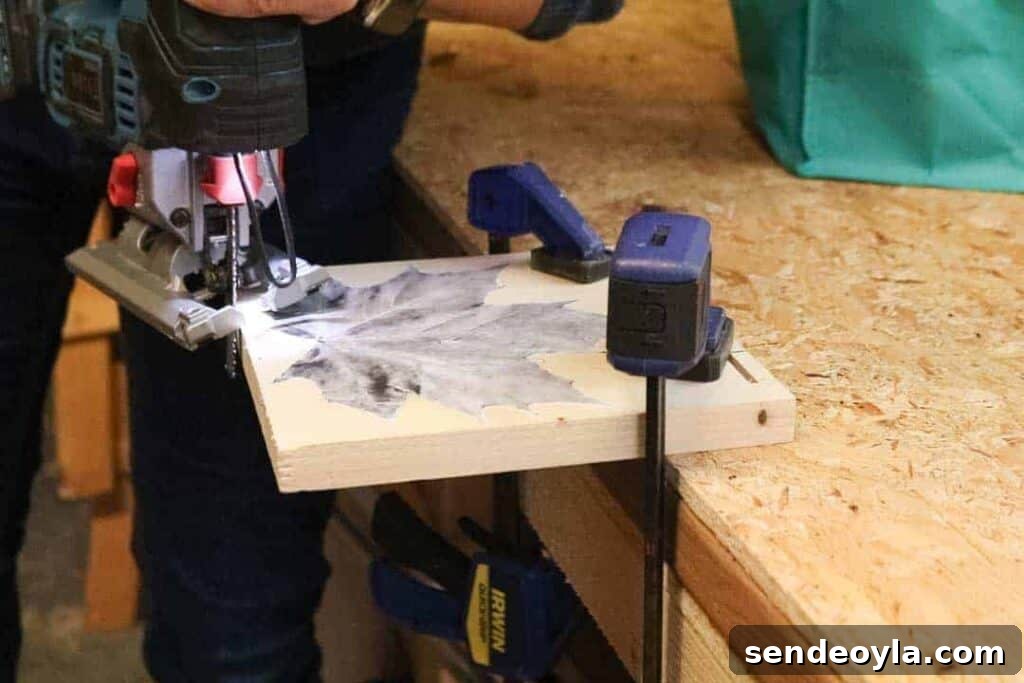
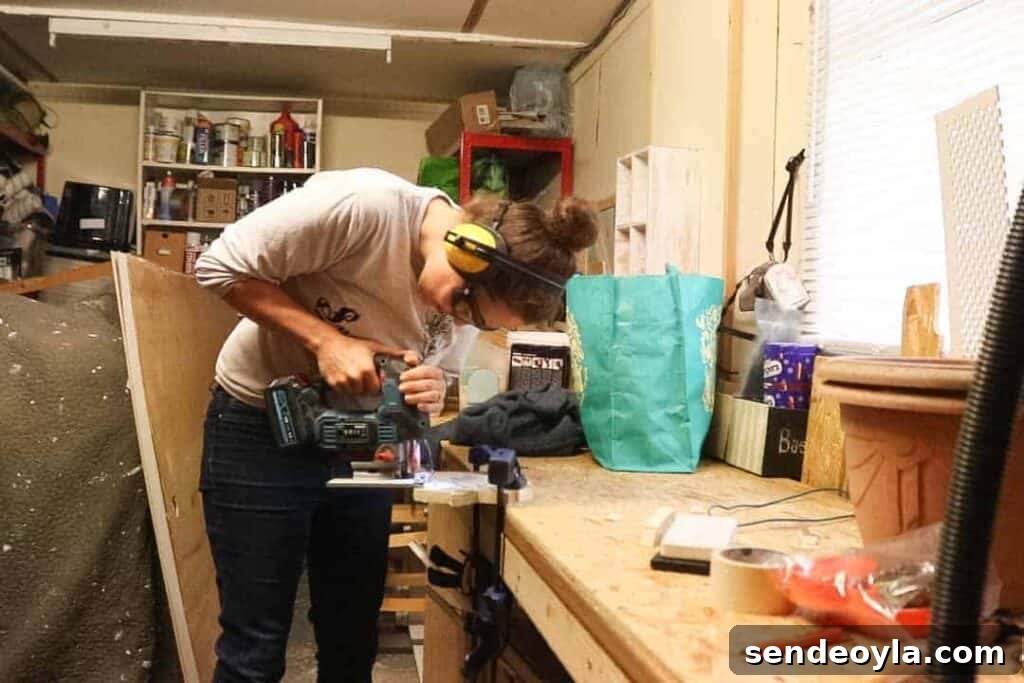
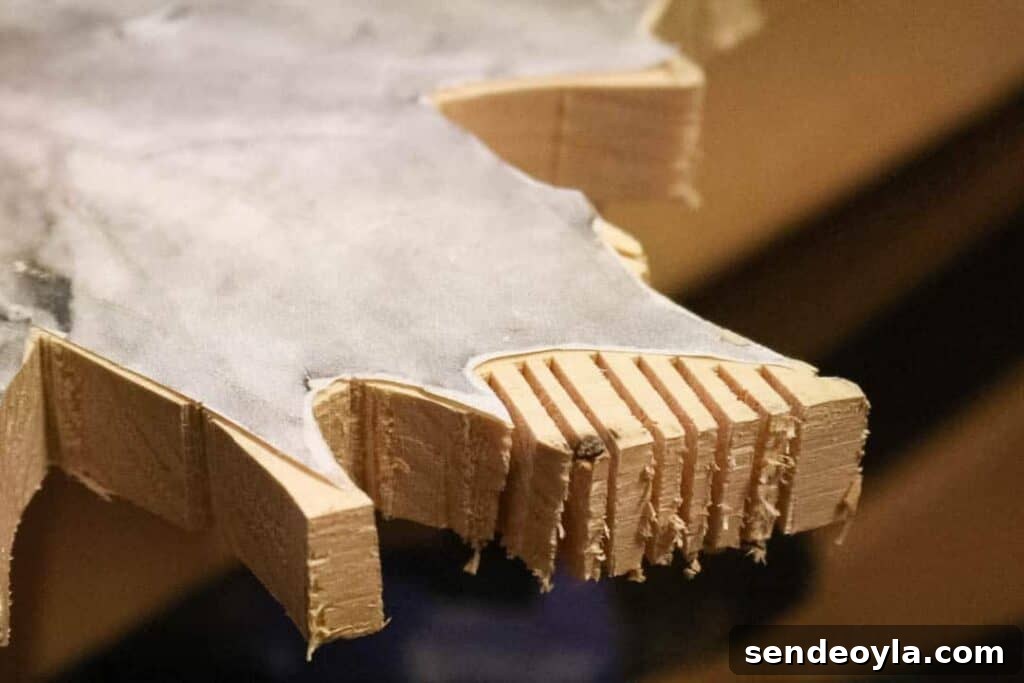
Tips for using a jigsaw
- Bring the blade up to speed before cutting.
- Keep the base plate pressed down to reduce vibration.
- Move slowly and steadily—rushing causes mistakes.
- Unclamp, rotate and re-clamp as needed to keep comfortable cutting angles.
- Small miscuts usually read as natural leaf detail and can be refined later.
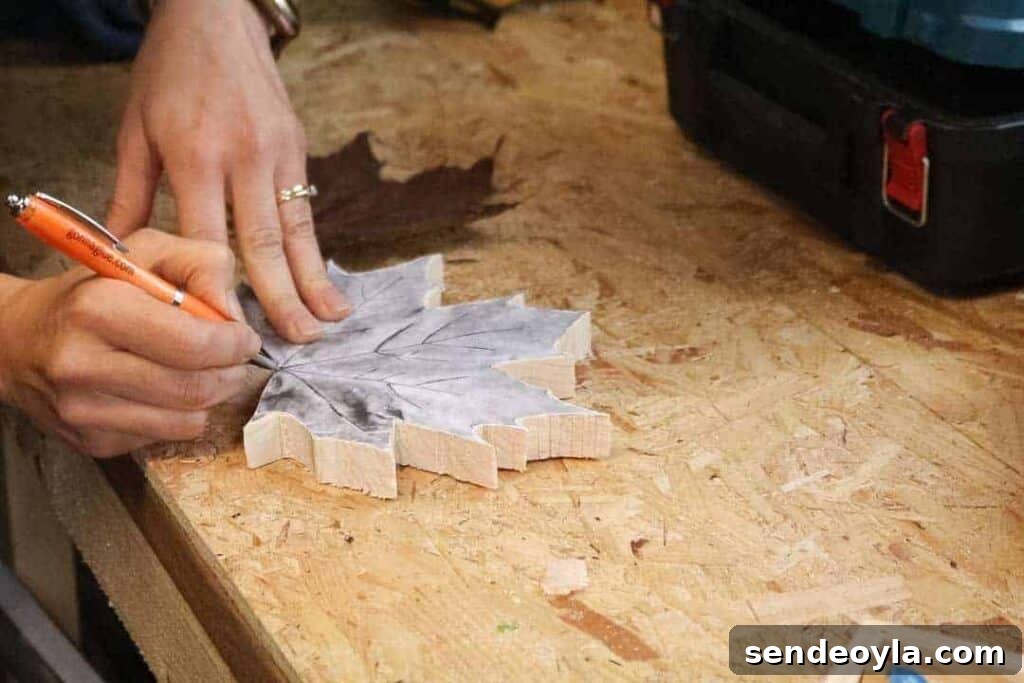
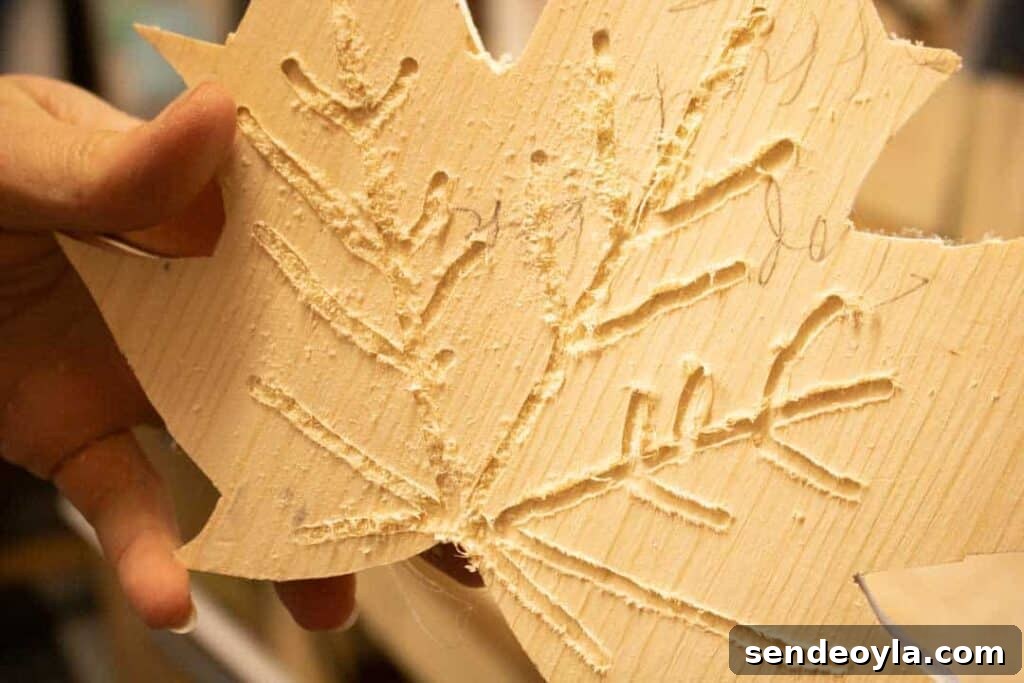
5. After cutting, sketch the main vein lines with a pen. You don’t need to include every small vein—too many will clutter the carving.
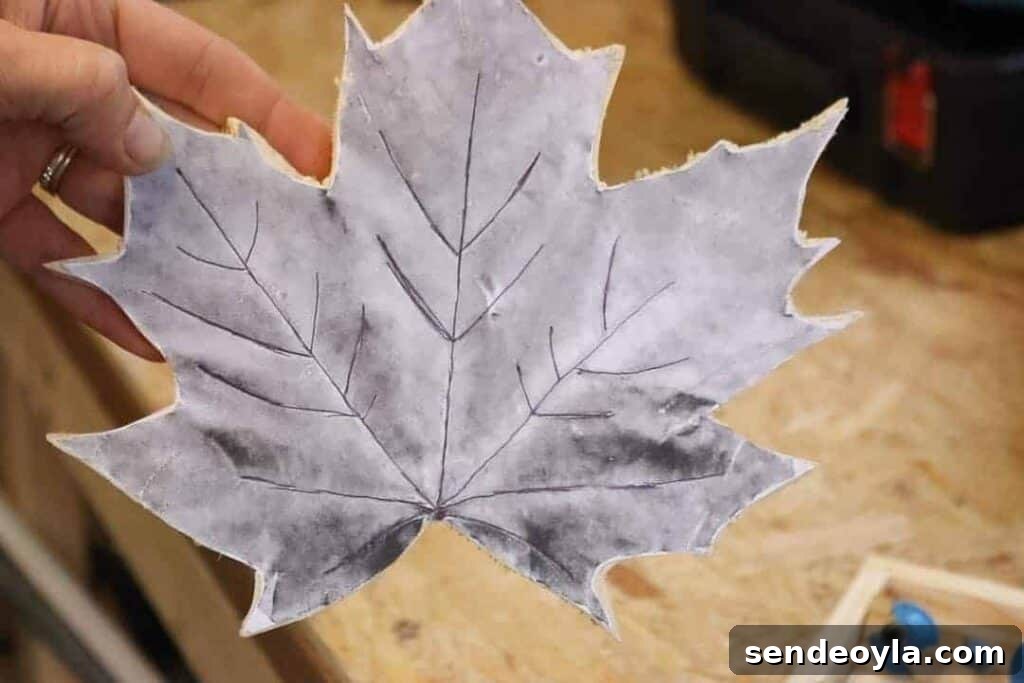
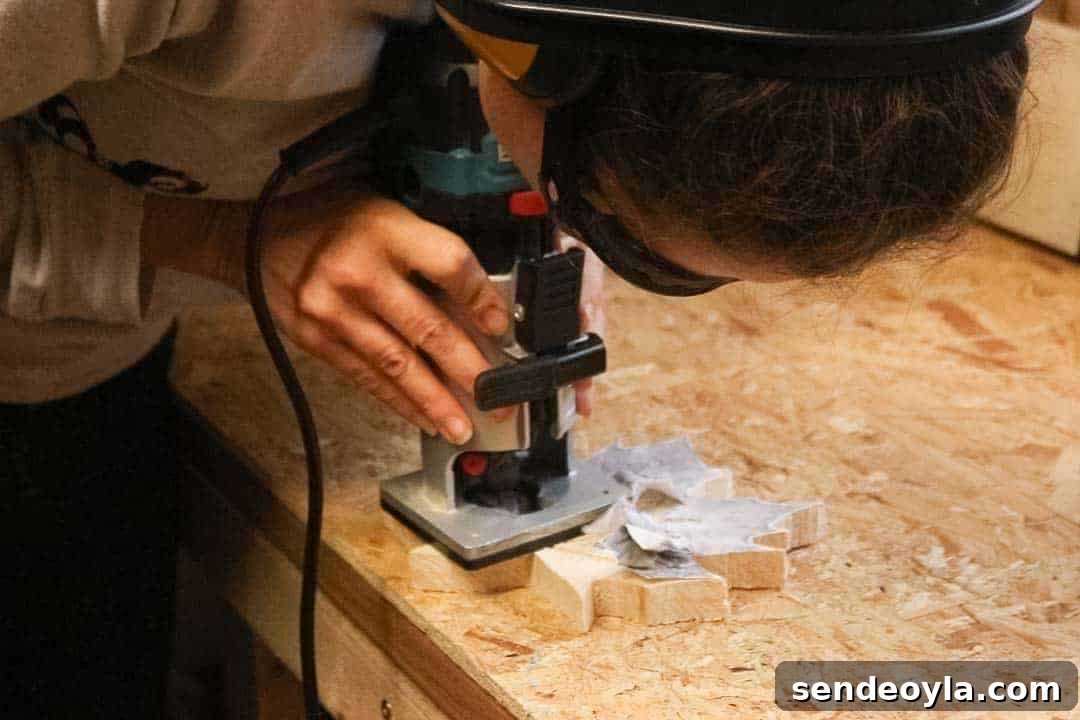
6. Use a couple of small hot-glue dabs on the back of the piece to hold it to the workbench while routing. Wear hearing protection and safety goggles, then rout the veins with a slim straight bit. If you don’t have a router, a Dremel rotary tool or a pyrography pen will achieve similar results.
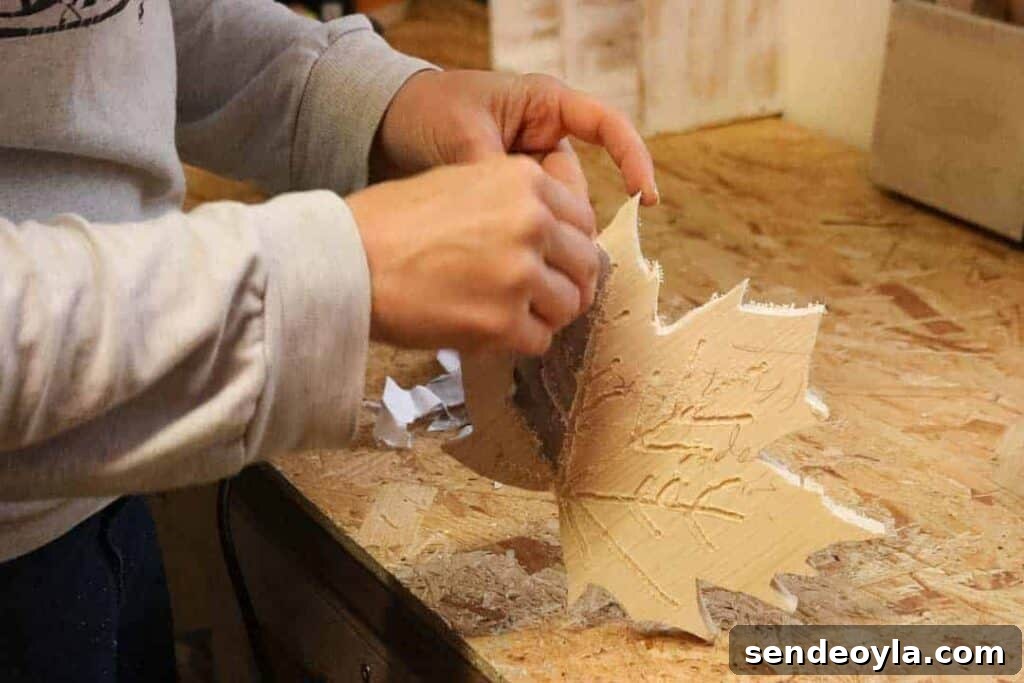
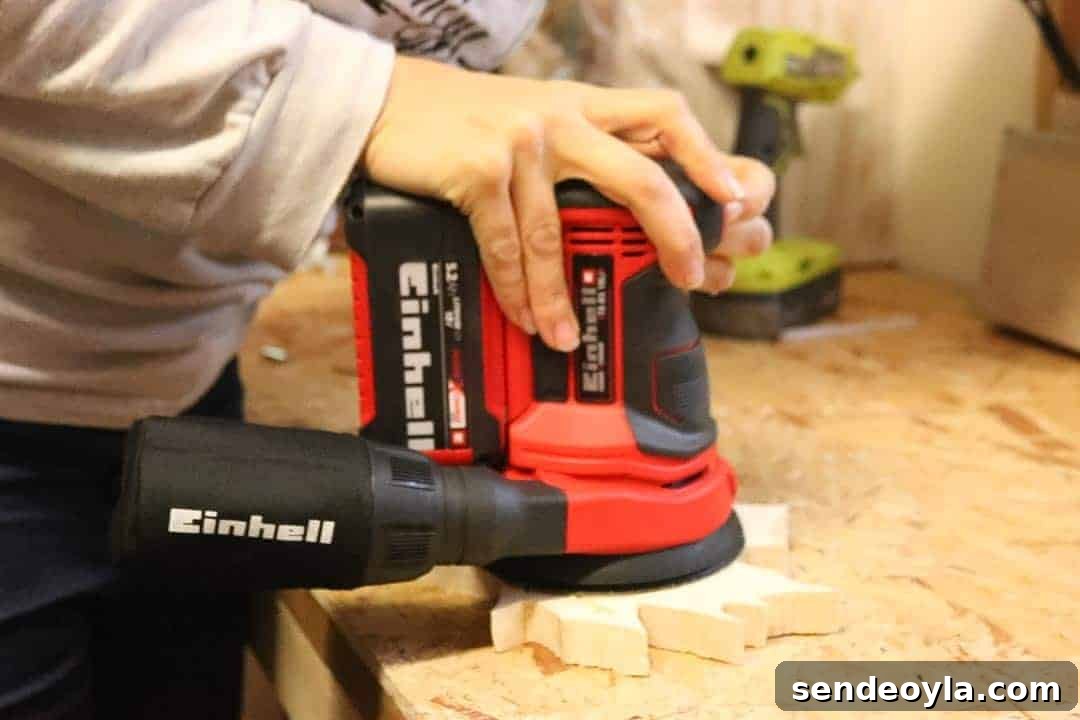
7. Remove the paper template and discard it. Sand the top and back with an orbital sander to remove glue residue and smooth the surfaces.
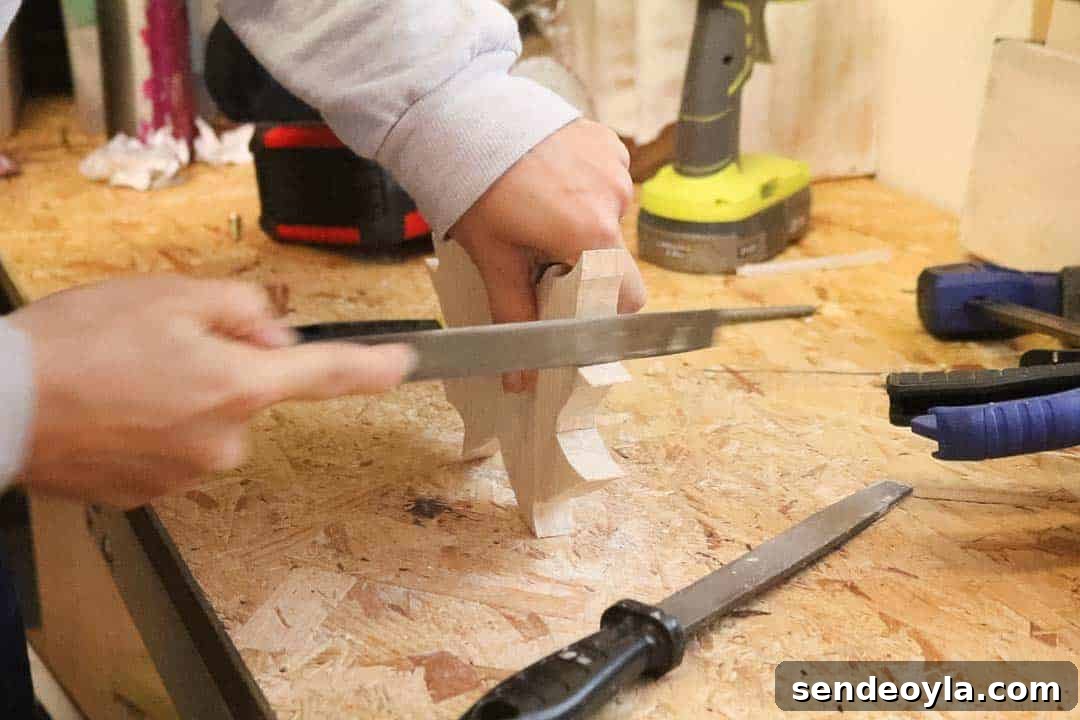
8. File and rasp the edges to tidy any rough jigsaw marks. Clean away sawdust before staining.
9. Apply a water-based stain to highlight the carved veins, allow it to dry, then seal with a clear water-based varnish. Once fully dry, stick small rubber feet to the base to prevent scratches when the trivet is placed on a work surface.
You might also like
How to make boat fender hangers (a similar method)
DIY Wooden Maple Leaf Trivet
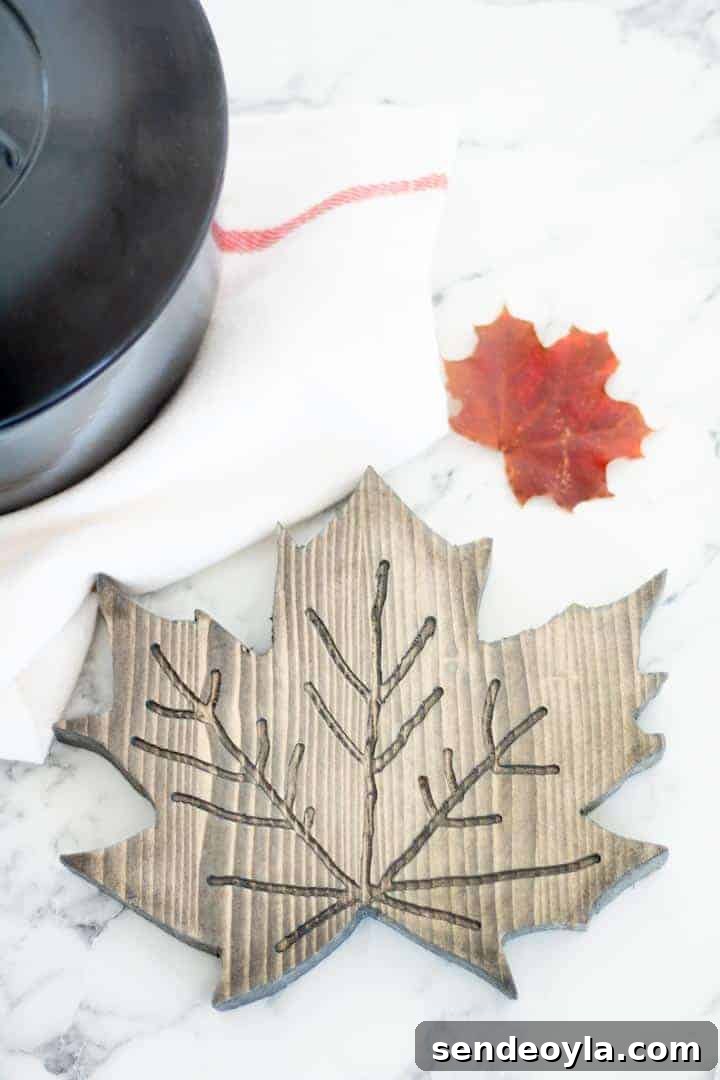
This step-by-step project shows how to make a wooden maple leaf trivet using a pine offcut, a jigsaw and a router for the carving. Alternatives are suggested for tools you may not own. The finished piece is attractive, functional and makes a thoughtful seasonal gift.
10 minutes
2 hours
2 hours 10 minutes
Low
Materials
- A maple leaf
- 20 x 20 cm pine square, 10–18 mm thick (or similar)
- Blu Stick or similar low-tack adhesive
- Water-based stain
- Water-based clear varnish
- 4 small rubber feet
Tools
- Jigsaw (or bandsaw / coping saw)
- Clamps
- Scanner or camera
- Computer and printer (optional)
- Scissors
- Router (or Dremel / pyrography pen)
- Straight router bit
- Pen or marker
- Rasps or files
- Orbital sander
- Paintbrush
Instructions
- Scan or photograph the leaf, edit and print it to the size you want.
- Cut out the paper template and stick it to your wood blank with Blu Stick.
- Clamp the wood and cut the leaf shape with a jigsaw, bandsaw or coping saw.
- Mark the main vein lines with a pen so they’re easy to follow.
- Secure the piece to the bench with a couple of glue dabs and rout the vein detail.
- Remove the paper, sand the surfaces and tidy the edges with rasps and files.
- Wipe dust from the surface, apply water-based stain and allow to dry.
- Seal with a water-based varnish. Once dry, add rubber feet to the base.
Notes
If you don’t have some of the tools listed above, the main post describes suitable alternatives such as using a coping saw, Dremel, or pyrography pen for carving.
Recommended tools to consider
- Wood rasp set
- Trim router or laminate trimmer
- Quick-grip clamps
- Reusable low-tack glue stick
- Compact jigsaw
- Random orbital sander
Pin this maple leaf trivet for later